
Small Tortoiseshell
Aglais urticae
A vivid orange-red European garden butterfly patterned with black and yellow blocks and a border of blue crescents, one of the most familiar and widely recognized butterflies across its range.
- Size
- 1.75–2.25 in wingspan
- Habitat
- Gardens, meadows, nettle patches (Europe and temperate Asia)
- Danger
- Harmless
Spotted a bug like this?
Identify any bug or insect from a photo, free.
Overview
The Small Tortoiseshell is a well-known nymphalid butterfly found across Europe and temperate Asia, closely related to the Peacock Butterfly and sharing the same larval host plant, stinging nettle. Its bright, warm coloration and bold pattern have made it one of the most familiar and frequently recorded butterflies in gardens and countryside throughout its range.
Like its relative the Peacock, the Small Tortoiseshell overwinters as an adult, tucking into sheltered crevices, sheds, or buildings during the cold months and re-emerging on mild days, sometimes even indoors during warm spells in winter. This makes it one of the earliest butterflies typically seen each spring.
Despite periodic population fluctuations linked to parasites and weather, it remains one of the most widely distributed and easily recognized butterflies across its Eurasian range.
How to Identify
- Bright orange-red wings marked with bold black and yellow blocks near the forewing tip and black spots along the wing.
- A border of small blue crescent-shaped spots runs along the outer margin of both wings.
- Wing edges are scalloped, giving a slightly notched outline typical of the genus.
- Underside is dark brown to blackish, camouflaging the butterfly when at rest with wings closed.
- Distinguished from the Peacock Butterfly by its smaller size, brighter orange base color, and lack of large true eyespots.
Habitat & Range
Widely distributed across Europe and temperate Asia, occurring in gardens, meadows, hedgerows, woodland edges, and urban parks wherever nettles grow. Adults are active from early spring through autumn, with hibernating adults sometimes seen on warm winter days in sheltered locations such as garages, sheds, and window frames.
Behavior & Diet
Adults are frequent visitors to garden flowers, especially buddleia, asters, and other nectar-rich blooms, and are often seen basking with wings open in sunny spots. When disturbed while at rest, they may flick their wings open to reveal the bright upper pattern as a startle response. Caterpillars feed gregariously in silk webs spun over nettle foliage before dispersing to pupate individually, and the species is an important nectar pollinator in gardens across its range.
Life Cycle
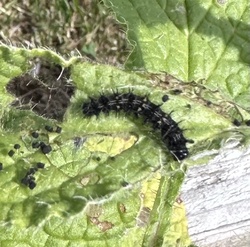
Eggs are laid in large batches on the undersides of nettle leaves. Caterpillars are black with yellow stripes and branching spines, feeding communally in silked nettle tops during early instars. There are typically two or more generations per year in much of the range, and adults of the final brood overwinter in sheltered locations, emerging again in early spring to mate and lay eggs.
Frequently asked questions
How can I tell it apart from the Peacock Butterfly?
The Small Tortoiseshell is smaller, brighter orange overall, and has a border of blue crescents rather than the Peacock's four large true eyespots.
Why do I sometimes see one indoors in winter?
This species hibernates as an adult in sheltered spots such as sheds, garages, or houses, and can become active during unseasonably warm winter days.
What do the caterpillars eat?
Stinging nettle is the primary and near-exclusive host plant for the caterpillars.
Where is it commonly found?
It is widespread across Europe and temperate Asia in gardens, meadows, and countryside wherever nettles are present.
Small Tortoiseshell guides
In-depth guides for identifying, understanding, and living alongside Small Tortoiseshell.
Small Tortoiseshell identified by the community
Real finds identified with Bug Identifier.




Other bugs you may enjoy
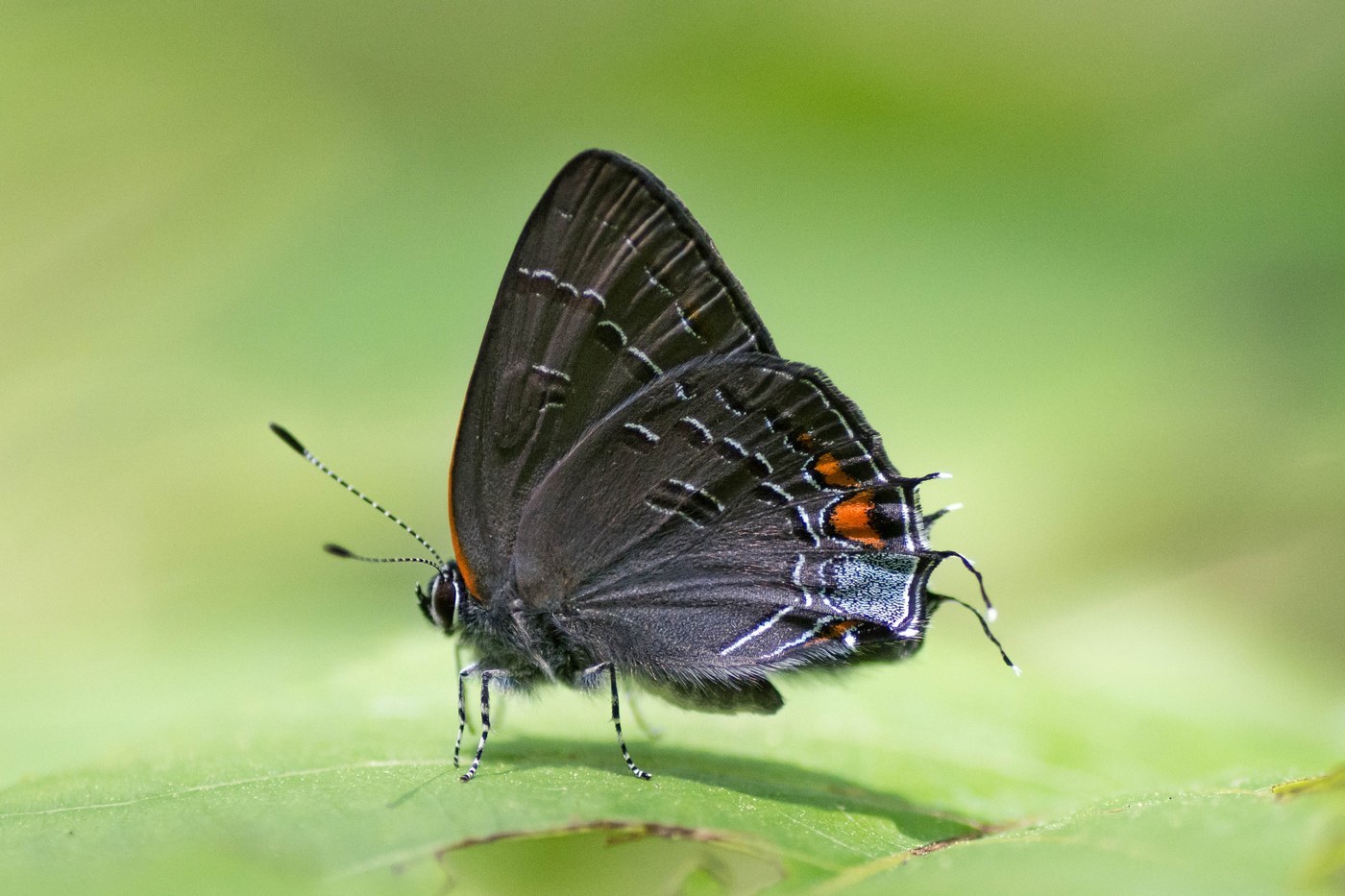
Banded Hairstreak
Deciduous woodlands and edges with oaks and hickories
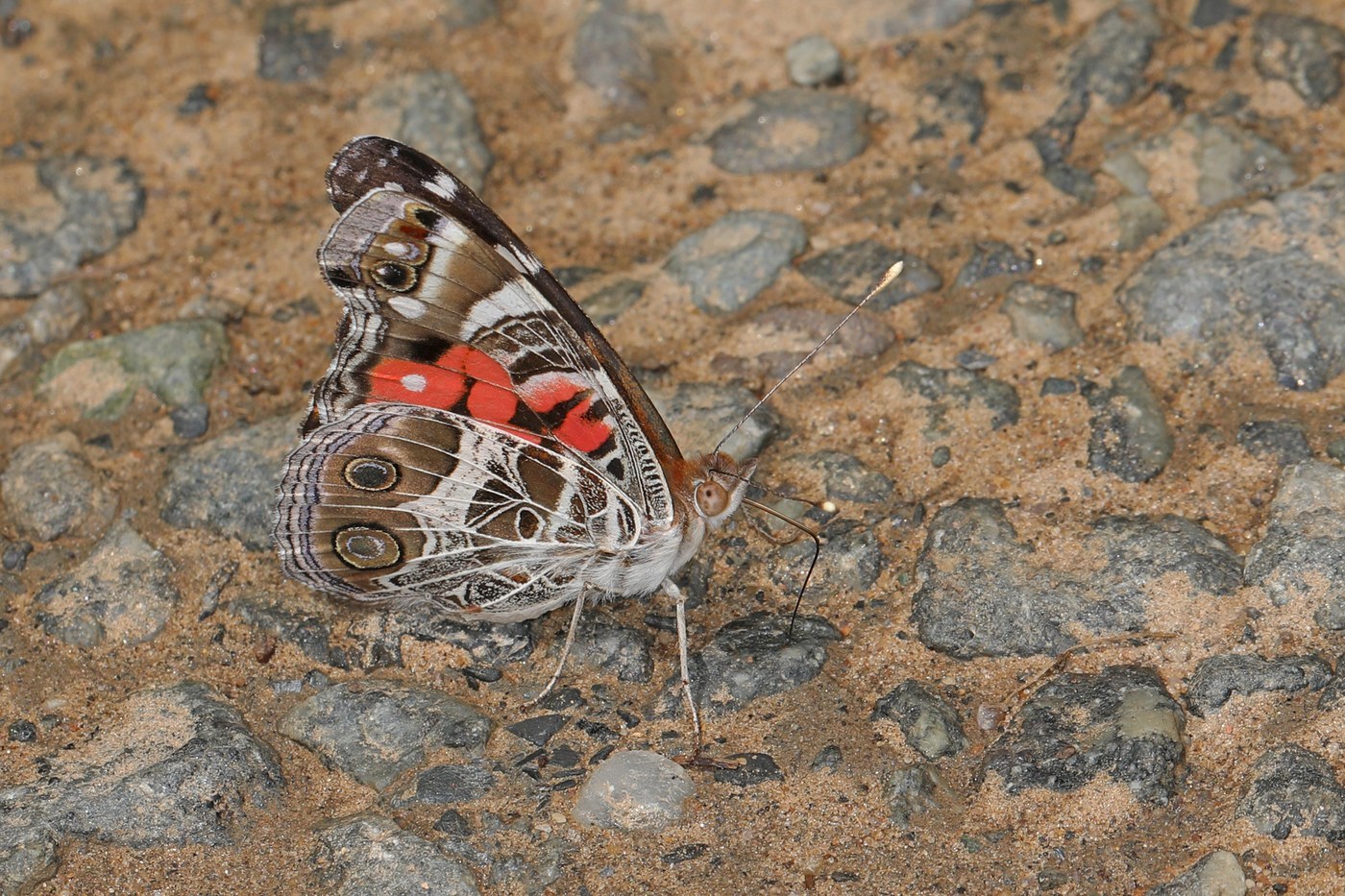
American Lady
Open fields, meadows, gardens, roadsides
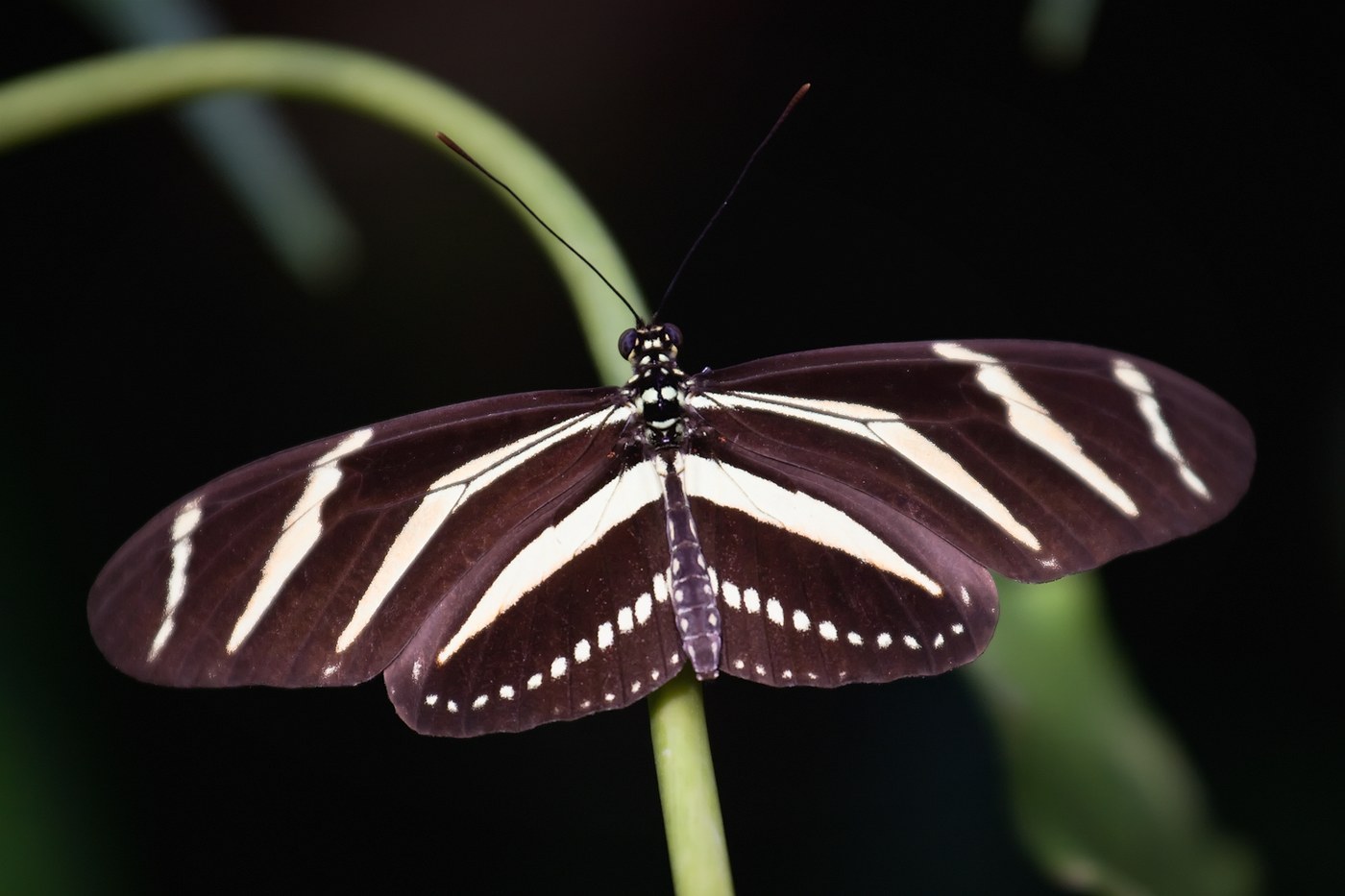
Zebra Longwing
Tropical hammocks, gardens, forest edges
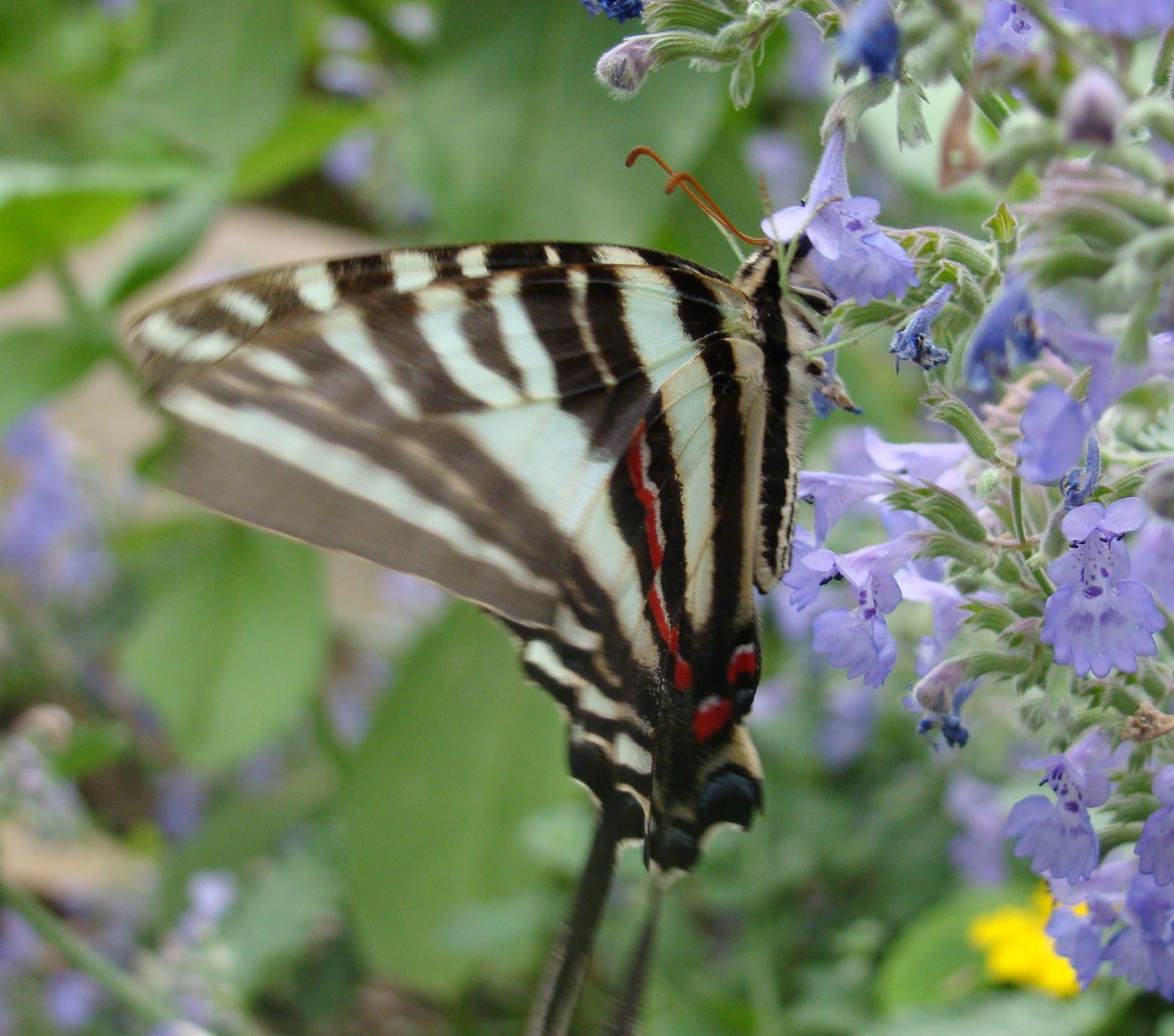
Zebra Swallowtail
Woodlands, floodplains, forest edges near pawpaw
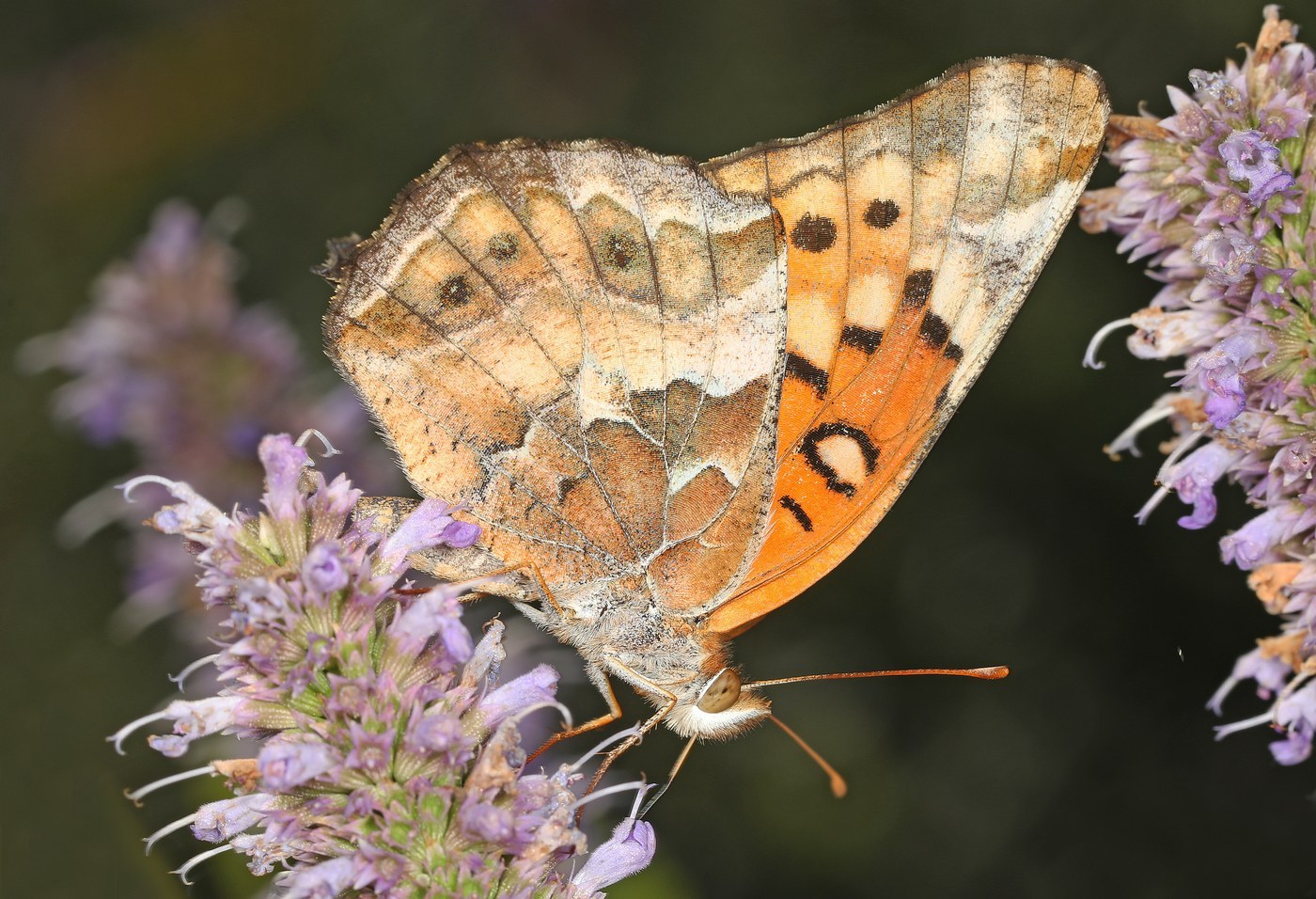
Variegated Fritillary
Open fields, prairies, roadsides, and disturbed ground across most of the United States
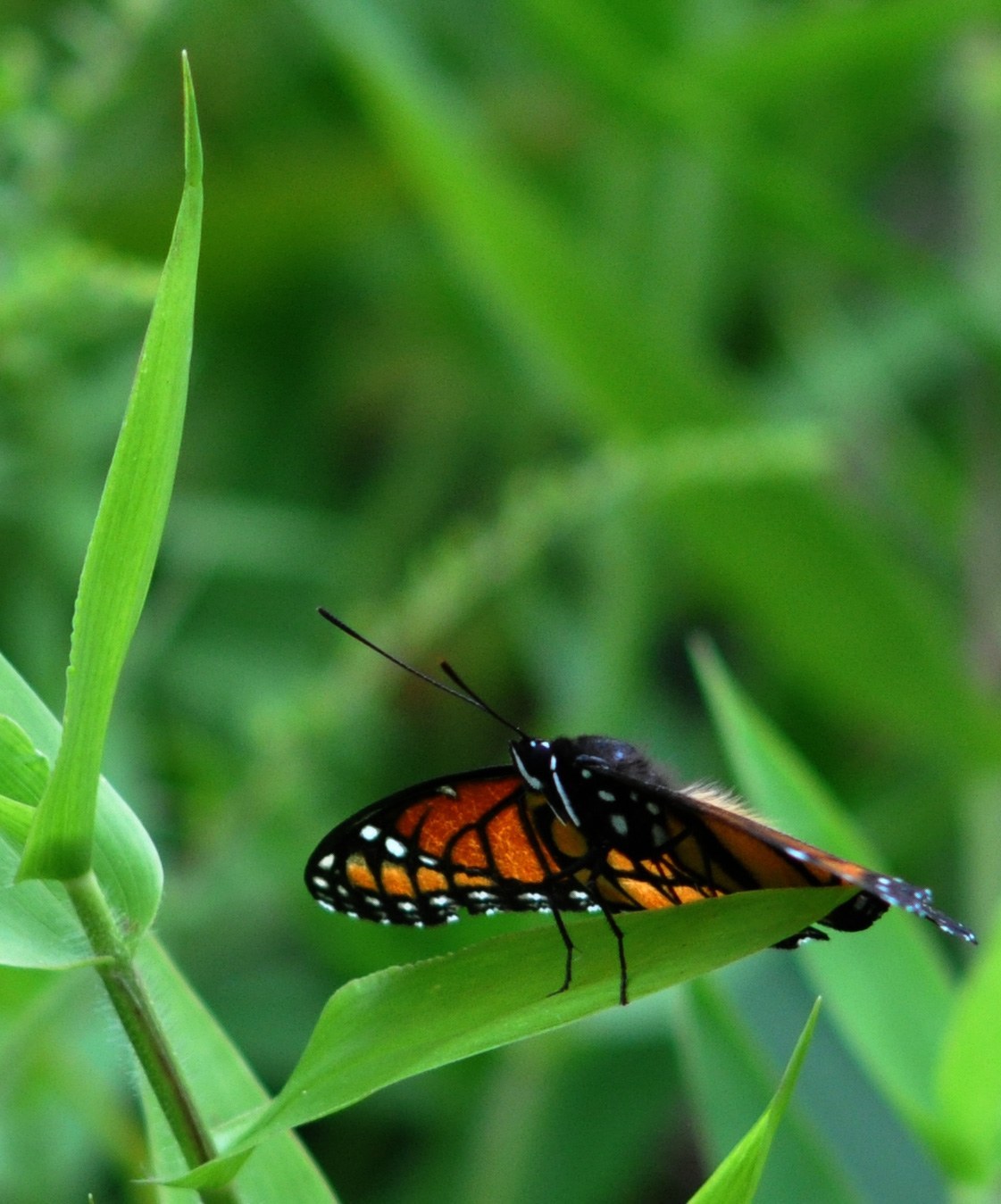
Viceroy Butterfly
Wetlands, meadows, riverbanks, willow thickets (North America)
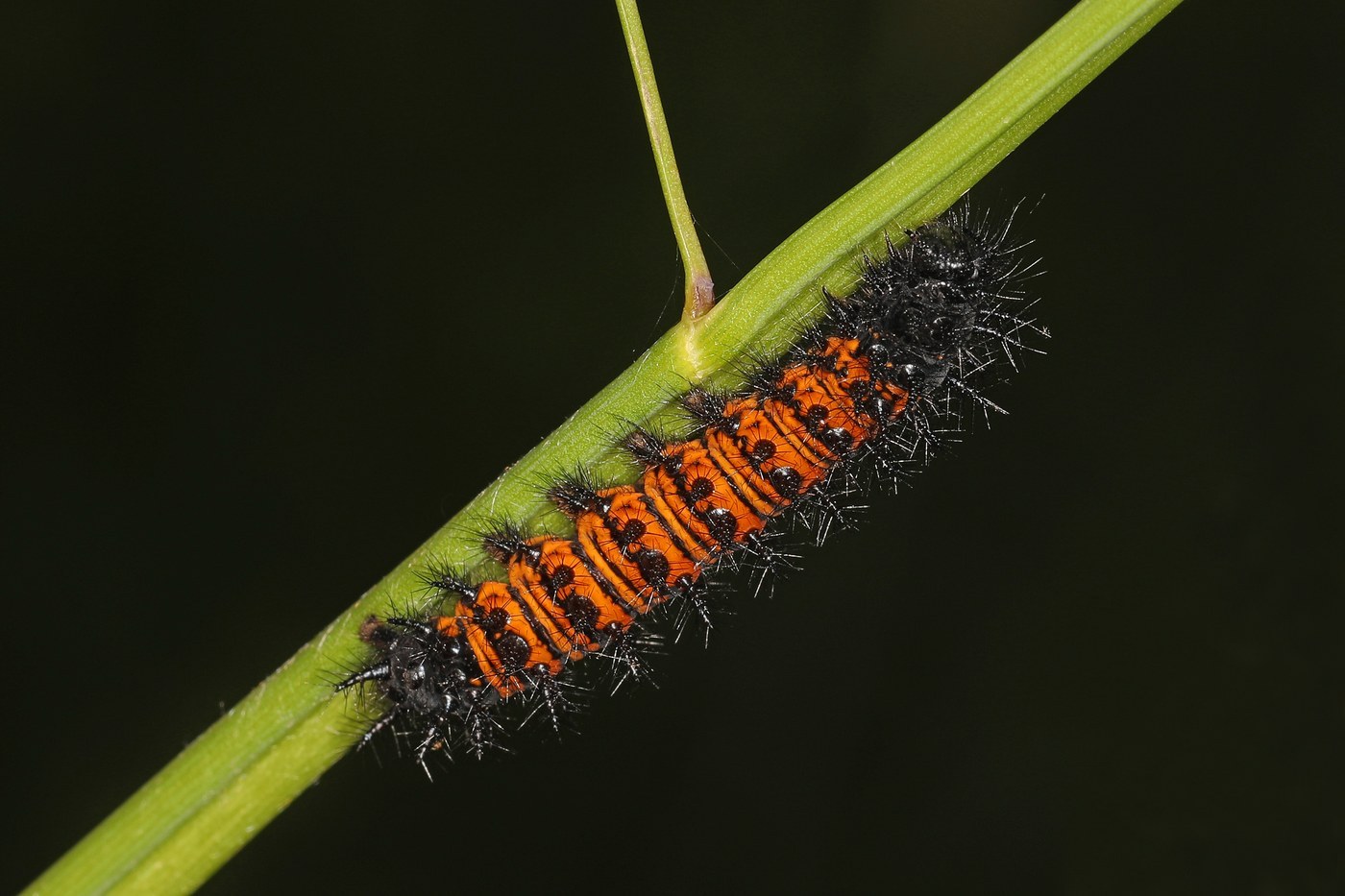
Baltimore Checkerspot
Wet meadows, bogs, and marshy fields in the northeastern and Appalachian US
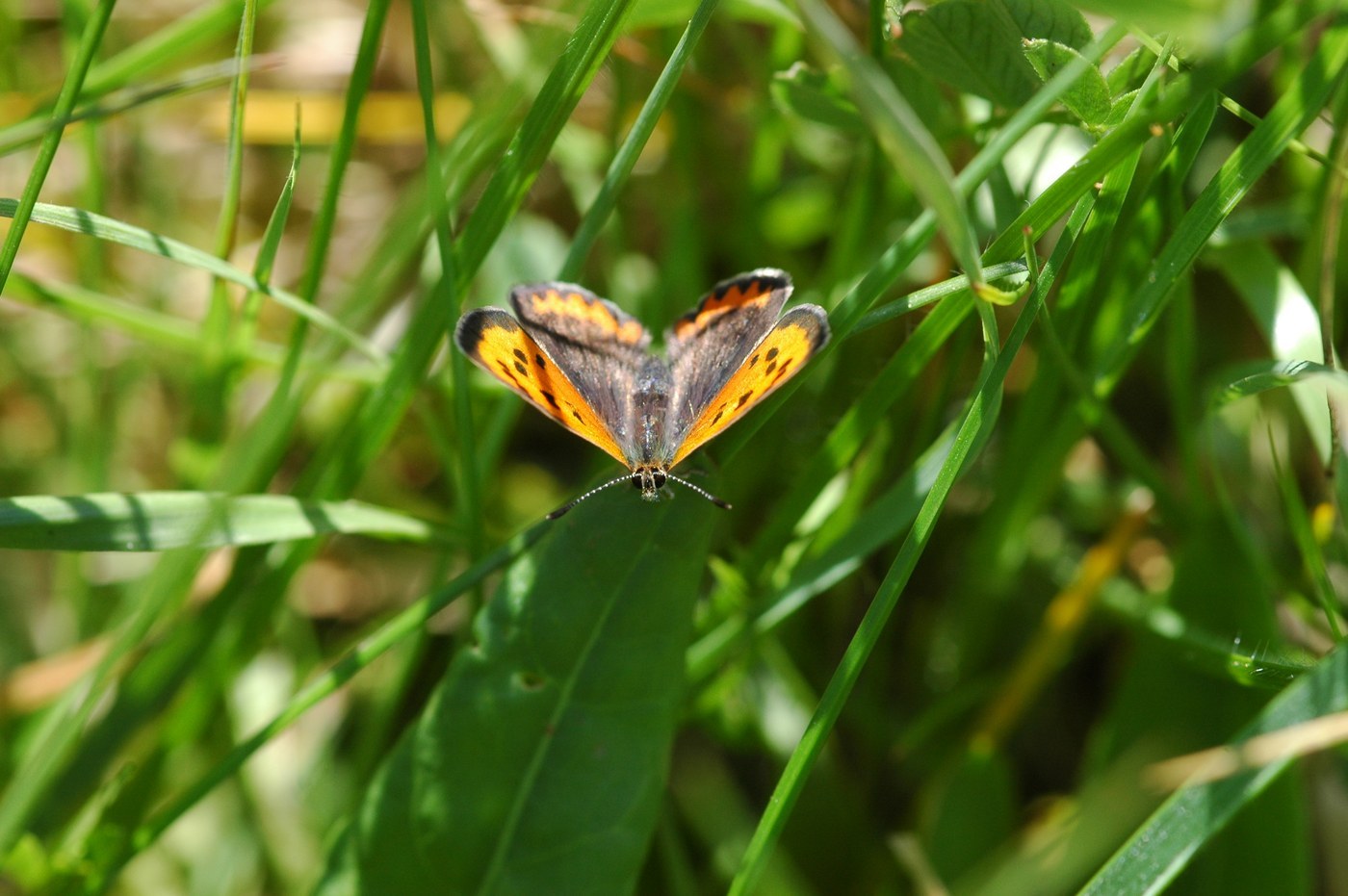
American Copper
Old fields, roadsides, and disturbed open ground with sorrel or dock
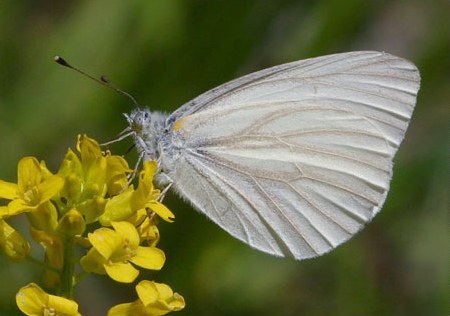
West Virginia White
Rich deciduous forest floors, especially near seeps and streams
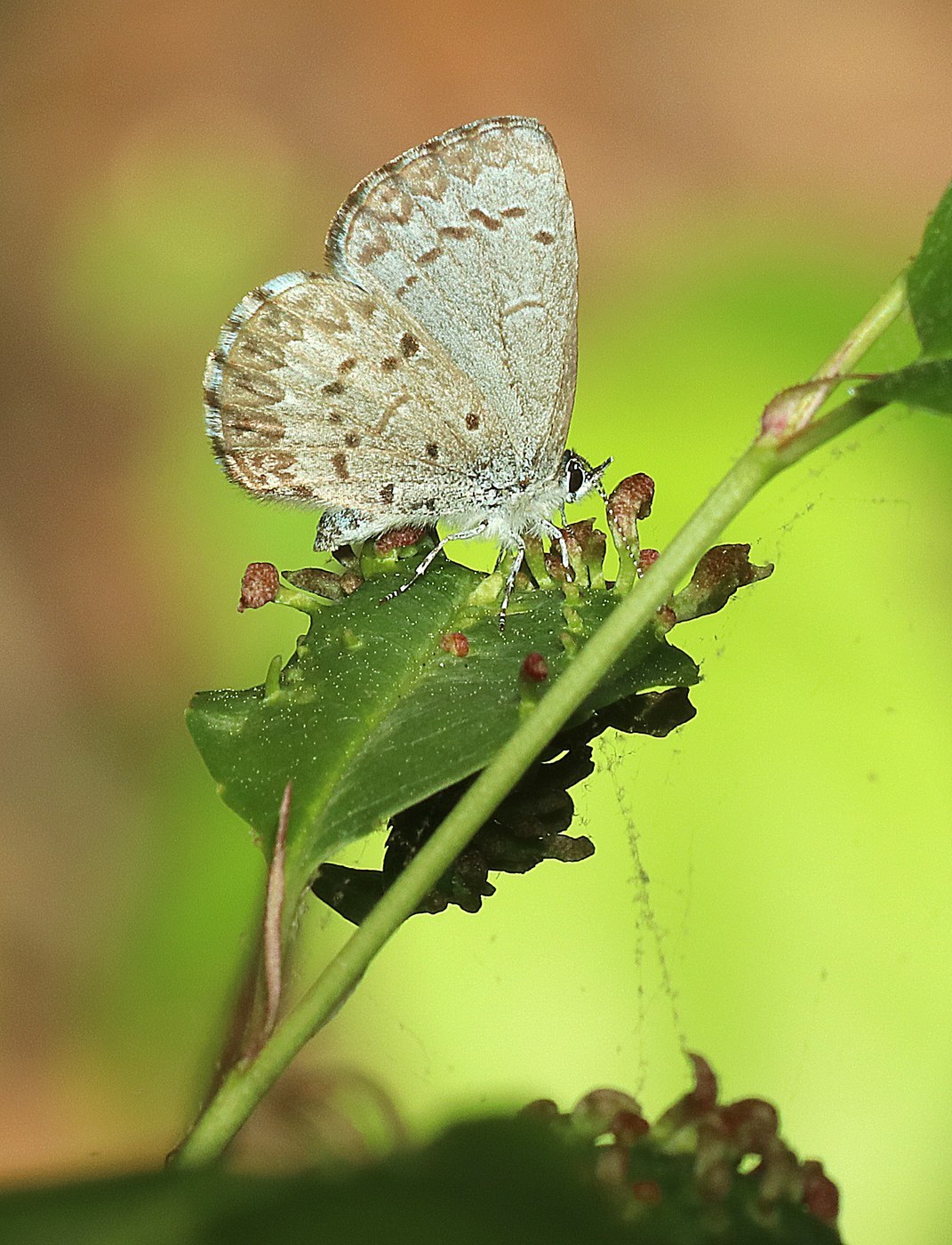
Spring Azure
Woodland edges, gardens, shrubby clearings
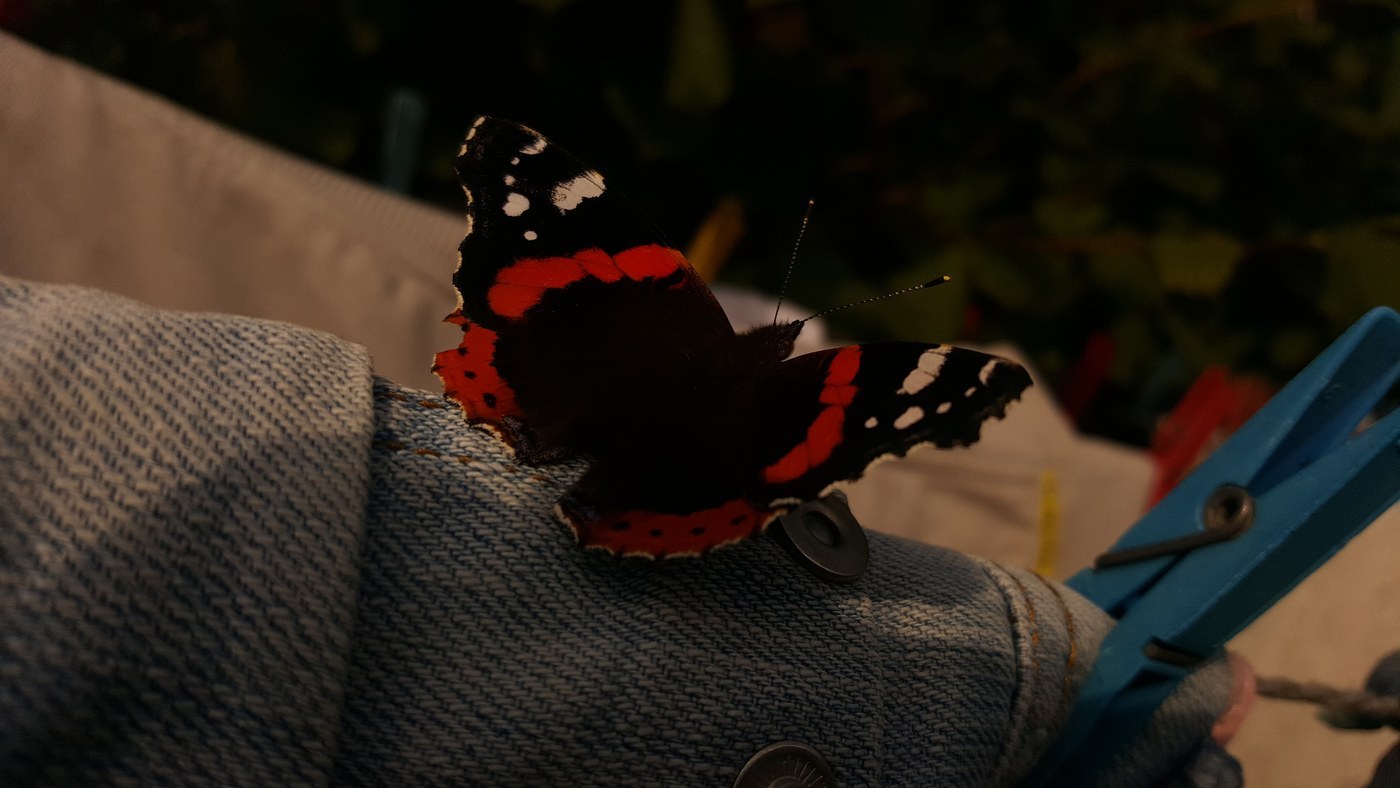
Red Admiral
Gardens, woodland edges, parks, meadows
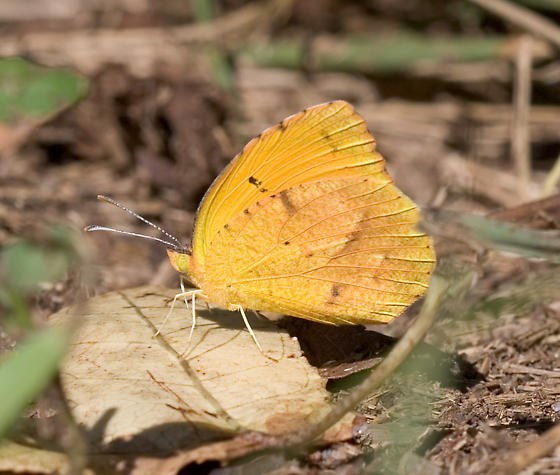
Sleepy Orange
Open woodland, fields, roadsides, and disturbed ground