
Snowberry Clearwing Moth
Hemaris diffinis
A day-flying sphinx moth with black-and-yellow banding and mostly transparent wings that closely mimics a bumblebee, hovering at flowers to feed through a long uncoiled proboscis.
- Size
- 1.4–2 in wingspan
- Habitat
- Gardens, meadows, woodland edges, old fields
- Danger
- Harmless
Spotted a bug like this?
Identify any bug or insect from a photo, free.
Overview
The snowberry clearwing moth is a member of the sphinx moth family (Sphingidae), closely related to the hummingbird clearwing moth, and is widespread across much of North America. Like its relative, it flies by day and hovers at flowers, but its black-and-yellow banded body gives it a much closer resemblance to a bumblebee, a form of mimicry that likely offers some protection from predators.
Its wings, like those of other clearwing sphinx moths, lose most of their scales after the first flight, leaving large transparent panels bordered by a dark margin. Combined with its rapid, hovering flight and audible wingbeat hum, this makes it one of the most convincing insect bee-mimics found in gardens.
As an active daytime pollinator, it contributes to the pollination of a variety of native and cultivated flowers, feeding much like a bee or hummingbird while never landing on the bloom itself.
How to Identify
- Body banded in black and yellow, closely resembling a bumblebee, with a stouter, more rounded abdomen than the hummingbird clearwing.
- Wings are mostly transparent with a dark border, developing this clear appearance after scales are shed on the first flight.
- Hovers rapidly at flowers by day, unrolling a long proboscis to feed on nectar without landing.
- Distinguished from the hummingbird clearwing moth by its bolder black-and-yellow bee-like banding, versus the more uniform olive-and-burgundy coloring of that species.
Habitat & Range
Found across most of North America, from southern Canada through the United States, in open sunny habitats such as gardens, meadows, old fields, and woodland edges wherever nectar-rich flowers and its host plants, including snowberry, honeysuckle, and dogbane, are present. Adults fly during the day, especially on warm sunny afternoons, from late spring through summer.
Behavior & Diet
Adults feed on nectar by hovering in front of flowers and probing with a long proboscis, behaving much like a bumblebee or small hummingbird and serving as an effective daytime pollinator of many garden and wild plants. Its bee-like coloring and hovering flight may help deter predators through mimicry of a stinging insect, even though the moth itself has no sting. Larvae are green caterpillars with a short posterior horn, typical of sphinx moths, and feed on the foliage of host plants such as snowberry and honeysuckle.
Life Cycle
Eggs are laid singly on host plant leaves and hatch into green, horn-tailed caterpillars that feed and grow through several instars before dropping to the ground to pupate in leaf litter or loose soil. There are one to two generations per year depending on climate, with the species overwintering as a pupa and adults emerging in spring to begin the flight season.
Frequently asked questions
Is this actually a bee?
No, it is a day-flying moth whose black-and-yellow banding closely mimics a bumblebee, but it has moth wings, a proboscis, and no sting.
How is it different from the hummingbird clearwing moth?
The snowberry clearwing shows bolder black-and-yellow bumblebee-like banding, while the hummingbird clearwing has a more uniform olive-green and burgundy coloration.
Why are its wings clear?
As with other clearwing sphinx moths, the wing scales are shed during the first flight after emergence, leaving transparent membrane panels.
Where would I see one?
Hovering at flowers in gardens, meadows, or fields on sunny days, especially where snowberry, honeysuckle, or dogbane grow.
Snowberry Clearwing Moth guides
In-depth guides for identifying, understanding, and living alongside Snowberry Clearwing Moth.
Other bugs you may enjoy
Bagworm Moth
Coniferous and deciduous trees, shrubs, hedges
Antheraea Silkmoth
Deciduous forests, woodland edges, orchards
Ailanthus Silkmoth (Cynthia Moth)
Urban parks, wastelands, and woodland edges with tree-of-heaven; native to Asia, introduced in North America and Europe
Winter Moth
Deciduous woodland, orchards, gardens, hedgerows
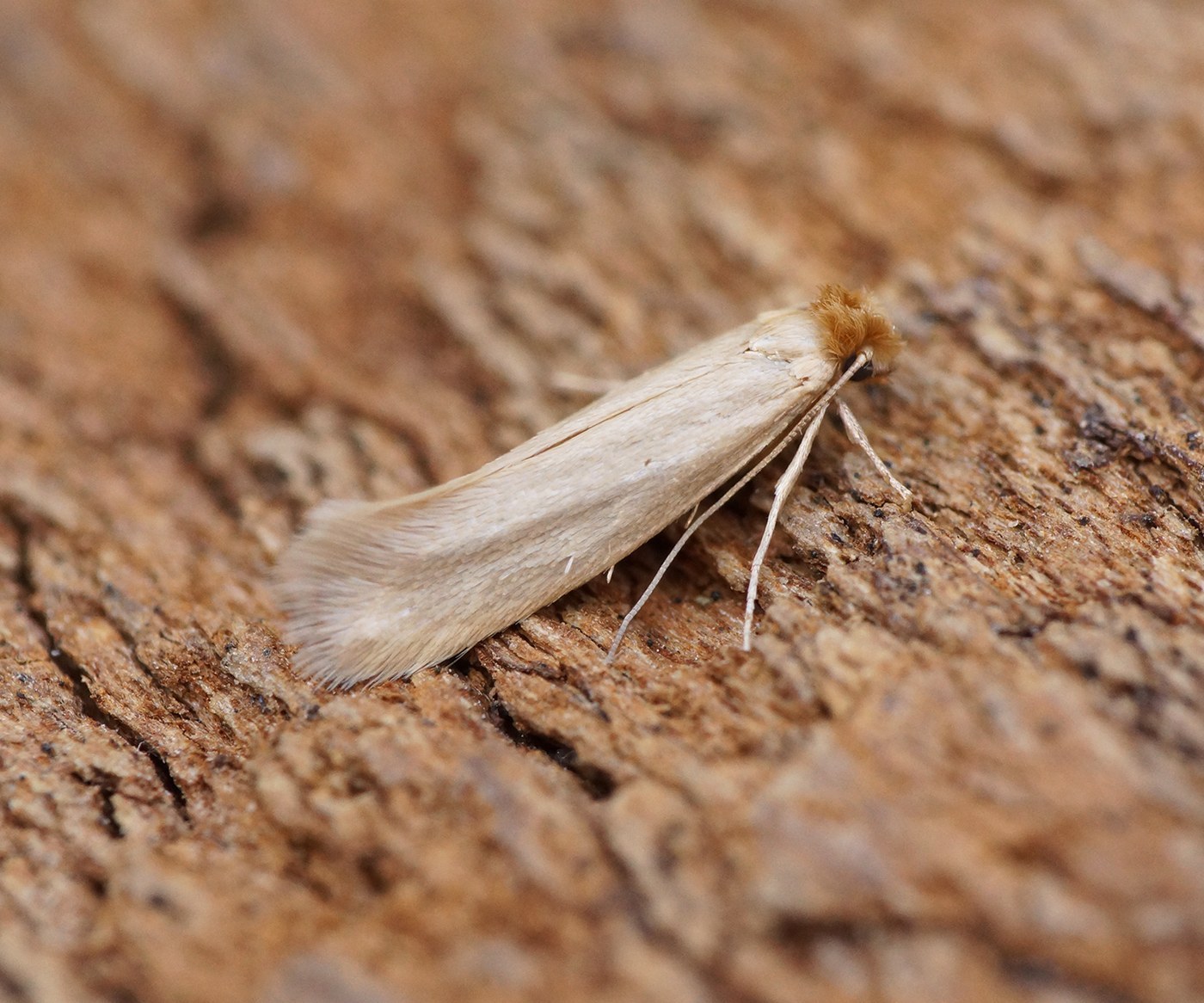
Webbing Clothes Moth
Dark closets, storage areas, and animal nests worldwide
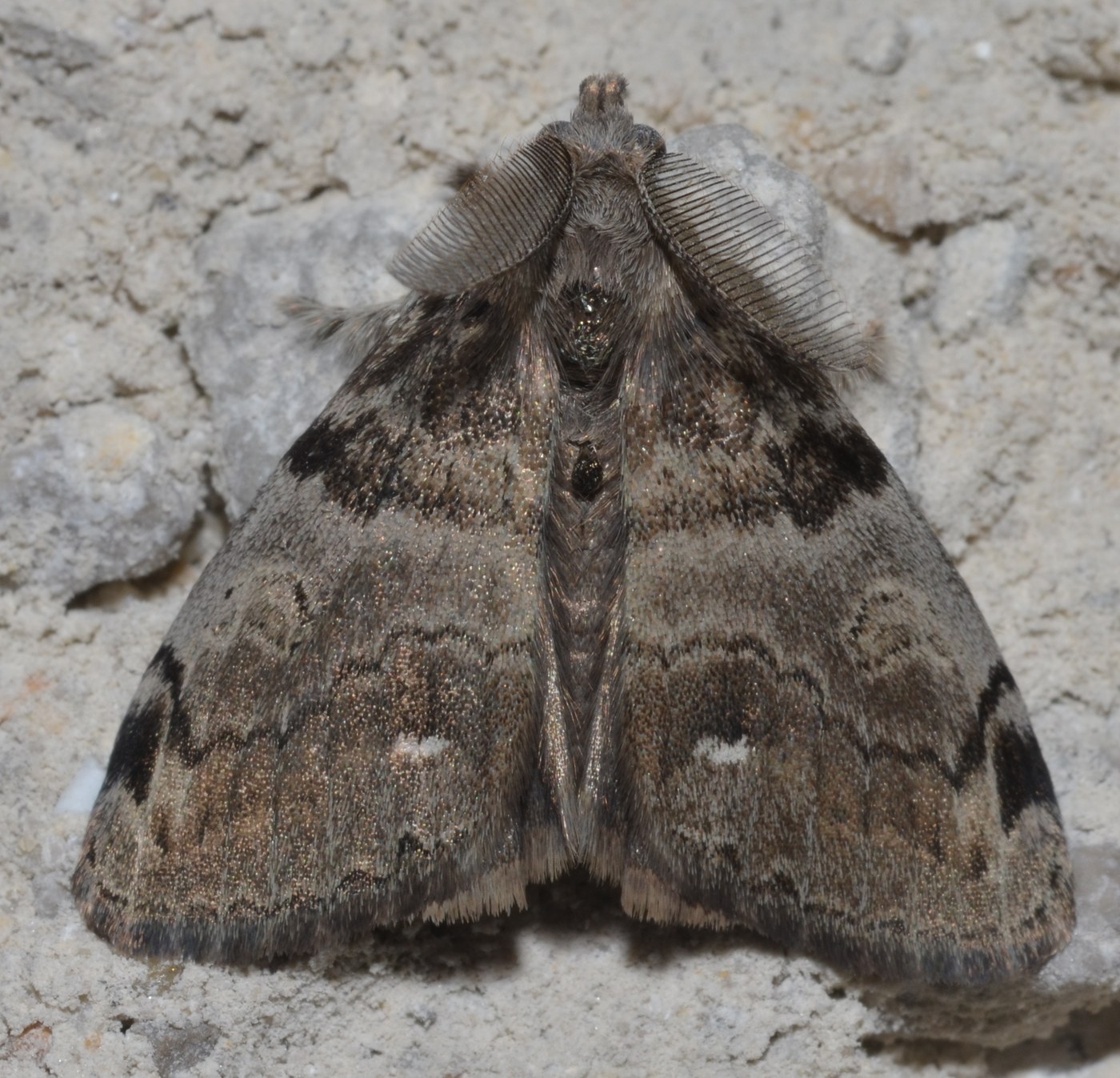
Tussock Moth
Deciduous forests, parks, gardens
Wax Moth
Beehives, apiaries, stored beeswax and comb
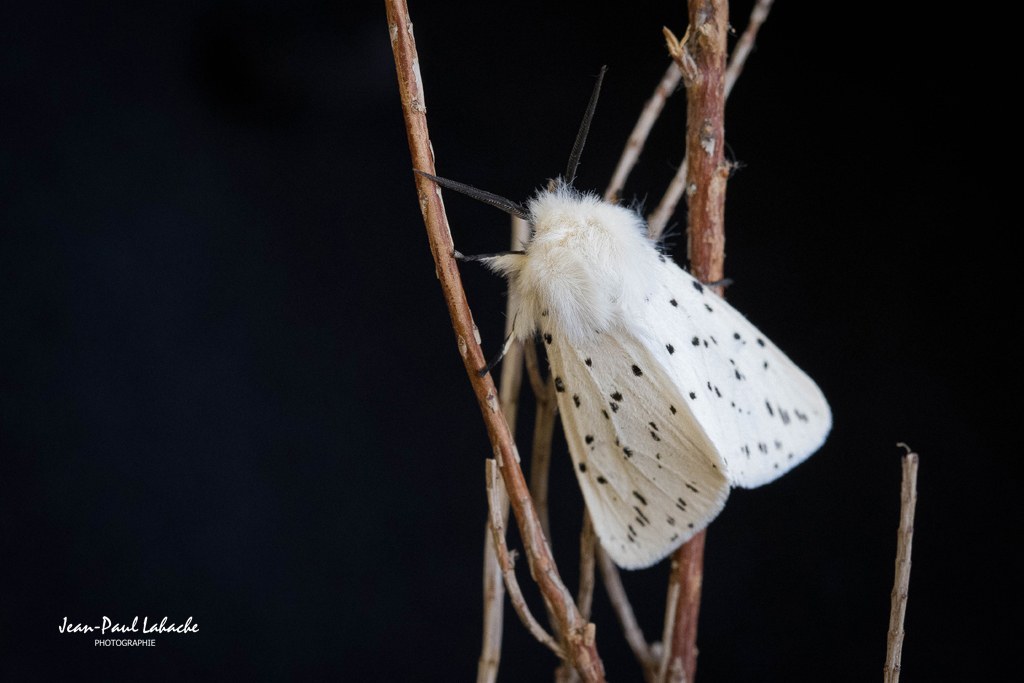
White Ermine Moth
Gardens, meadows, hedgerows
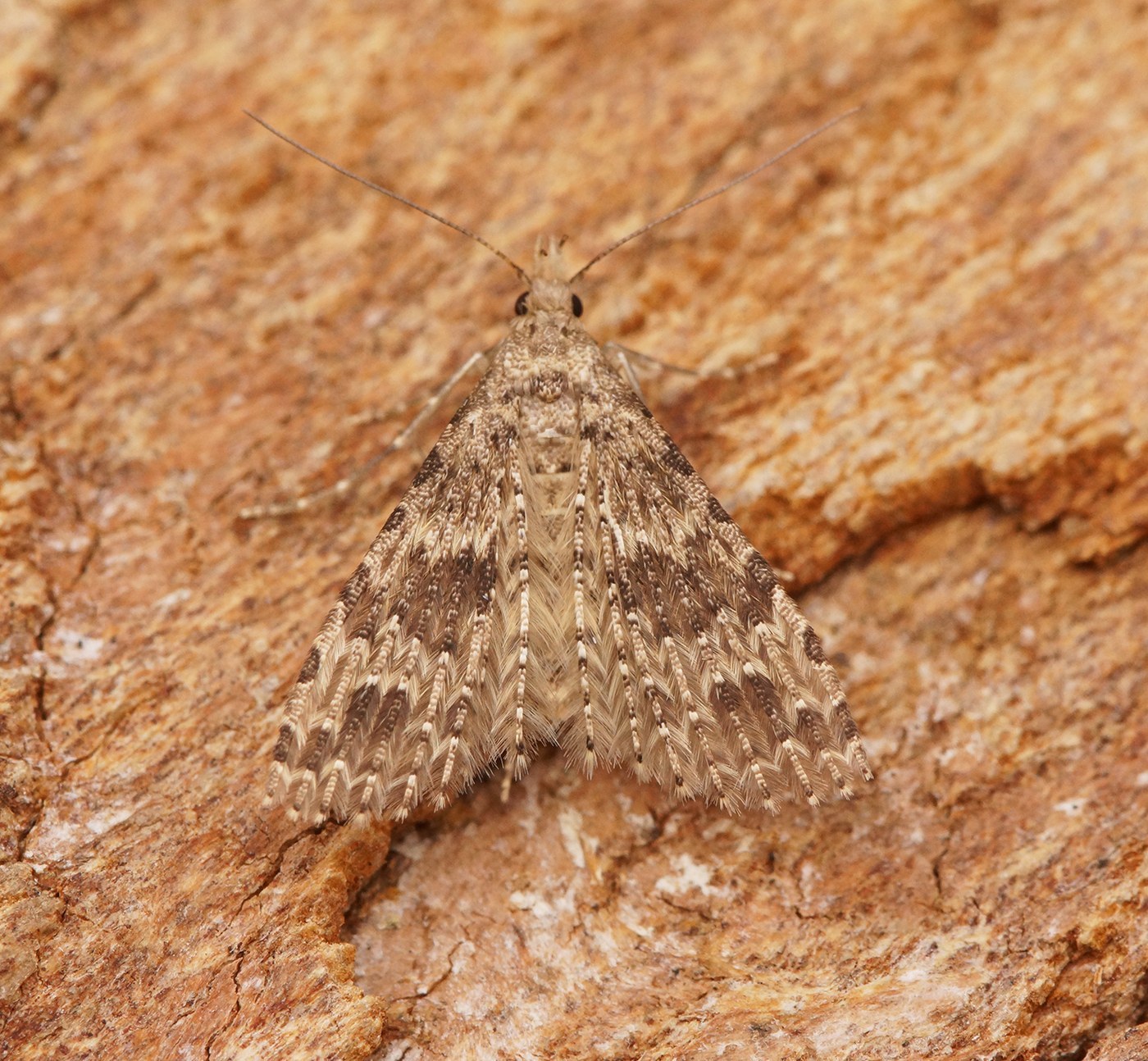
Twenty-plume Moth
Gardens, hedgerows, near honeysuckle
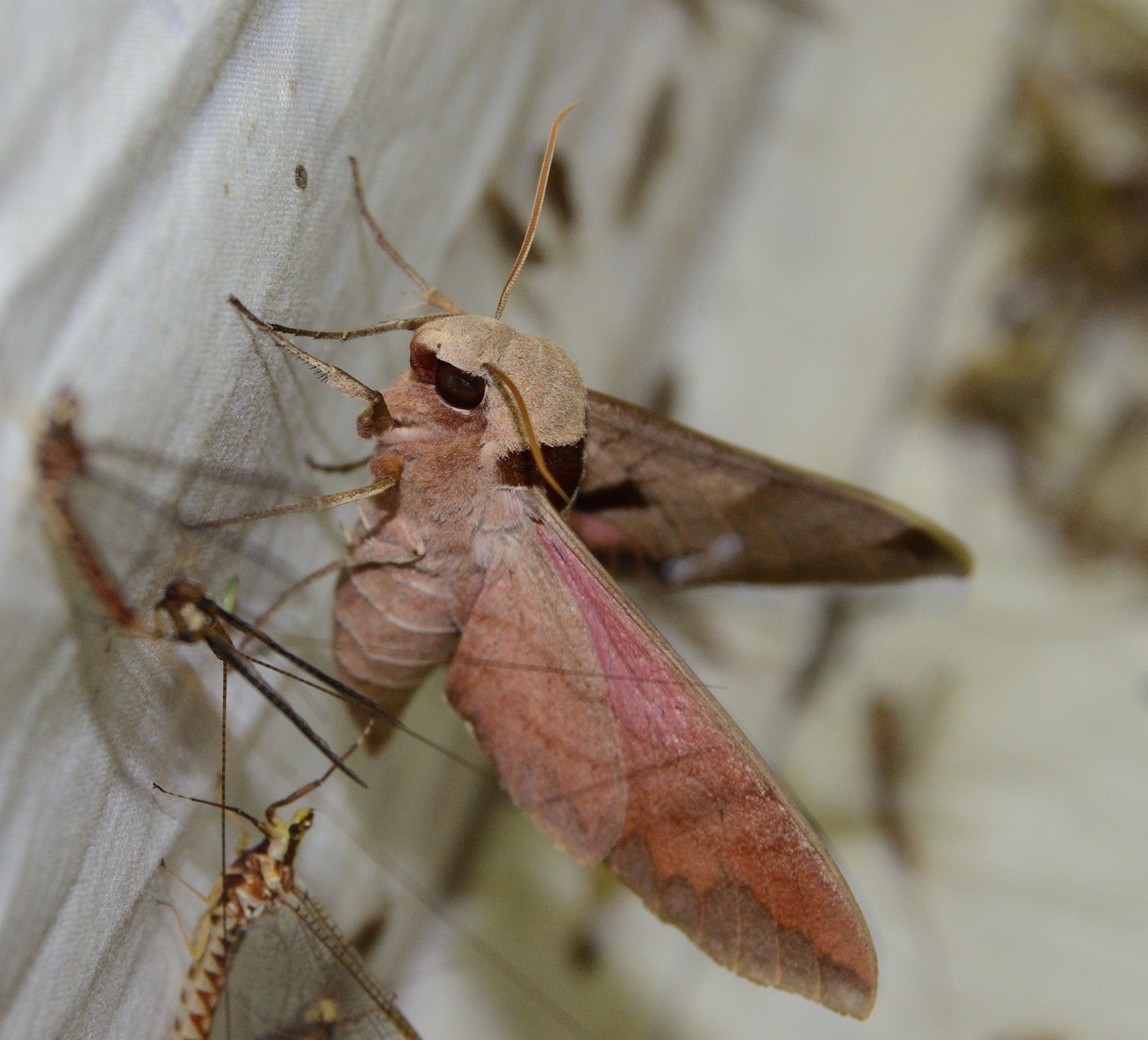
Achemon Sphinx Moth
Vineyards, woodland edges, gardens with wild grape
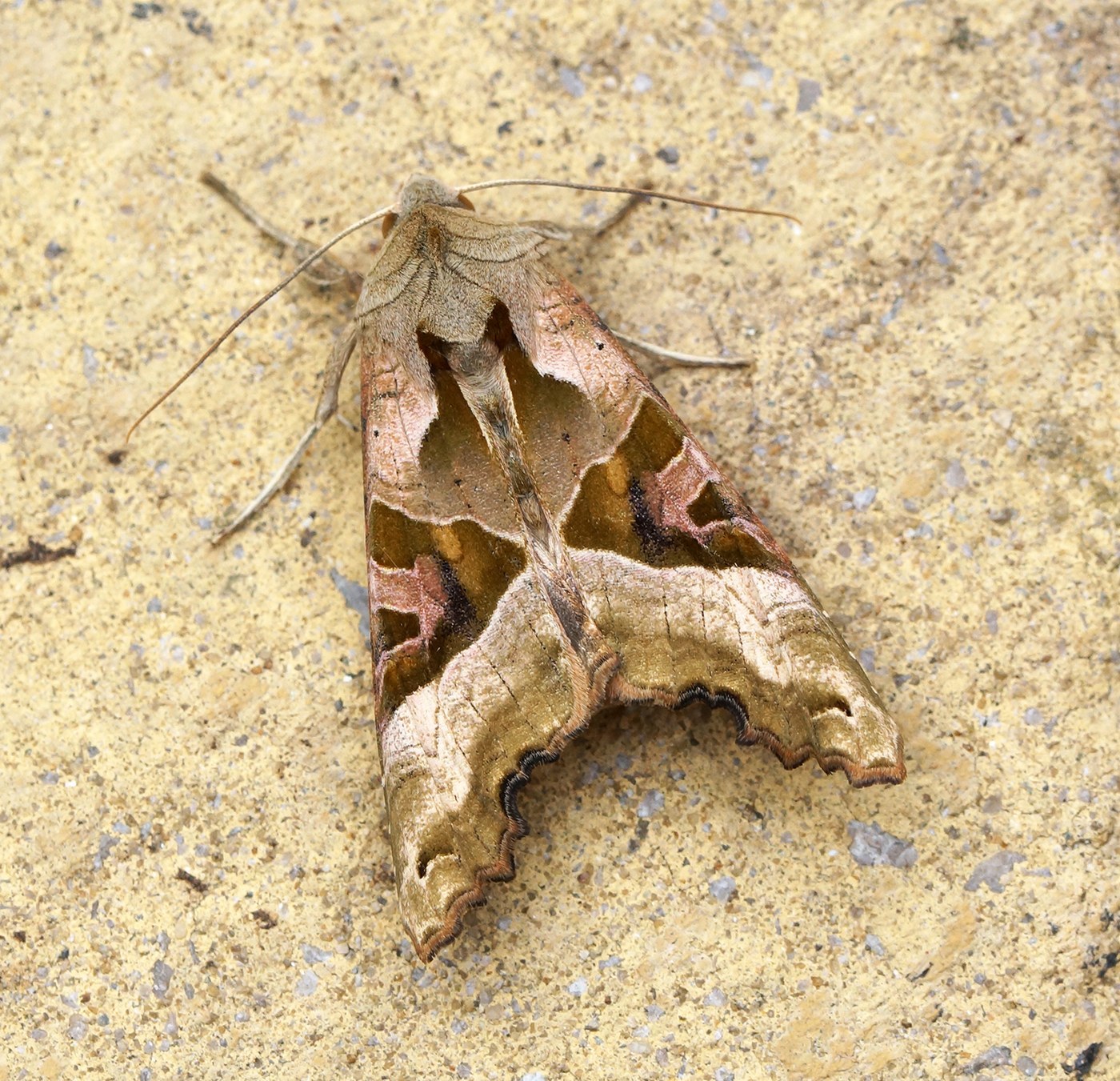
Angle Shades Moth
Gardens, hedgerows, woodland edges, urban parks
Atlas Moth
Tropical and subtropical lowland forests of Southeast Asia