
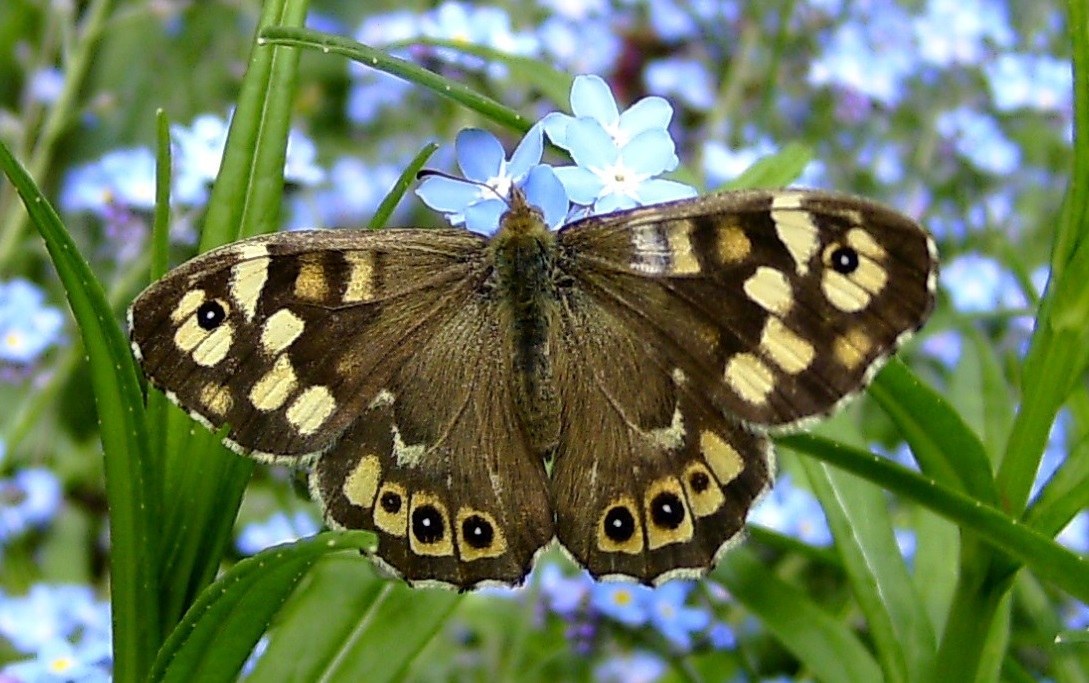
Speckled Wood
Pararge aegeria
A dappled brown-and-cream butterfly that thrives in the sun-flecked shade of woodland edges, where it perches on sunlit leaves to defend its territory.
- Size
- 1.7–2.0 in wingspan
- Habitat
- Woodland edges, shady lanes, hedgerows, dappled gardens
- Danger
- Harmless
Spotted a bug like this?
Identify any bug or insect from a photo, free.
Overview
The Speckled Wood is a member of the brown butterfly subfamily Satyrinae, distinguished from its meadow-dwelling relatives by its preference for woodland and shade rather than open sunny grassland. Its dappled pattern of cream or pale-yellow spots on a dark brown background provides effective camouflage against the mottled light and shadow of woodland understories.
Widespread across Europe, North Africa, and parts of Asia, the Speckled Wood is unusual among temperate butterflies in that it can overwinter in either the caterpillar or pupal stage, giving it flexibility across its range and allowing multiple broods per year in milder regions.
Male Speckled Woods are noted for strong territorial behavior, defending small sunlit patches on the woodland floor from rival males in spiraling aerial contests, a trait well studied by behavioral ecologists as a model of resource-holding potential.
How to Identify
- Wings are dark brown with irregular pale cream or straw-colored spots scattered across both fore- and hindwings.
- A small dark eyespot with a white or pale center is present near the tip of the forewing and along the hindwing margin.
- Pattern intensity and background color vary geographically, with populations in warmer regions showing more orange tones.
- Flight is fast and erratic when disturbed, but the butterfly often returns to bask with wings open on a sunlit leaf.
- No other common woodland brown shows the same dappled, shade-mimicking spotted pattern.
Habitat & Range
Found across Europe, North Africa, and into western Asia, the Speckled Wood is a true woodland specialist among butterflies, favoring dappled shade along woodland rides, hedgerows, shady lanes, and gardens with tree cover. It is one of the few butterflies equally at home in deep shade as in sunlit clearings.
Depending on climate, it may produce two to three overlapping generations per year, with adults on the wing from spring through autumn in milder regions.
Behavior & Diet
Males are strongly territorial, perching on sunlit leaves or patches of dappled light on the woodland floor and darting out in spiraling flights to challenge intruding males or investigate passing females. This basking-and-patrol strategy allows them to conserve energy in the low-light woodland environment.
Adults feed on aphid honeydew on leaves as well as flower nectar, and are notably tolerant of shade, remaining active on cooler, overcast days when other butterflies are inactive. Caterpillars feed on various woodland and meadow grasses.
Life Cycle
Eggs are laid singly on grass blades in shaded or partially shaded locations. Caterpillars feed on grasses such as couch grass and cock's-foot, and uniquely among British butterflies, the species can overwinter as either a caterpillar or a chrysalis depending on when eggs were laid.
This flexible overwintering strategy allows for two to three generations per year in milder climates, with adults appearing almost continuously from spring to early autumn.
Frequently asked questions
Why is this butterfly found in shady woods rather than open meadows?
Its dappled brown-and-cream pattern is camouflage adapted to the mottled light of woodland understories, unlike open-grassland browns.
Why does the same species overwinter differently in different individuals?
Speckled Woods can overwinter as either a caterpillar or a pupa, an unusual flexibility that lets the species produce multiple generations per year.
Why do males seem to chase each other in spirals?
Males defend small sunlit territories on the woodland floor and engage in spiraling flights to challenge rival males.
How many broods does it have per year?
Typically two to three overlapping generations in milder regions, giving adults on the wing from spring into autumn.
Speckled Wood guides
In-depth guides for identifying, understanding, and living alongside Speckled Wood.
Other bugs you may enjoy
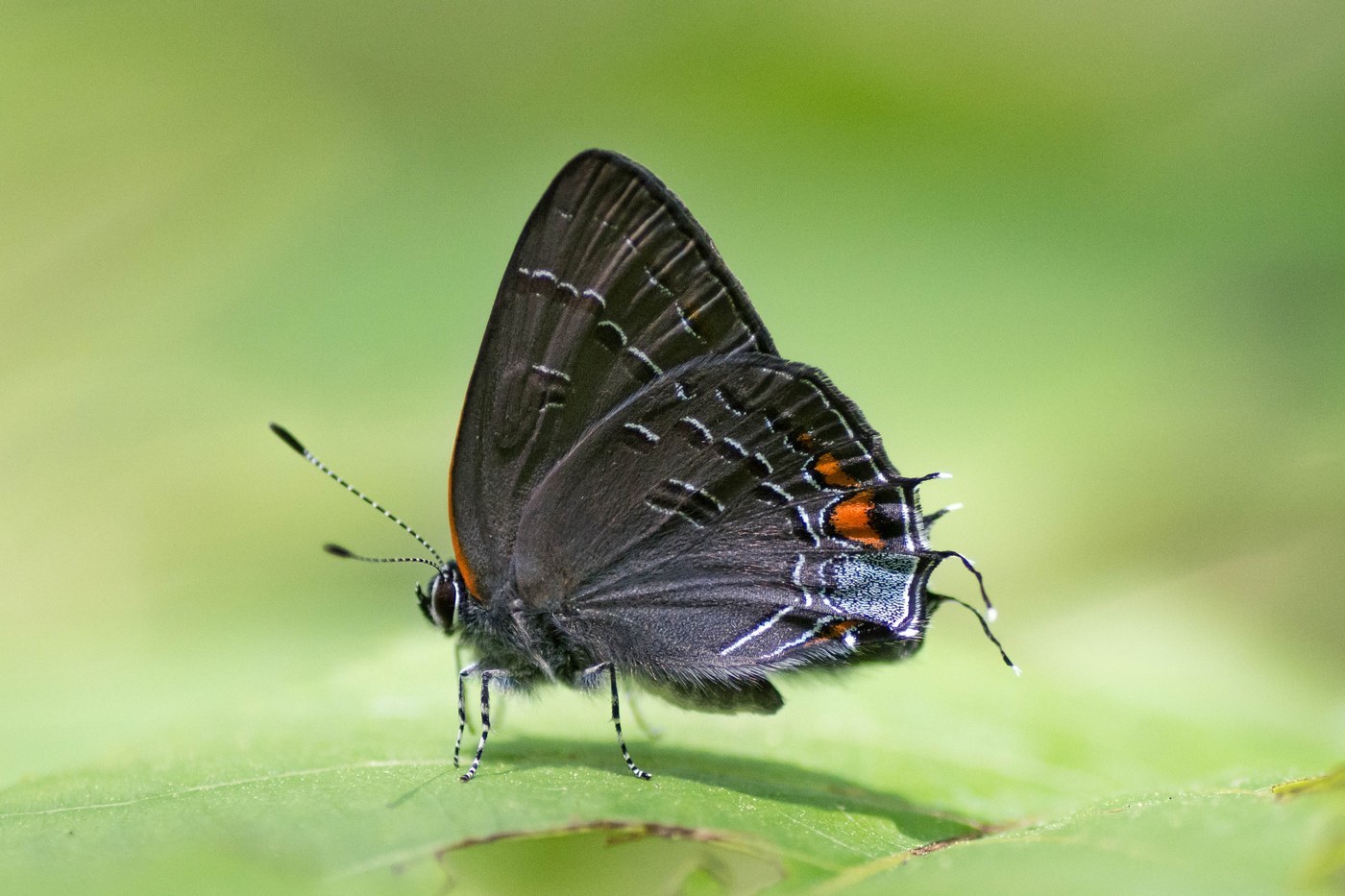
Banded Hairstreak
Deciduous woodlands and edges with oaks and hickories
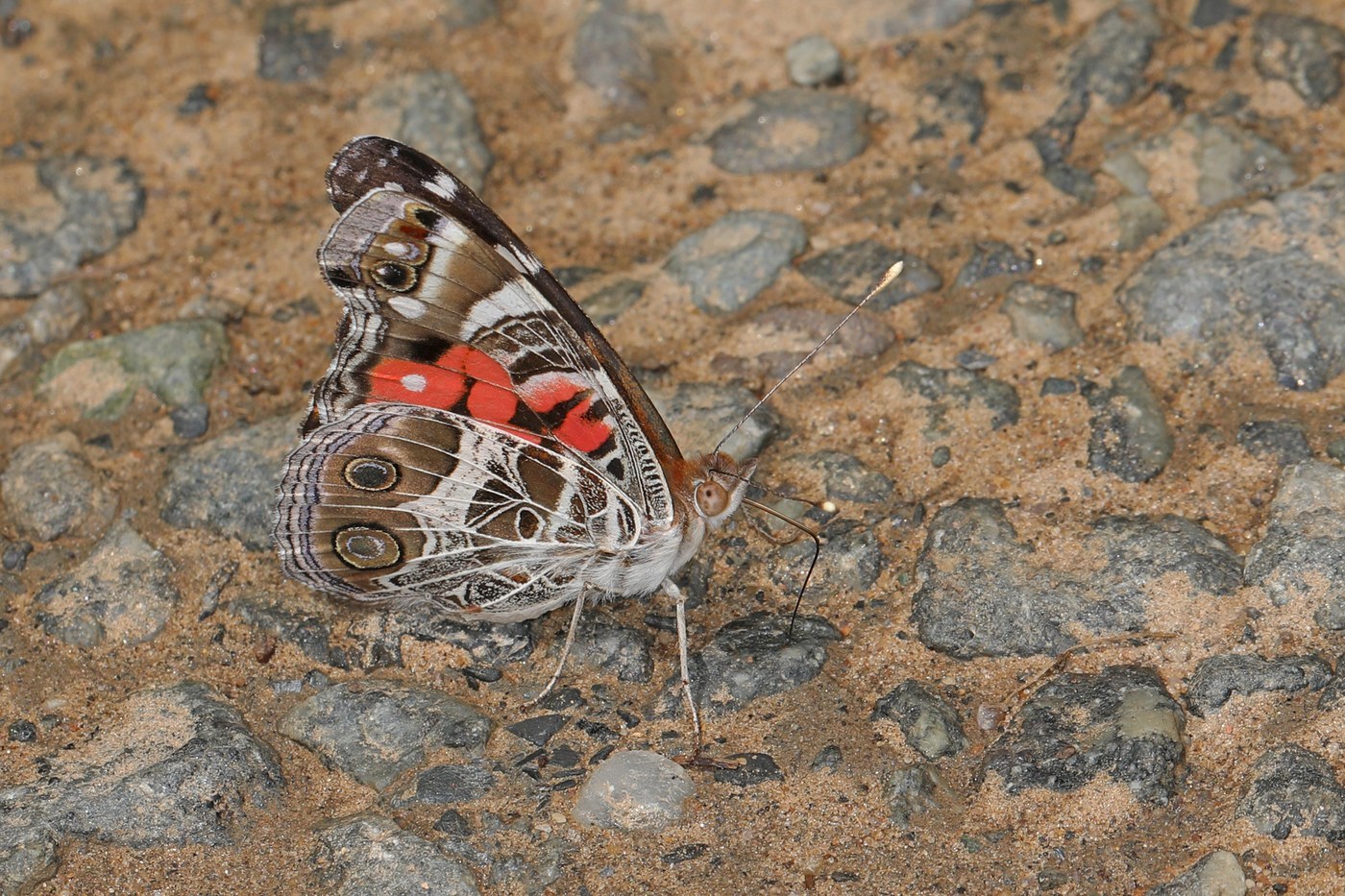
American Lady
Open fields, meadows, gardens, roadsides
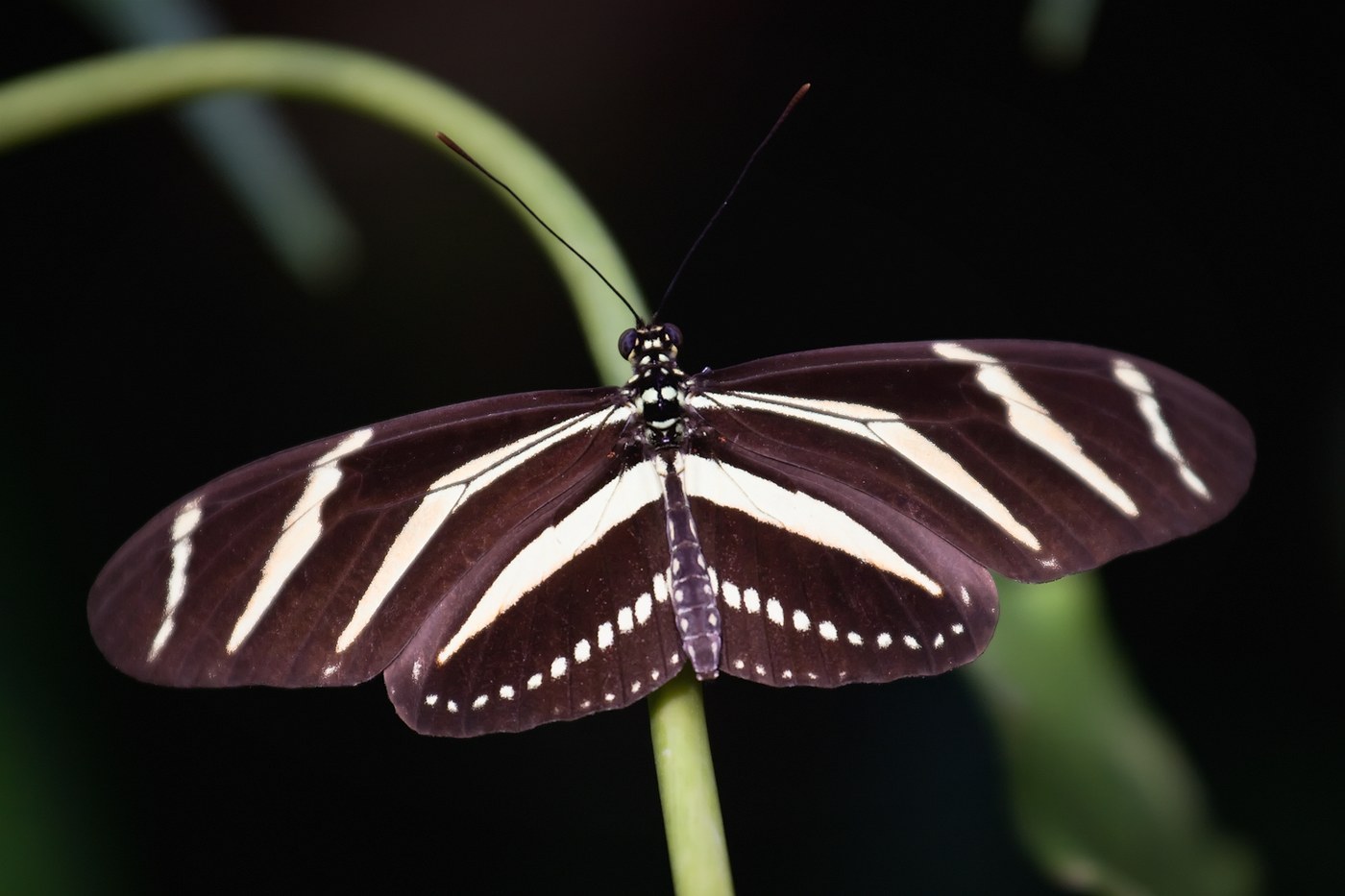
Zebra Longwing
Tropical hammocks, gardens, forest edges
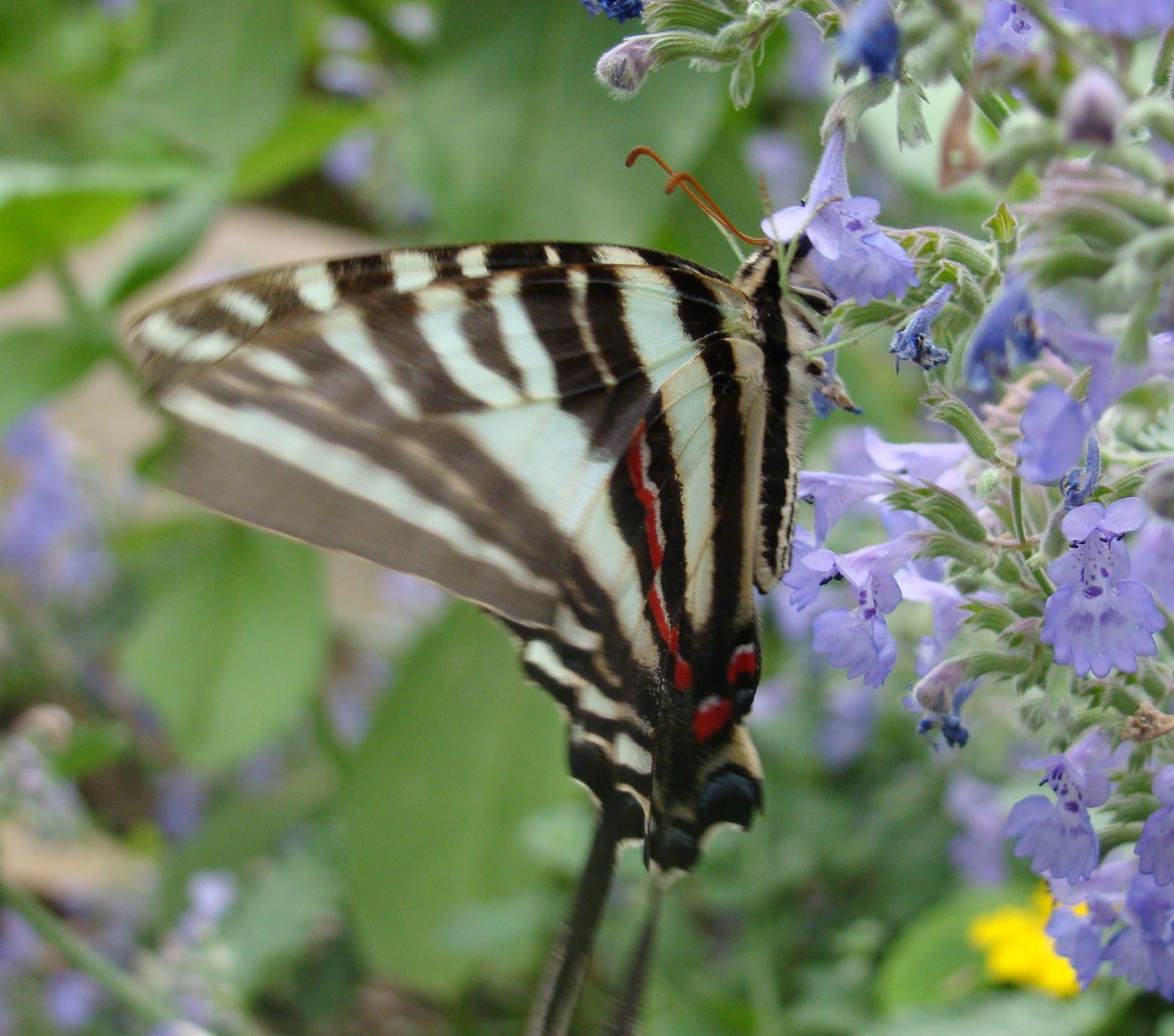
Zebra Swallowtail
Woodlands, floodplains, forest edges near pawpaw
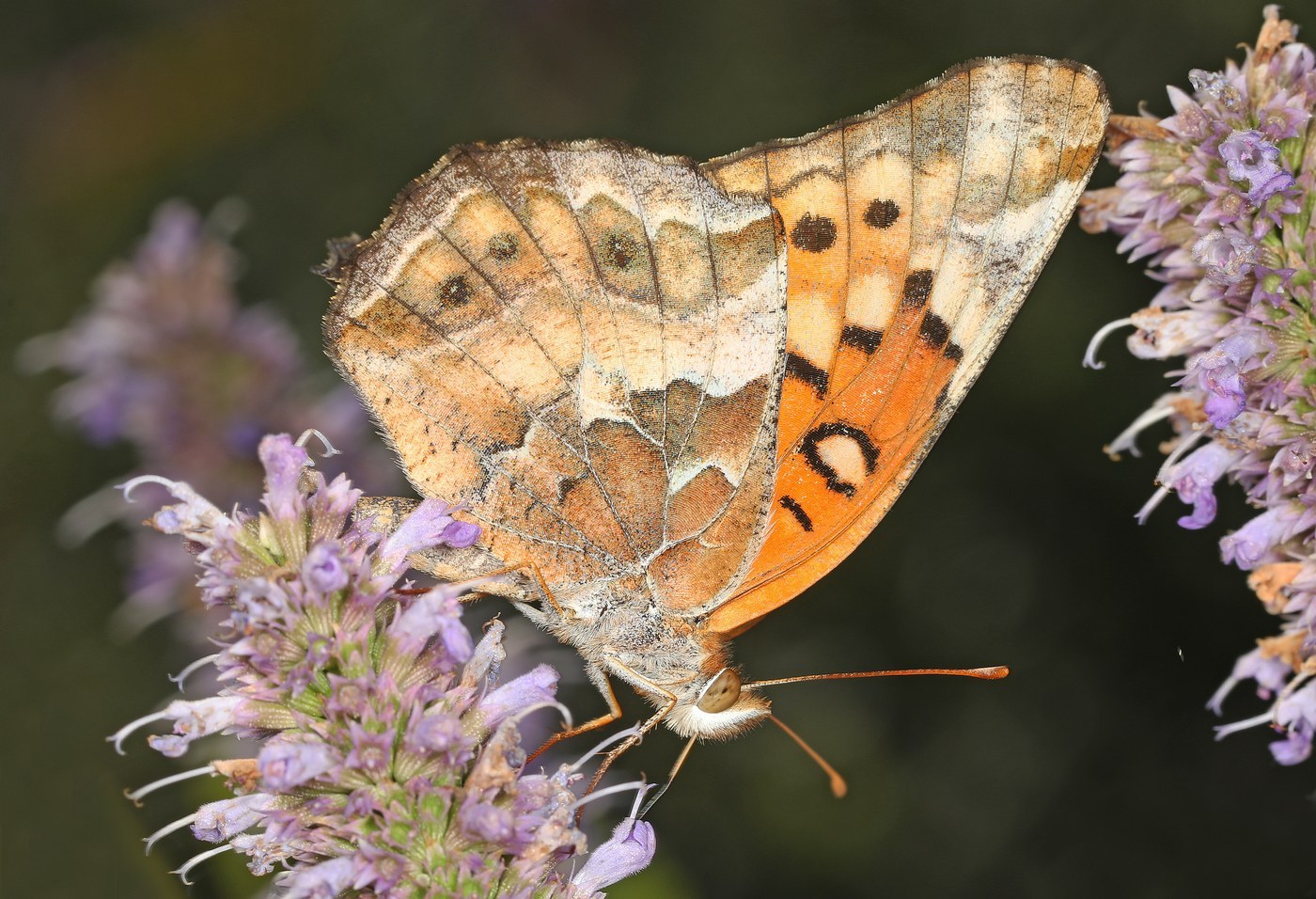
Variegated Fritillary
Open fields, prairies, roadsides, and disturbed ground across most of the United States
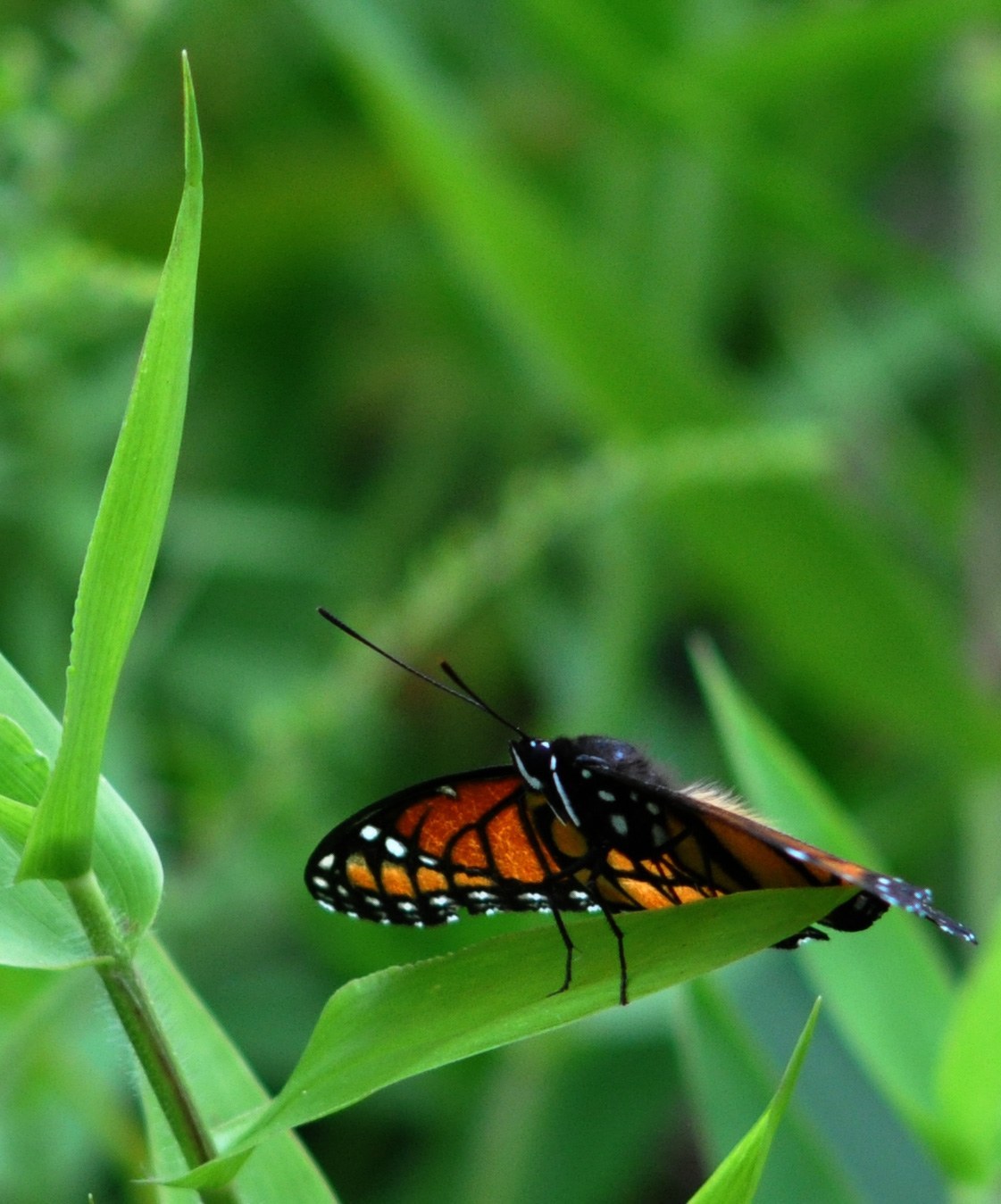
Viceroy Butterfly
Wetlands, meadows, riverbanks, willow thickets (North America)
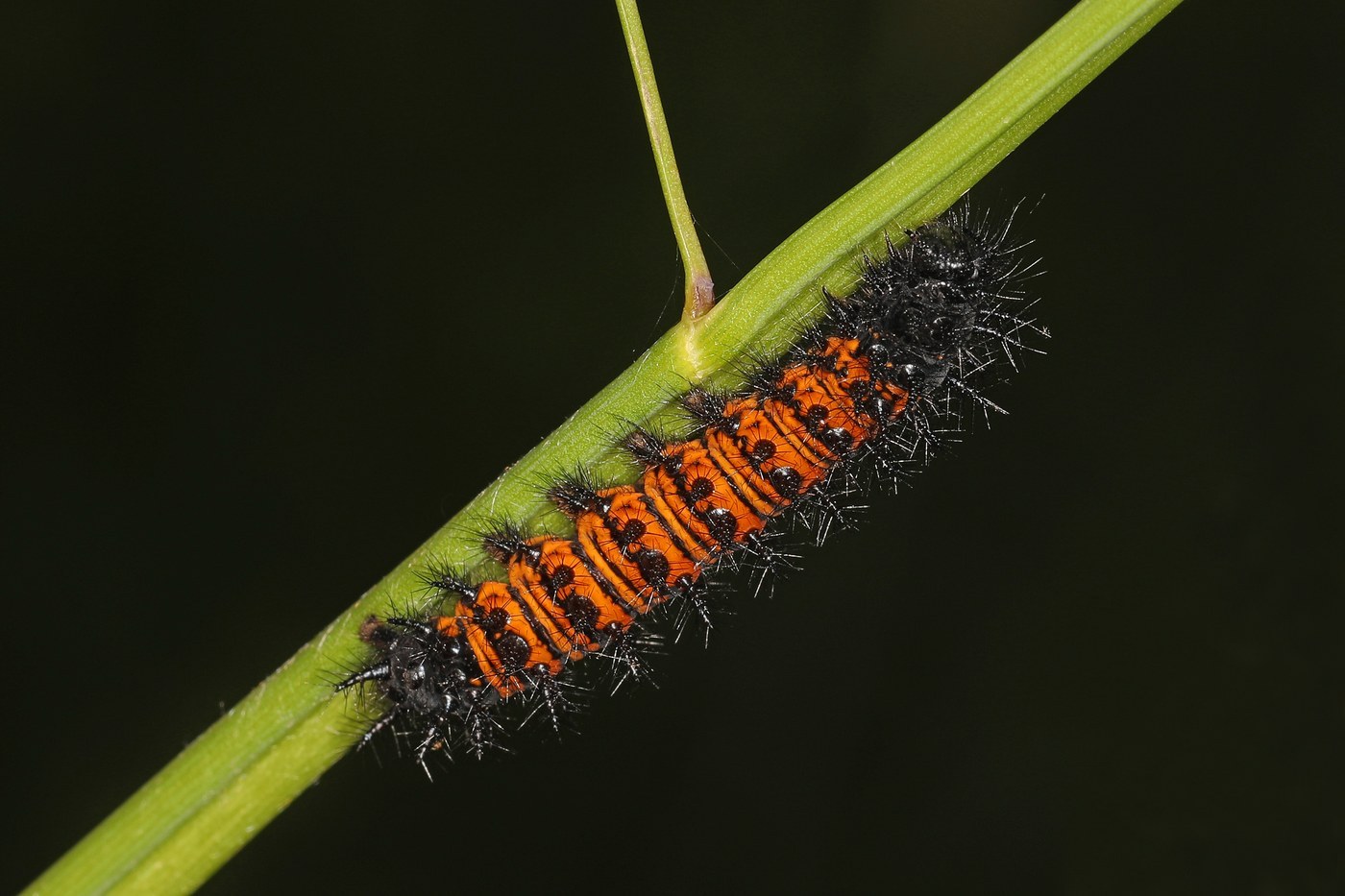
Baltimore Checkerspot
Wet meadows, bogs, and marshy fields in the northeastern and Appalachian US
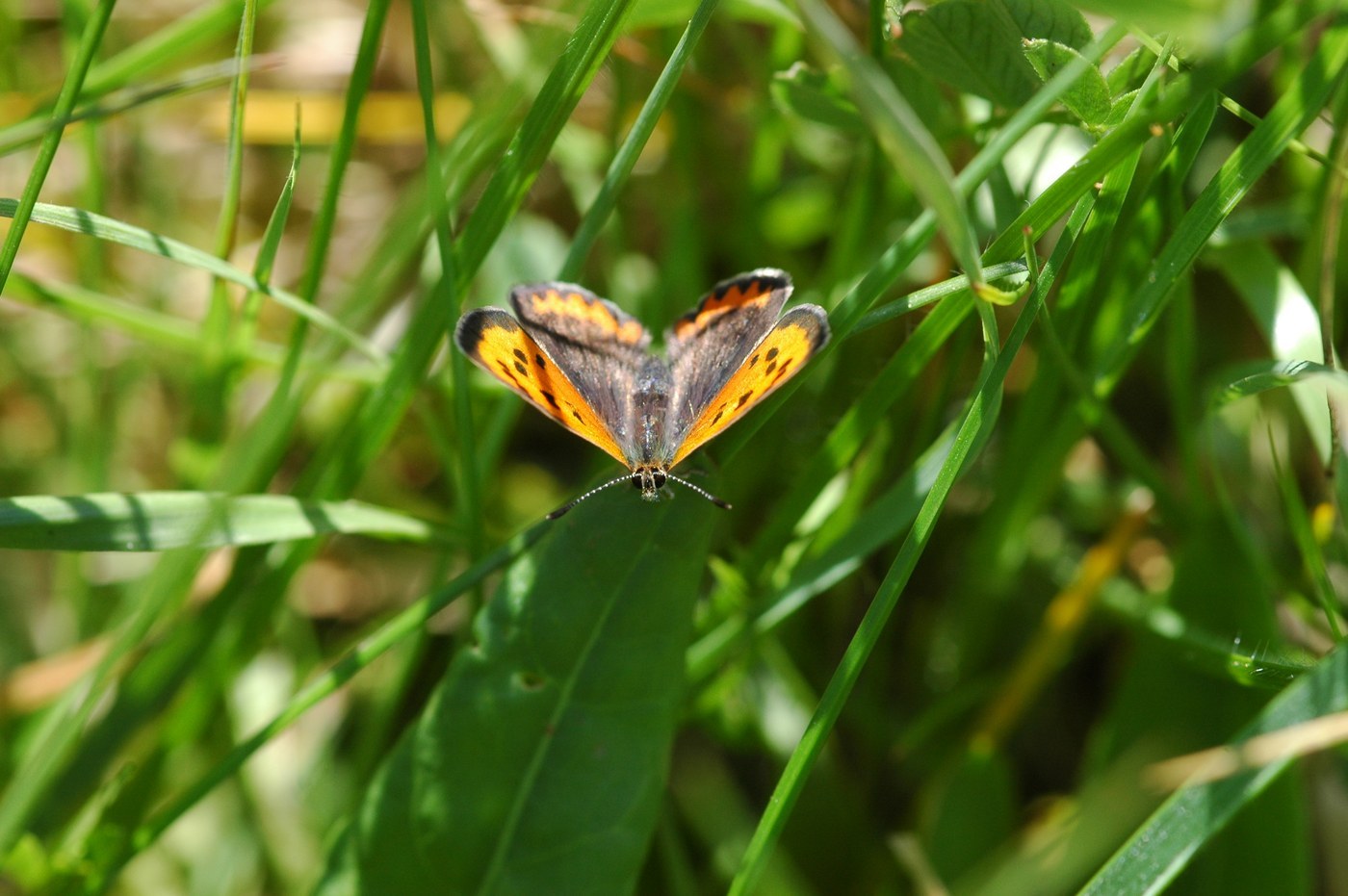
American Copper
Old fields, roadsides, and disturbed open ground with sorrel or dock
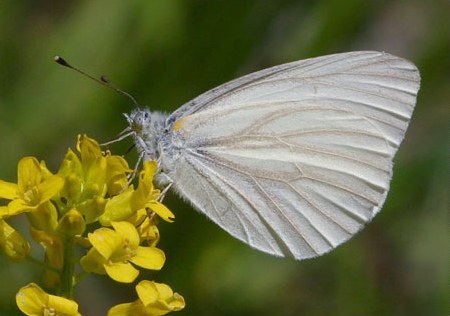
West Virginia White
Rich deciduous forest floors, especially near seeps and streams
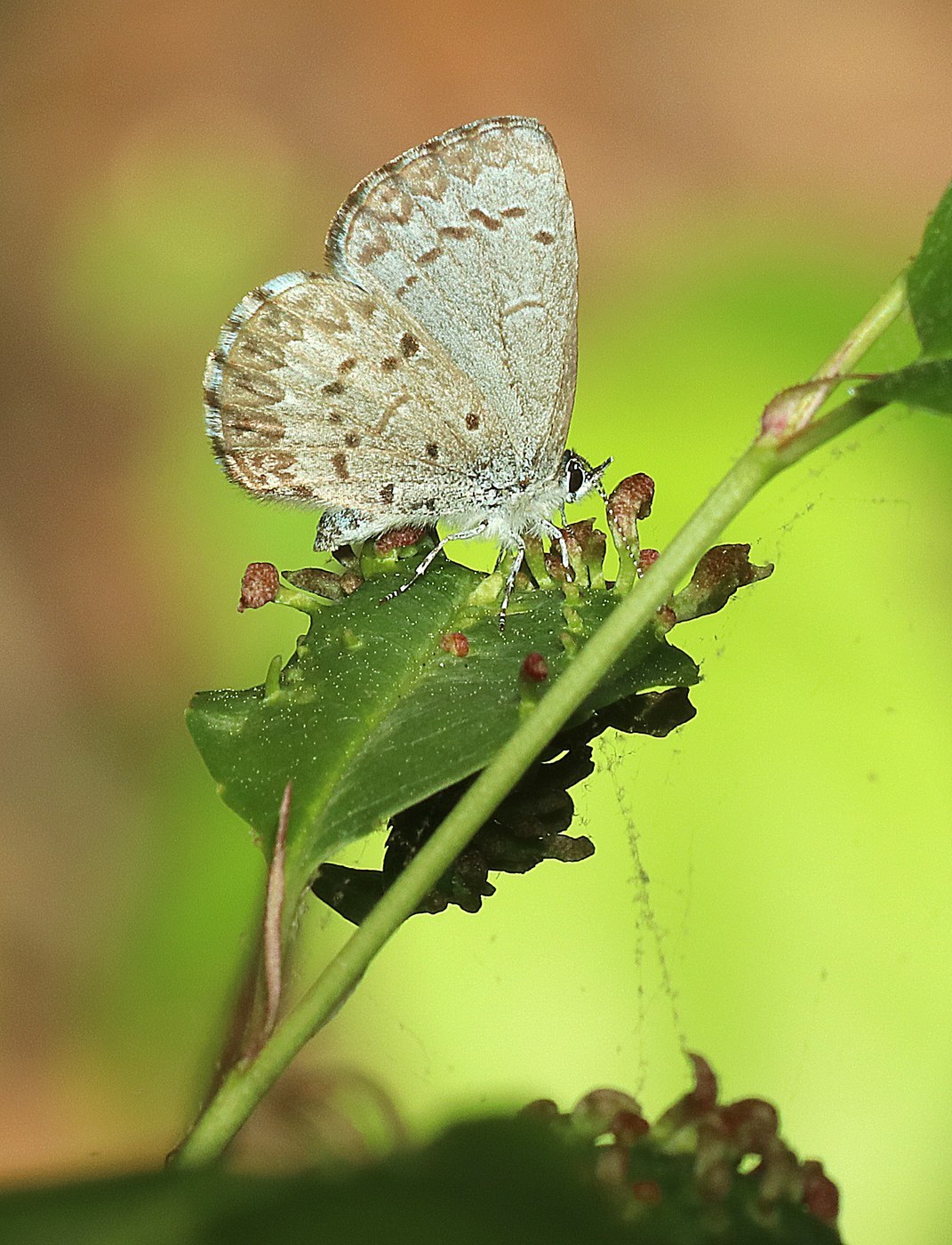
Spring Azure
Woodland edges, gardens, shrubby clearings
Red Admiral
Gardens, woodland edges, parks, meadows
Sleepy Orange
Open woodland, fields, roadsides, and disturbed ground