
Toad Bug
Gelastocoris oculatus
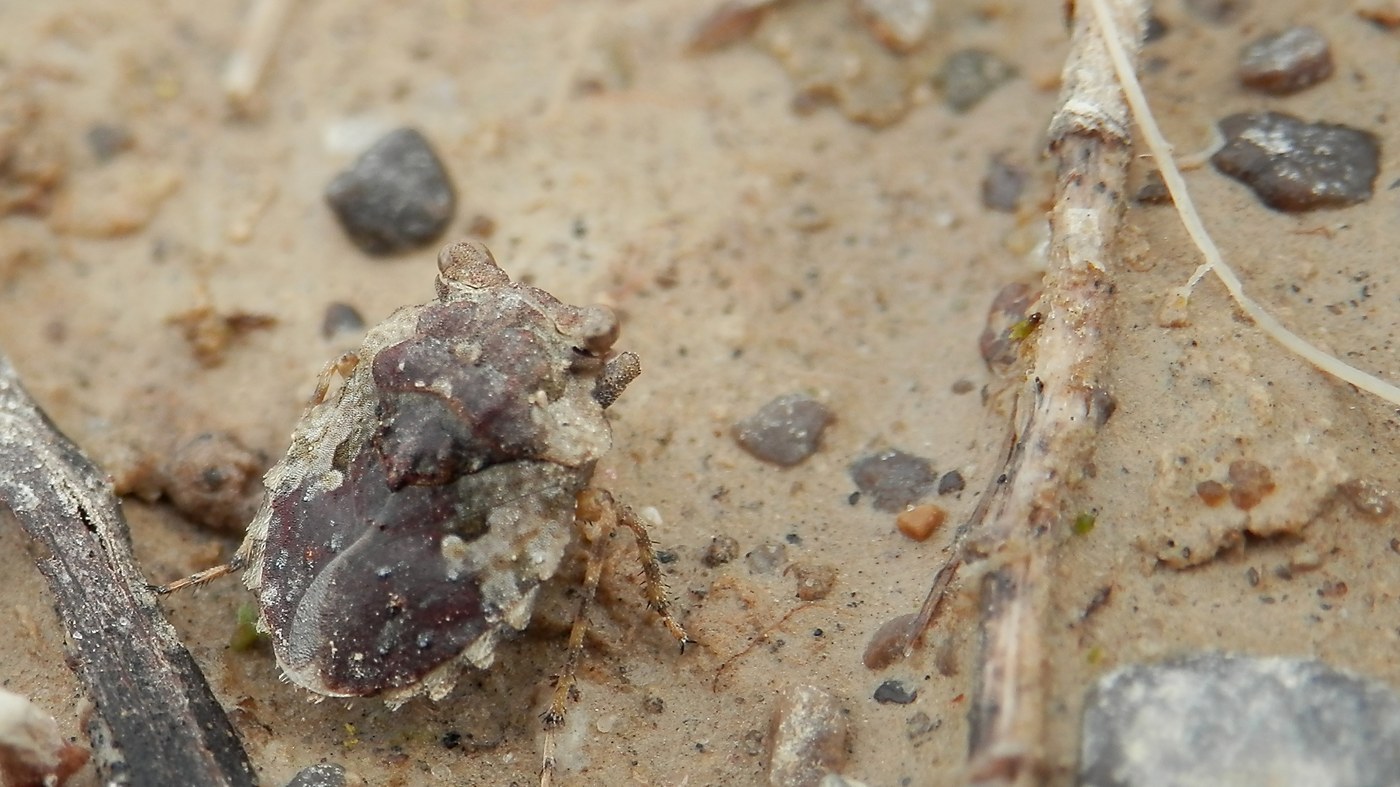
A squat, warty-looking true bug with bulging eyes and a mottled brown pattern, so named for its uncanny resemblance to a tiny toad as it hops along muddy shorelines.
- Size
- 8–13 mm
- Habitat
- Muddy or sandy shorelines of ponds, streams, and rivers
- Danger
- Bites
Spotted a bug like this?
Identify any bug or insect from a photo, free.
Overview
The toad bug is a member of the family Gelastocoridae, order Hemiptera, a small group of predatory true bugs found on the muddy or sandy margins of freshwater habitats worldwide. Gelastocoris oculatus is a widespread and representative North American species, well known for its remarkable resemblance to a miniature toad in both appearance and locomotion.
Adults have a broad, flattened, warty-textured body and large, bulging compound eyes set atop the head, giving them an unmistakably toad-like profile. Their mottled brown and tan coloration provides excellent camouflage against the muddy or sandy substrates they inhabit, and like true toads, they move in short hops rather than a continuous walk.
As active predators of small invertebrates along shorelines, toad bugs occupy a distinctive ecological niche at the interface between aquatic and terrestrial habitats, and their combination of camouflage, hopping locomotion, and predatory habits makes them one of the more curious and memorable true bugs to encounter.
How to Identify
- Squat, broad, and flattened body with a rough, warty-textured surface resembling toad skin.
- Large, prominent, bulging compound eyes positioned atop the head.
- Mottled brown, tan, and gray coloration that camouflages well against mud and sand.
- Short, stout forelegs adapted for grasping prey; wings are present but the bug more often hops than flies.
- Distinguished from other shoreline insects by its unmistakable toad-like body shape and hopping gait rather than walking or swimming.
Habitat & Range
Found across North America and other temperate and subtropical regions worldwide, wherever muddy, sandy, or gravelly shorelines occur along ponds, slow streams, rivers, and lake edges.
Active primarily from spring through fall, toad bugs are most easily observed on warm days when they bask and hunt along open, sun-exposed shoreline substrate, often remaining motionless and camouflaged until prey or a potential threat comes near.
Behavior & Diet
Toad bugs are active predators that ambush small invertebrates such as tiny insects, mites, and other arthropods found along the shoreline, seizing prey with their short, grasping forelegs. Their mottled coloration and toad-like hopping locomotion, achieved with strong hind legs, help them both stalk prey and evade predators.
When approached, they typically freeze to rely on camouflage or hop away in short, quick bursts rather than fly, though they are capable of flight when needed. As predatory true bugs, they may pierce and probe prey with their piercing mouthparts and can pinch if handled; ecologically they help regulate small invertebrate populations along freshwater shorelines.
Life Cycle
Females lay eggs in the muddy or sandy substrate near the shoreline. Nymphs hatch and pass through several instars of incomplete metamorphosis, resembling smaller, wingless versions of the adult and sharing the same predatory habits and camouflage.
One or more generations may occur per year depending on climate. Adults typically overwinter in sheltered locations near their shoreline habitat, becoming active again as temperatures warm in spring.
Frequently asked questions
Is the toad bug actually related to toads?
No, it is a true bug (Hemiptera) that only resembles a toad in body shape, coloration, and hopping movement due to convergent adaptation to shoreline habitats.
Where would I find one?
Along the muddy or sandy edges of ponds, slow-moving streams, and rivers, often camouflaged against the substrate.
Does it bite?
As a predatory true bug it uses piercing mouthparts to feed on small invertebrates and may pinch if handled.
How does it move?
It typically moves in short hops using strong hind legs, much like a small toad, though it can also fly.
Toad Bug guides
In-depth guides for identifying, understanding, and living alongside Toad Bug.
Toad Bug identified by the community
Real finds identified with Bug Identifier.
Other bugs you may enjoy
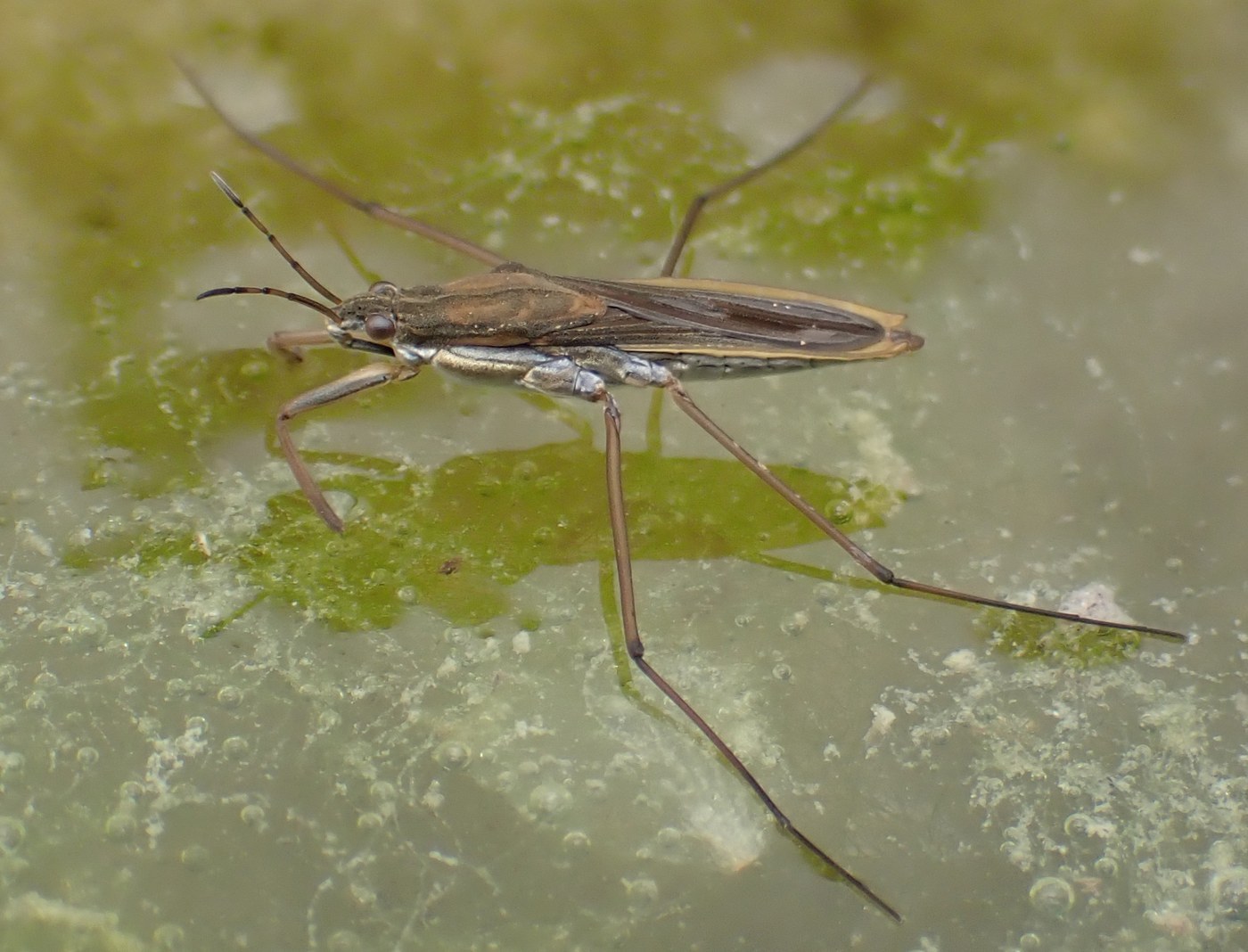
Water Strider
Still or slow-moving fresh water: ponds, lake edges, slow streams, puddles
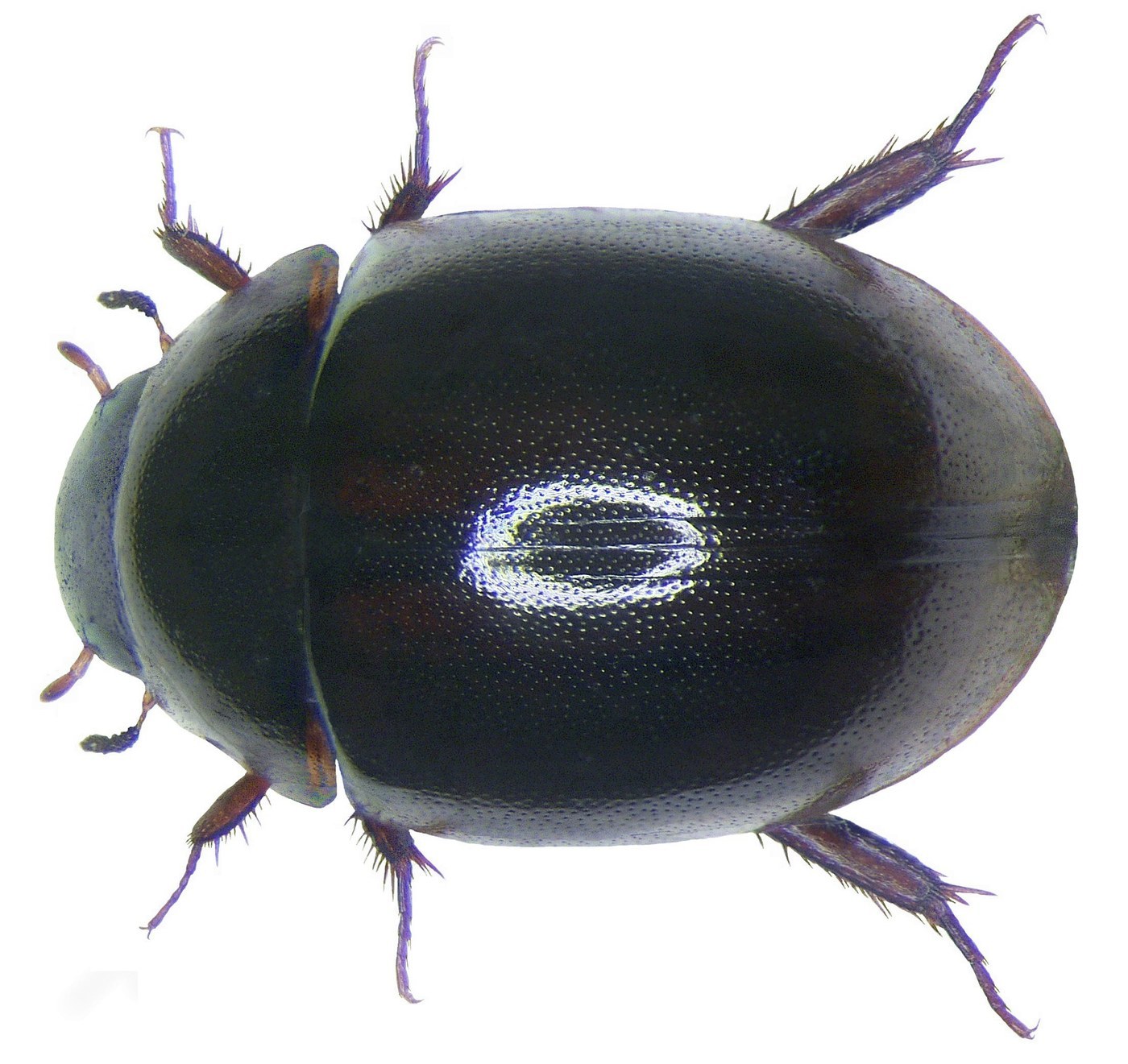
Water Beetle
Ponds, slow streams, marshes, still fresh water
Water Penny Beetle
Fast, rocky, well-oxygenated streams
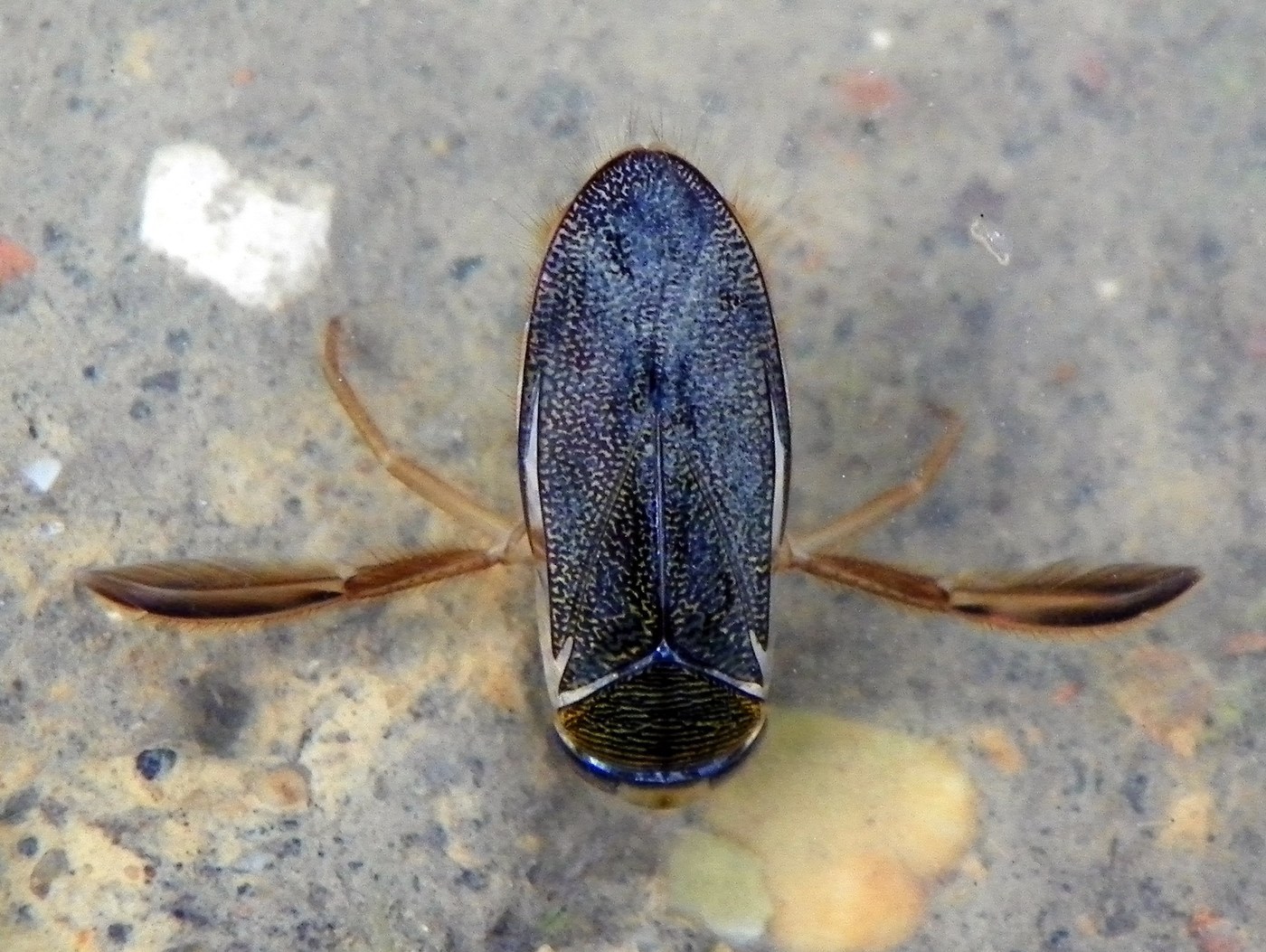
Water Boatman
Ponds, lakes, slow streams, freshwater with vegetation
Water Scorpion
Still or slow-moving water with submerged vegetation
Stonefly
Cold, clean, well-oxygenated streams and rivers
Stonefly Nymph
Cold, fast-flowing, well-oxygenated streams
Soldier Fly Larva
Ponds, marshes, and slow streams with organic sediment
Mosquito Larva
Standing water in ponds, ditches, containers, and puddles
Whirligig Beetle
Surface of ponds, lakes, and slow streams
Rat-Tailed Maggot
Stagnant, oxygen-poor water such as manure pools, drains, and compost
Predaceous Diving Beetle
Ponds, lakes, and slow-moving freshwater