
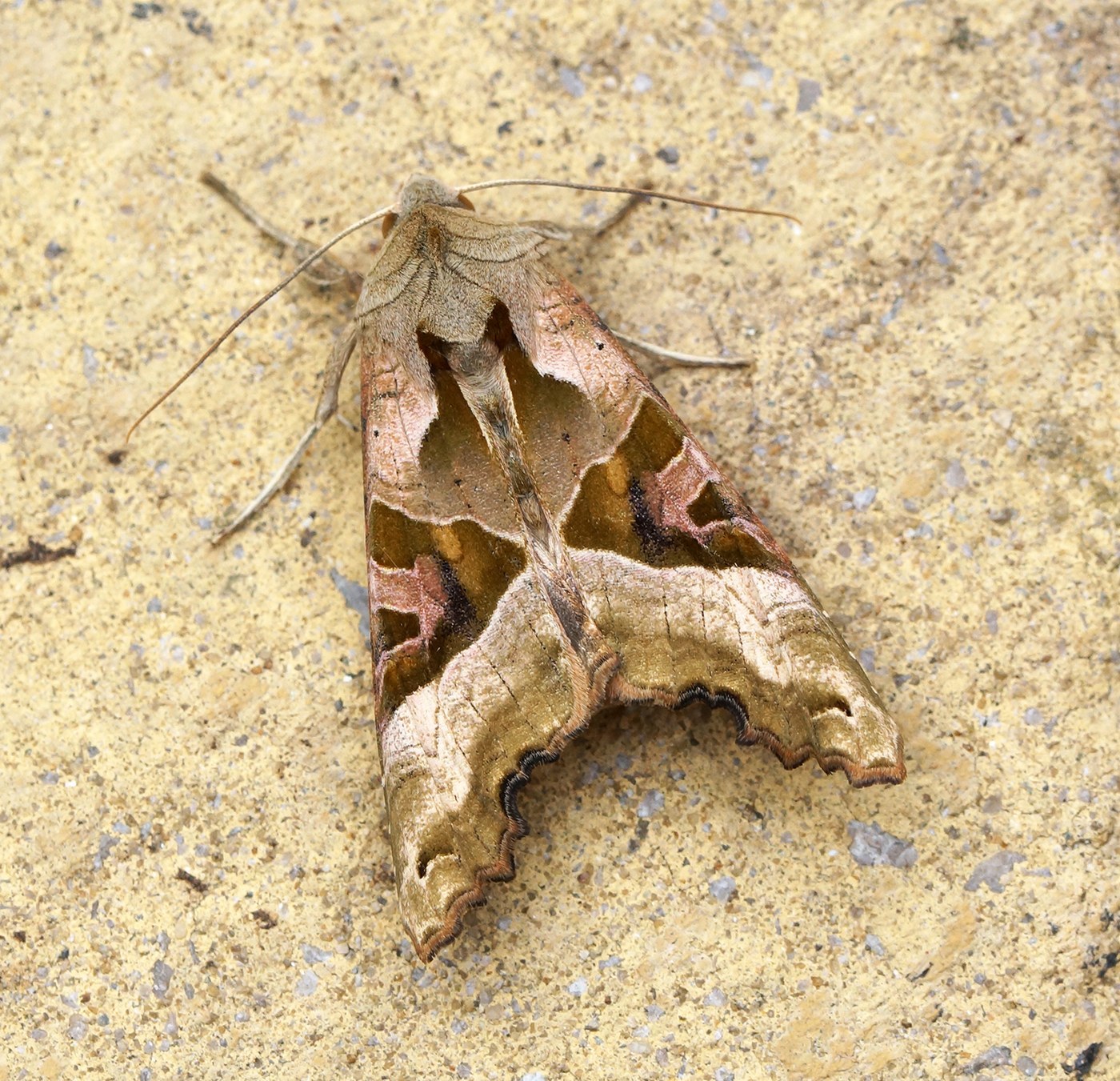
Angle Shades Moth
Phlogophora meticulosa
A common night-flying moth whose forewings fold into a crumpled, tent-like shape that mimics a withered or damaged leaf, marked with bold olive-green and pinkish-brown zigzag bands.
- Size
- 45–52 mm wingspan
- Habitat
- Gardens, hedgerows, woodland edges, urban parks
- Danger
- Harmless
Spotted a bug like this?
Identify any bug or insect from a photo, free.
Overview
The Angle Shades Moth is a member of the owlet moth family Noctuidae, one of the most widespread and instantly recognizable moths across much of Europe and temperate Asia. Its name comes from the sharply angled, folded posture of its wings at rest, which creates a torn or shaded-leaf illusion rather than a typical flat or roof-shaped moth silhouette.
It is notable for its striking combination of olive-green, pink, and brown coloring arranged in bold diagonal bands, making it one of the easier noctuid moths to identify on sight despite the family's reputation for drab, look-alike species. It regularly turns up in gardens, at porch lights, and on wall surfaces, and is often one of the first moths a casual observer learns to name.
Ecologically it fits into the broad guild of generalist-feeding noctuid moths, with caterpillars that feed on a very wide range of low-growing and herbaceous plants, making the species highly adaptable and abundant across many habitat types.
How to Identify
- Wings fold into a distinctive angular, crumpled shape at rest rather than lying flat, giving a triangular, leaf-litter appearance.
- Forewings show a patchwork of olive-green, pink-brown, and cream zigzag bands and dark diagonal streaks.
- Hindwings are pale, plain buff or greyish, mostly hidden at rest.
- Body is stout and moderately hairy, typical of noctuid moths, with a slightly ridged thorax.
- Antennae are thread-like (filiform) rather than feathery.
- Lookalikes include other noctuid "shades" species, but the sharply folded wing posture and mixed green-pink coloring are diagnostic.
Habitat & Range
Found throughout much of Europe, North Africa, and parts of Asia, and introduced to North America. It thrives in gardens, hedgerows, farmland margins, parks, woodland edges, and disturbed ground, wherever its wide range of herbaceous host plants grows. Adults are attracted to lights and flowers and can be seen from spring through late autumn, with multiple overlapping generations in warmer regions, and in mild climates the species may fly in almost any month.
Behavior & Diet
Adults are nocturnal and fly readily to artificial lights and to sugar or nectar sources, resting by day on walls, fences, tree trunks, or foliage where their folded wing shape and mottled coloring provide camouflage. The caterpillars are polyphagous, feeding on a broad range of herbaceous and woody plants including nettle, dock, bramble, and many garden ornamentals, chewing leaf tissue at night. As both a nectar feeder and a food source for birds and bats at various life stages, it plays a modest but steady role in garden and hedgerow food webs.
Life Cycle
Females lay pale, ribbed eggs on host-plant foliage. The caterpillars are green or brown, smooth-bodied loopers-in-miniature that feed through several instars before pupating in a slight cocoon among leaf litter or just below the soil surface. In warmer climates the species can produce two or more overlapping generations per year, with the moth capable of overwintering as a larva, pupa, or occasionally as an adult in sheltered spots, contributing to its near year-round presence in mild regions.
Frequently asked questions
Why do its wings look torn or crumpled?
At rest the forewings fold sharply along angled creases rather than lying flat, which combined with its mottled coloring mimics a curled, damaged dead leaf for camouflage.
How big does an Angle Shades Moth get?
Adults typically have a wingspan of about 45–52 mm, making it a medium-sized noctuid moth.
Where would I see one?
It is very common in gardens and hedgerows, often found resting on walls or foliage by day or attracted to outdoor lights at night.
Does it fly all year?
In milder climates it can be seen in almost any month due to overlapping generations, though it is most numerous from late spring through autumn.
Angle Shades Moth guides
In-depth guides for identifying, understanding, and living alongside Angle Shades Moth.
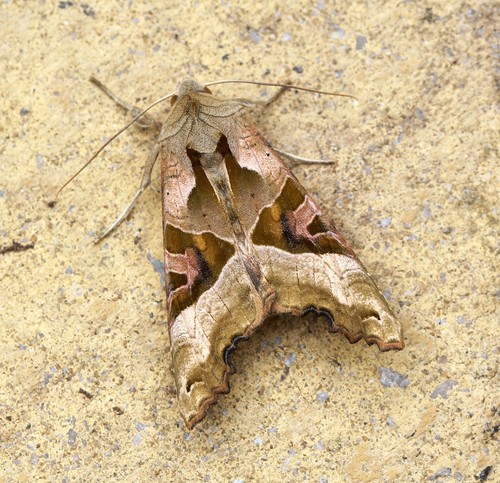
Angle Shades Moth identified by the community
Real finds identified with Bug Identifier.
Other bugs you may enjoy
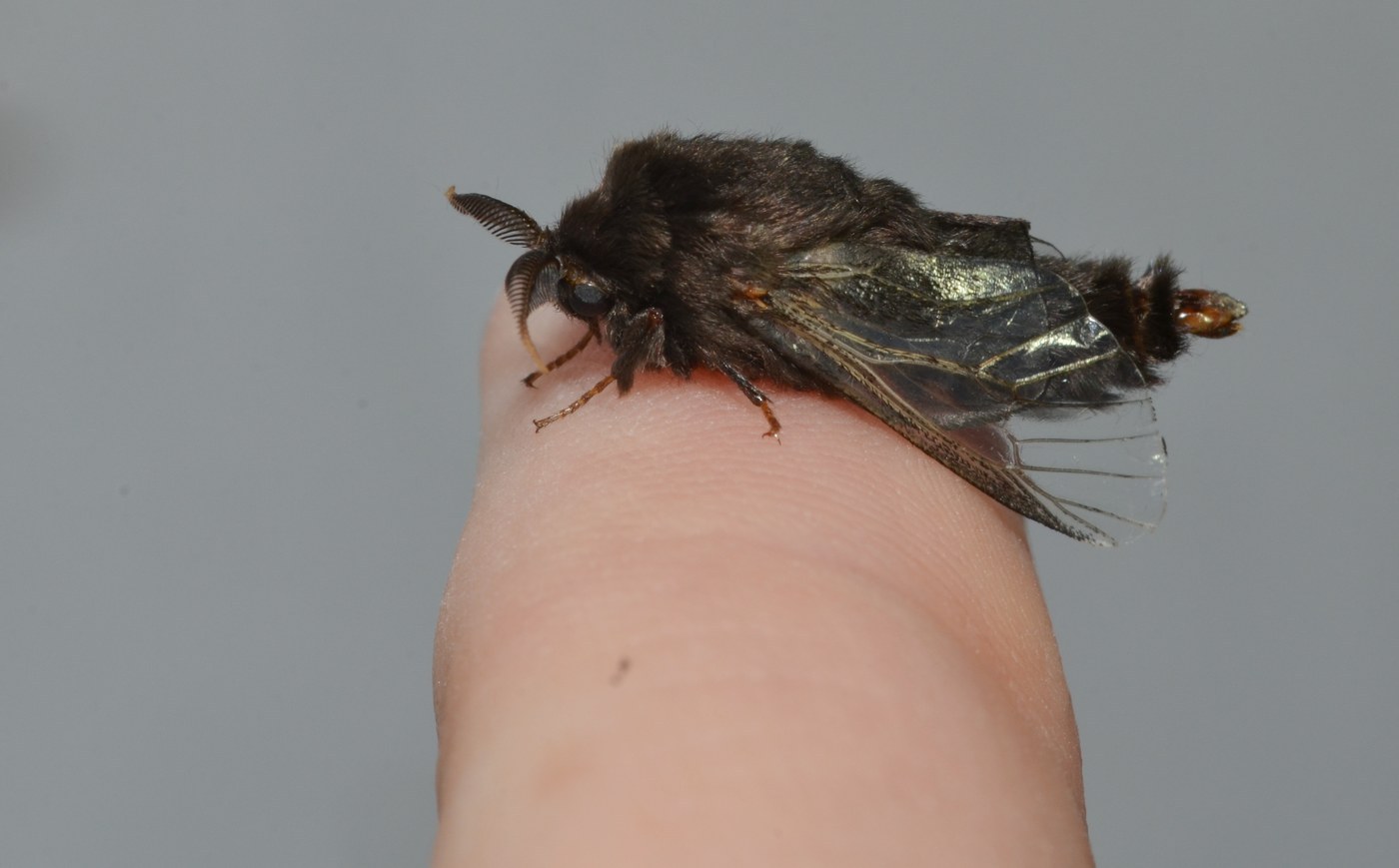
Bagworm Moth
Coniferous and deciduous trees, shrubs, hedges
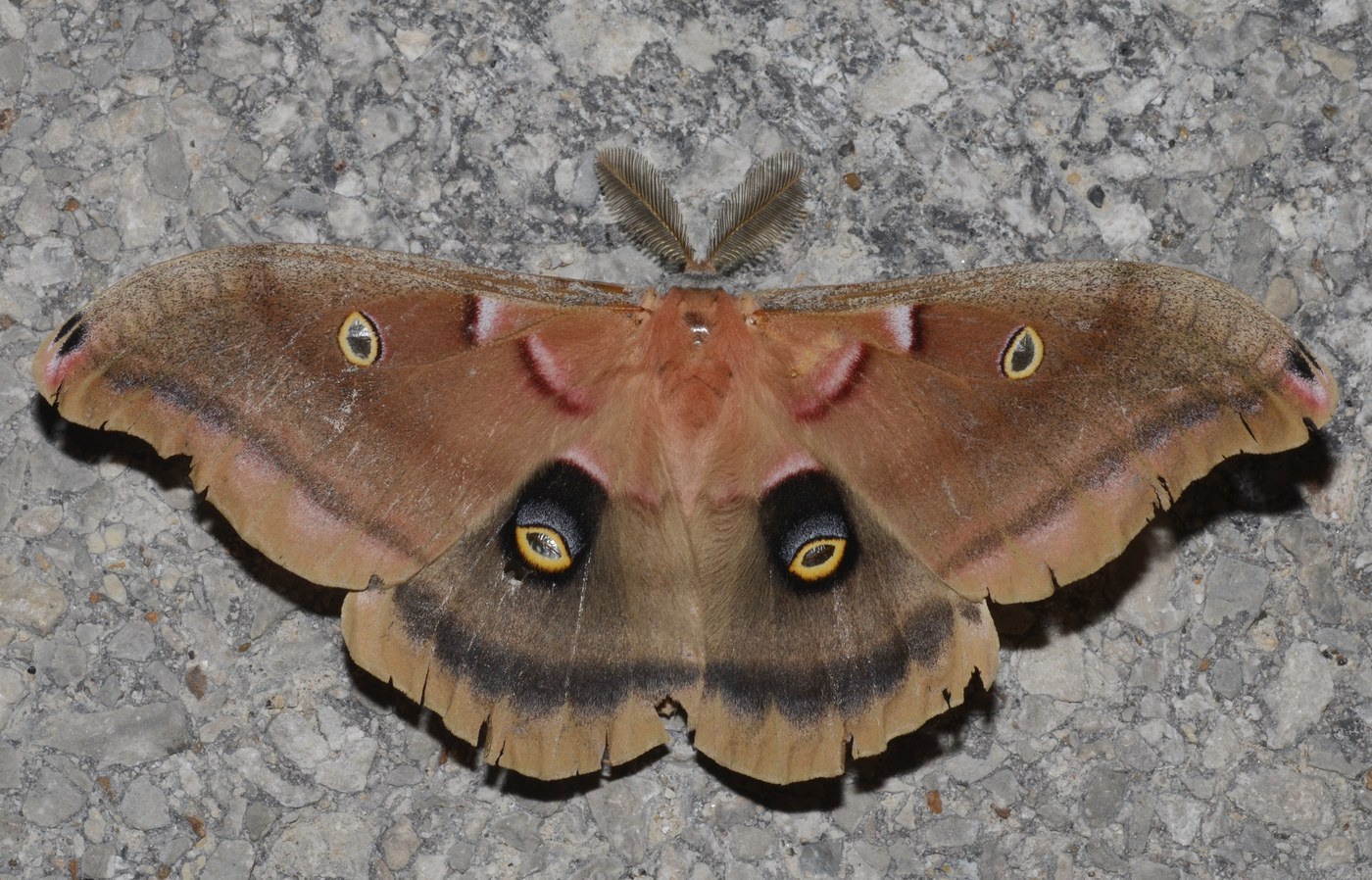
Antheraea Silkmoth
Deciduous forests, woodland edges, orchards
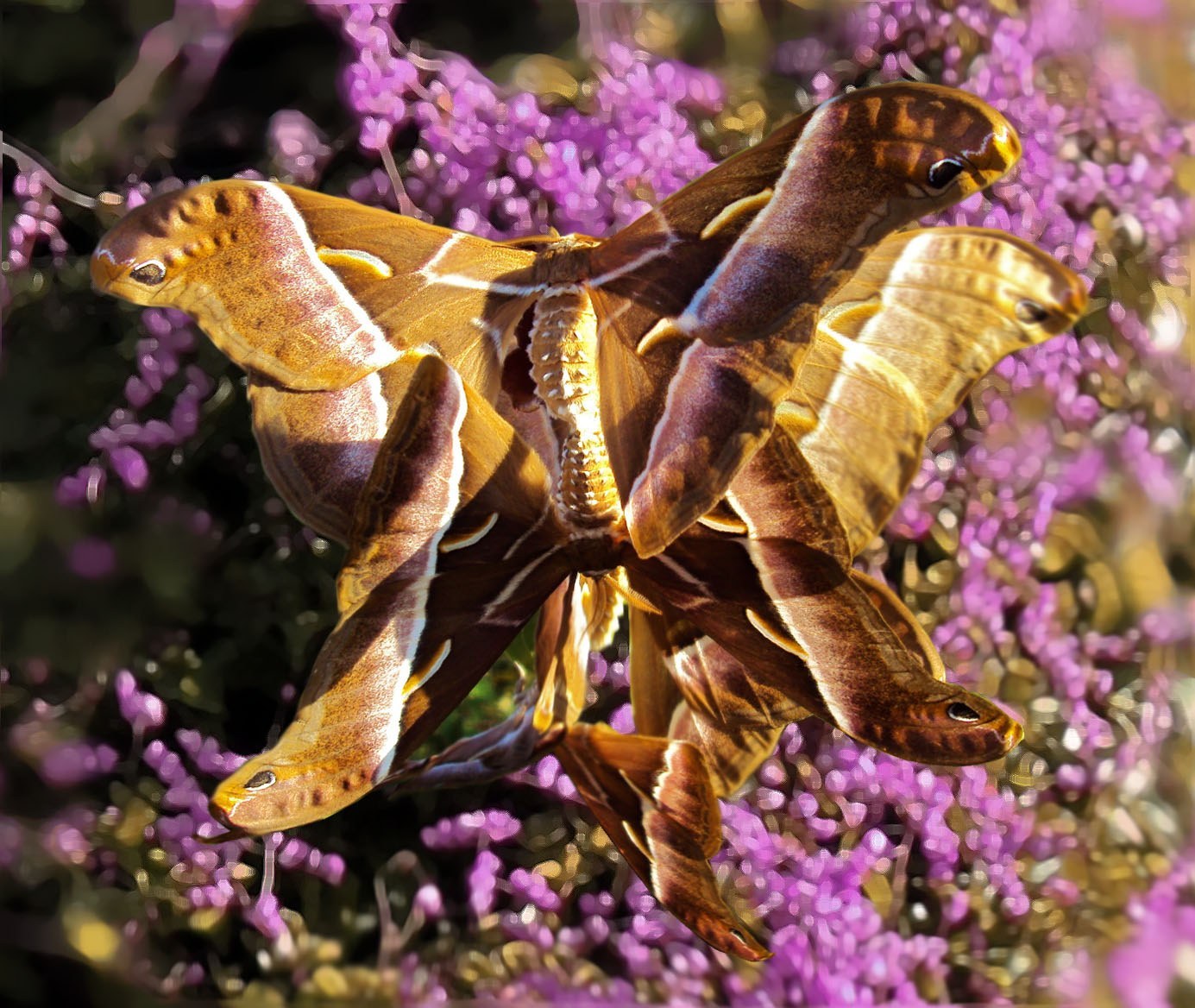
Ailanthus Silkmoth (Cynthia Moth)
Urban parks, wastelands, and woodland edges with tree-of-heaven; native to Asia, introduced in North America and Europe
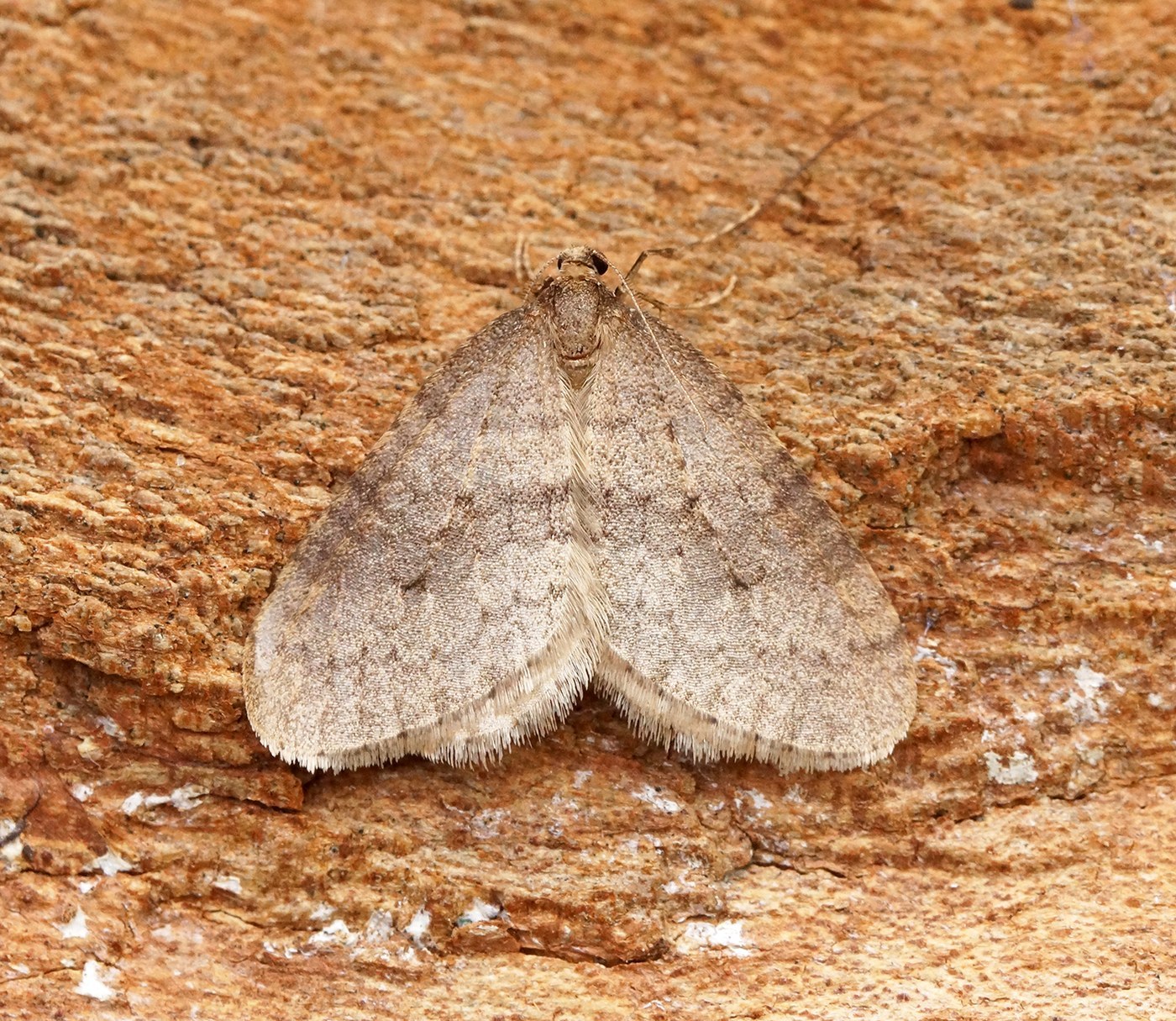
Winter Moth
Deciduous woodland, orchards, gardens, hedgerows
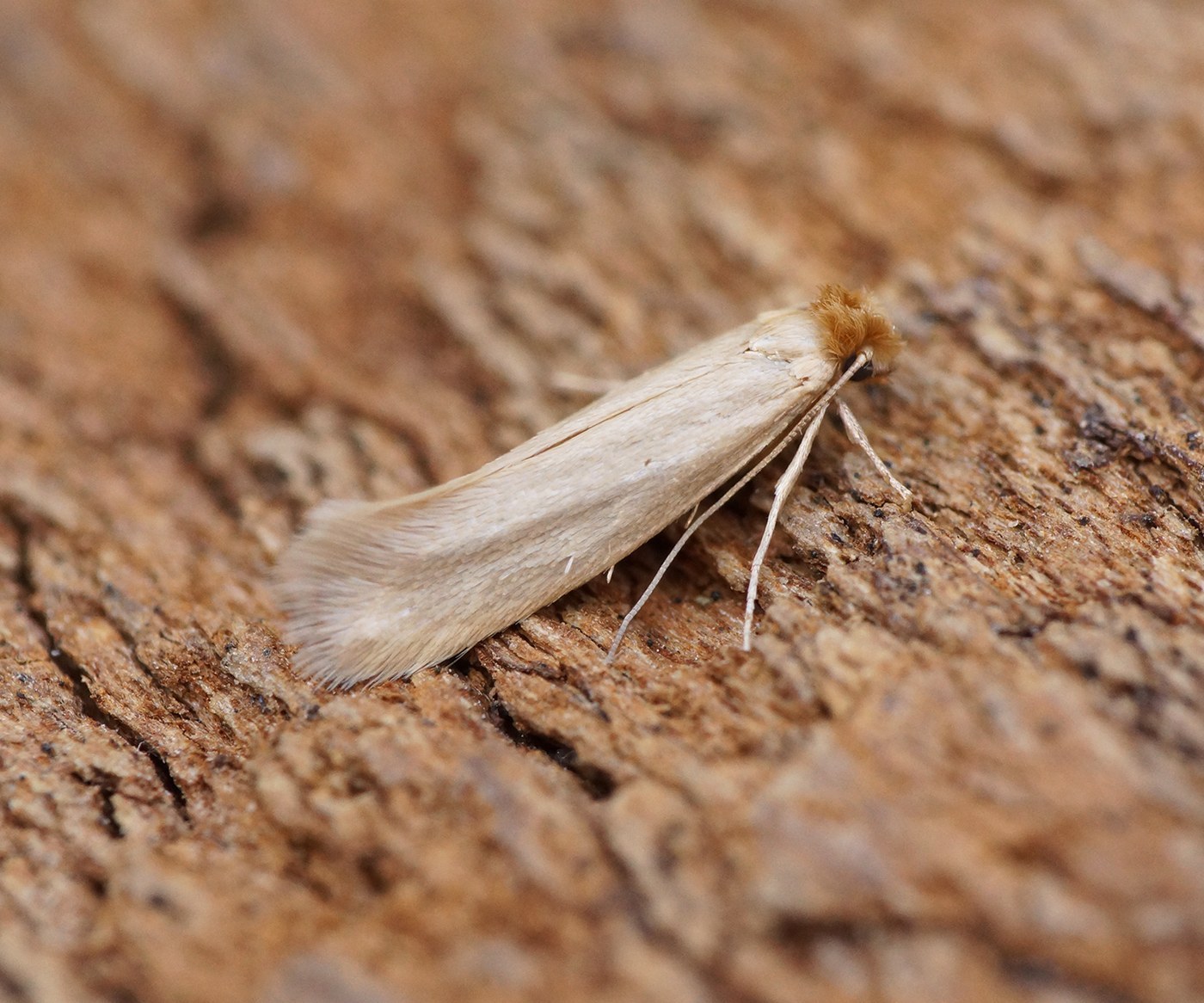
Webbing Clothes Moth
Dark closets, storage areas, and animal nests worldwide
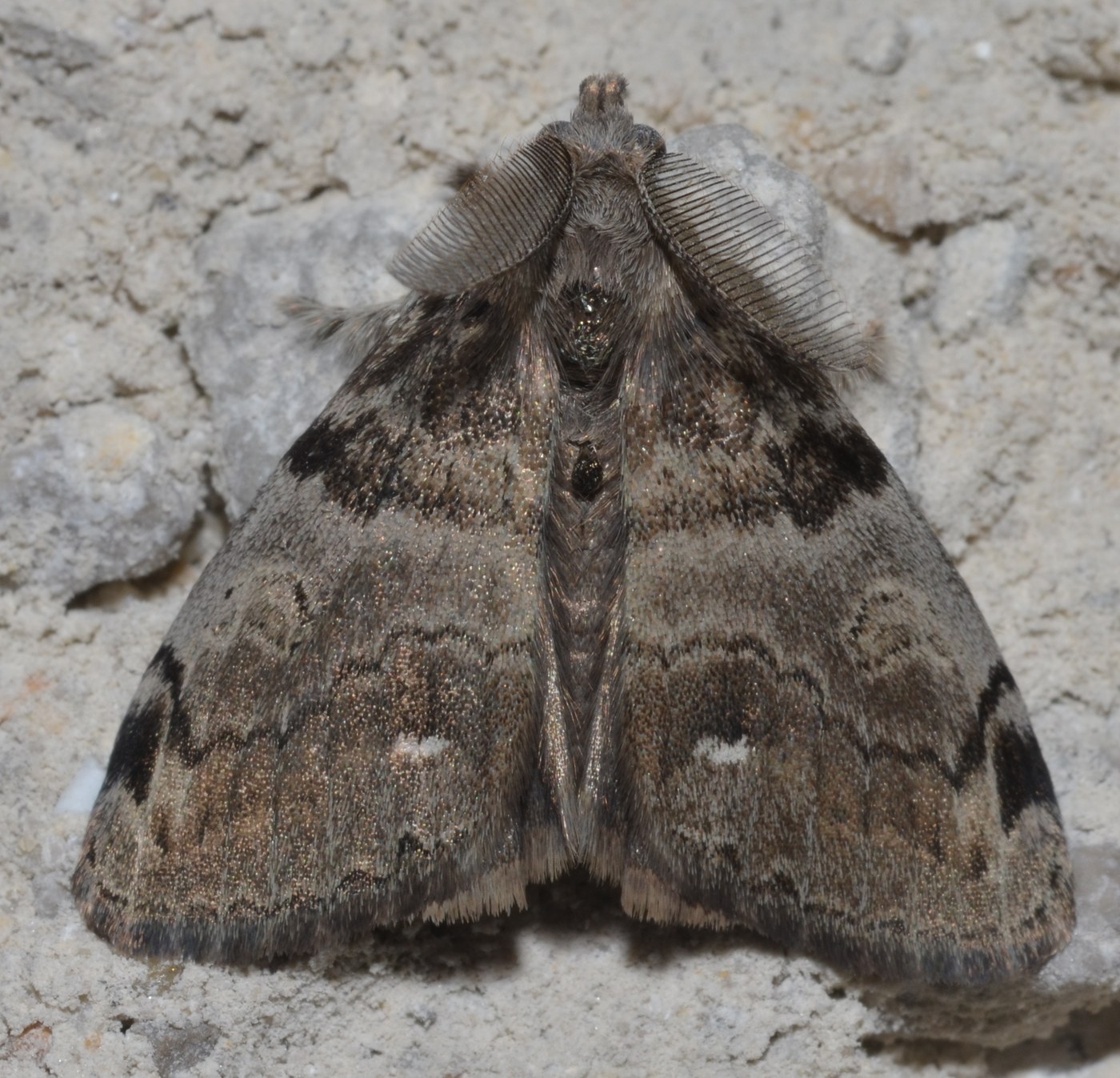
Tussock Moth
Deciduous forests, parks, gardens
Wax Moth
Beehives, apiaries, stored beeswax and comb
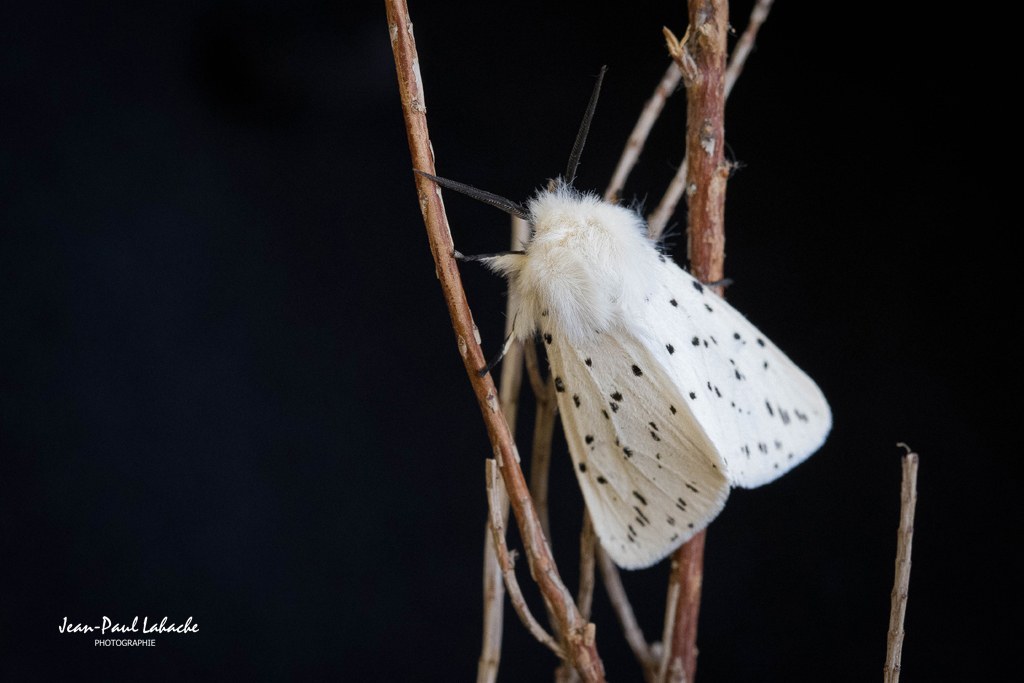
White Ermine Moth
Gardens, meadows, hedgerows
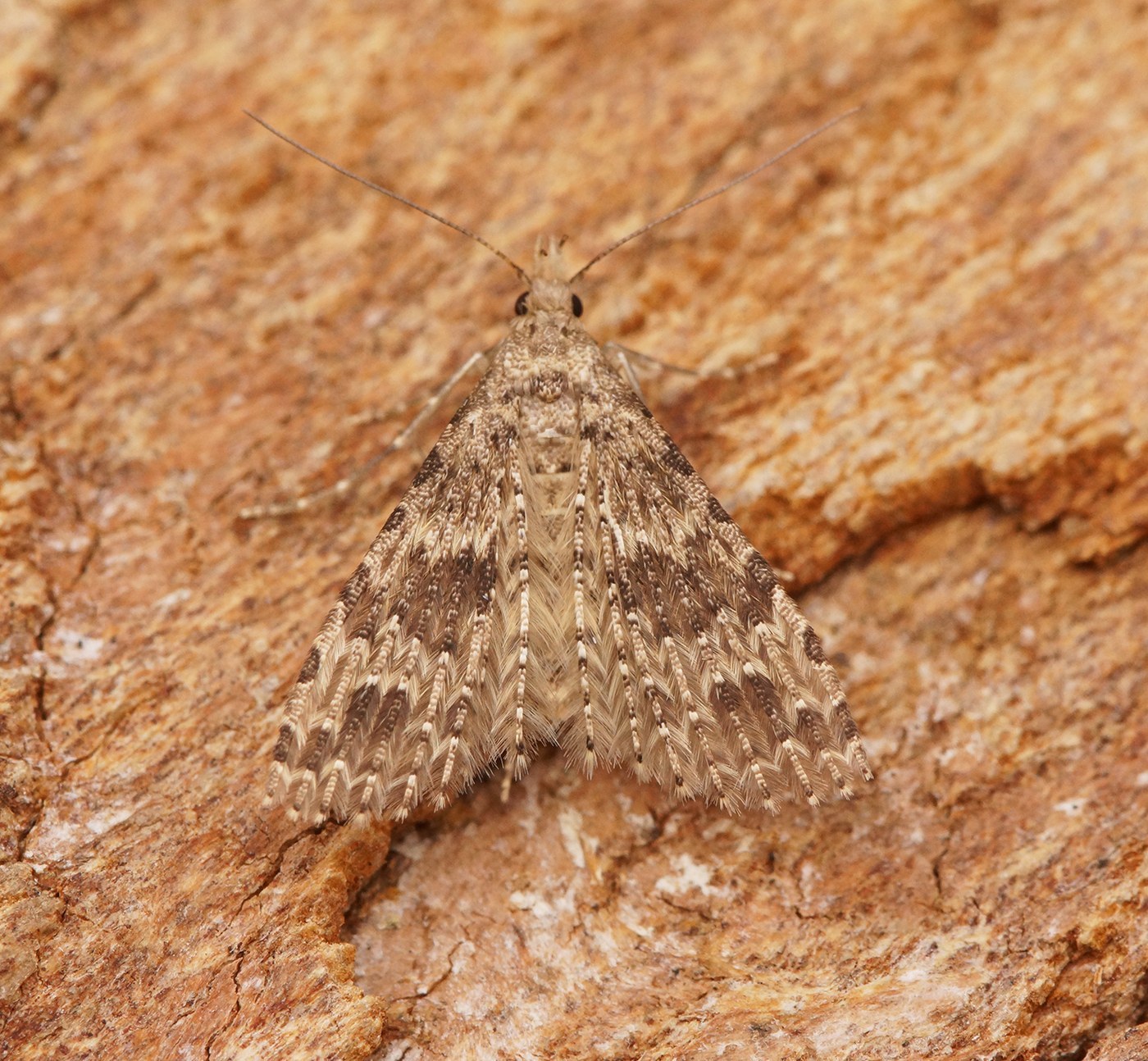
Twenty-plume Moth
Gardens, hedgerows, near honeysuckle
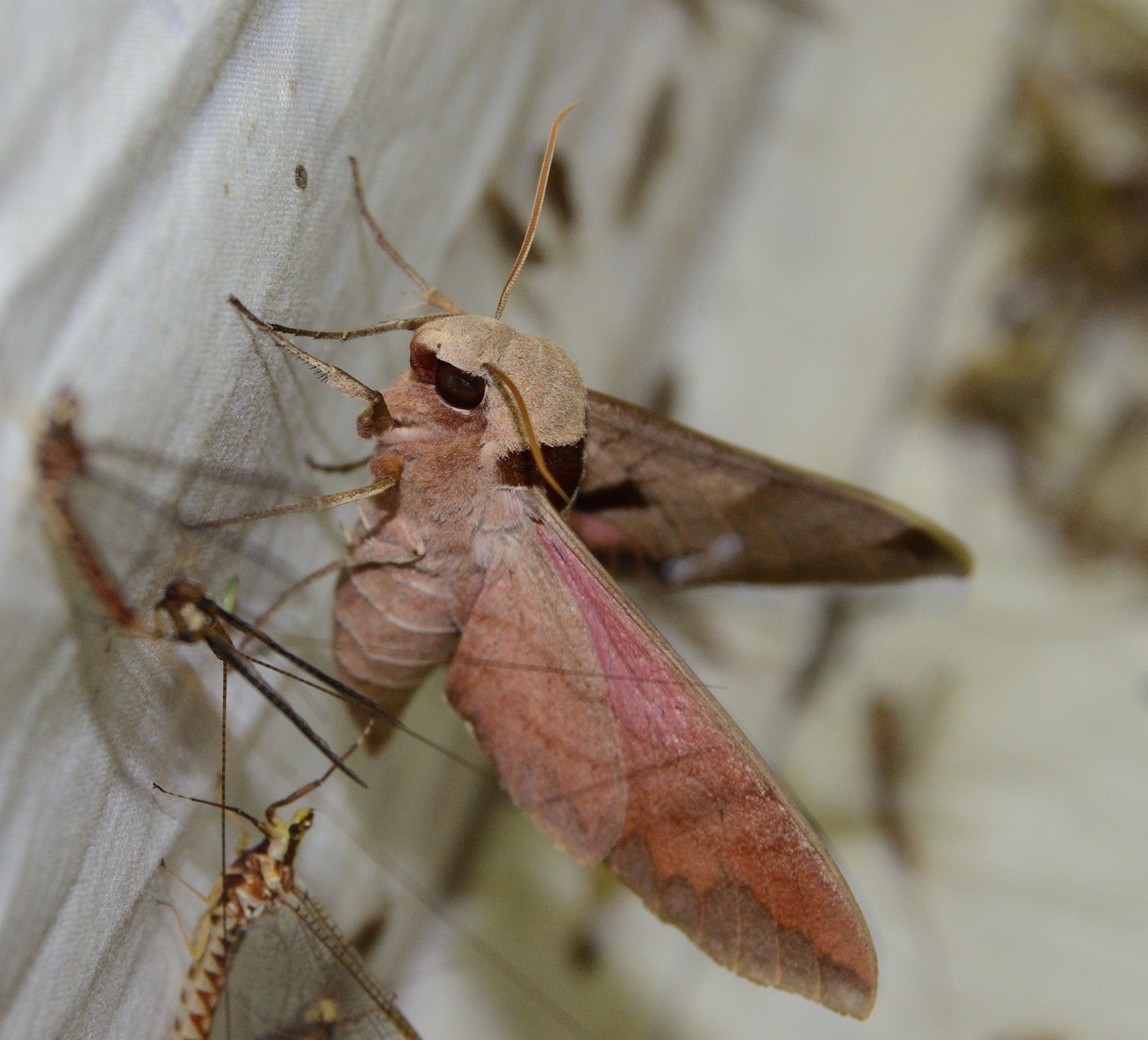
Achemon Sphinx Moth
Vineyards, woodland edges, gardens with wild grape
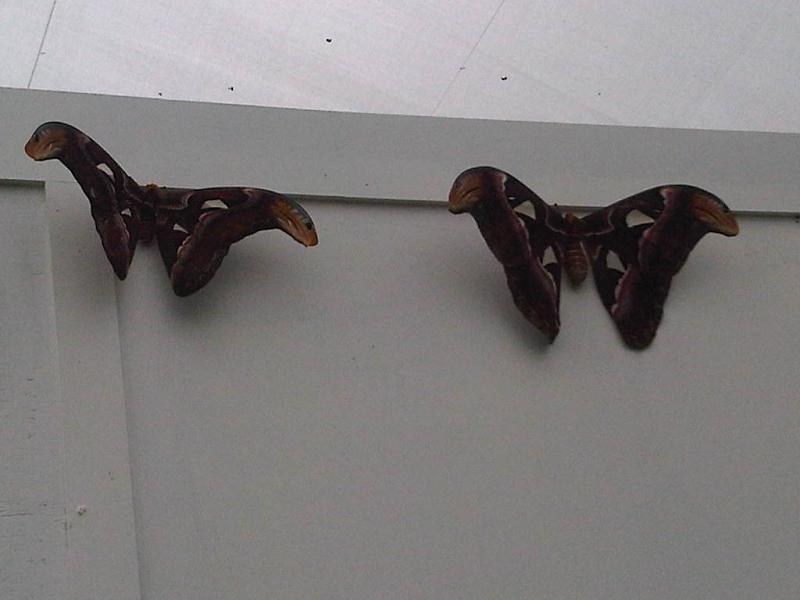
Atlas Moth
Tropical and subtropical lowland forests of Southeast Asia
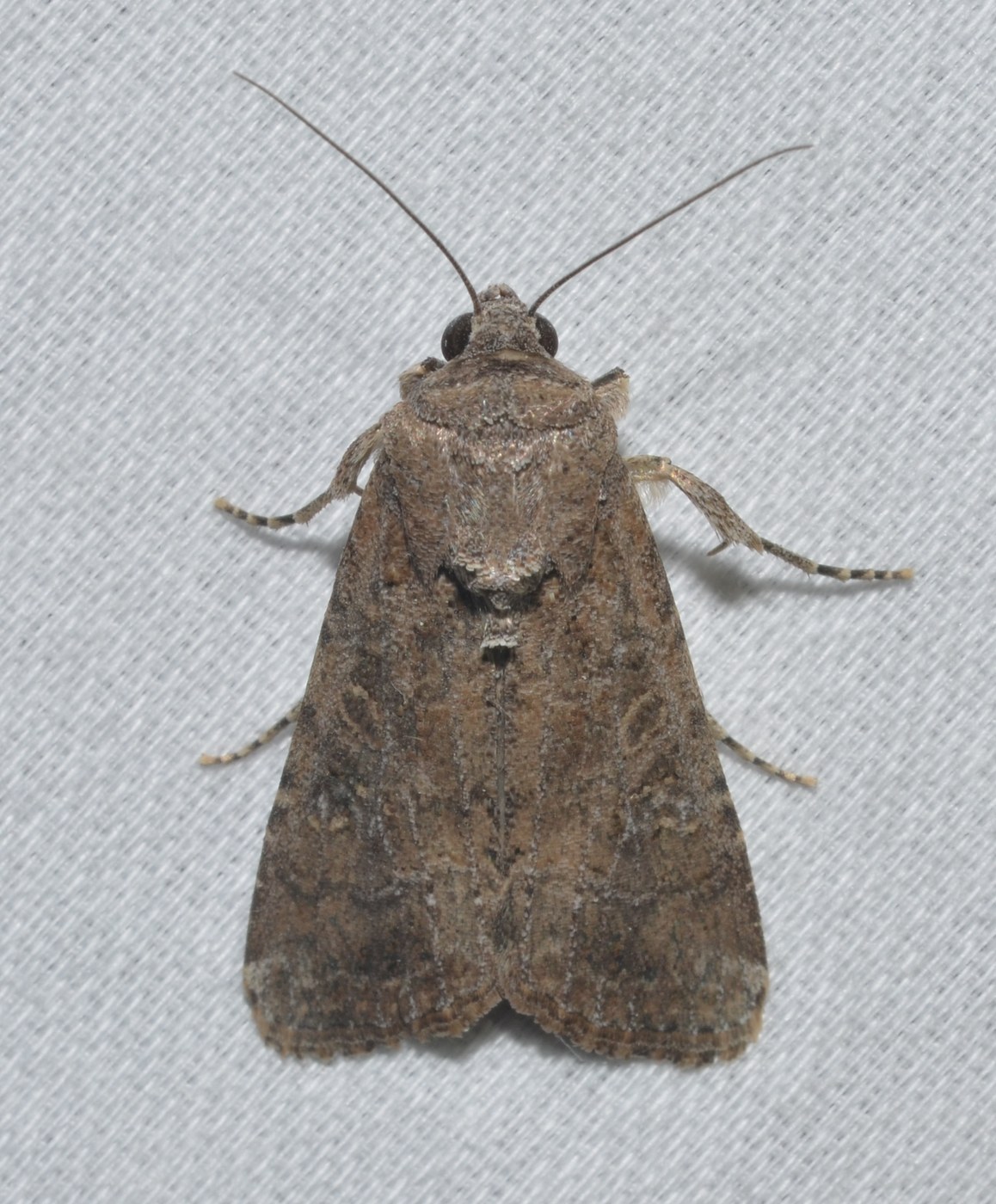
Armyworm Moth
Grasslands, pastures, farmland