
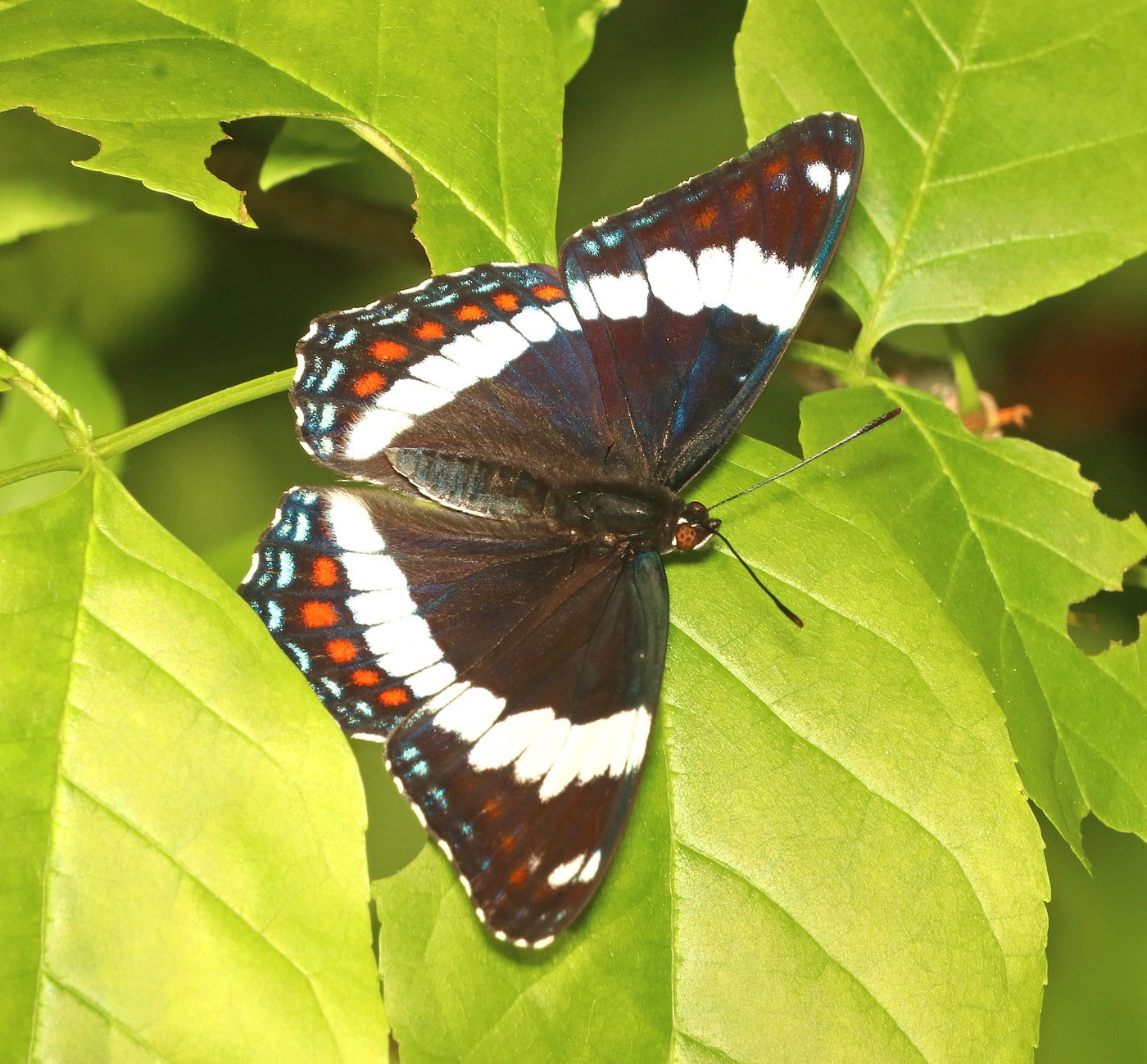
White Admiral
Limenitis arthemis arthemis
A large, dark butterfly crossed by a bold white band on both wings, the northern form of the same species that produces the iridescent blue Red-spotted Purple farther south.
- Size
- 2.5–3.5 in wingspan
- Habitat
- Boreal and northern mixed forests, forest edges, and wooded stream corridors
- Danger
- Harmless
Spotted a bug like this?
Identify any bug or insect from a photo, free.
Overview
The White Admiral is a brushfoot butterfly (family Nymphalidae) representing the northern form of Limenitis arthemis, a species that also produces the very differently patterned Red-spotted Purple form in the southern part of its range. The two forms meet and interbreed across a broad hybrid zone spanning the northern United States and southern Canada, making this species a notable example of regional color-pattern variation within a single species.
Found in boreal and northern mixed forests, the White Admiral is closely tied to birch, aspen, poplar, and willow trees, which serve as caterpillar host plants. Its bold black-and-white pattern makes it one of the more conspicuous and easily identified large butterflies across its northern range.
As a member of the admiral group, it shares its genus with the Viceroy and Red-spotted Purple, all known for powerful gliding flight and a tendency to feed on tree sap and other non-floral food sources rather than relying heavily on flower nectar.
How to Identify
- Wings are dark blackish-brown above, crossed by a broad, bold white band running across both the forewing and hindwing.
- A row of small orange-red and blue spots may be visible near the outer wing margins, more prominent on the underside.
- No tails on the hindwing; wing margins are smoothly rounded.
- Strong, broad-winged build typical of admiral butterflies.
- Lookalikes: the Red-spotted Purple (southern form of the same species) lacks the white band entirely and instead shows iridescent blue coloring; the Viceroy has a white band too but is orange rather than black-brown and has a distinctive black line crossing the hindwing veins.
Habitat & Range
Found across the northern United States, including New England, the upper Midwest, and the Rocky Mountain region, and widely through Canada into boreal forest zones. It occupies mixed and deciduous forests, forest edges, and wooded corridors along streams, particularly where birch, aspen, poplar, and willow are present. Adults fly in a single main period during summer in the coldest parts of the range, with activity generally from June through August.
Behavior & Diet
Adults have a strong, gliding flight pattern typical of admiral butterflies and often perch on tree foliage at eye level or higher, descending to feed at sap flows, rotting fruit, damp soil, or animal droppings rather than flowers. Males establish and defend perching territories along forest edges and trails, chasing off rival males and other passing insects. Caterpillars feed on the leaves of birch, aspen, poplar, and willow, and like the Red-spotted Purple form, young caterpillars mimic bird droppings for camouflage. The species is an important component of northern forest-edge insect communities.
Life Cycle
Eggs are laid singly at the tips of host leaves. Caterpillars construct a leaf shelter and, characteristic of the species, overwinter as partly grown larvae inside a folded leaf hibernaculum attached to the twig, resuming feeding the following spring. Pupation occurs in a hanging chrysalis. In the cooler northern parts of the range there is typically one generation per year, while slightly warmer areas may support two, with overwintering occurring in the caterpillar stage.
Frequently asked questions
How is the White Admiral related to the Red-spotted Purple?
They are the same species, Limenitis arthemis; the White Admiral form with its bold white band occurs in the north, while the Red-spotted Purple form without the band occurs farther south, and the two interbreed in a wide hybrid zone.
Could this be a Viceroy instead?
The Viceroy also has a white band but is orange rather than dark brown-black, and has an additional black line crossing the veins of the hindwing that the White Admiral lacks.
What trees do the caterpillars rely on?
Birch, aspen, poplar, and willow are the primary host plants for the caterpillars.
Where would I be likely to find one?
In boreal and northern mixed forests, along forest edges, trails, and wooded stream corridors across the northern United States and Canada.
White Admiral guides
In-depth guides for identifying, understanding, and living alongside White Admiral.
Other bugs you may enjoy
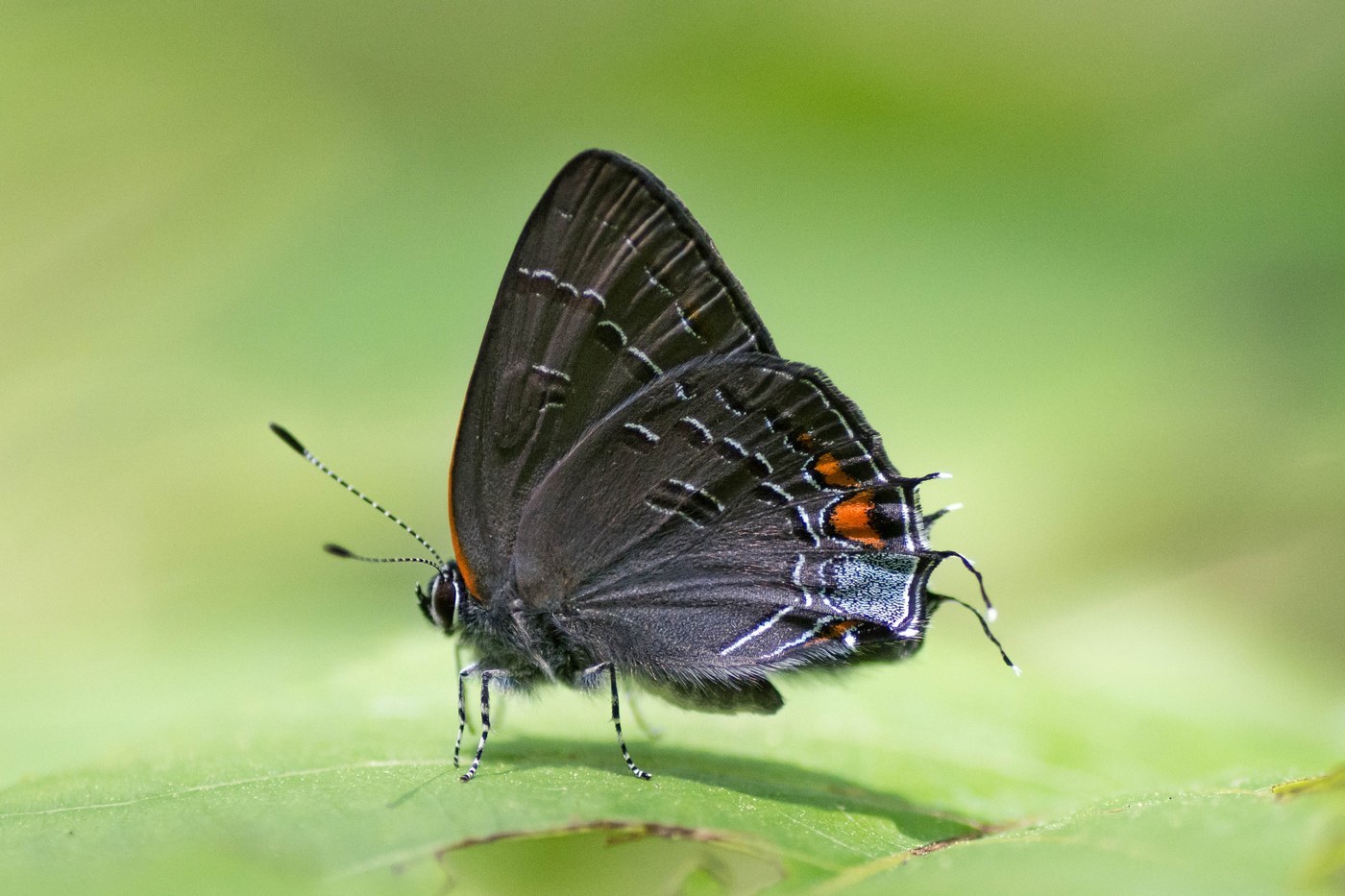
Banded Hairstreak
Deciduous woodlands and edges with oaks and hickories
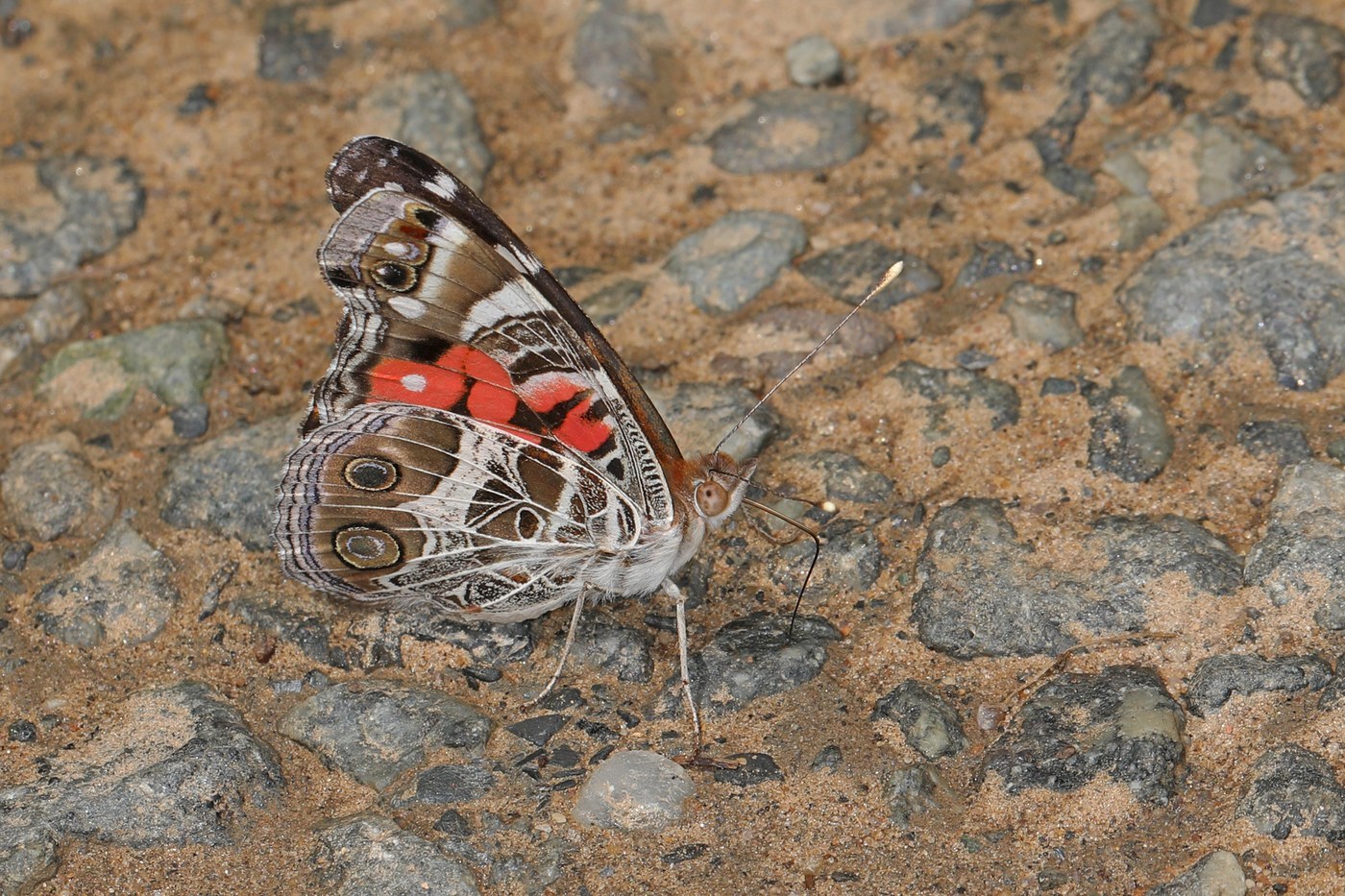
American Lady
Open fields, meadows, gardens, roadsides
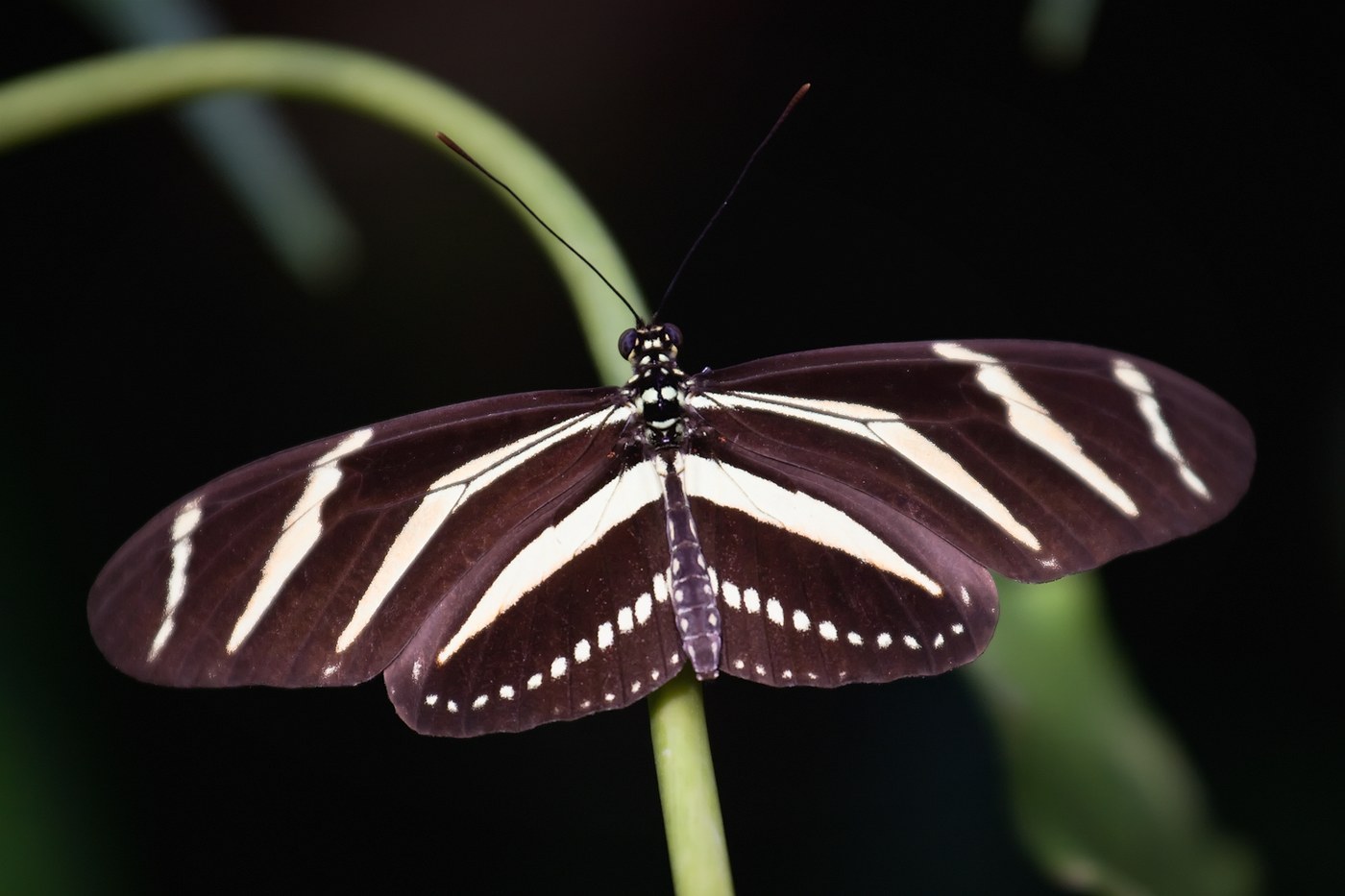
Zebra Longwing
Tropical hammocks, gardens, forest edges
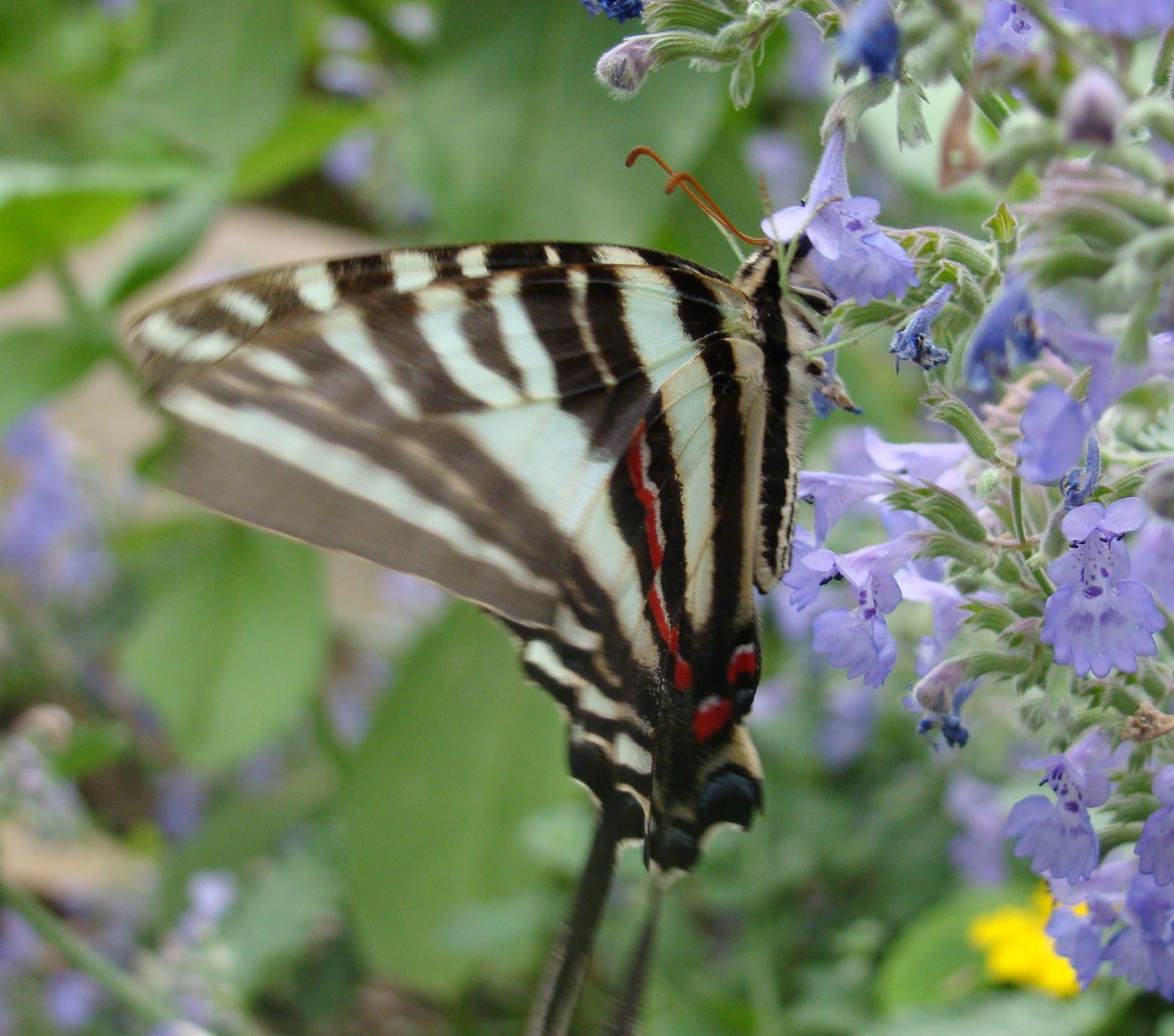
Zebra Swallowtail
Woodlands, floodplains, forest edges near pawpaw
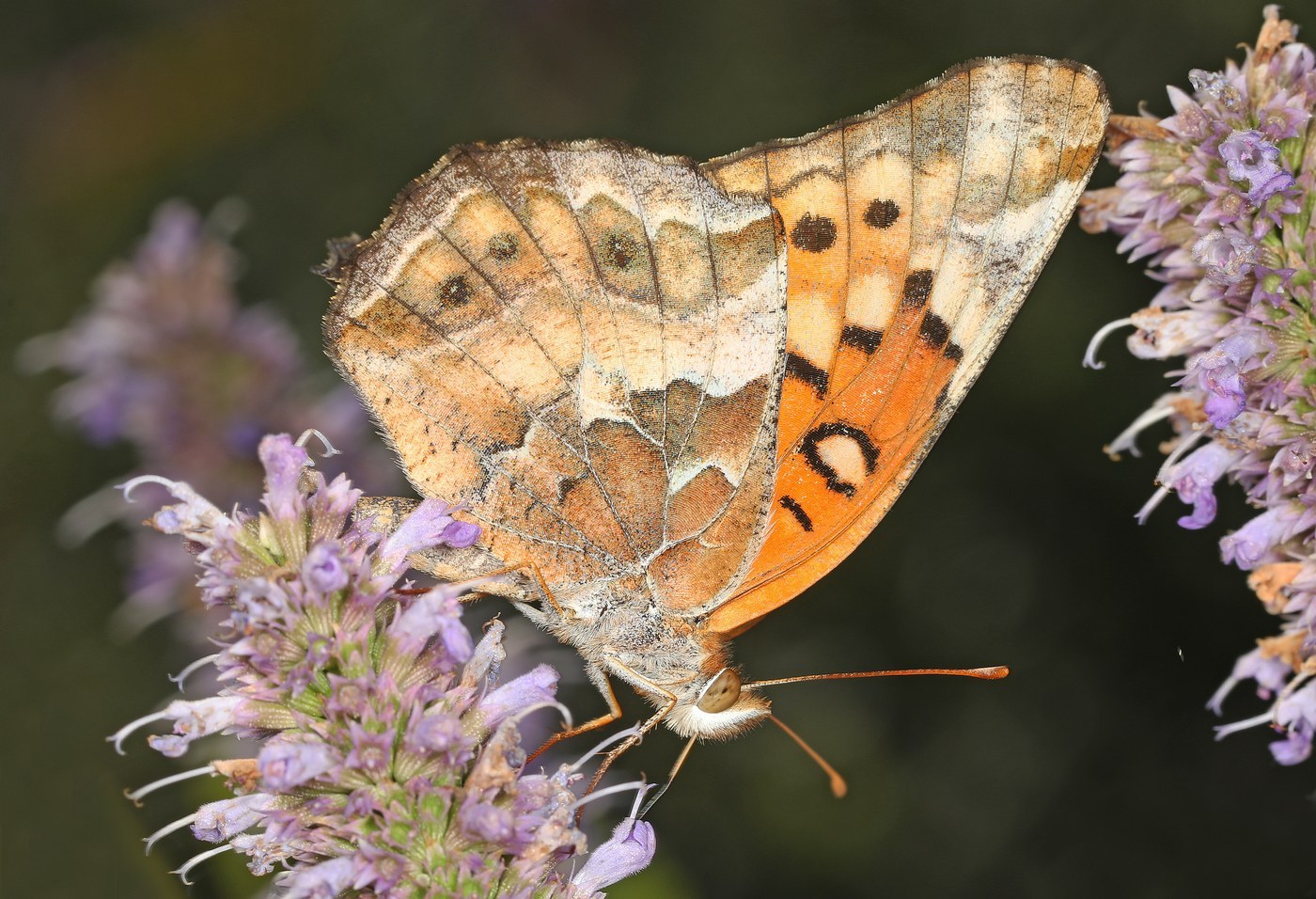
Variegated Fritillary
Open fields, prairies, roadsides, and disturbed ground across most of the United States
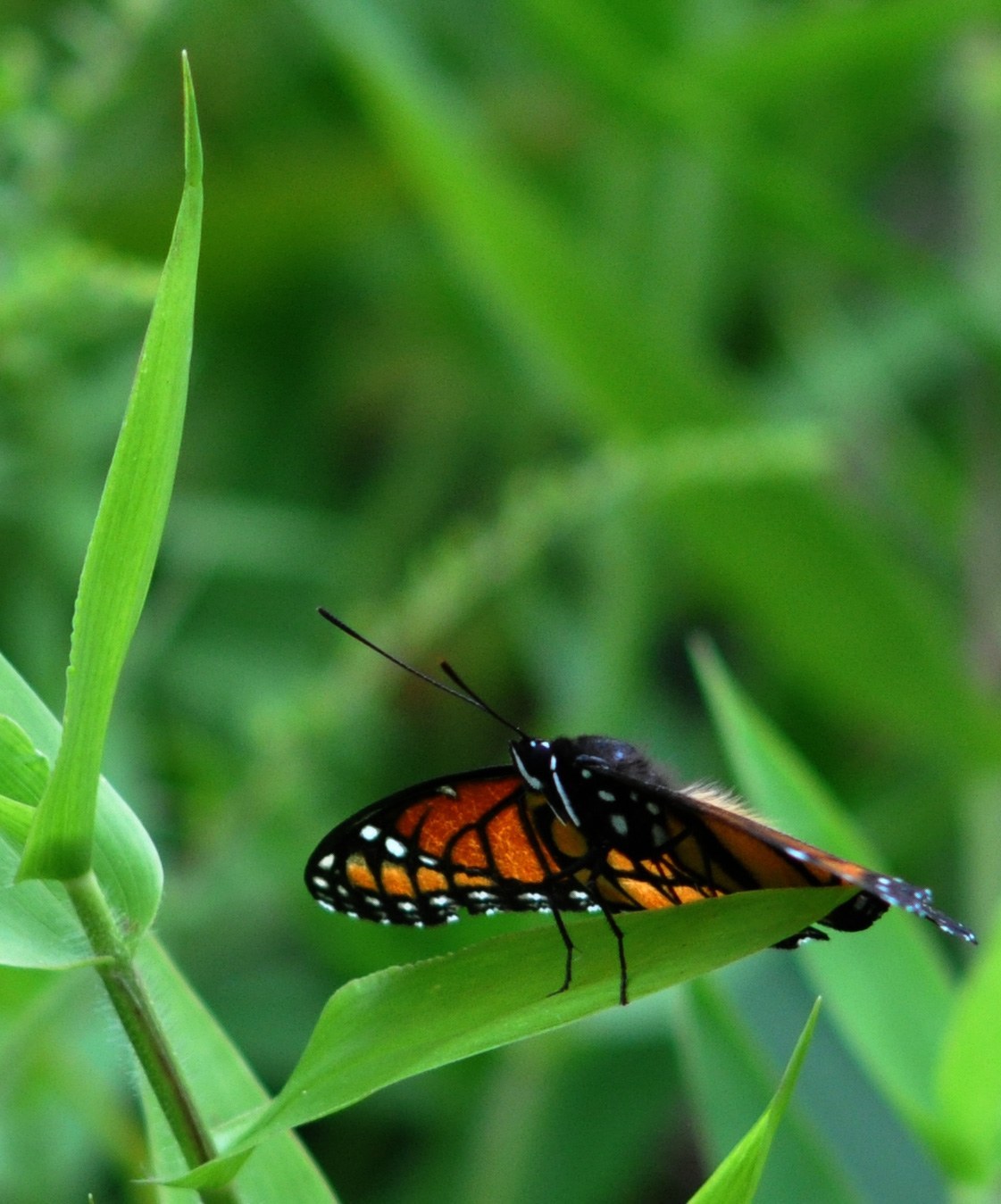
Viceroy Butterfly
Wetlands, meadows, riverbanks, willow thickets (North America)
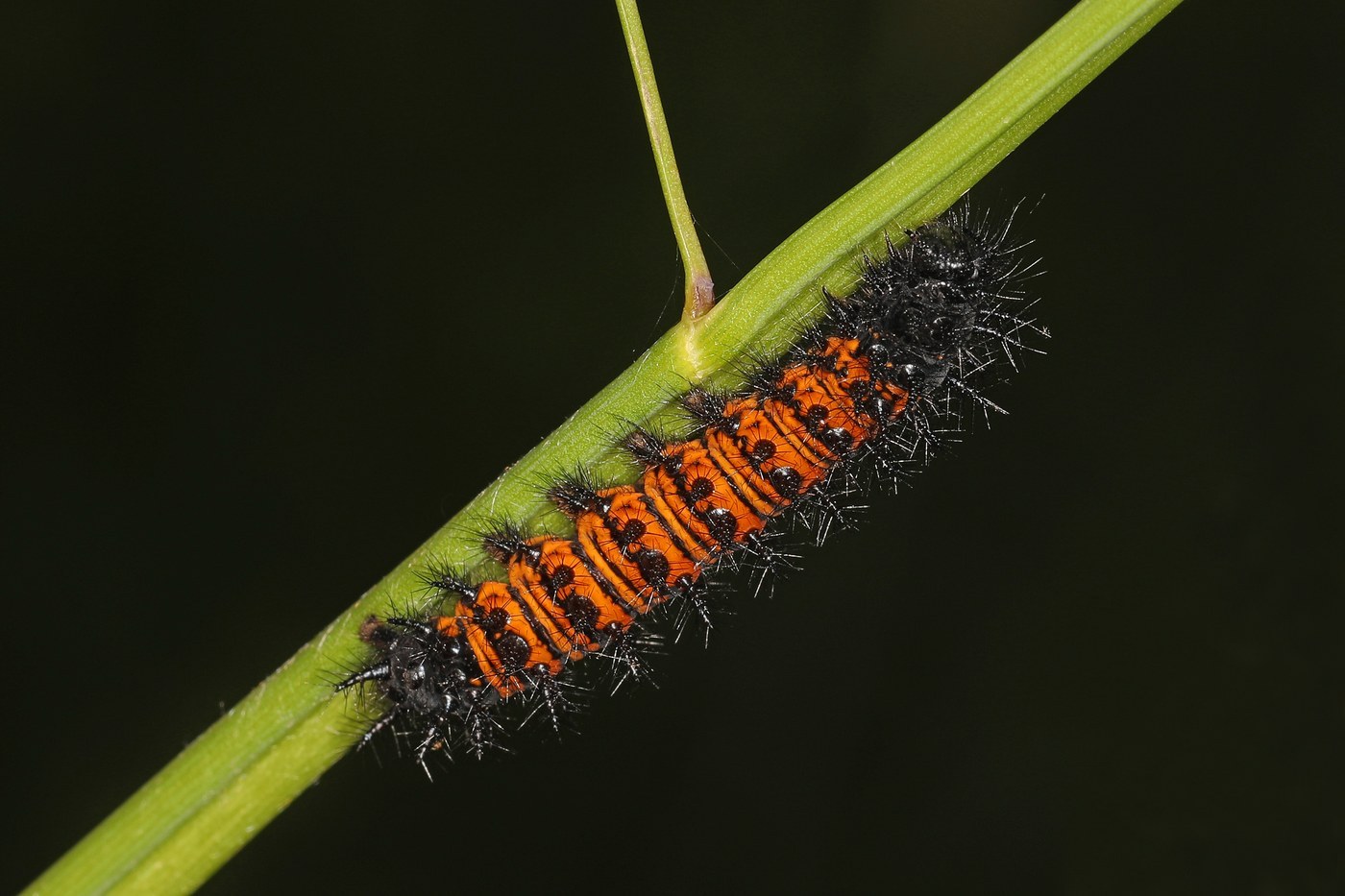
Baltimore Checkerspot
Wet meadows, bogs, and marshy fields in the northeastern and Appalachian US
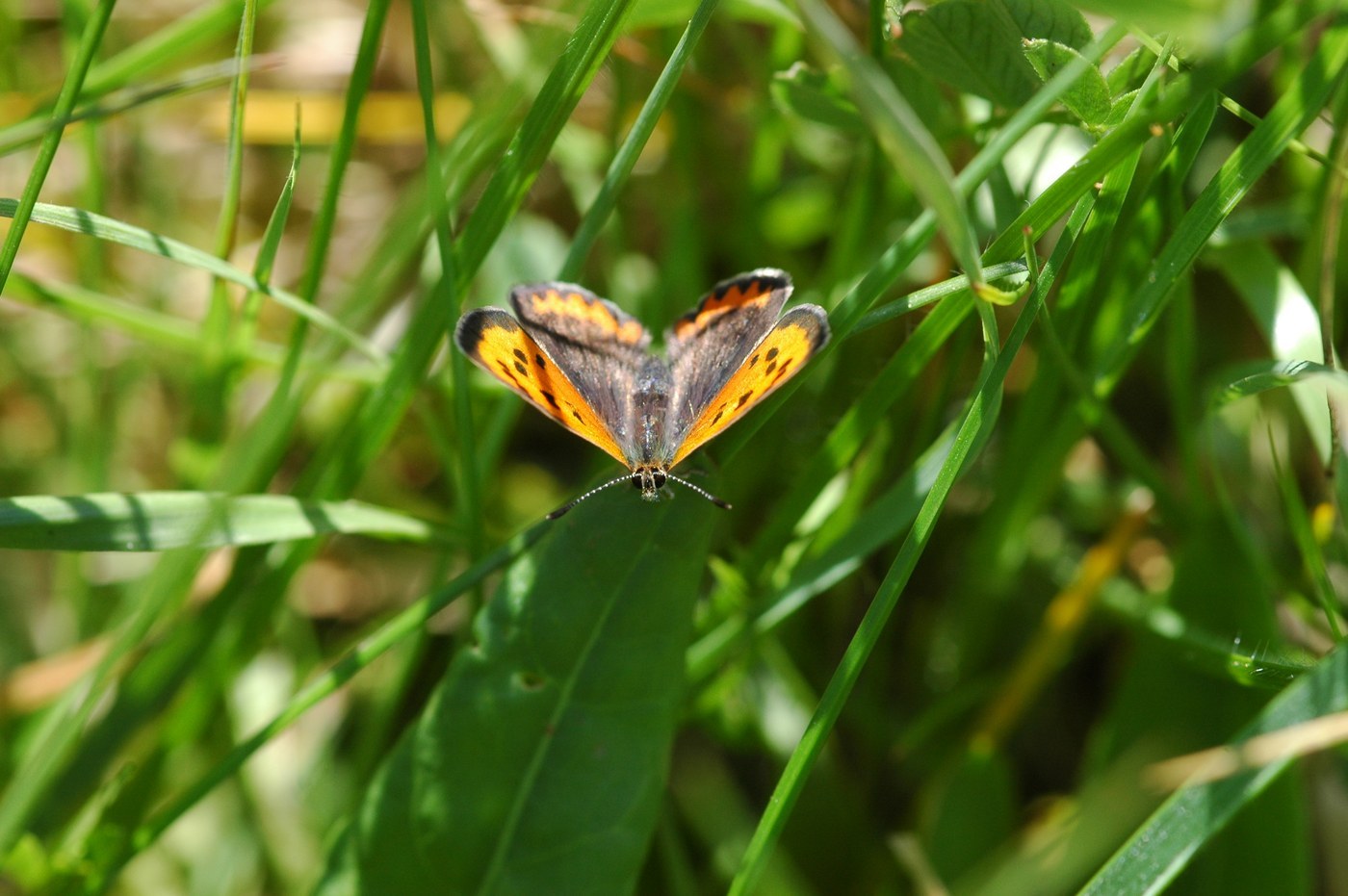
American Copper
Old fields, roadsides, and disturbed open ground with sorrel or dock
West Virginia White
Rich deciduous forest floors, especially near seeps and streams
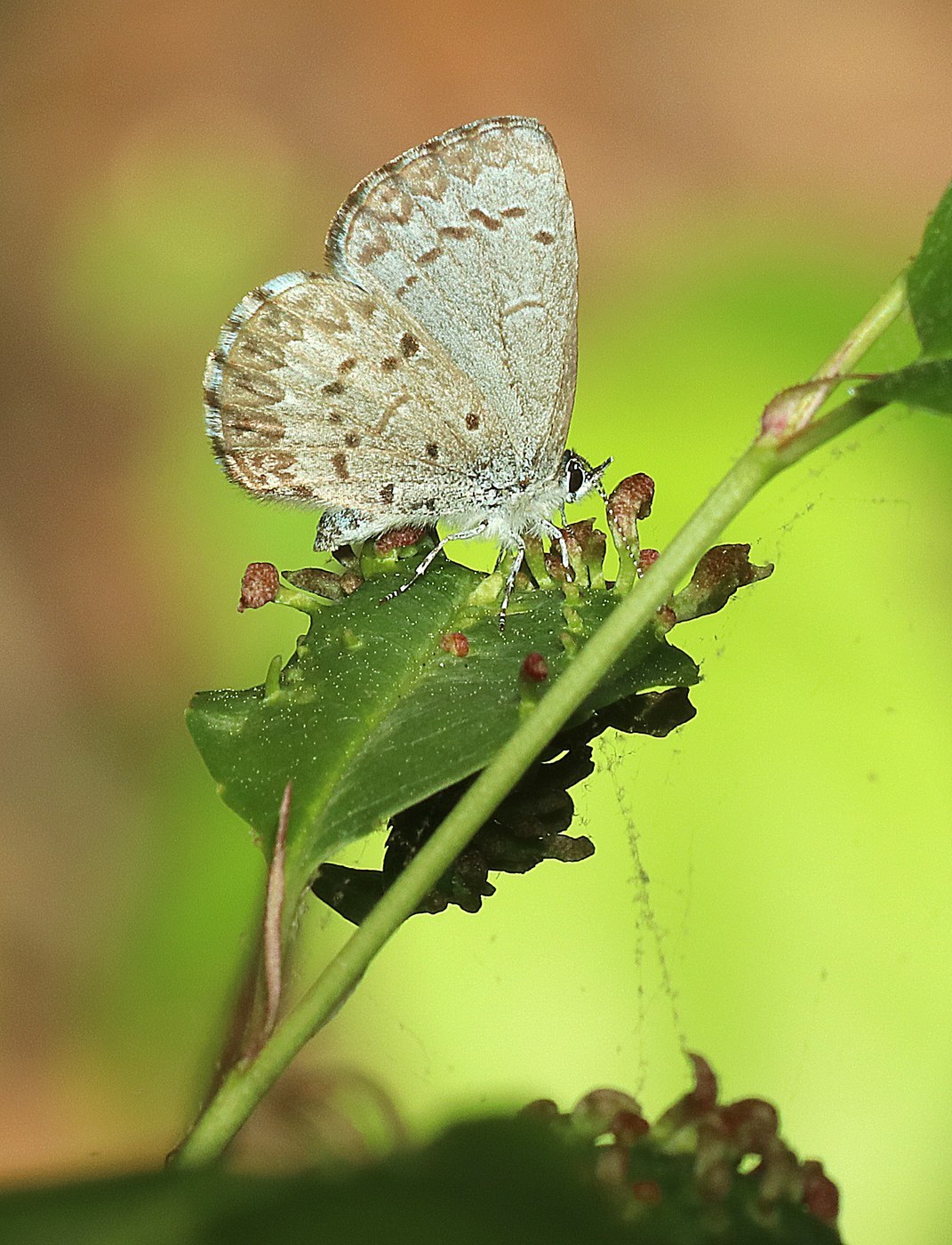
Spring Azure
Woodland edges, gardens, shrubby clearings
Red Admiral
Gardens, woodland edges, parks, meadows
Sleepy Orange
Open woodland, fields, roadsides, and disturbed ground