
Bug Encyclopedia
Search and identify bugs & insects — beetles, butterflies, moths, ants, bees, spiders and more — with size, habitat, danger, behavior, and how to tell them apart.
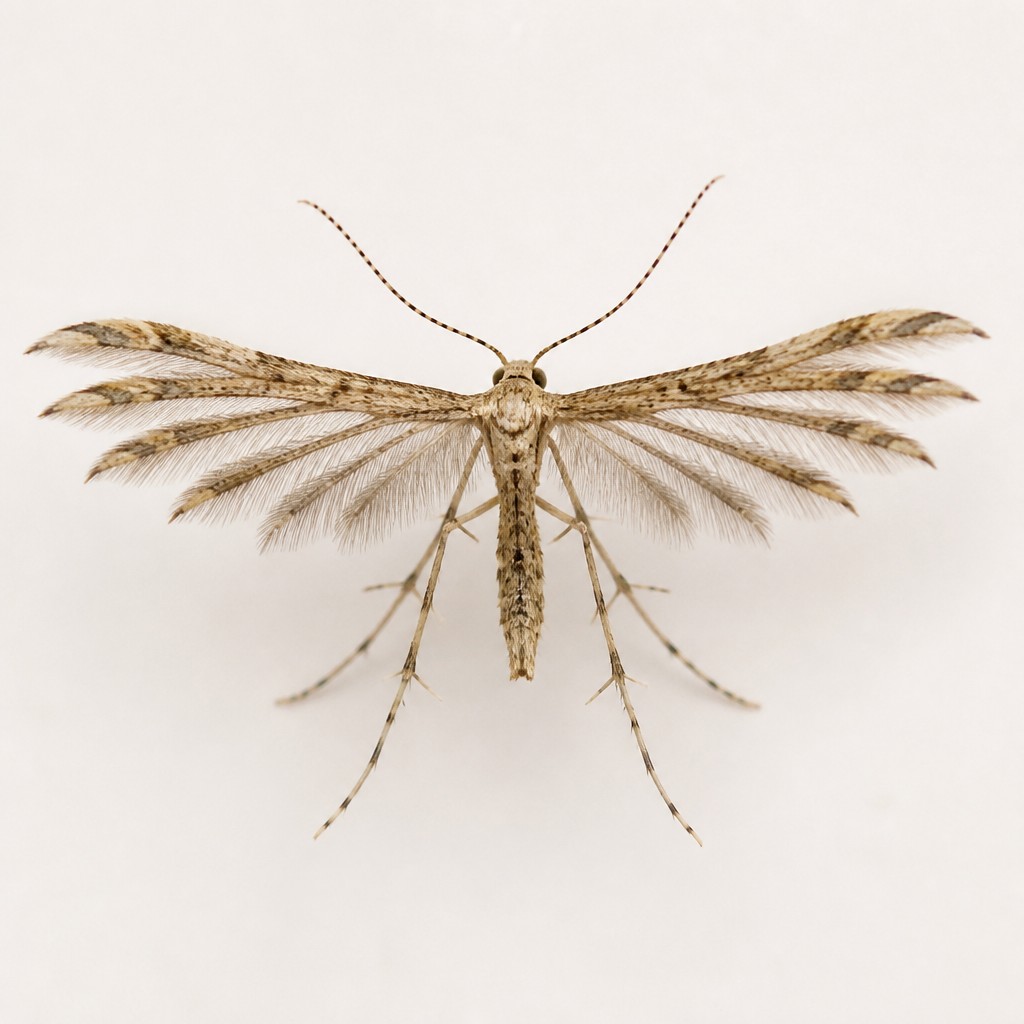
Twenty-plume Moth
A tiny, unusual moth whose wings are each divided into numerous slender, feather-like plumes rather than solid membranes, giving it a delicate, fringed appearance unlike almost any other moth.
moth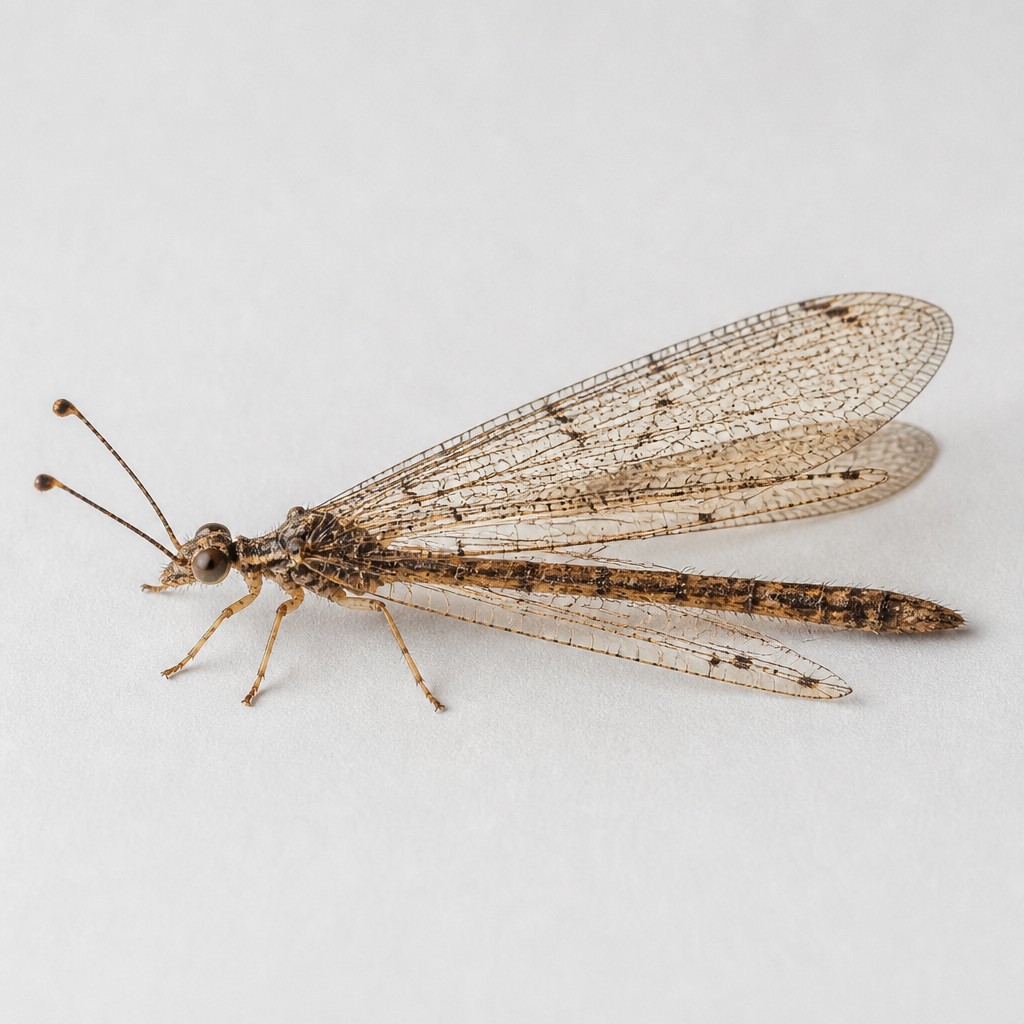
Antlion
An insect best known for its larval stage, the doodlebug, which digs a small conical pit trap in loose sand to ambush unwary ants, while the winged adult resembles a slender, delicate damselfly.
other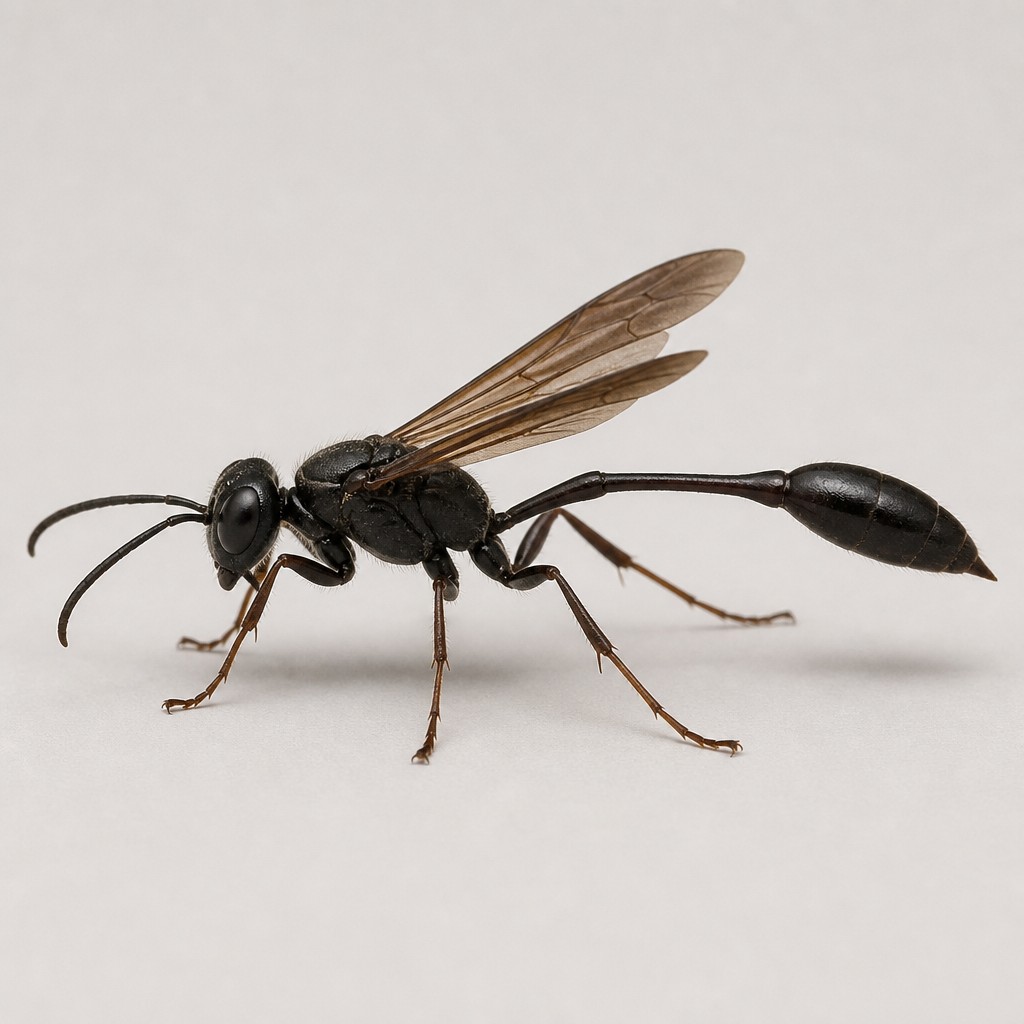
Mud Dauber Wasp
Slender, long-waisted wasps that build distinctive nests from mud, mud daubers stock their cells with paralyzed spiders. Their tube or urn-shaped mud nests are common under eaves and bridges.
wasp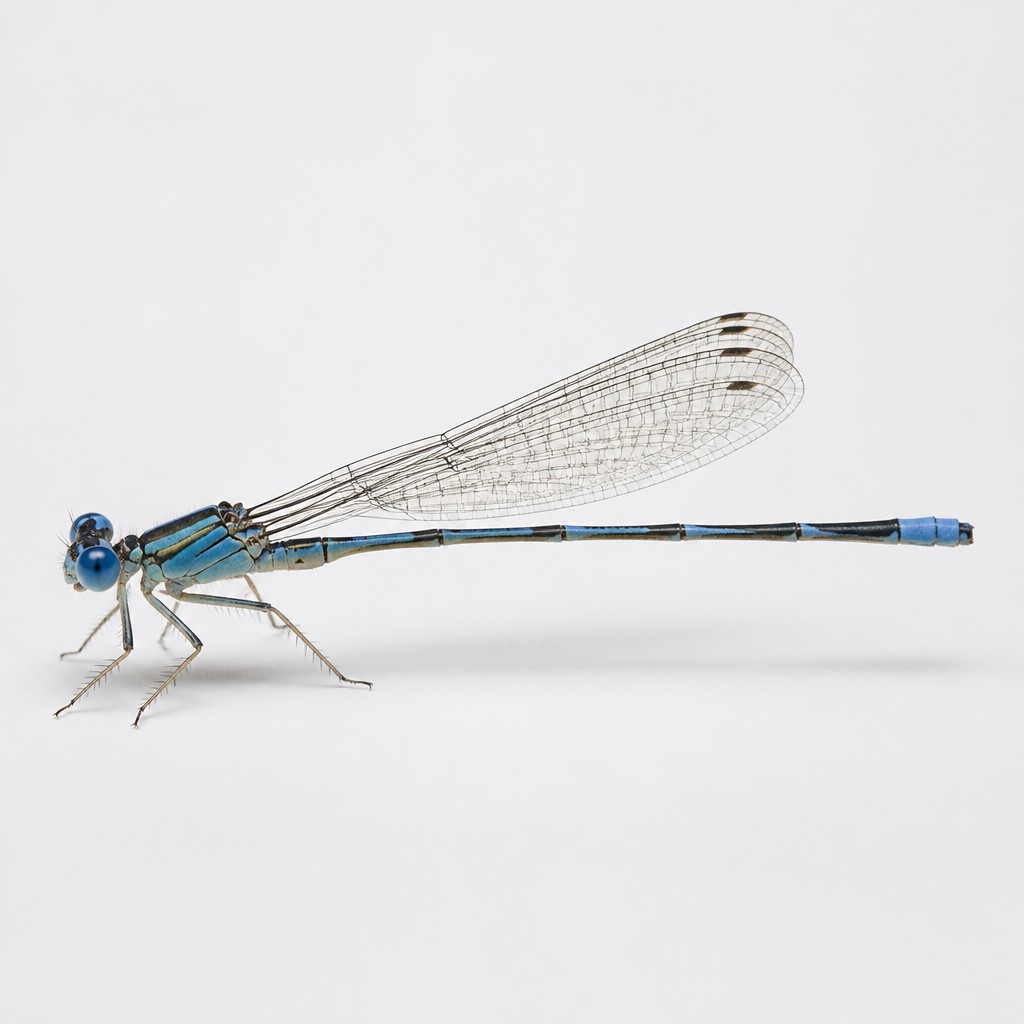
Damselfly
A slender, delicate relative of the dragonfly with widely spaced eyes and slim wings that fold together over its back at rest, often seen fluttering weakly among reeds and grasses at the water's edge.
dragonfly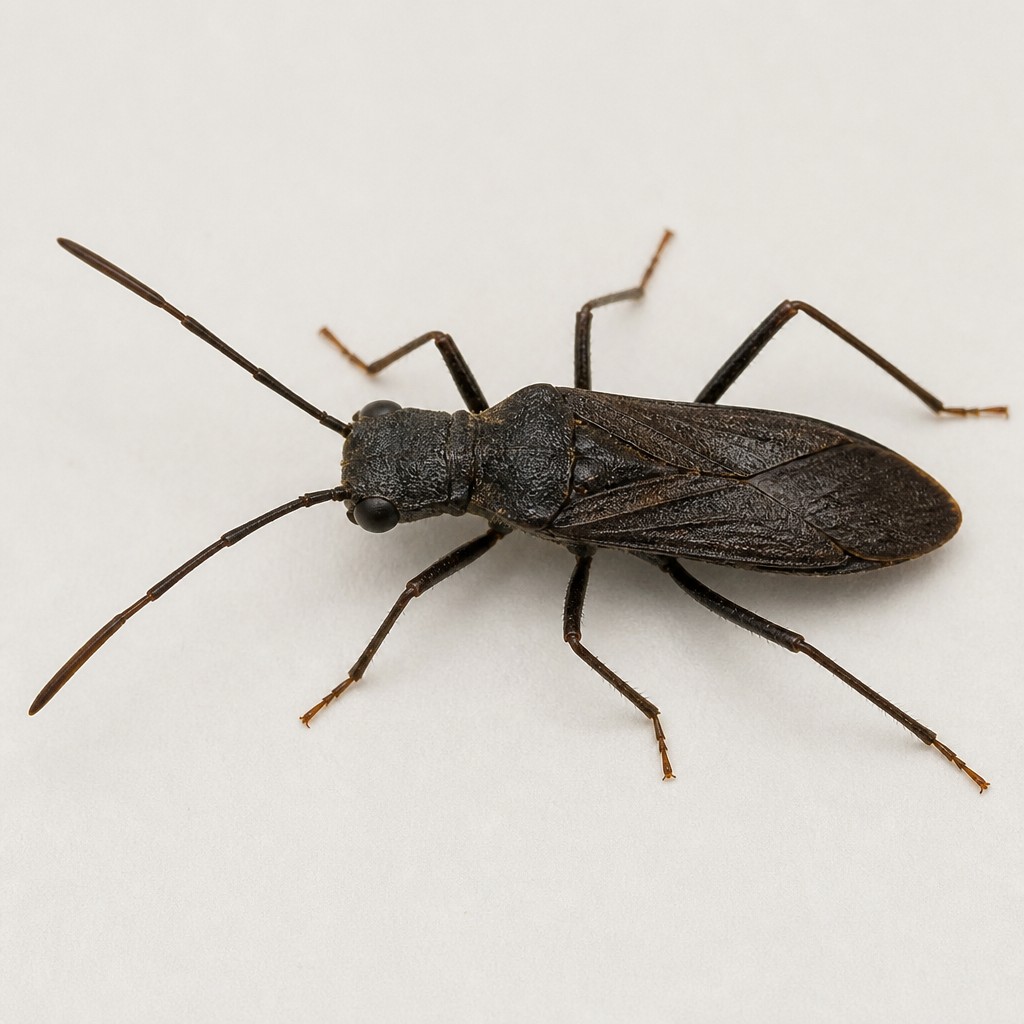
Broad-Headed Bug
A slender, dark true bug with a notably wide head, whose nymphs are remarkable ant mimics that scurry among leaf litter before maturing into fliers that resemble small leaf-footed bugs.
true-bug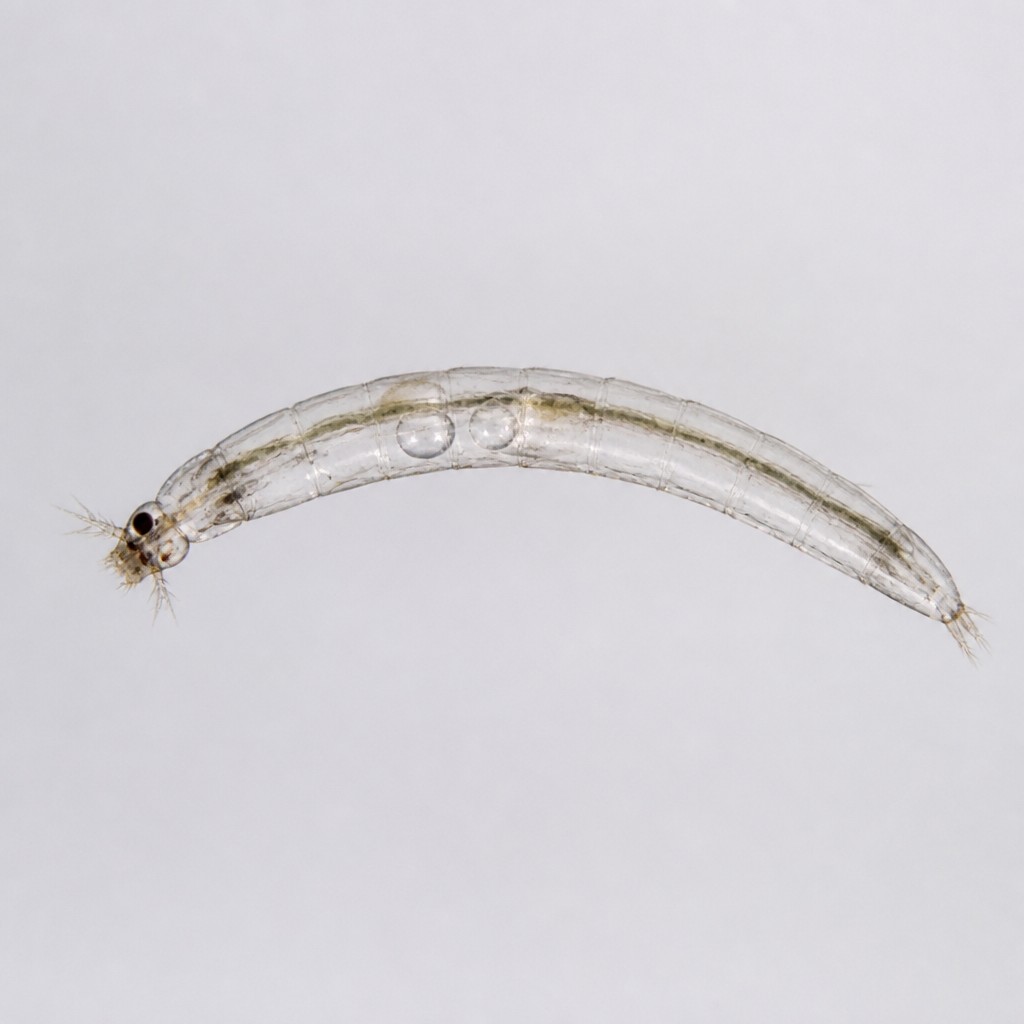
Phantom Midge Larva
Almost invisible in open water, the phantom midge larva is a slender, transparent predator that drifts through the water column, using a pair of internal gas-filled sacs to hover at precise depths while hunting tiny prey.
aquatic-insect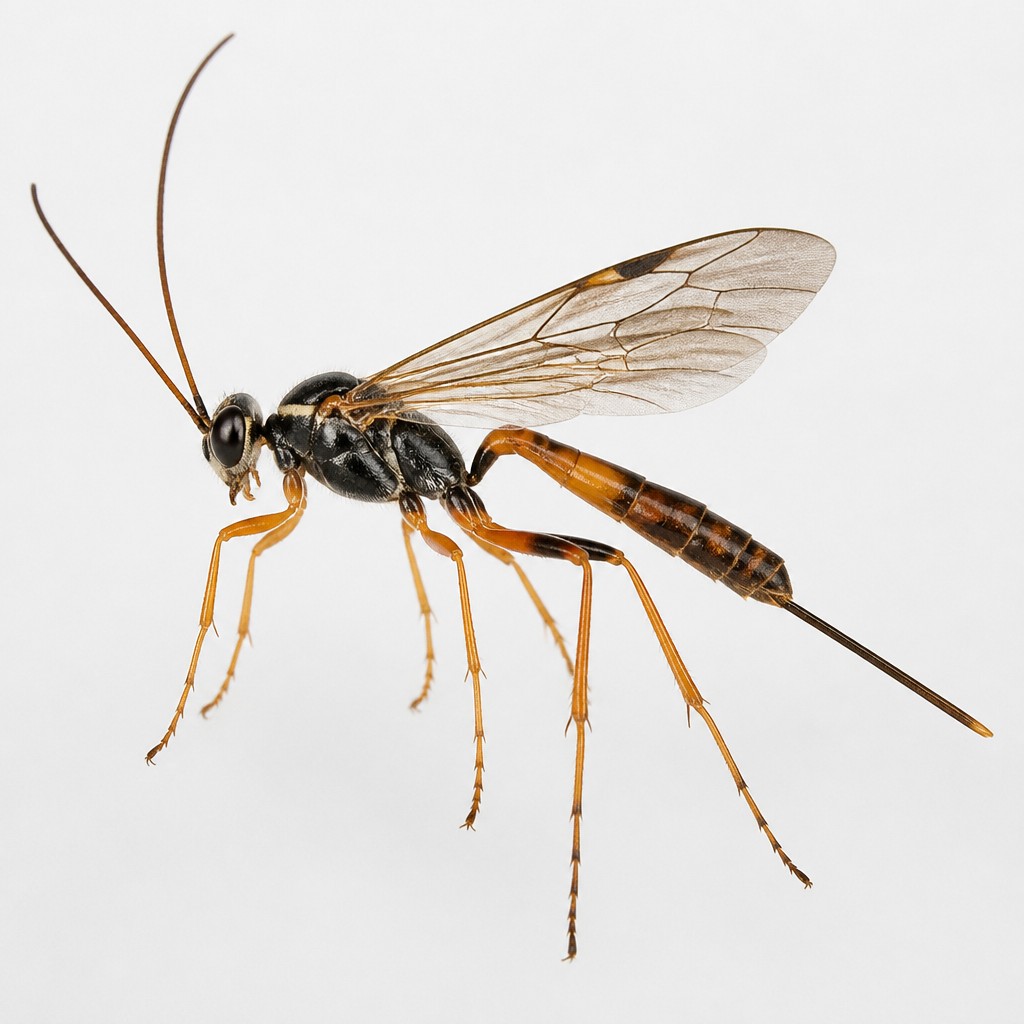
Ichneumon Wasp
A slender, long-antennaed parasitoid wasp, often mistaken for a giant mosquito or a stinging insect, that is best known for the extraordinarily long ovipositor some species use to drill into wood and lay eggs on hidden larvae.
wasp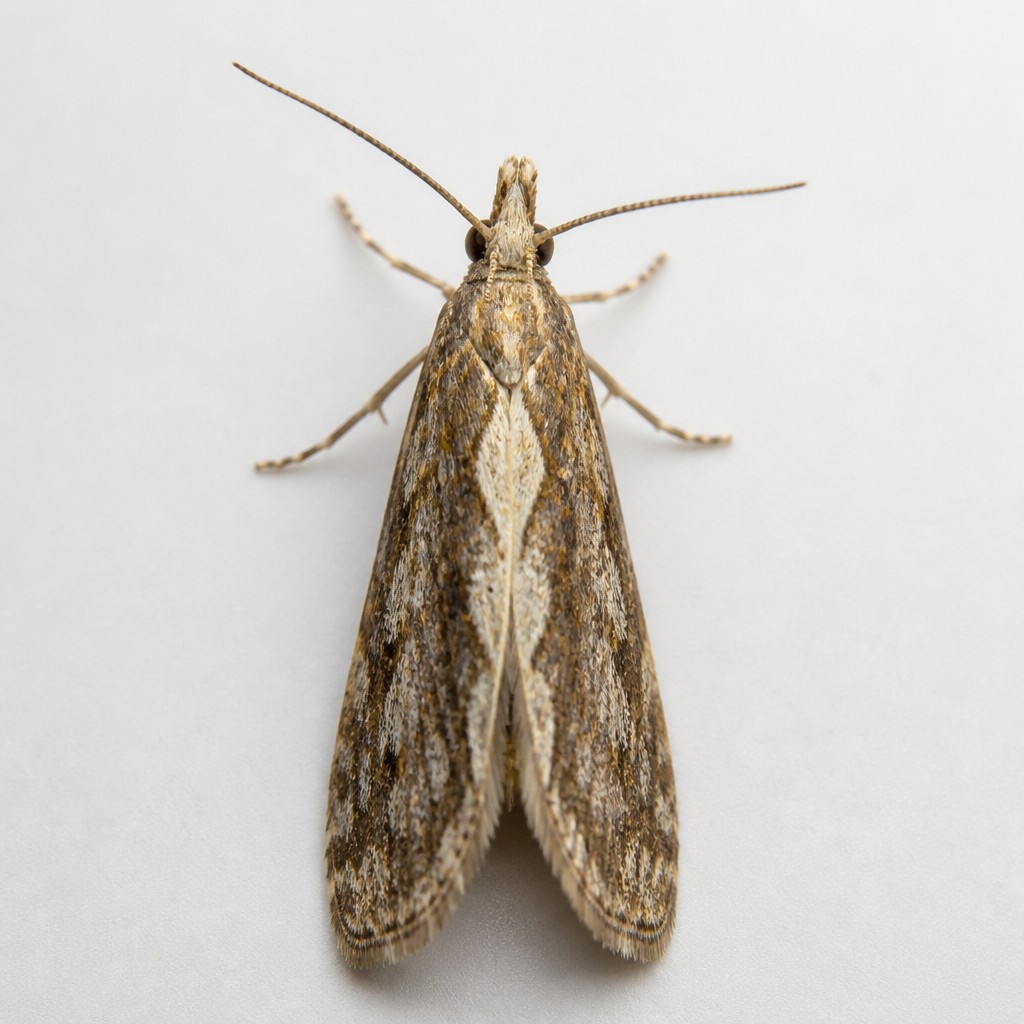
Diamondback Moth
A small, slender grey-brown moth named for the pale, diamond-shaped pattern that appears down its back when the wings are folded, best known as a widespread pest of cabbage and other brassica crops.
moth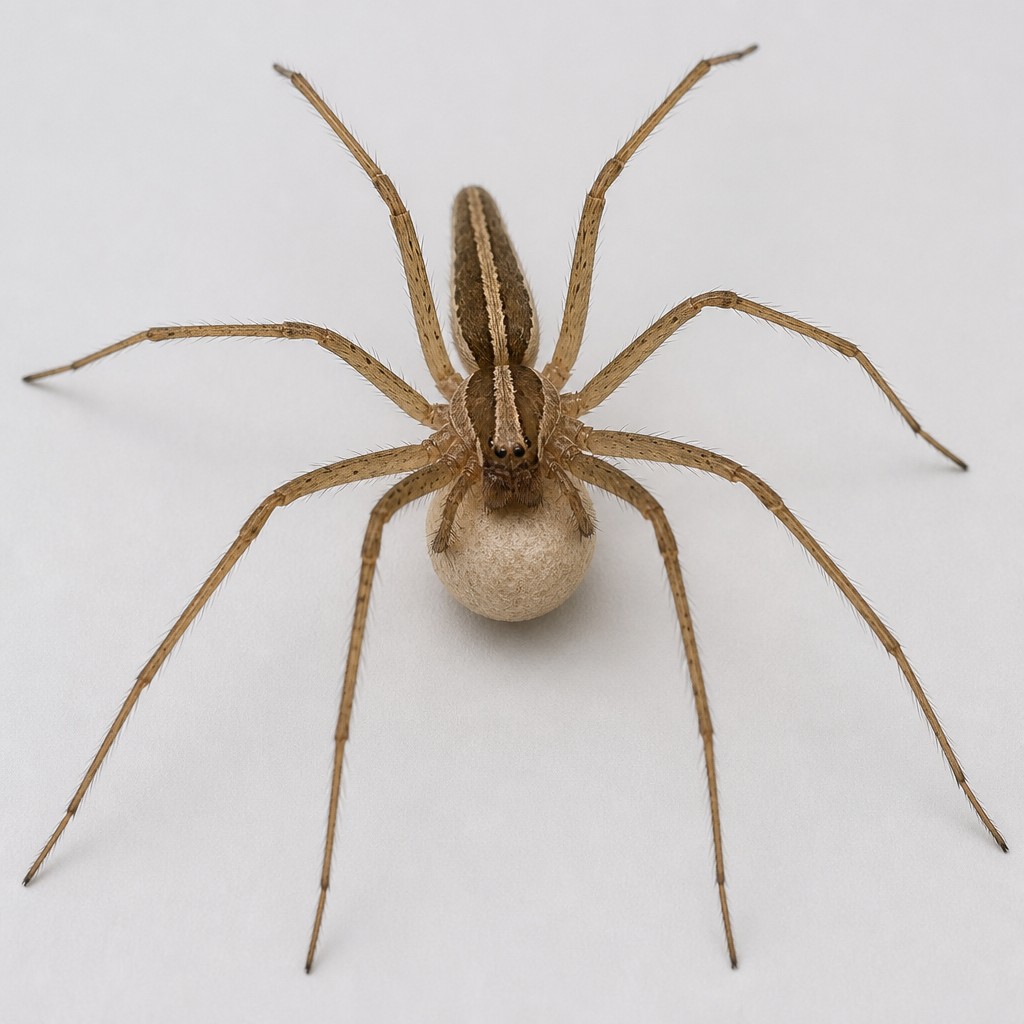
Nursery Web Spider
Named for the silken nursery tent females weave to guard their hatching young, this slender, long-legged spider carries her large egg sac beneath her body in her fangs until the eggs are ready to hatch.
spider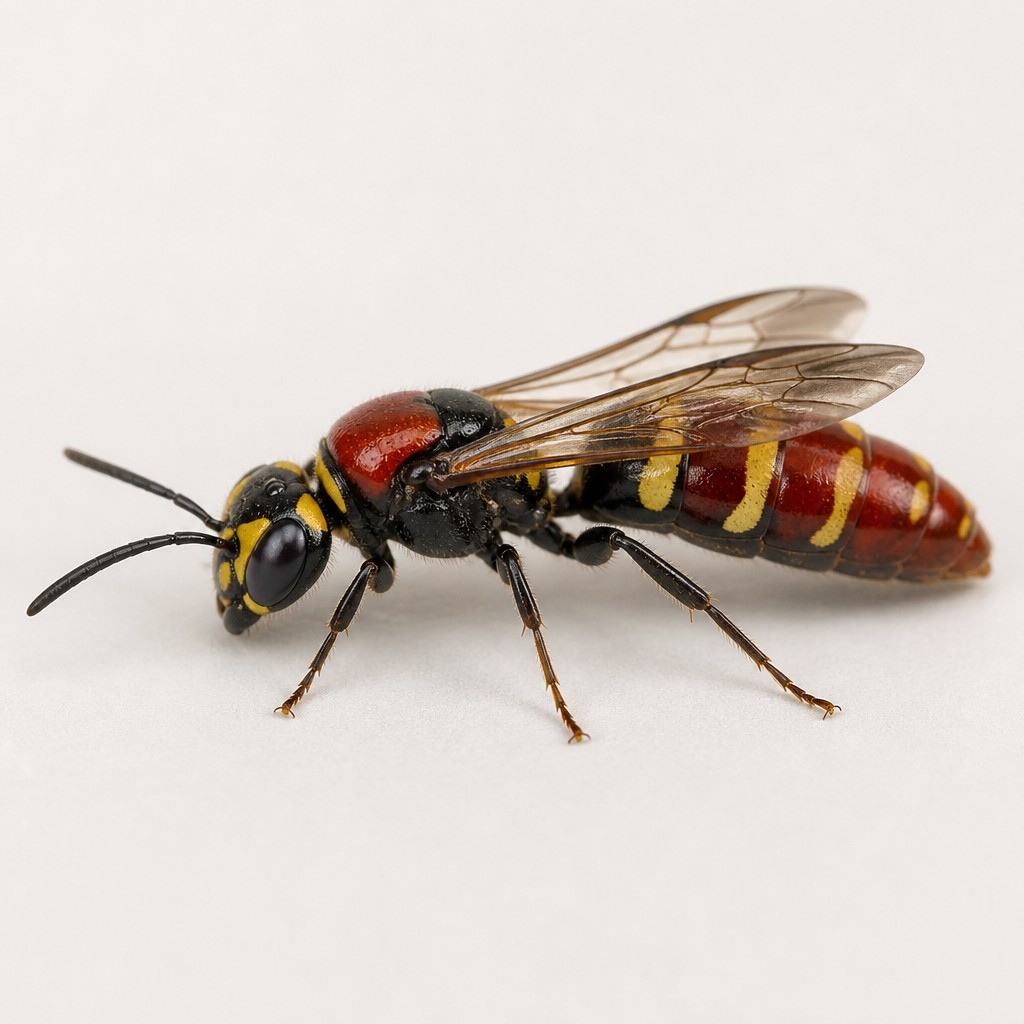
Cuckoo Bee
A slender, wasp-like bee that lacks pollen-carrying hairs because it never gathers its own pollen, instead sneaking into the nests of other solitary bees to lay eggs that hatch and consume the host's food stores.
bee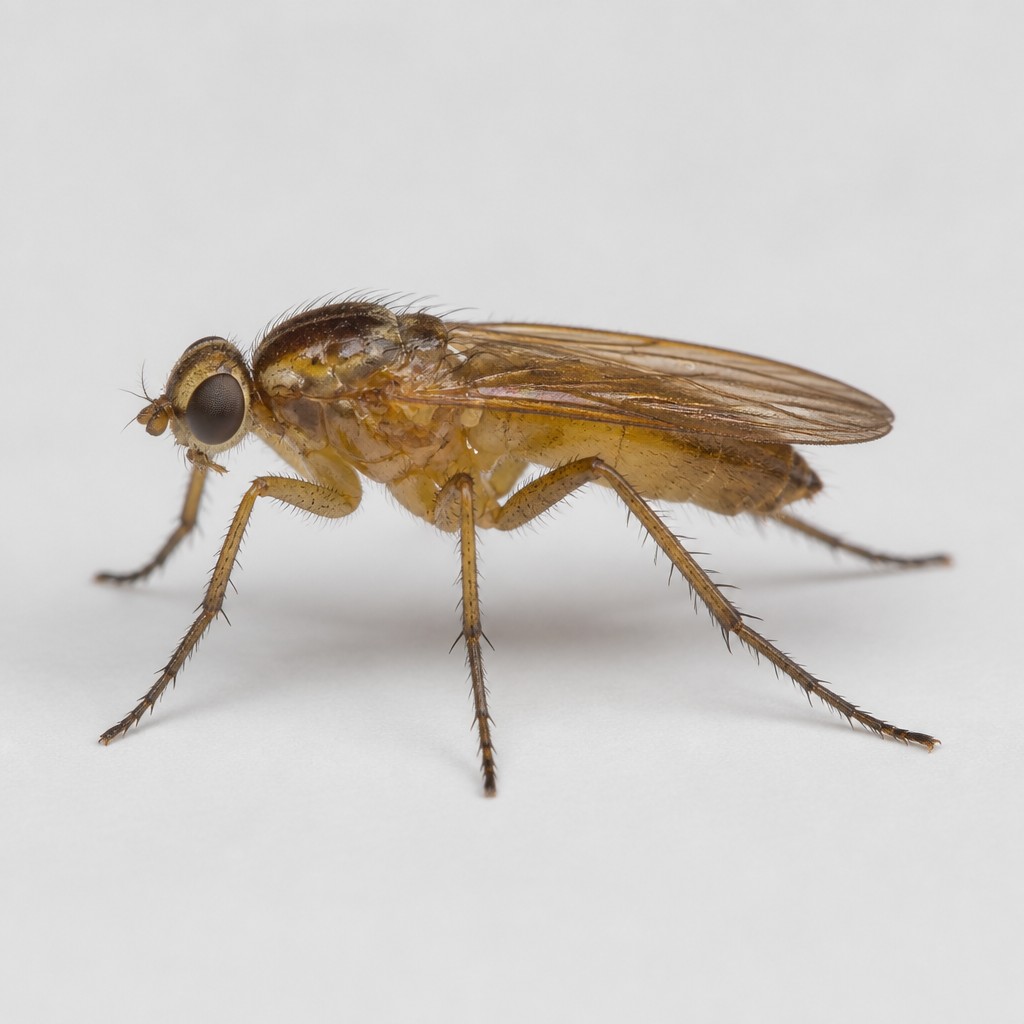
Marsh Fly
A slender, unassuming fly best known for larvae with a remarkable diet: nearly every species in the family feeds on aquatic or terrestrial snails and slugs, making marsh flies natural specialists in wetland food webs. Adults are often found resting quietly on sedges and other marsh vegetation near the water's edge.
fly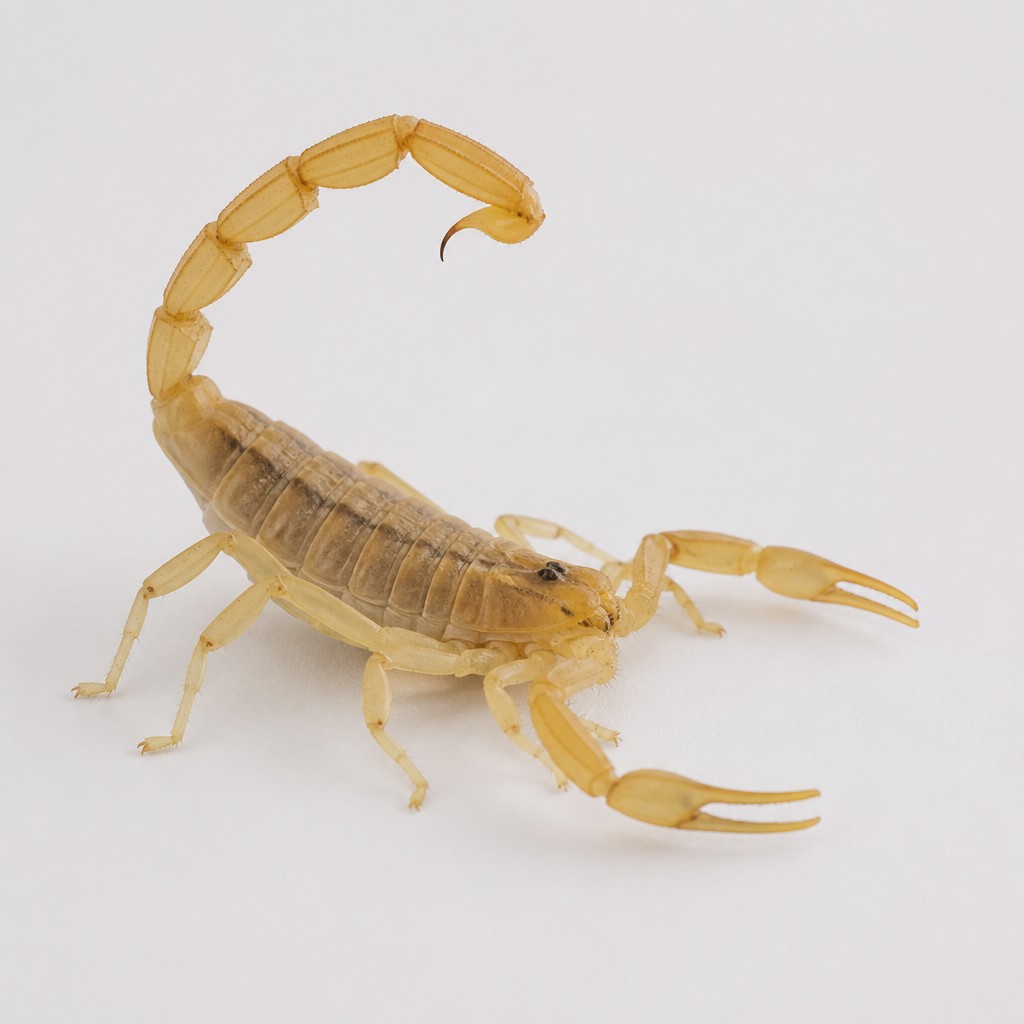
Bark Scorpion
A slender, pale tan scorpion best known for its unusual habit of climbing trees, walls, and rock faces rather than staying on the ground like most scorpions. Its thin build and long, narrow tail set it apart from the stockier, heavy-clawed scorpions found elsewhere.
arachnid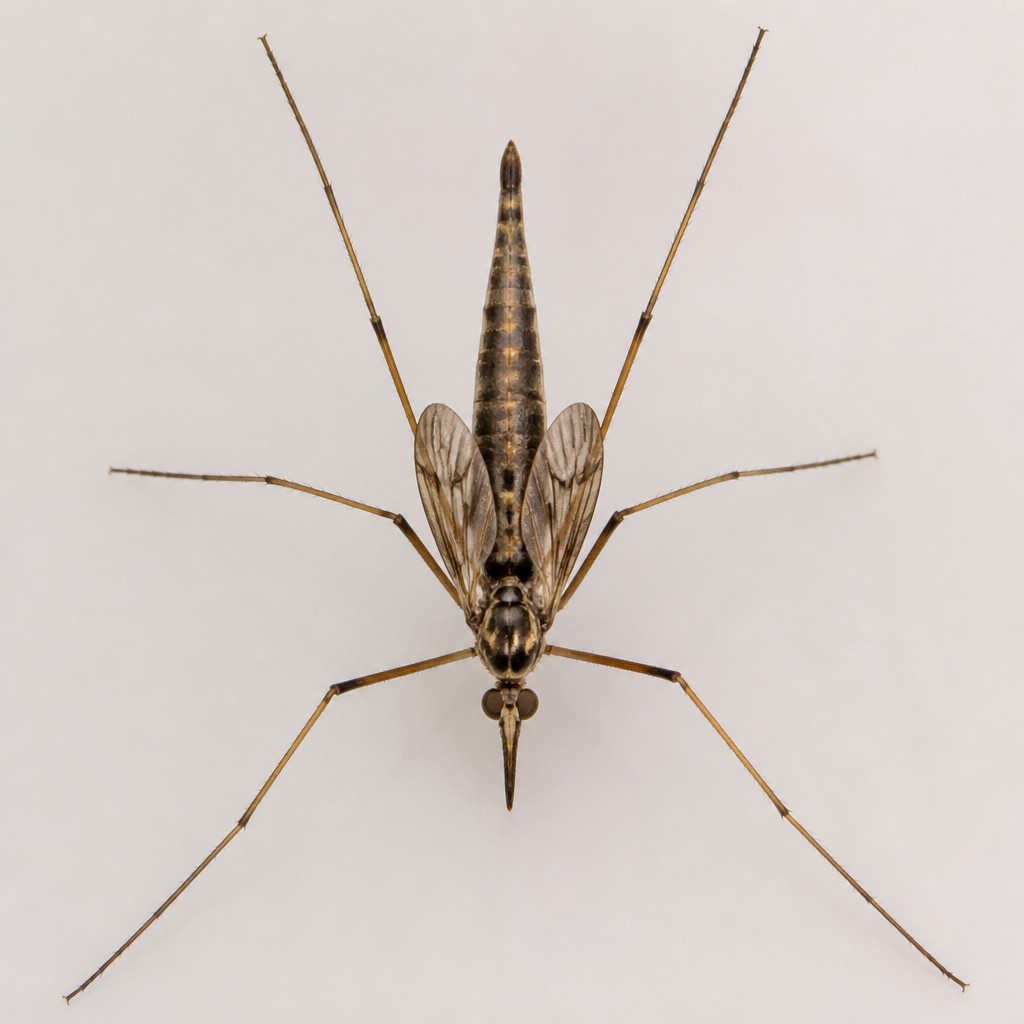
Snipe Fly
A slender, long-legged fly often seen perched head-down on a sunny tree trunk or fence post, patiently watching for smaller insects to ambush. Its tapered, wasp-like abdomen and habit of resting motionless with legs splayed give it a distinctive, almost sentry-like posture in woodland clearings.
fly