
Antlion
Myrmeleon spp.
An insect best known for its larval stage, the doodlebug, which digs a small conical pit trap in loose sand to ambush unwary ants, while the winged adult resembles a slender, delicate damselfly.
- Size
- Larva ~10–15 mm; adult 25–50 mm wingspan
- Habitat
- Sandy or loose, dry soil in sheltered spots such as under eaves, trees, or overhangs
- Danger
- Harmless
Spotted a bug like this?
Identify any bug or insect from a photo, free.
Overview
The antlion is an insect in the order Neuroptera, closely related to lacewings, and is best known through its distinctive larval form, popularly called the doodlebug because of the spiraling trails it leaves while burrowing through loose sand. Antlions are found in many temperate and tropical regions worldwide wherever fine, dry, loose soil suitable for pit construction is available.
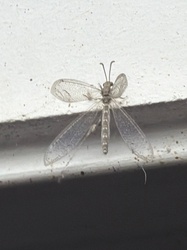
The larva is a squat, robust grub with a large head bearing long, sickle-shaped jaws, adapted for seizing and immobilizing prey that stumble into its trap. The adult, by contrast, is an elongated, delicate-looking insect with two pairs of long, narrow, finely veined wings and long, clubbed antennae, often mistaken at a glance for a damselfly, though it flies more weakly and is typically active at dusk or night.
Antlions are notable in the natural world for the larva's remarkable pit-trap hunting strategy, one of the more elaborate predatory adaptations among insects, and both larval and adult stages play a role as predators within their respective habitats.
How to Identify
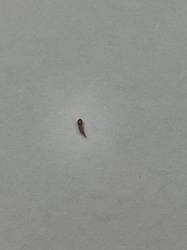
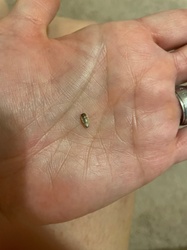
- Larvae (doodlebugs) are plump, spindle-shaped, and grayish-brown, roughly 10–15 mm long, with a flattened body well camouflaged against sand.
- The larval head bears prominent, elongated, sickle-shaped jaws used to grasp prey and inject digestive fluids.
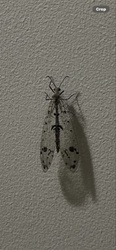
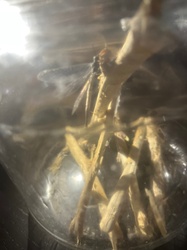
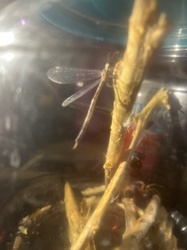
- Adults are slender and elongated with a long, narrow abdomen, two pairs of long, transparent, heavily veined wings held together over the back at rest, and long, distinctly clubbed antennae, distinguishing them from true damselflies which have short, bristle-like antennae.
- Adult wingspan typically ranges from about 25 to 50 mm depending on species.
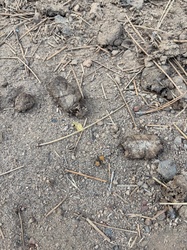
- The larva's conical pit trap in loose, dry sand, often just a few centimeters wide, is itself a strong identifying sign of antlion presence even without seeing the insect.
Habitat & Range
Antlions are found in temperate and tropical regions across much of the world, wherever fine, loose, dry sand or soil is available for the larvae to construct their pit traps, commonly in sheltered spots such as beneath overhangs, under trees, along sandy banks, or in dry, undisturbed soil protected from rain.
Larvae remain in or near their pit for extended periods, sometimes over a year, relocating occasionally if the site becomes unsuitable. Adults are most active at dusk and during the night in warmer months, often attracted to lights, while larvae can be found and active across most of the year in favorable climates.
Behavior & Diet
Antlion larvae are ambush predators that construct a distinctive conical pit in loose sand by spiraling backward while flicking sand outward with their head, then burying themselves at the bottom with only their jaws exposed. When a small crawling insect, especially an ant, slips into the pit, the loose sand causes it to slide toward the bottom, where the larva seizes it with its jaws and injects digestive fluids before consuming the liquefied contents.
Adult antlions are much less predatory and more delicate in behavior, generally considered weak, fluttering fliers active mainly around dusk and after dark; some adults feed lightly on nectar or pollen, while others may not feed much at all during their relatively short adult lifespan. The larval pit-building behavior is the species' most distinctive and ecologically notable trait, representing a specialized predatory strategy among ground-dwelling insect larvae.
Life Cycle
Antlions undergo complete metamorphosis, passing through egg, larva, pupa, and adult stages. Females lay eggs singly in loose sand or soil, and the larvae that hatch soon begin constructing their characteristic pit traps.
Larvae can take a year or more to complete development, passing through several instars while feeding on ants and other small insects that fall into their pits, growing larger and constructing correspondingly larger pits over time. When ready to pupate, the larva spins a spherical, sand-covered silken cocoon buried just below the surface, remaining inside for several weeks before emerging as a winged adult. Adults live for a relatively short period compared to the larval stage, focusing mainly on mating and egg-laying before the cycle begins anew.
Frequently asked questions
What is a doodlebug?
Doodlebug is the common nickname for the antlion larva, referring to the spiraling, doodle-like trails it leaves in sand while constructing its conical pit trap.
How does the antlion larva catch prey?
It buries itself at the bottom of a cone-shaped pit dug in loose sand, then seizes small insects, especially ants, that slide down the loose sand walls into its waiting jaws.
Is the adult antlion the same as a damselfly?
No, although the adult antlion superficially resembles a damselfly with its long body and narrow wings, it can be distinguished by its long, clubbed antennae, whereas damselflies have short, bristle-like antennae.
How long do antlion larvae stay in the pit stage?
Larval development can take a year or more depending on species and food availability, making it by far the longest stage of the antlion's life cycle.
Antlion guides
In-depth guides for identifying, understanding, and living alongside Antlion.
Antlion identified by the community
Real finds identified with Bug Identifier.
Other bugs you may enjoy
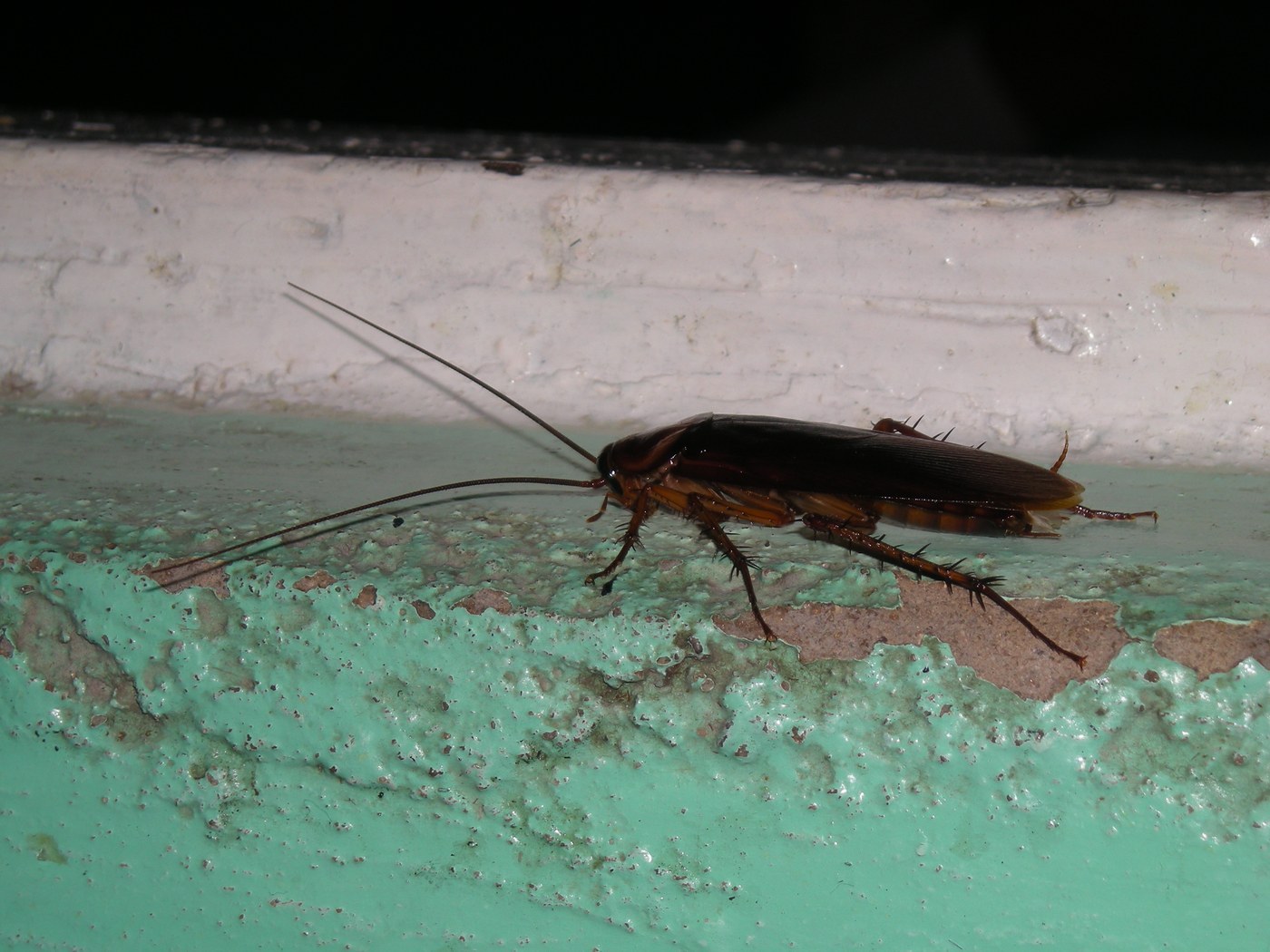
American Cockroach
Warm, humid environments such as basements, sewers, drains, and tropical outdoor settings
Thrips
Flowers, foliage, gardens, greenhouses, crop fields
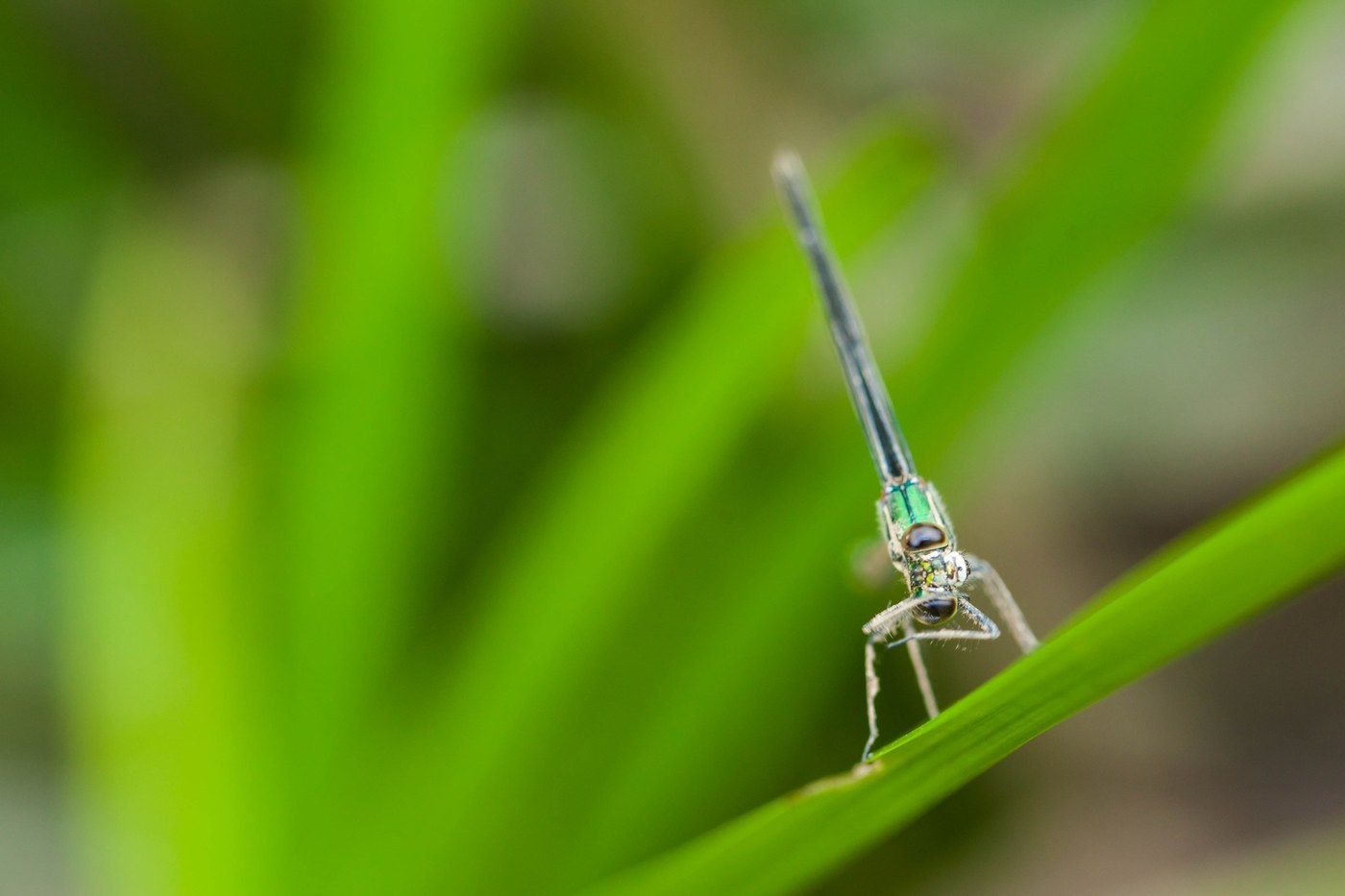
American Rubyspot
Sunny rivers and streams with moderate current
Springtail
Moist soil, leaf litter, decaying organic matter, and damp indoor areas
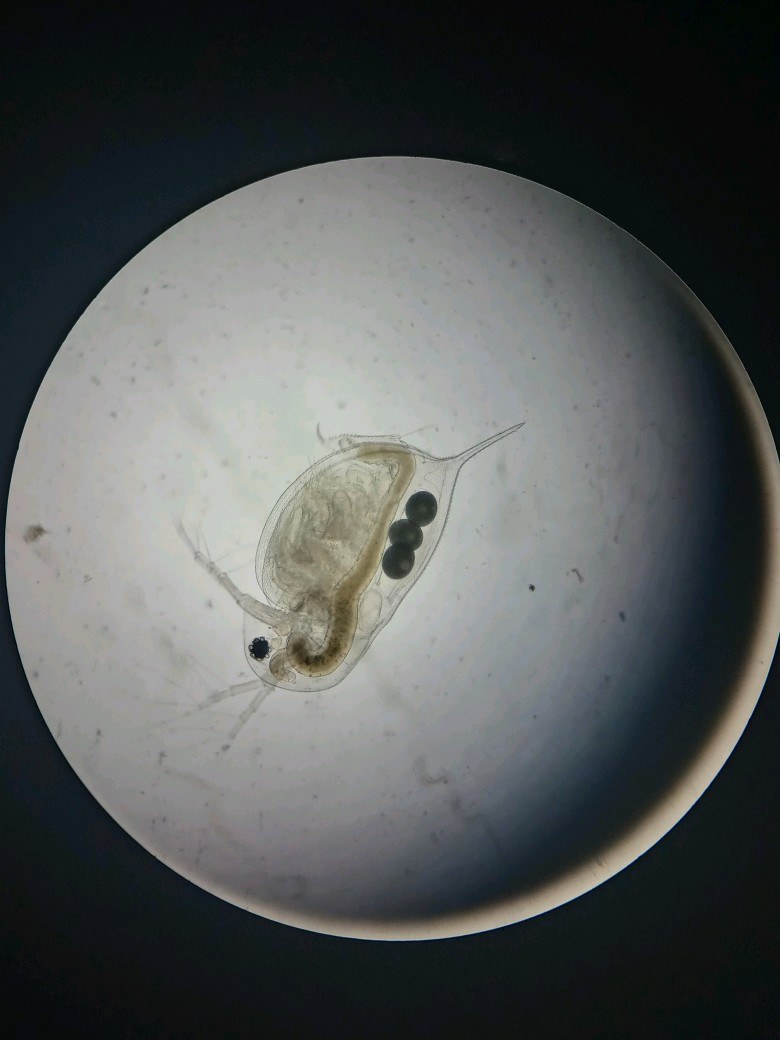
Water Flea
Ponds, lakes, and slow streams as free-floating plankton
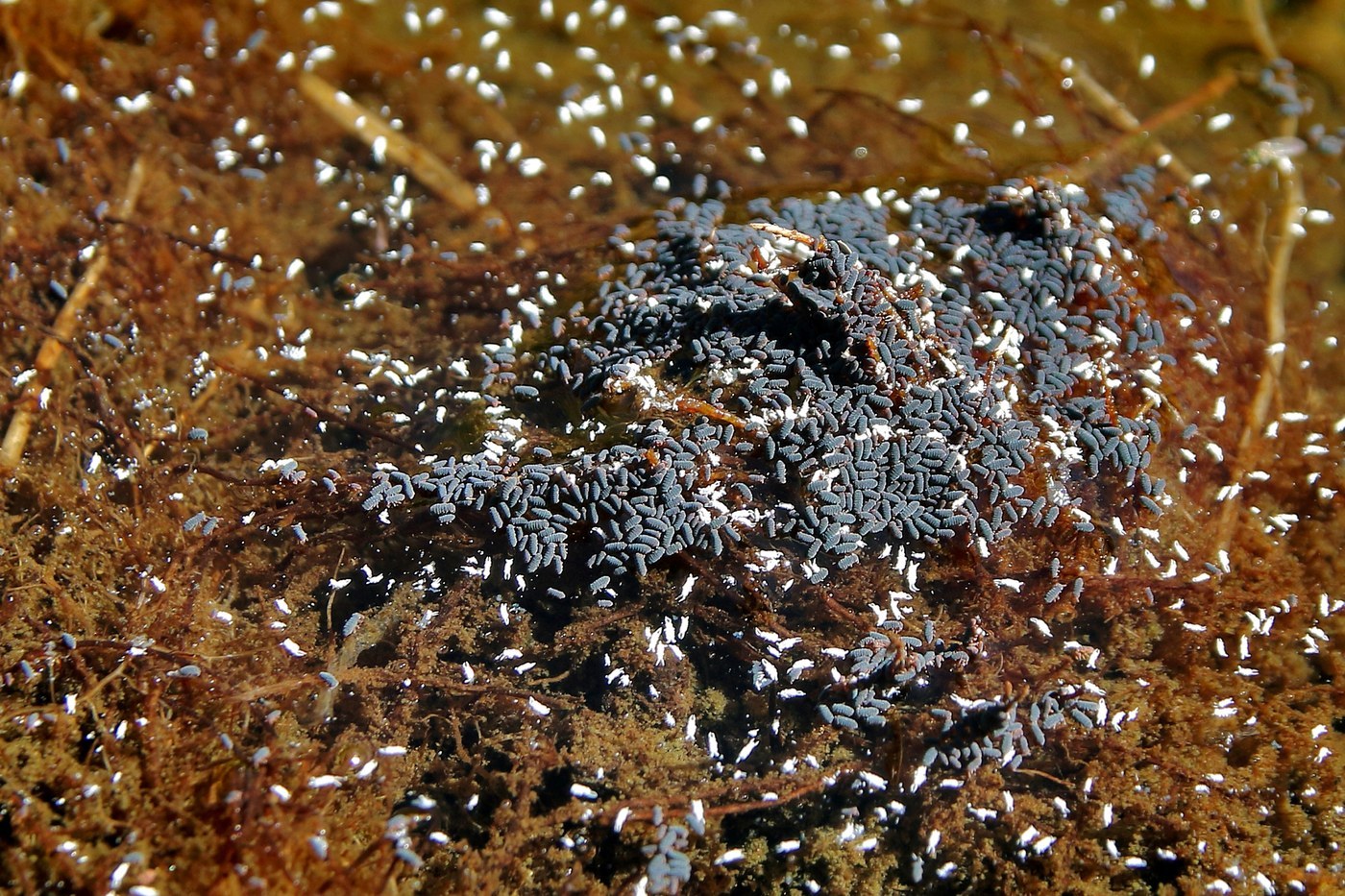
Water Springtail
Surface film of ponds, puddles, and slow ditches
Slug
Gardens, damp soil, leaf litter, greenhouses
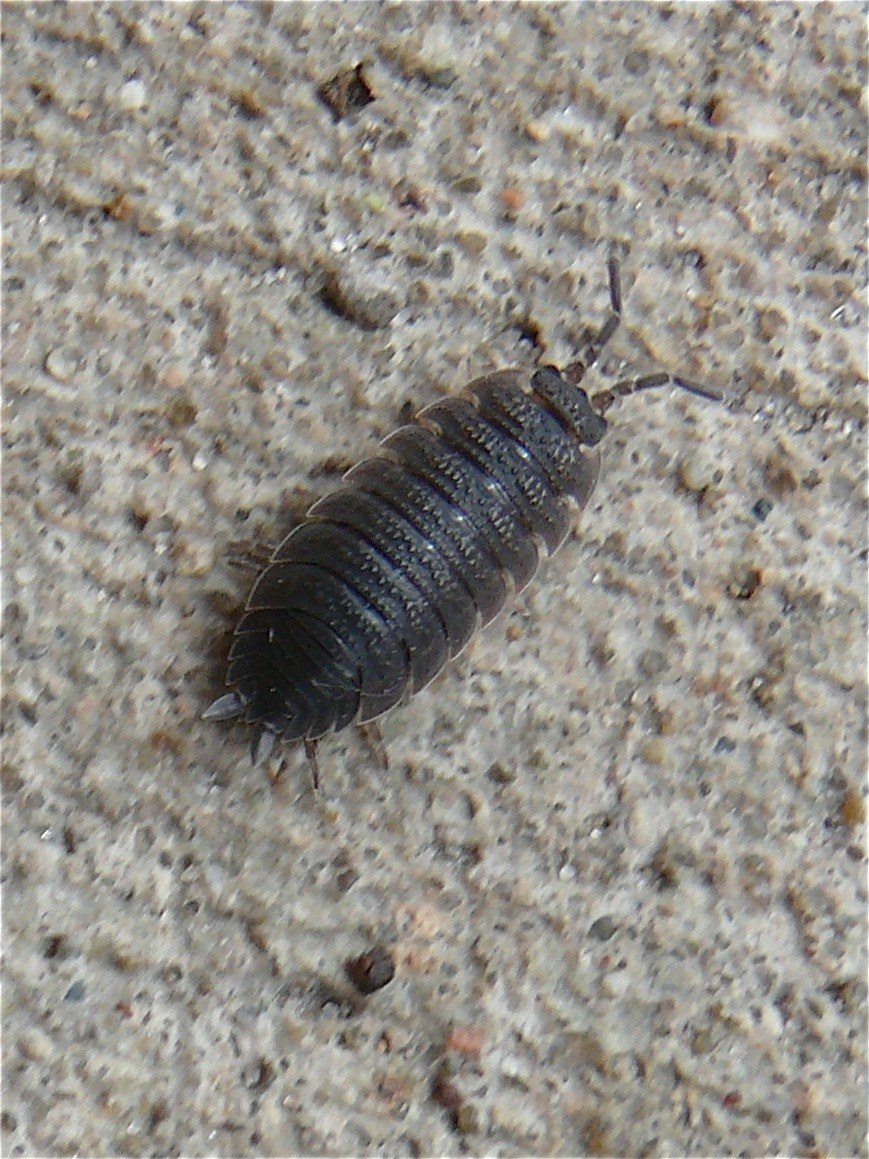
Sowbug
Leaf litter, under rocks/logs, damp garden soil, basements
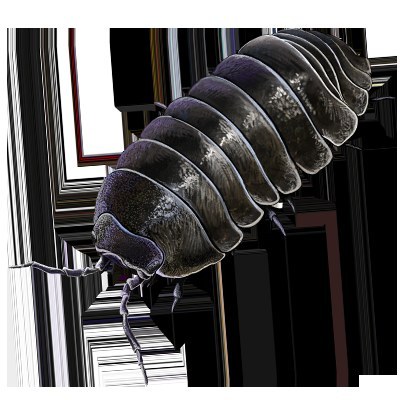
Pill Bug
Damp soil, leaf litter, under rocks and logs, garden beds
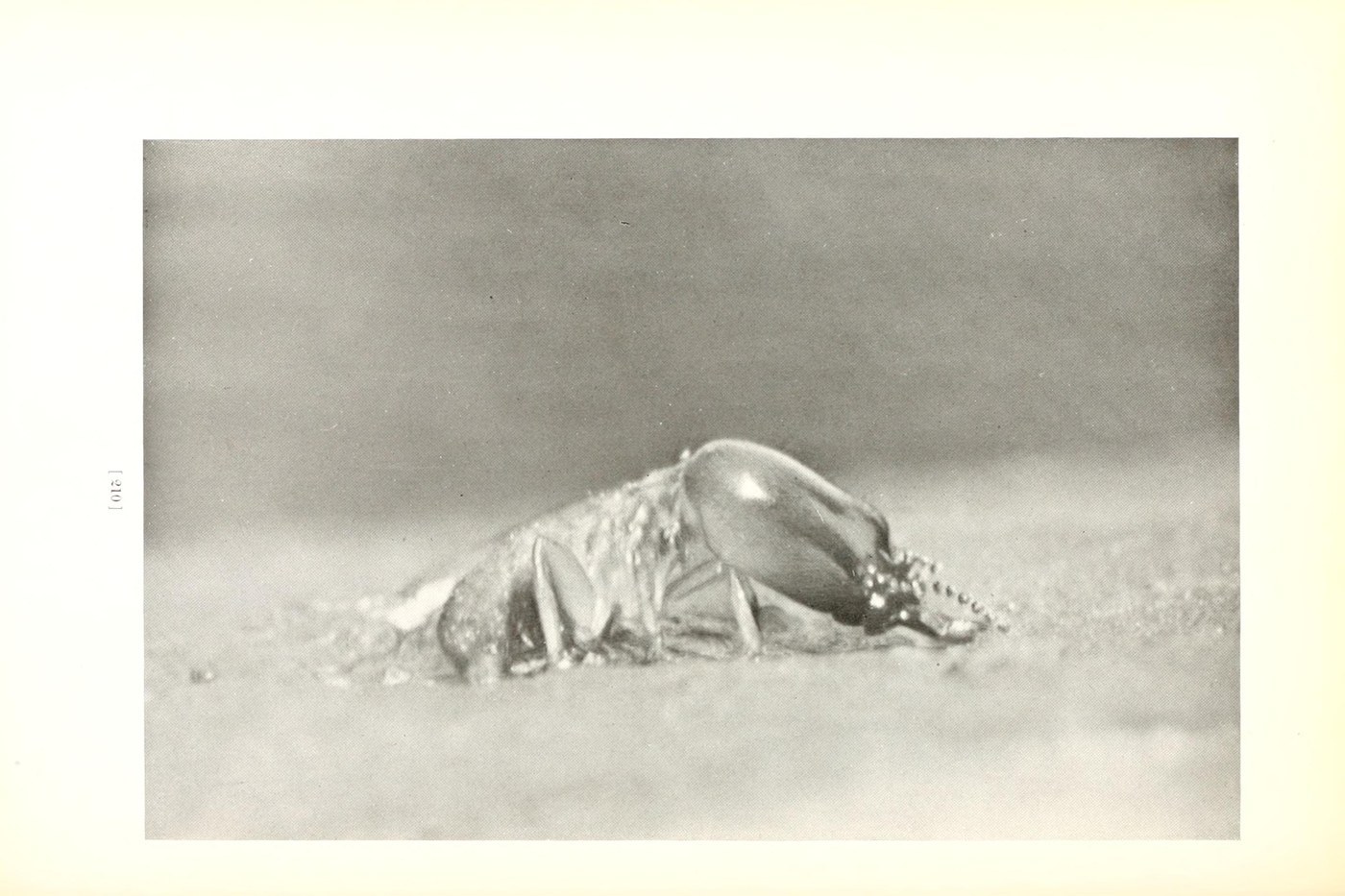
Termite
Soil, decaying wood, tree stumps, and wooden structures
Termite Swarmer
Emerges from underground or wood-nesting colonies, often near structures and moist soil
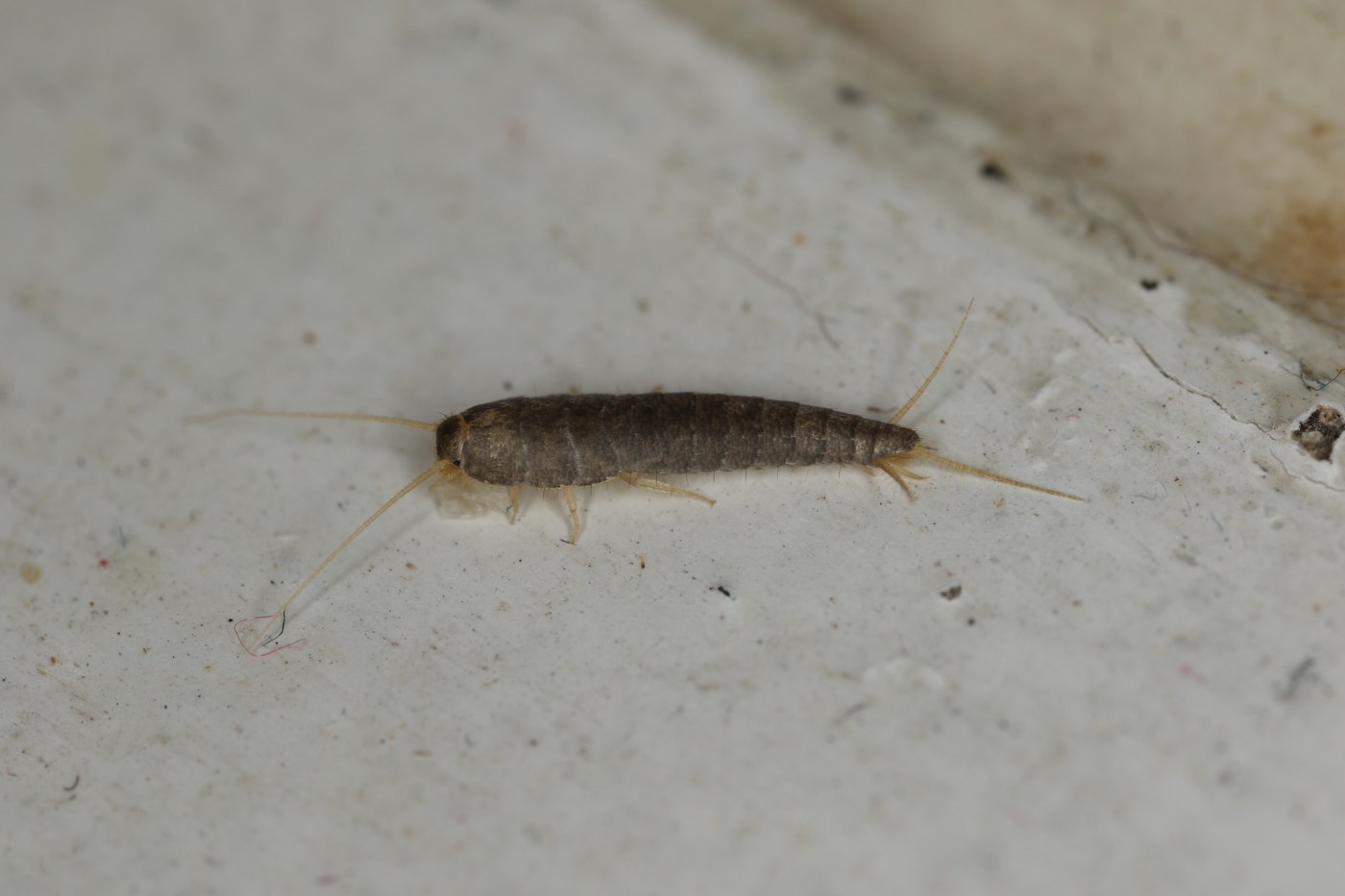
Silverfish
Damp basements, bathrooms, closets, and dark indoor crevices