
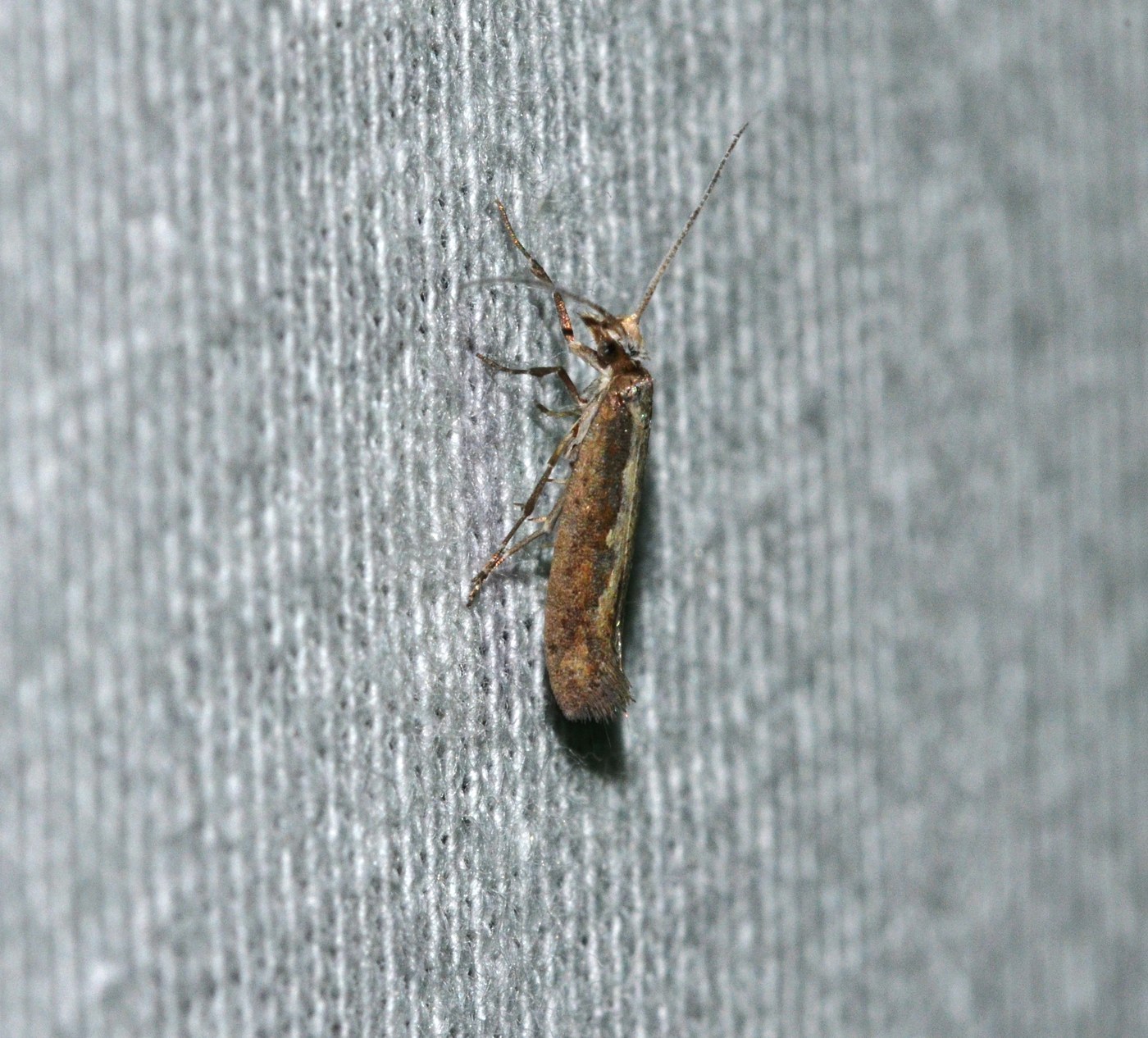
Diamondback Moth
Plutella xylostella
A small, slender grey-brown moth named for the pale, diamond-shaped pattern that appears down its back when the wings are folded, best known as a widespread pest of cabbage and other brassica crops.
- Size
- 0.6–0.7 in wingspan
- Habitat
- Agricultural fields, gardens, and open ground with brassica crops, found nearly worldwide
- Danger
- Nuisance pest
Spotted a bug like this?
Identify any bug or insect from a photo, free.
Overview
The diamondback moth is a small member of the family Plutellidae and one of the most widely distributed moth species on Earth, found on every continent except Antarctica. Despite its unassuming size and coloring, it holds considerable agricultural significance as a persistent pest of cruciferous crops such as cabbage, broccoli, kale, and canola.
The moth's common name comes from the pale diamond-shaped marking visible along the midline of its back when the narrow forewings are folded at rest, a subtle but useful identification feature at close range.
Due to its cosmopolitan distribution, rapid generation time, and close association with cultivated brassicas, it is one of the most studied and economically significant small moths in agricultural entomology.
How to Identify
- Small, slender moth with narrow, fringed forewings in mottled grey-brown, held tent-like over the body at rest.
- A pale cream or white diamond-shaped pattern runs down the back where the folded forewing edges meet, giving the species its name.
- Antennae are thread-like and held forward when the moth is at rest; overall build is delicate compared to larger moth families.
- Lookalikes: other small grey Plutellidae or Tortricidae moths, but the visible diamond pattern along the back is a reliable distinguishing mark at close inspection.
Habitat & Range
Found nearly worldwide, the diamondback moth is closely tied to cultivated and wild brassica plants, occurring in vegetable fields, canola and mustard crops, gardens, and roadside patches of wild mustard or related plants. It is active through the growing season in temperate regions and year-round in warmer climates, with adults typically most active at dusk and after dark.
Behavior & Diet
Adults are weak, fluttering fliers active mainly at dusk and night, though they can also disperse over long distances on wind currents, contributing to their global spread. Larvae feed by scraping and chewing the leaves of brassica plants, sometimes producing a characteristic "window-paning" feeding pattern where only the leaf's outer layer is left intact. The species reproduces very rapidly, with short generation times allowing multiple overlapping generations per growing season, and is considered a significant pest of cruciferous crops due to this fast reproductive turnover.
Life Cycle
Eggs are laid singly or in small groups on the leaves of brassica host plants and hatch within a few days into small green larvae that mine briefly into leaf tissue before feeding externally. Larvae pass through four instars, often wriggling vigorously and dropping on a silk thread when disturbed, before spinning a loose, open-mesh cocoon on the leaf surface in which to pupate. Development from egg to adult can take as little as two to three weeks in warm conditions, allowing many generations per year in favorable climates, with no true winter diapause in warmer regions.
Frequently asked questions
Why is it called a diamondback moth?
A pale, diamond-shaped pattern appears along the middle of its back where the folded forewings meet at rest.
What plants does it feed on?
Its larvae feed almost exclusively on brassica plants, including cabbage, broccoli, kale, canola, and related wild mustards.
How big is this moth?
It is quite small, with a wingspan of roughly 0.6 to 0.7 inches, making it easy to overlook compared to larger garden moths.
Why does it spread so widely and quickly?
Its short generation time, wind-assisted dispersal, and close association with widely cultivated brassica crops have allowed it to establish on nearly every continent.
Diamondback Moth guides
In-depth guides for identifying, understanding, and living alongside Diamondback Moth.
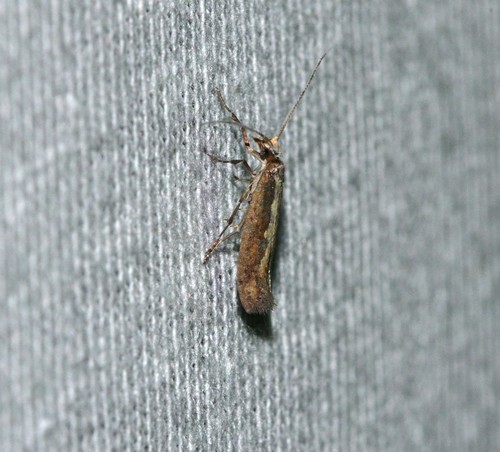
Diamondback Moth identified by the community
Real finds identified with Bug Identifier.
Other bugs you may enjoy
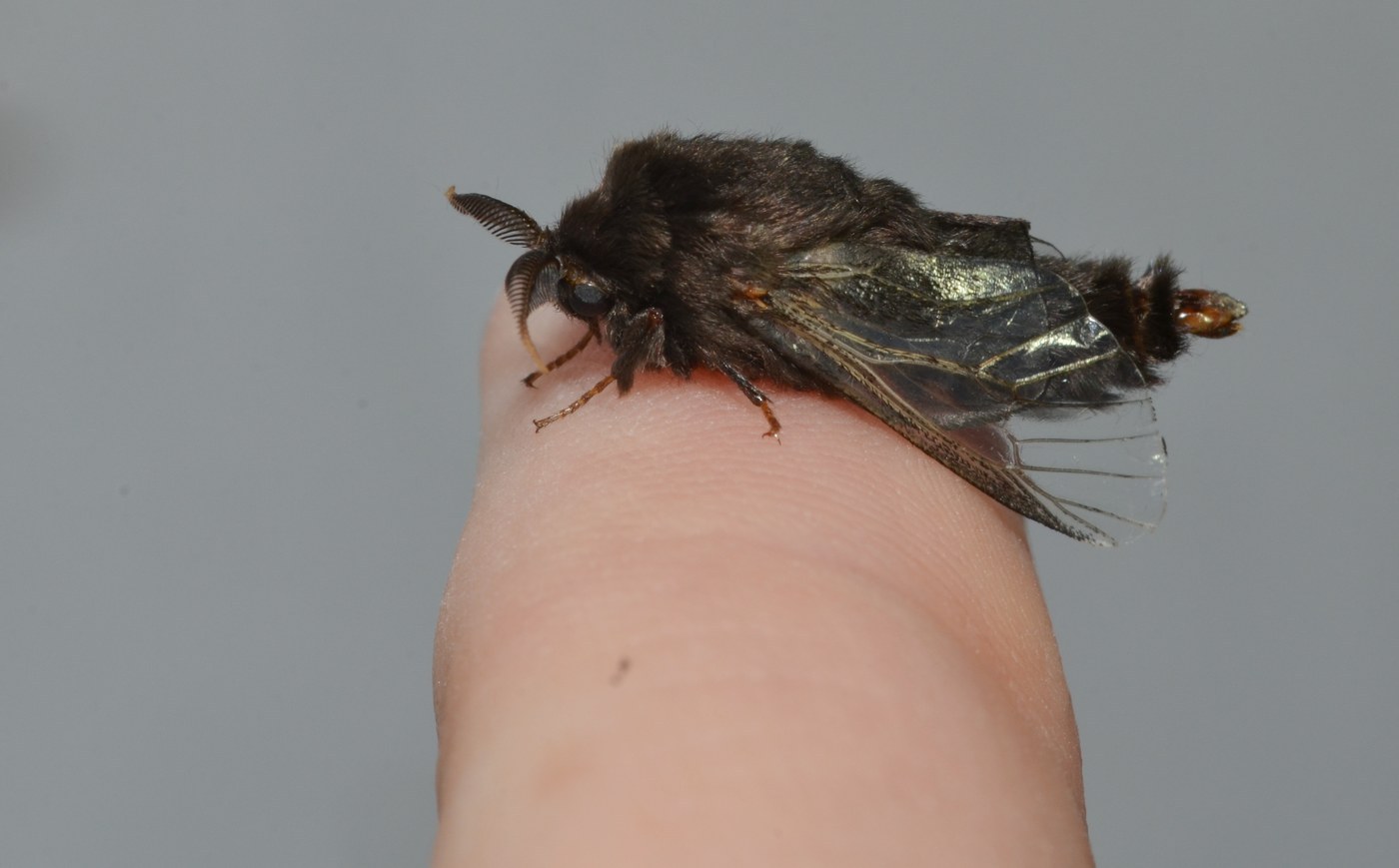
Bagworm Moth
Coniferous and deciduous trees, shrubs, hedges
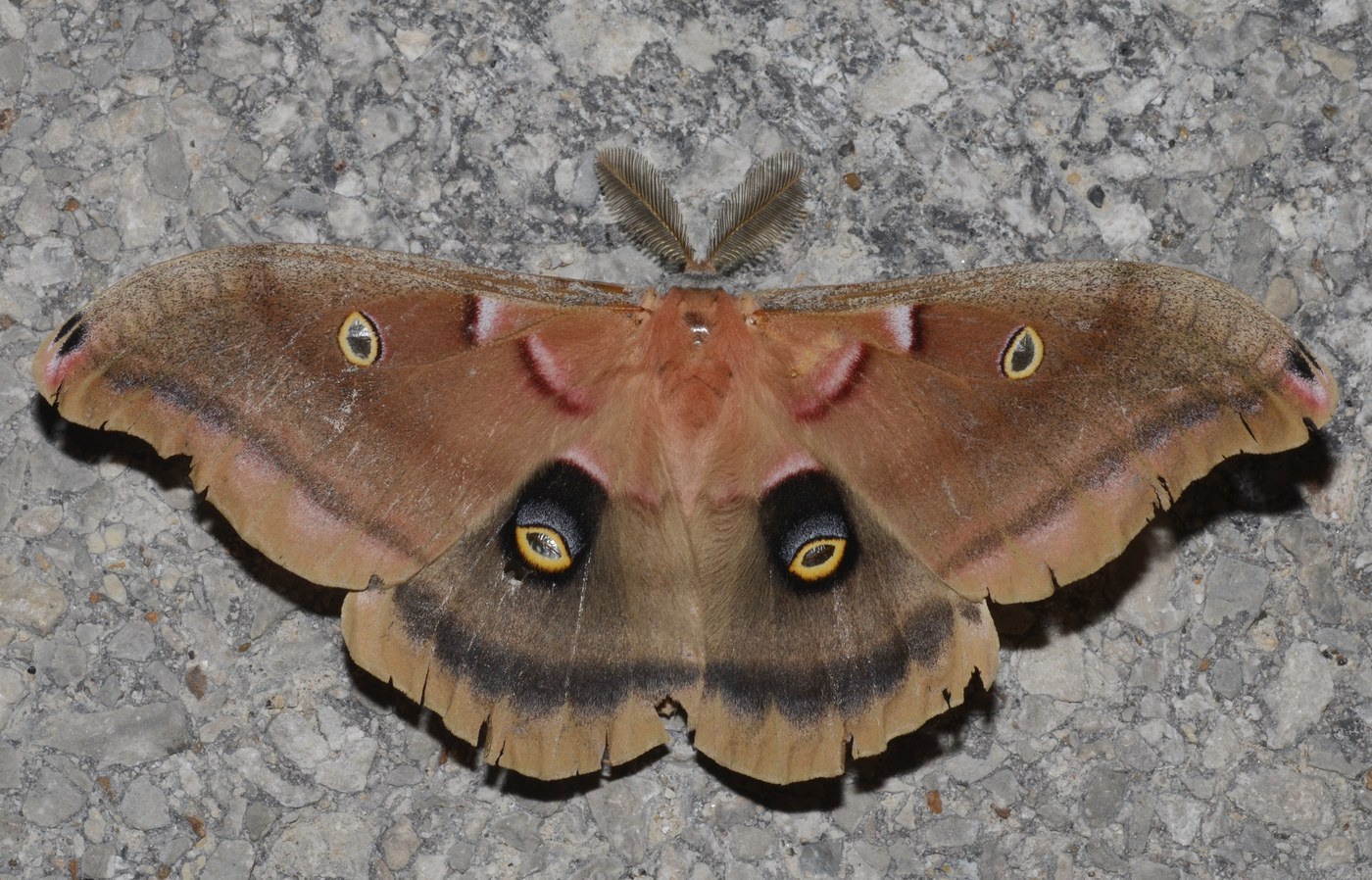
Antheraea Silkmoth
Deciduous forests, woodland edges, orchards
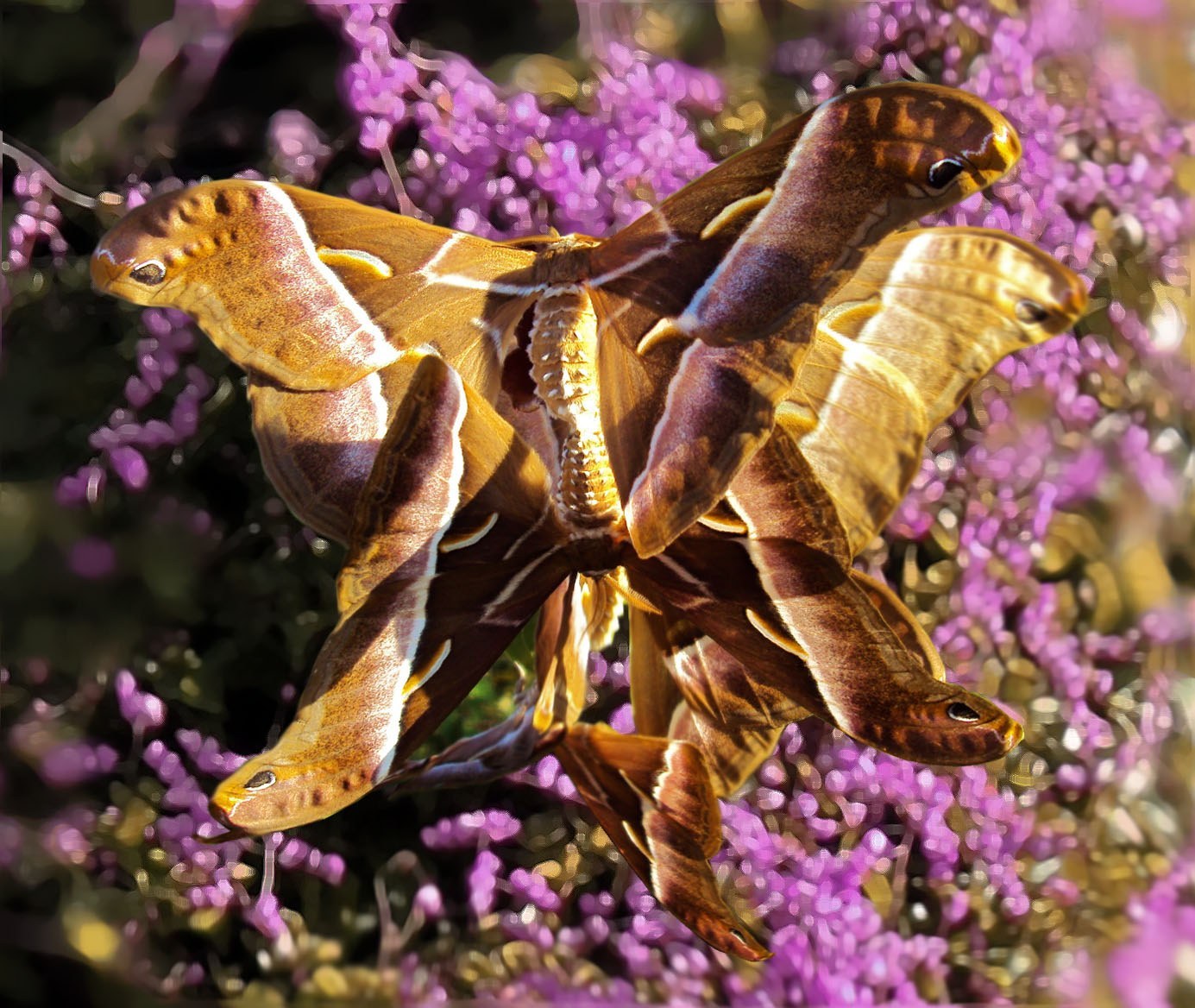
Ailanthus Silkmoth (Cynthia Moth)
Urban parks, wastelands, and woodland edges with tree-of-heaven; native to Asia, introduced in North America and Europe
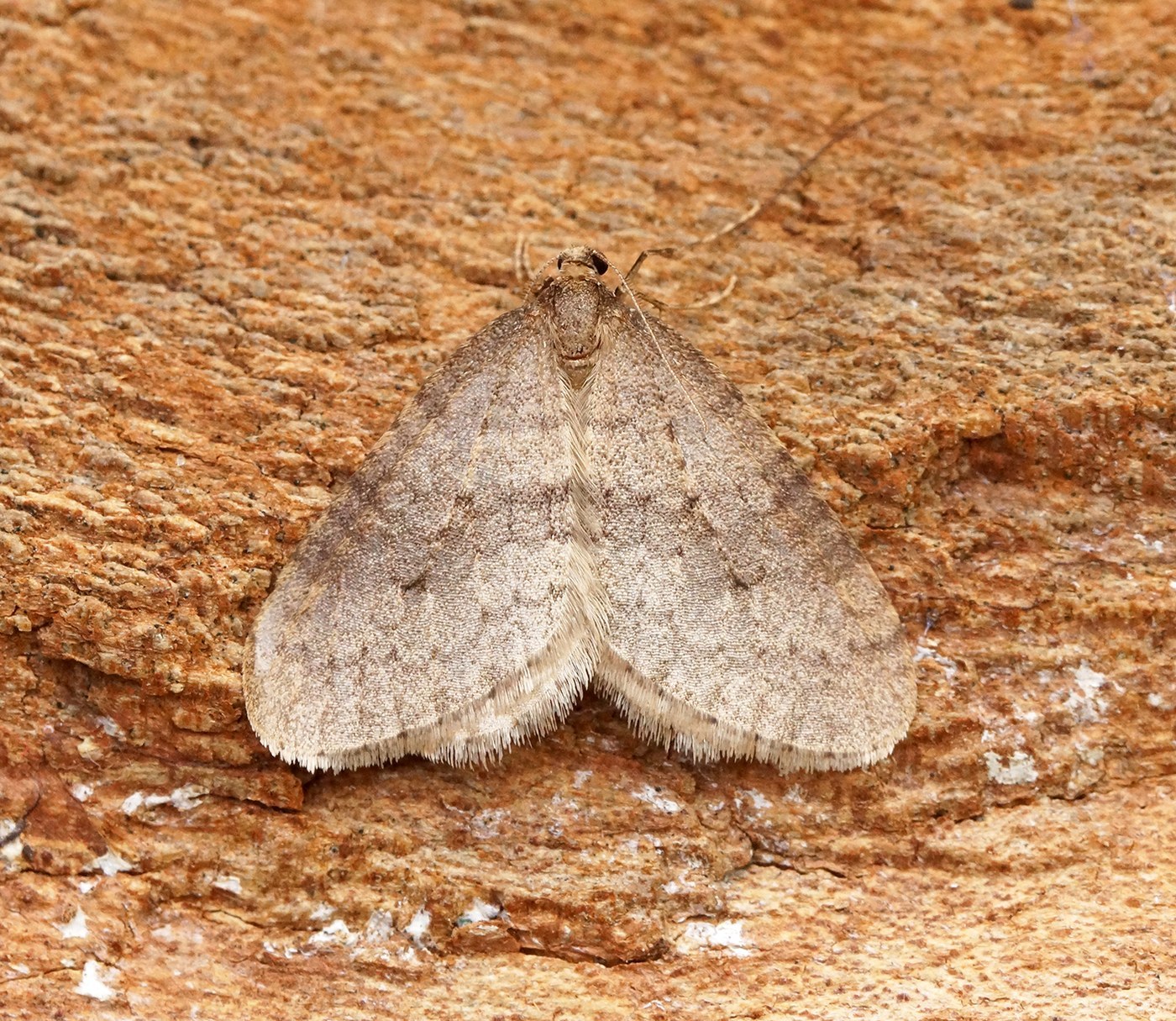
Winter Moth
Deciduous woodland, orchards, gardens, hedgerows
Webbing Clothes Moth
Dark closets, storage areas, and animal nests worldwide
Tussock Moth
Deciduous forests, parks, gardens
Wax Moth
Beehives, apiaries, stored beeswax and comb
White Ermine Moth
Gardens, meadows, hedgerows
Twenty-plume Moth
Gardens, hedgerows, near honeysuckle
Achemon Sphinx Moth
Vineyards, woodland edges, gardens with wild grape
Angle Shades Moth
Gardens, hedgerows, woodland edges, urban parks
Atlas Moth
Tropical and subtropical lowland forests of Southeast Asia