
Nursery Web Spider
Pisaurina mira
Named for the silken nursery tent females weave to guard their hatching young, this slender, long-legged spider carries her large egg sac beneath her body in her fangs until the eggs are ready to hatch.
- Size
- Body 10-18 mm; leg span up to 50 mm
- Habitat
- Tall grass, low shrubs, and woodland edges across eastern North America
- Danger
- Bites
Spotted a bug like this?
Identify any bug or insect from a photo, free.
Overview
The nursery web spider, represented in much of eastern North America by Pisaurina mira, is a slender, fast-moving hunting spider closely related to the fishing spiders. Unlike orb weavers, it does not rely on a web to trap prey, instead actively stalking and pouncing on insects in grass and low vegetation. Its body is typically brown, gray, or tan, often with a pale stripe running down the center of the back.
The species gets its common name from a remarkable maternal behavior: rather than leaving her eggs unattended, the female carries her large, round egg sac beneath her body, gripped in her chelicerae (fangs) and supported by her pedipalps, as she moves through vegetation. Shortly before the eggs hatch, she constructs a silken "nursery" tent among leaves or grass stems, places the egg sac inside, and stands guard nearby until the spiderlings disperse.
Nursery web spiders are active hunters found in fields, meadows, and woodland edges, where they help control populations of flies, moths, and other small insects.
How to Identify
- Slender, elongated body, typically brown, tan, or gray, often with a pale central stripe down the back
- Long, thin legs adapted for both running and climbing vegetation
- Females often seen carrying a large, round, papery egg sac in their fangs
- No permanent web for prey capture, though a temporary nursery tent is built before eggs hatch
- Lookalikes: fishing spiders (larger, associated with water, similar body shape), wolf spiders (stockier build, carry egg sac attached to spinnerets rather than in fangs)
Habitat & Range
Widespread across the eastern and central United States and southern Canada, nursery web spiders are found in tall grass, meadows, woodland edges, and shrubby areas, generally away from open water, which distinguishes their habitat from the closely related fishing spiders.
Behavior & Diet
This spider is an active, wandering hunter rather than a web-builder, relying on speed and stealth to ambush insects among grass and foliage rather than trapping them in silk. Diet consists of flies, moths, crickets, and other small arthropods encountered while hunting. The species' most distinctive behavior is maternal care: females carry their egg sac in their jaws for weeks, periodically basking to keep the eggs warm, before finally weaving a protective silk tent among vegetation just before the spiderlings emerge, guarding the nursery until the young disperse.
Life Cycle
After mating, the female spins a large, spherical egg sac and carries it beneath her body, held by her fangs and palps, for several weeks. As hatching nears, she constructs a tent-like nursery web among leaves or grass stems, secures the egg sac inside, and stands guard nearby. Spiderlings hatch within the tent and remain together briefly before dispersing to hunt independently. The spiders mature over the course of a season, with most populations completing one generation per year and overwintering as eggs or juveniles.
Frequently asked questions
Why is it called a nursery web spider?
Females build a protective, tent-like silk structure called a nursery web to guard their egg sac and newly hatched spiderlings before the young disperse.
How does the nursery web spider carry its eggs?
Unlike many spiders that attach the egg sac to their spinnerets, females carry the large round egg sac beneath their body, held in their fangs and pedipalps.
Does the nursery web spider build a web to catch prey?
No, it is an active hunter that stalks and pounces on insects in grass and vegetation rather than trapping them in a web.
How is it different from a fishing spider?
Nursery web spiders are typically found away from water in grass and shrubs, while fishing spiders are closely tied to ponds, streams, and other water bodies.
Nursery Web Spider guides
In-depth guides for identifying, understanding, and living alongside Nursery Web Spider.
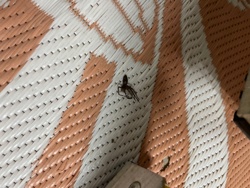
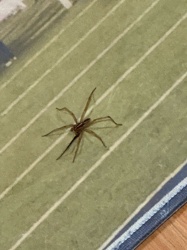
Nursery Web Spider identified by the community
Real finds identified with Bug Identifier.
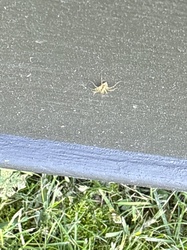
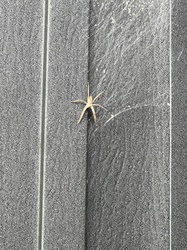
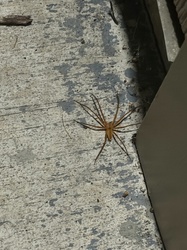
Other bugs you may enjoy
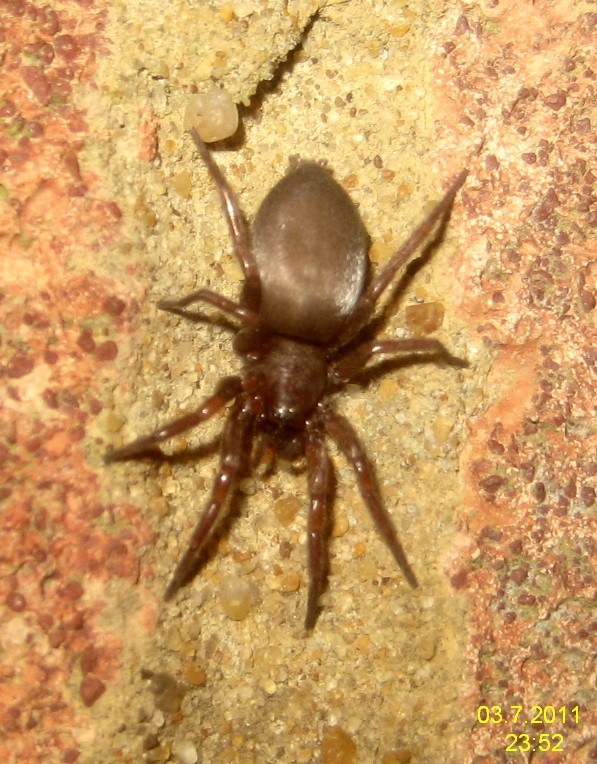
Woodlouse Spider
Damp leaf litter, under logs, stones, and mulch
Wolf Spider
Gardens, grasslands, forests, leaf litter, ground burrows
Wandering Spider
Tropical and subtropical forest floor, foliage, and banana plants
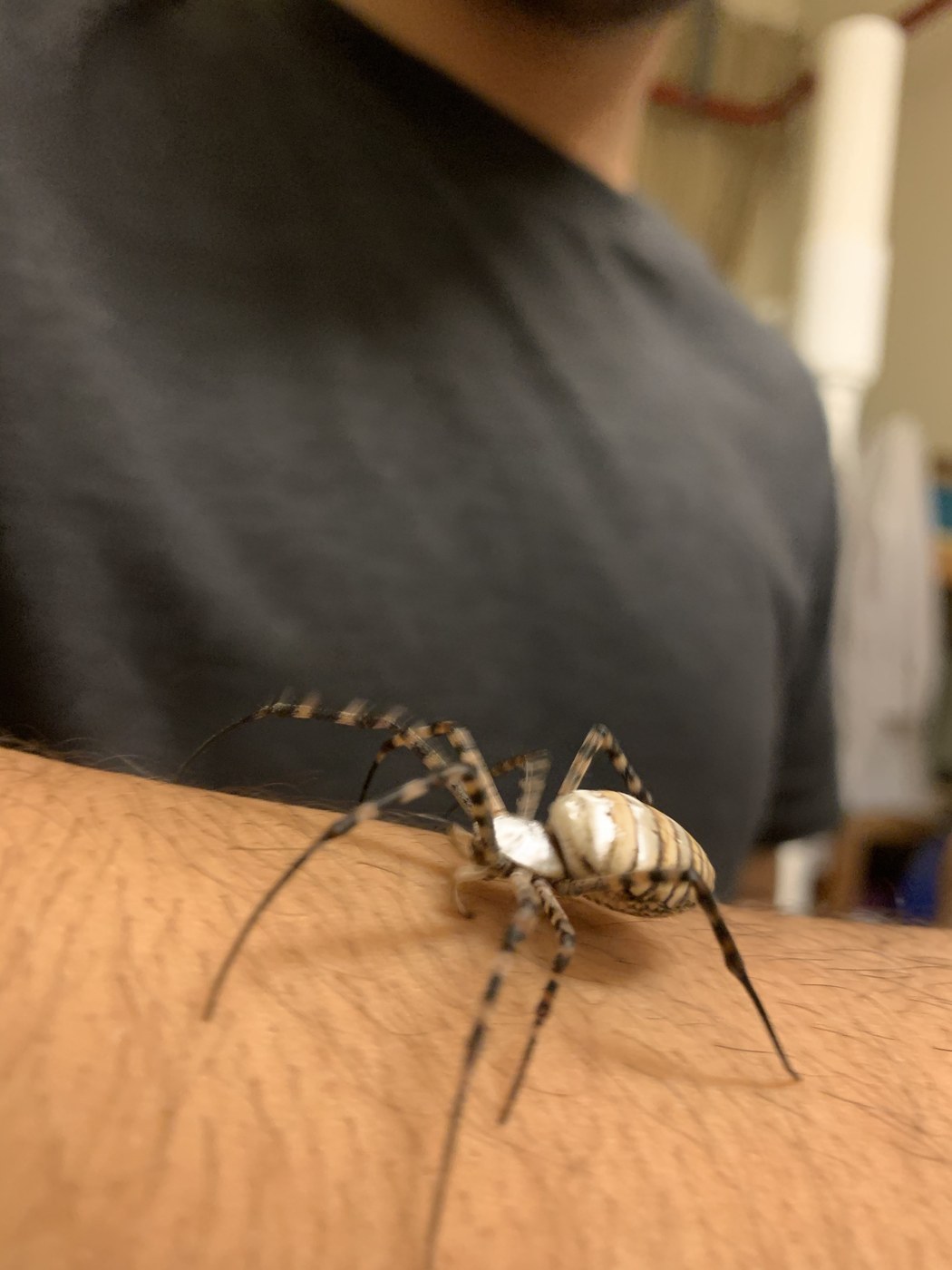
Banded Garden Spider
Tall grass, meadows, and gardens with open sunny vegetation
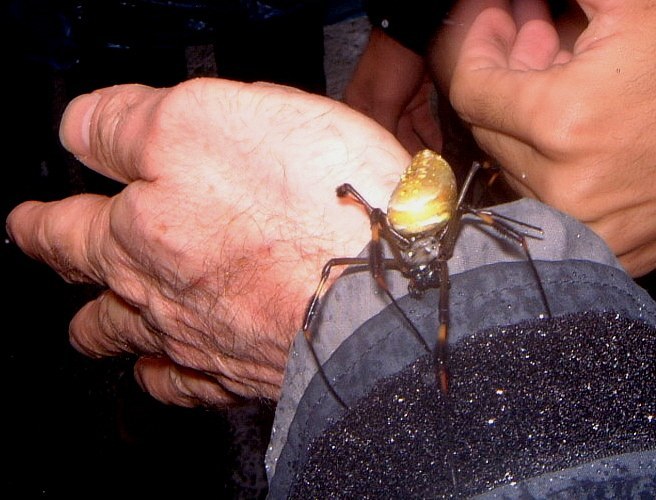
Banana Spider
Wooded trails, forest edges, and gardens across the southeastern U.S. and the American tropics
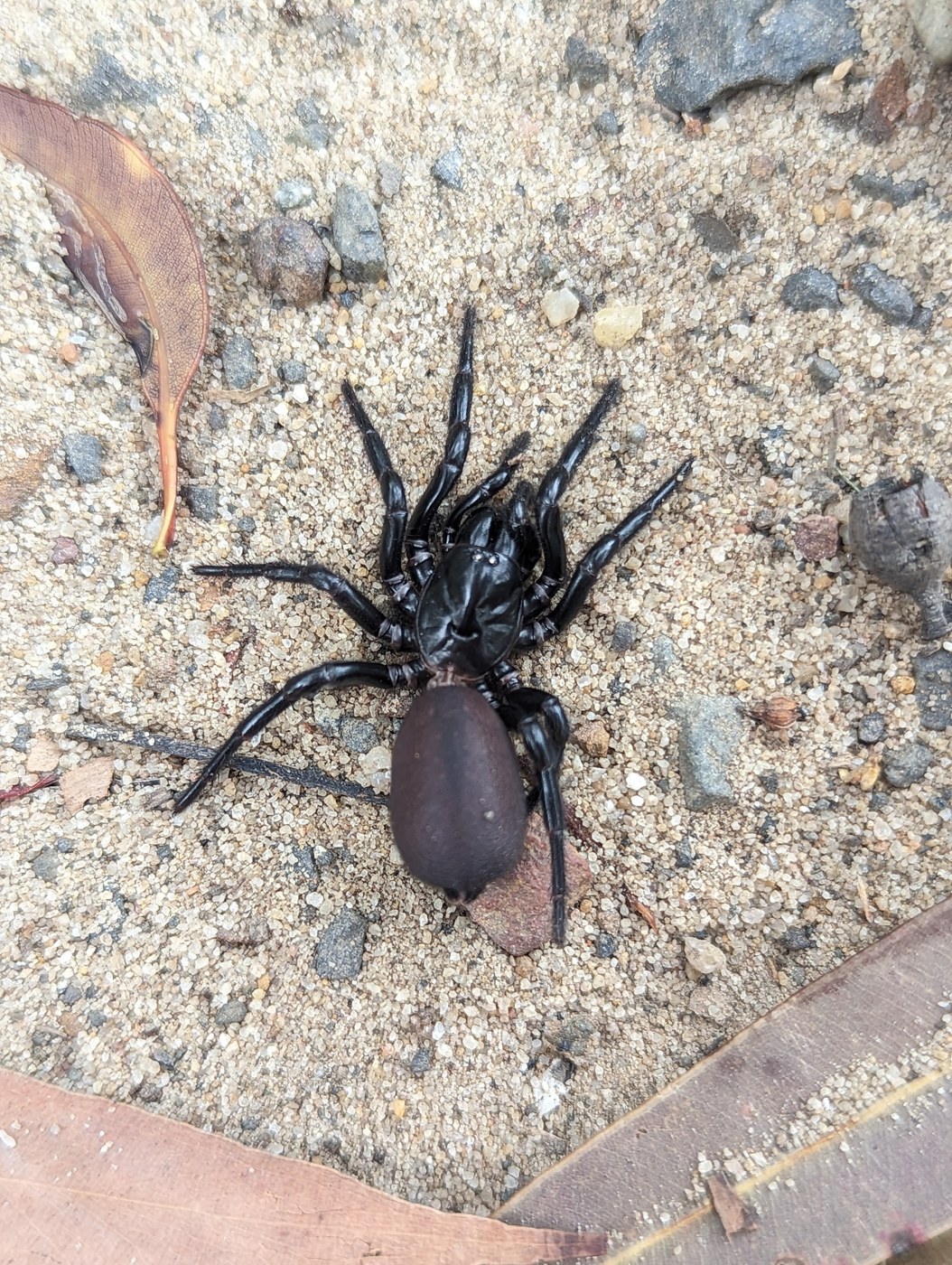
Sydney Funnel-web Spider
Burrows in moist soil, gardens, and forested gullies around the Sydney basin of eastern Australia
Trapdoor Spider
Self-dug silk-lined burrows with a camouflaged door, in dry, well-drained soil worldwide
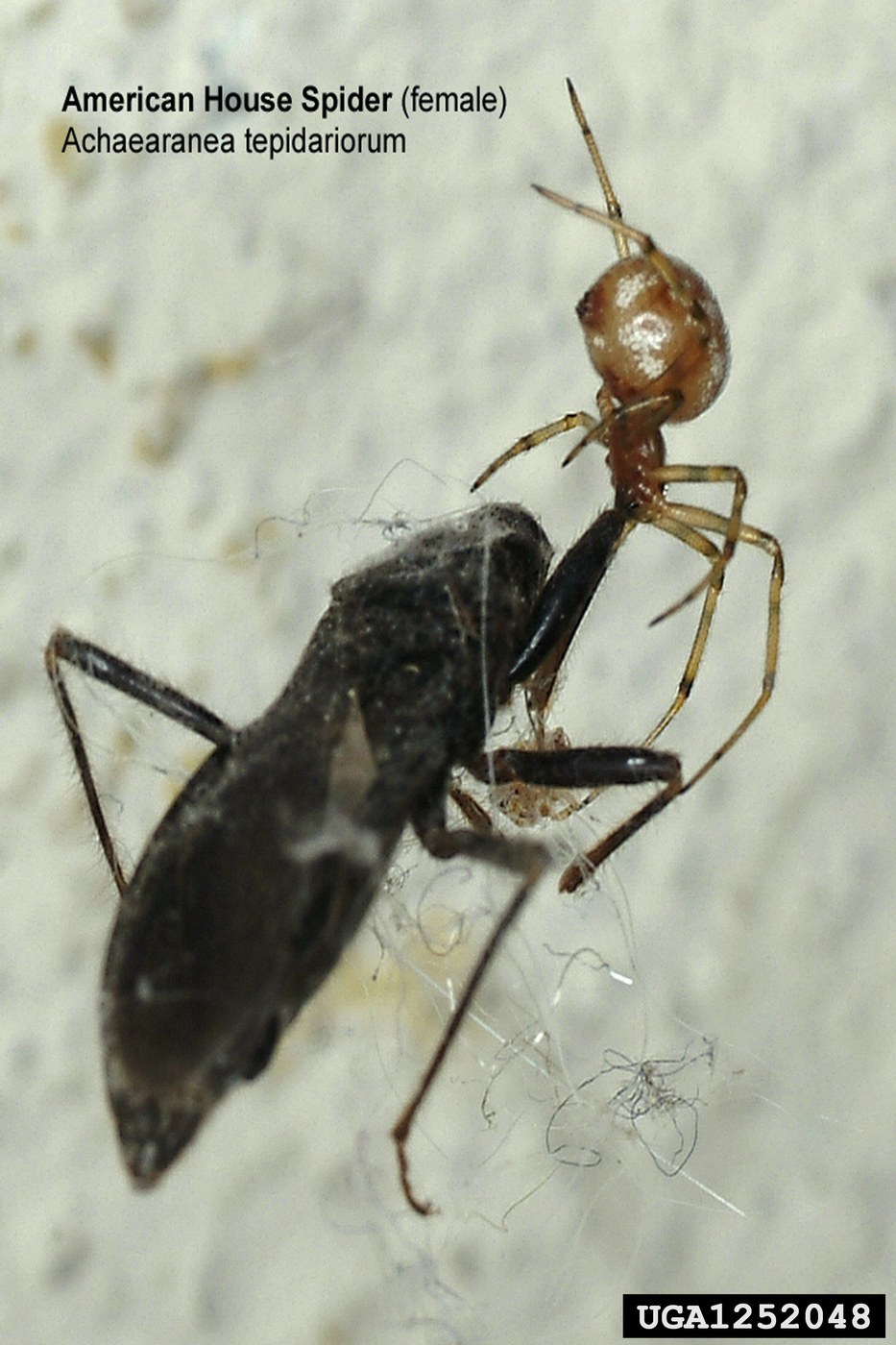
American House Spider
Corners, basements, garages, and outbuildings worldwide
Tube Web Spider
Wall crevices, bark, rockeries, and masonry
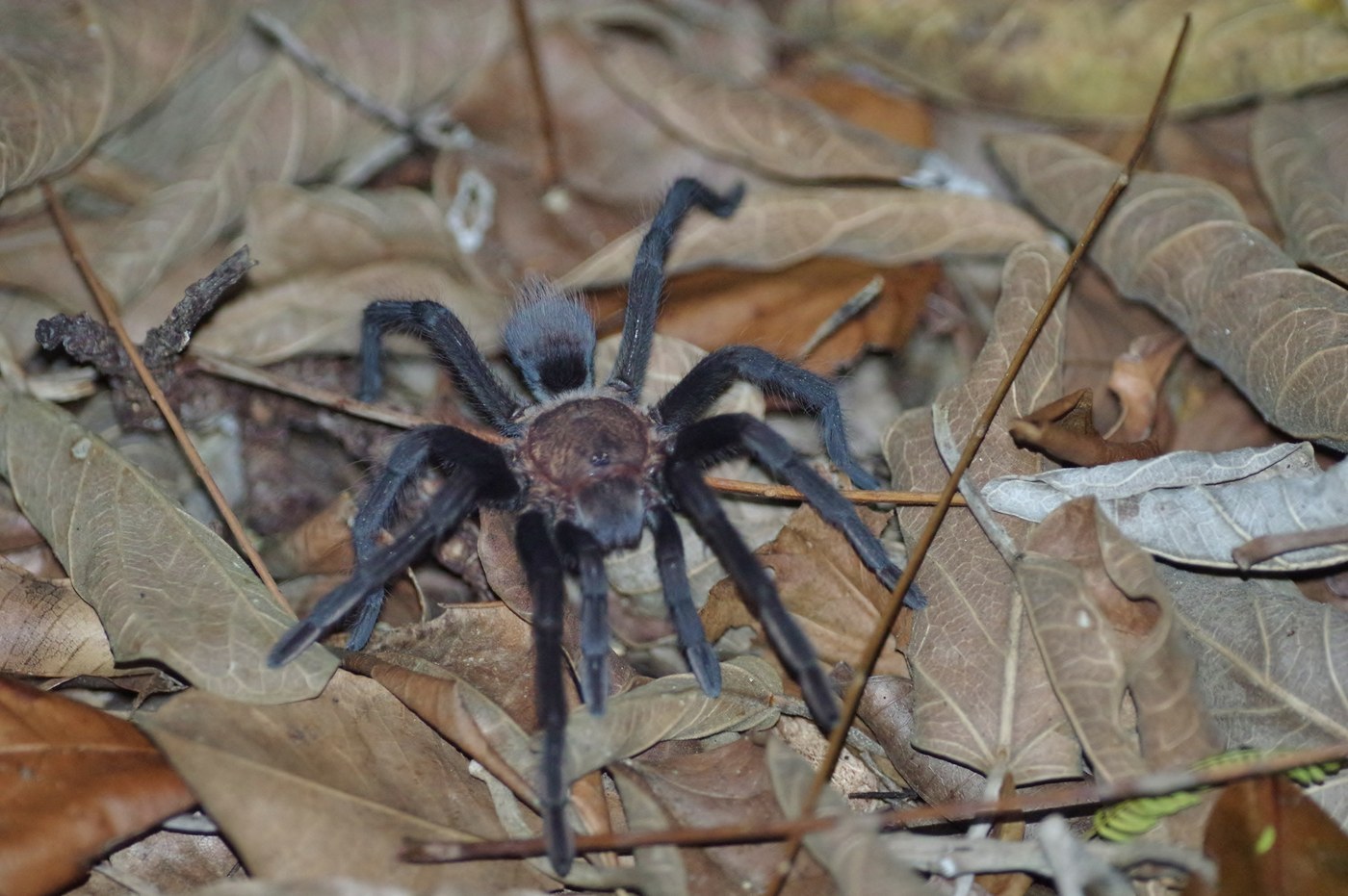
Tarantula
Burrows, rock crevices, and tree hollows in deserts, grasslands, and tropical forests worldwide
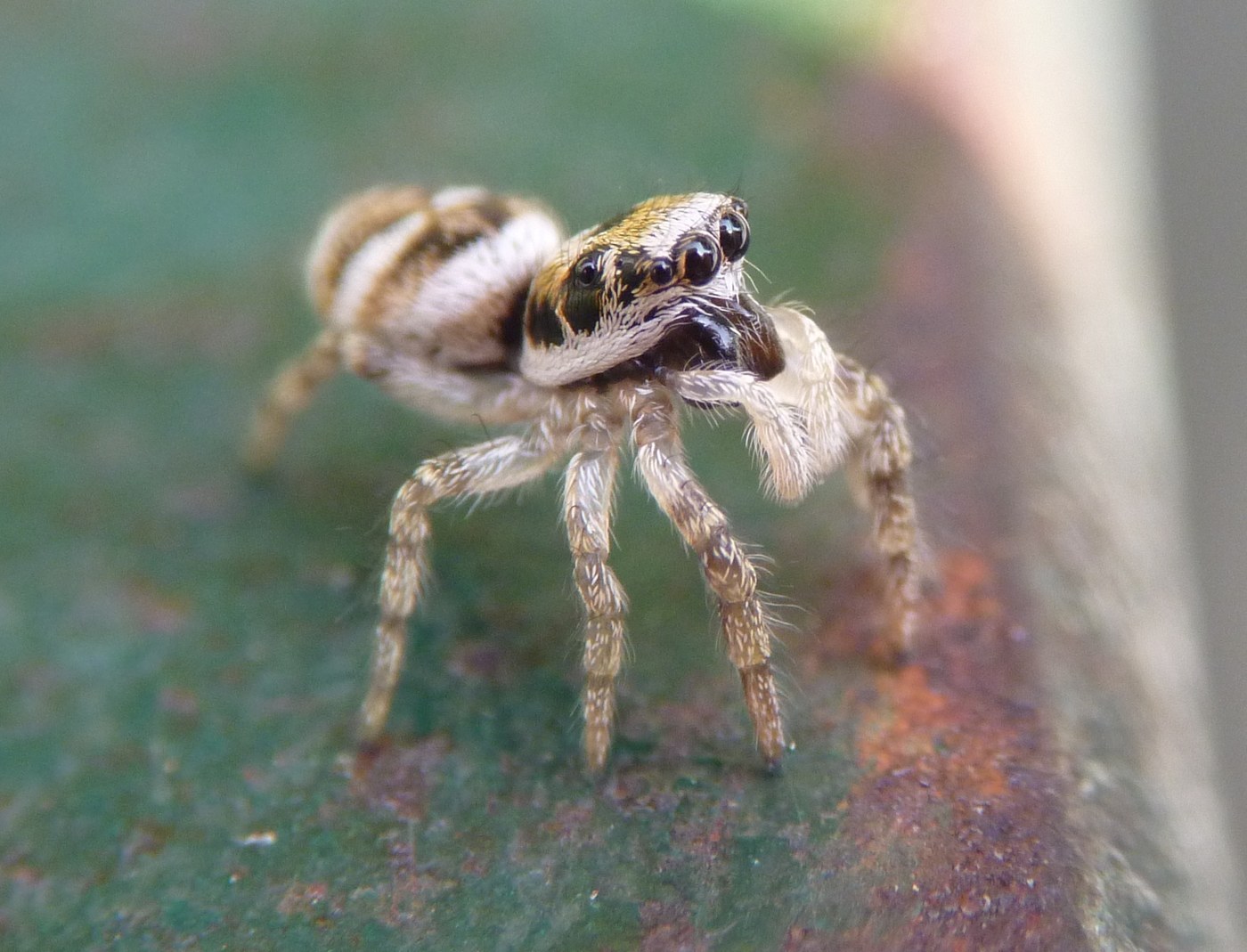
Zebra Jumping Spider
Sunny walls, fences, tree bark, and building exteriors
Wall Spider
Cracks and crevices on exterior and interior walls