
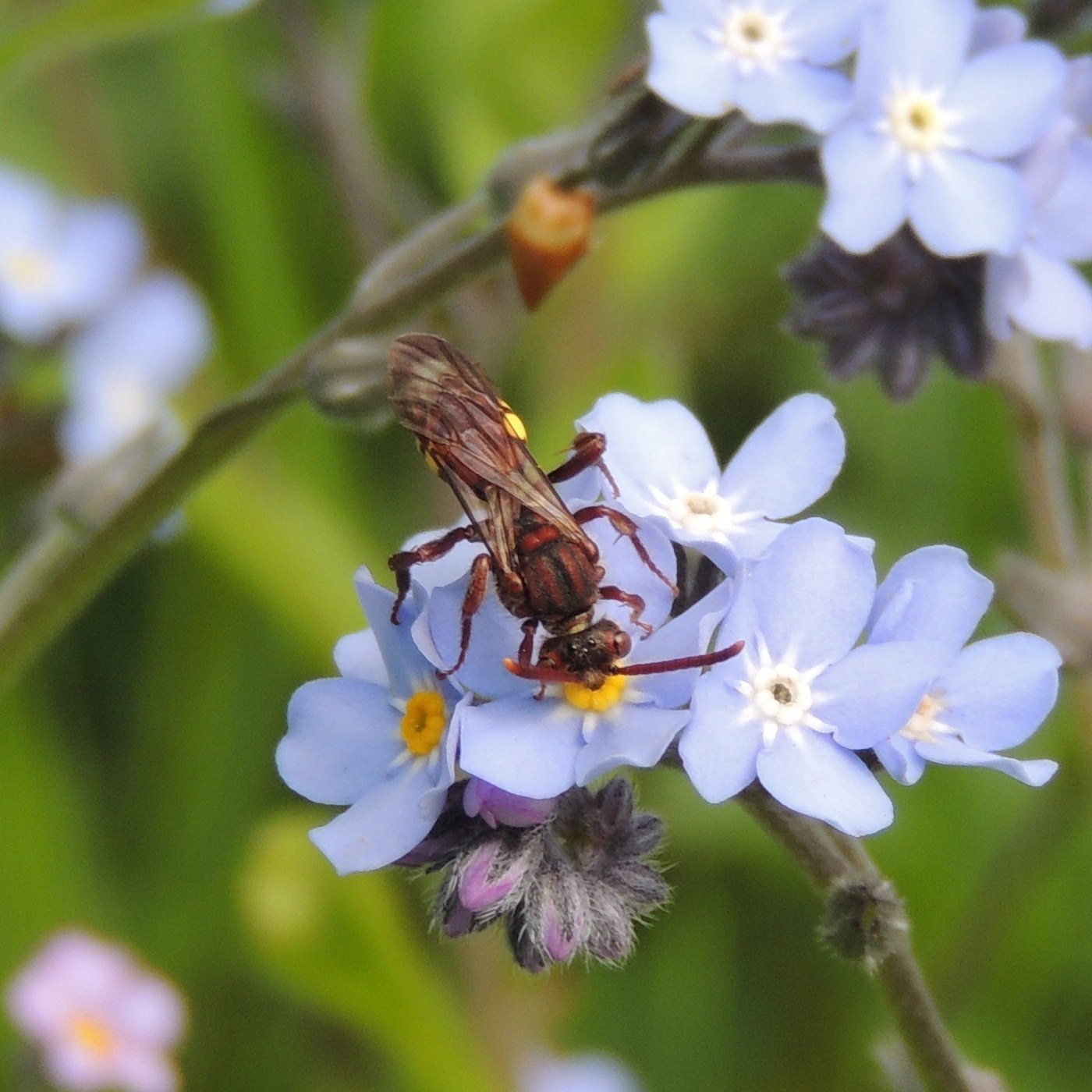
Cuckoo Bee
Nomada spp.
A slender, wasp-like bee that lacks pollen-carrying hairs because it never gathers its own pollen, instead sneaking into the nests of other solitary bees to lay eggs that hatch and consume the host's food stores.
- Size
- 6–14 mm
- Habitat
- Anywhere host mining or digger bees nest: bare soil, gardens, meadows
- Danger
- Stings
Spotted a bug like this?
Identify any bug or insect from a photo, free.
Overview
Cuckoo bees are brood parasites found across several bee lineages, with the genus Nomada (family Apidae) being among the most species-rich and widespread examples in the Northern Hemisphere. Unlike most bees, they do not collect pollen or build their own nests, instead relying entirely on the nests of host solitary bees, particularly mining bees (Andrena), to raise their young.
They are notable for their close mimicry of wasps in both appearance and behavior: smooth, sparsely haired bodies, often patterned in red, black, and yellow, that resemble small paper wasps rather than typical fuzzy bees, an adaptation likely linked to their nest-invading lifestyle rather than needing dense hair for pollen transport.
Ecologically, cuckoo bees represent a specialized form of kleptoparasitism within bee communities, and their presence in an area is often taken by naturalists as an indicator that the corresponding host bee species is also present and nesting nearby.
How to Identify
- Slender, relatively hairless bee body, 6–14 mm long, often colored in red, black, and yellow patterns reminiscent of small wasps rather than the fuzzy look of typical bees.
- Lacks the dense pollen-carrying hair (scopa) seen on female bees of pollen-collecting species, since cuckoo bees do not gather pollen themselves.
- Antennae and legs are often elongated and thin, and flight is quick and low, darting near the ground where they search for host nest entrances.
- Distinguished from true wasps by overall bee-like body proportions and behavior, and from other bees by its smooth, sparsely haired, wasp-mimicking appearance.
Habitat & Range
Cuckoo bees occur wherever their host solitary bee species nest, spanning temperate regions of North America, Europe, and Asia. They are typically found in the same open, bare-soil habitats favored by ground-nesting host bees, including meadows, gardens, and sandy banks, and are active during the same flight period as their hosts, often in early to mid spring.
Behavior & Diet
Female cuckoo bees patrol close to the ground, searching for the nest burrows of host mining or digger bees while the host female is away foraging, then slip inside to lay an egg in a provisioned cell. The cuckoo bee larva hatches and consumes the host egg or larva along with its stored pollen provisions, effectively usurping the cell for its own development. Adults feed on nectar from flowers for their own energy needs but perform no nest-building or pollen-provisioning behavior of their own.
Life Cycle
Cuckoo bees undergo complete metamorphosis, typically synchronized closely with the life cycle of their host species so that egg-laying coincides with the host's nest-provisioning period. After hatching inside the host cell, the cuckoo bee larva eliminates the host egg or larva (directly or through competition) and consumes the stored food before pupating within the host's nest. Most temperate species complete one generation per year, overwintering as a mature larva or pupa inside the host's nest cell before emerging the following season.
Frequently asked questions
Why doesn't a cuckoo bee collect pollen?
It does not raise its own young directly; instead it lays eggs in the nests of host bees, so it has no need for pollen-carrying hairs.
Is a cuckoo bee harmful to bee populations?
It is a natural brood parasite of certain solitary bee species, a relationship that has existed as part of bee community ecology for a very long time.
How can I tell a cuckoo bee from a wasp?
Cuckoo bees have bee-like body proportions and behavior despite a smooth, sparsely haired, wasp-like color pattern; close inspection of body shape and flower visits for nectar helps confirm it is a bee.
Where would I see a cuckoo bee?
Near the nesting areas of host mining or digger bees, low to the ground, during the same season the host bees are active.
Cuckoo Bee guides
In-depth guides for identifying, understanding, and living alongside Cuckoo Bee.
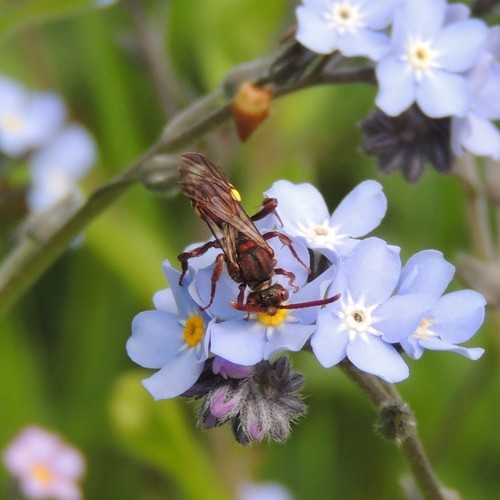
Cuckoo Bee identified by the community
Real finds identified with Bug Identifier.

Other bugs you may enjoy
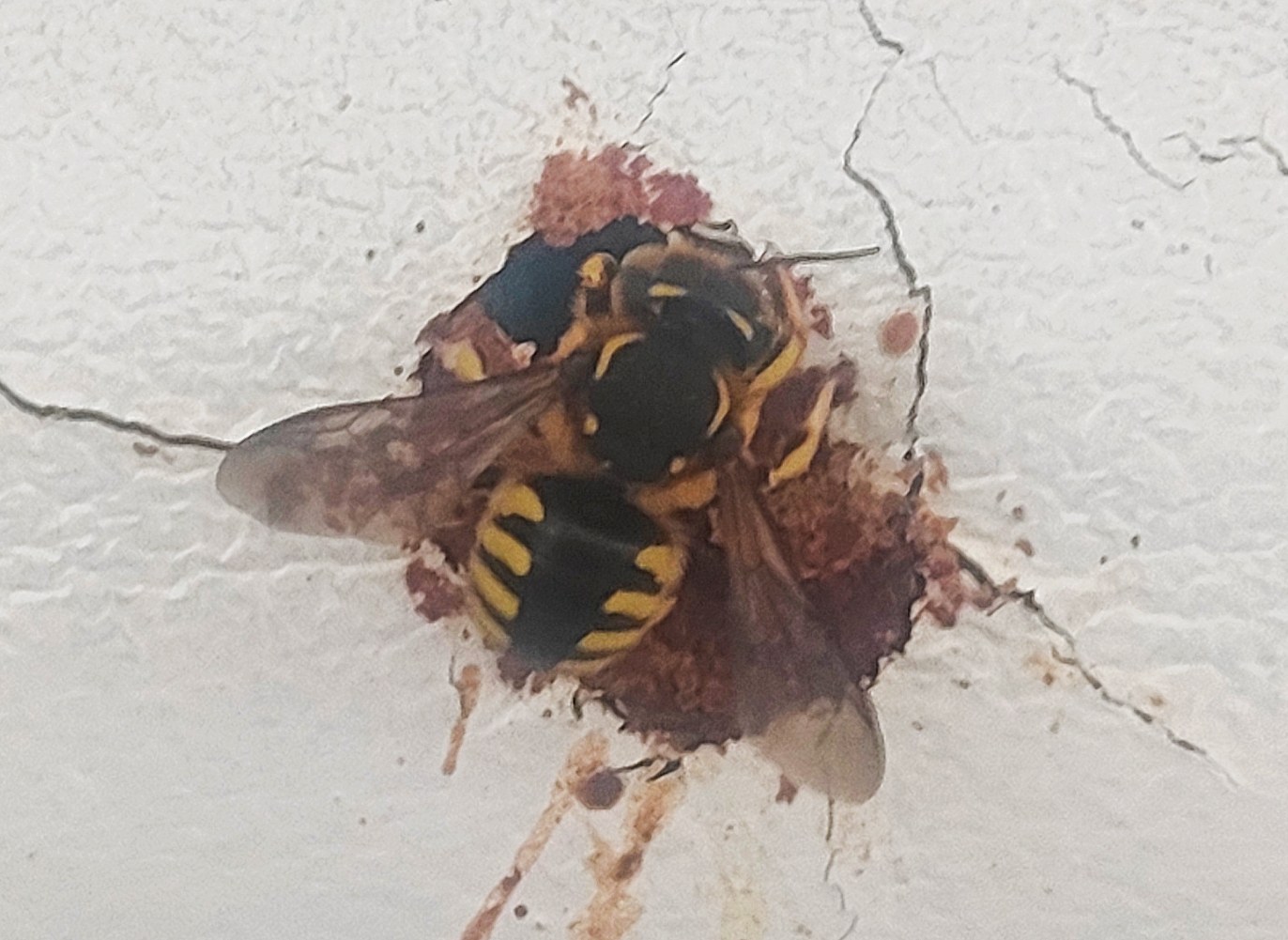
Wool Carder Bee
Gardens, meadows, urban green spaces with fuzzy-leaved plants
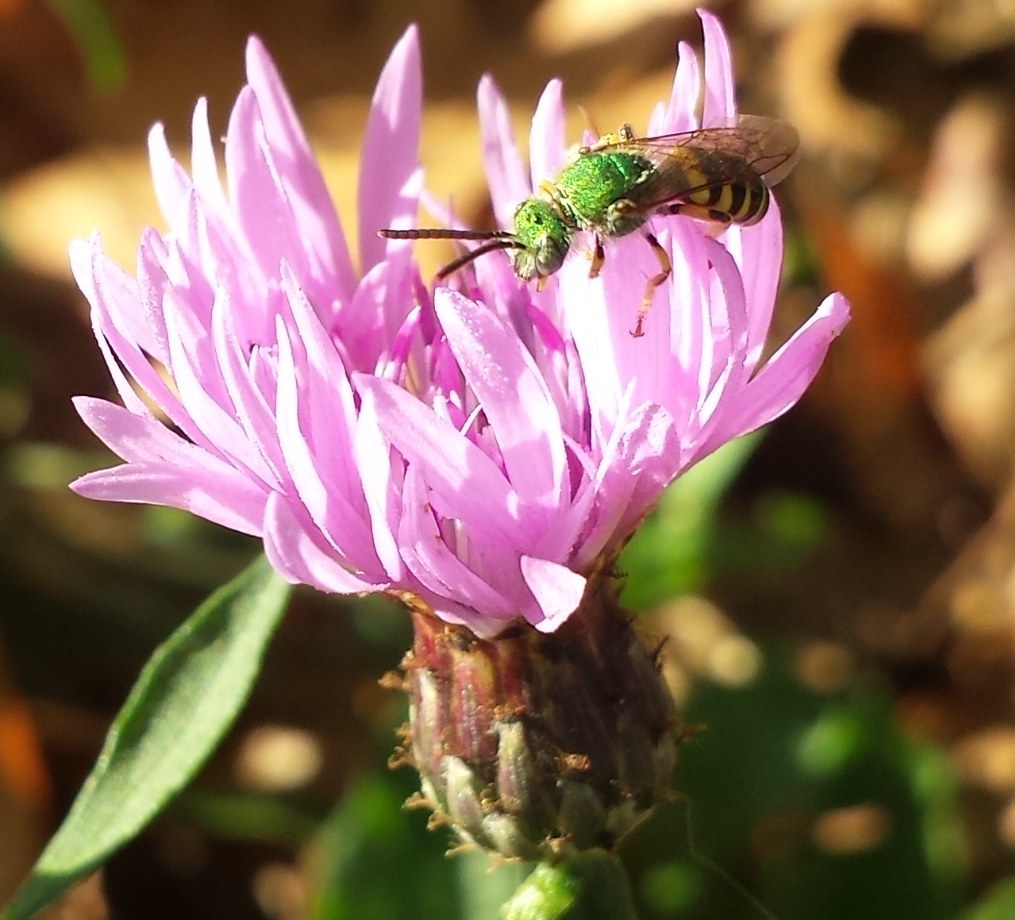
Sweat Bee
Gardens, meadows, and bare or sandy soil worldwide
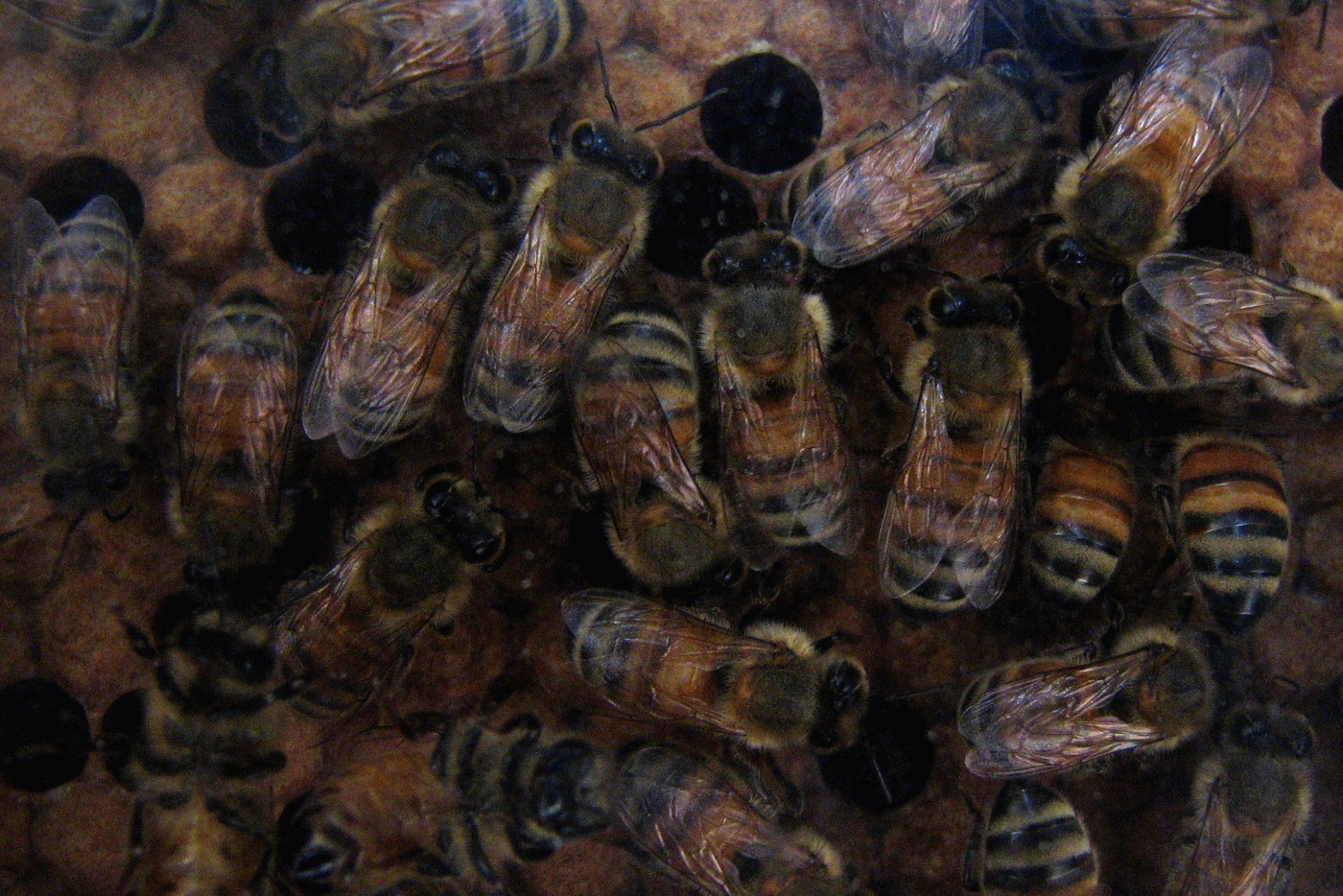
Western Honey Bee
Managed hives and wild colonies in tree cavities, worldwide in temperate and tropical climates
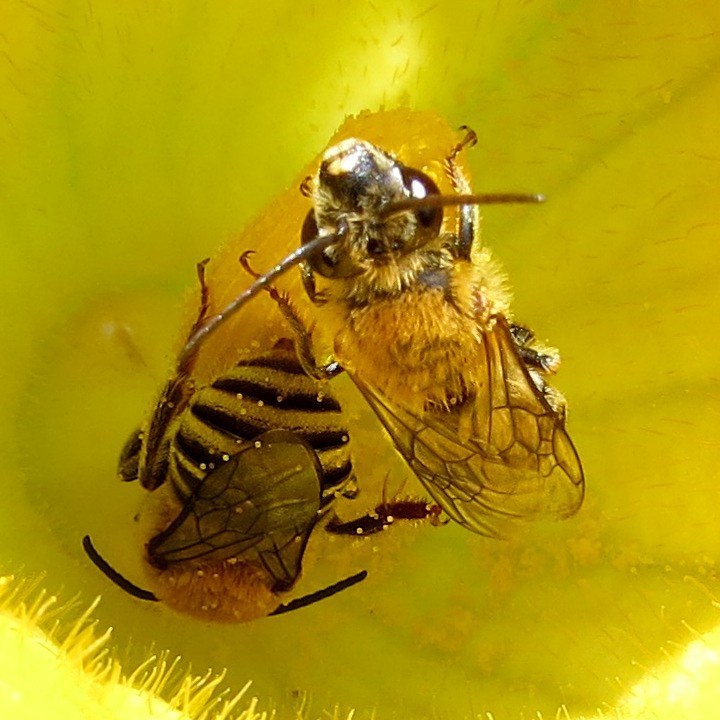
Squash Bee
Vegetable gardens and farm fields growing squash, pumpkin, and gourd plants
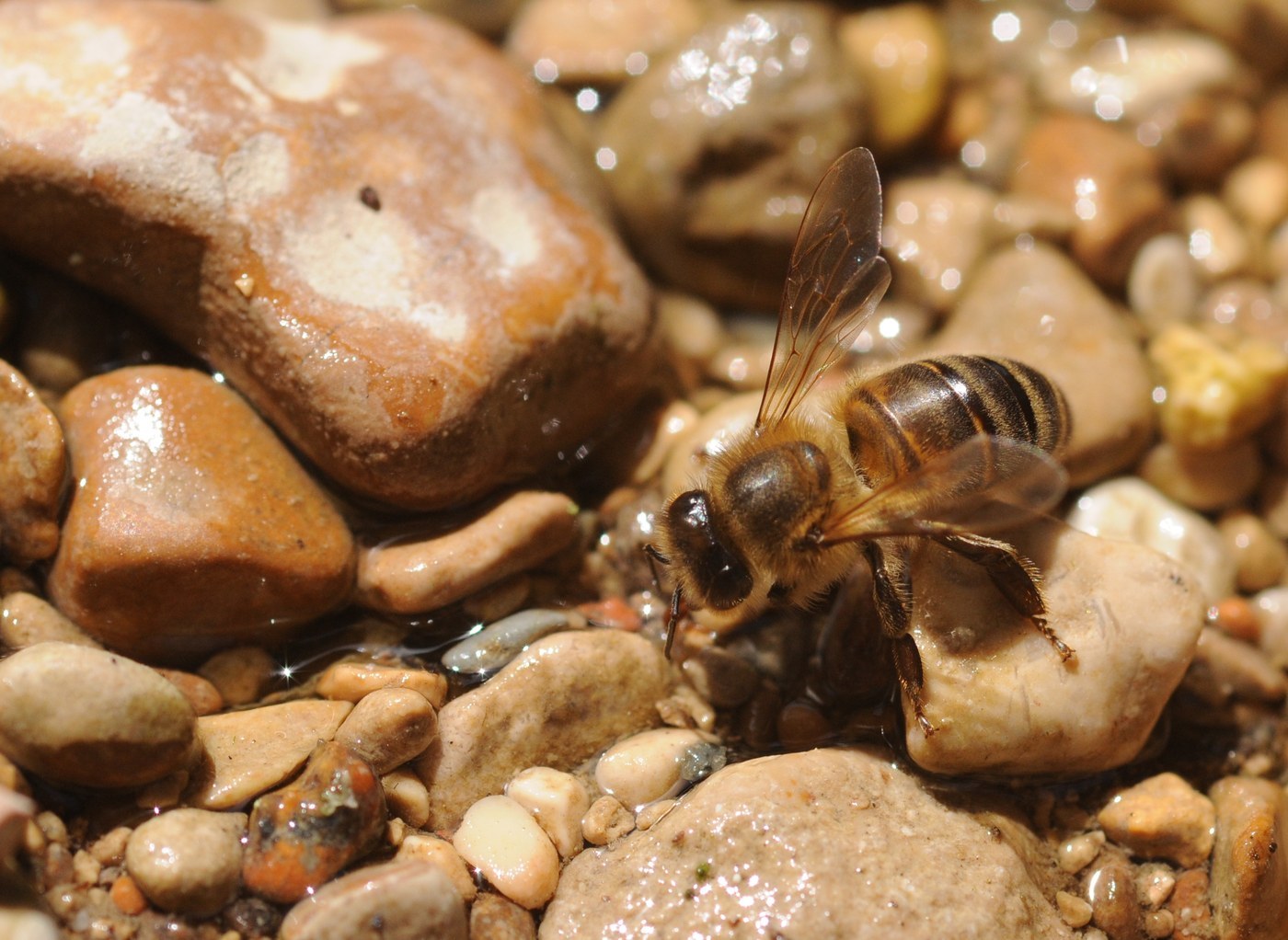
Honey Bee
Flowering meadows, gardens, orchards, and managed hives
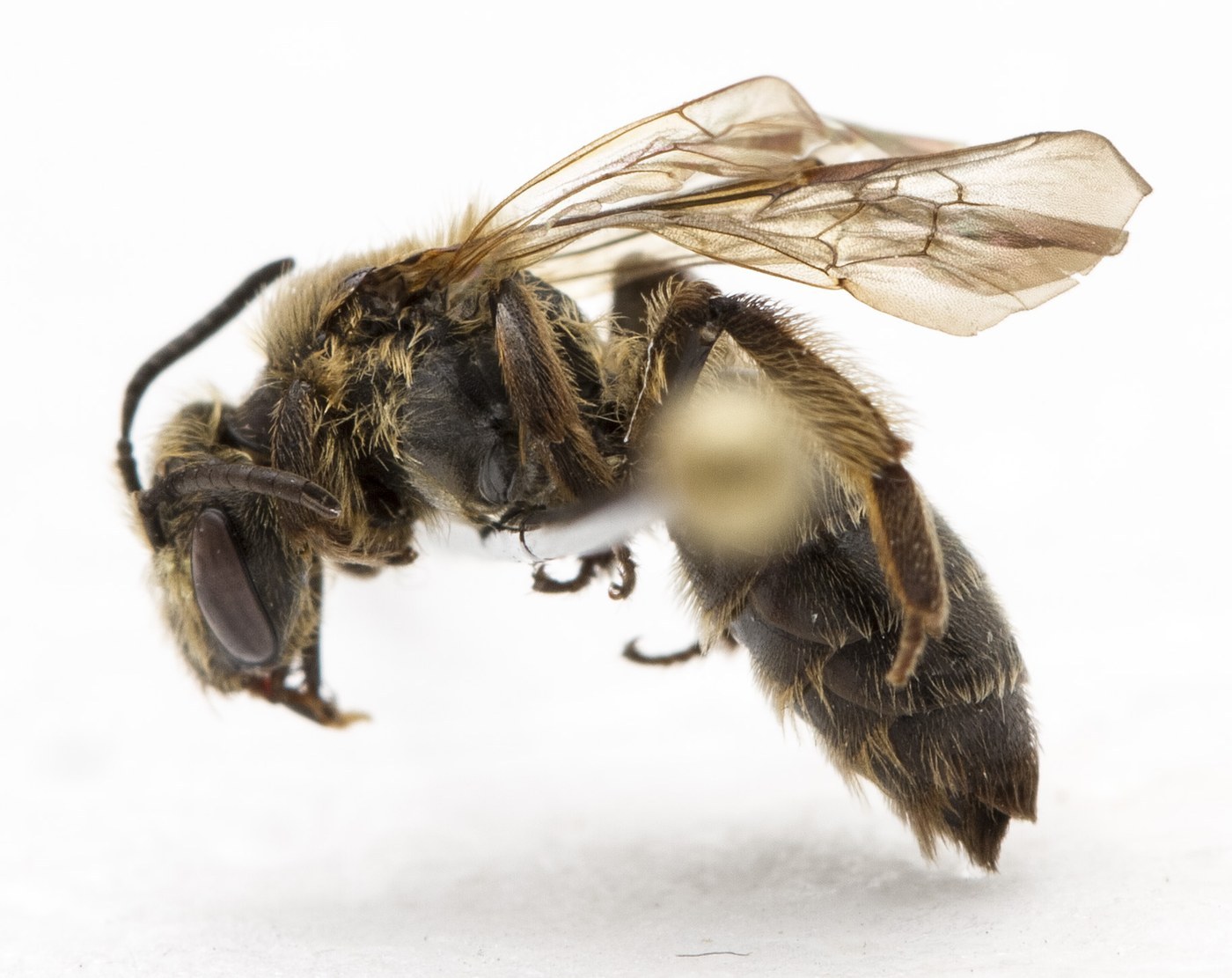
Mining Bee
Bare or sparsely vegetated soil, lawns, gardens, woodland edges
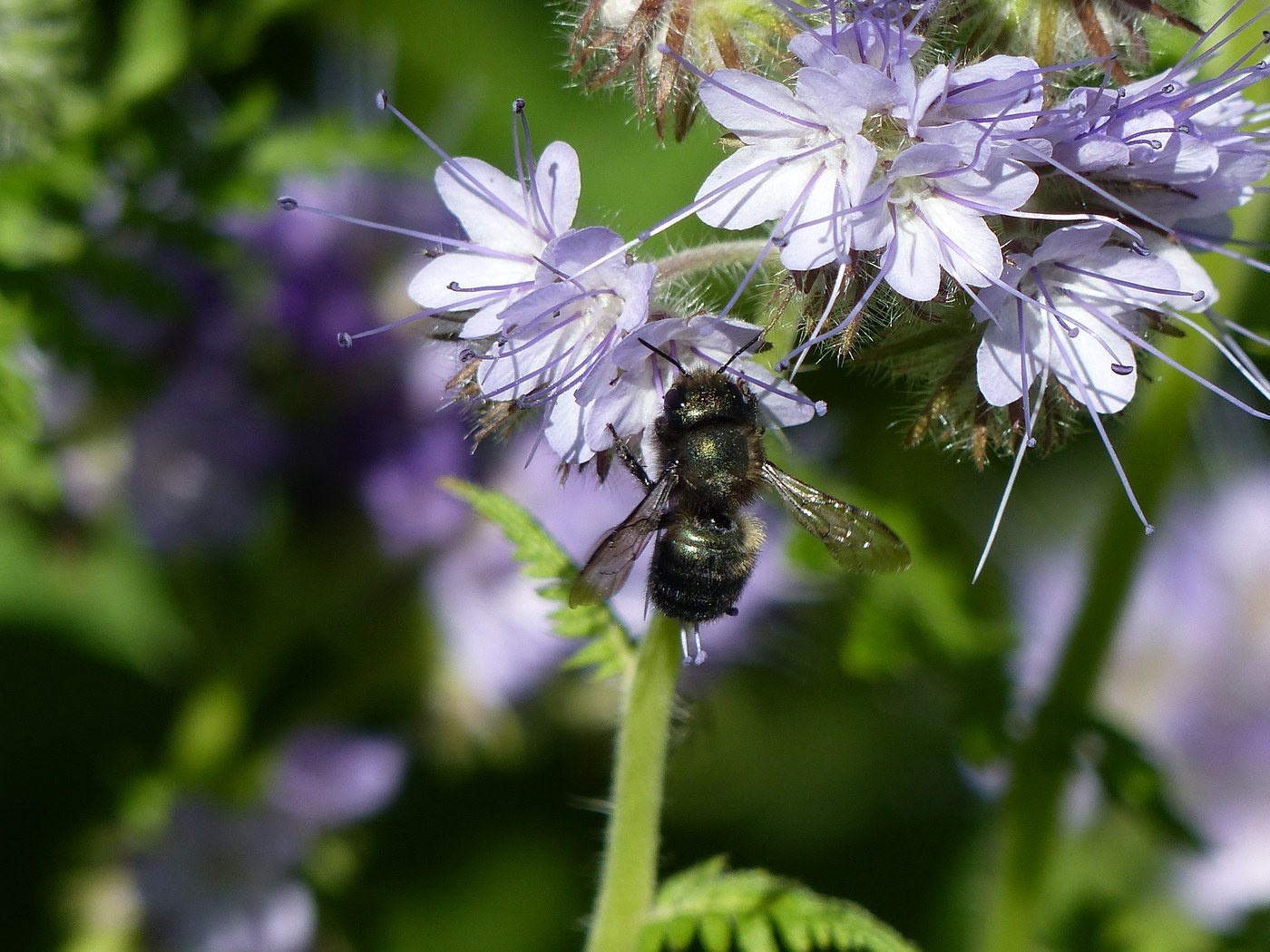
Mason Bee
Orchards, gardens, and wooded edges across temperate regions
Longhorn Bee
Prairies, meadows, gardens, sunflower and aster fields
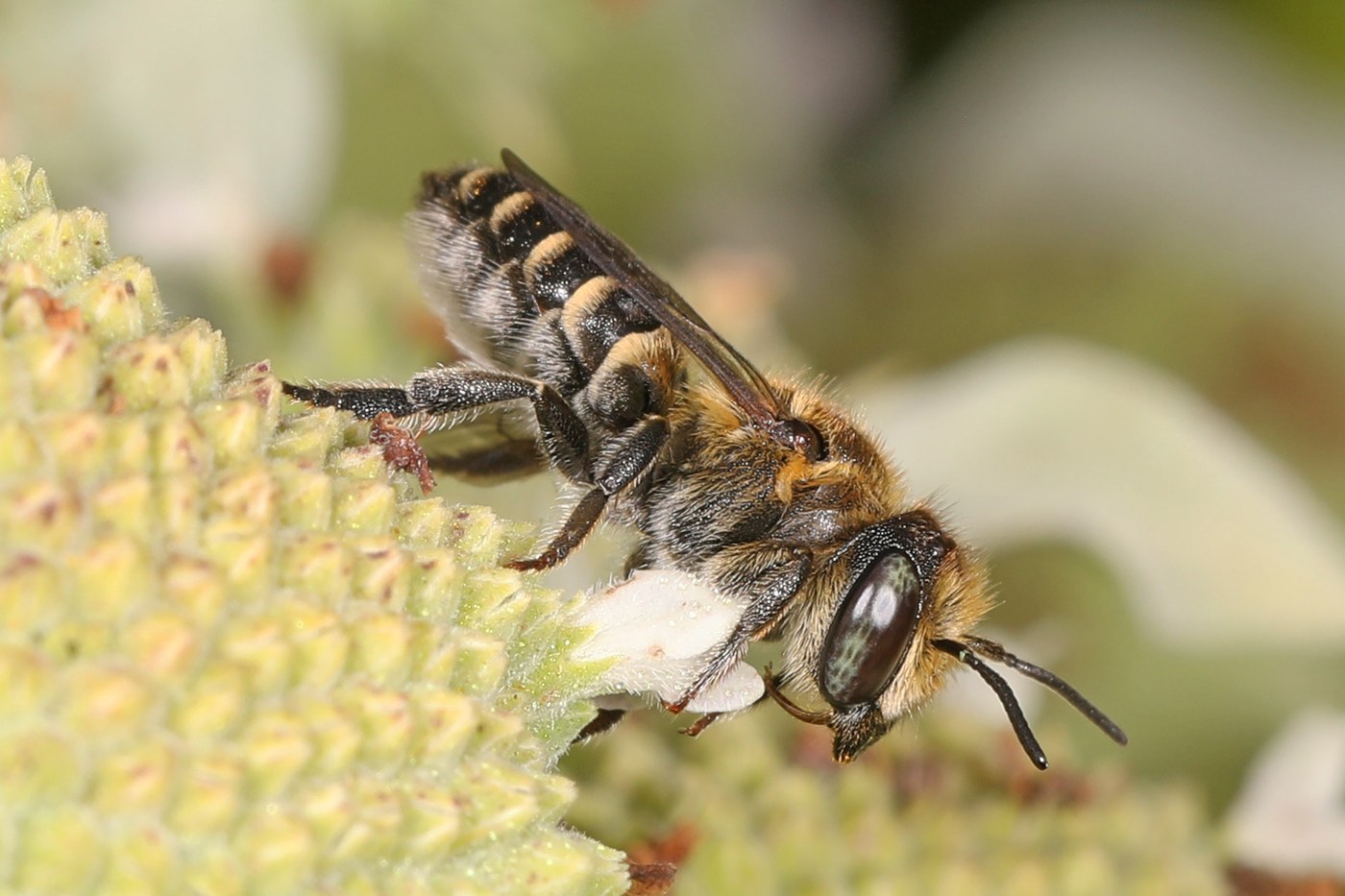
Leafcutter Bee
Gardens, meadows, and agricultural fields across temperate and subtropical regions
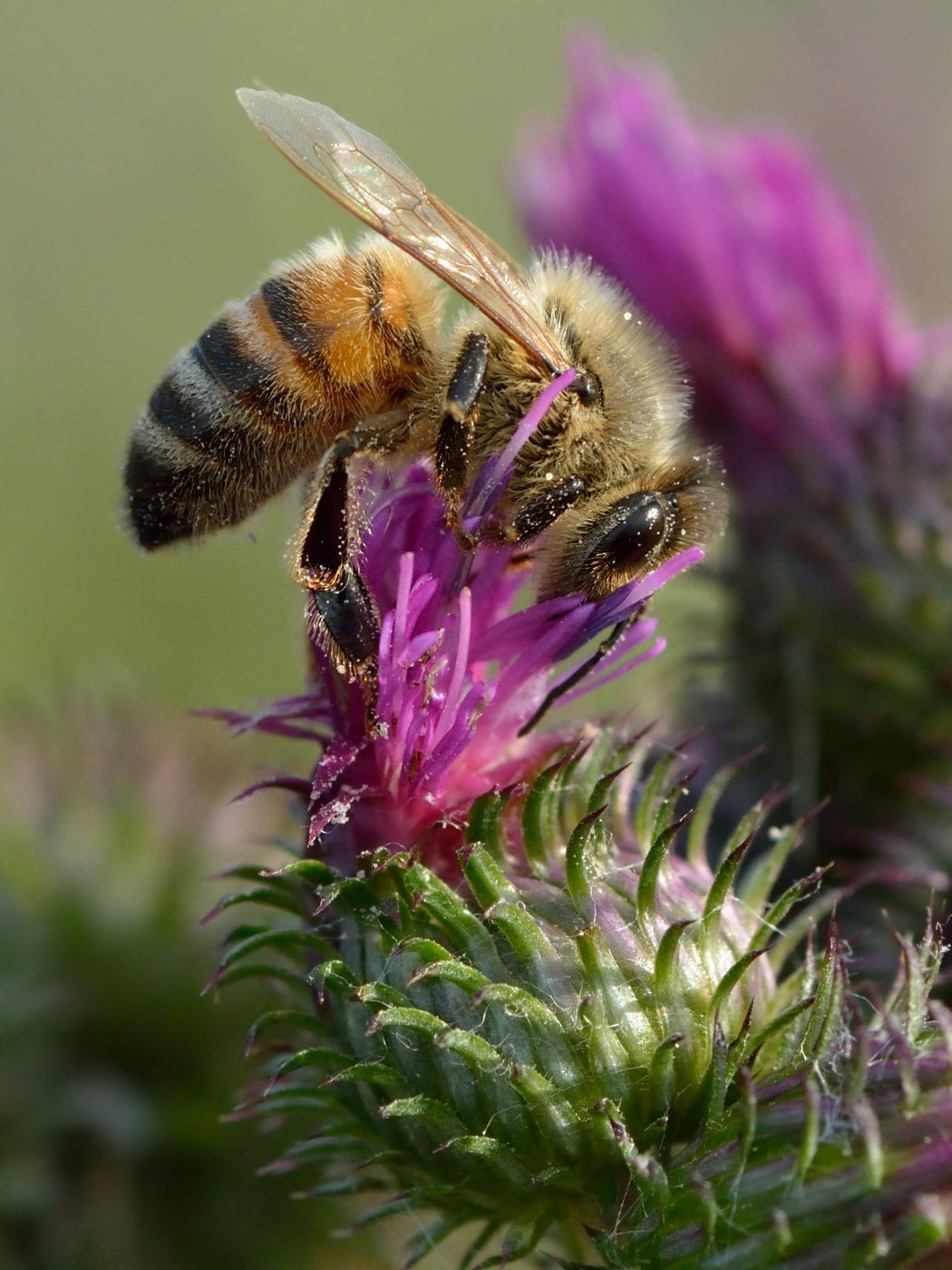
Honeybee
Managed hives, tree cavities, gardens, farmland, meadows
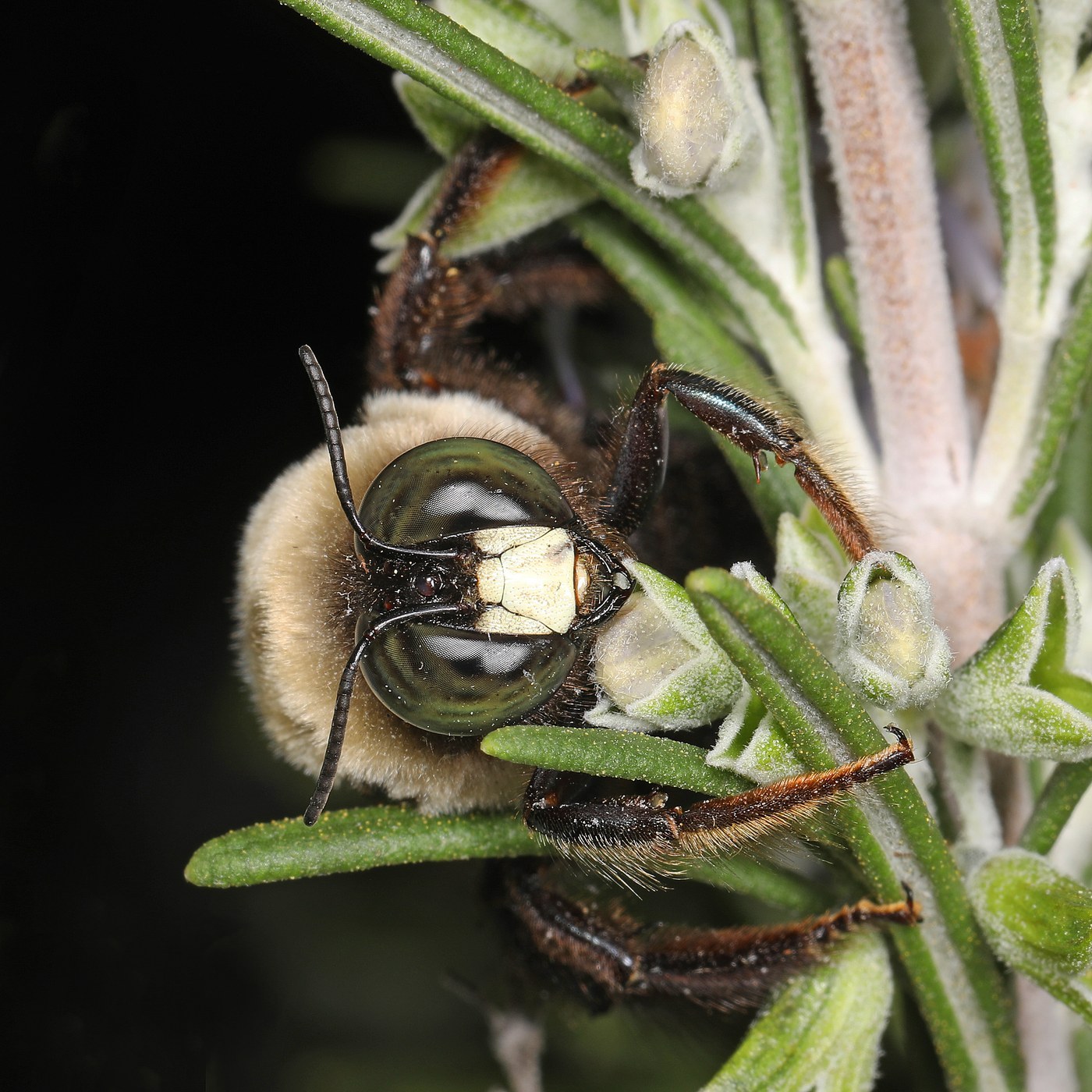
Carpenter Bee
Wooden structures, dead trees, and gardens across temperate and tropical regions
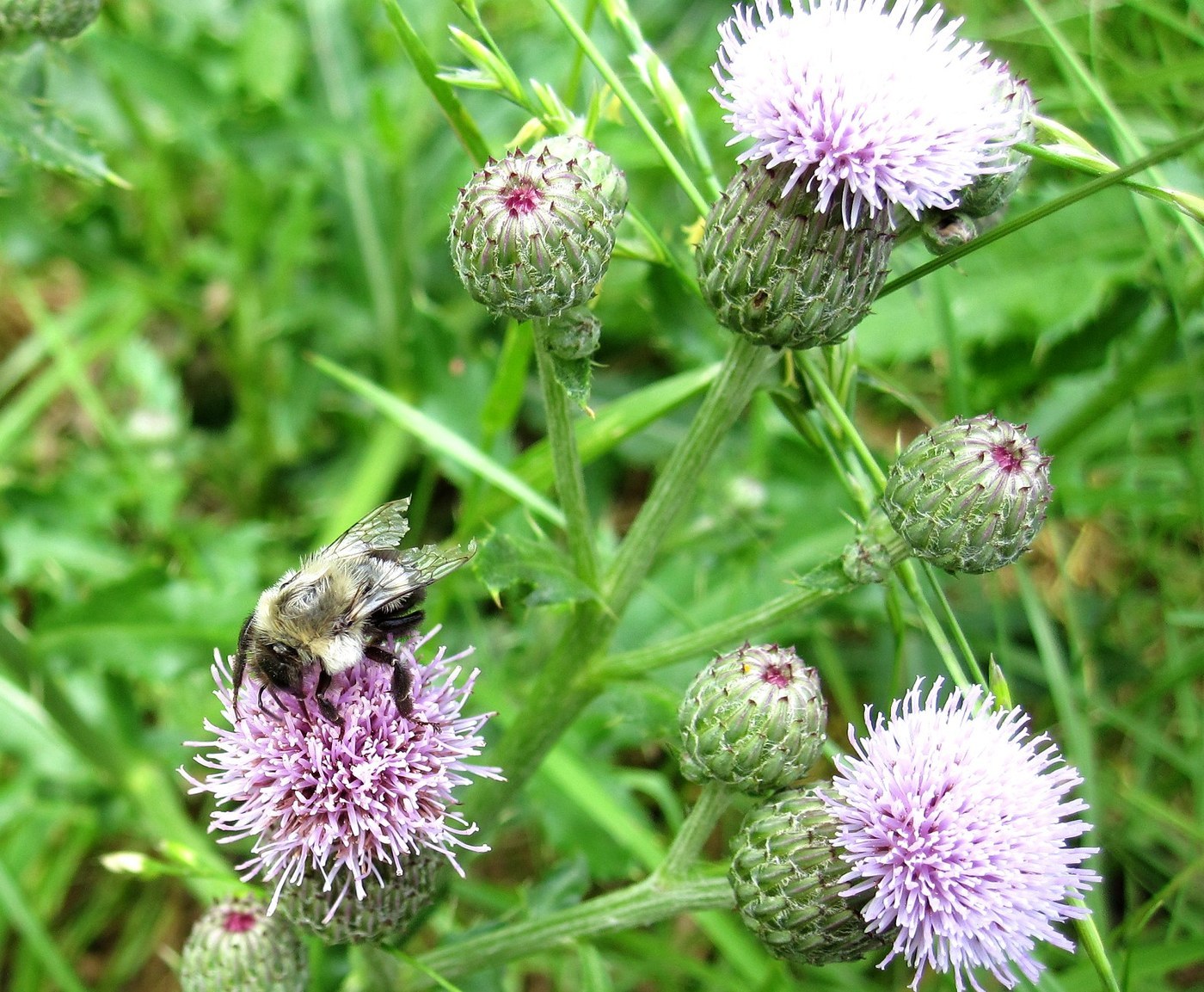
Bumblebee
Meadows, gardens, hedgerows, and open woodland edges