
Ichneumon Wasp
Ichneumon spp.
A slender, long-antennaed parasitoid wasp, often mistaken for a giant mosquito or a stinging insect, that is best known for the extraordinarily long ovipositor some species use to drill into wood and lay eggs on hidden larvae.
- Size
- 10–40 mm (body plus ovipositor varies widely)
- Habitat
- Woodlands, meadows, and gardens wherever host insects are present
- Danger
- Harmless
Spotted a bug like this?
Identify any bug or insect from a photo, free.
Overview
Ichneumon wasps make up the family Ichneumonidae, among the most species-rich families in the entire animal kingdom, with tens of thousands of described species and likely many more undescribed. They belong to the parasitoid wasp guild, alongside the related braconids, and their larvae develop by consuming a host insect from within or attached to its body.
The family's diversity is matched by its variety of forms, from tiny delicate species barely visible to the naked eye to large, dramatic species like the giant ichneumon (Megarhyssa), whose females possess ovipositors several times the length of their body used to reach wood-boring beetle and horntail larvae deep inside tree trunks.
Ecologically, ichneumon wasps are major regulators of other insect populations, particularly moths, butterflies, beetles, and sawflies, making them an important if largely invisible part of forest and garden food webs.
How to Identify
- Slender, elongated body with a narrow waist and long legs, often resembling a large, delicate wasp or overgrown mosquito-like insect.
- Long, thread-like antennae, typically with many more segments than most other wasps, often held forward and constantly moving.
- Females of many species bear a long, needle-like ovipositor extending from the tip of the abdomen, sometimes many times body length in wood-boring specialists.
- Wings are clear or lightly smoky with a relatively complete, complex network of veins.
- Lookalikes: braconid wasps are generally smaller with simpler wing venation; the ovipositor is often mistaken for a stinger, but it functions for egg-laying, not defense.
Habitat & Range
Ichneumon wasps occur nearly worldwide, from tropical forests to temperate woodlands and gardens, wherever suitable host insects are found. Many species specialize on hosts living in dead or dying wood, leaf litter, or plant stems, so ichneumons are especially common around forests, hedgerows, and mature gardens. Adults are active from spring through fall in temperate climates, with peak activity often timed to host insect life stages.
Behavior & Diet
Females locate host insects, frequently the larvae of moths, beetles, sawflies, or other wasps, using scent and vibration cues, sometimes detecting hosts hidden deep in wood. The ovipositor is used to lay one or more eggs on or inside the host, and the developing wasp larva consumes the host as it grows. Adults typically feed on nectar or honeydew. Ichneumon wasps do not defend a nest and are not known to be aggressive toward people.
Life Cycle
After an egg is laid on or in a host, the larva feeds on the host's tissues, eventually killing it, then pupates either within the host remains or in a nearby cocoon. Development follows complete metamorphosis, and the number of generations per year varies widely by species and host availability. Overwintering commonly occurs as a larva or pupa inside the host or its shelter.
Frequently asked questions
Can an ichneumon wasp sting me?
The long appendage on the female is an ovipositor for laying eggs into hosts, not a defensive stinger, and these wasps are not known to sting people.
Why does this wasp have such a long tail?
In species like the giant ichneumon, the long ovipositor is used to drill through wood and reach beetle or horntail larvae tunneling deep inside a tree.
What do ichneumon wasps eat?
Larvae develop by feeding on a parasitized host insect, while adults typically feed on nectar or honeydew.
How many kinds of ichneumon wasps are there?
The family Ichneumonidae includes tens of thousands of described species, making it one of the most diverse animal families known.
Ichneumon Wasp guides
In-depth guides for identifying, understanding, and living alongside Ichneumon Wasp.
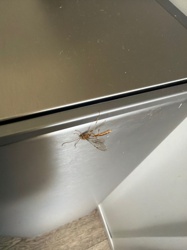
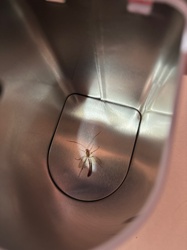
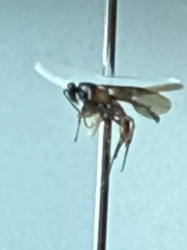
Ichneumon Wasp identified by the community
Real finds identified with Bug Identifier.
Other bugs you may enjoy
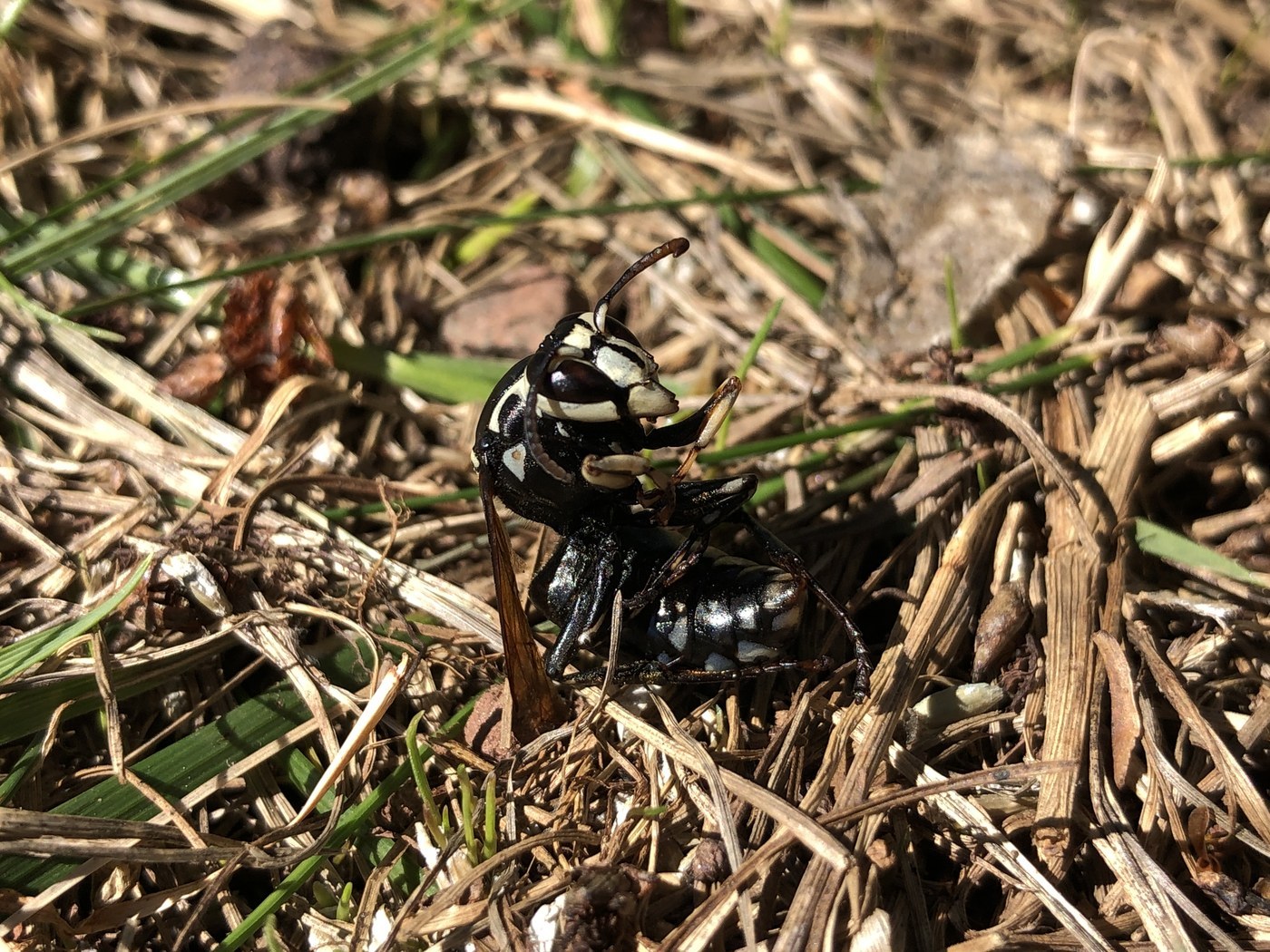
Bald-faced Hornet
Woodland edges, shrubs, and tree branches across North America
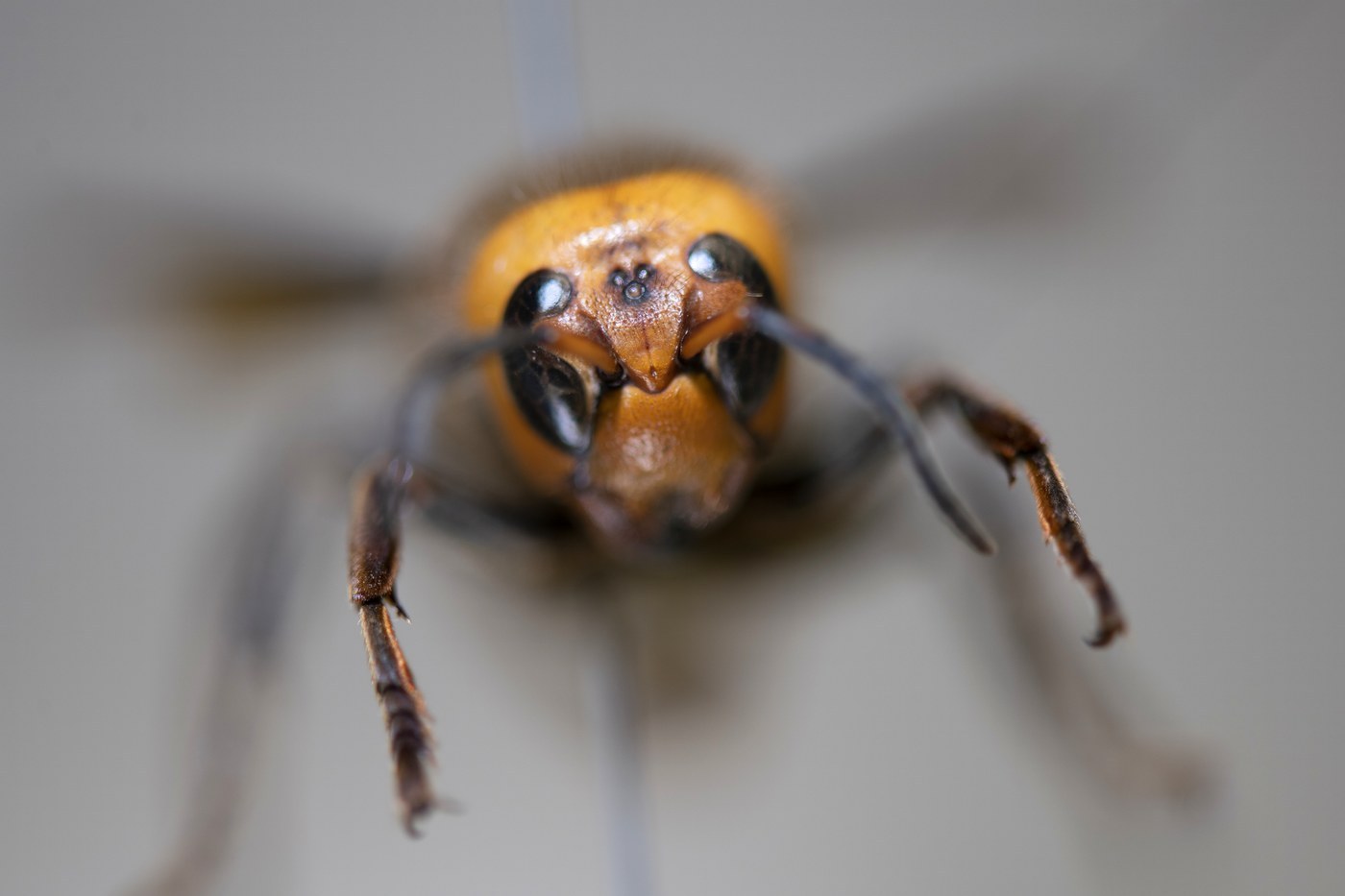
Asian Giant Hornet
Forested lowlands and mountains of East and South Asia; low tree hollows
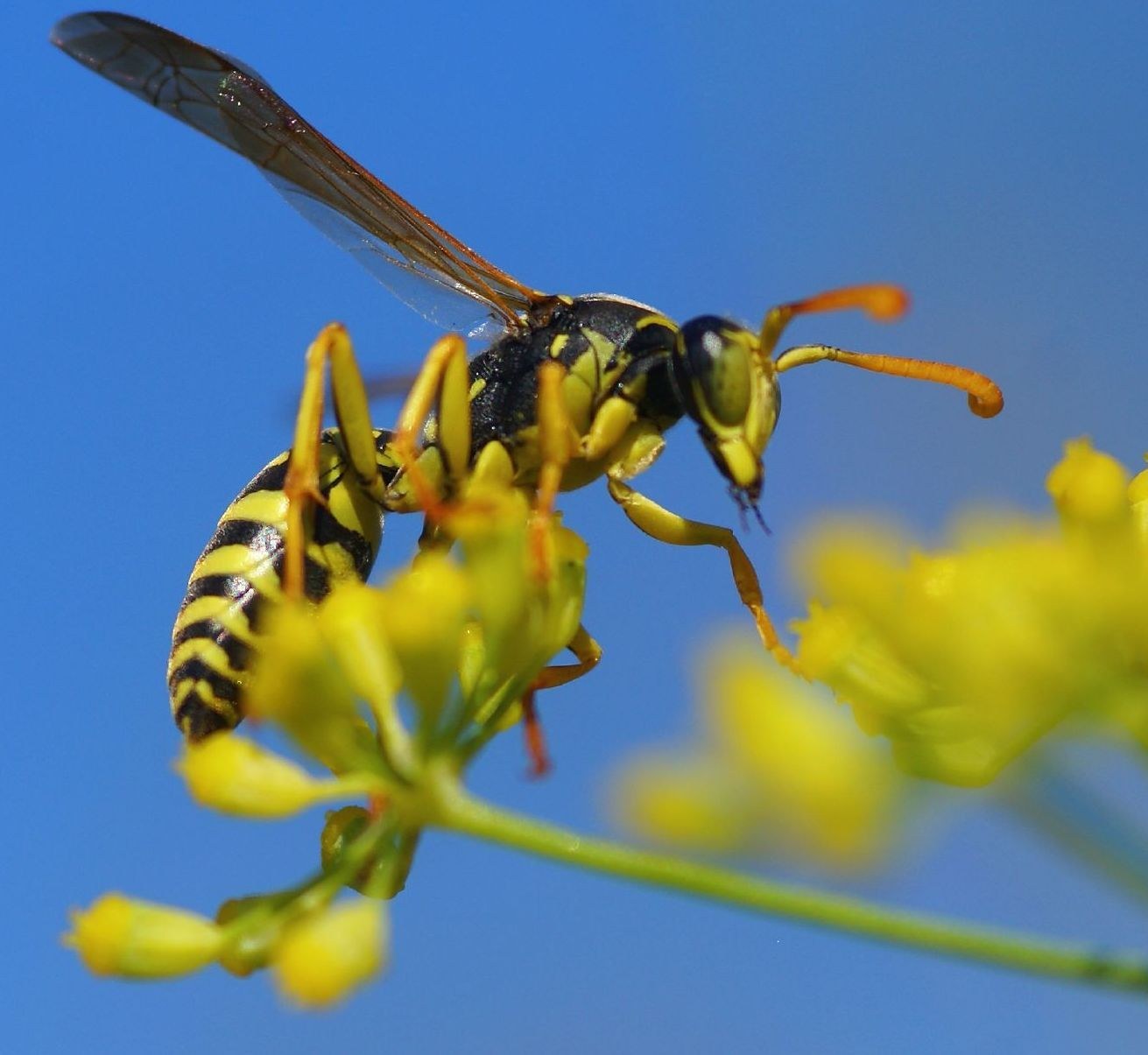
Yellowjacket
Underground nests, wall voids, gardens, picnic areas
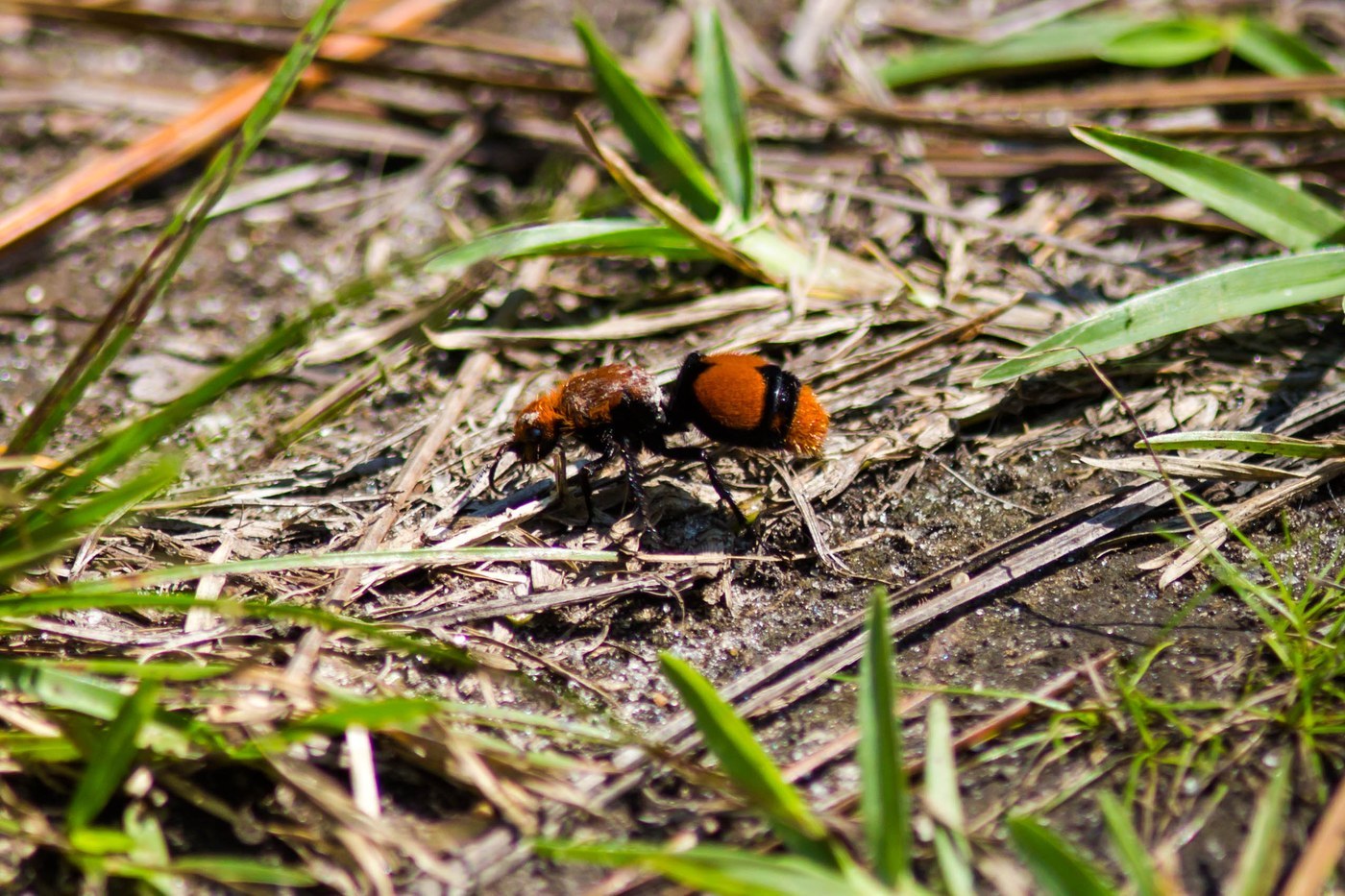
Velvet Ant
Sandy soils, open fields, dunes, roadsides in warm regions
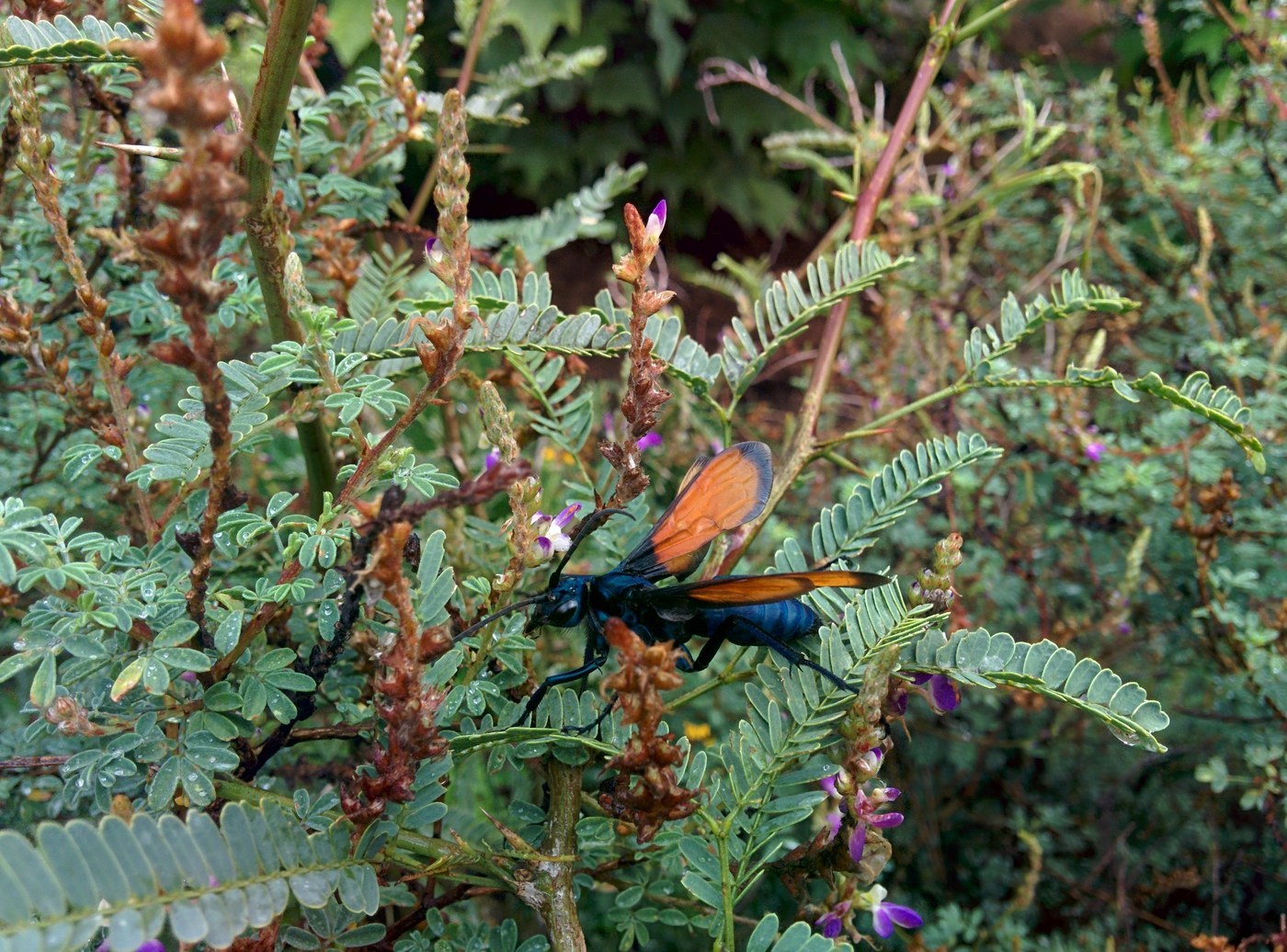
Tarantula Hawk
Deserts, arid scrublands, and dry grasslands
Tarantula Hawk Wasp
Deserts, grasslands, and scrub of the Americas
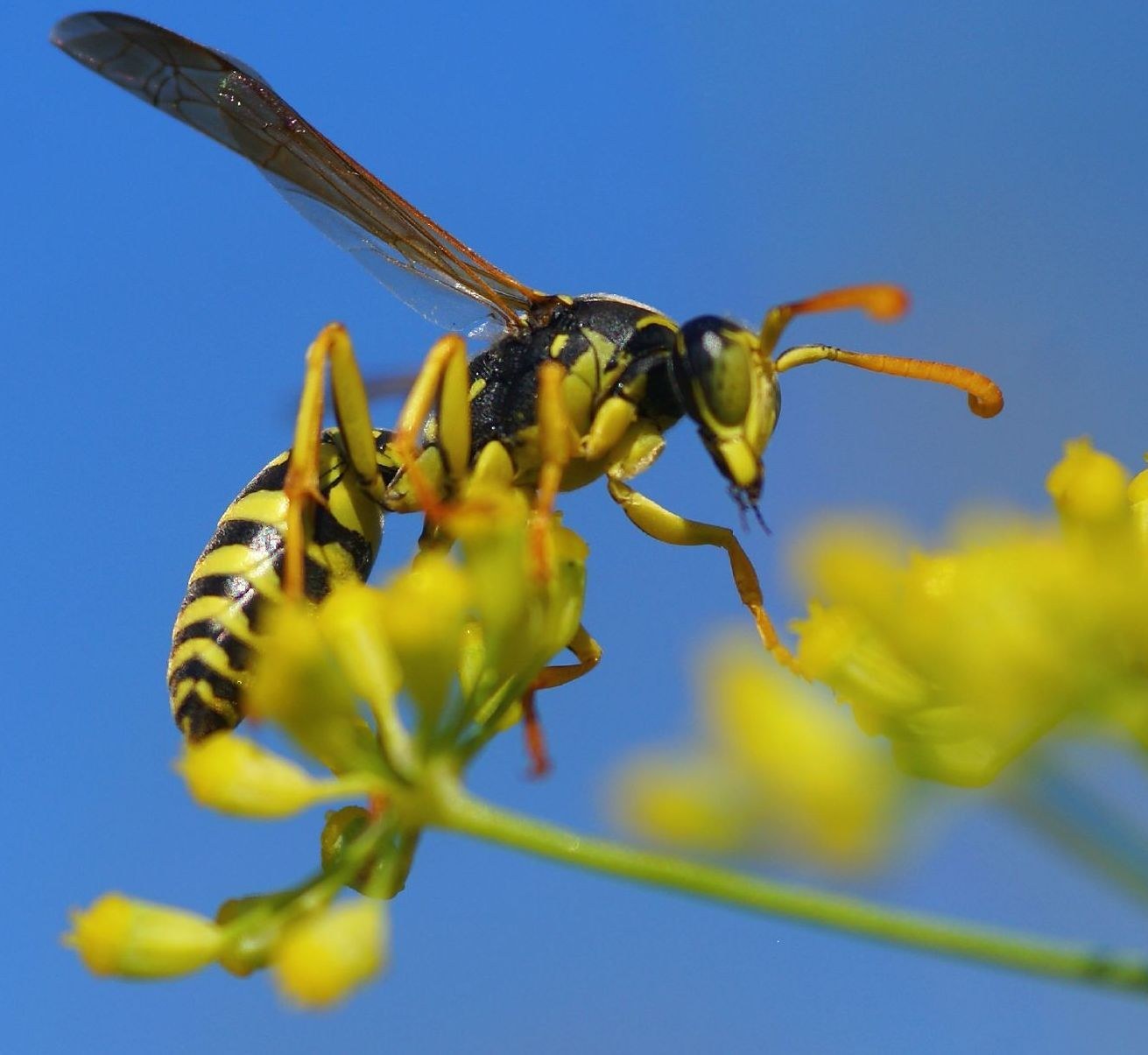
Wasp
Gardens, woodlands, eaves, and urban areas worldwide
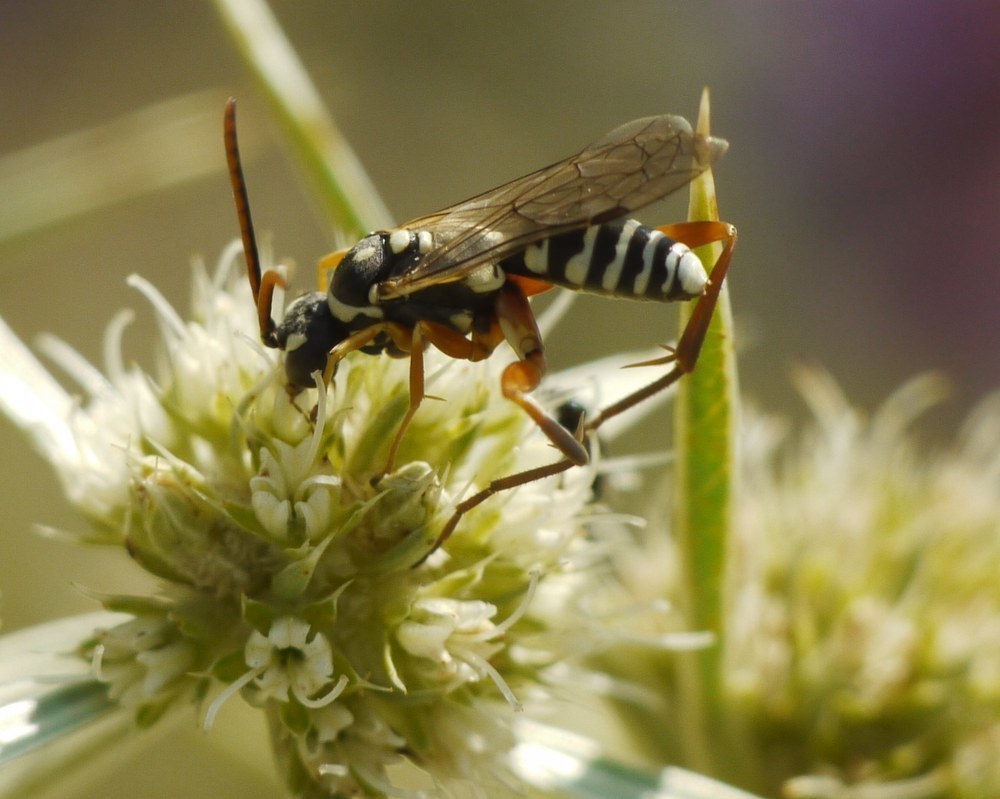
Spider Wasp
Gardens, grasslands, and sandy open areas worldwide
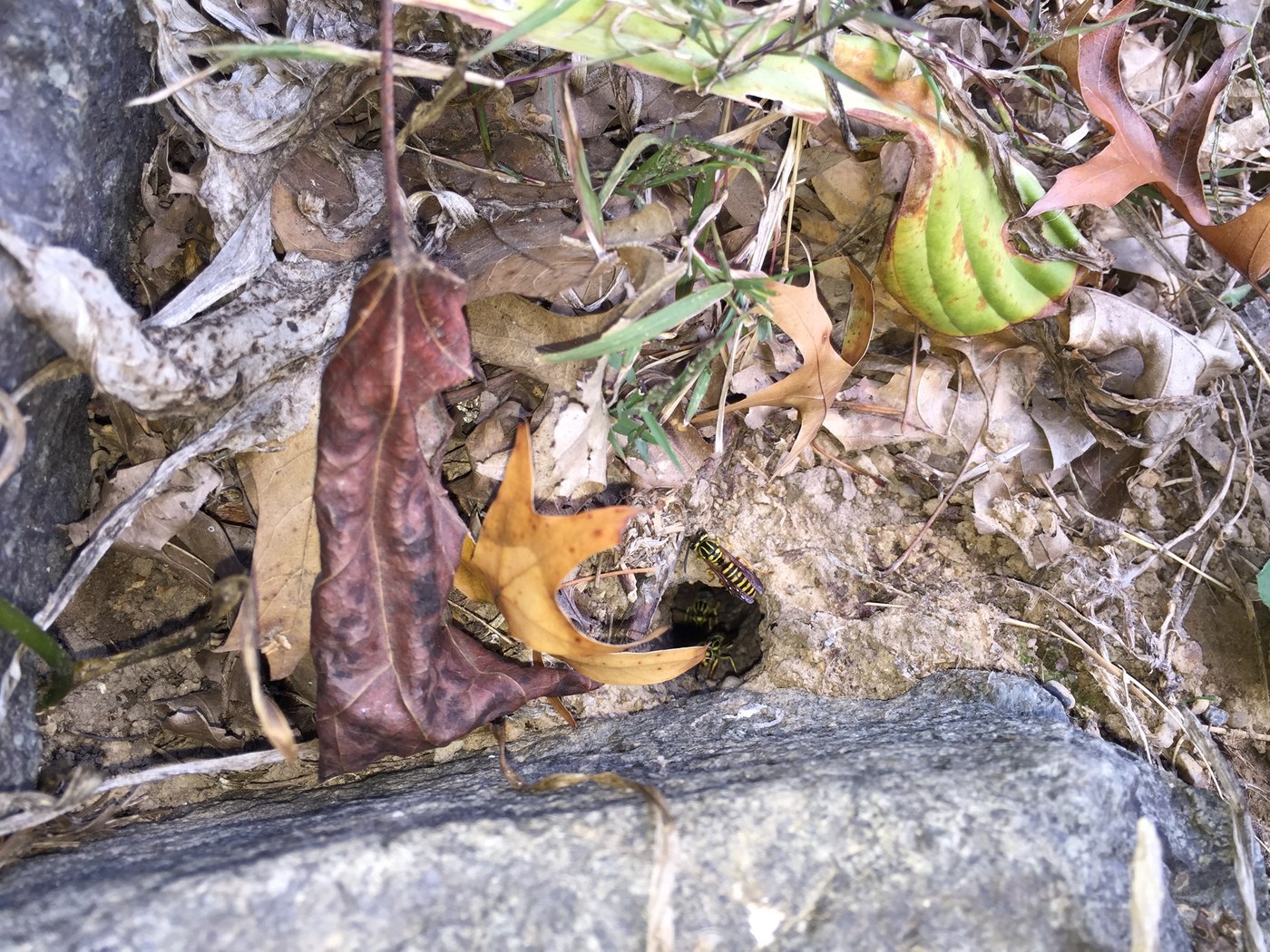
Yellow Jacket
Ground nests, wall voids, parks, and areas near food sources
Sawfly
Gardens, woodlands, and orchards on host foliage
Red Paper Wasp
Eaves, porch ceilings, sheds, open woodland edges, gardens
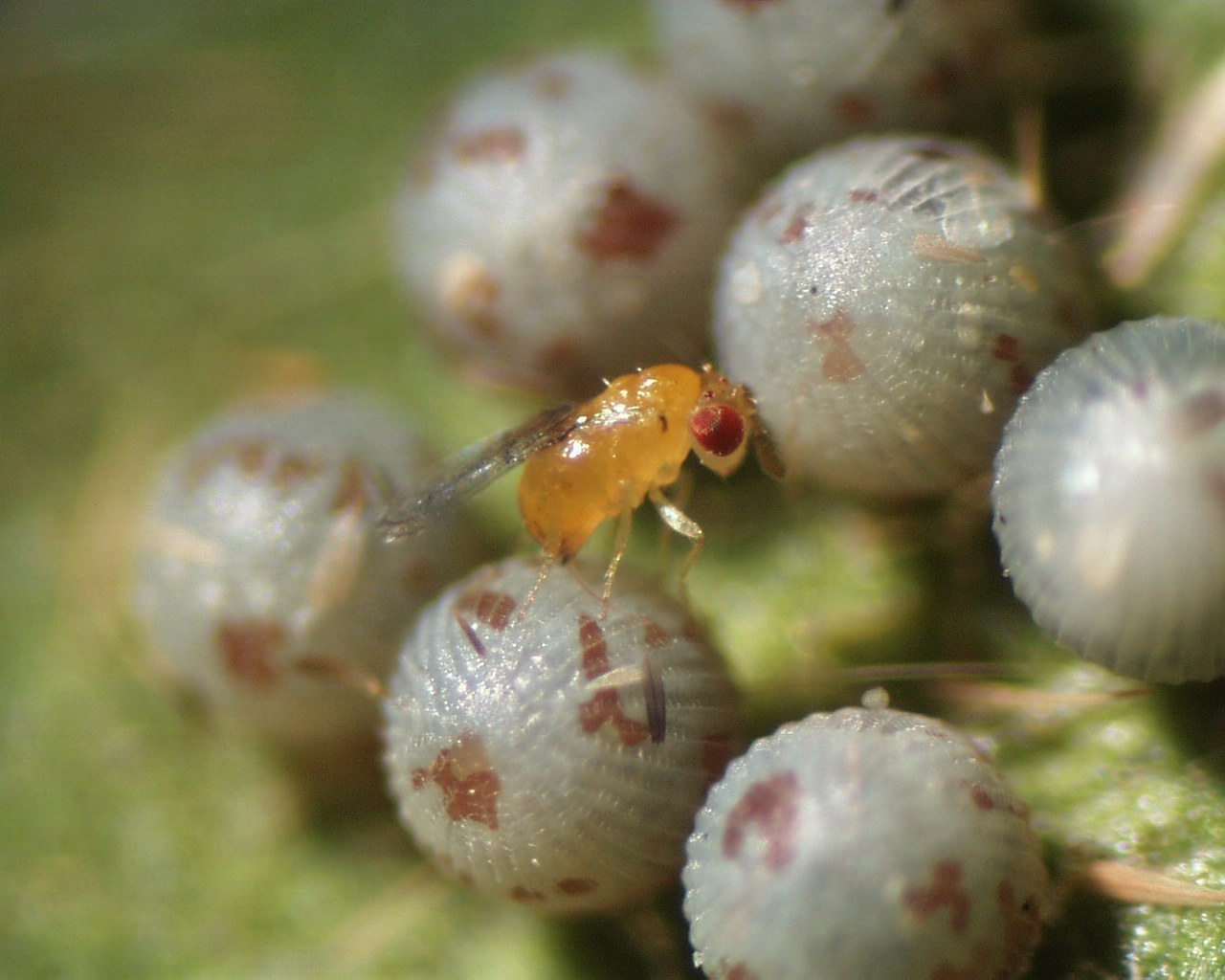
Trichogramma Wasp
Fields, gardens, and crops worldwide