
Bug Encyclopedia
Search and identify bugs & insects — beetles, butterflies, moths, ants, bees, spiders and more — with size, habitat, danger, behavior, and how to tell them apart.
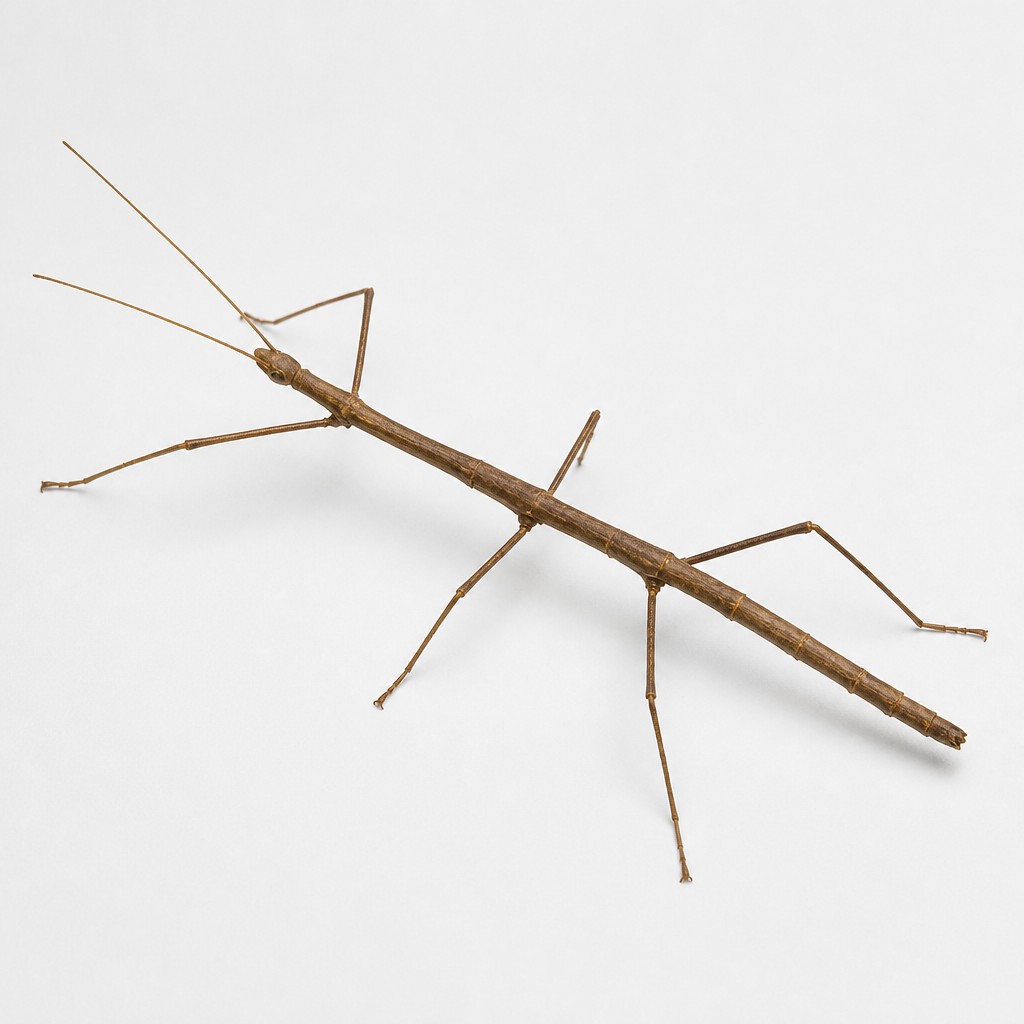
Walking Stick Insect
A master of disguise that has evolved to look almost exactly like a twig, bark or leaf, remaining motionless for hours to avoid the notice of hungry birds and lizards.
mantis-stick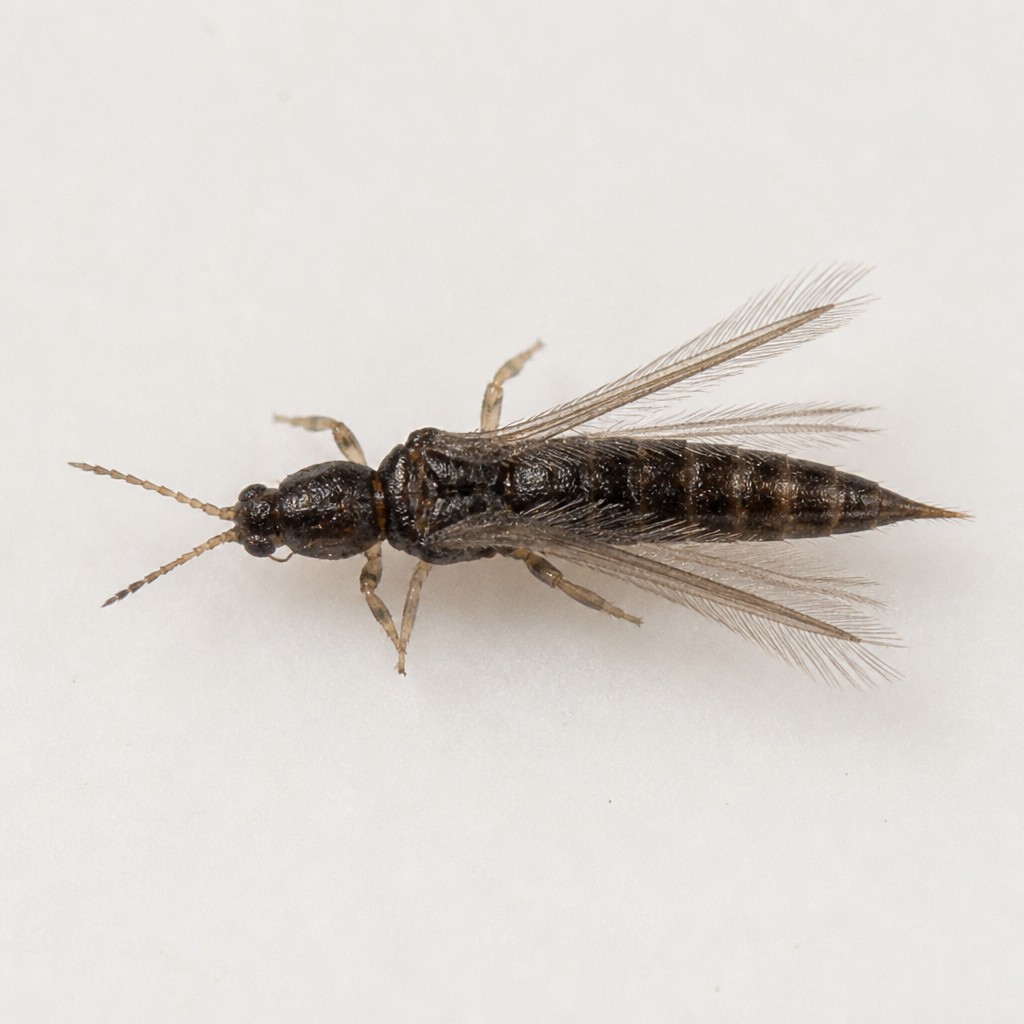
Thrips
A minuscule, slender insect with fringed, feather-like wings, often noticed only as a fast-moving dark speck darting across a flower petal or windowsill.
other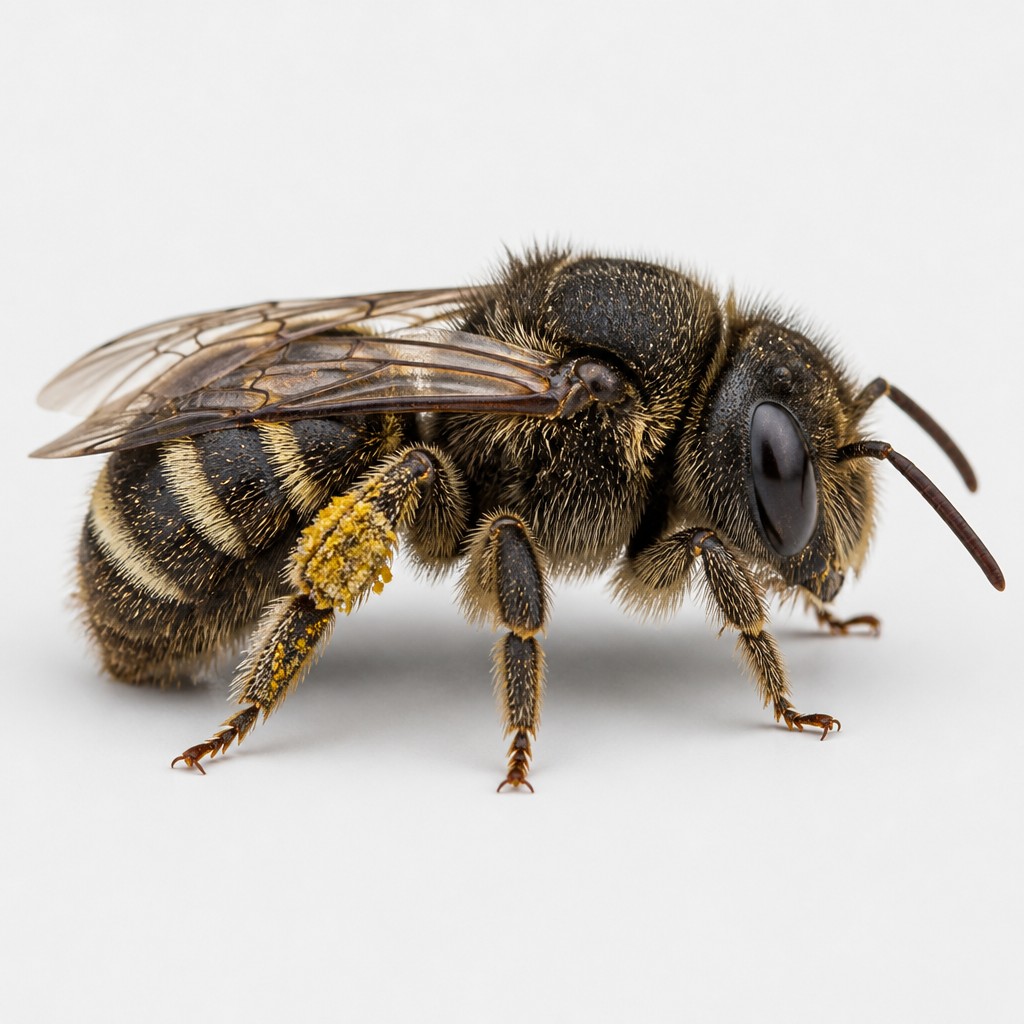
Leafcutter Bee
A stout, dark-bodied bee best known not for how it looks but for the neat, circular or oval notches it cuts from leaves, which it uses to line and seal its nest cells.
bee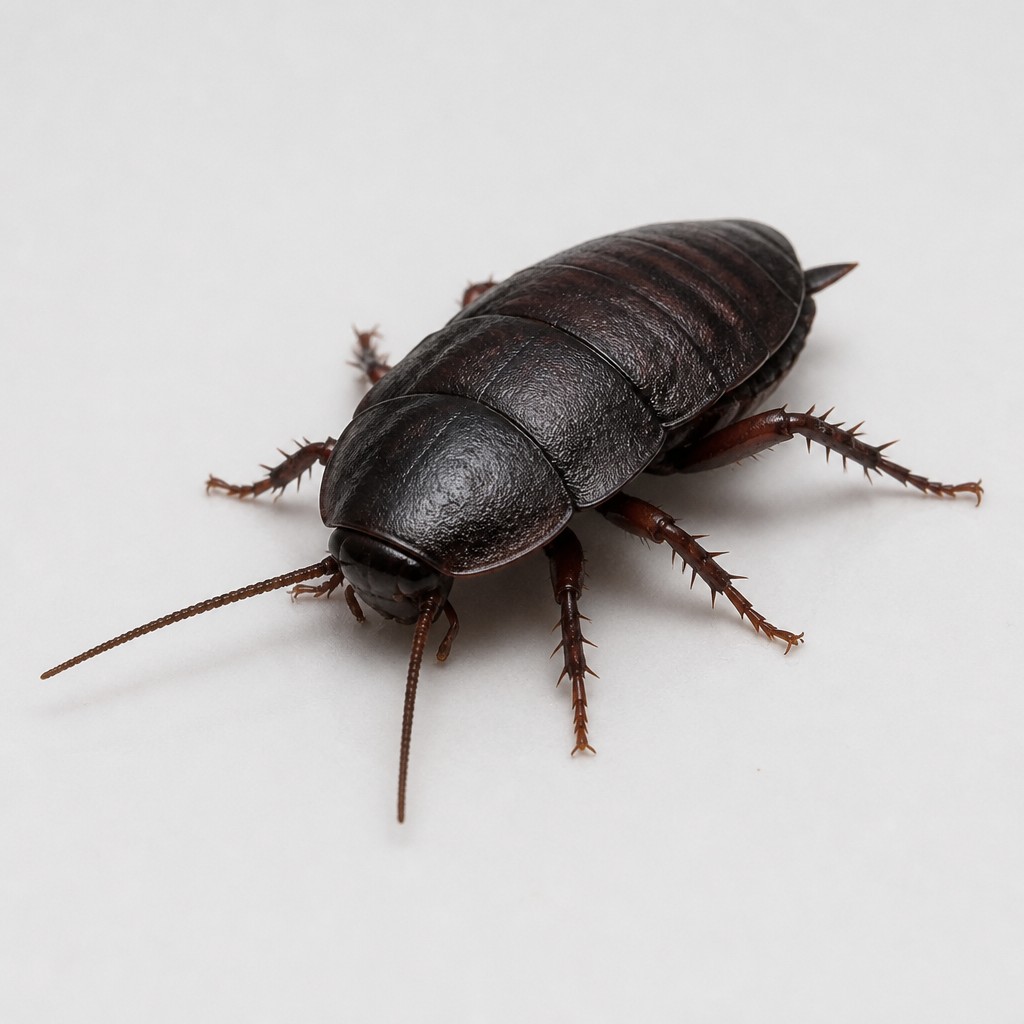
Oriental Cockroach
A dark, matte blackish-brown cockroach with short wings that do not cover the abdomen, especially in females, and a preference for cooler, damper hiding spots than most other common cockroaches.
other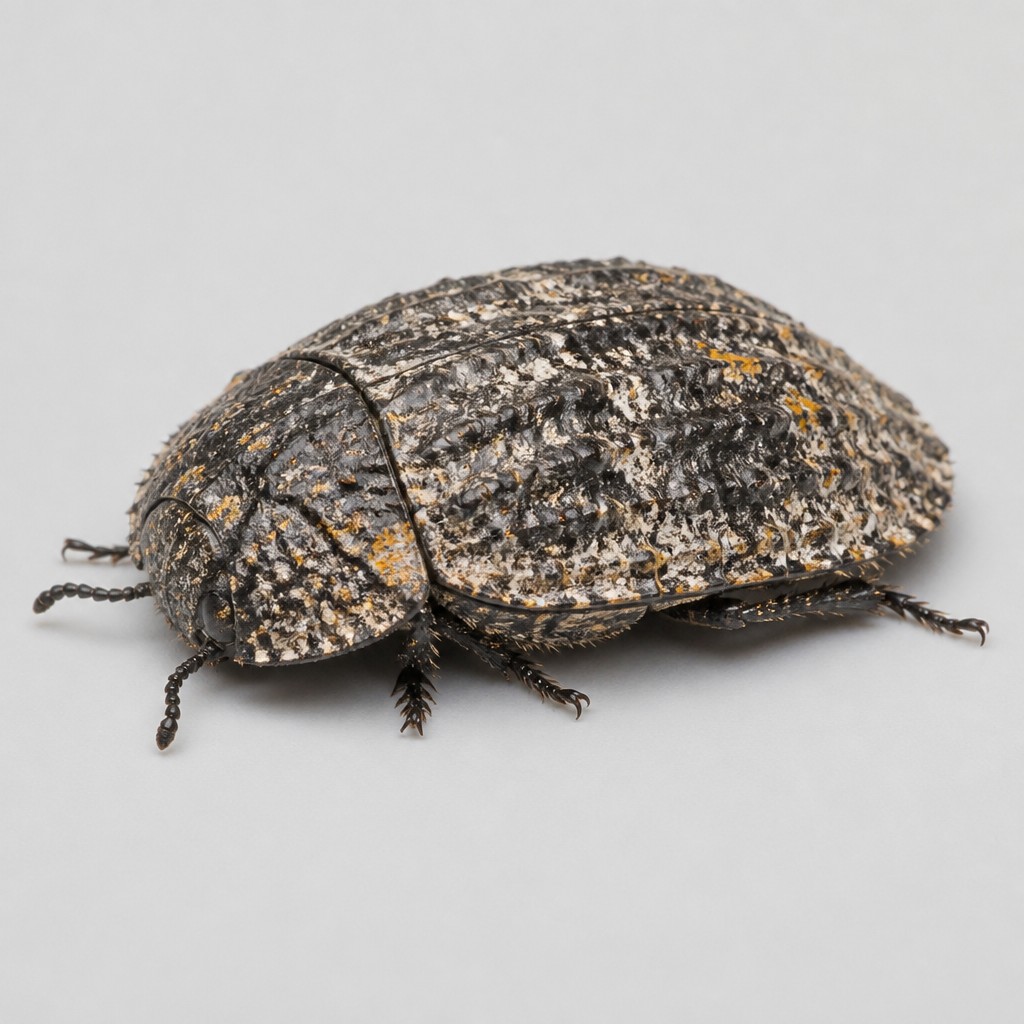
Ironclad Beetle
A slow-moving, mottled gray beetle famed for having one of the hardest, most crush-resistant exoskeletons of any insect, often found clinging motionless to dead wood or tree bark.
beetle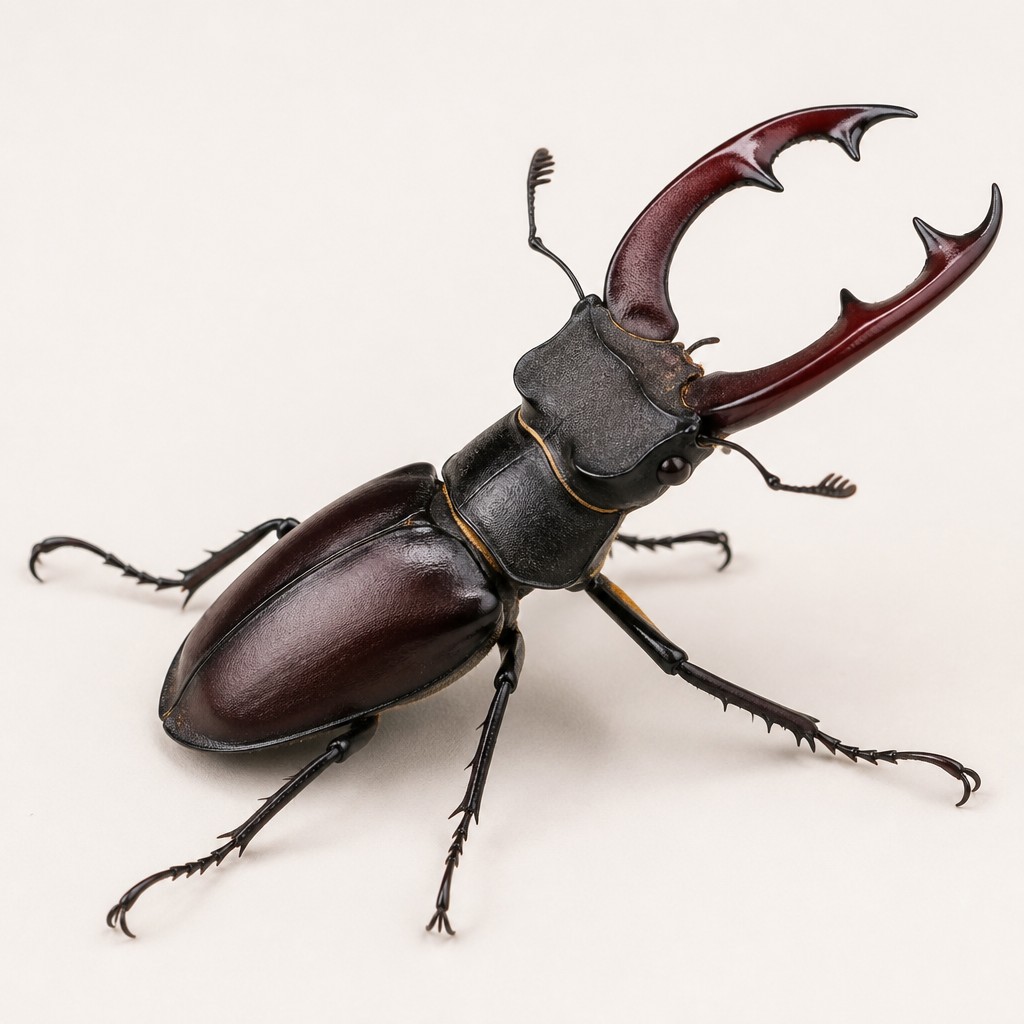
European Stag Beetle
Europe's largest beetle, a glossy dark brown insect in which males carry oversized antler-like mandibles used to wrestle rivals, resembling the antlers of a stag.
beetle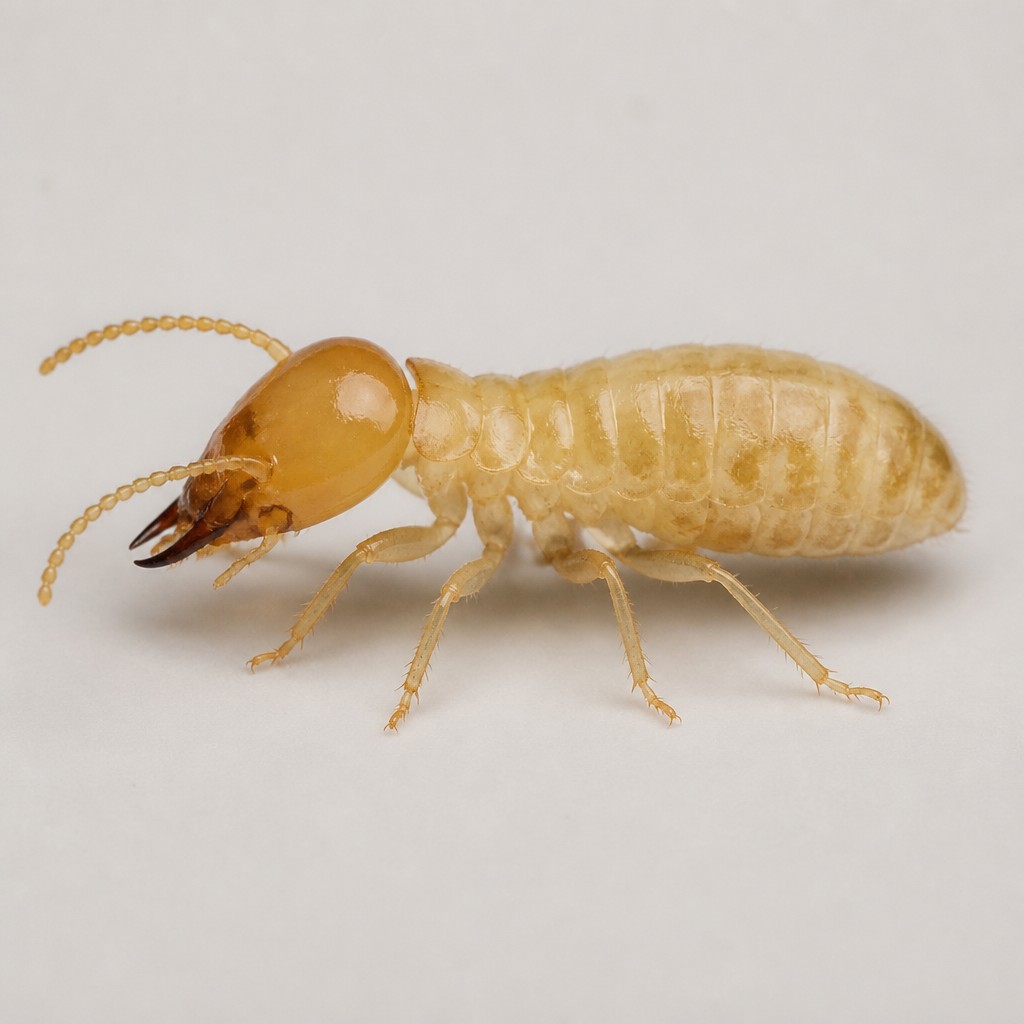
Termite
A pale, soft-bodied social insect that lives in hidden colonies and feeds on cellulose in wood and plant debris, often mistaken for an ant despite belonging to an entirely different insect order.
other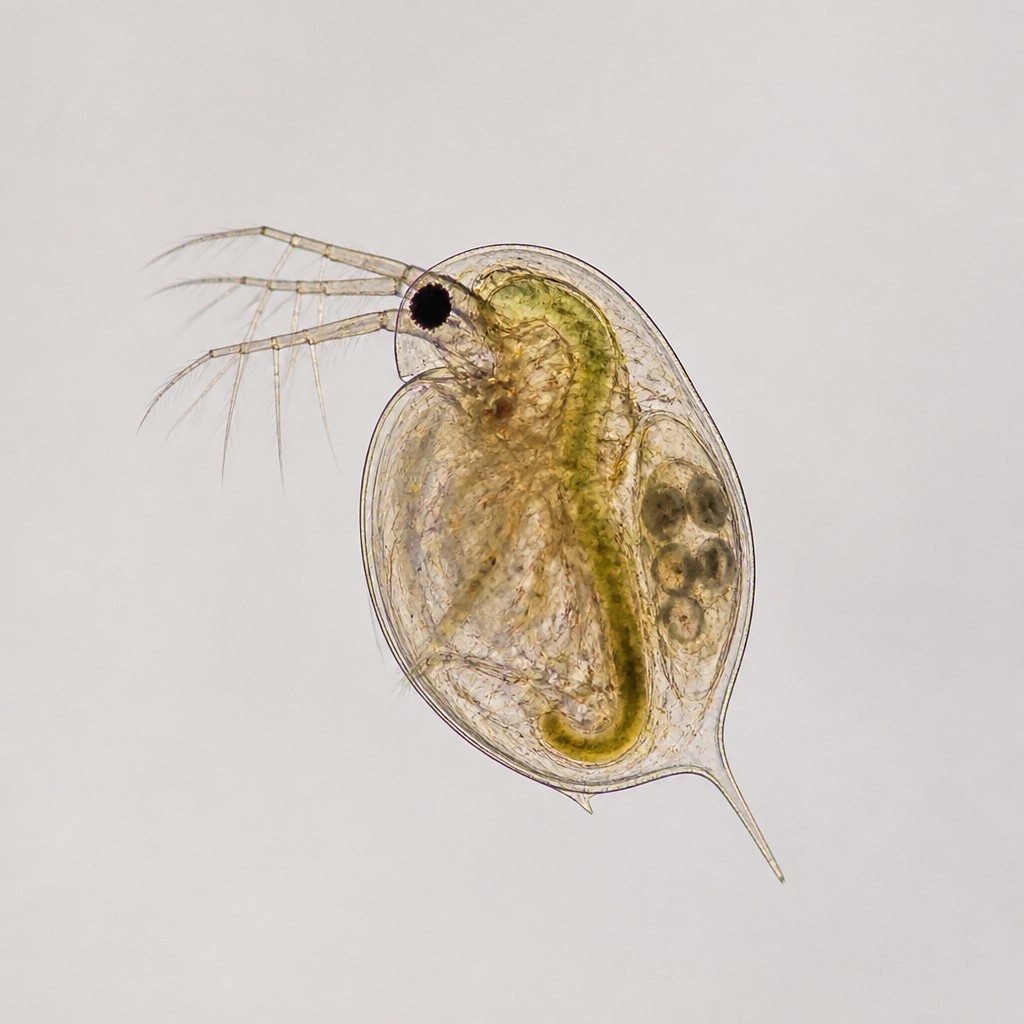
Water Flea
Despite the name, the water flea is not an insect at all but a tiny, jerky-swimming crustacean whose transparent body and single dark eye make it one of the most recognizable members of freshwater plankton.
other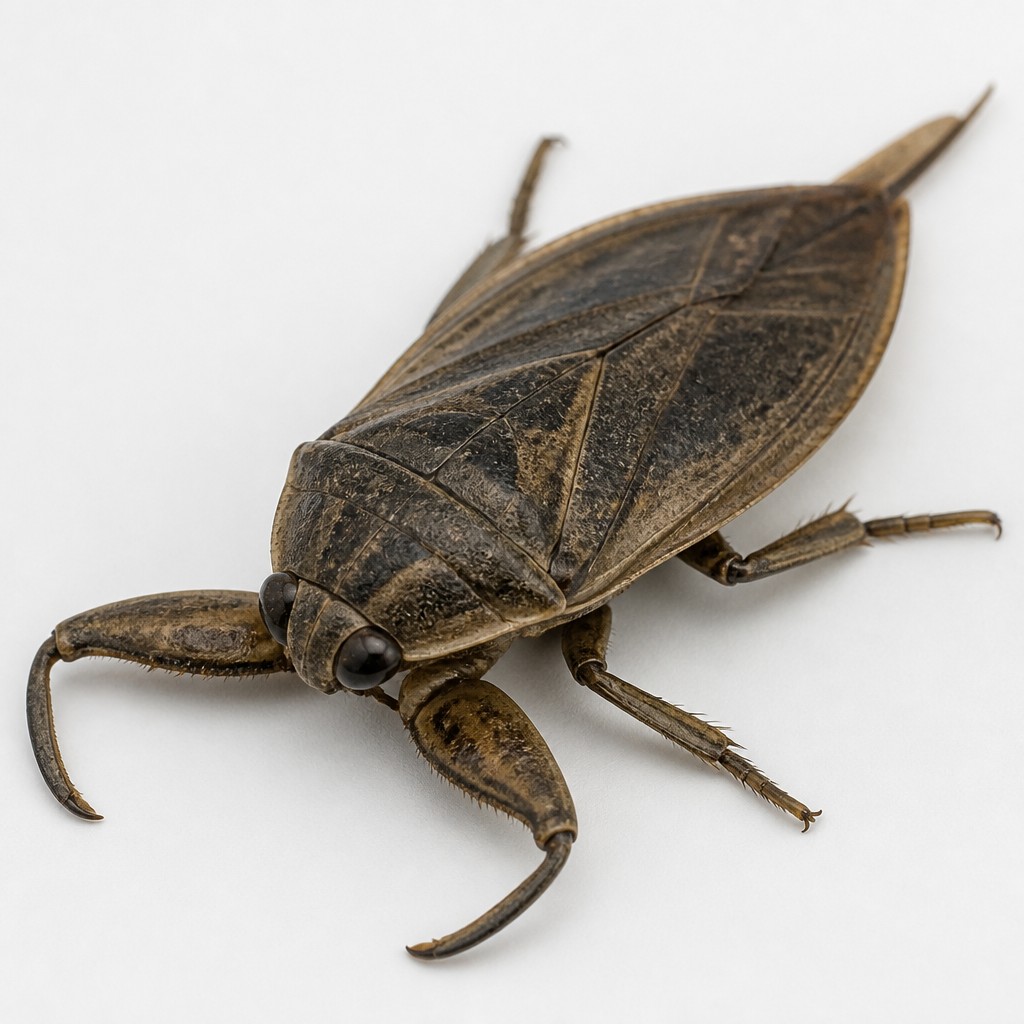
Giant Water Bug
A massive, flattened oval true bug with powerful grasping front legs, the giant water bug is North America's largest aquatic insect and an ambush predator lurking just below the surface of still water.
aquatic-insect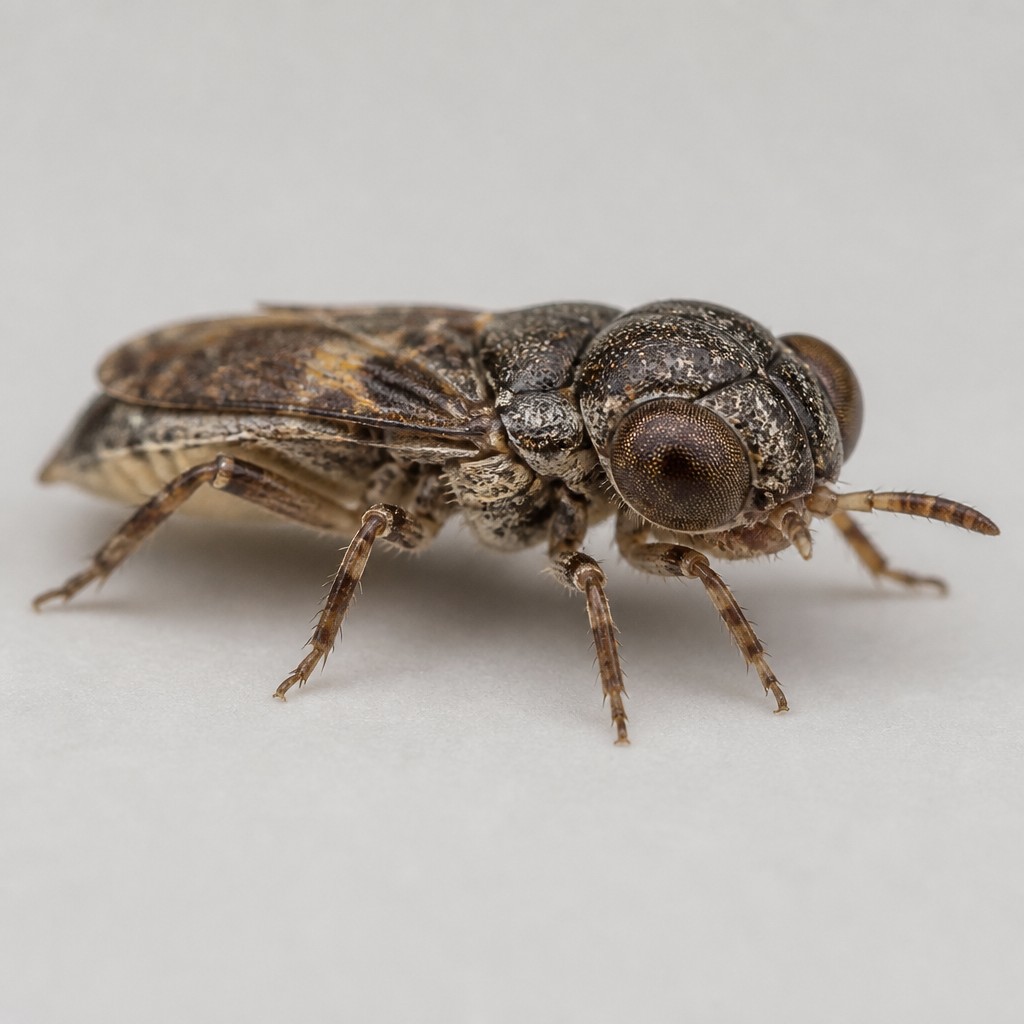
Big-Eyed Bug
A small, broad-headed true bug named for its noticeably large, bulging compound eyes, the big-eyed bug is a beneficial predator that patrols low vegetation and soil surfaces for small pest insects.
true-bug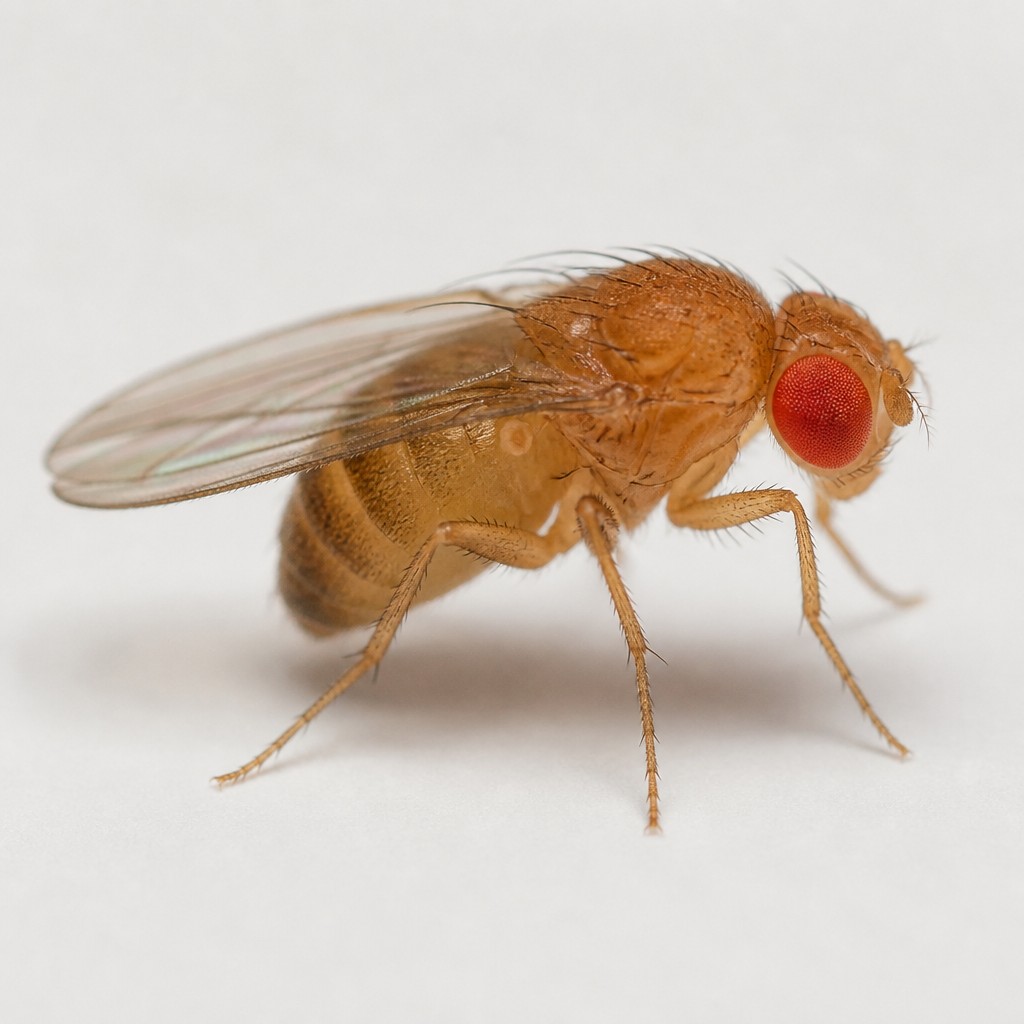
Vinegar Fly
A tiny tan fly with bright red eyes that seems to appear out of nowhere the moment a banana starts to spoil, drawn in by the smell of fermentation rather than the fruit itself. Few insects have contributed more to the science of genetics, making this unassuming kitchen visitor one of the most studied animals on Earth.
fly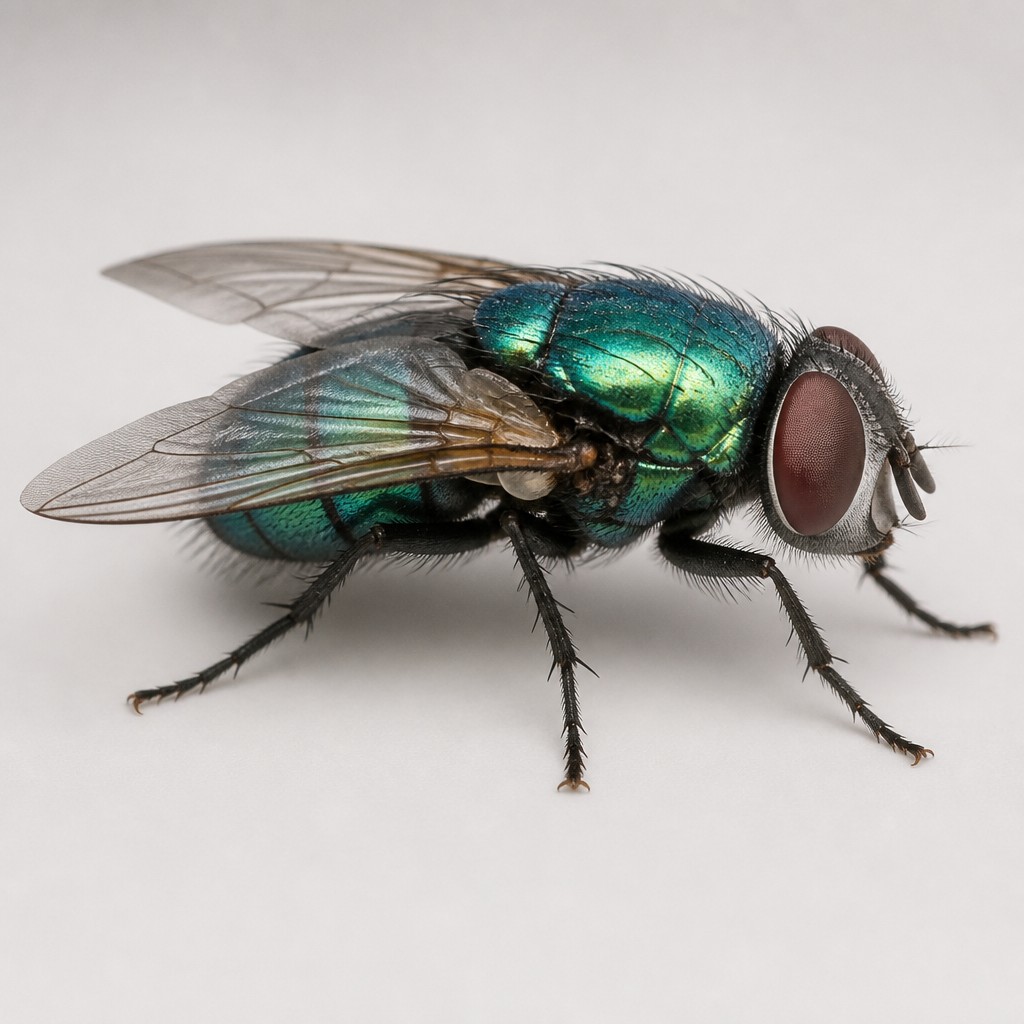
Screwworm Fly
A metallic blue-green blowfly whose larvae are unusual among maggots for feeding on living tissue rather than carrion, drawn to even small open wounds on warm-blooded animals. The species has been the target of one of the most successful large-scale insect eradication campaigns in history across much of North America.
fly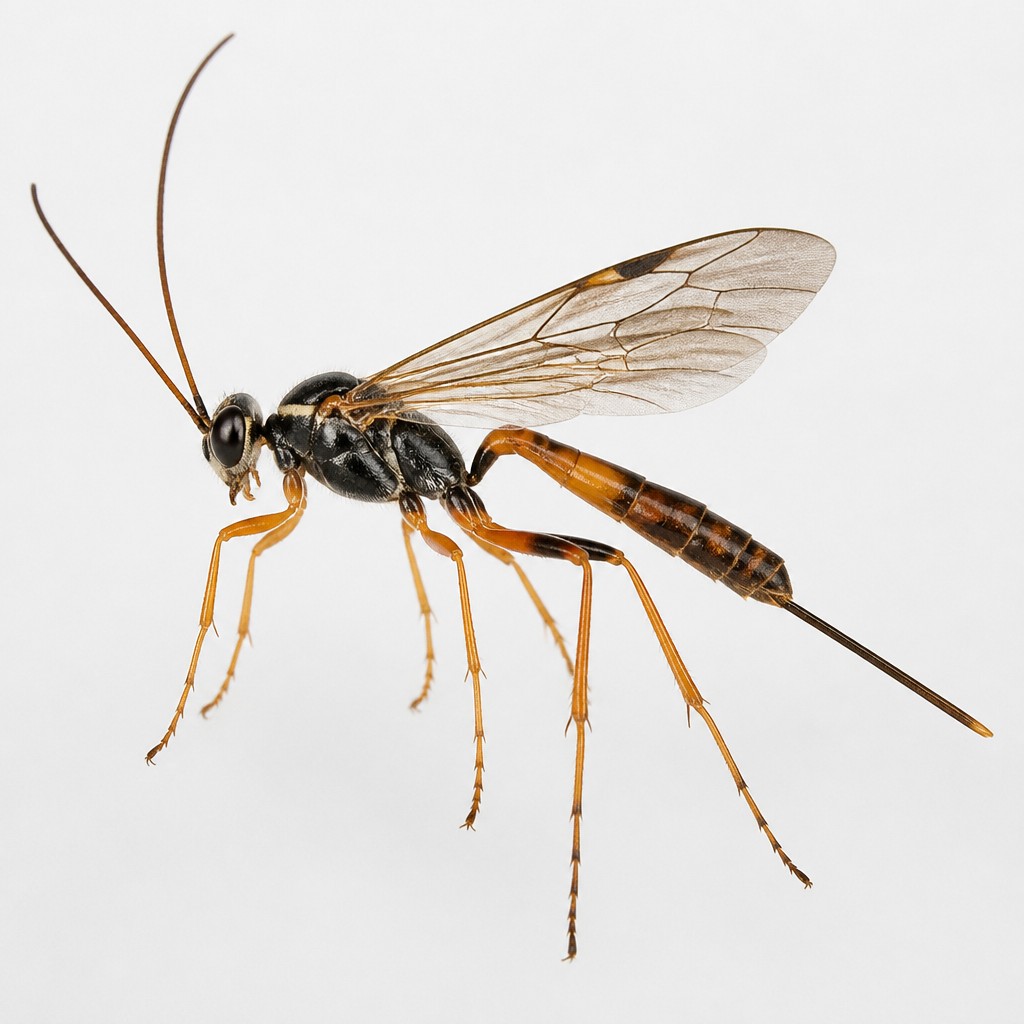
Ichneumon Wasp
A slender, long-antennaed parasitoid wasp, often mistaken for a giant mosquito or a stinging insect, that is best known for the extraordinarily long ovipositor some species use to drill into wood and lay eggs on hidden larvae.
wasp