
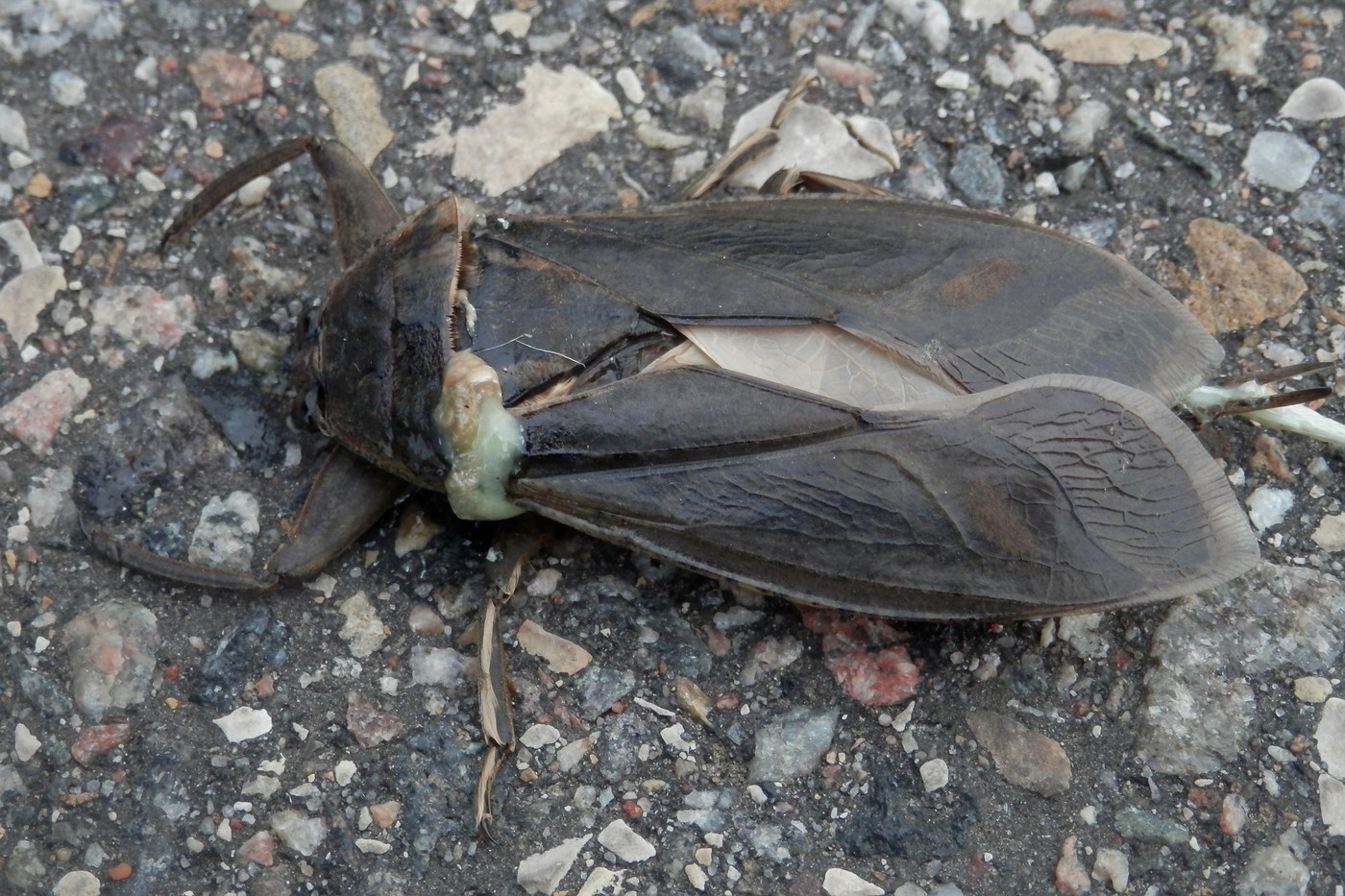
Giant Water Bug
Lethocerus americanus
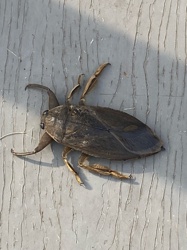
A massive, flattened oval true bug with powerful grasping front legs, the giant water bug is North America's largest aquatic insect and an ambush predator lurking just below the surface of still water.
- Size
- 2–2.6 in (50–65 mm)
- Habitat
- Ponds, slow streams, marshes with dense vegetation
- Danger
- Bites
Spotted a bug like this?
Identify any bug or insect from a photo, free.
Overview
The giant water bug belongs to the family Belostomatidae within the order Hemiptera (true bugs), making it a close relative of stink bugs and cicadas despite its fully aquatic lifestyle. Lethocerus americanus is the largest true bug in North America, with adults commonly reaching around 5 to 6.5 cm in length, and its sheer size combined with a leathery brown body often causes people to mistake it for a cockroach or beetle.
These insects are notable for being formidable predators in freshwater food webs, capable of subduing prey many times their own size, including small fish, tadpoles, and other aquatic invertebrates. They are also famous for periodically leaving the water and flying to bright lights at night, which is how they earned the nickname "electric light bug."
Giant water bugs occupy an important niche as top invertebrate predators in ponds and slow-moving freshwater habitats, helping regulate populations of smaller aquatic organisms.
How to Identify
- Large, flattened, oval-shaped body ranging from grayish-brown to dark brown, blending in with submerged debris.
- Front legs are thick, raptorial (grasping), and folded like a praying mantis's, used to seize prey; the rear two pairs of legs are flattened and fringed for swimming.
- A short, stout, piercing-sucking beak (rostrum) is tucked beneath the head.
- Two small breathing tubes (siphons) extend from the tip of the abdomen and are used to draw air from the surface while submerged.
- Wings are present and fully functional, allowing flight to new water bodies or toward artificial lights.
- Lookalikes include cockroaches (which lack raptorial front legs and grasping claws) and other true bugs such as backswimmers, which are much smaller and swim upside down.
Habitat & Range
Giant water bugs live in still or slow-moving freshwater habitats such as ponds, marshes, ditches, and the calm edges of streams, usually among submerged plants that offer cover for ambush hunting. They occur widely across North America and are active from spring through fall, becoming most conspicuous during warm summer nights when adults take short dispersal flights. They overwinter as adults, often burrowed into mud or leaf litter near the water's edge.
Behavior & Diet
An ambush predator, the giant water bug remains motionless among vegetation or debris, gripping a submerged perch and waiting for prey to pass within reach of its grasping front legs. Once prey is seized, the bug injects digestive enzymes through its beak and consumes the liquefied contents, a feeding strategy shared with other true bugs. It breathes atmospheric air via its abdominal siphons, periodically rising to the surface. Male giant water bugs of this genus carry the female's eggs glued to their backs until hatching, a distinctive form of paternal care. When handled, it can bite in defense with its piercing mouthparts.
Life Cycle
Development is via incomplete metamorphosis (egg, nymph, adult, with no pupal stage). Females glue clusters of eggs onto the male's back (in Lethocerus) or onto emergent vegetation (in some other genera), and males carry and aerate the eggs until they hatch. Nymphs resemble smaller, wingless versions of adults and molt through several instars while hunting aquatic prey, gradually developing wing pads. There is typically one generation per year in temperate regions, with adults overwintering in mud or debris near water and emerging to breed the following spring.
Frequently asked questions
Is the giant water bug the same as a cockroach?
No. Despite a superficially similar oval brown body, it is a true bug (Hemiptera) with piercing mouthparts and raptorial grasping front legs, features cockroaches lack.
Why do giant water bugs show up near porch lights?
Adults periodically fly at night to disperse to new water bodies and are strongly attracted to artificial lighting, which is how they earned the nickname "electric light bug."
How big does a giant water bug get?
Adults typically range from about 2 to 2.6 inches (50–65 mm) long, making them the largest true bugs found in North America.
What does a giant water bug eat?
It is a predator of other aquatic animals, including insects, tadpoles, and small fish, which it grasps with its front legs and feeds on using its piercing beak.
Giant Water Bug guides
In-depth guides for identifying, understanding, and living alongside Giant Water Bug.
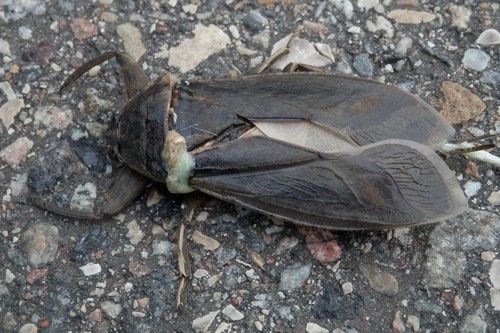
Giant Water Bug identified by the community
Real finds identified with Bug Identifier.
Other bugs you may enjoy
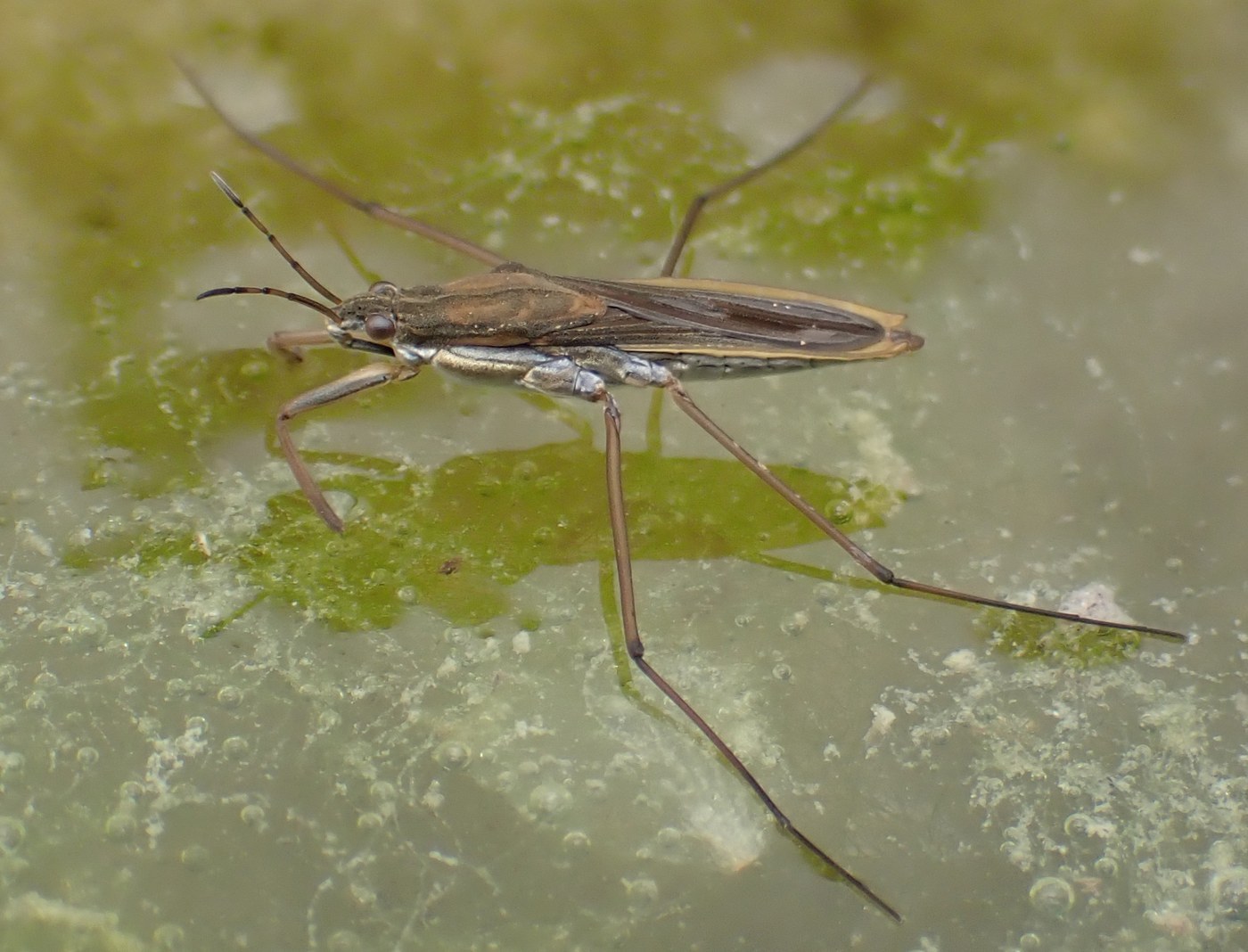
Water Strider
Still or slow-moving fresh water: ponds, lake edges, slow streams, puddles
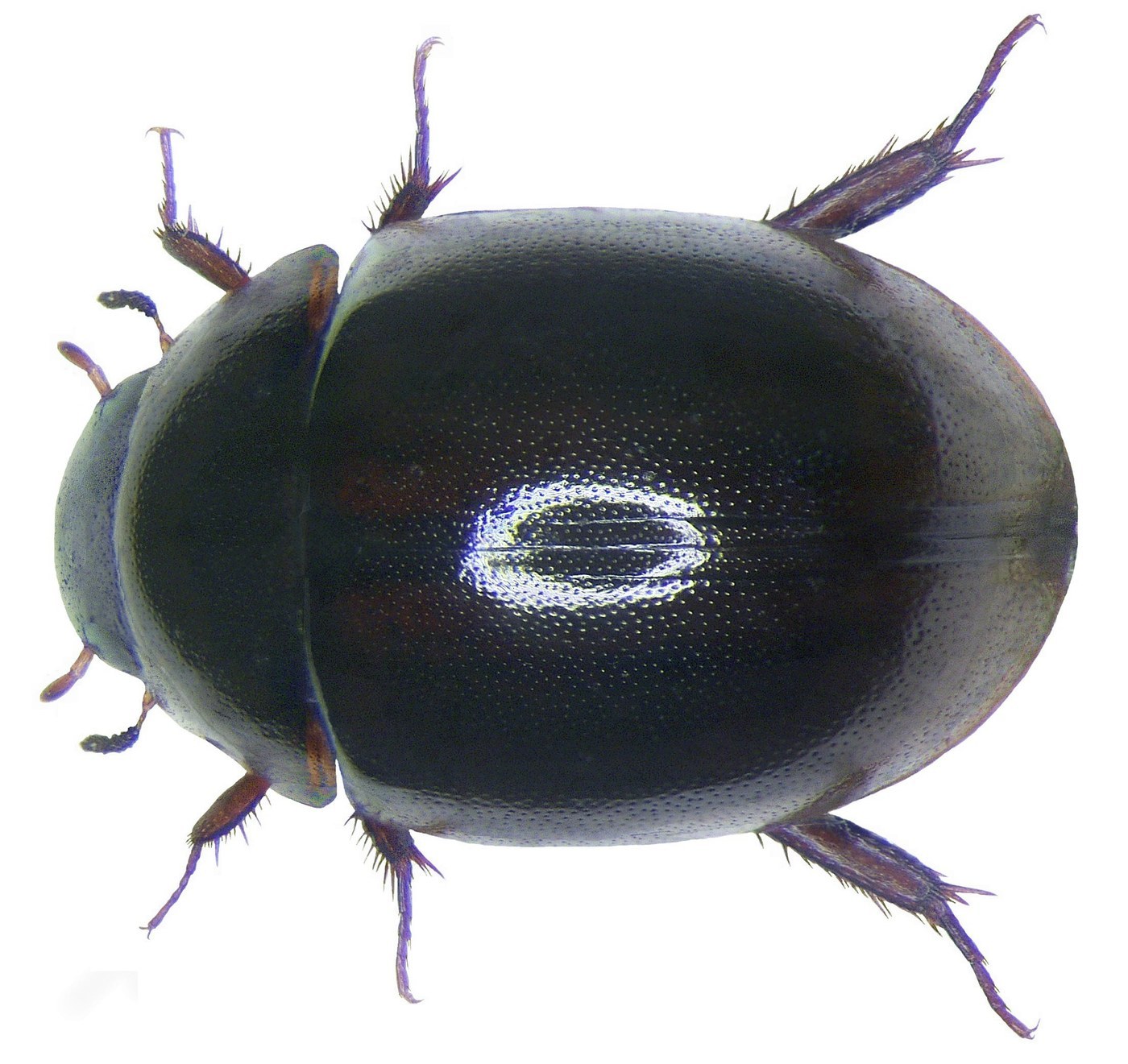
Water Beetle
Ponds, slow streams, marshes, still fresh water
Water Penny Beetle
Fast, rocky, well-oxygenated streams
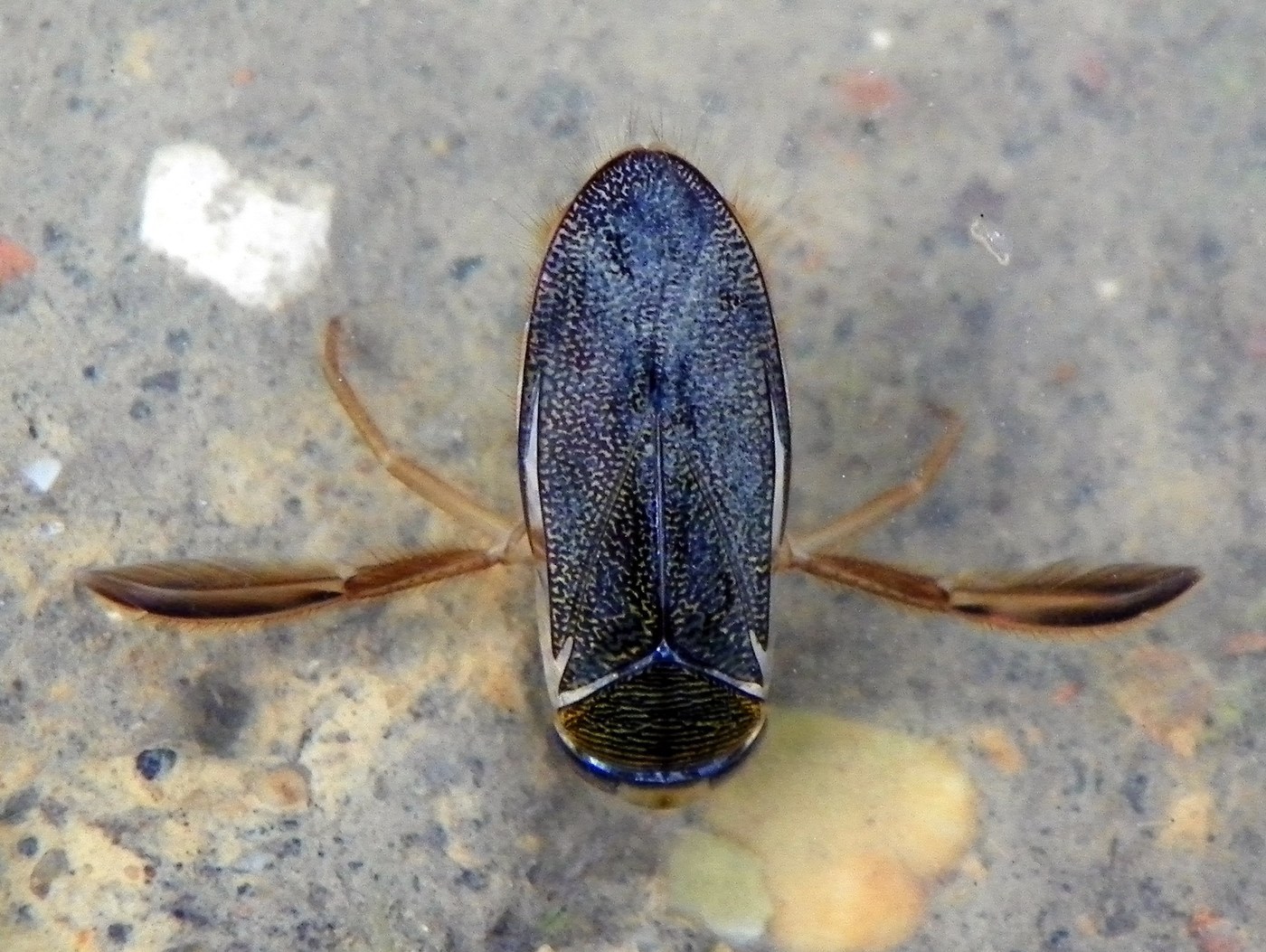
Water Boatman
Ponds, lakes, slow streams, freshwater with vegetation
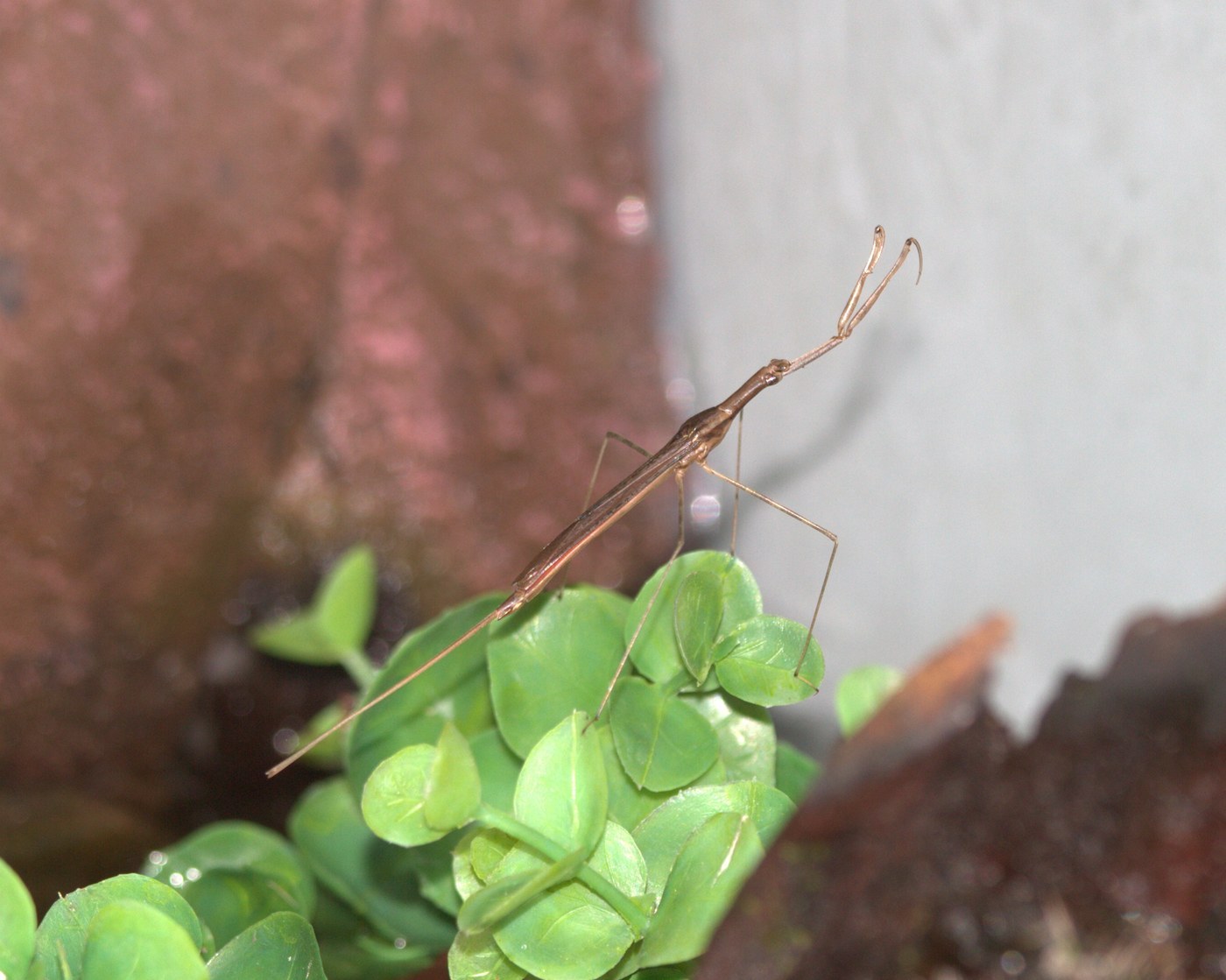
Water Scorpion
Still or slow-moving water with submerged vegetation
Stonefly
Cold, clean, well-oxygenated streams and rivers
Stonefly Nymph
Cold, fast-flowing, well-oxygenated streams
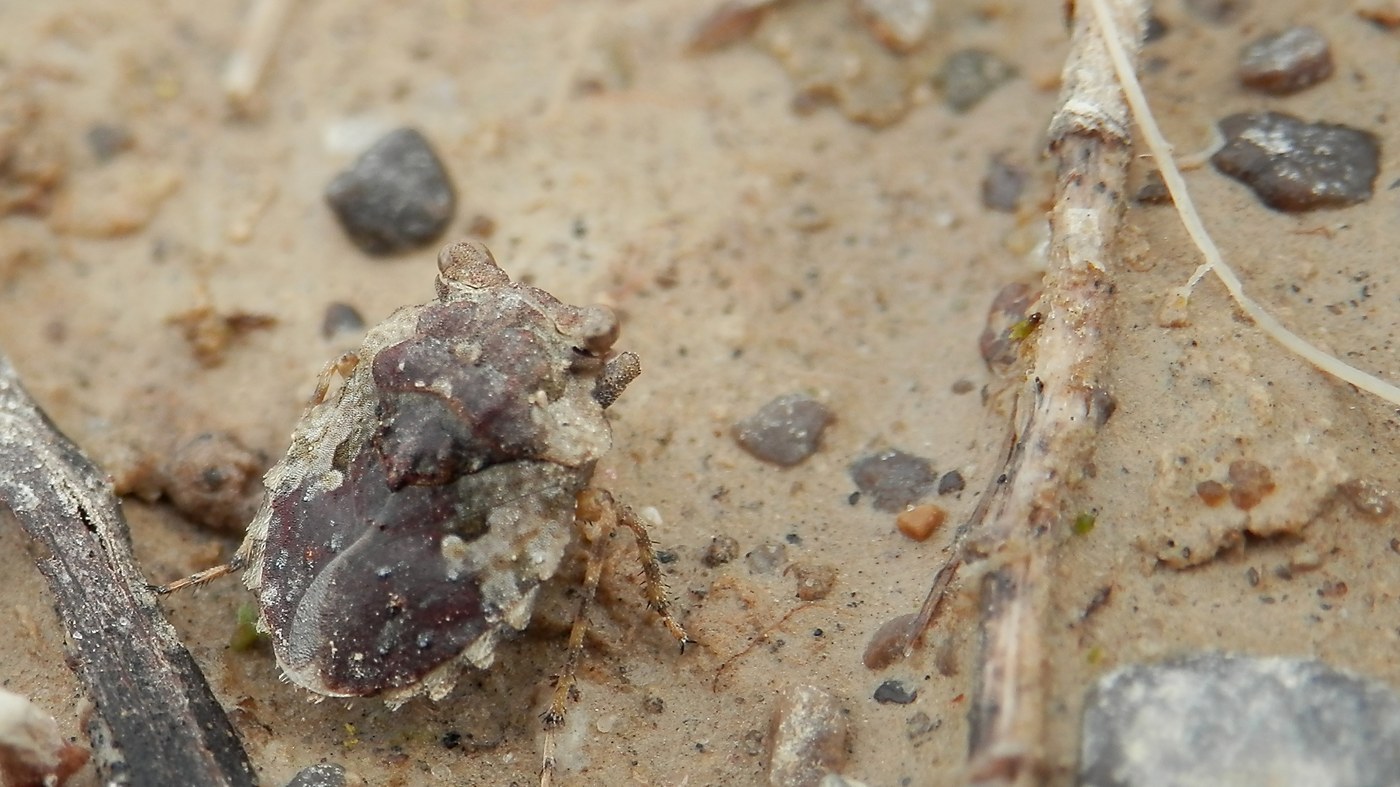
Toad Bug
Muddy or sandy shorelines of ponds, streams, and rivers
Soldier Fly Larva
Ponds, marshes, and slow streams with organic sediment
Mosquito Larva
Standing water in ponds, ditches, containers, and puddles
Whirligig Beetle
Surface of ponds, lakes, and slow streams
Rat-Tailed Maggot
Stagnant, oxygen-poor water such as manure pools, drains, and compost