
Oriental Cockroach
Blatta orientalis
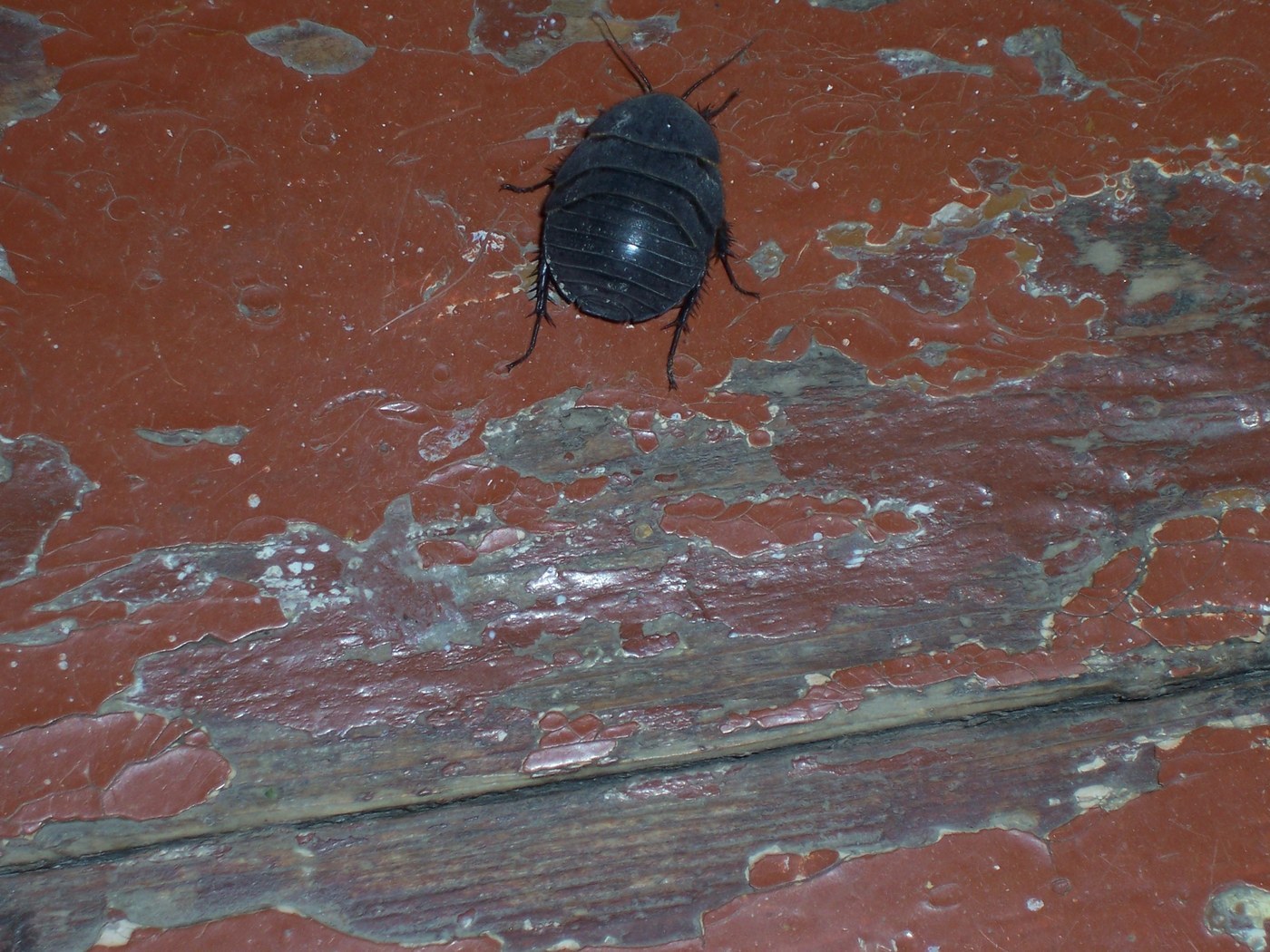
A dark, matte blackish-brown cockroach with short wings that do not cover the abdomen, especially in females, and a preference for cooler, damper hiding spots than most other common cockroaches.
- Size
- 20–27 mm
- Habitat
- Damp, cool locations such as basements, drains, mulch, and leaf litter
- Danger
- Nuisance pest
Spotted a bug like this?
Identify any bug or insect from a photo, free.
Overview
The Oriental cockroach is a medium-to-large species in the order Blattodea, family Blattidae, notable for its dark, almost matte-black to deep brown coloration, which sets it apart from the glossier reddish-brown American cockroach. It is thought to have originated in the region around the Black and Caspian Seas before spreading widely through human commerce.
Unlike many cockroach species that prefer warmth, the Oriental cockroach tolerates cooler, damper conditions and is often found in unheated basements, crawl spaces, and outdoor debris. It is a slower, more sluggish runner than other common cockroaches and rarely flies, since its wings are notably reduced.
As a scavenging decomposer, it fits into the same general ecological niche as other cockroaches, consuming decaying organic matter, and it is one of several cockroach species commonly encountered around human dwellings worldwide.
How to Identify
- Dark blackish-brown to nearly black body with a dull, matte (non-glossy) sheen, roughly 20–27 mm long.
- Females have short wing pads covering only a portion of the abdomen and cannot fly; males have slightly longer wings but still do not fully cover the abdomen and rarely fly.
- Broad, robust body shape compared to the more streamlined American cockroach.
- Slower-moving than other common cockroach species.
- Lookalikes: American cockroach (reddish-brown, glossy, full wings, pale pronotal band, which the Oriental cockroach lacks).
Habitat & Range
Found across temperate regions worldwide, the Oriental cockroach favors cooler, moist environments compared to many other cockroach species, including basements, crawl spaces, drains, sewers, and outdoor sites like mulch beds, leaf litter, and woodpiles. It is often found at ground level or below, avoiding elevated locations.
It is active mainly at night and tends to be more prevalent in cooler months or climates than heat-loving species, though it still favors damp, sheltered microhabitats year-round.
Behavior & Diet
The Oriental cockroach is an omnivorous scavenger that feeds on decaying organic matter, starches, and other available debris. It is a comparatively slow, ground-dwelling runner and, due to its reduced wings, essentially does not fly, relying instead on crawling to move between hiding spots and food sources.
It is nocturnal, hiding in cracks, drains, and damp voids during the day and emerging at night to forage. Like other cockroaches, it plays a scavenging role in breaking down organic debris in its environment.
Life Cycle
Females produce an egg case (ootheca) that is typically deposited or hidden in a sheltered, moist location rather than carried for long. Eggs hatch into nymphs that closely resemble small adults and undergo incomplete metamorphosis, gradually developing through a series of molts.
Development from egg to adult is relatively slow, often taking close to a year depending on temperature, and adults may live several months to over a year. Cooler temperatures slow development further, consistent with this species' preference for cooler habitats compared to other cockroaches.
Frequently asked questions
Can Oriental cockroaches fly?
No, or only negligibly. Their wings are reduced and non-functional for sustained flight, unlike the American cockroach, which can glide short distances.
Why does it look so dark and dull compared to other cockroaches?
Its cuticle has a matte, non-glossy blackish-brown finish, distinguishing it from the shinier reddish-brown American cockroach.
Where would I typically encounter one?
In cool, damp, low-lying spaces such as basements, crawl spaces, drains, and outdoor mulch or leaf litter.
Is the 'waterbug' name specific to this species?
No, the informal name 'waterbug' is applied colloquially to several large cockroach species, including both the Oriental and American cockroach.
Oriental Cockroach guides
In-depth guides for identifying, understanding, and living alongside Oriental Cockroach.
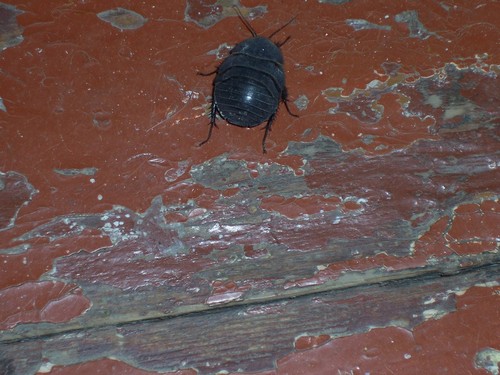
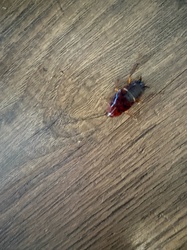
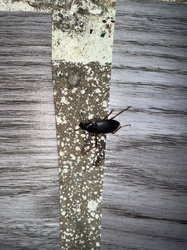
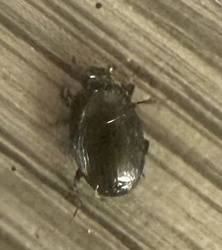
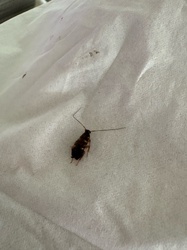
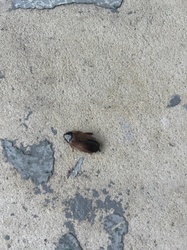
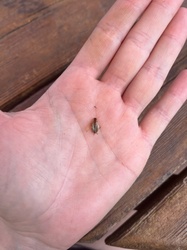
Oriental Cockroach identified by the community
Real finds identified with Bug Identifier.
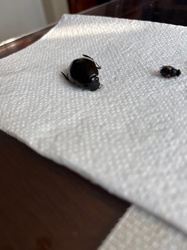
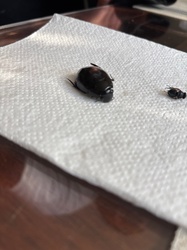
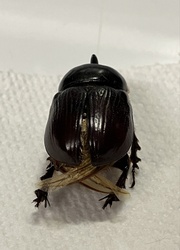
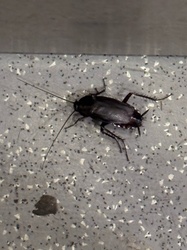
Other bugs you may enjoy
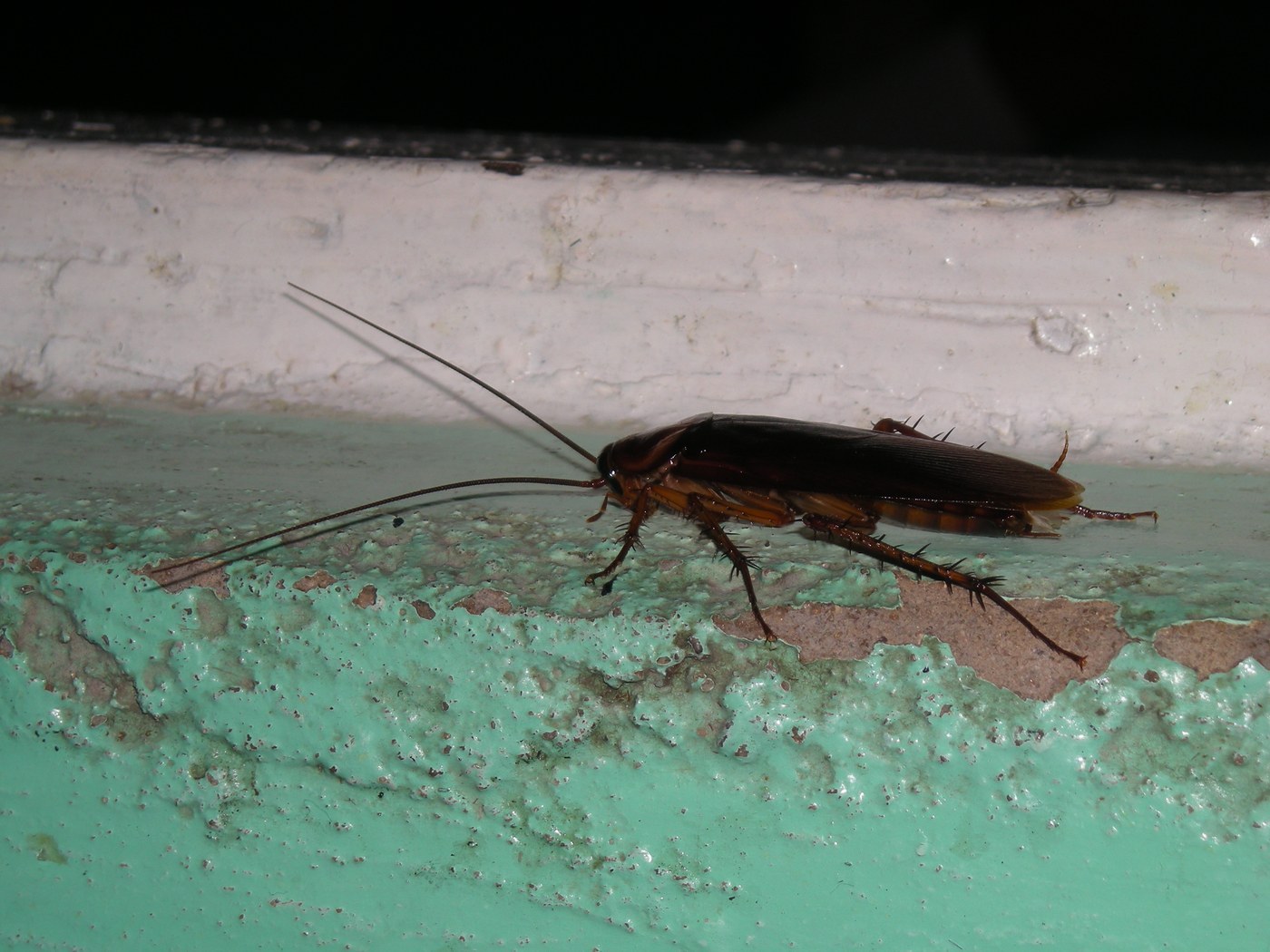
American Cockroach
Warm, humid environments such as basements, sewers, drains, and tropical outdoor settings
Thrips
Flowers, foliage, gardens, greenhouses, crop fields
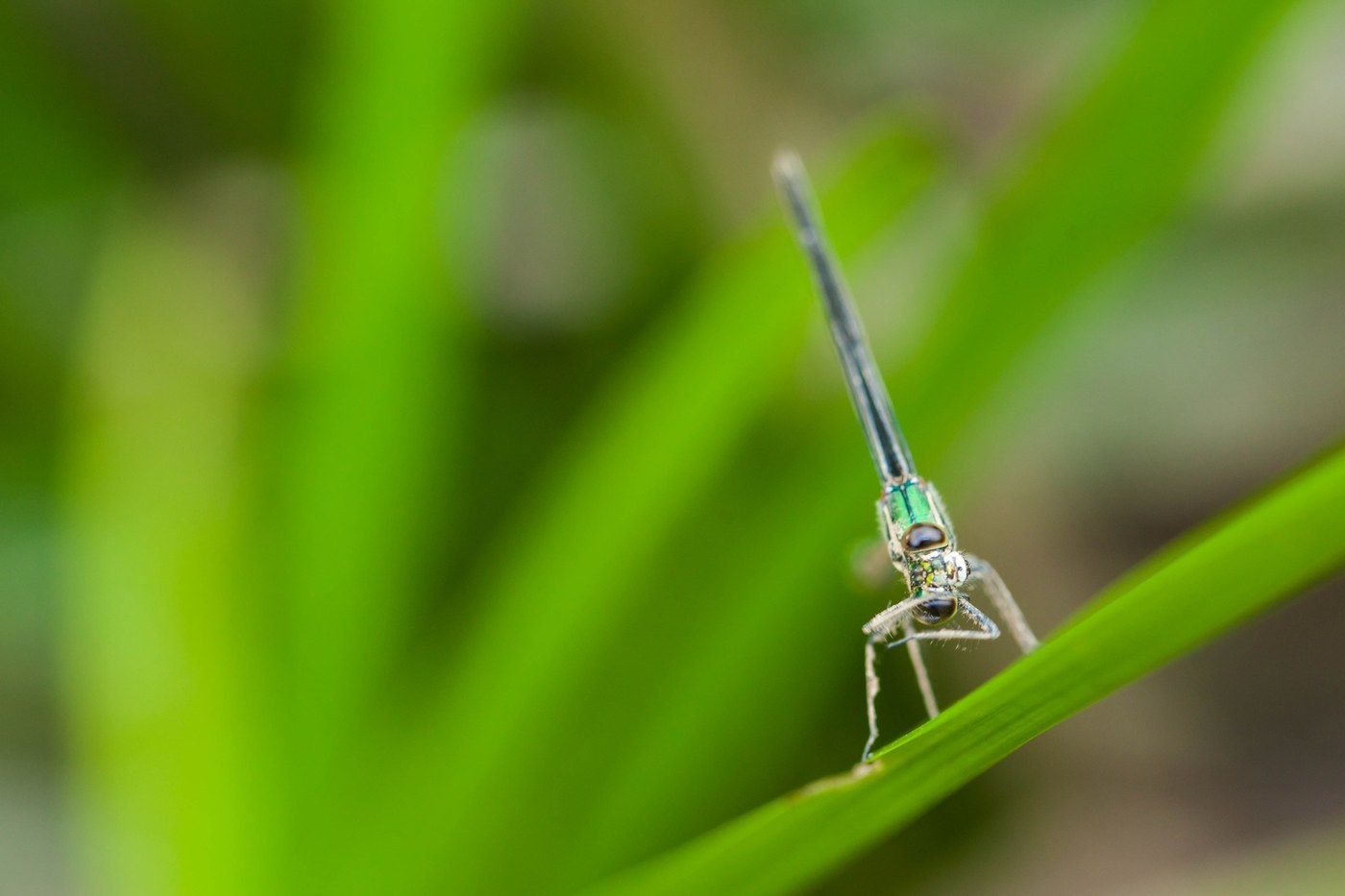
American Rubyspot
Sunny rivers and streams with moderate current
Springtail
Moist soil, leaf litter, decaying organic matter, and damp indoor areas
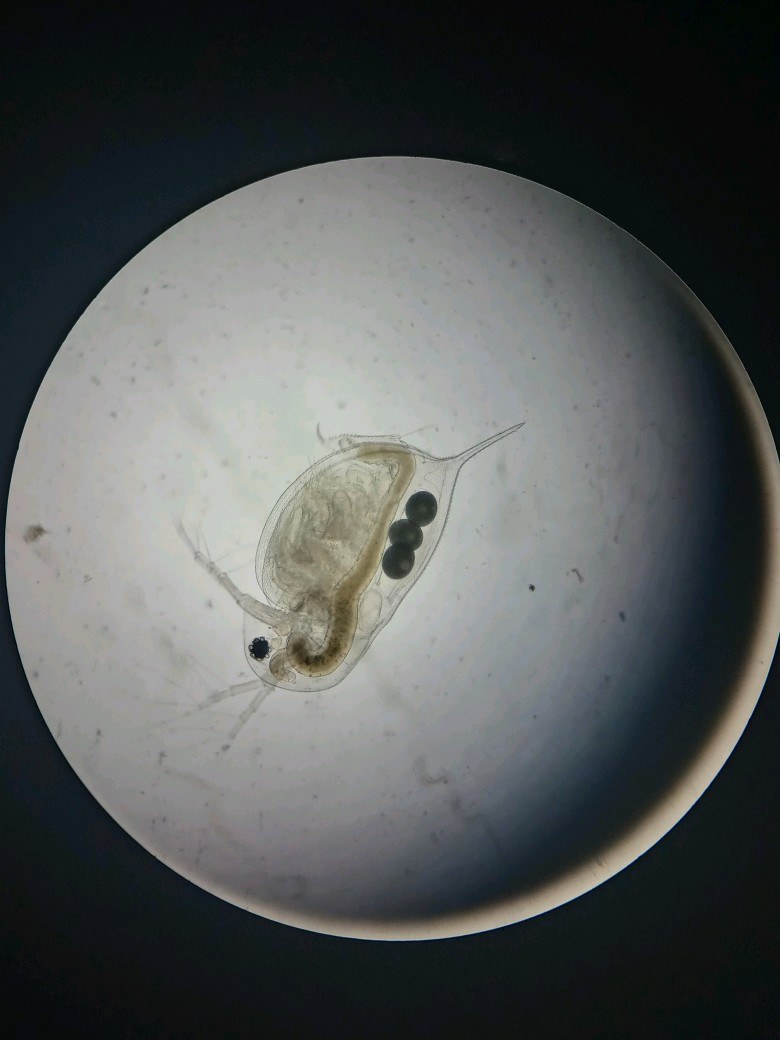
Water Flea
Ponds, lakes, and slow streams as free-floating plankton
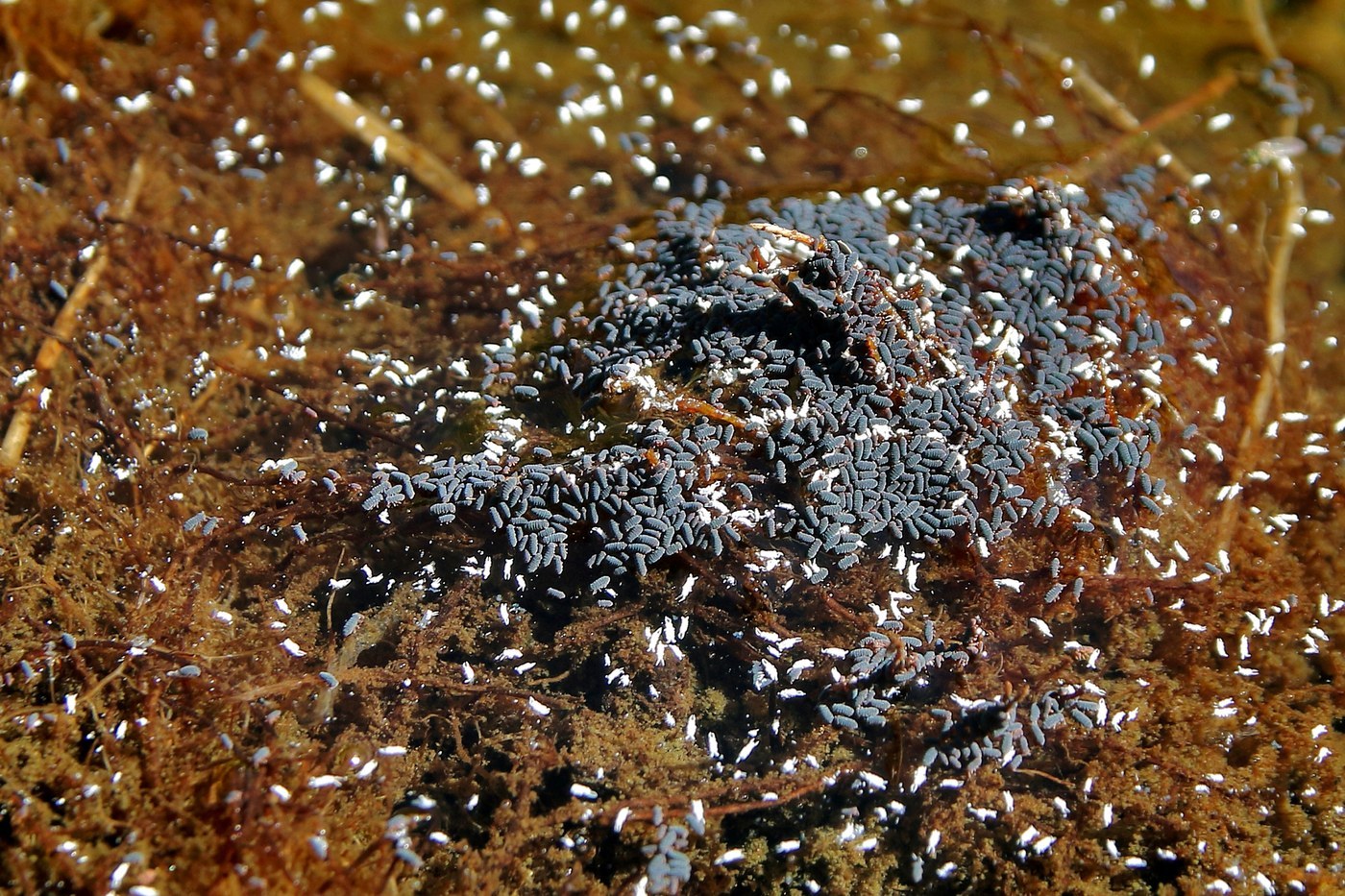
Water Springtail
Surface film of ponds, puddles, and slow ditches
Slug
Gardens, damp soil, leaf litter, greenhouses
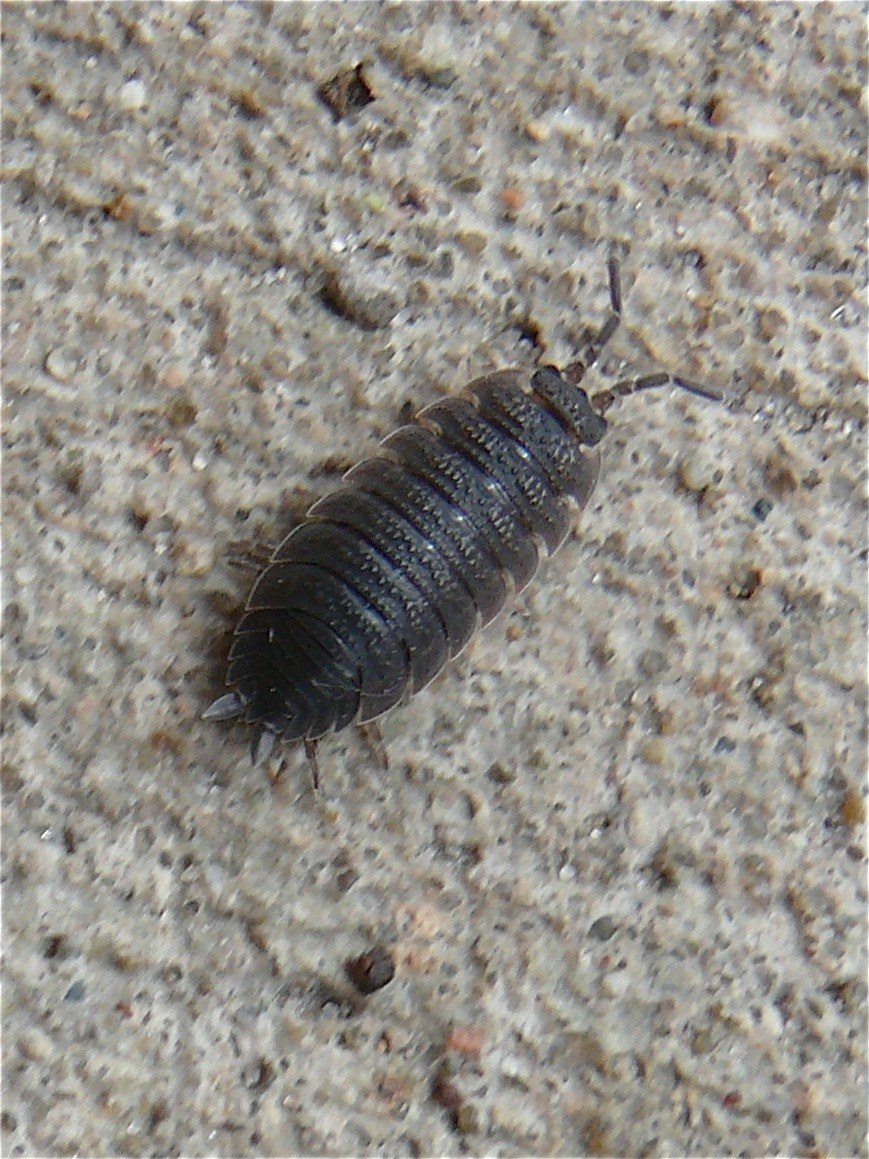
Sowbug
Leaf litter, under rocks/logs, damp garden soil, basements
Pill Bug
Damp soil, leaf litter, under rocks and logs, garden beds
Termite
Soil, decaying wood, tree stumps, and wooden structures
Termite Swarmer
Emerges from underground or wood-nesting colonies, often near structures and moist soil
Silverfish
Damp basements, bathrooms, closets, and dark indoor crevices