
European Stag Beetle
Lucanus cervus
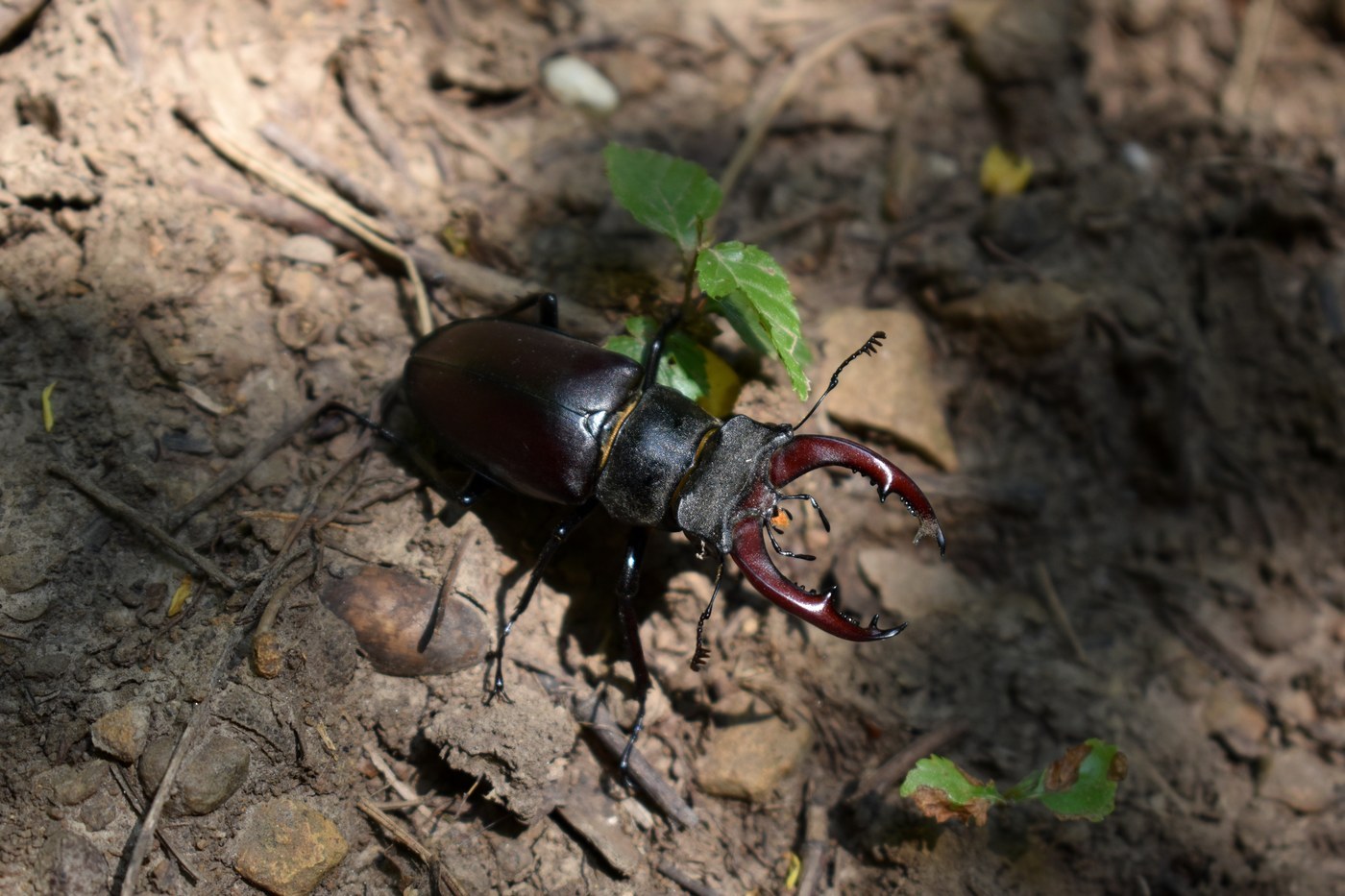
Europe's largest beetle, a glossy dark brown insect in which males carry oversized antler-like mandibles used to wrestle rivals, resembling the antlers of a stag.
- Size
- 25–75 mm (males, including mandibles), 30–40 mm (females)
- Habitat
- Deciduous woodlands, old parkland, and hedgerows across Europe
- Danger
- Bites
Spotted a bug like this?
Identify any bug or insect from a photo, free.
Overview
The European stag beetle is the type species of the stag beetle family (Lucanidae) and is the largest terrestrial beetle native to much of Europe. Its common and scientific names both reference the impressive, branched mandibles of the male, which strongly resemble the antlers of a stag deer.
This species has become an important flagship insect for European wildlife conservation, as its populations have declined in many regions due to the loss of dead and decaying wood habitat essential for its larvae. It is legally protected in parts of its range and is the focus of citizen-science monitoring programs in several countries.
Ecologically, the larvae are significant saproxylic detritivores, feeding on decaying wood over several years and playing an important role in forest nutrient recycling, while the short-lived adults are chiefly focused on mating and dispersal during the summer flight season.
How to Identify
- Large, glossy dark reddish-brown to black body; males range from about 25 to as much as 75 mm including their enlarged mandibles, while females are smaller at roughly 30–40 mm.
- Males possess greatly enlarged, branched, antler-like mandibles that are reddish-brown and used in combat, while females have much smaller, simple pincer-like jaws.
- Broad head and thorax relative to the elongated body, with a smooth, glossy elytra.
- Sturdy legs adapted for climbing tree bark.
- Lookalikes include the smaller lesser stag beetle, which lacks the dramatic oversized mandibles of male Lucanus cervus, making mandible size and shape the key distinguishing feature.
Habitat & Range
Native across much of central, western, and southern Europe, found in deciduous woodlands, ancient parkland, hedgerows, and gardens with mature or decaying trees, particularly oak. Adults fly at dusk during warm summer evenings, typically from late May through July, while larvae live underground or within decaying wood and stumps for several years, favoring old tree root systems and buried deadwood.
Behavior & Diet
Males use their oversized mandibles to grapple with rival males in ritualized combat, attempting to lift and flip opponents off of tree trunks or the ground, a contest related to access to mates. Adults are most active at dusk, engaging in a slow, heavy, buzzing flight in search of mates and sap-feeding sites, and feed minimally, largely relying on fat reserves built up during the larval stage, though they may take some tree sap. The larvae, in contrast, are dedicated wood-decomposers, feeding on decaying stumps, roots, and buried deadwood for several years, making them ecologically important recyclers of dead wood in temperate forest ecosystems. Adults may deliver a firm defensive pinch with their mandibles if handled.
Life Cycle
Development is complete metamorphosis: egg, larva, pupa, adult. Eggs are laid in soil near decaying wood, particularly old stumps or buried roots; the large white grubs feed on this decomposing wood for three to seven years, one of the longest larval periods among European beetles, before constructing a pupal cell in the soil. Adults emerge in late spring or early summer, live for only a few weeks to a couple of months, and focus almost entirely on mating and reproduction before dying. There is no distinct adult diapause, but the multi-year larval stage spans several winters spent dormant underground.
Frequently asked questions
Why do male stag beetles have such large jaws?
The oversized, antler-like mandibles are used by males to wrestle and flip rival males during contests for mates, similar in function to a deer's antlers.
How long do stag beetles live?
Most of their life, often several years, is spent as a larva feeding on decaying wood underground, while the adult stage lasts only a few weeks to a couple of months.
Is it the largest beetle in Europe?
Yes, the European stag beetle is generally considered the largest native beetle species in much of Europe.
Does it bite if handled?
It can deliver a firm pinch with its mandibles in defense, particularly larger males, though it is not an aggressive insect by nature.
European Stag Beetle guides
In-depth guides for identifying, understanding, and living alongside European Stag Beetle.
European Stag Beetle identified by the community
Real finds identified with Bug Identifier.
Other bugs you may enjoy
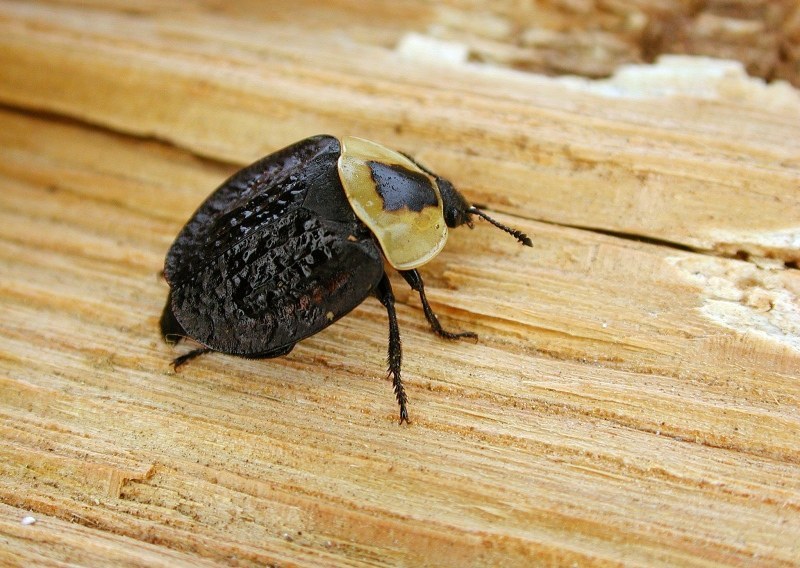
American Carrion Beetle
Forests, fields, and roadsides across North America, near decaying animal carcasses
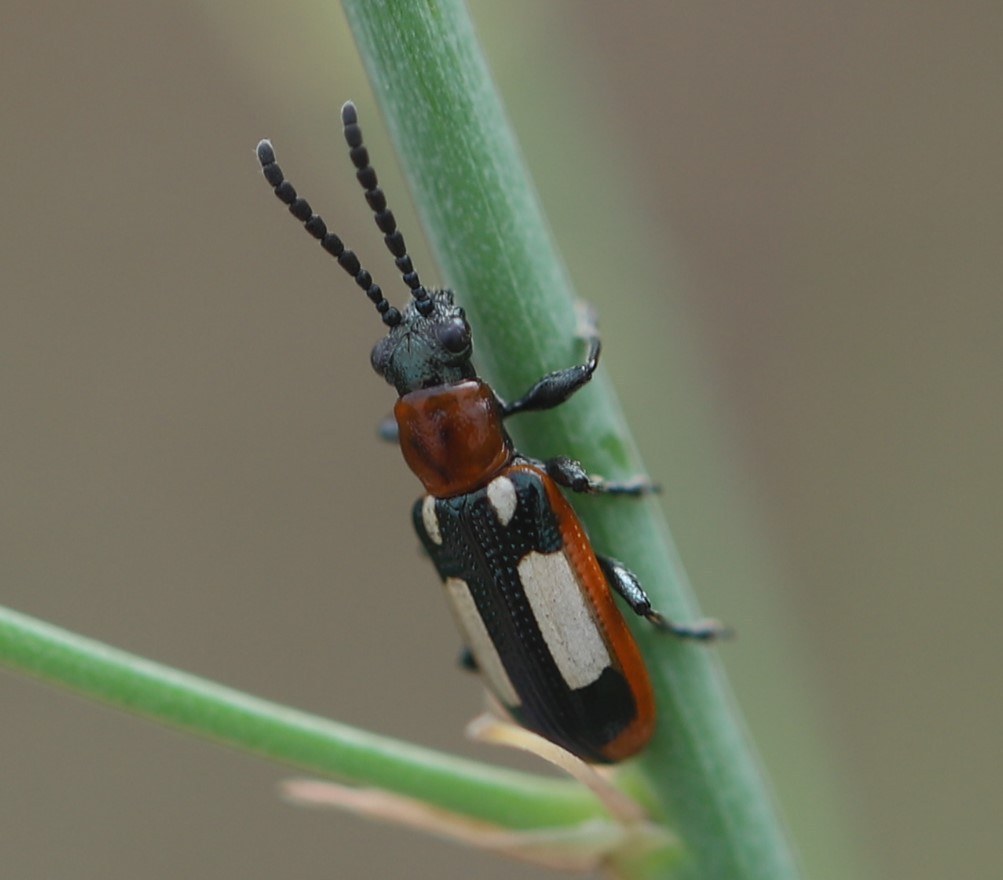
Asparagus Beetle
Asparagus patches, gardens, and farm fields
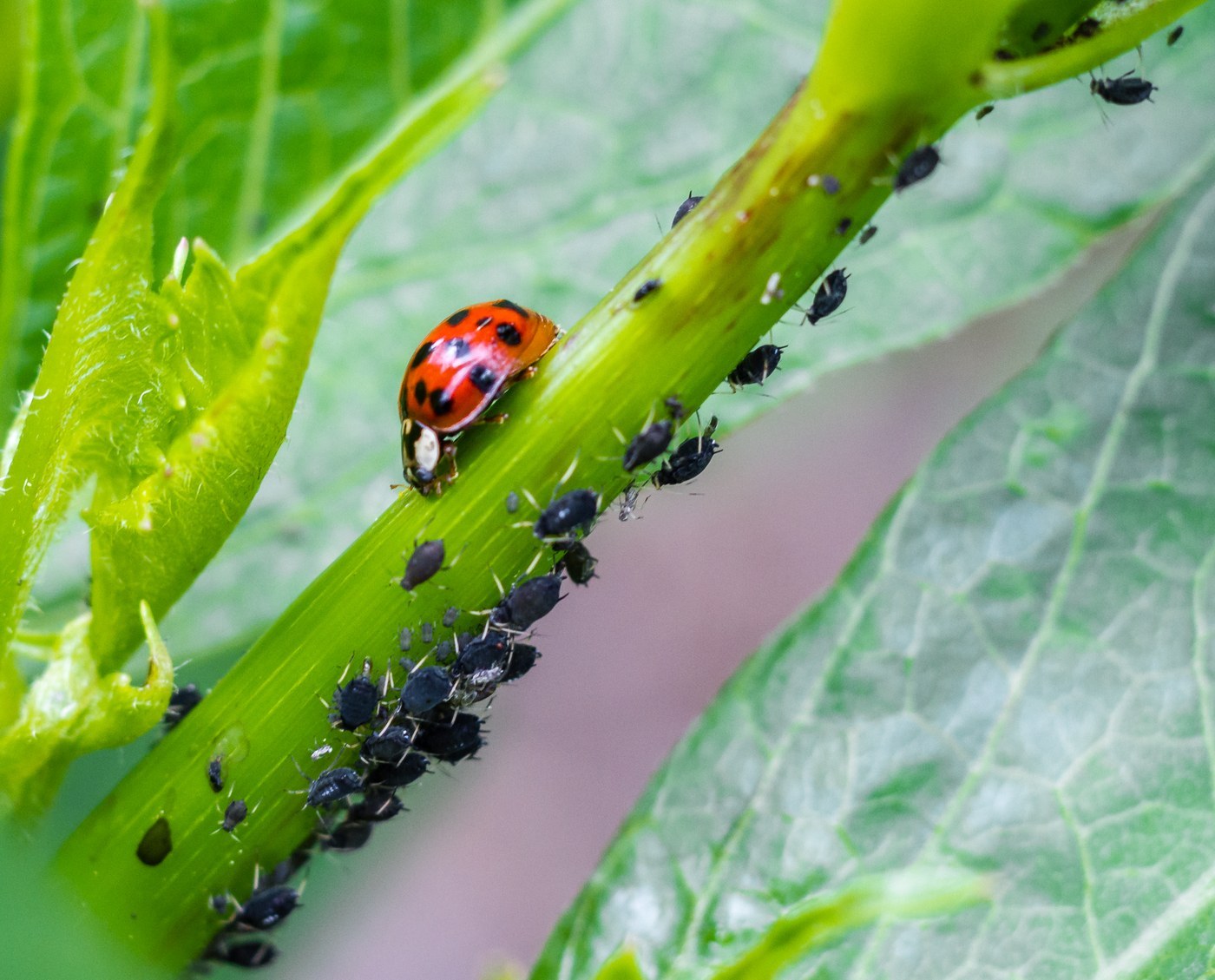
Asian Lady Beetle
Gardens, crop fields, woodlands, buildings
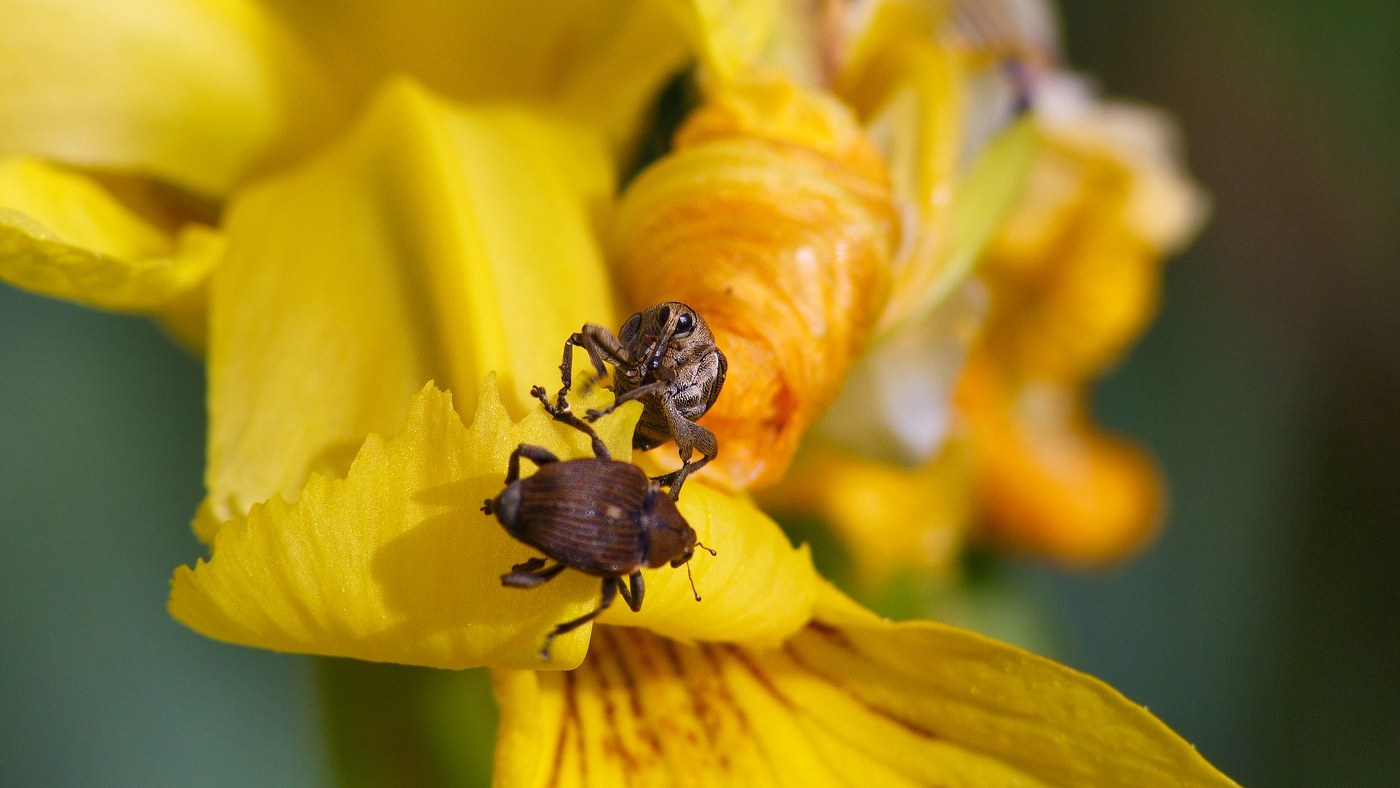
Acorn Weevil
Oak woodlands and forests, on and beneath oak trees
Wireworm
Soil of grasslands, gardens, and cultivated fields worldwide
Whitefringed Beetle
Pastures, row crops, lawns, disturbed soils
Vine Weevil
Gardens, nurseries, greenhouses, and container plantings
Varied Carpet Beetle
Homes, nests of birds and mammals, and flowers outdoors
Atlas Beetle
Tropical forests of Southeast Asia
Titan Beetle
Amazon rainforest of South America
Ten-lined June Beetle
Sandy soils, pine forests, and orchards of western North America
Squash Beetle
Vegetable gardens and fields growing squash, pumpkin, and other cucurbits