
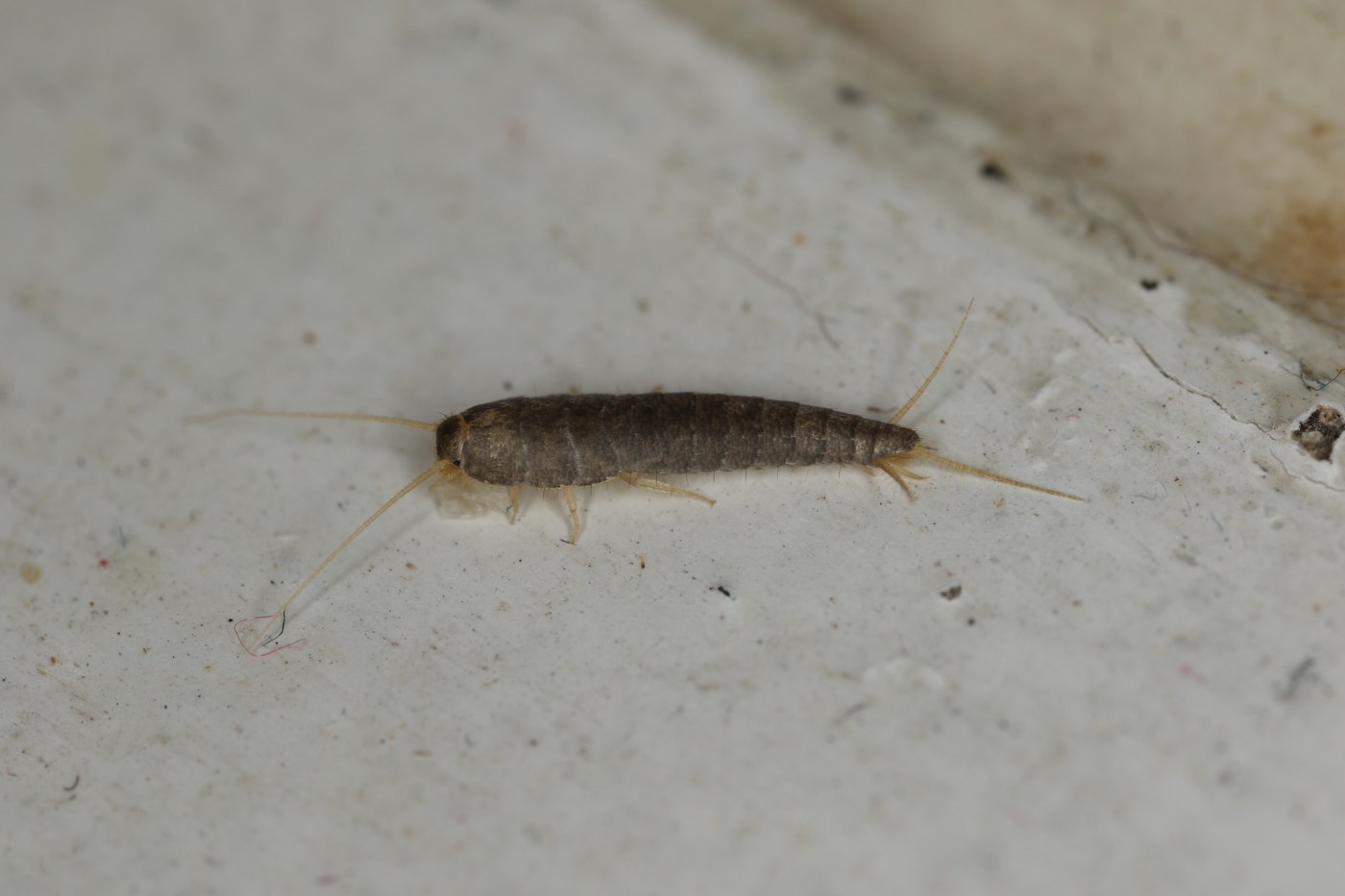
Silverfish
Lepisma saccharinum
A wingless, silvery-gray insect with a tapered, fish-like body and three long tail bristles, known for its quick, darting movements and preference for dark, humid hiding spots.
- Size
- 12–19 mm
- Habitat
- Damp basements, bathrooms, closets, and dark indoor crevices
- Danger
- Harmless
Spotted a bug like this?
Identify any bug or insect from a photo, free.
Overview
The silverfish, Lepisma saccharinum, is a primitive wingless insect in the order Zygentoma (historically Thysanura), a lineage that diverged very early from other insects and retains many ancestral features. Fossil relatives of this group date back hundreds of millions of years, making silverfish one of the more evolutionarily ancient insect forms still living today.
This species is notable for its distinctive metallic, scaled body that gives it a fish-like sheen and its rapid, wriggling locomotion, which it uses to dart for cover when exposed to light. Unlike most insects, silverfish continue to molt throughout their adult lives.
Silverfish play a minor decomposer role, feeding on starches and organic debris, and their ancient body plan makes them of particular interest to entomologists studying early insect evolution.
How to Identify
- Elongated, teardrop-shaped body tapering from a wider head/thorax region to a narrow abdomen.
- Covered in fine, silvery-gray scales that give a metallic sheen.
- Three long, slender tail filaments (cerci and a central appendage) extending from the rear.
- Long, thin antennae and no wings at any life stage.
- Lookalikes: firebrats look similar but have a mottled gray-brown pattern and prefer warmer, drier locations near heat sources rather than damp areas.
Habitat & Range
Silverfish are found worldwide in a variety of climates, typically indoors in dark, humid microhabitats such as basements, bathrooms, closets, and areas behind wallpaper or stored boxes. They are nocturnal and avoid light, remaining hidden during the day and emerging at night to forage.
Behavior & Diet
Silverfish move with a distinctive fish-like wriggle and can run very quickly when disturbed or exposed to light. They feed on carbohydrates and starches, including paper, glue, and dry organic matter, acting as minor decomposers within indoor environments. They are solitary and largely nocturnal, avoiding open, well-lit spaces.
Life Cycle
Silverfish undergo gradual, ametabolous development, meaning young nymphs hatch from eggs looking like tiny replicas of adults and simply grow larger with each molt, without a pupal stage. Females lay small clusters of eggs in hidden crevices, and nymphs take several months to over a year to mature, continuing to molt periodically even as adults. Under favorable humid conditions, silverfish can live for several years.
Frequently asked questions
Why does it move so fast and dart away from light?
Silverfish are nocturnal and photophobic, so exposure to light triggers a rapid escape response toward dark cover.
Is a silverfish the same as a firebrat?
They are closely related but distinct species; firebrats have a mottled pattern and prefer warmer, drier spots, while silverfish favor cooler, damp areas.
Do silverfish have wings?
No, silverfish are entirely wingless at every life stage.
Where indoors are silverfish usually found?
Damp, dark areas such as basements, bathrooms, and closets are the most typical hiding spots.
Silverfish guides
In-depth guides for identifying, understanding, and living alongside Silverfish.
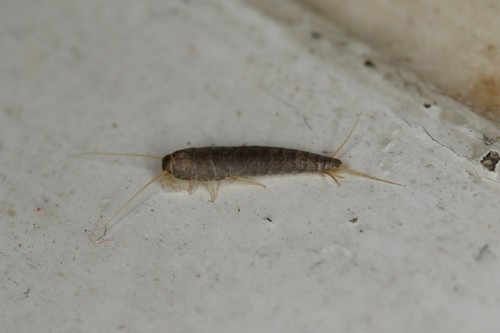
Silverfish identified by the community
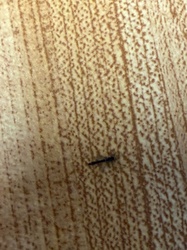
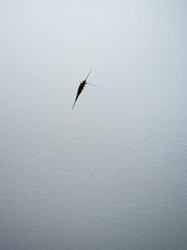
Real finds identified with Bug Identifier.

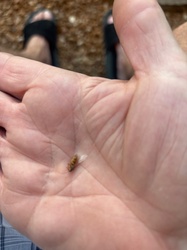
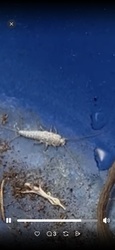
Other bugs you may enjoy
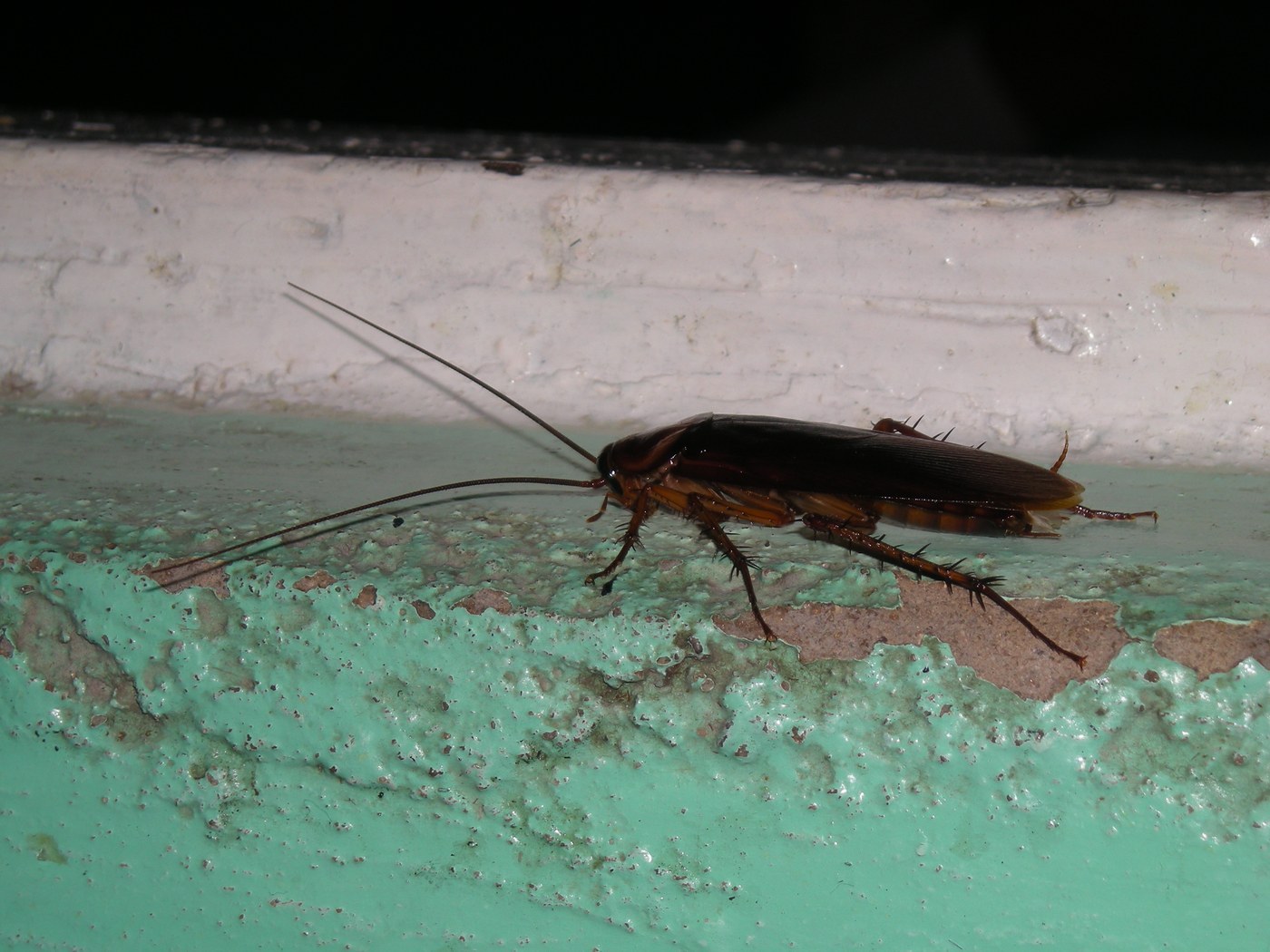
American Cockroach
Warm, humid environments such as basements, sewers, drains, and tropical outdoor settings
Thrips
Flowers, foliage, gardens, greenhouses, crop fields
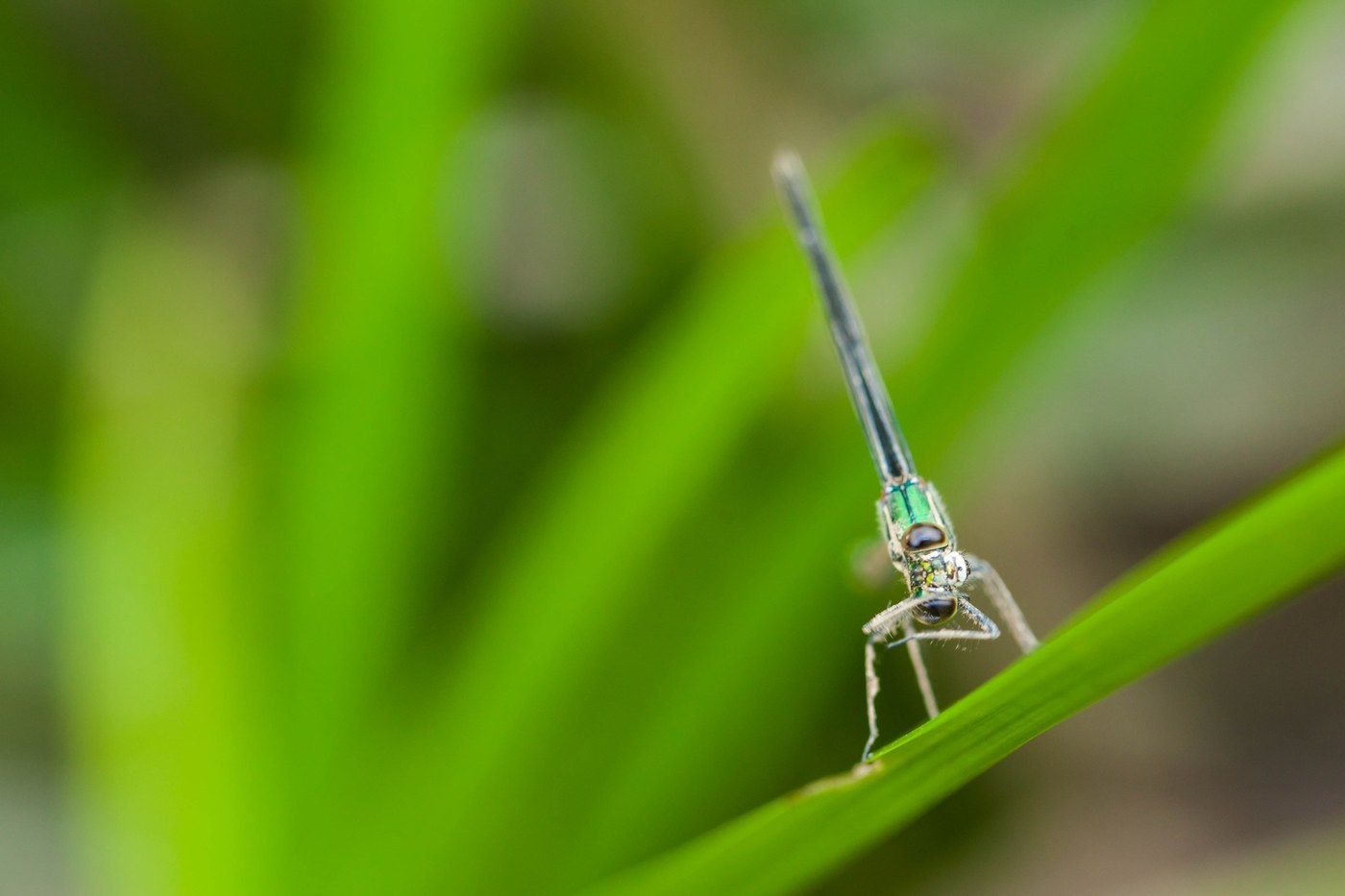
American Rubyspot
Sunny rivers and streams with moderate current
Springtail
Moist soil, leaf litter, decaying organic matter, and damp indoor areas
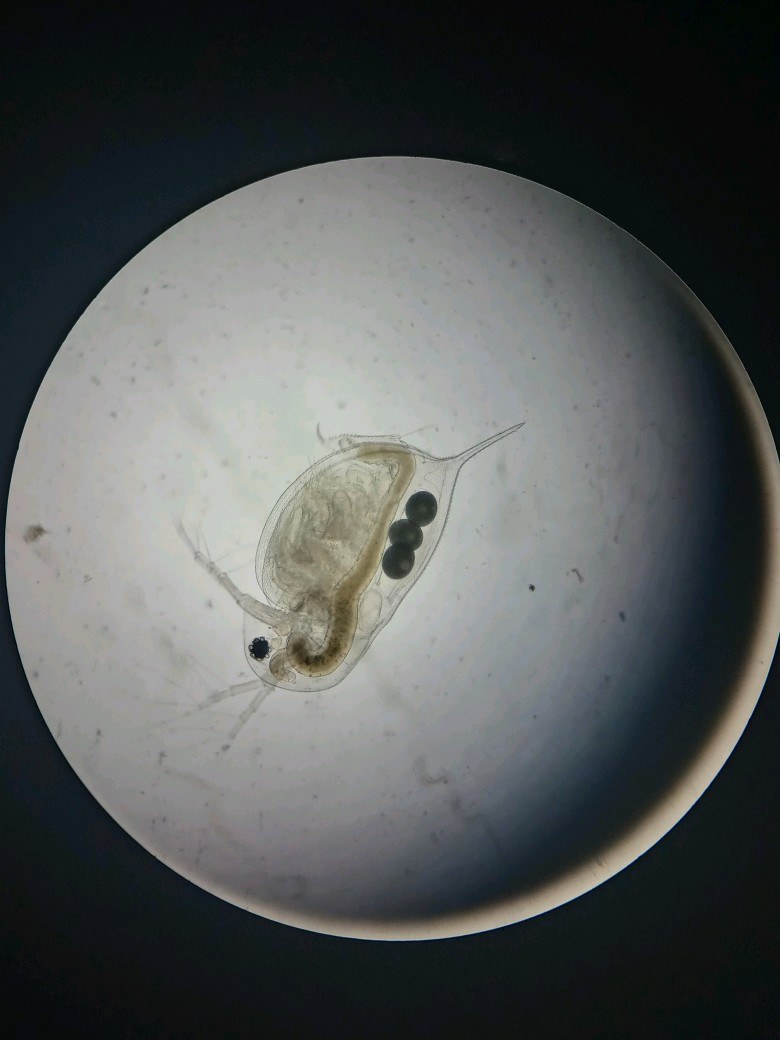
Water Flea
Ponds, lakes, and slow streams as free-floating plankton
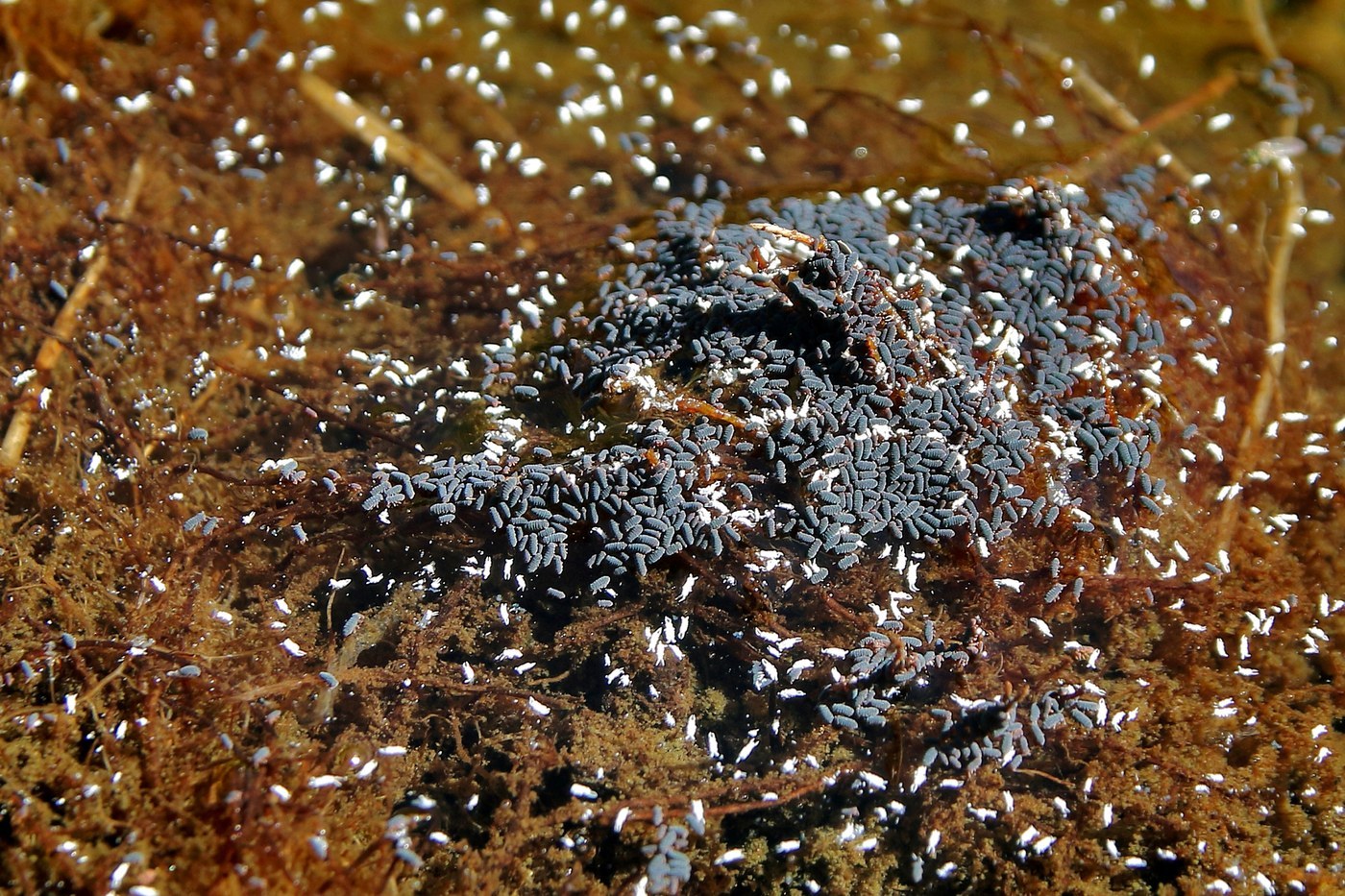
Water Springtail
Surface film of ponds, puddles, and slow ditches
Slug
Gardens, damp soil, leaf litter, greenhouses
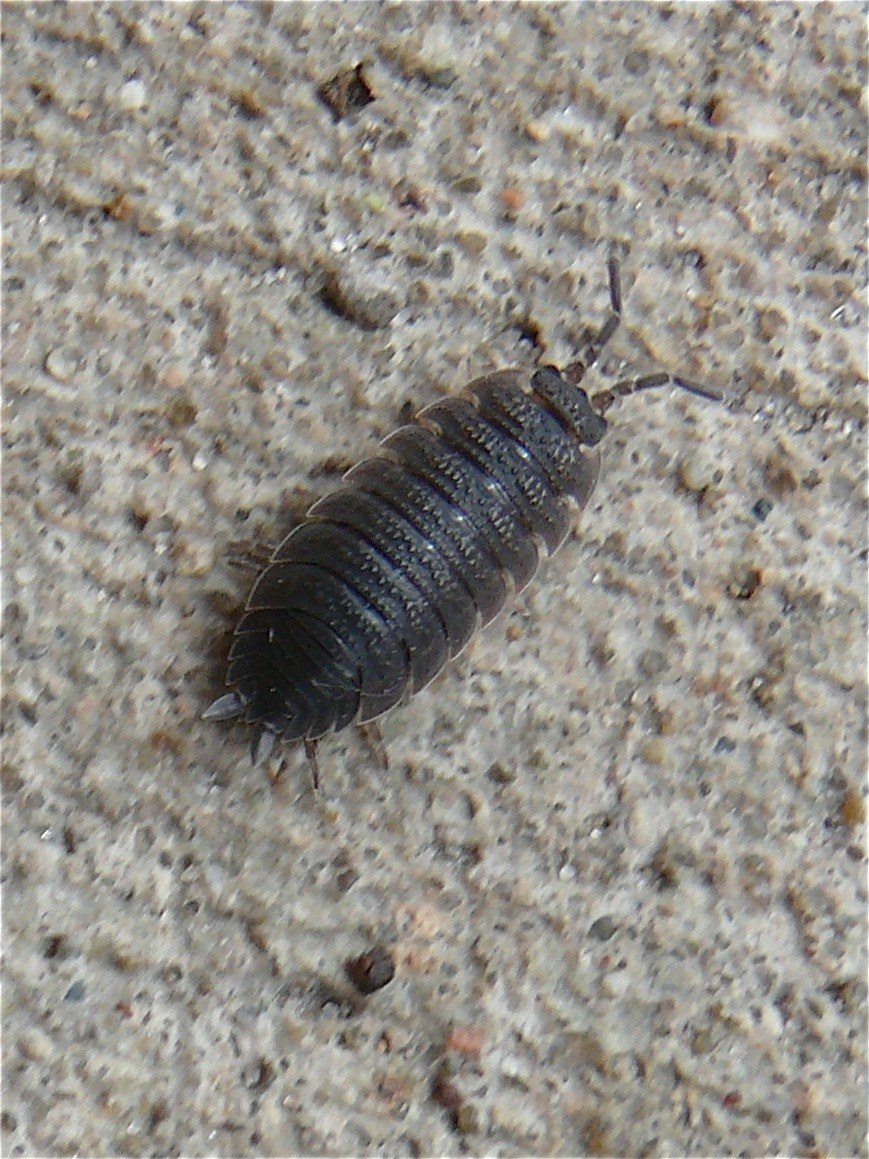
Sowbug
Leaf litter, under rocks/logs, damp garden soil, basements
Pill Bug
Damp soil, leaf litter, under rocks and logs, garden beds
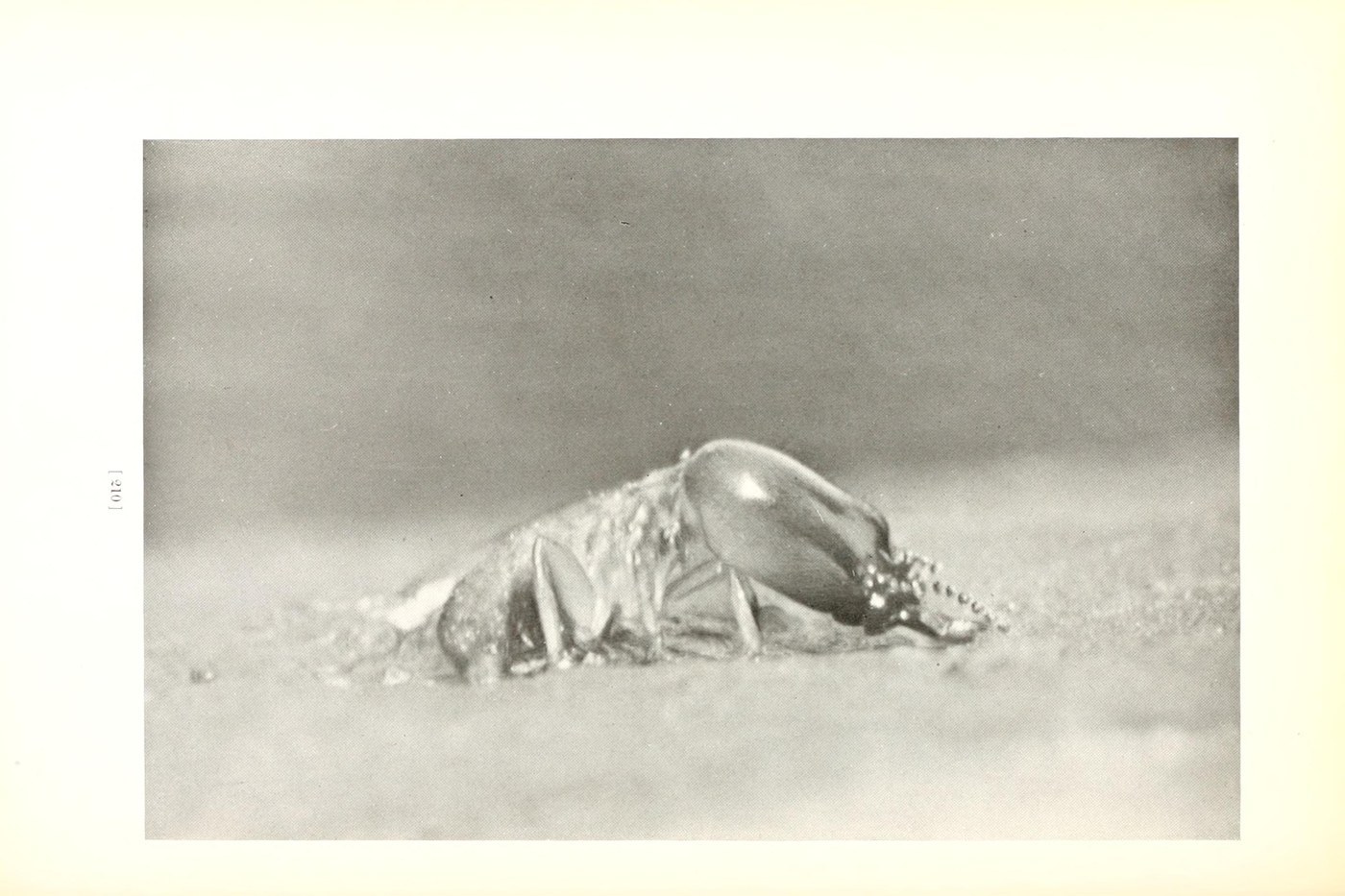
Termite
Soil, decaying wood, tree stumps, and wooden structures
Termite Swarmer
Emerges from underground or wood-nesting colonies, often near structures and moist soil
Scorpionfly
Moist woodlands, hedgerows, and shaded undergrowth