
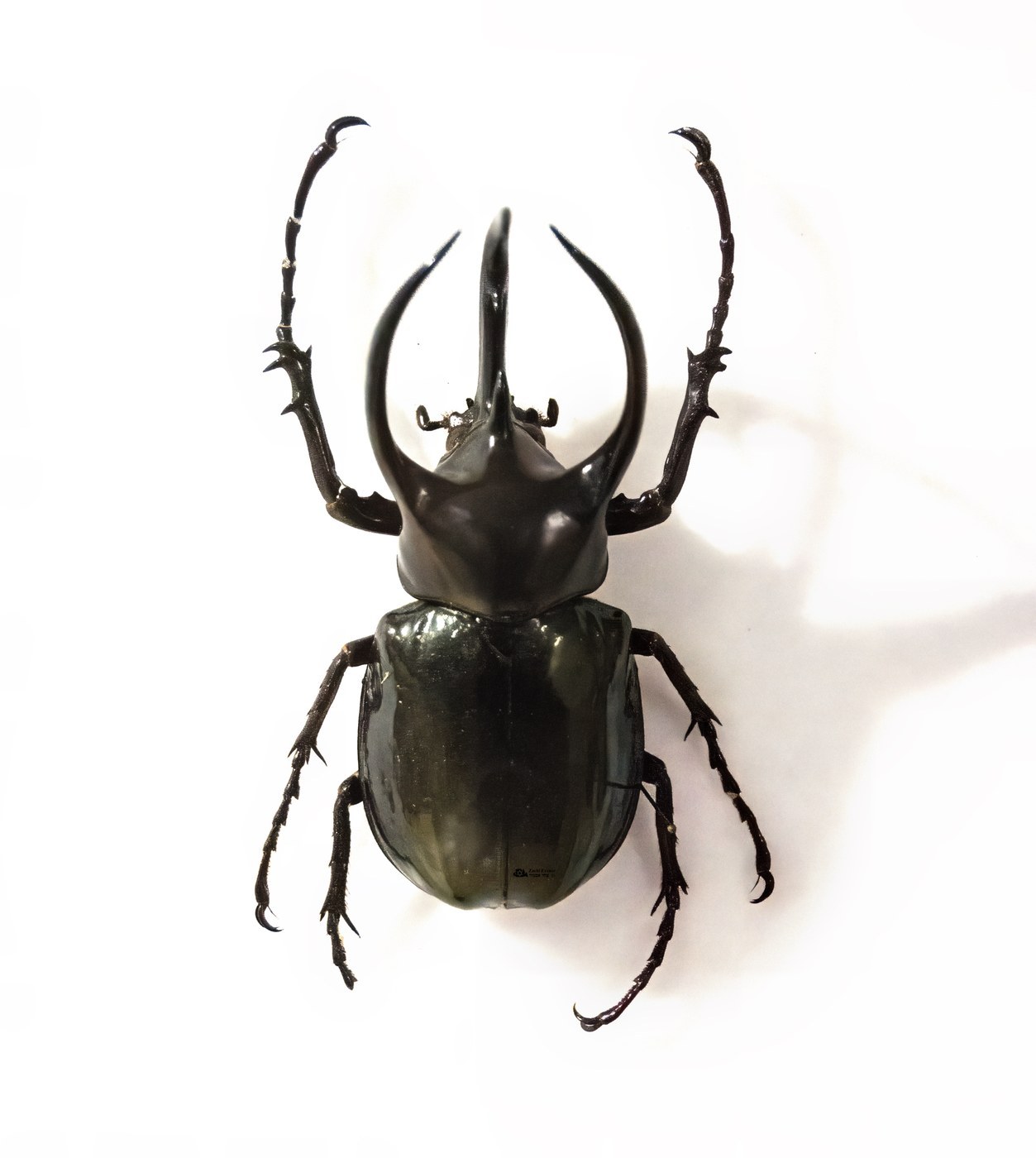
Atlas Beetle
Chalcosoma atlas
A large, glossy black-to-metallic rhinoceros beetle in which males bear three long curved horns used for combat over food and mates.
- Size
- 30–70 mm (males with horns), 30–40 mm (females)
- Habitat
- Tropical forests of Southeast Asia
- Danger
- Harmless
Spotted a bug like this?
Identify any bug or insect from a photo, free.
Overview
The Atlas beetle is a member of the scarab beetle family (Scarabaeidae), within the rhinoceros beetle subfamily (Dynastinae). It is one of the largest and most dramatic-looking beetles in Southeast Asia, named for the mythological Titan Atlas due to the impressive horned armament carried by males.
Native to the tropical forests of countries such as Malaysia, Indonesia, Thailand, and the Philippines, this species is closely related to other giant rhinoceros beetles such as the Hercules beetle, though it is distinguished by its distinctive three-horn arrangement. It has long been popular in the beetle-keeping hobby, particularly in parts of Asia where large rhinoceros beetles are commonly reared and admired.
Ecologically, the Atlas beetle's grubs are large detritivores that break down decaying wood and plant material within forest floor ecosystems, contributing to nutrient cycling, while adults feed on plant sap and fruit.
How to Identify
- Large, robust, heavily armored body; males range roughly 30 to 70 mm depending on horn development, while hornless females are somewhat smaller.
- Glossy black to dark metallic body, sometimes with a subtle greenish or bronze sheen.
- Males possess three long, curved horns: one large thoracic horn and two head horns that oppose it in a pincer-like arrangement, used to grip and flip rival males.
- Females lack horns and have a smoother, more rounded head and thorax, often covered in fine short hairs.
- Lookalikes include other Chalcosoma species and Hercules beetles, but the specific three-horn pincer arrangement in males is diagnostic of this genus.
Habitat & Range
Native to lowland and hill tropical rainforests across Southeast Asia, including Malaysia, Indonesia, Thailand, and nearby regions. Adults are most active at night during the warm, humid months, often attracted to sap flows, fermenting fruit, or artificial lights, while larvae develop hidden within rotting logs, stumps, or rich forest floor debris.
Behavior & Diet
Adult males use their opposing horns to grapple with rival males, attempting to pry each other off of favored feeding sites on sap-oozing trees or fermenting fruit, a behavior linked to competition for mates. Adults feed primarily on tree sap and soft, decaying fruit, and are largely nocturnal, resting in leaf litter or bark crevices during the day. The larvae are subterranean or wood-boring detritivores, consuming decomposing organic matter and playing an important role as decomposers within tropical forest ecosystems. Their large size and tough exoskeleton give adults relatively few natural predators once mature.
Life Cycle
Development is complete metamorphosis: egg, larva, pupa, adult. Eggs are laid in decaying wood or rich organic substrate; the large, C-shaped white grubs feed for many months, often close to a year, before constructing a pupal chamber within the substrate. Adults emerge after pupation and live for a period of weeks to a few months, during which feeding and reproduction take place. In the consistently warm tropical climate of its range, there is no seasonal diapause, though larval development is comparatively slow due to the beetle's large size.
Frequently asked questions
Why do male Atlas beetles have three horns?
The horns are used in combat with rival males, gripping and flipping opponents off of prime feeding or mating sites on trees.
Do females have horns too?
No, females are hornless with a smoother, rounder head and thorax.
Is it related to the Hercules beetle?
Yes, both belong to the rhinoceros beetle subfamily, though the Atlas beetle is distinguished by its distinctive three-horn pincer arrangement.
What do the larvae feed on?
The grubs feed on decaying wood and organic plant matter within rotting logs and forest floor debris.
Atlas Beetle guides
In-depth guides for identifying, understanding, and living alongside Atlas Beetle.
Other bugs you may enjoy
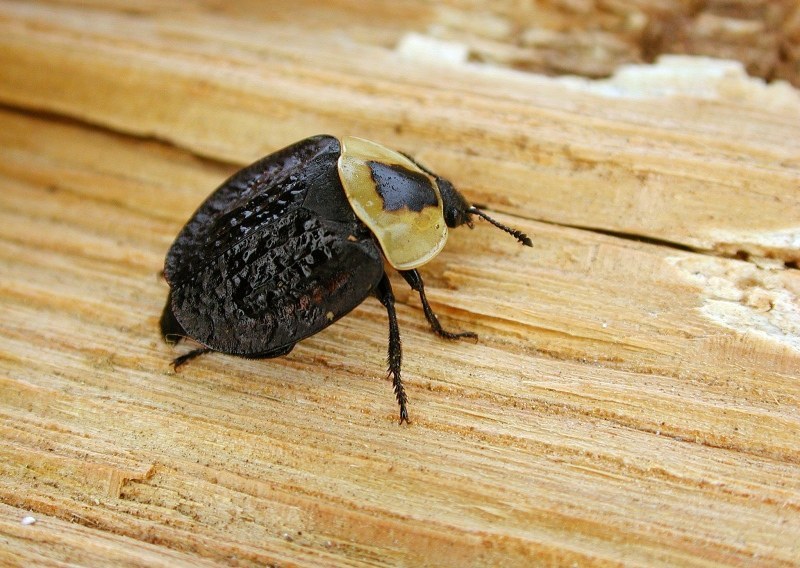
American Carrion Beetle
Forests, fields, and roadsides across North America, near decaying animal carcasses
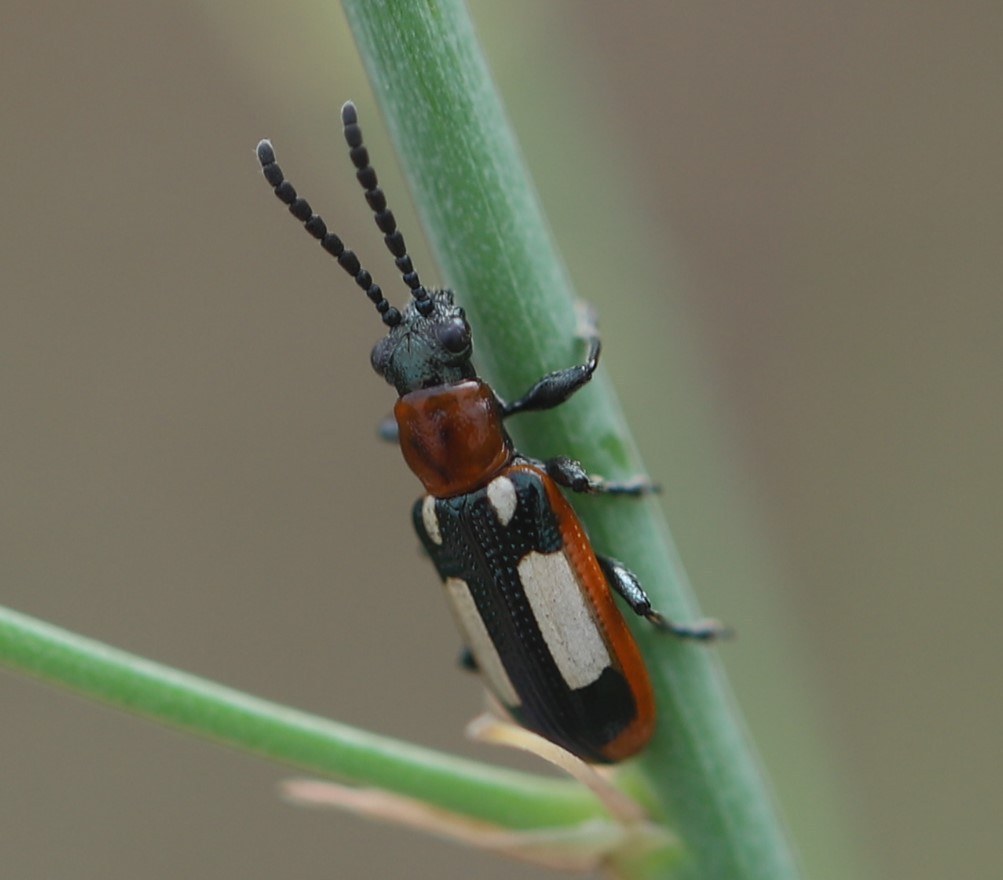
Asparagus Beetle
Asparagus patches, gardens, and farm fields
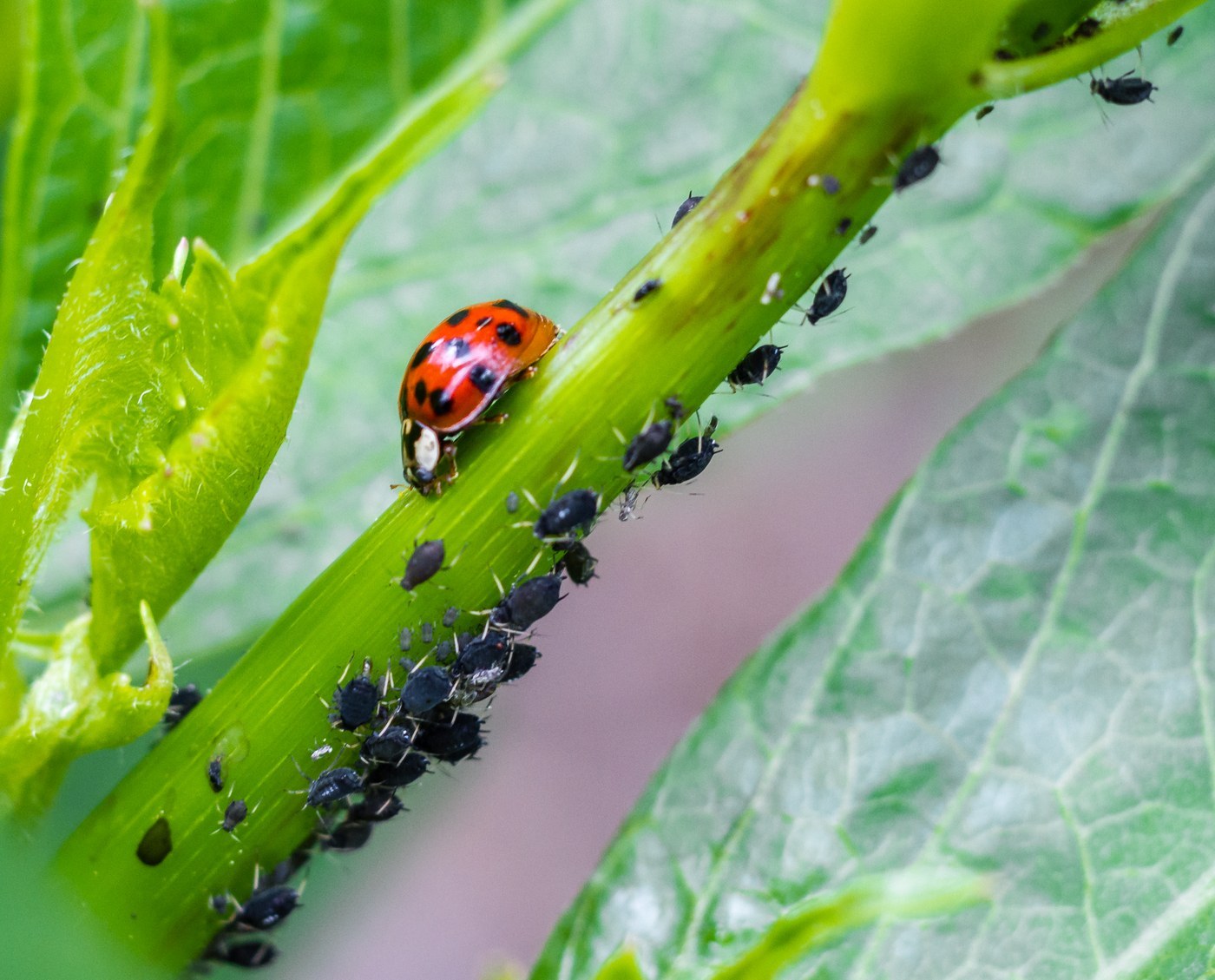
Asian Lady Beetle
Gardens, crop fields, woodlands, buildings
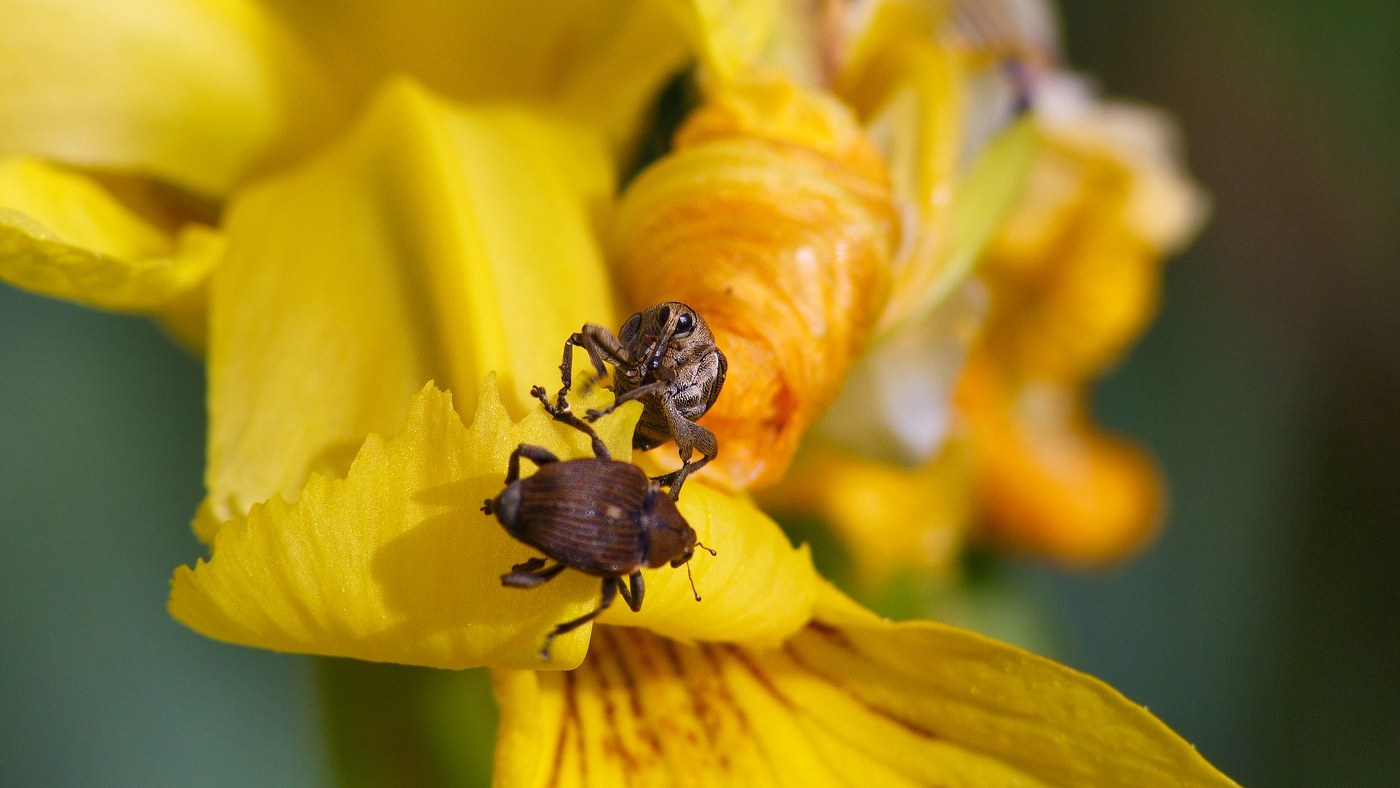
Acorn Weevil
Oak woodlands and forests, on and beneath oak trees
Wireworm
Soil of grasslands, gardens, and cultivated fields worldwide
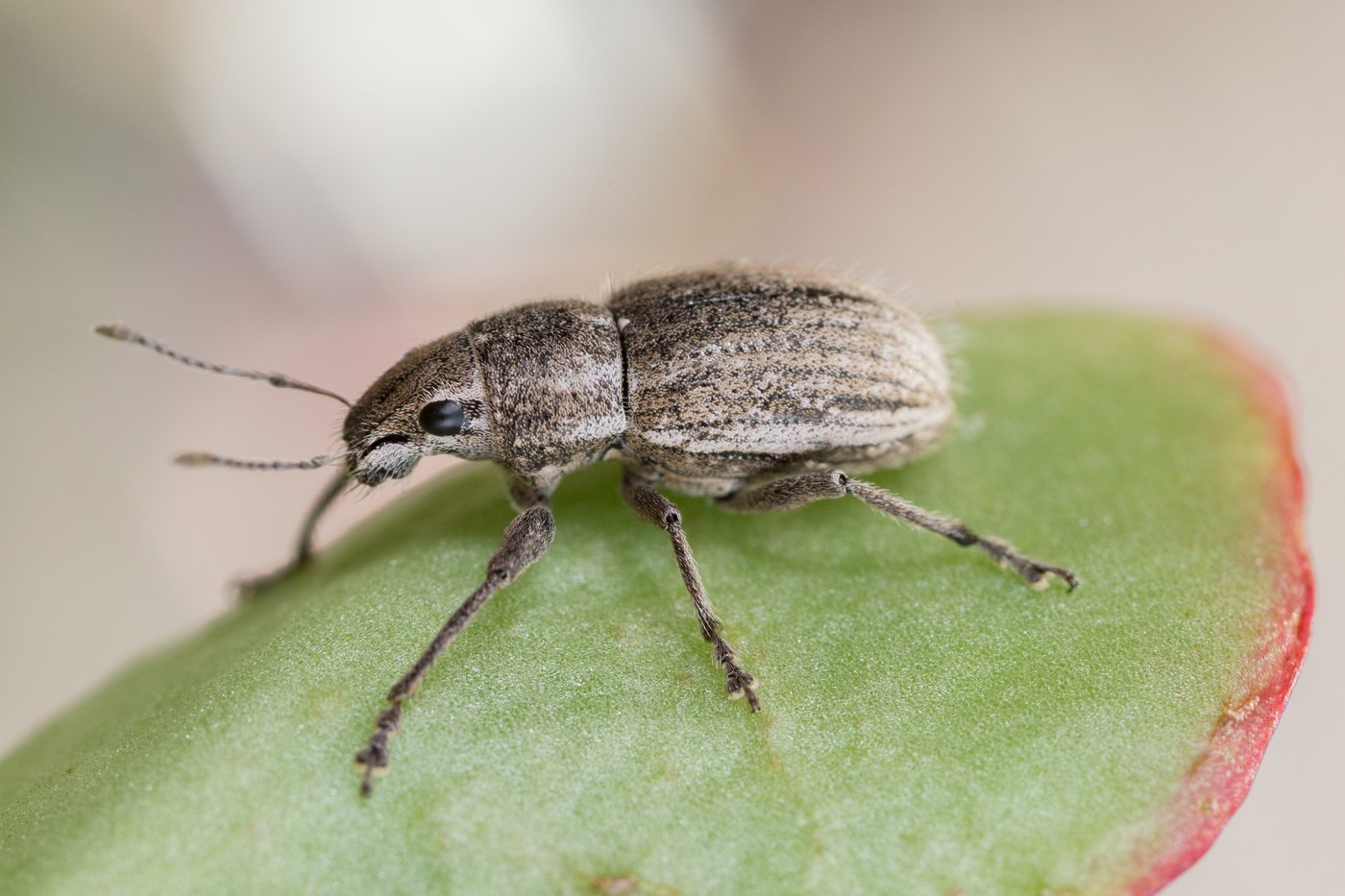
Whitefringed Beetle
Pastures, row crops, lawns, disturbed soils
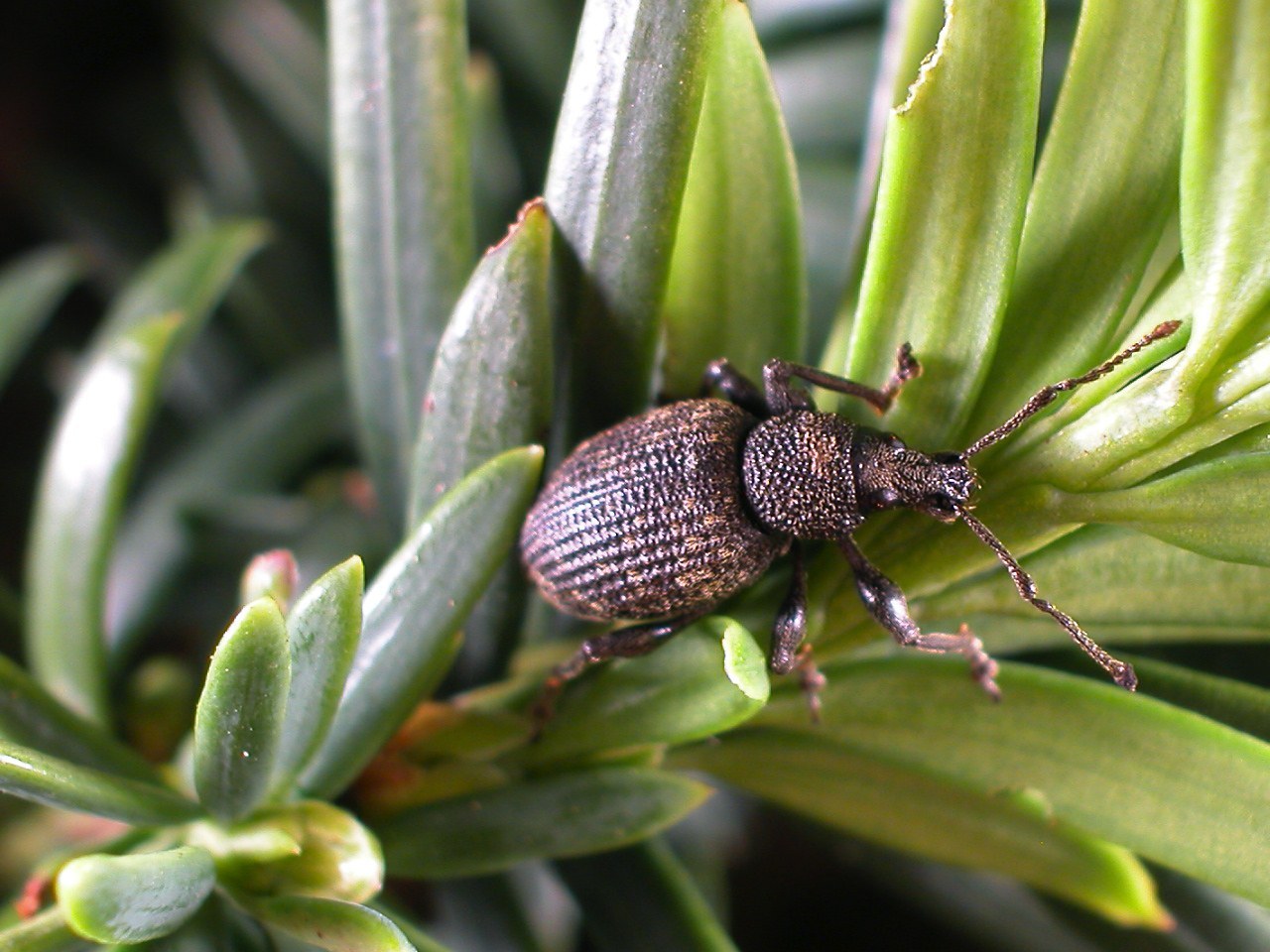
Vine Weevil
Gardens, nurseries, greenhouses, and container plantings
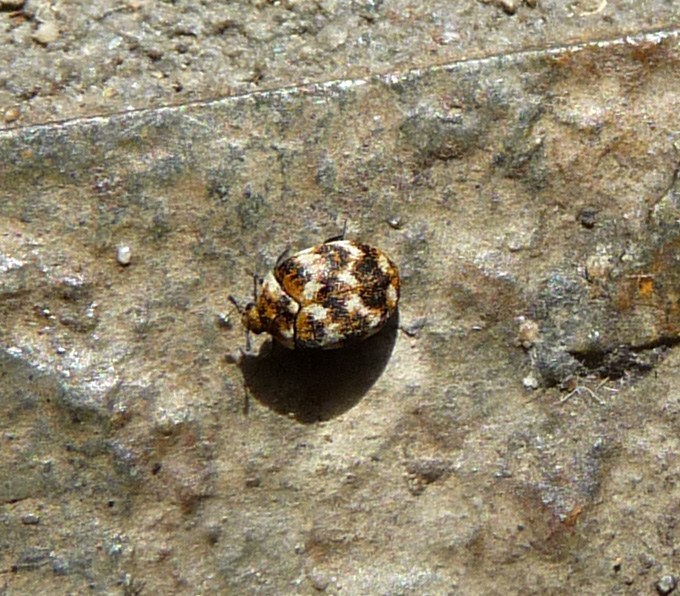
Varied Carpet Beetle
Homes, nests of birds and mammals, and flowers outdoors
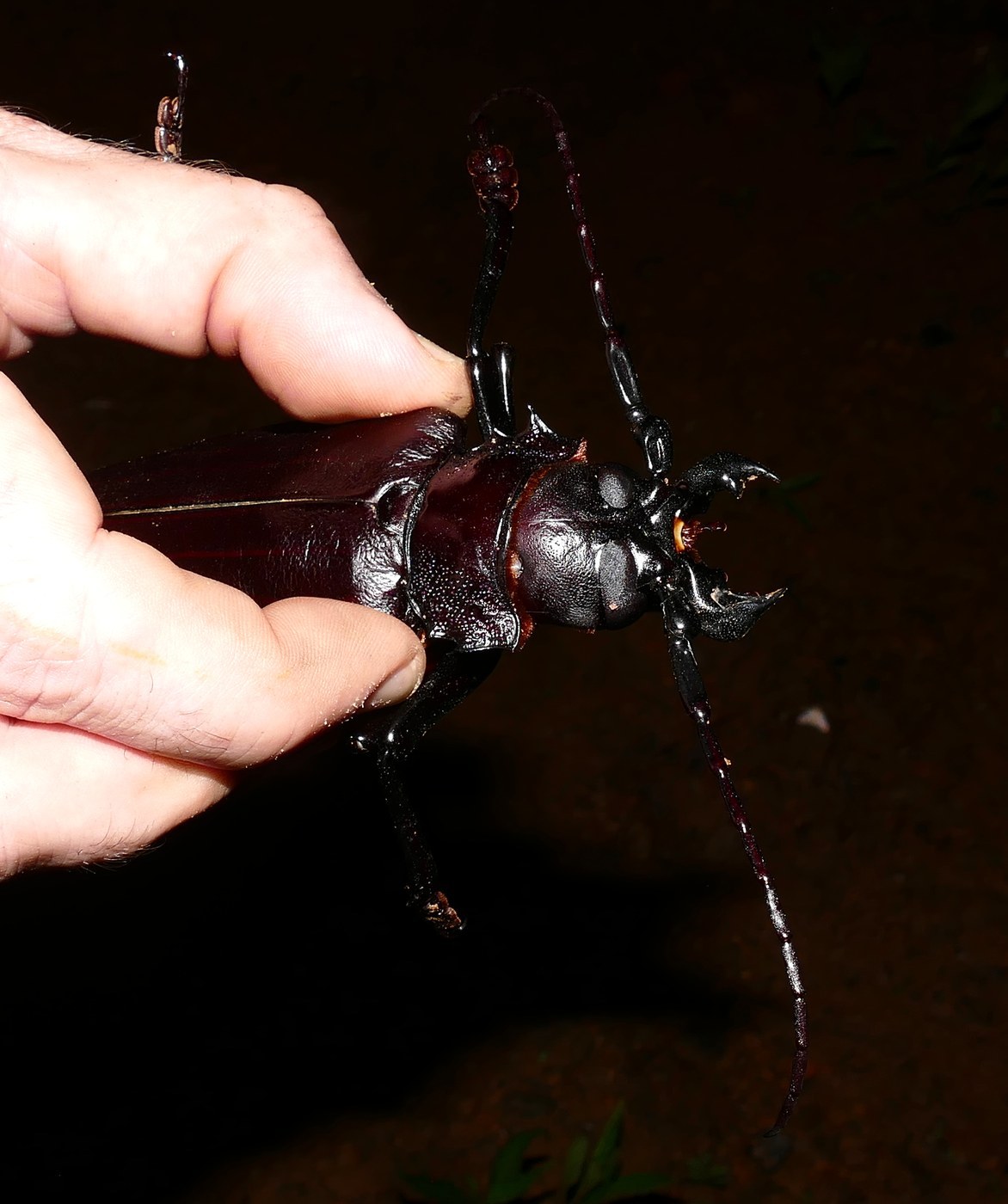
Titan Beetle
Amazon rainforest of South America
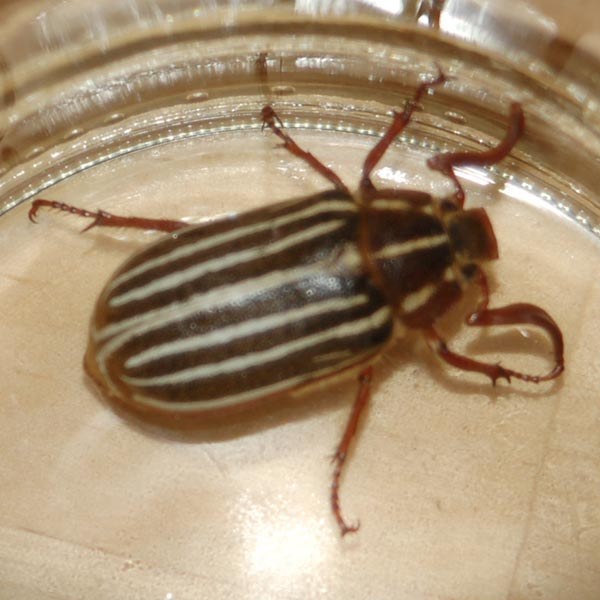
Ten-lined June Beetle
Sandy soils, pine forests, and orchards of western North America
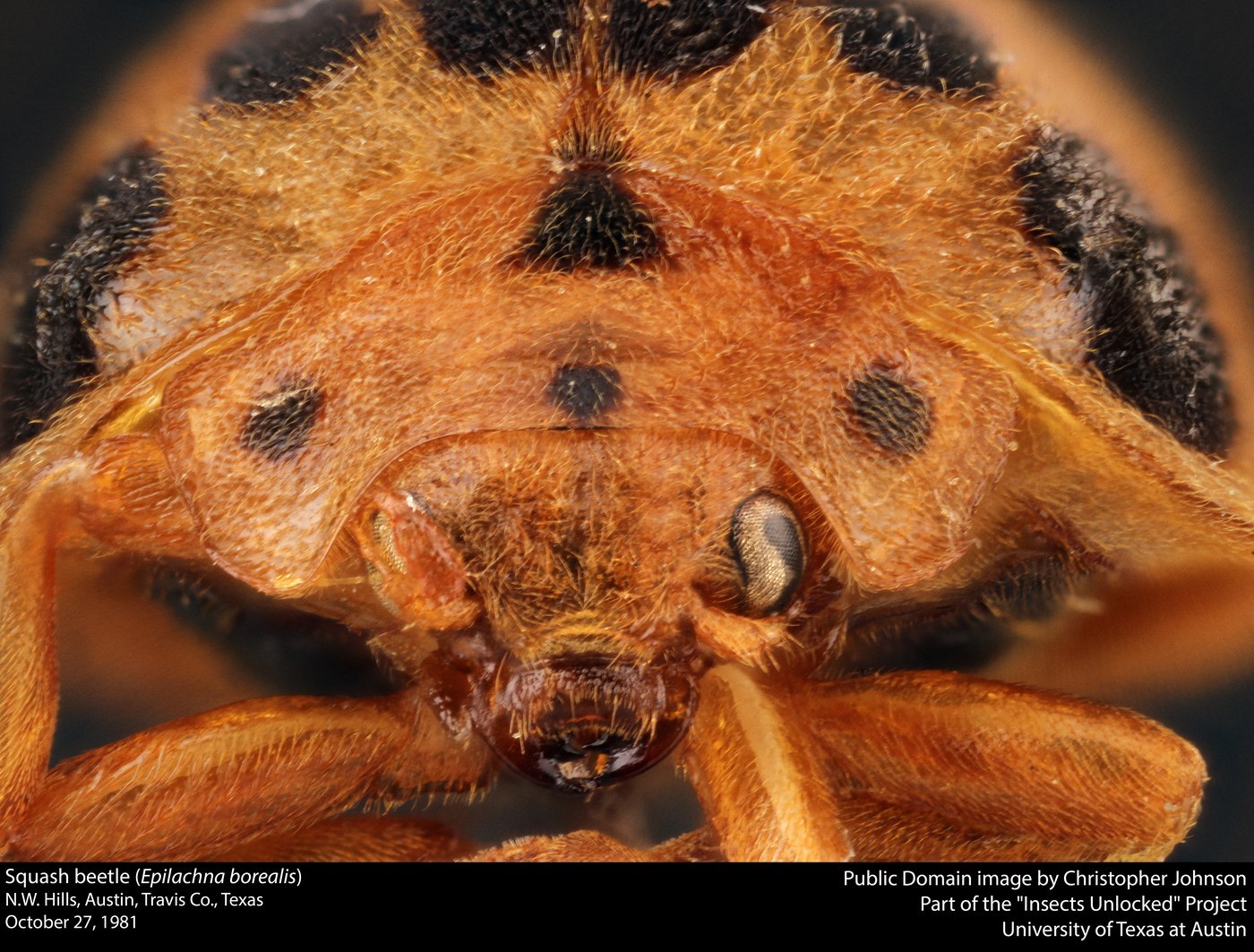
Squash Beetle
Vegetable gardens and fields growing squash, pumpkin, and other cucurbits
Red Flour Beetle
Stored grain, flour, and dry food products in mills, warehouses, and pantries worldwide