
Atlas Moth
Attacus atlas
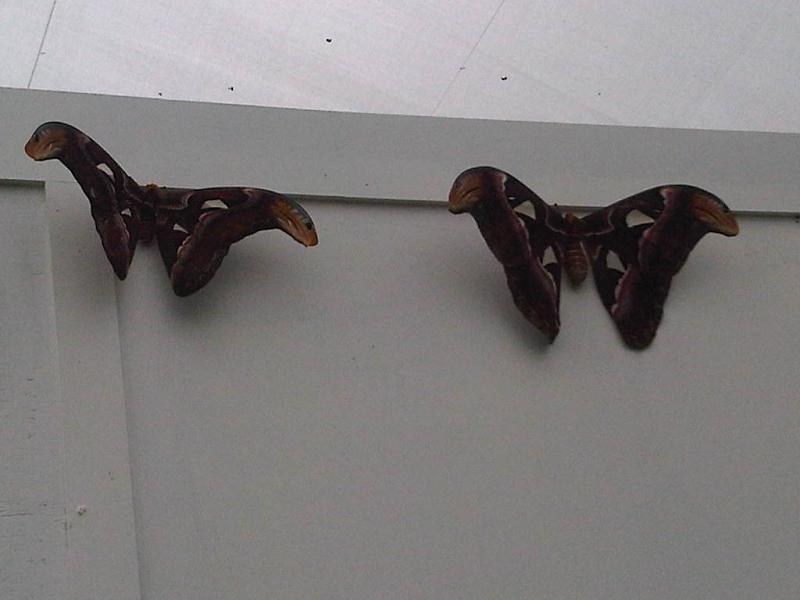
One of the largest moths in the world by wing surface area, the Atlas Moth is a giant reddish-brown silkmoth with striking triangular wingtip patches that resemble the heads of snakes.
- Size
- 9.5–11.8 in wingspan
- Habitat
- Tropical and subtropical lowland forests of Southeast Asia
- Danger
- Harmless
Spotted a bug like this?
Identify any bug or insect from a photo, free.
Overview
The Atlas Moth is a member of the family Saturniidae, the giant silkmoths, and is renowned as one of the largest lepidopterans on Earth by total wing area, with some individuals exceeding a wingspan of nearly a foot. It is native to the tropical and subtropical forests of Southeast Asia, ranging from India through Indonesia and southern China.
The species is named for its map-like wing pattern of reddish-brown, cream, and black regions, and its wingtips bear elongated, translucent triangular patches that closely resemble the head of a snake, thought to function as a defense against predators. Its silk is used commercially in some regions to produce a durable, brown silk known as fagara silk.
Adult Atlas Moths are notable for having no functional mouthparts, meaning they never feed as adults and survive purely on fat reserves stored during the caterpillar stage, giving them an unusually brief adult lifespan for such a large insect.
How to Identify
- Enormous size, with a wingspan that can approach 30 cm (about 12 in), among the largest of any moth species.
- Wings are broad and angular with a reddish-brown to purplish-brown base color, patterned with black, white, and pink lines forming a complex map-like design.
- Each forewing tip has an elongated, translucent, snake-head-shaped patch bordered in black, a key identifying feature.
- Antennae are broadly feathered (bipectinate), especially in males, used to detect female pheromones.
- Body is stout and furry, disproportionately small relative to the huge wings.
Habitat & Range
Native to tropical and subtropical forests across South and Southeast Asia, including India, Myanmar, Thailand, Malaysia, Indonesia, and southern China, the Atlas Moth inhabits lowland and hill forest, as well as agricultural and garden areas near forest edges where its host trees grow.
Adults are nocturnal and most active during the warm, humid months typical of their tropical range, with multiple generations possible per year in favorable conditions.
Behavior & Diet
Because adults lack functional mouthparts, they do not feed at all during their brief adult stage, which typically lasts only one to two weeks, relying entirely on fat reserves accumulated as a caterpillar. Their sole adult purpose is reproduction, with males using large feathered antennae to detect female pheromones over considerable distances.
Caterpillars are large, pale bluish-green, and covered in fleshy spines, feeding on the leaves of a range of trees and shrubs including citrus, guava, and cinnamon. When at rest, adults often perch with wings spread flat, displaying the full snake-head wingtip pattern as a startle defense against potential predators.
Life Cycle
Eggs are laid in small clusters on host tree leaves and hatch into large caterpillars that pass through several instars, growing to several inches long and developing waxy, spine-like tubercles along the body. The caterpillar spins a large, tough silken cocoon, often incorporating a leaf, within which it pupates.
Adults emerge from the cocoon without functional mouthparts and live only briefly, focused solely on mating and, in females, laying the next generation of eggs. Multiple generations can occur annually in the warm, stable climate of its tropical range.
Frequently asked questions
Is the Atlas Moth the largest moth in the world?
It is among the largest moths by total wing surface area, though other species such as the White Witch have a slightly greater wingspan.
Do adult Atlas Moths eat anything?
No, adults lack functional mouthparts and do not feed; they live off fat reserves stored during the caterpillar stage.
Why do the wingtips look like snake heads?
The triangular, patterned wingtip patches are thought to mimic a snake's head as a deterrent to potential predators.
Where is the Atlas Moth found in the wild?
It is native to tropical and subtropical forests across South and Southeast Asia.
Atlas Moth guides
In-depth guides for identifying, understanding, and living alongside Atlas Moth.
Other bugs you may enjoy
Bagworm Moth
Coniferous and deciduous trees, shrubs, hedges
Antheraea Silkmoth
Deciduous forests, woodland edges, orchards
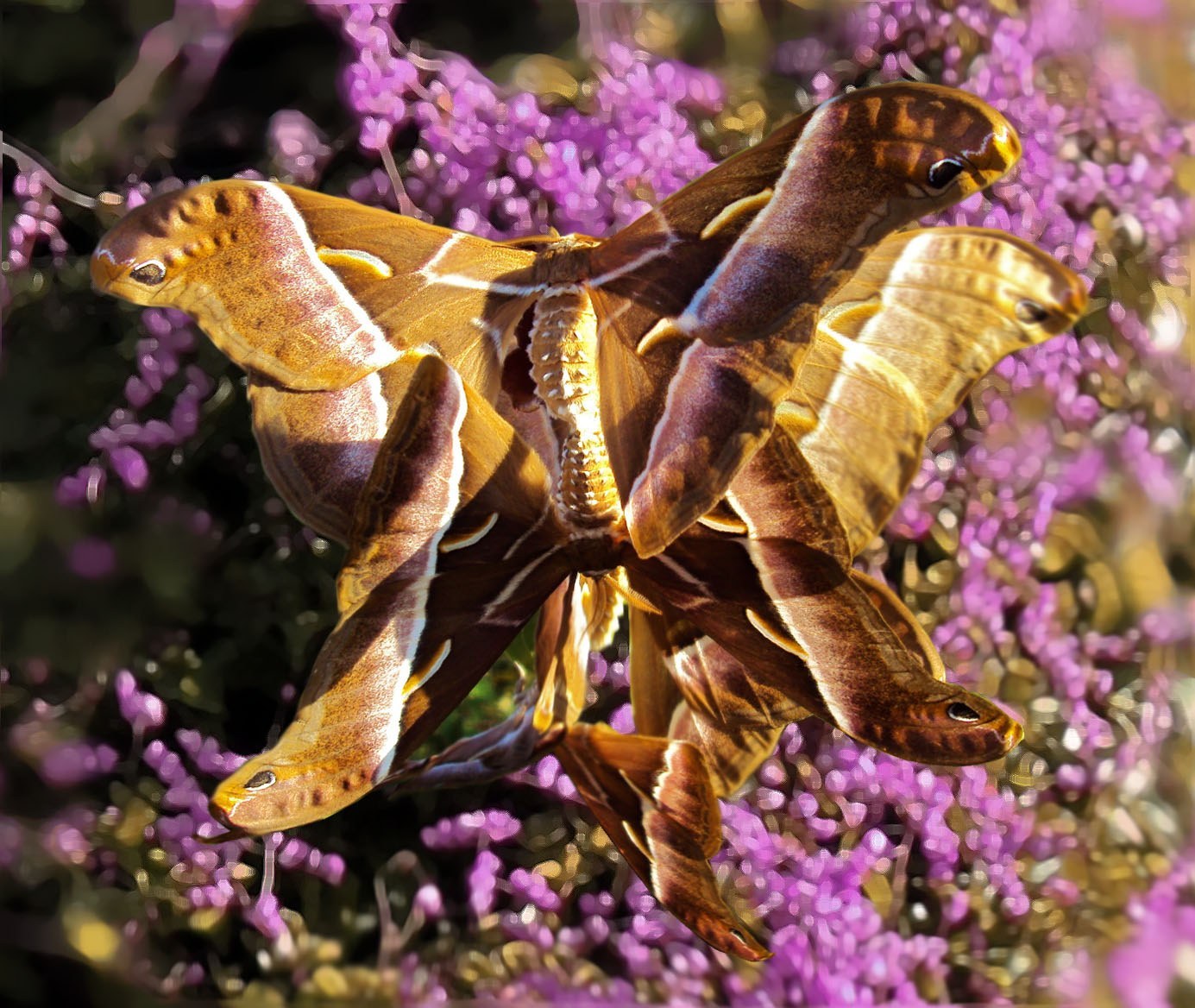
Ailanthus Silkmoth (Cynthia Moth)
Urban parks, wastelands, and woodland edges with tree-of-heaven; native to Asia, introduced in North America and Europe
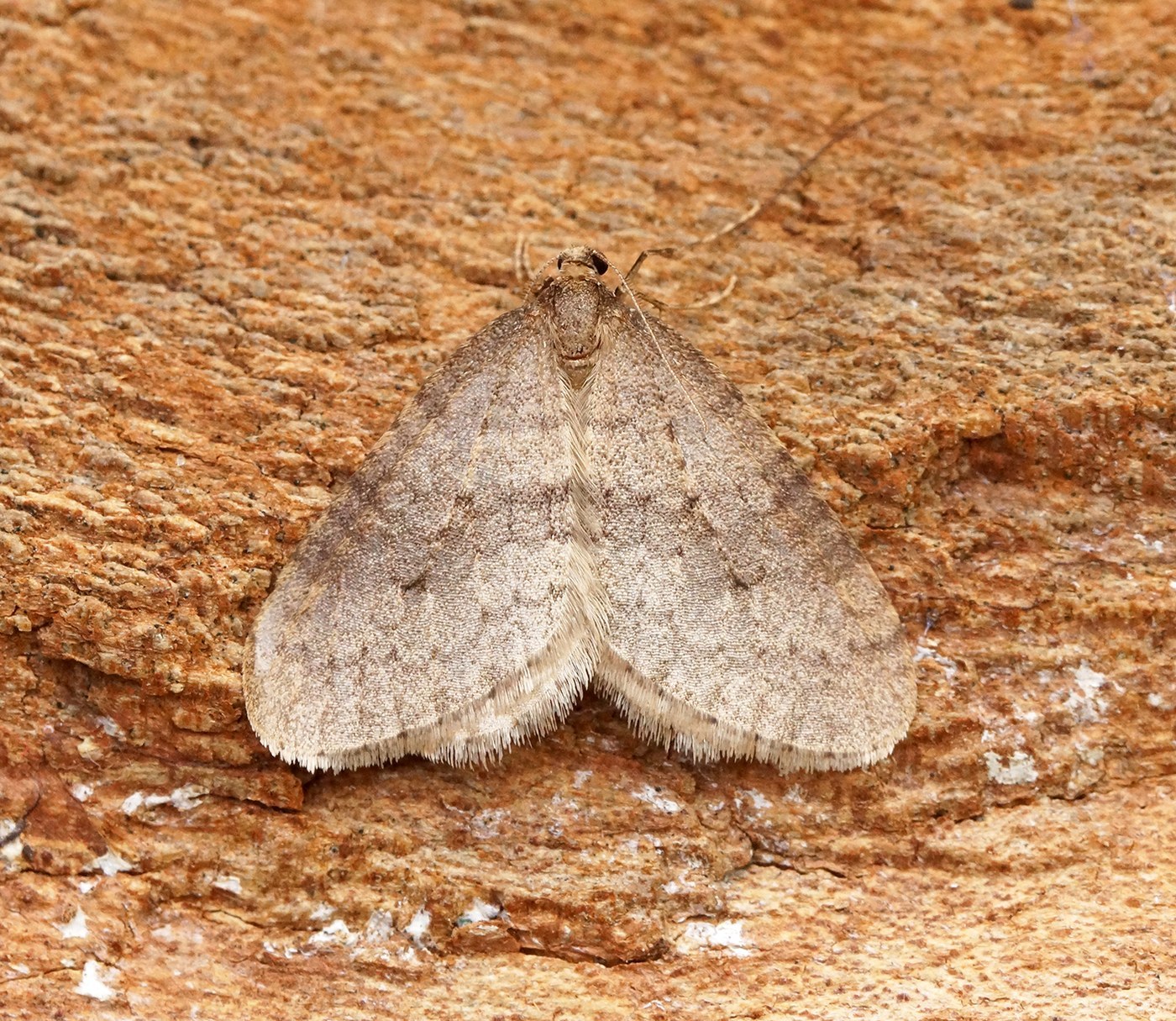
Winter Moth
Deciduous woodland, orchards, gardens, hedgerows
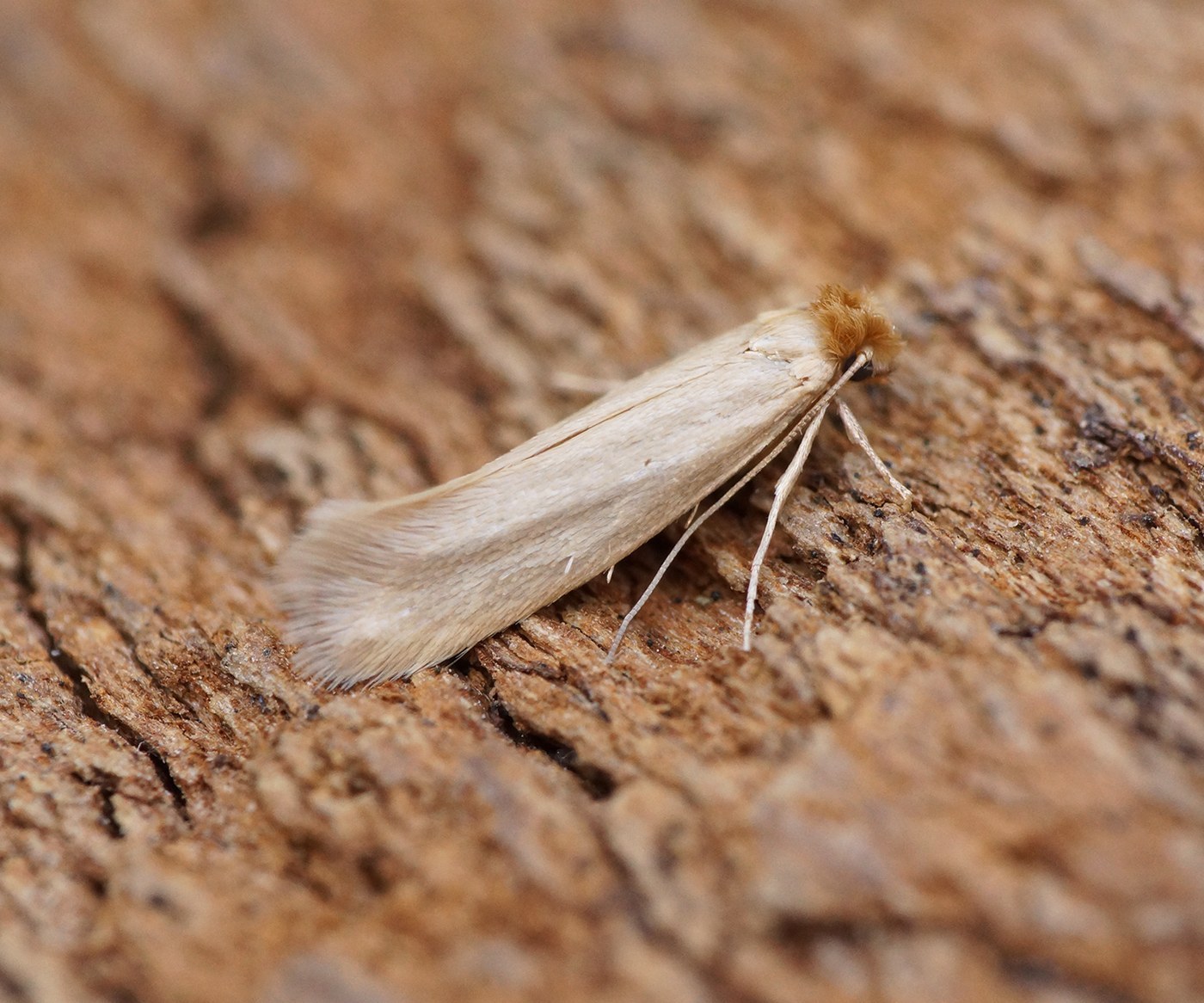
Webbing Clothes Moth
Dark closets, storage areas, and animal nests worldwide
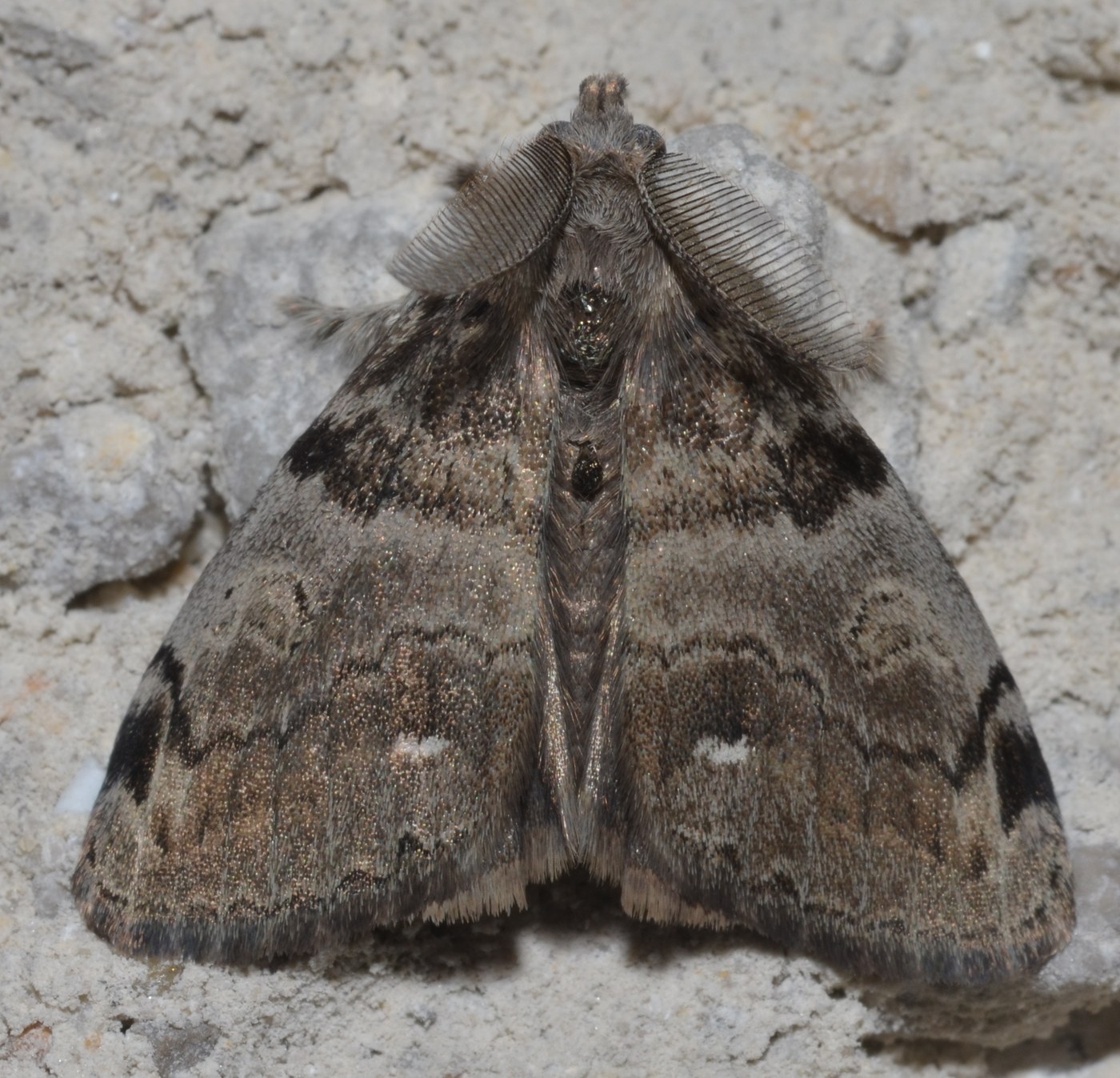
Tussock Moth
Deciduous forests, parks, gardens
Wax Moth
Beehives, apiaries, stored beeswax and comb
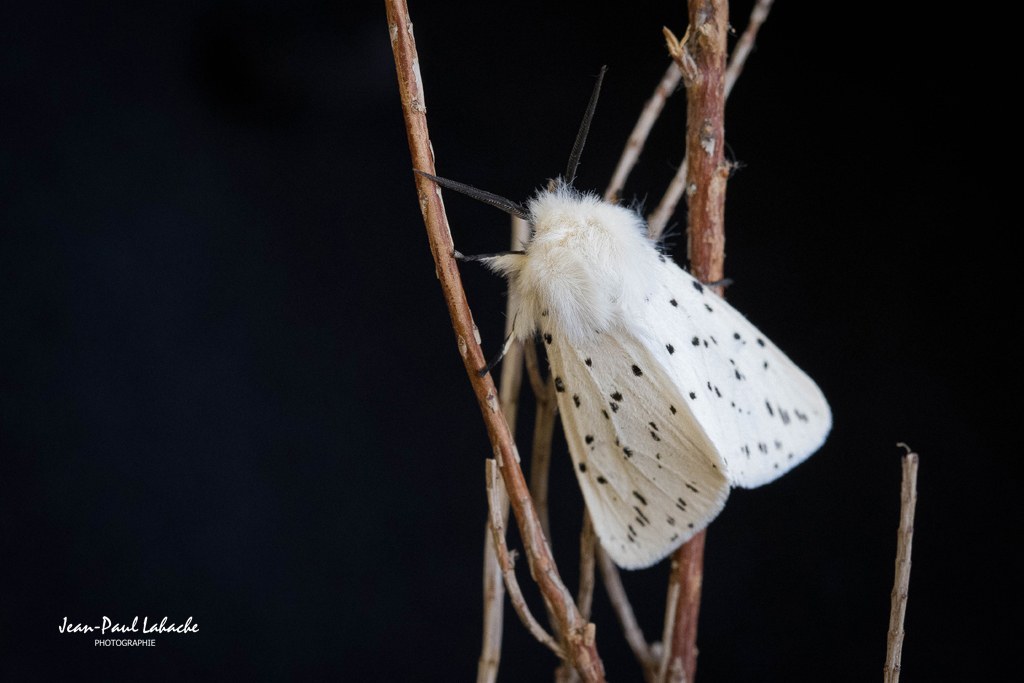
White Ermine Moth
Gardens, meadows, hedgerows
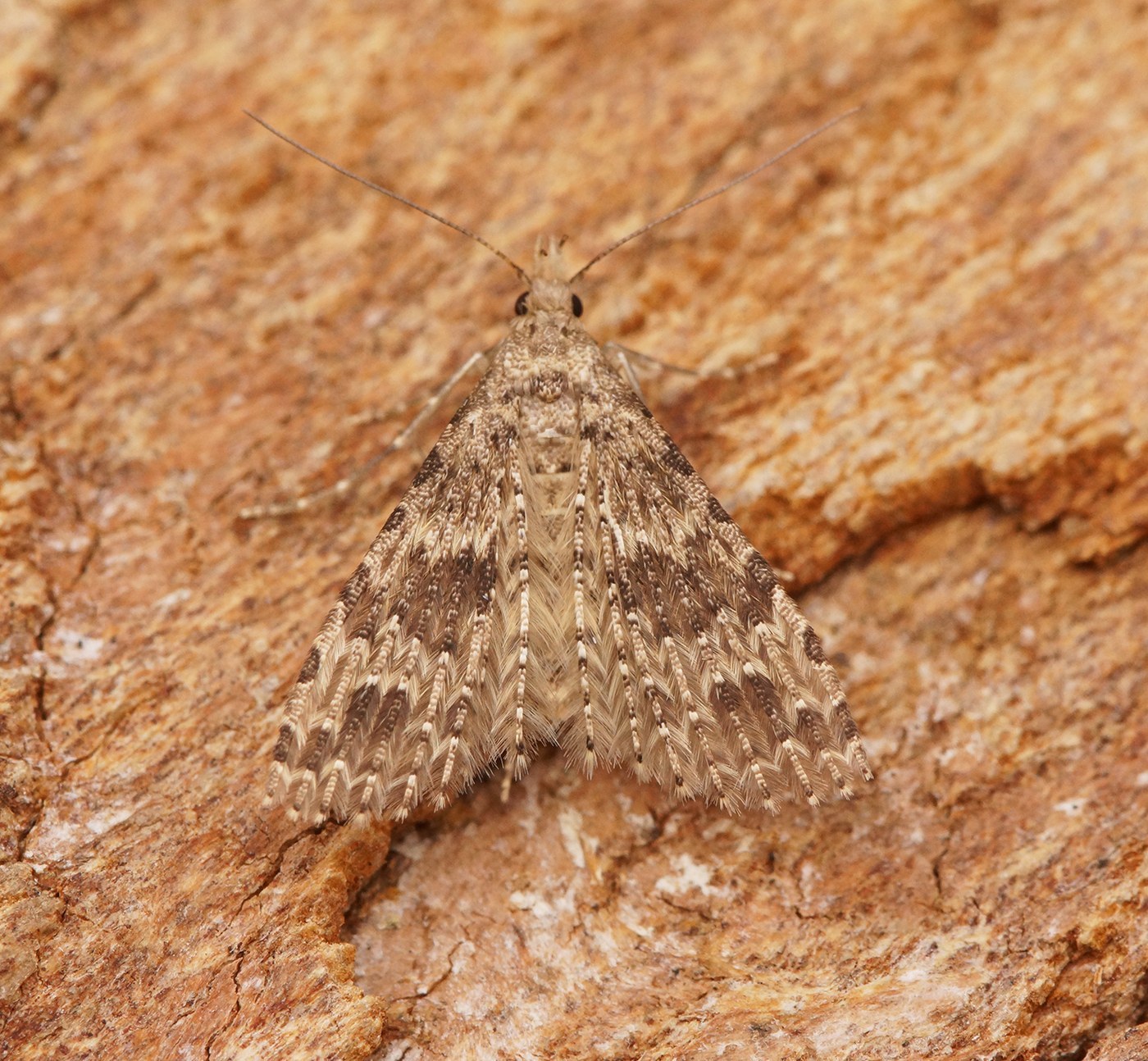
Twenty-plume Moth
Gardens, hedgerows, near honeysuckle
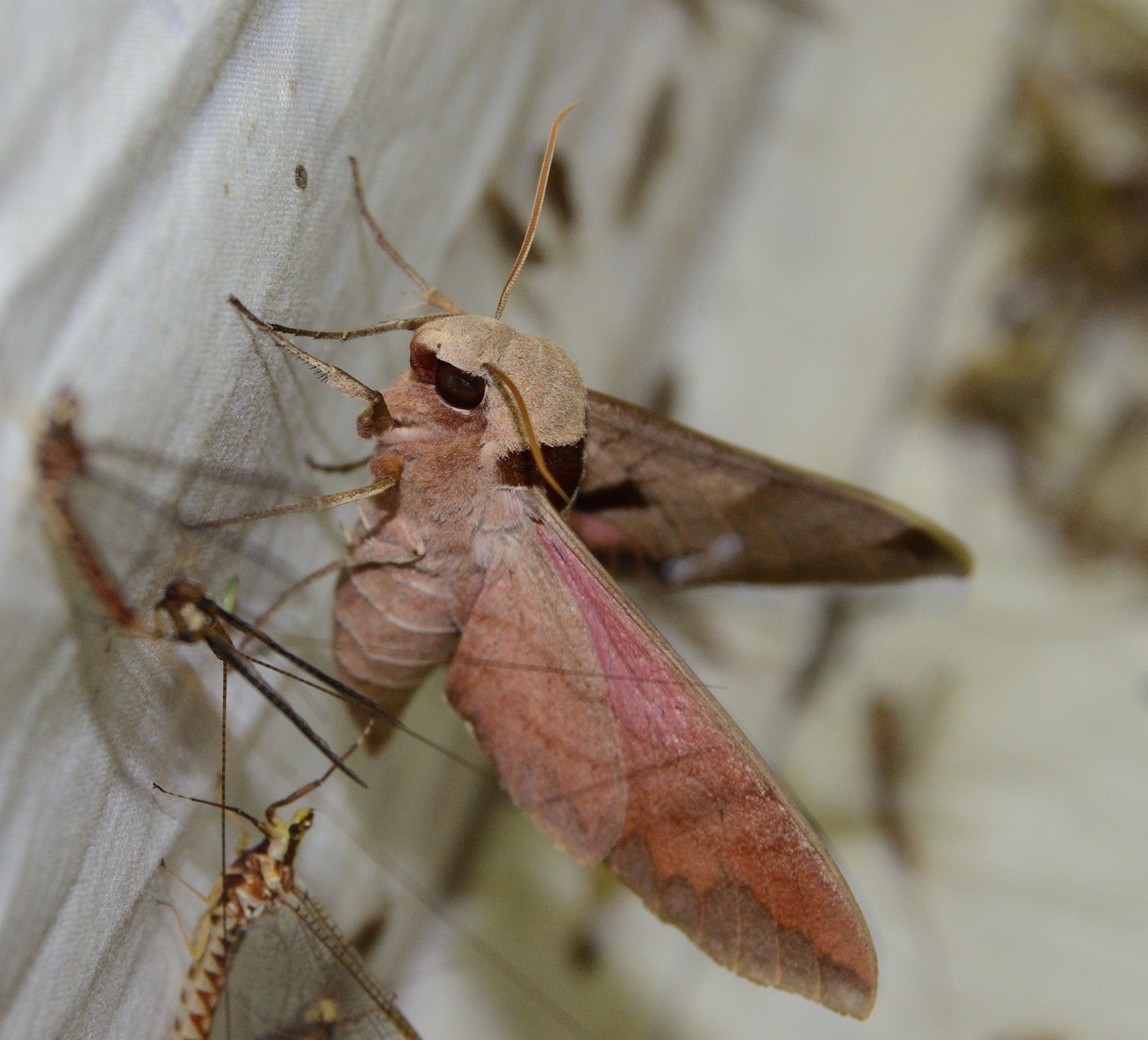
Achemon Sphinx Moth
Vineyards, woodland edges, gardens with wild grape
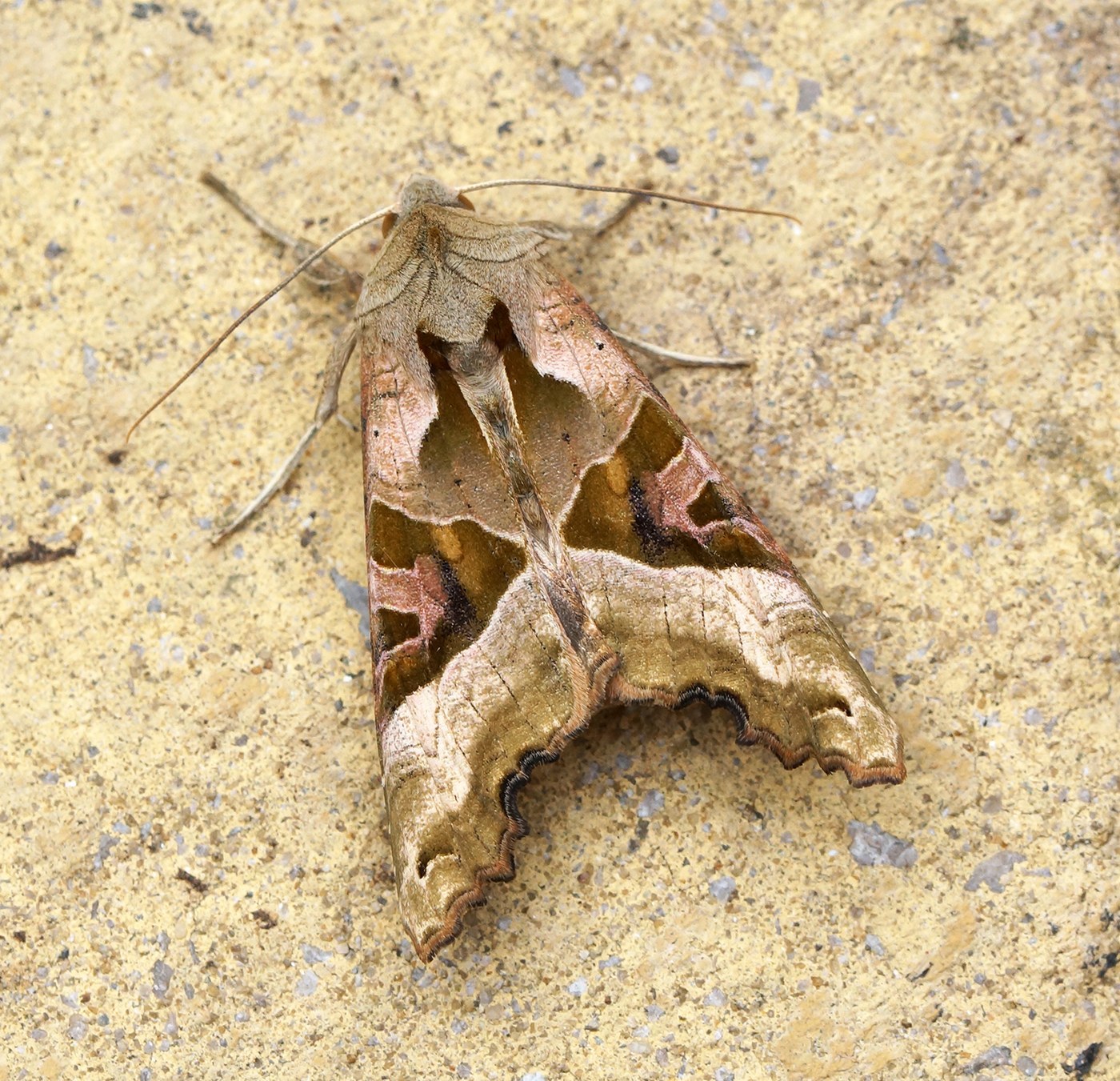
Angle Shades Moth
Gardens, hedgerows, woodland edges, urban parks
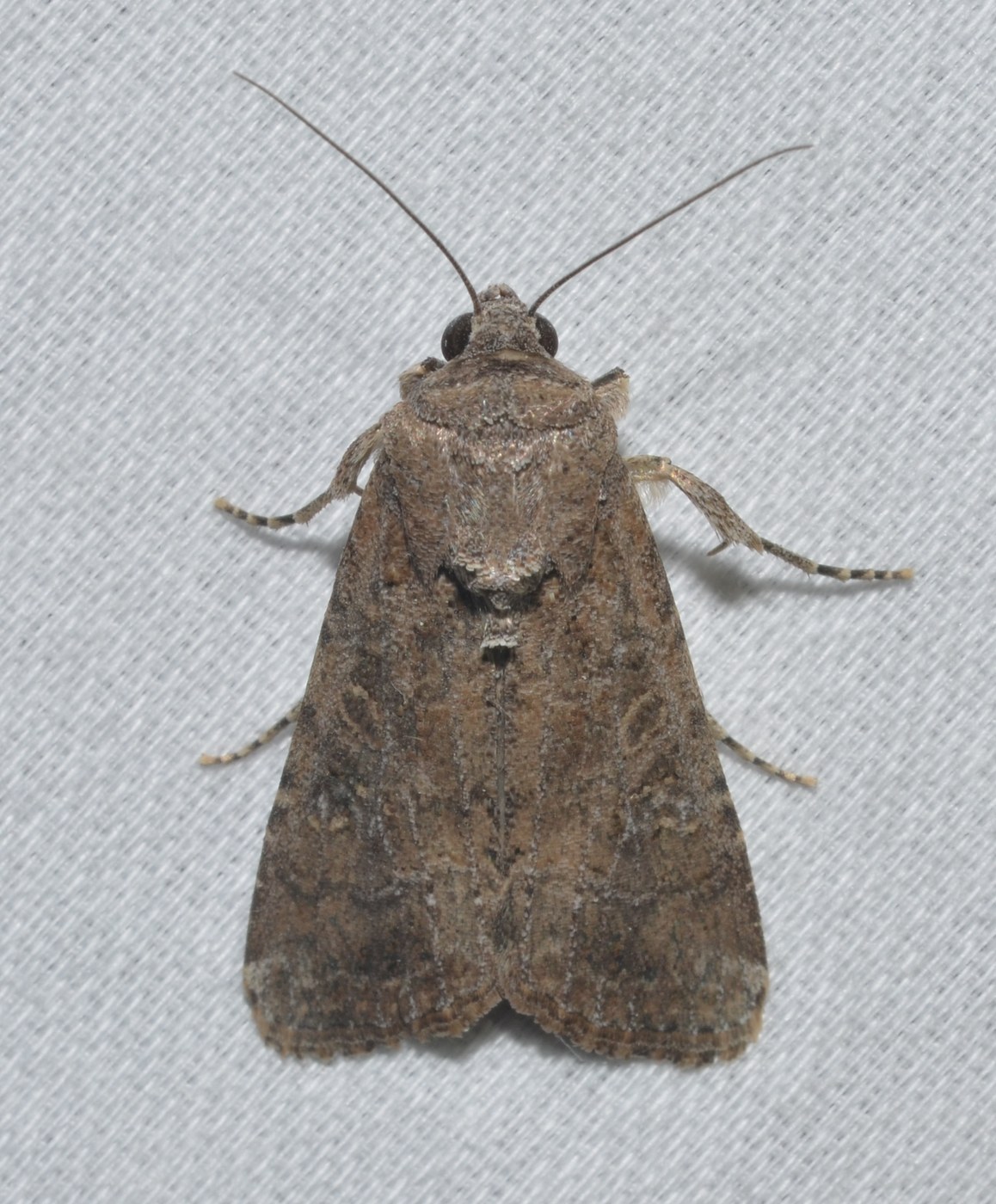
Armyworm Moth
Grasslands, pastures, farmland