
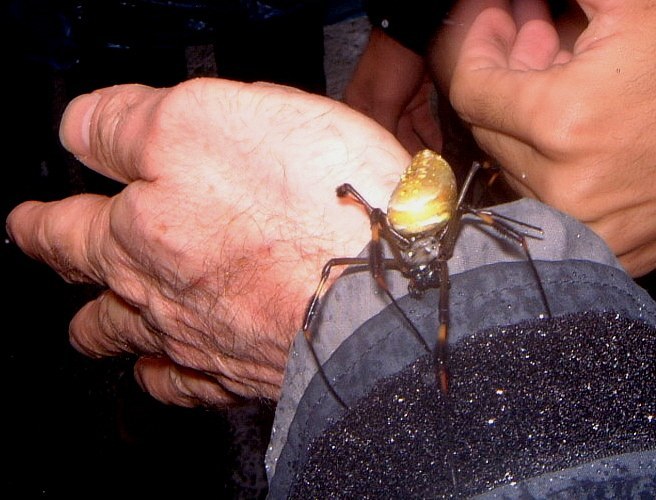
Banana Spider
Trichonephila clavipes
"Banana spider" is a folk name applied inconsistently across the Americas, but in the southeastern United States it most often refers to the large, golden-silked orb weaver commonly seen spanning gaps between trees along shaded trails.
- Size
- Female body up to 1.5 in (4 cm), leg span to 5-6 in (12-15 cm); males much smaller
- Habitat
- Wooded trails, forest edges, and gardens across the southeastern U.S. and the American tropics
- Danger
- Bites
Spotted a bug like this?
Identify any bug or insect from a photo, free.
Overview
The common name "banana spider" is used loosely in different regions for several unrelated large spiders, which can make identification confusing. In the southeastern United States, it is most frequently applied to Trichonephila clavipes, the golden silk orb weaver, a large web-building spider named for the golden sheen of its silk. Elsewhere, the same folk name has historically been applied to other large spiders encountered near banana plants or shipments, including certain wandering spiders in South America, though these belong to an entirely different family and lifestyle.
When used for the golden silk orb weaver, "banana spider" describes a large, patterned, web-building spider with a long cylindrical abdomen and dramatically smaller males, commonly seen suspended in large orb webs between trees along wooded trails and garden edges. This is a sedentary, web-bound spider, in contrast to ground-dwelling wandering spiders that sometimes share the same common name in other regions.
Because the name is applied inconsistently, the most reliable way to identify a spider called a "banana spider" is to note whether it sits in a large web (pointing toward an orb weaver like Trichonephila clavipes) or is found roaming on the ground or among foliage without a web (which would point toward an unrelated wandering spider).
How to Identify
- In its most common U.S. usage, refers to a large orb weaver with a long, cylindrical, brownish-yellow abdomen and golden-toned silk
- Females are large and conspicuous; males are tiny and often overlooked on the female's web
- Builds a large, strong orb web, typically strung between trees or shrubs at head height along trails
- Distinguishing feature from other spiders sharing the folk name: this spider is web-bound and remains at the hub, rather than actively roaming on the ground
- Regional lookalikes that also carry the "banana spider" name include ground-dwelling wandering spiders, which lack a capture web entirely and have a very different, mottled brown appearance
Habitat & Range
As typically applied in the southeastern United States, the banana spider (golden silk orb weaver) is found along shaded forest trails, garden edges, and wooded lots, building large webs between trees where flying insects are abundant. Its range extends from the Gulf Coast states south through Mexico, Central America, and much of South America, generally favoring warm, humid climates.
Behavior & Diet
The spider most often called banana spider in North America is a web-building predator that remains at the center of a large, reinforced orb web for extended periods, capturing flying insects that blunder into the sticky spiral. It is not an active wanderer and generally stays associated with a single web site for extended periods, repairing rather than fully rebuilding it. As with other orb weavers, it plays a useful ecological role in controlling flying insect populations in the habitats where its web is built.
Life Cycle
Females lay silk-wrapped egg sacs on nearby vegetation in late summer or fall, and spiderlings hatch the following spring, dispersing to build their own webs. Growth occurs through a series of molts over the warm months, with females reaching large adult size by late summer when mating takes place. Most populations complete a single generation per year, with adults dying off after the breeding season as temperatures drop.
Frequently asked questions
Is banana spider a real scientific name?
No, it is a regional common name applied inconsistently to different spiders; in the southeastern U.S. it usually refers to the golden silk orb weaver, Trichonephila clavipes.
Why do some very different spiders share the name banana spider?
The folk name has been used regionally for large spiders encountered near banana plants or in banana shipments, leading it to be applied to both web-building orb weavers and unrelated ground-dwelling wandering spiders.
How can I tell which spider I'm looking at if it's called a banana spider?
Check whether it is sitting in a large web (pointing to the golden silk orb weaver) or moving on the ground without a web (pointing to an unrelated wandering spider).
What does the banana spider (golden silk orb weaver) eat?
It feeds on flying insects such as moths, flies, and beetles that become trapped in its large orb web.
Banana Spider guides
In-depth guides for identifying, understanding, and living alongside Banana Spider.
Other bugs you may enjoy
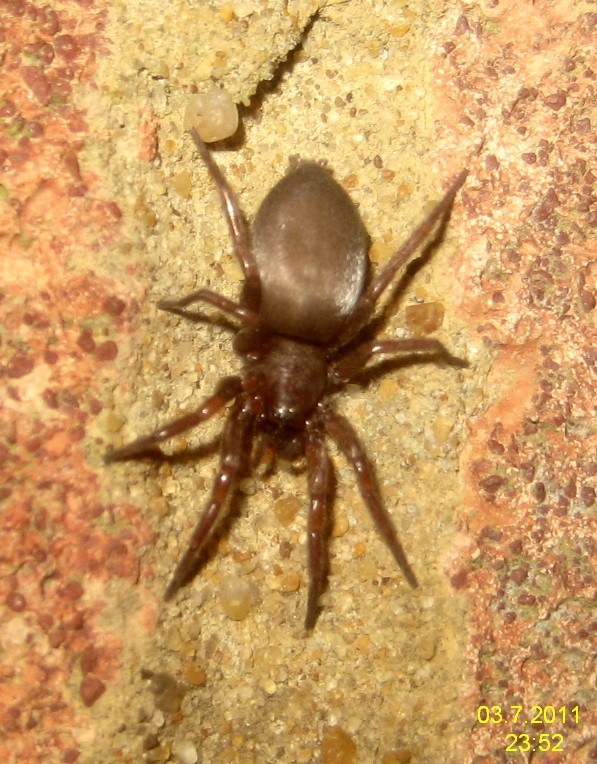
Woodlouse Spider
Damp leaf litter, under logs, stones, and mulch
Wolf Spider
Gardens, grasslands, forests, leaf litter, ground burrows
Wandering Spider
Tropical and subtropical forest floor, foliage, and banana plants
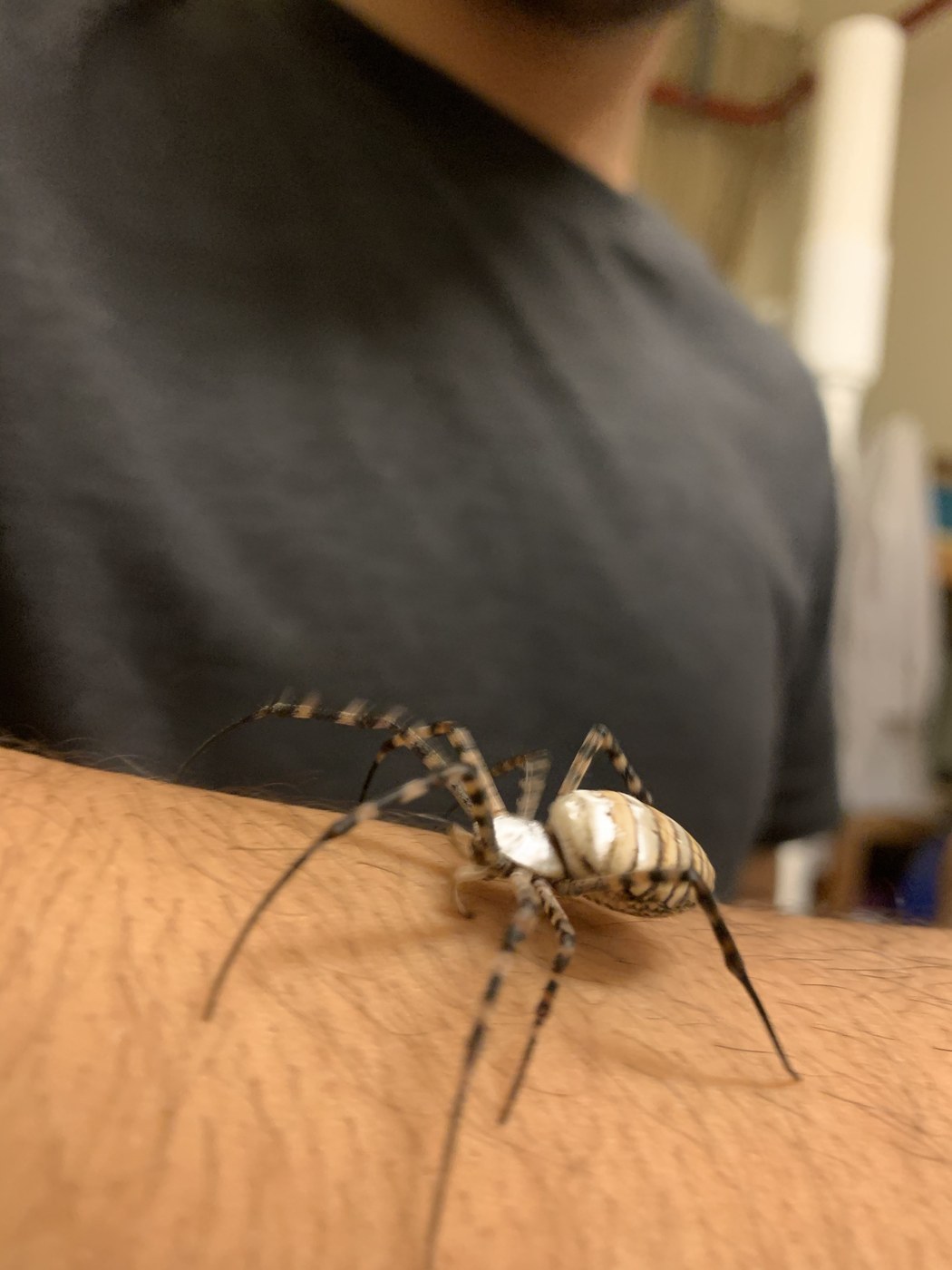
Banded Garden Spider
Tall grass, meadows, and gardens with open sunny vegetation
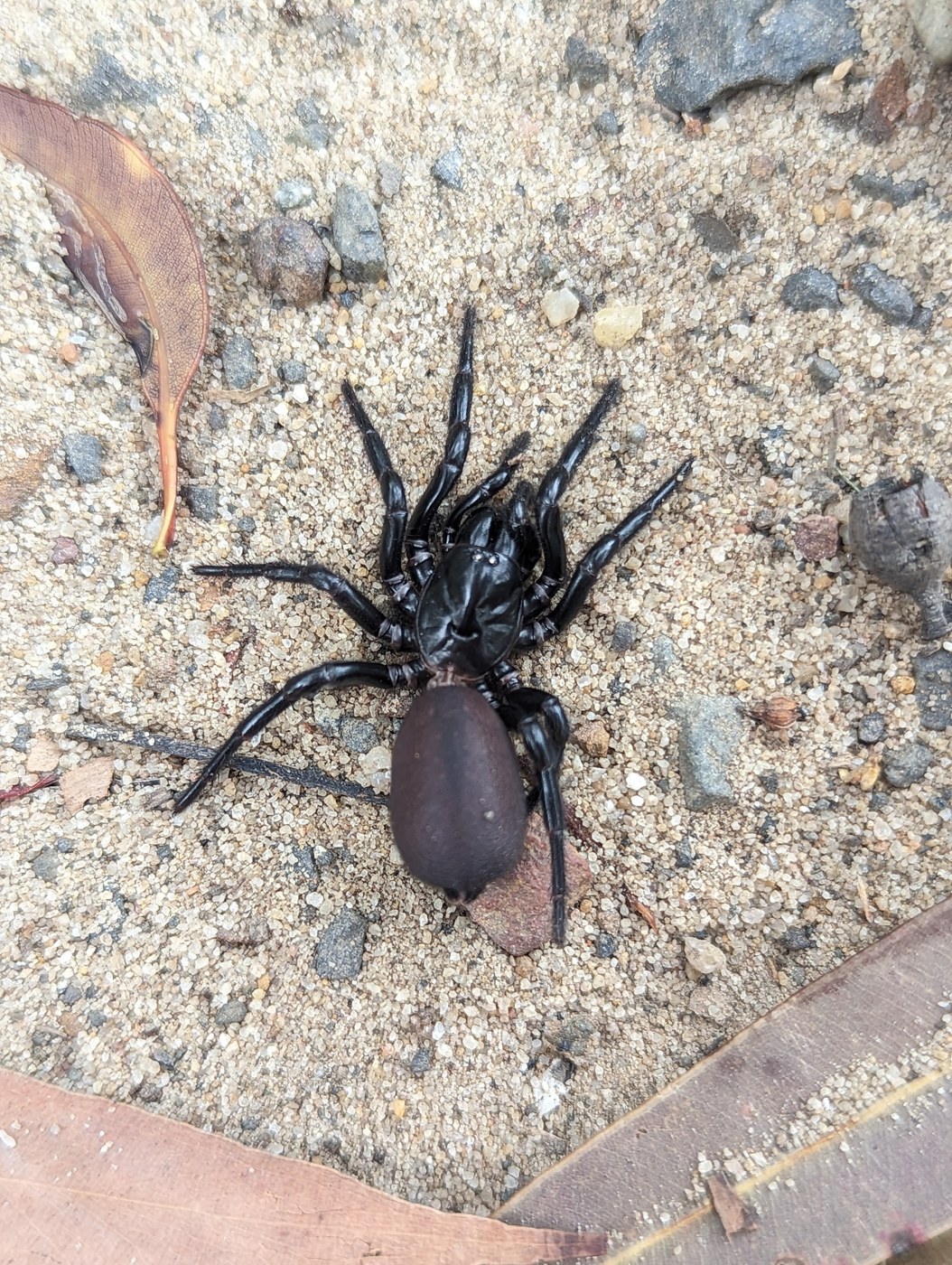
Sydney Funnel-web Spider
Burrows in moist soil, gardens, and forested gullies around the Sydney basin of eastern Australia
Trapdoor Spider
Self-dug silk-lined burrows with a camouflaged door, in dry, well-drained soil worldwide
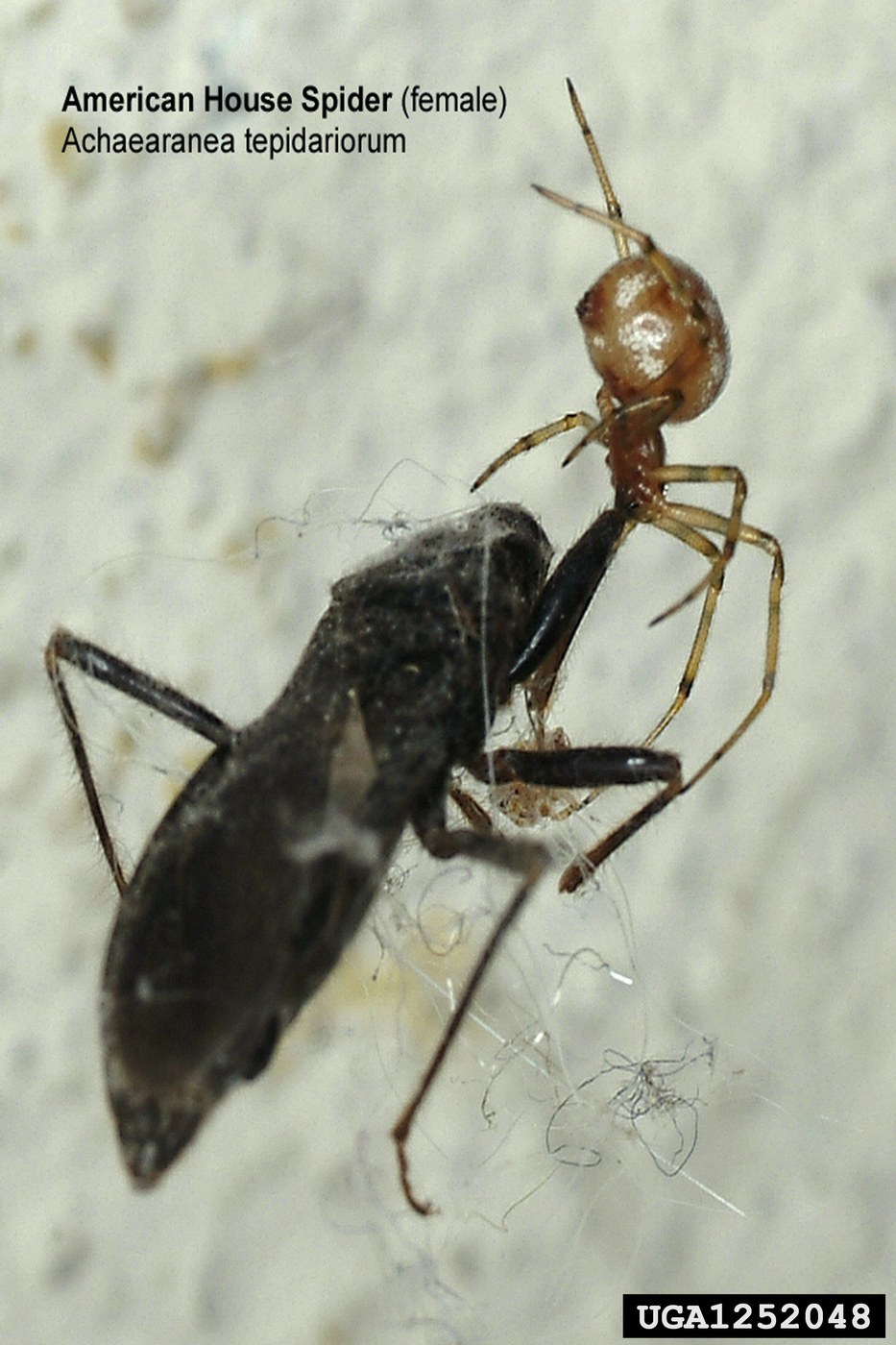
American House Spider
Corners, basements, garages, and outbuildings worldwide
Tube Web Spider
Wall crevices, bark, rockeries, and masonry
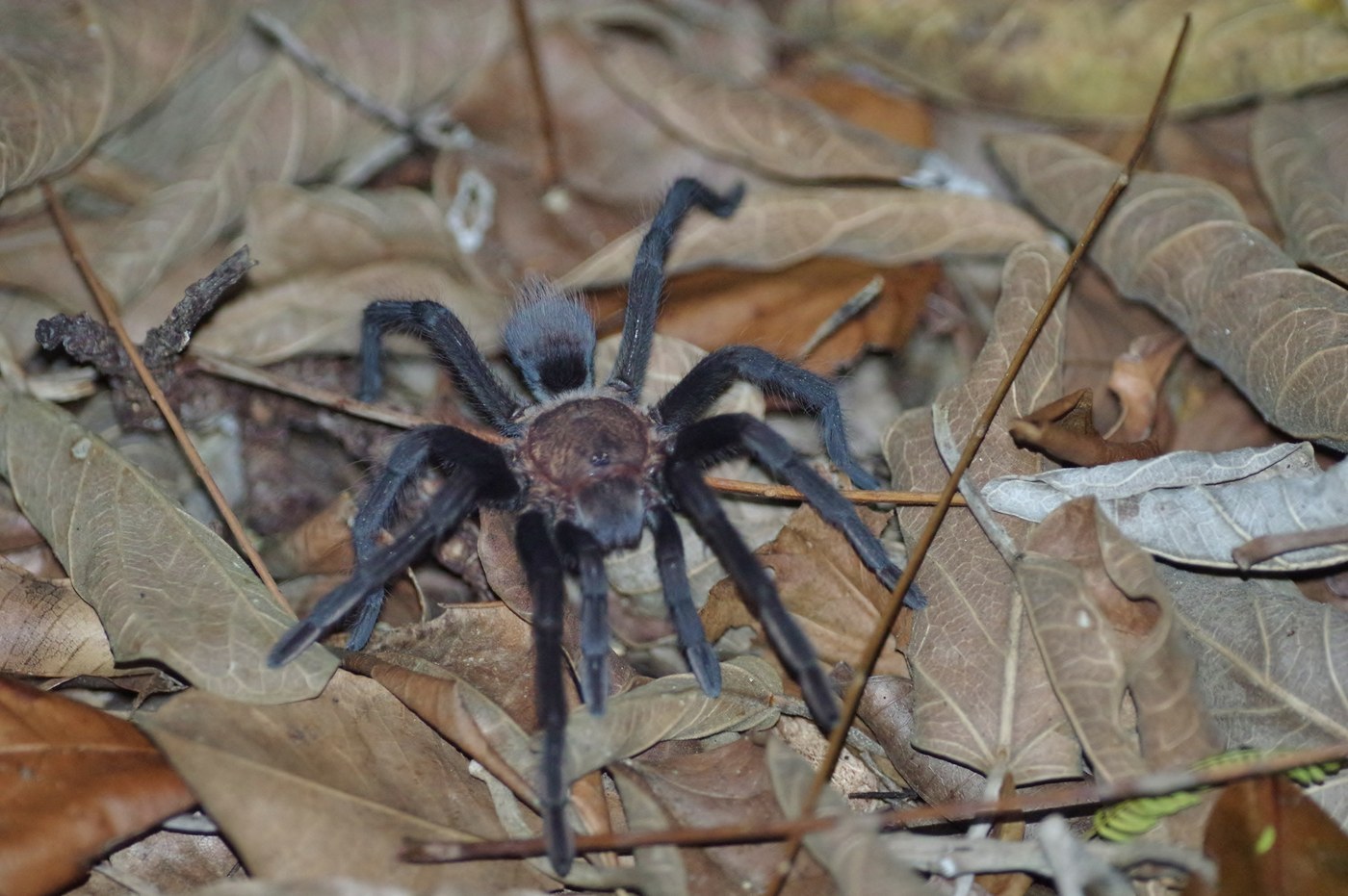
Tarantula
Burrows, rock crevices, and tree hollows in deserts, grasslands, and tropical forests worldwide
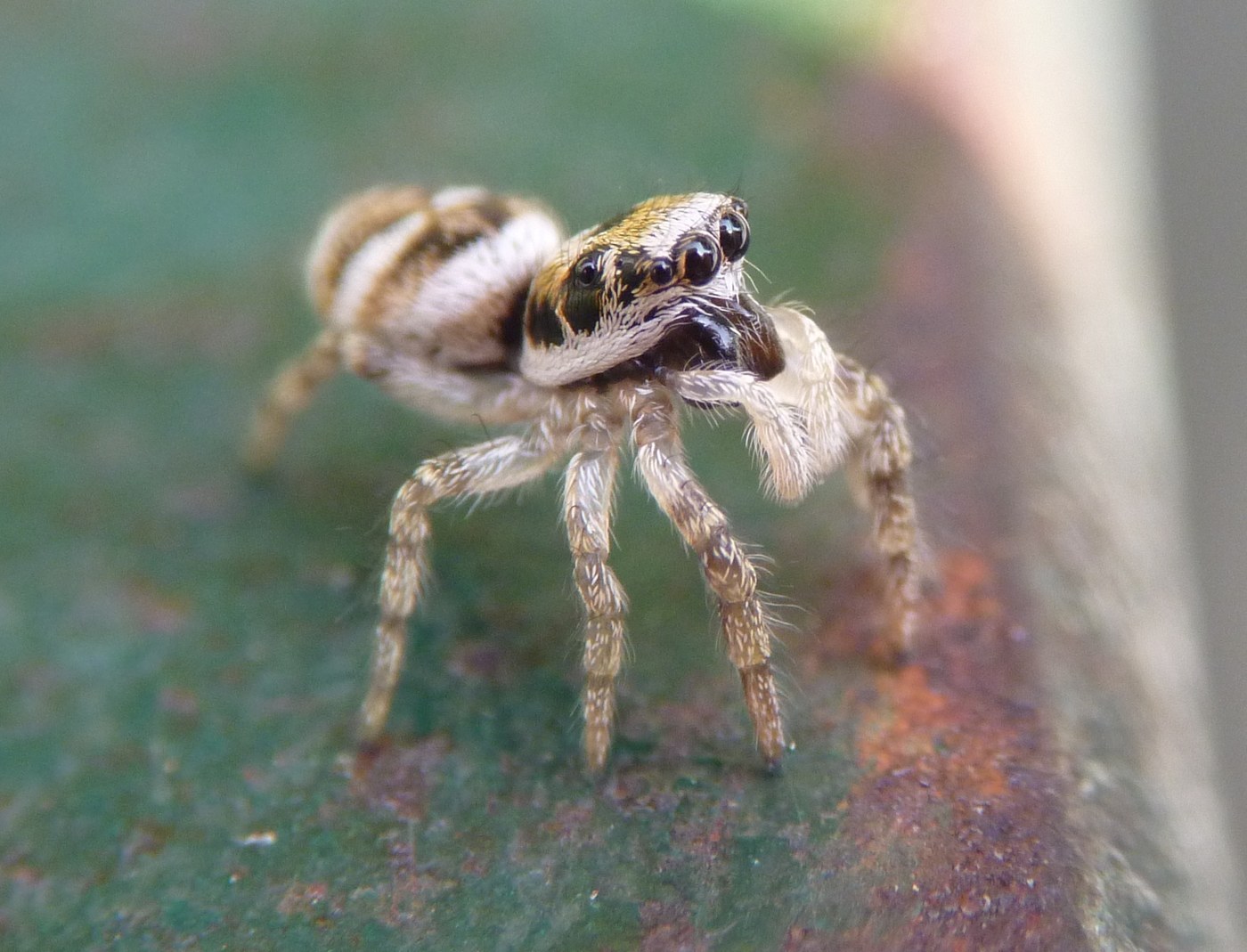
Zebra Jumping Spider
Sunny walls, fences, tree bark, and building exteriors
Wall Spider
Cracks and crevices on exterior and interior walls
Wolf Spiderling
Grasslands, gardens, leaf litter and bare ground