
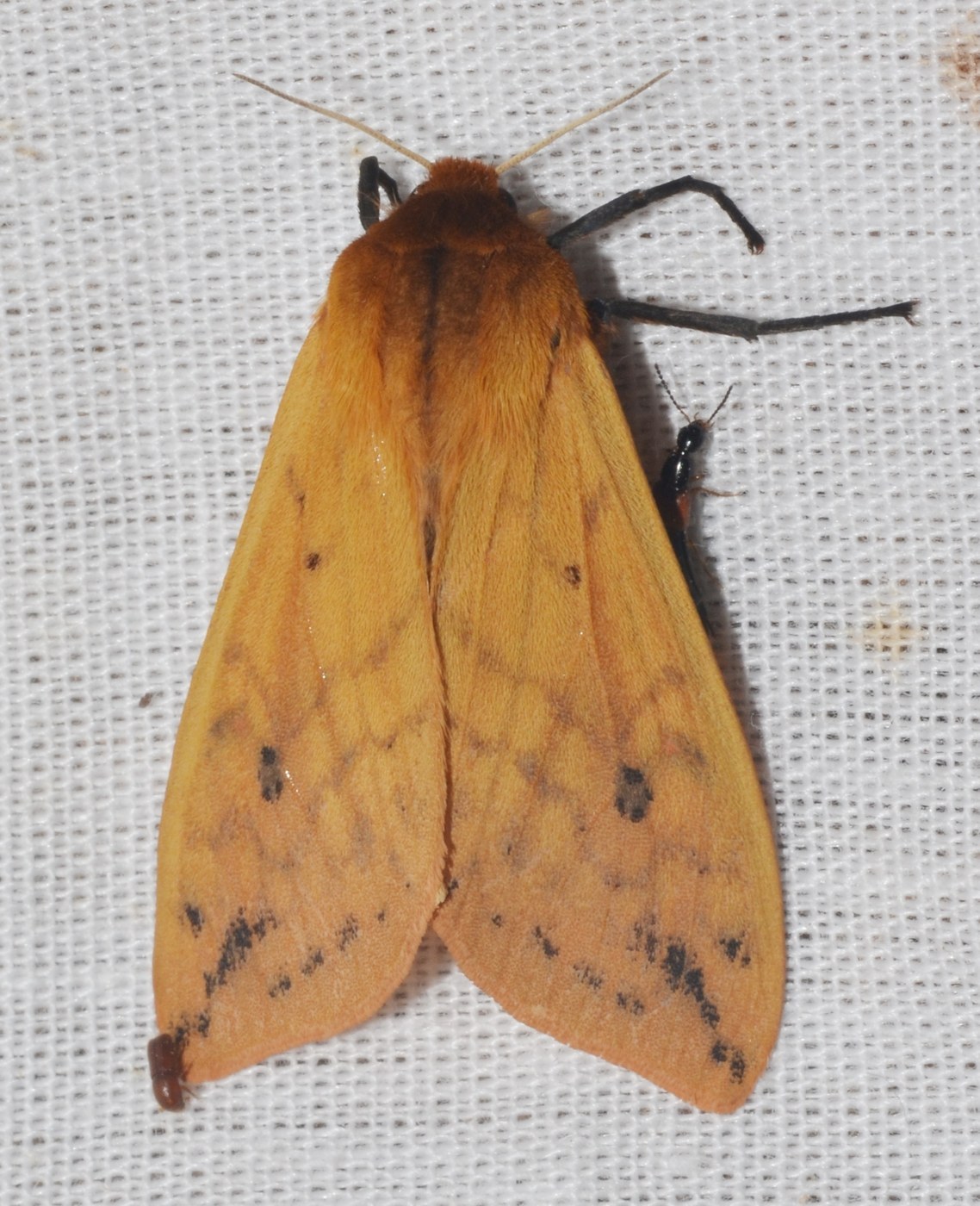
Banded Woolly Bear Moth
Pyrrharctia isabella
Best known as the black-and-rust-banded fuzzy caterpillar that famously curls into a ball when disturbed, this species matures into a plain golden-orange to tan tiger moth.
- Size
- 1.8–2.6 in wingspan (adult); 1.5–2.5 in caterpillar
- Habitat
- Fields, meadows, gardens, roadsides, deciduous woodland
- Danger
- Harmless
Spotted a bug like this?
Identify any bug or insect from a photo, free.
Overview
The banded woolly bear is the larval stage of the Isabella tiger moth, a common North American species in the tiger moth subfamily (Arctiinae) of family Erebidae. While the caterpillar is instantly recognizable and culturally famous, the adult moth is a modest, sparsely marked insect in shades of yellow-orange to tan that draws far less attention.
The caterpillar's distinctive banding, a black segment at each end with a reddish-brown band in the middle, has made it the subject of long-standing folk beliefs about predicting winter severity based on the relative width of the bands, although the pattern actually reflects the caterpillar's age and molt stage rather than seasonal forecasting. It is one of the most frequently photographed and discussed caterpillars in North America each autumn.
Ecologically, this species is a hardy generalist herbivore capable of surviving freezing winter temperatures as a partially grown larva, an unusual adaptation among moths that allows it to overwinter in exposed leaf litter rather than underground or in a protected cocoon.
How to Identify
- Caterpillar: densely bristled with short, stiff hairs; black at both the head and tail ends with a broad rust-brown or reddish band across the middle segments.
- Curls tightly into a ball when handled or disturbed, a common defensive posture for this and related woolly bear caterpillars.
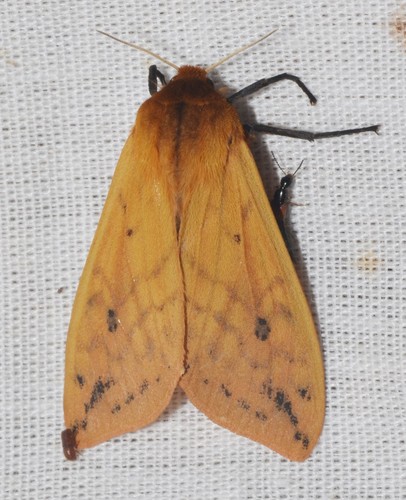
- Adult moth has yellowish-orange to tan forewings, sometimes with a few small dark spots, and a stout, hairy body with an orange abdomen marked by black dots.
- Adult wingspan is moderate for a tiger moth, with relatively plain, unpatterned wings compared to more boldly marked relatives.
- Lookalikes include other banded arctiine caterpillars, but the specific black-rust-black banding is the most recognized pattern of this species.
Habitat & Range
Widespread across the United States and southern Canada in open habitats such as fields, meadows, gardens, and woodland edges. Caterpillars are most visible in autumn as they travel over open ground searching for sheltered overwintering sites such as leaf litter, bark crevices, or under logs. Adults fly at night in late spring through summer.
Behavior & Diet
The caterpillar is a generalist feeder on a wide range of low plants, grasses, and weeds, and is famous for actively wandering across roads, sidewalks, and lawns in fall. It has a natural freeze tolerance that allows it to survive winter in a dormant state as a partly grown larva, resuming feeding briefly the following spring before pupating. Adults are nocturnal fliers with unremarkable, subdued coloring that serves as camouflage against tree bark and dry vegetation, and both stages are preyed upon by birds and other insectivores.
Life Cycle
Eggs are laid in summer and hatch into small caterpillars that feed and grow through several molts before winter. Unlike most moths, the partially grown caterpillar overwinters in a dormant, freeze-tolerant state rather than as an egg or pupa. In spring it resumes feeding briefly, then spins a cocoon incorporating its own bristly hairs and pupates, emerging as an adult moth in late spring to summer; typically one generation occurs per year in northern regions, with two possible farther south.
Frequently asked questions
Can this caterpillar really predict winter weather?
The width of its black and rust bands is popularly linked to winter severity in folklore, but the pattern actually reflects the caterpillar's age and recent molt rather than forecasting weather.
Why does it curl into a ball?
Curling tightly and playing still is a defensive response the caterpillar uses when it is picked up or disturbed.
What does the adult moth look like?
The adult Isabella tiger moth is a plain yellow-orange to tan moth with a hairy body and only a few small dark spots, quite different from the boldly banded caterpillar.
How does it survive winter?
It overwinters as a partly grown caterpillar with a natural tolerance for freezing temperatures, sheltering in leaf litter or similar cover until spring.
Banded Woolly Bear Moth guides
In-depth guides for identifying, understanding, and living alongside Banded Woolly Bear Moth.
Other bugs you may enjoy
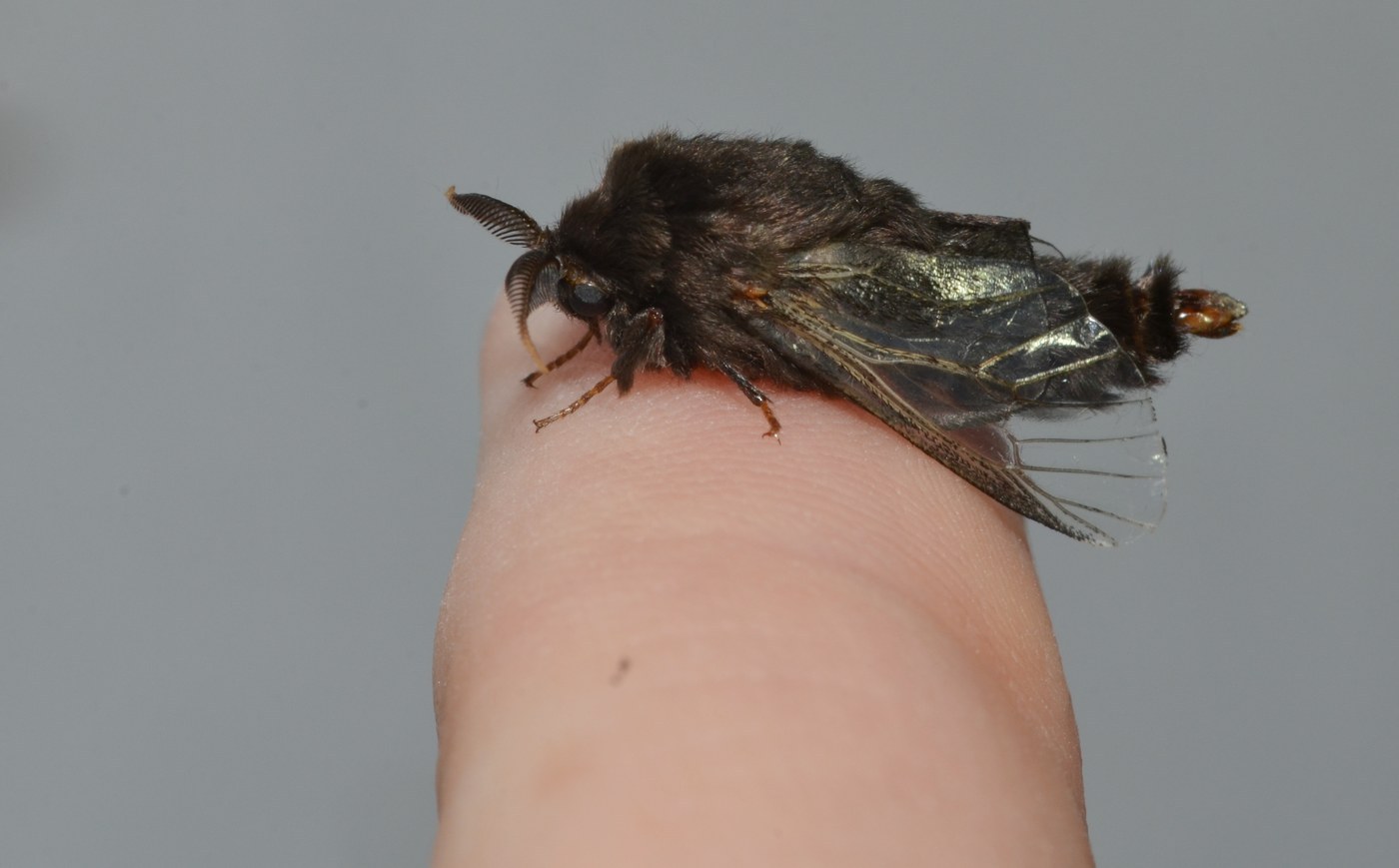
Bagworm Moth
Coniferous and deciduous trees, shrubs, hedges
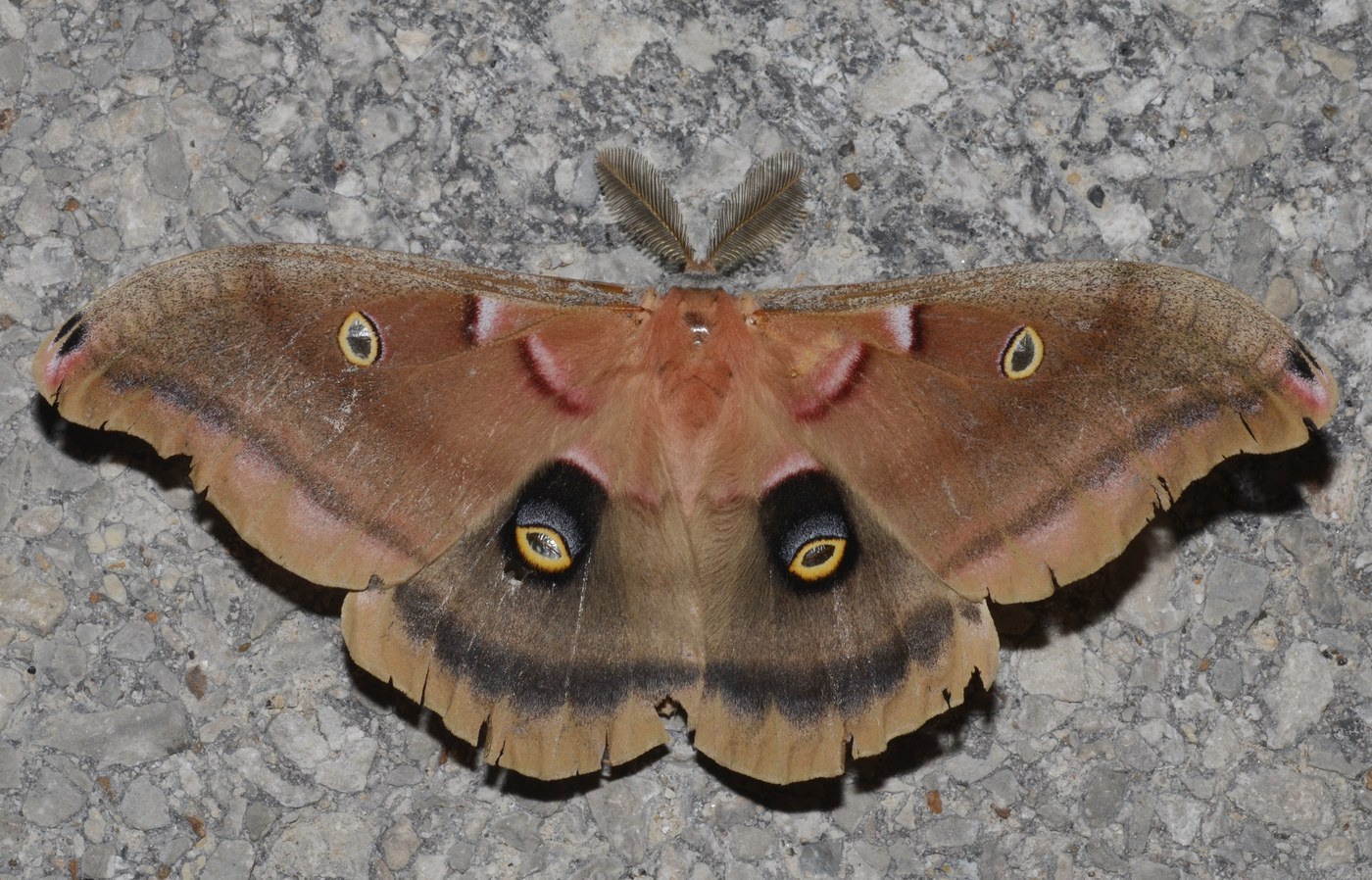
Antheraea Silkmoth
Deciduous forests, woodland edges, orchards
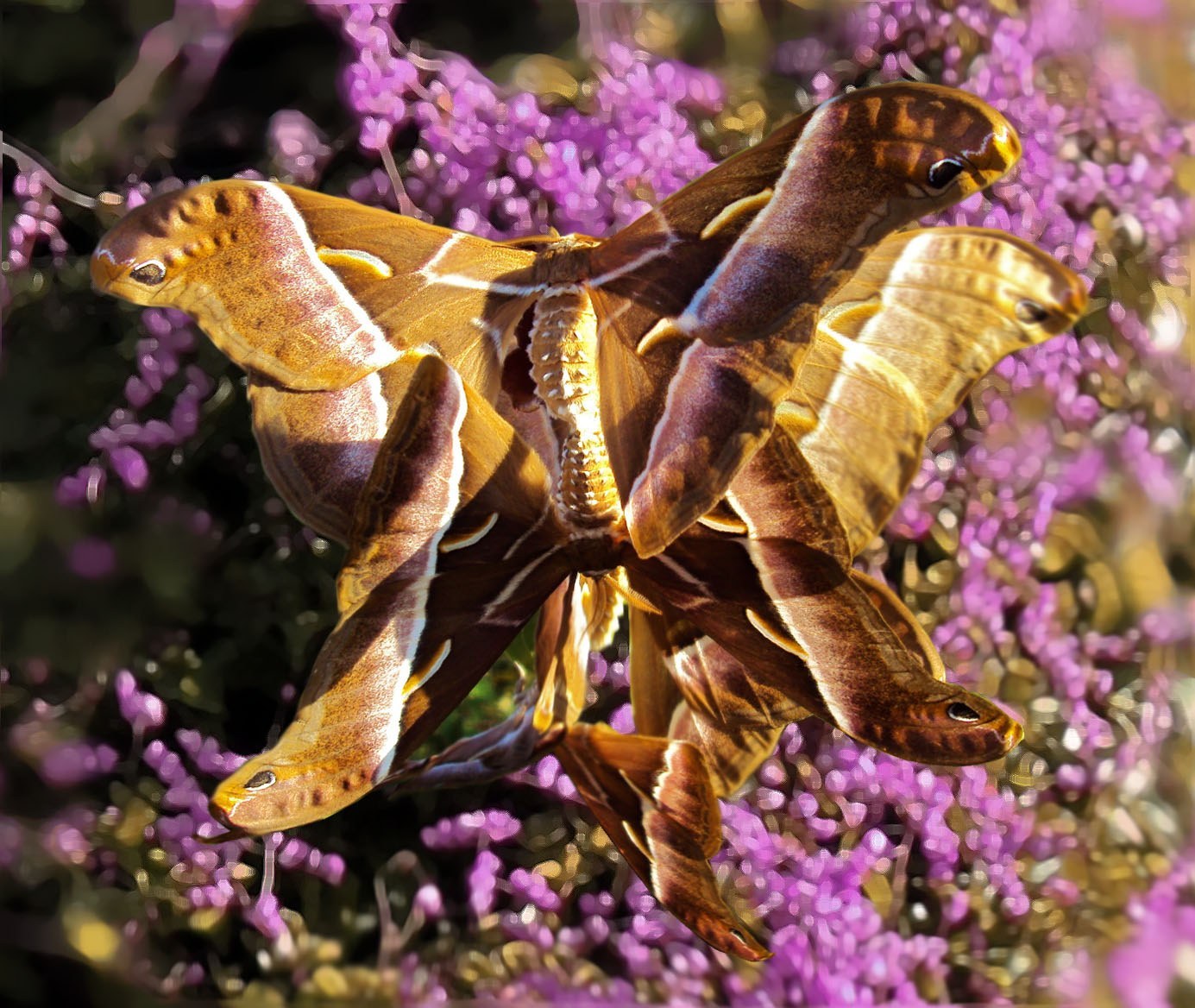
Ailanthus Silkmoth (Cynthia Moth)
Urban parks, wastelands, and woodland edges with tree-of-heaven; native to Asia, introduced in North America and Europe
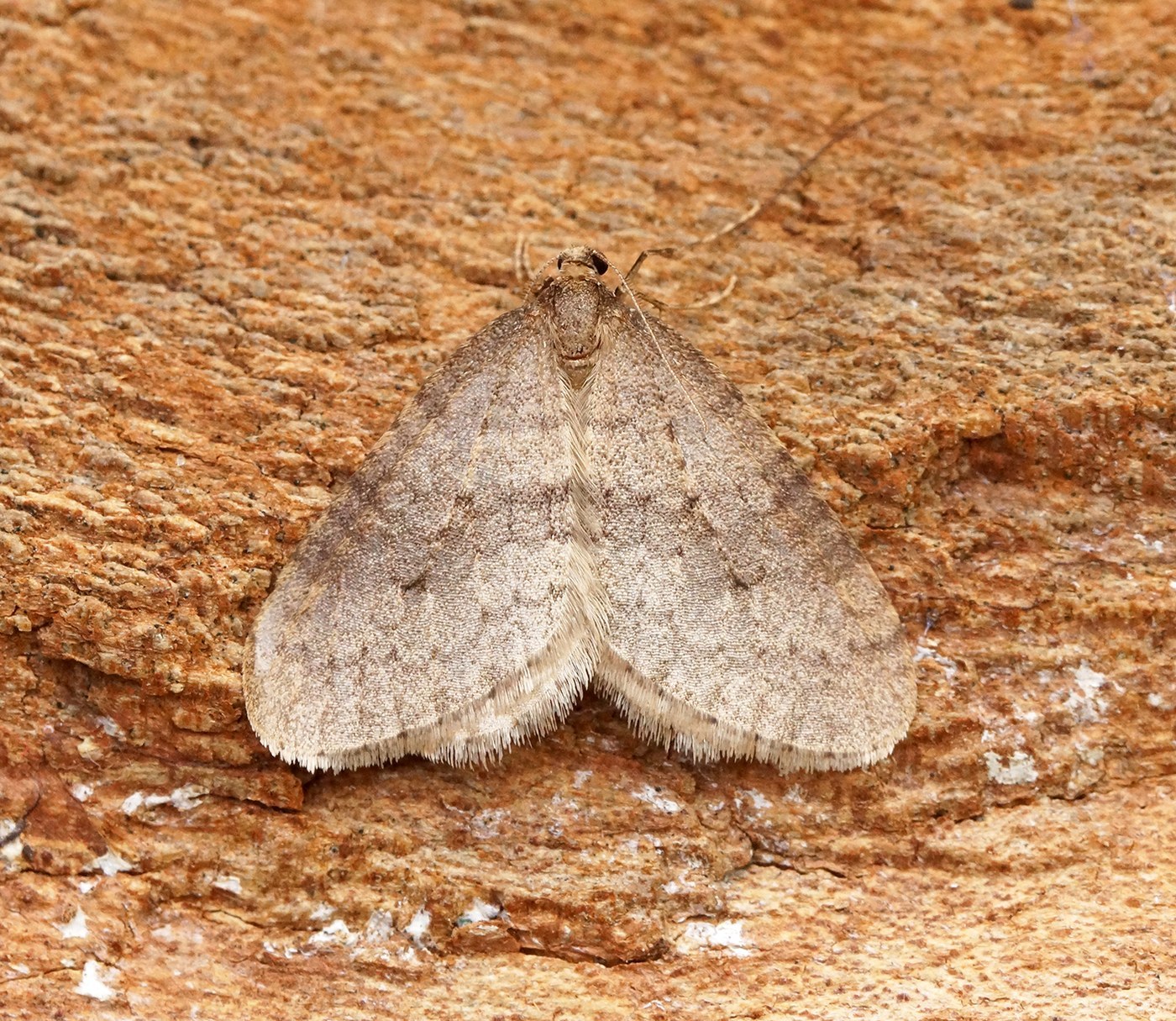
Winter Moth
Deciduous woodland, orchards, gardens, hedgerows
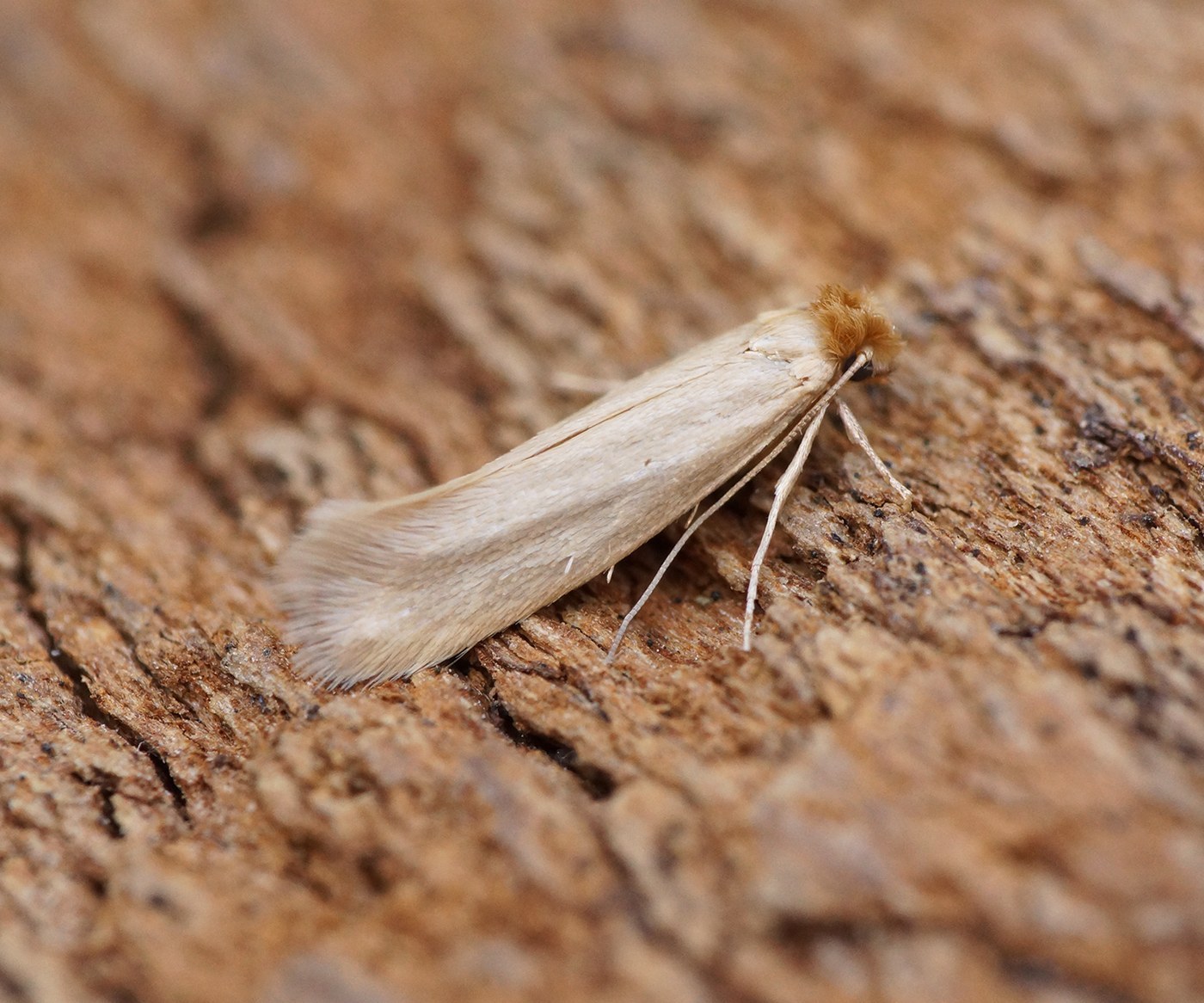
Webbing Clothes Moth
Dark closets, storage areas, and animal nests worldwide
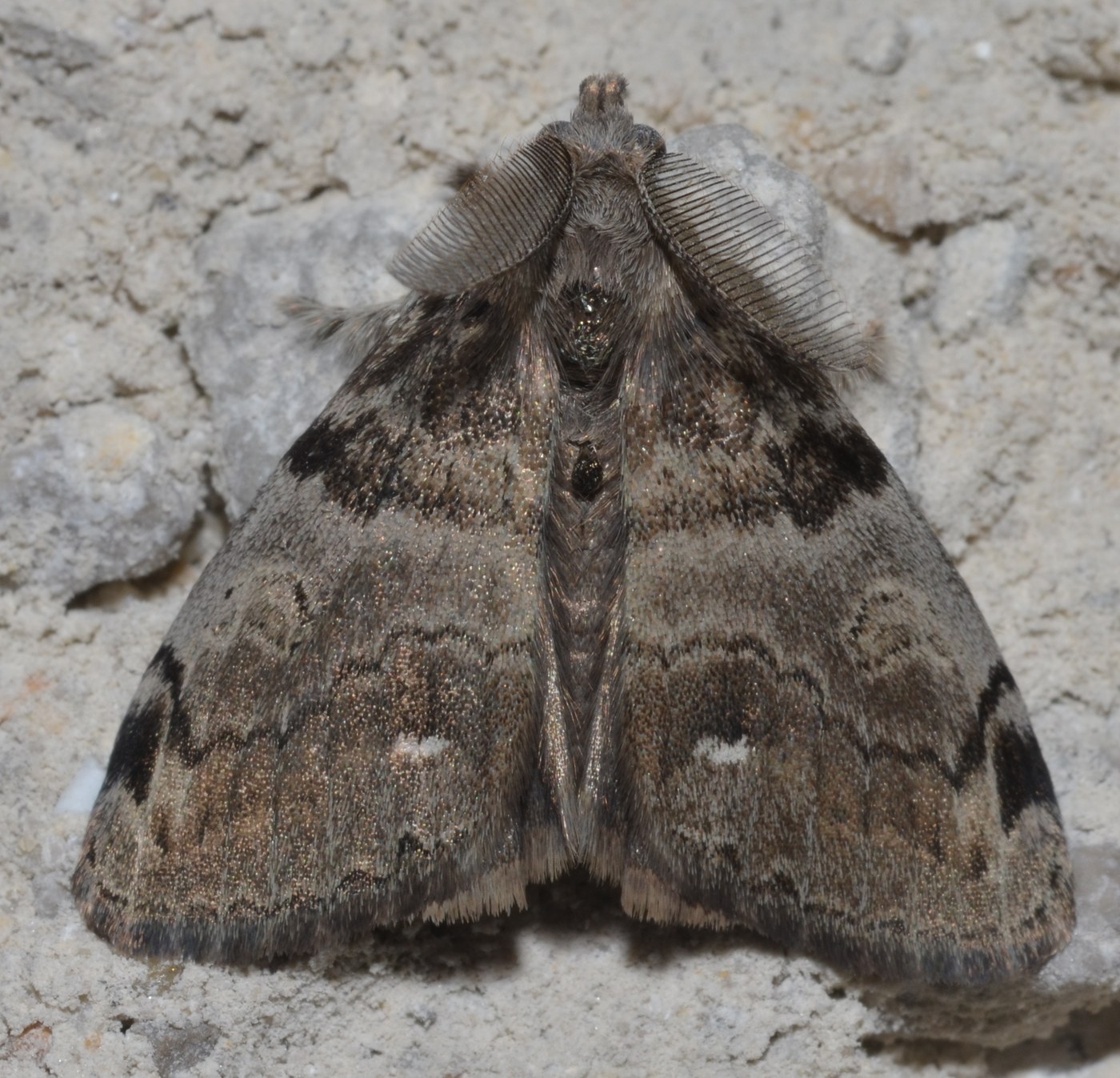
Tussock Moth
Deciduous forests, parks, gardens
Wax Moth
Beehives, apiaries, stored beeswax and comb
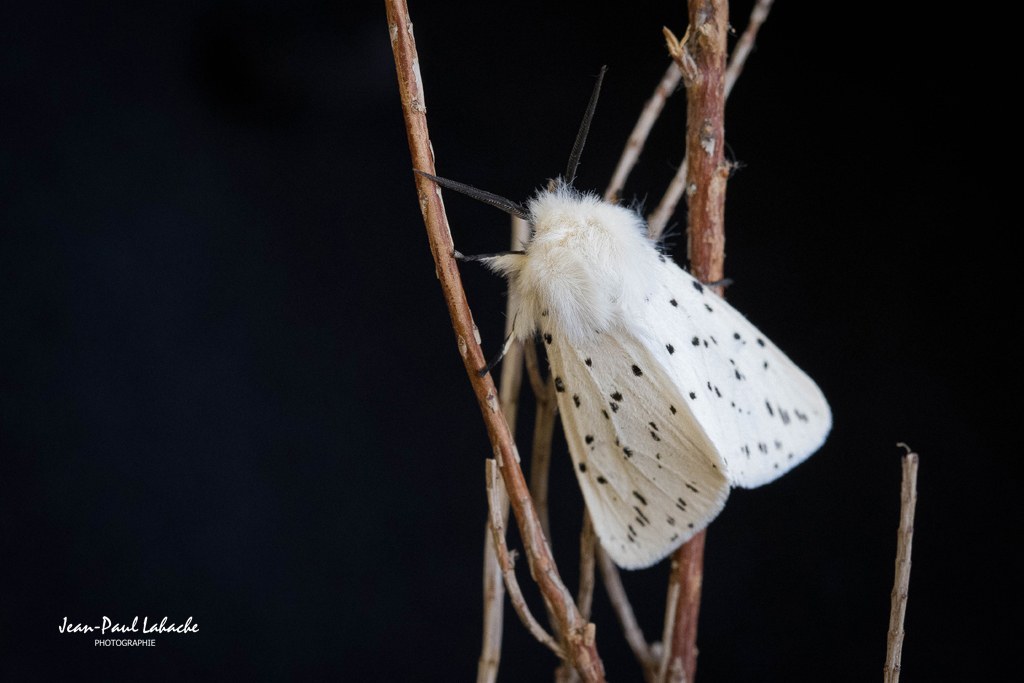
White Ermine Moth
Gardens, meadows, hedgerows
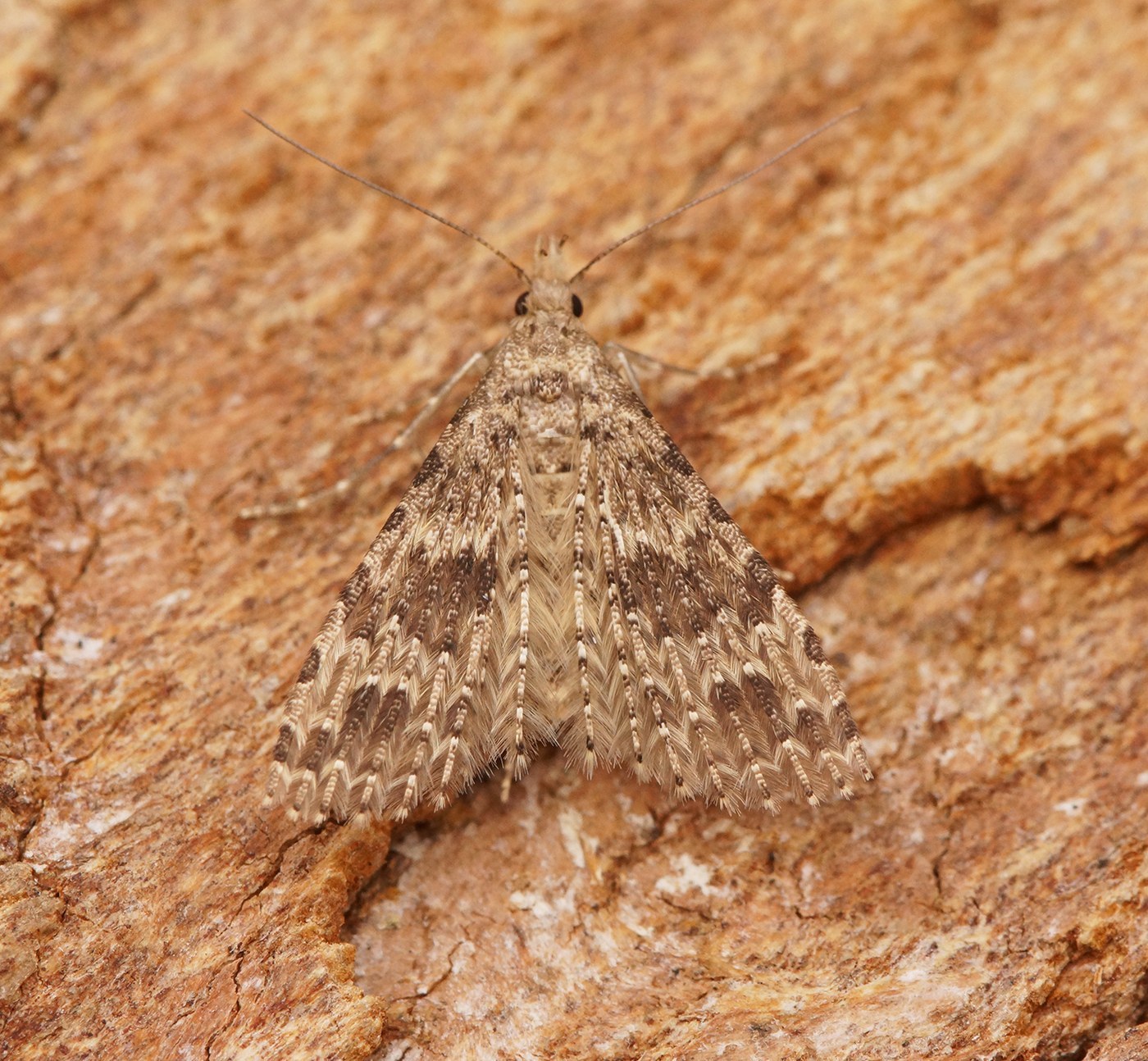
Twenty-plume Moth
Gardens, hedgerows, near honeysuckle
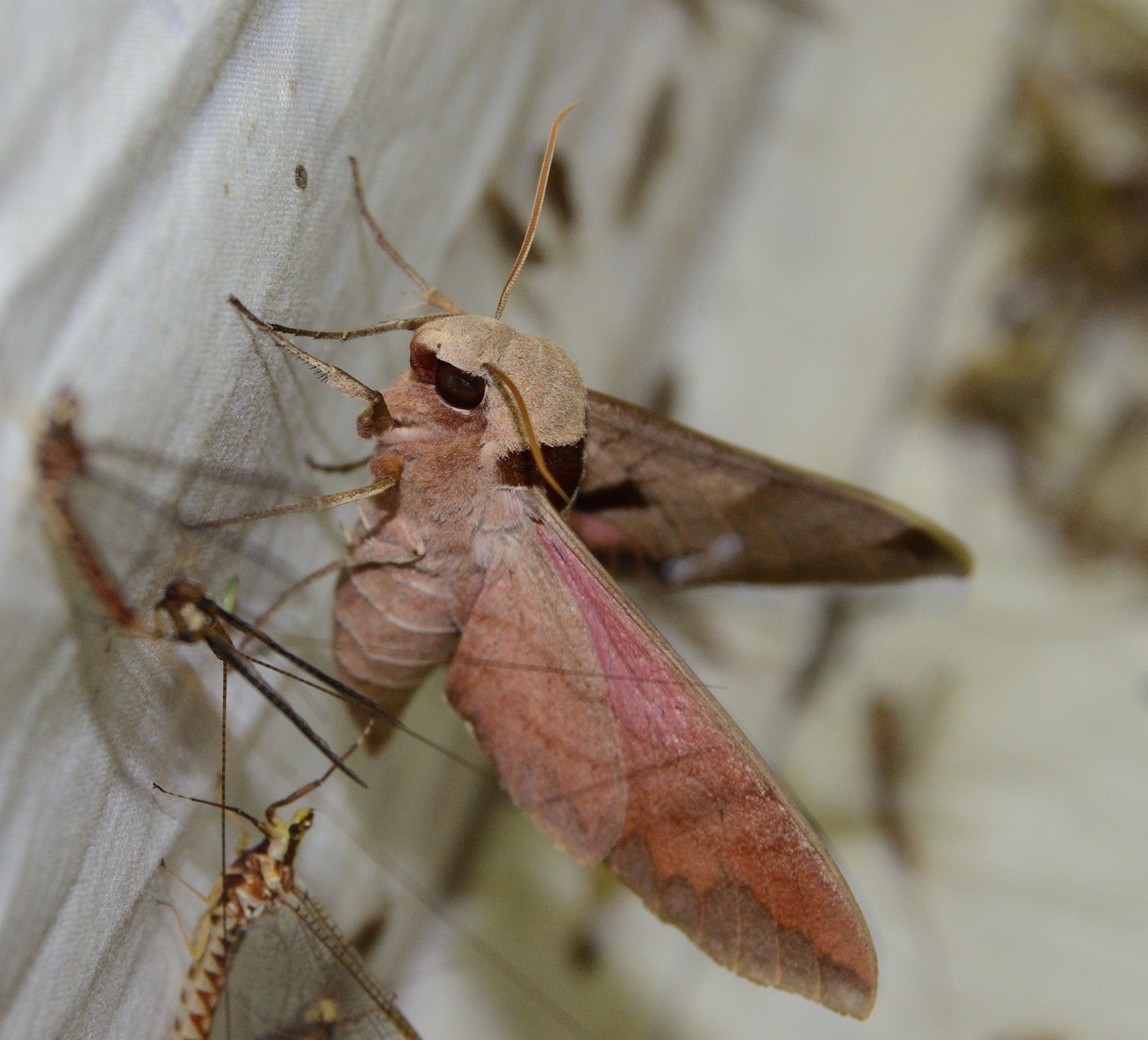
Achemon Sphinx Moth
Vineyards, woodland edges, gardens with wild grape
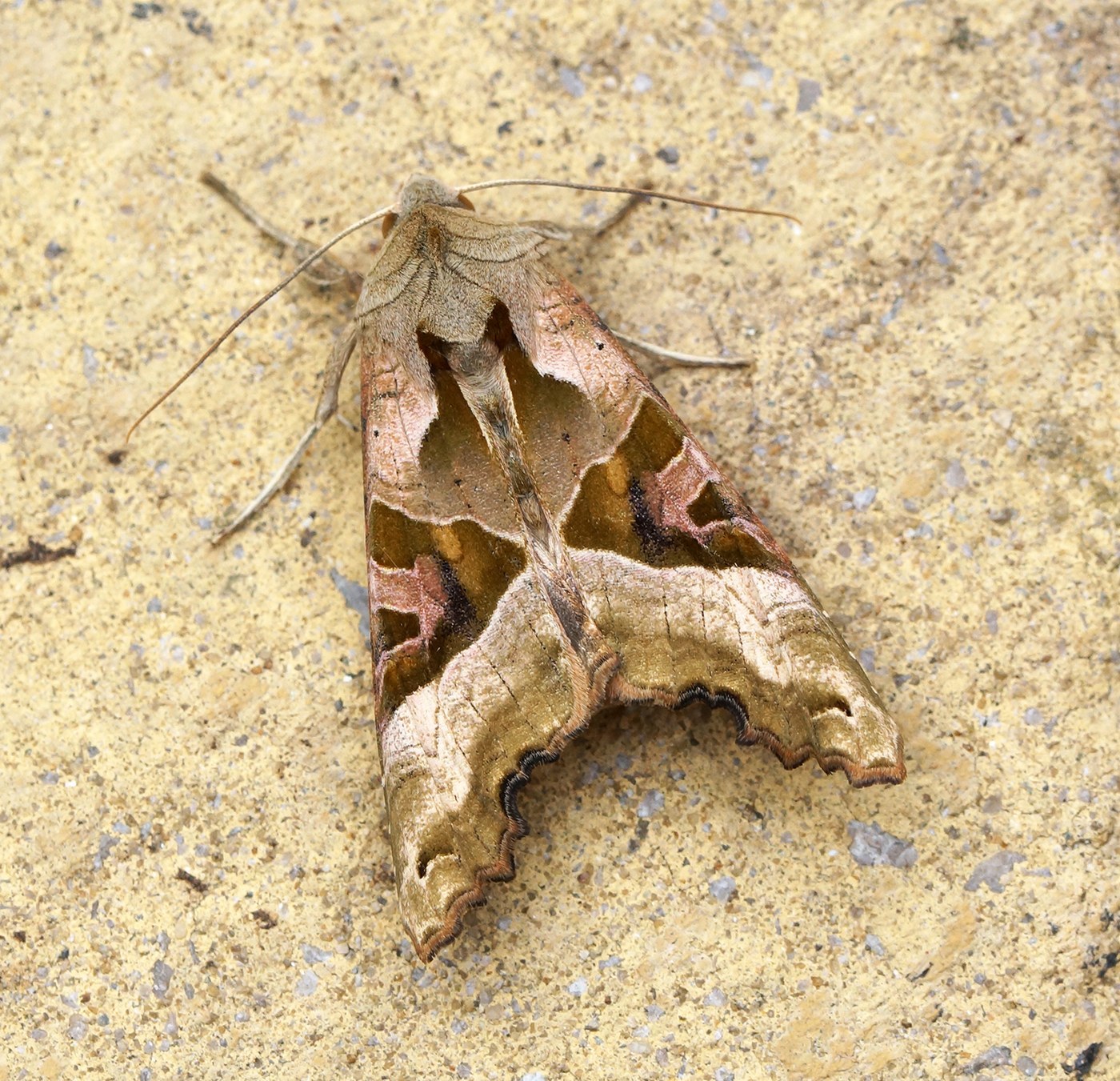
Angle Shades Moth
Gardens, hedgerows, woodland edges, urban parks
Atlas Moth
Tropical and subtropical lowland forests of Southeast Asia