
Bee Fly
Bombylius major
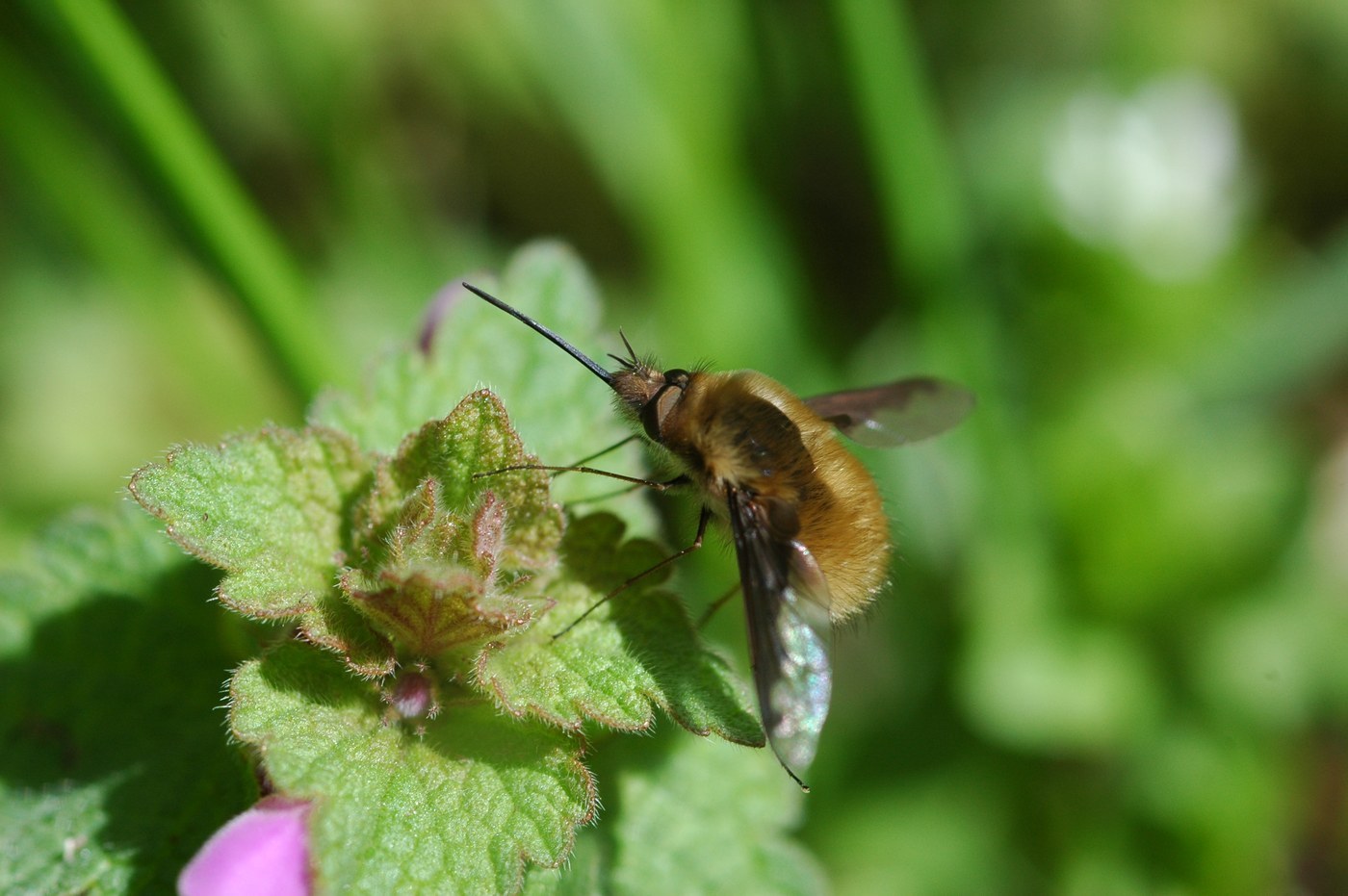
A fuzzy, bee-mimicking fly with a long, forward-pointing proboscis that hovers motionless in front of spring flowers while sipping nectar.
- Size
- 8–15 mm
- Habitat
- Gardens, meadows, woodland edges, and bare sandy ground near flowers
- Danger
- Harmless
Spotted a bug like this?
Identify any bug or insect from a photo, free.
Overview
Bee flies make up the family Bombyliidae, a large group of true flies whose common name comes from their dense, furry bodies and bee-like appearance, an example of Batesian mimicry that likely offers some protection from predators without the fly possessing any sting. The best-known species in temperate regions, the large bee fly, is one of the first pollinator-like insects seen visiting flowers in early spring.
Despite their bee-like looks, bee flies are unmistakably flies once examined closely: they have a single pair of wings (bees have two pairs), large eyes, and a long, rigid, needle-like proboscis that projects forward from the head like a built-in straw, used to probe deep into flowers for nectar while the fly hovers in place.
Ecologically, adult bee flies contribute to incidental pollination as they visit flowers, while their larvae take on a very different, parasitic role, developing inside the nests of solitary ground-nesting bees and wasps, making the family an interesting link between pollinators and their natural parasites.
How to Identify
- Rotund, densely furry body that closely mimics a small bumble bee, typically tan, brown, or golden in color.
- Long, rigid, straight proboscis projecting forward from the head, used for nectar feeding without landing.
- Long, spindly legs and a single pair of wings, often patterned with a dark leading edge in the large bee fly.
- Size roughly 8–15 mm; hovers with an audible buzz and can dart sideways with great speed.
- Lookalikes: bumble bees are similar in shape and fuzziness but have two pairs of wings, elbowed antennae, and lack the fly's rigid forward-pointing proboscis.
Habitat & Range
Bee flies are found across most of the Northern Hemisphere in open, sunny habitats — gardens, meadows, woodland margins, and especially areas of bare or sparsely vegetated sandy soil near flowering plants, which provide nesting sites for the solitary bees the fly larvae parasitize. Adults are most visible in early to mid-spring, coinciding with early flower bloom.
Behavior & Diet
Adults hover with remarkable precision in front of flowers, feeding on nectar and pollen through their long proboscis without landing, and darting away instantly if disturbed. Females often hover low over bare ground near bee nest entrances, flicking eggs toward the burrows. Larvae are parasitoids, entering the nests of ground-nesting solitary bees and wasps and consuming the host's larval provisions or the host larva itself as they develop.
Life Cycle
Development follows complete metamorphosis. Eggs are flicked near or into host bee burrows; on hatching, the mobile first-stage larva seeks out a host bee cell, after which subsequent larval stages become sedentary parasitoids feeding on the host's stores or larva. Pupation occurs within the host nest, and the adult fly emerges the following spring, giving most temperate species one generation per year.
Frequently asked questions
Does a bee fly sting?
No — bee flies have no stinger; the long proboscis is used solely for feeding on nectar and cannot sting or bite.
How can I tell a bee fly from an actual bee?
Look at the wings and antennae: a bee fly has just one pair of wings and short, inconspicuous antennae, while bees have two pairs of wings and longer, elbowed antennae.
Why do bee flies hover so much instead of landing?
Their rigid, forward-projecting proboscis lets them feed on nectar while hovering in place, a strategy that also allows quick escape from predators.
Are bee fly larvae harmful to bees?
The larvae are parasitoids of ground-nesting solitary bee and wasp nests, feeding on the host's larval provisions as part of their natural life cycle.
Bee Fly guides
In-depth guides for identifying, understanding, and living alongside Bee Fly.
Bee Fly identified by the community
Real finds identified with Bug Identifier.
Other bugs you may enjoy
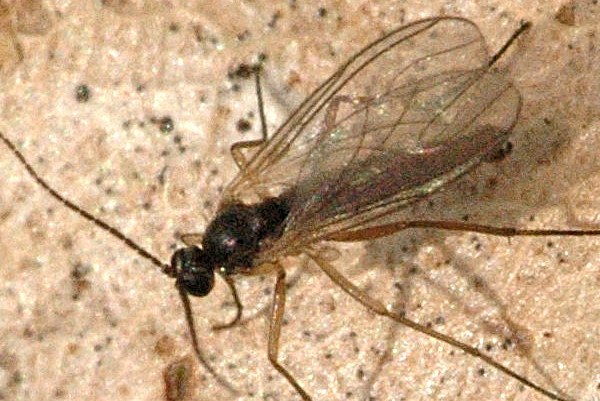
Aphid Midge
Gardens, greenhouses, and crops with aphids
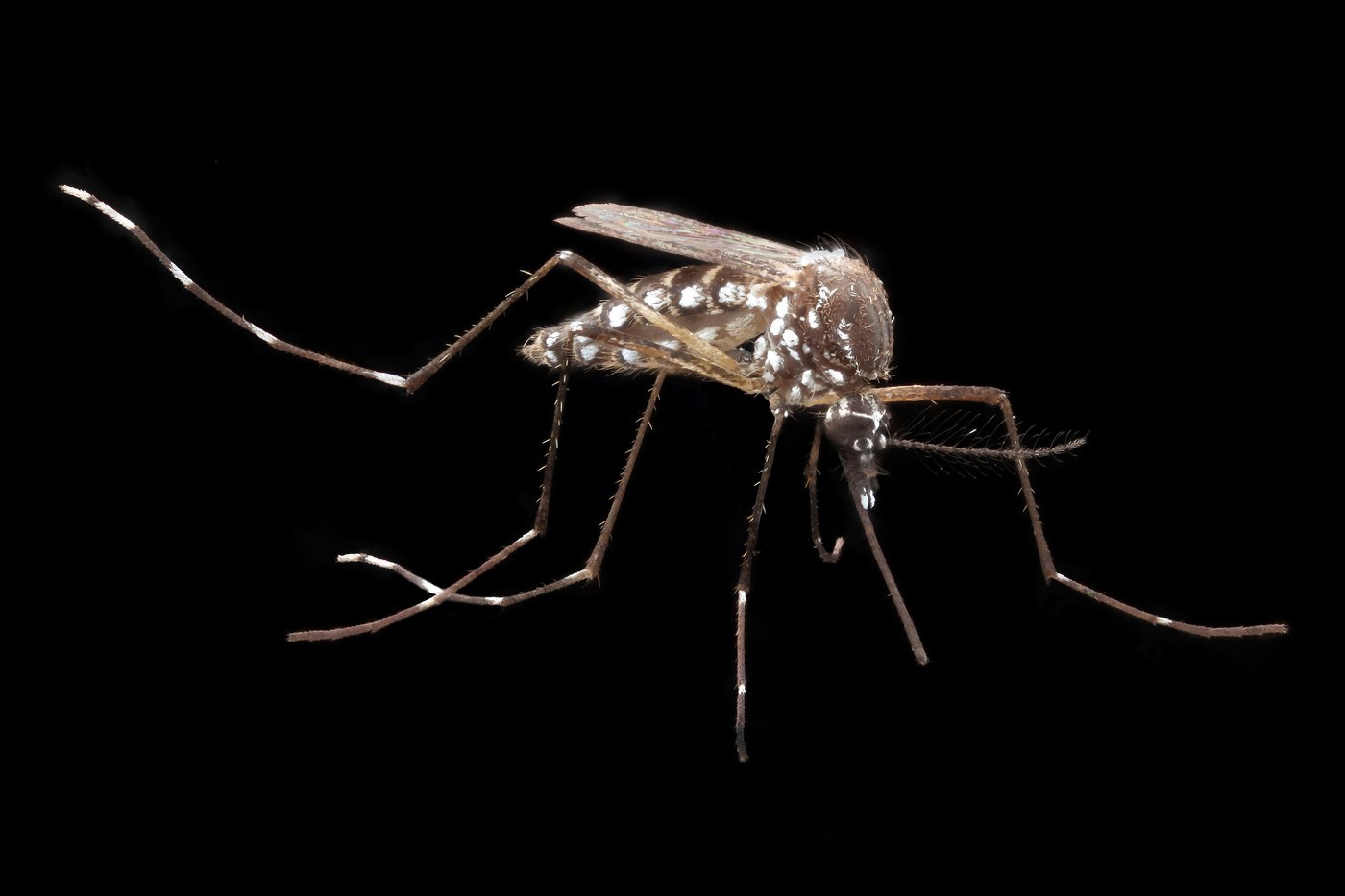
Yellow Fever Mosquito
Urban and peri-urban areas near small artificial water containers in tropical and subtropical regions worldwide
Root Maggot
Garden and field soil around the roots of cole crops and other vegetables
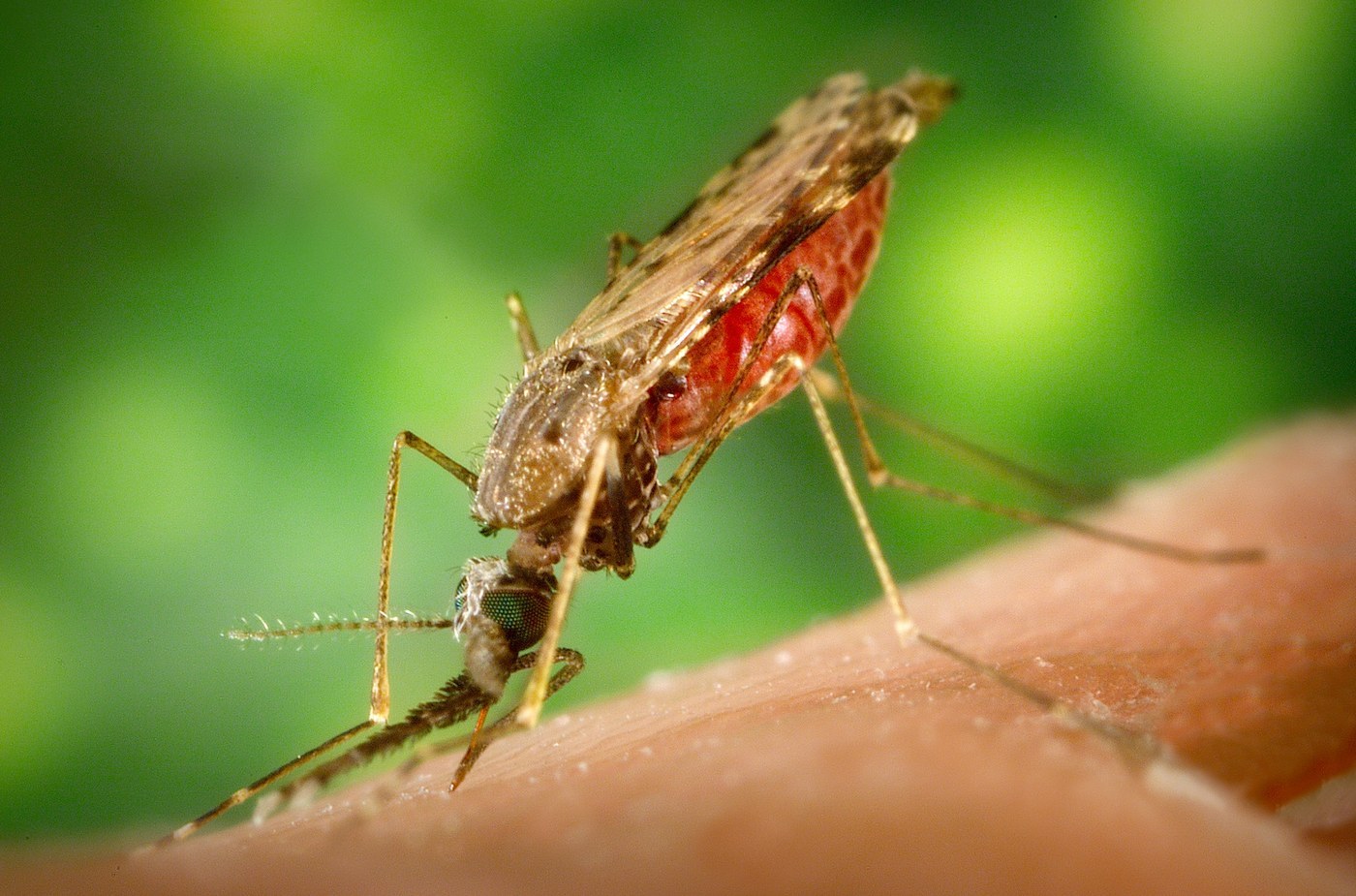
Anopheles Mosquito
Clean, still or slow-moving freshwater habitats such as marshes, ponds, and rice paddies
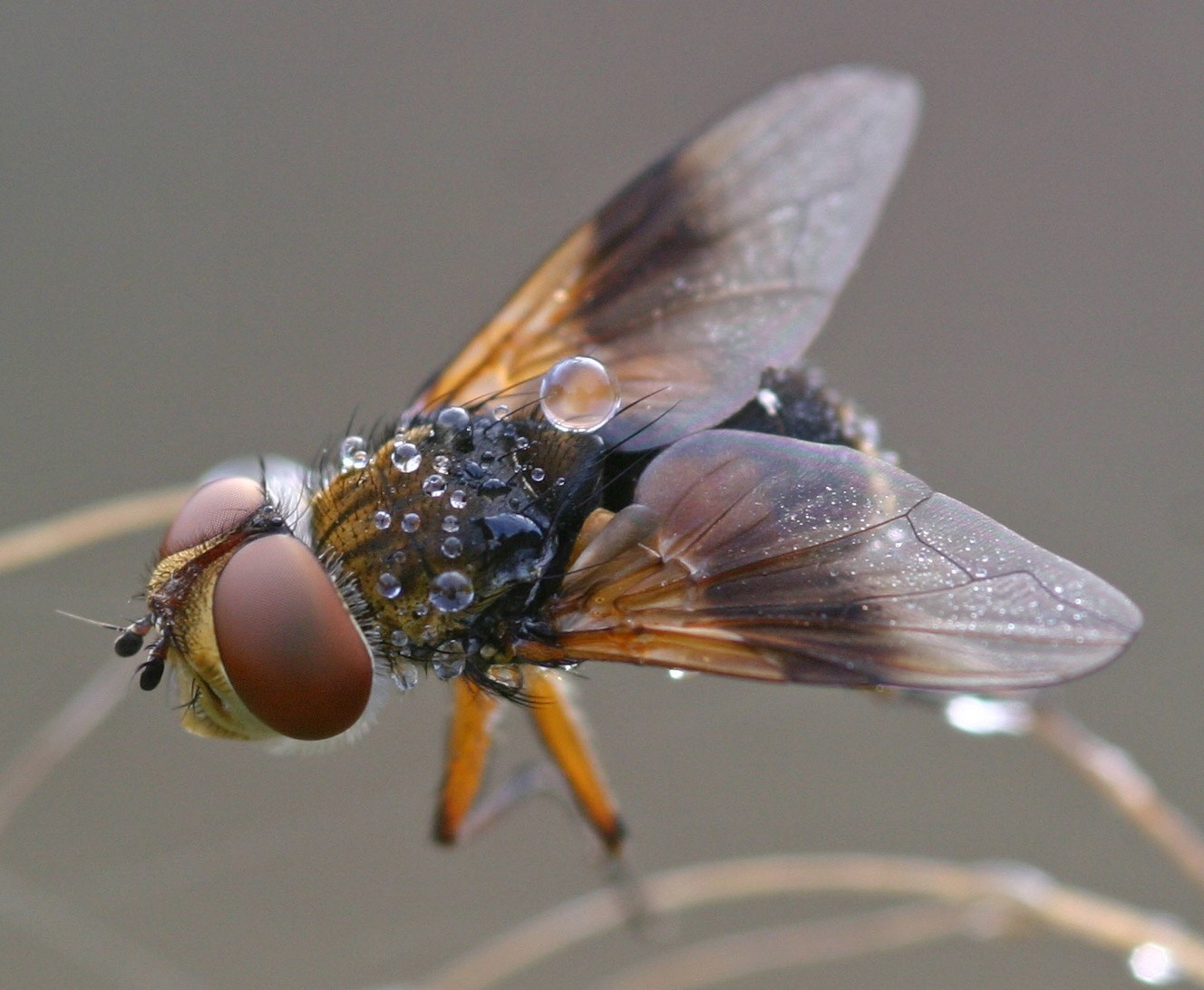
Tachinid Fly
Gardens, meadows, and woodlands wherever host caterpillars and other insects occur
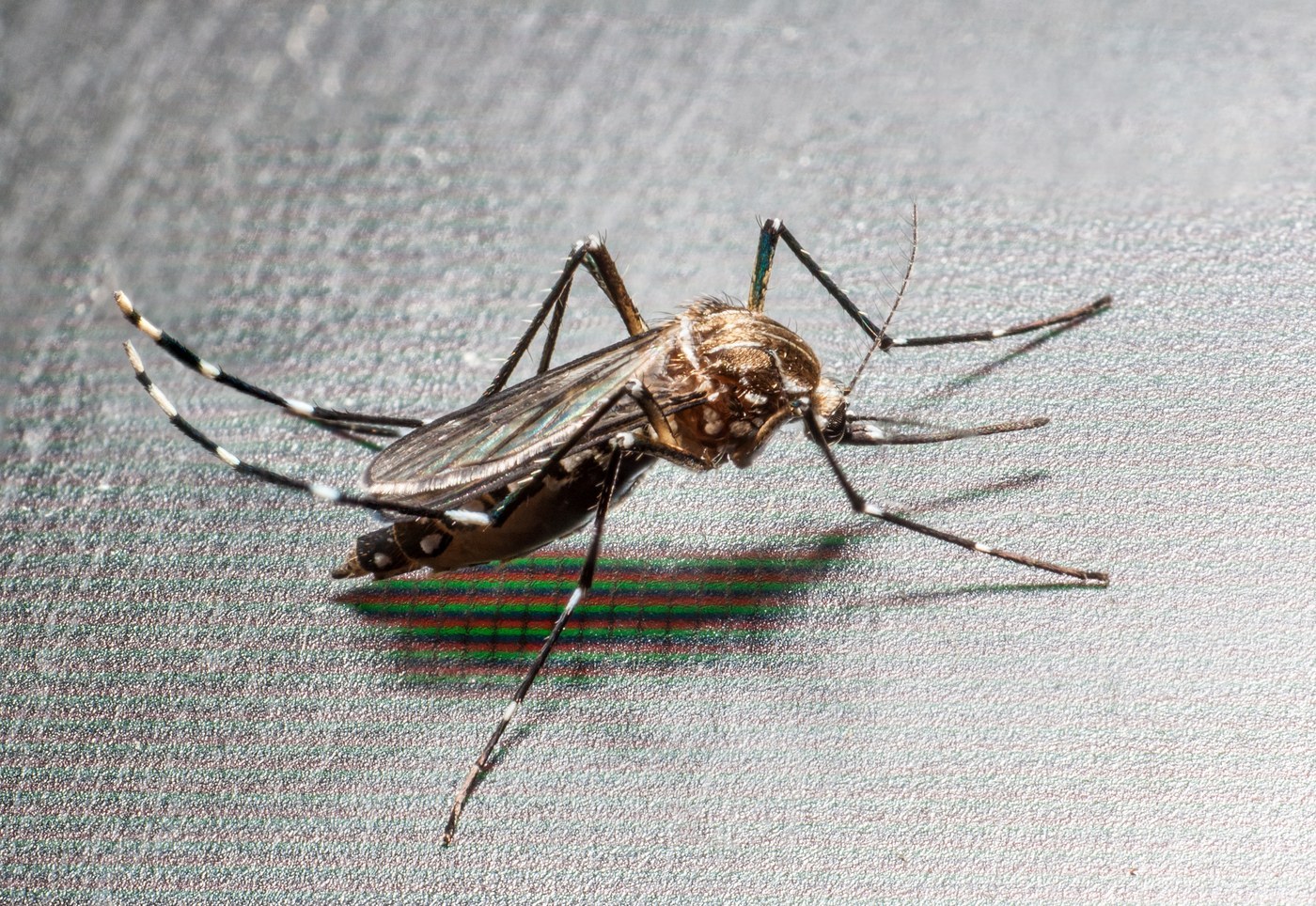
Asian Tiger Mosquito
Shaded urban and suburban areas near small water-holding containers, tires, and tree holes; native to Southeast Asia, now widespread
Tsetse Fly
Wooded savanna, riverine thickets, and forest edges across sub-Saharan Africa
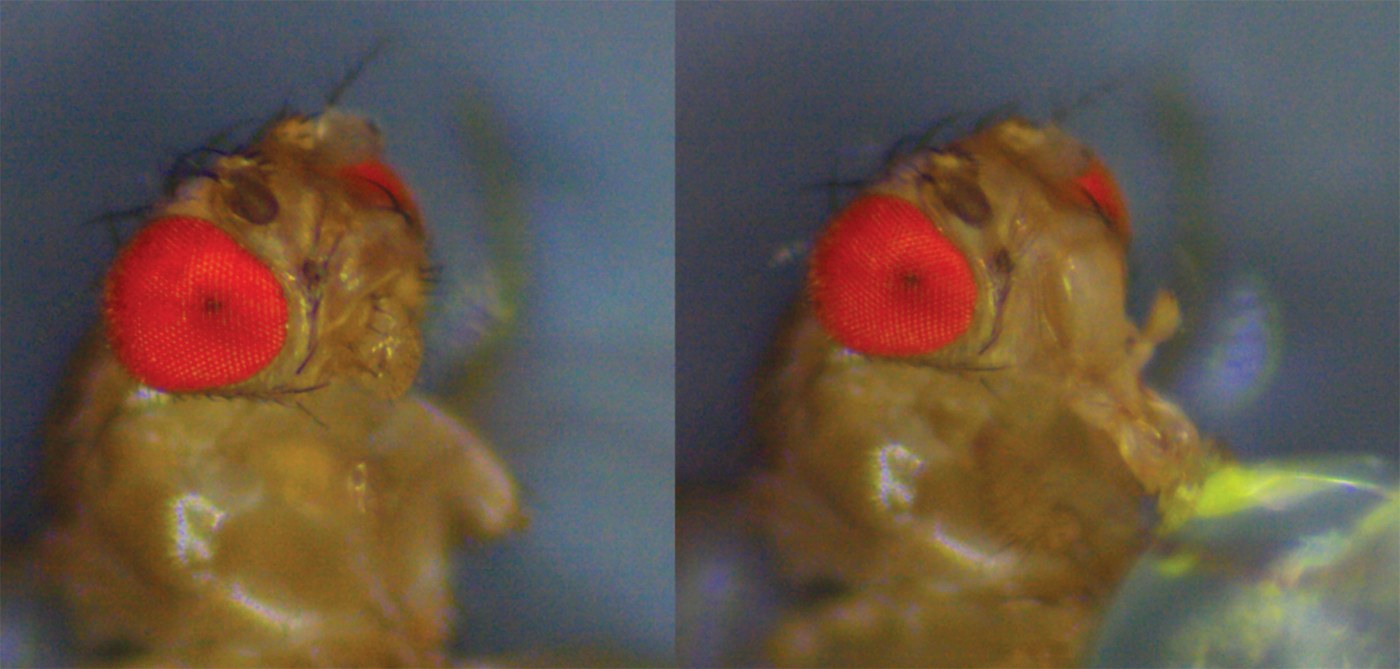
Vinegar Fly
Around overripe fruit, compost, and fermenting materials worldwide
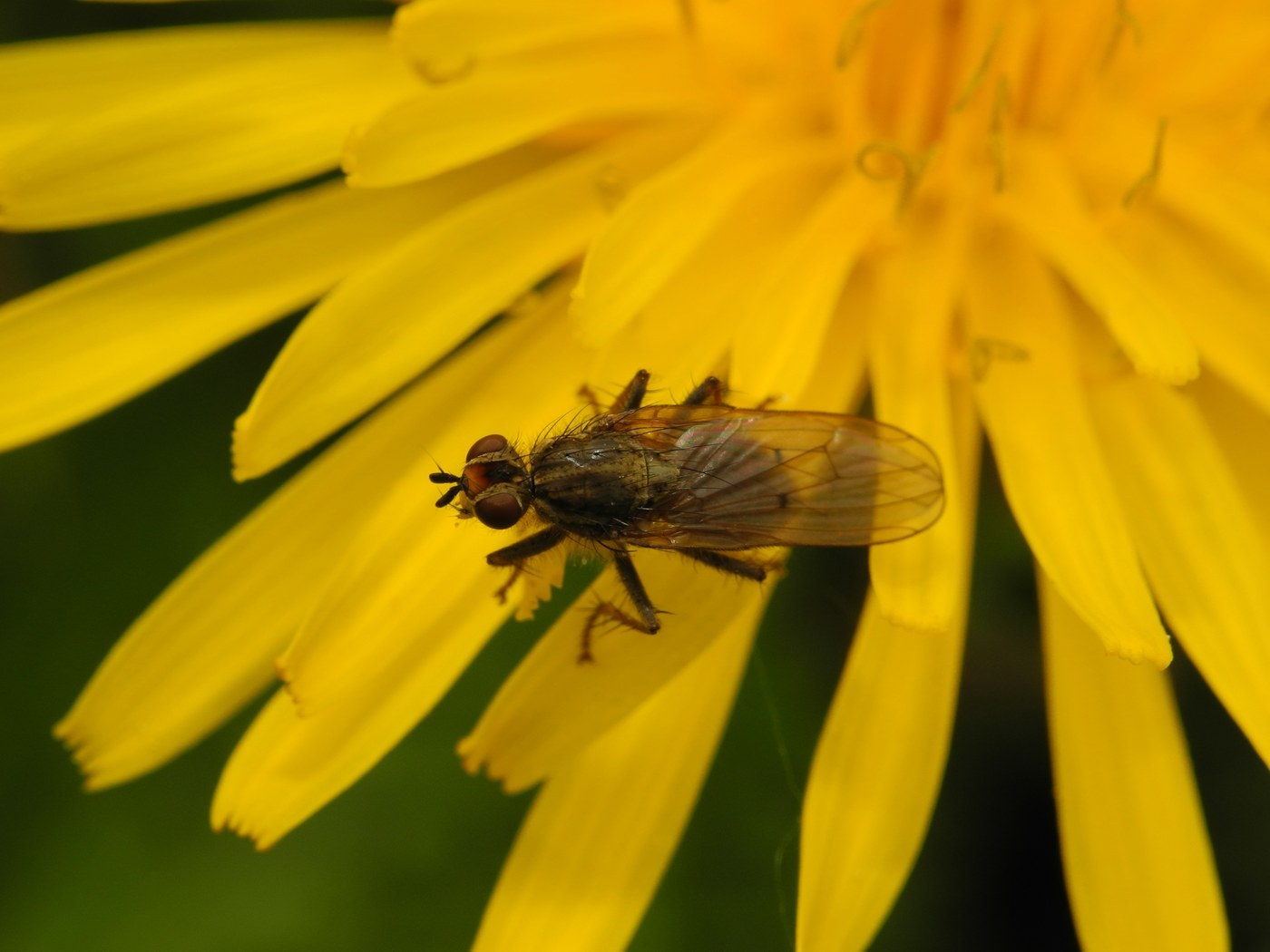
Yellow Dung Fly
Pastures and fields with fresh cattle dung
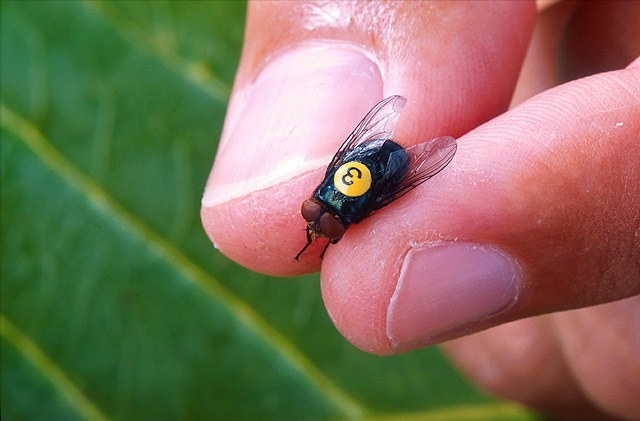
Screwworm Fly
Warm, humid lowlands of the Americas, especially near livestock and wildlife wounds
Soldier Fly
Wetland margins, decaying organic matter, and vegetation near water
Punkie
near marshes, mudflats, ponds, and other standing water