
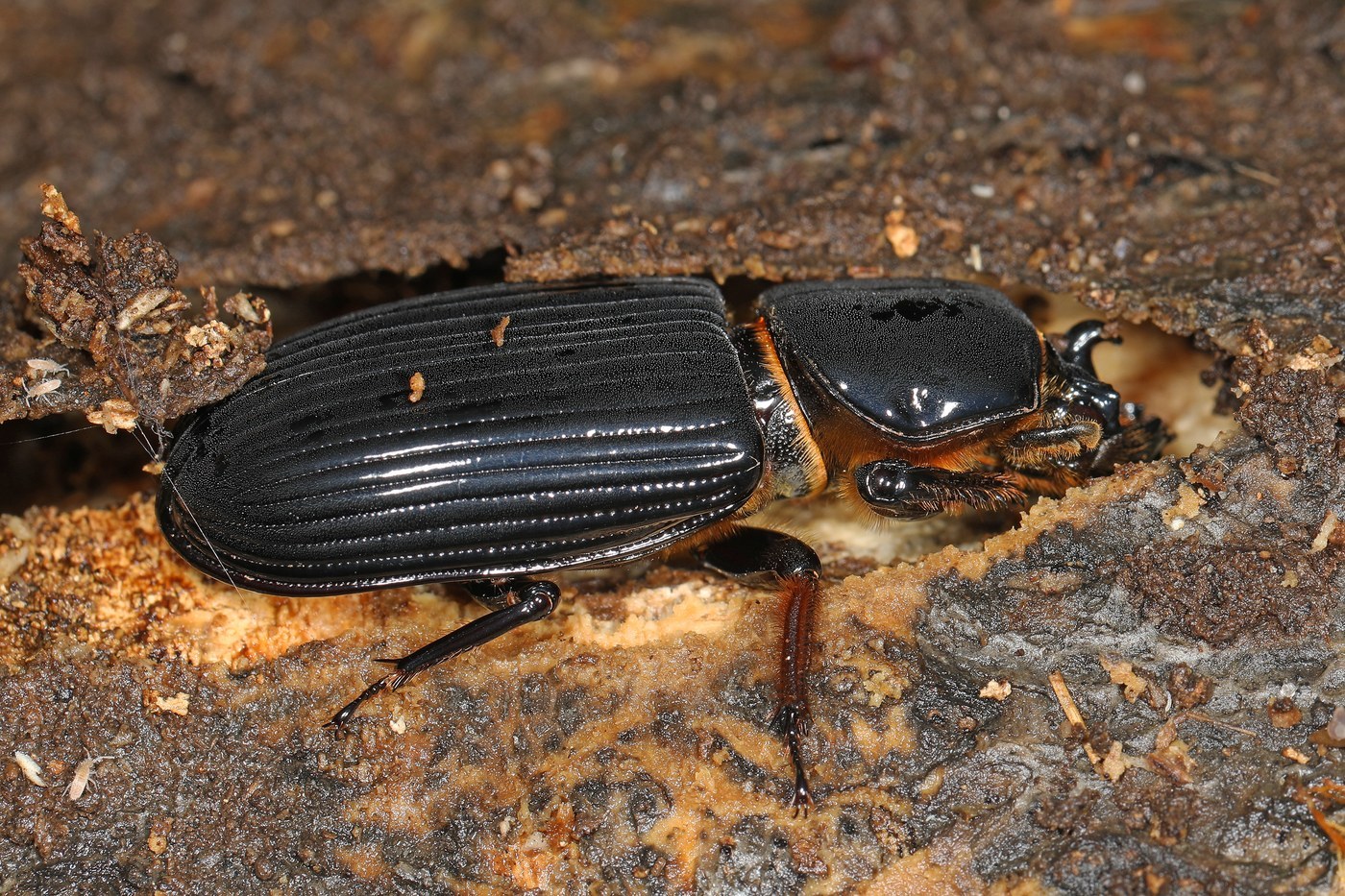
Bess Beetle
Odontotaenius disjunctus
A large, glossy jet-black beetle that lives in family groups inside rotting logs, communicating with fellow beetles through squeaks and cooperating to raise larvae, an unusually social lifestyle for an insect of its kind.
- Size
- 30–40 mm
- Habitat
- Rotting logs and decaying wood in deciduous forests
- Danger
- Harmless
Spotted a bug like this?
Identify any bug or insect from a photo, free.
Overview
The bess beetle, also widely called the bessbug or patent leather beetle for its smooth, shiny black shell, is the most familiar North American member of the family Passalidae. It is best known not for its appearance, striking as that is, but for its remarkably social behavior, which is rare among beetles.
Bess beetles live in galleries excavated within decaying logs, typically in small family colonies consisting of a mated pair and their developing offspring. Unlike most insects, adult bess beetles actively feed their larvae pre-chewed, partially digested wood pulp and communicate with them and each other using an array of squeaks produced by rubbing body parts together, a behavior known as stridulation.
As decomposers of dead wood, bess beetles play an important ecological role in forest nutrient cycling, working alongside fungi and other detritivores to break down fallen logs and return nutrients to the soil.
How to Identify
- Adult: 30–40 mm, elongated and strongly convex, with a smooth, glossy black exoskeleton resembling polished patent leather.
- A short, forward-projecting horn sits on the head, and the elytra bear fine longitudinal grooves.
- Antennae are short and clubbed with a distinctive curved, comb-like tip.
- Lookalikes: distinguished from ground beetles and stag beetles by its uniformly smooth black shell, grooved elytra, and its consistent association with the interior of rotting logs rather than open ground.
Habitat & Range
Found throughout eastern North America in deciduous and mixed forests, wherever large fallen logs and decaying stumps in advanced stages of decomposition are present. Bess beetles remain within their log galleries year-round, active whenever temperatures allow, and are most commonly discovered when a rotting log is pulled apart.
Behavior & Diet
Bess beetles feed on decaying wood that has been partially broken down by fungi, and adults further process this material by chewing it before feeding it to larvae, a form of parental care uncommon among beetles. Family groups cooperate within shared galleries, and individuals communicate through at least a dozen distinct squeaking sounds made by rubbing the abdomen against the wing covers. This decomposer lifestyle makes them important contributors to deadwood breakdown and nutrient recycling in forest ecosystems.
Life Cycle
Eggs are laid within the wood galleries and hatch into grub-like larvae that are cared for and fed by the adults rather than left to fend for themselves. Larvae pass through three molts over several months while remaining within the family gallery, then construct a cocoon-like case from wood fragments and their own excrement in which to pupate. Adults emerge from this case and typically remain in or near the natal gallery, with the full life cycle from egg to adult often taking about a year.
Frequently asked questions
Why is it called a patent leather beetle?
Its smooth, glossy black shell resembles the shiny finish of patent leather, giving rise to this common nickname.
Does it really care for its young?
Yes, adult bess beetles chew wood pulp and feed it to their larvae, a level of parental care that is unusual among beetles.
Where would I find one?
Inside large, well-decayed logs or stumps on the forest floor, usually in groups rather than alone.
Why does it squeak?
It produces squeaking sounds by rubbing body parts together, used to communicate with other beetles in the same log gallery.
Bess Beetle guides
In-depth guides for identifying, understanding, and living alongside Bess Beetle.
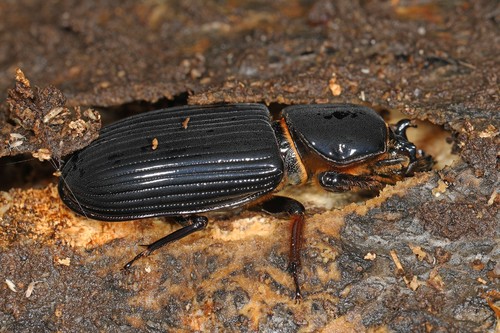
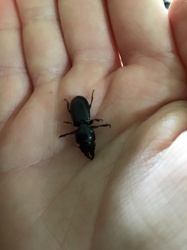
Bess Beetle identified by the community
Real finds identified with Bug Identifier.
Other bugs you may enjoy
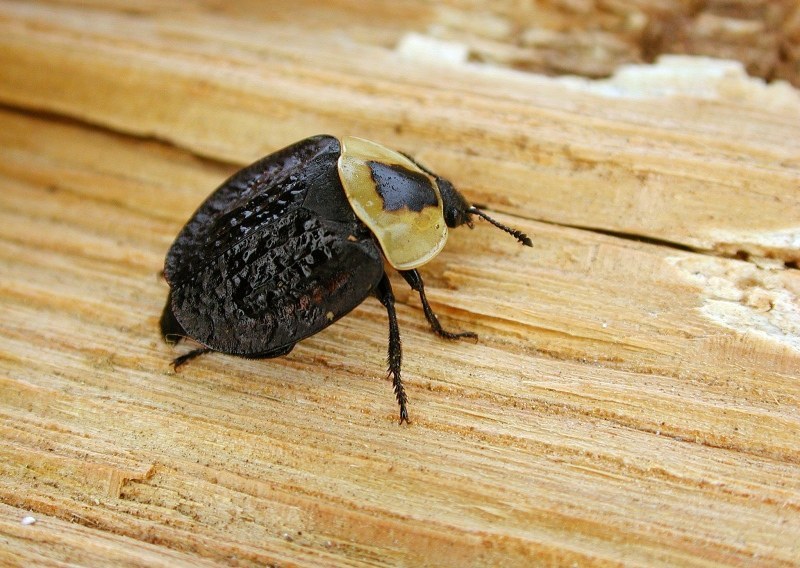
American Carrion Beetle
Forests, fields, and roadsides across North America, near decaying animal carcasses
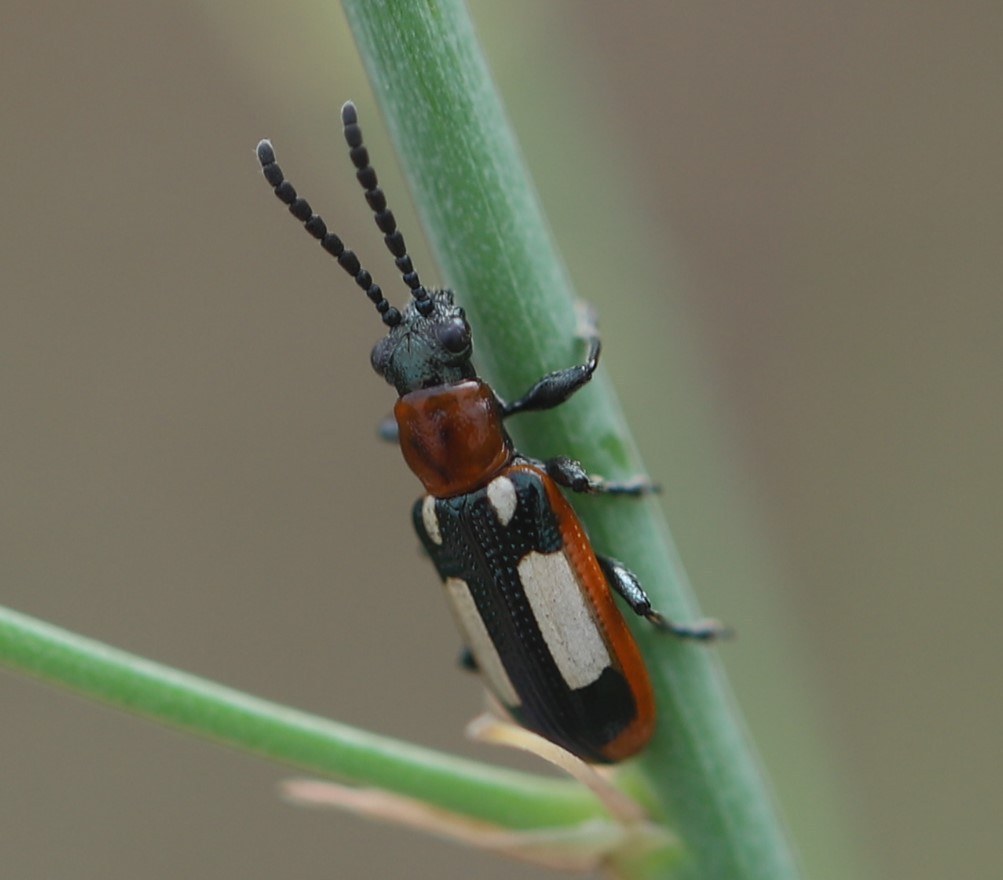
Asparagus Beetle
Asparagus patches, gardens, and farm fields
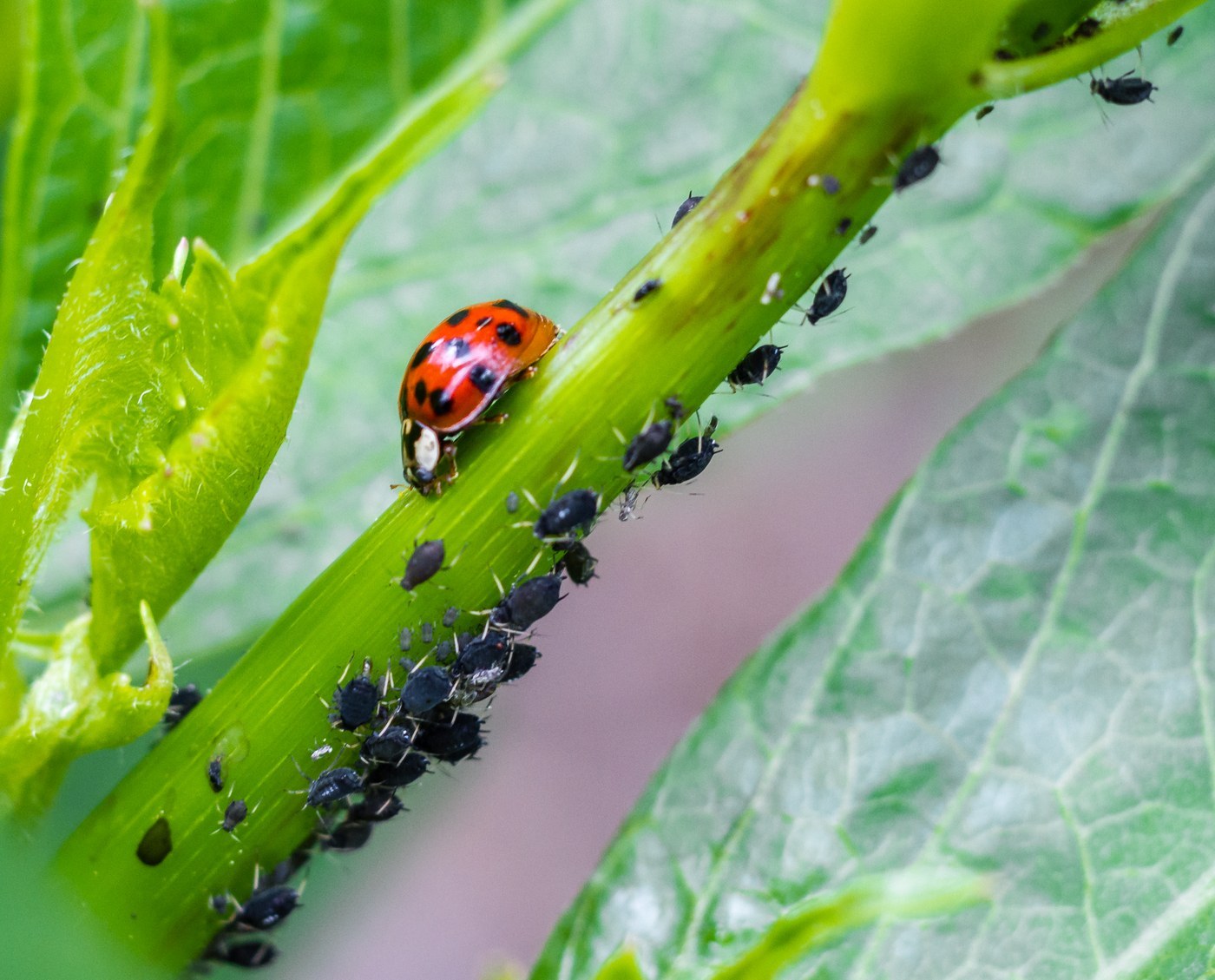
Asian Lady Beetle
Gardens, crop fields, woodlands, buildings
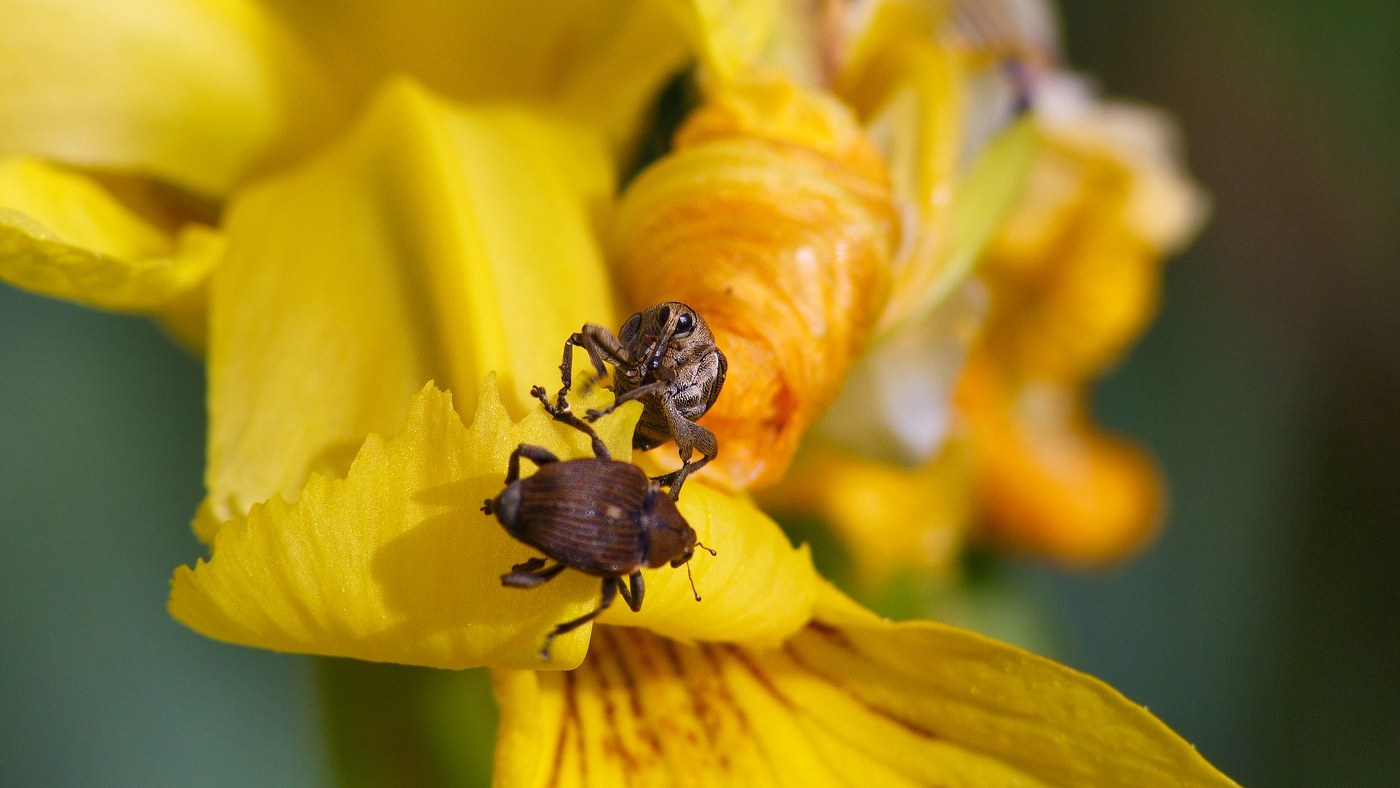
Acorn Weevil
Oak woodlands and forests, on and beneath oak trees
Wireworm
Soil of grasslands, gardens, and cultivated fields worldwide
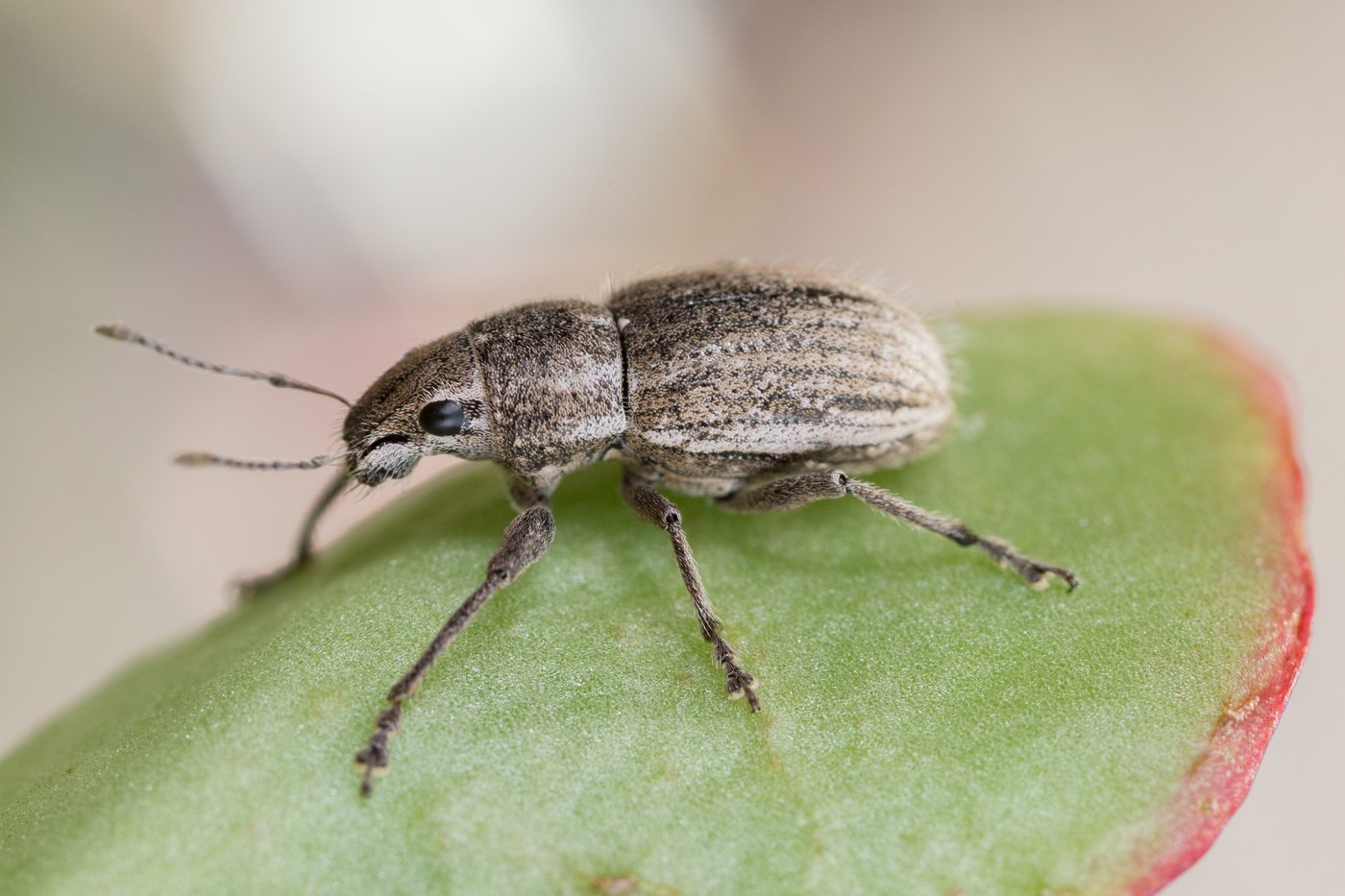
Whitefringed Beetle
Pastures, row crops, lawns, disturbed soils
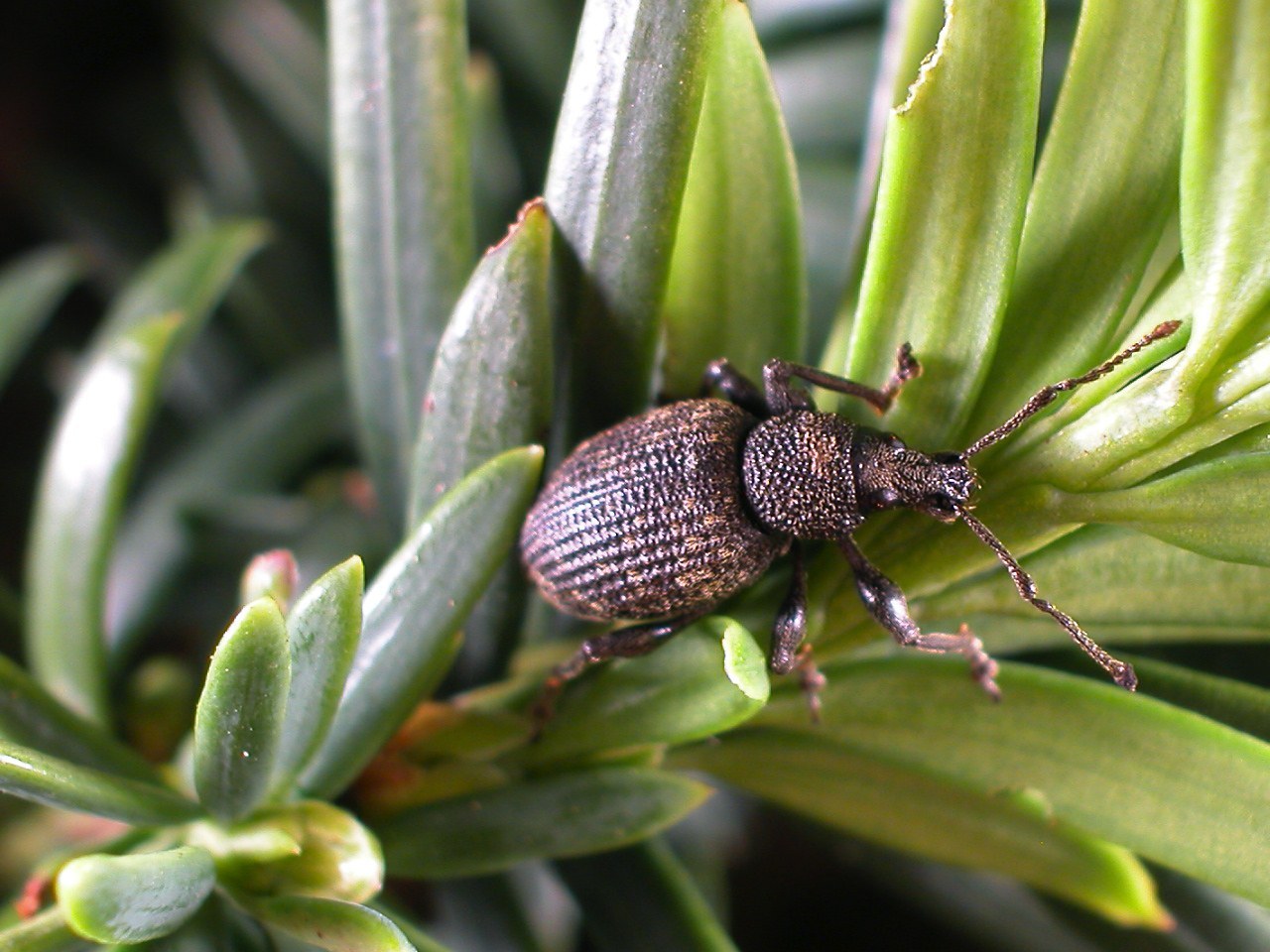
Vine Weevil
Gardens, nurseries, greenhouses, and container plantings
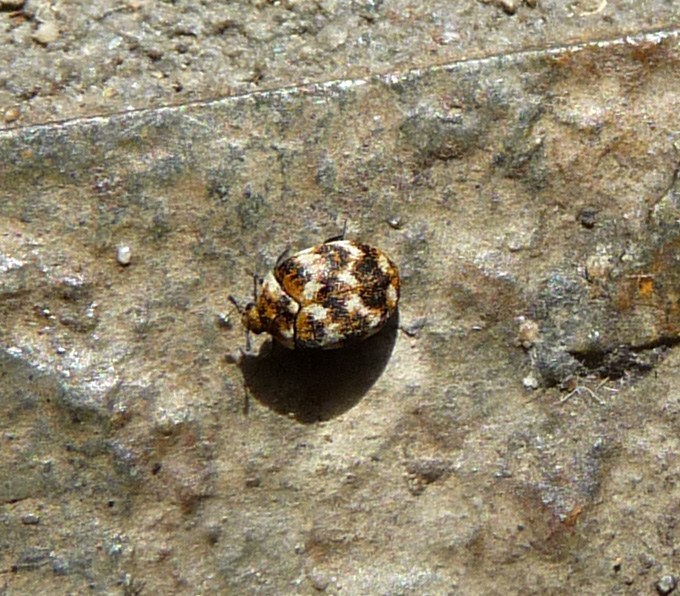
Varied Carpet Beetle
Homes, nests of birds and mammals, and flowers outdoors
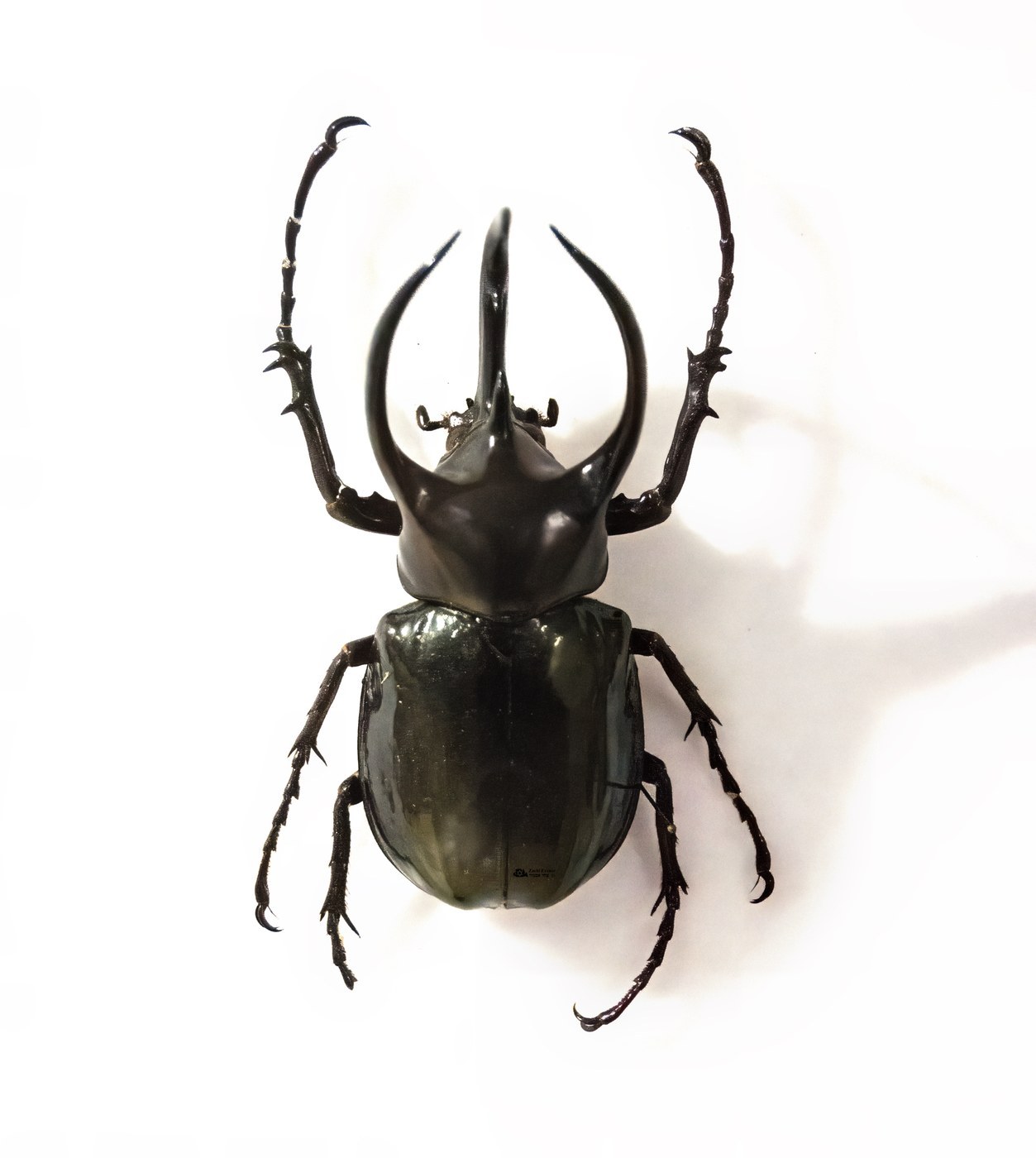
Atlas Beetle
Tropical forests of Southeast Asia
Titan Beetle
Amazon rainforest of South America
Ten-lined June Beetle
Sandy soils, pine forests, and orchards of western North America
Squash Beetle
Vegetable gardens and fields growing squash, pumpkin, and other cucurbits