
Bird-dropping Spider
Celaenia spp.
A lumpy, white-and-brown orb-weaver that spends its days motionless on a leaf, looking uncannily like a fresh splash of bird droppings.
- Size
- Female body 12-15 mm; males only 2-3 mm
- Habitat
- Shrubs, garden foliage and forest edges
- Danger
- Harmless
Spotted a bug like this?
Identify any bug or insect from a photo, free.
Overview
The bird-dropping spider is one of nature's most convincing masters of disguise. Rather than spinning a typical wheel-shaped web to catch prey passively, many species in this group rely on camouflage by day and active hunting by night, using their bizarre resemblance to bird droppings to avoid being eaten by birds and wasps that would otherwise find a plump, immobile spider an easy target.
During daylight hours the spider clings to the upper surface of a leaf or twig, legs tucked in tightly against its body, appearing as nothing more than an irregular blob of white and brown. At night it becomes active, and some species release pheromones that mimic those of female moths to lure male moths directly into range, a striking example of chemical mimicry paired with visual camouflage.
These spiders belong to the orb-weaver family and are found mainly in shrubby and forested habitats where their disguise blends against variegated leaf litter and foliage backgrounds.
How to Identify
- Lumpy, irregular body outline with mottled white, cream, and brown patches that mimic bird excrement
- Females are considerably larger than the tiny, rarely seen males
- Legs are held close to the body and often tucked underneath, obscuring the typical spider silhouette
- No obvious web is visible during the day since the spider rests motionless on foliage
- Lookalikes include other cryptic orb-weavers such as Phrynarachne and Cyrtarachne, which use the same disguise strategy in different regions
Habitat & Range
Bird-dropping spiders are found on the upper sides of leaves in gardens, shrublands, and forest margins, most notably across Australia where several Celaenia species occur. Similar bird-dropping mimics exist in Asia and Africa in unrelated genera, all favoring broad-leaved plants that let the disguise stand out convincingly against green foliage.
Behavior & Diet
By day the spider remains completely still, relying entirely on its dropping-like appearance to deter predators such as birds. After dark it becomes an active predator, and species that use pheromone mimicry position themselves at the end of a silk dragline and wait for male moths drawn in by the false scent signal, seizing them as they approach. This unusual hunting method means the spider builds little to no conventional web, instead using camouflage and chemistry together.
Life Cycle
Females produce distinctive spiky or ornamented egg sacs that are camouflaged and suspended from silk near the resting site. Spiderlings hatch and disperse by ballooning on silk threads to new locations. Growth proceeds through several molts to maturity over one season, with adults typically living about a year; in temperate regions the species overwinters as eggs or juveniles.
Frequently asked questions
Why does the bird-dropping spider look like droppings?
The camouflage protects it from predators such as birds, which have little interest in feeding on what appears to be waste rather than a plump spider.
Does it spin a web to catch prey?
It builds little to no visible orb web during the day; some species instead lure moths at night using scent rather than trapping insects in silk.
Where can I find one?
Look on the upper surface of broad leaves in gardens and shrubby areas, particularly in regions such as Australia where Celaenia species are common.
Bird-dropping Spider guides
In-depth guides for identifying, understanding, and living alongside Bird-dropping Spider.
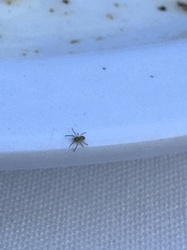
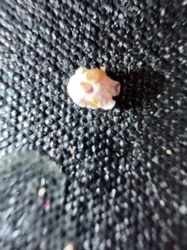
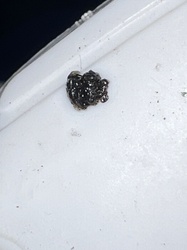
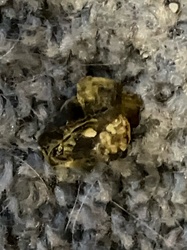
Bird-dropping Spider identified by the community
Real finds identified with Bug Identifier.
Other bugs you may enjoy
Woodlouse Spider
Damp leaf litter, under logs, stones, and mulch
Wolf Spider
Gardens, grasslands, forests, leaf litter, ground burrows
Wandering Spider
Tropical and subtropical forest floor, foliage, and banana plants
Banded Garden Spider
Tall grass, meadows, and gardens with open sunny vegetation
Banana Spider
Wooded trails, forest edges, and gardens across the southeastern U.S. and the American tropics
Sydney Funnel-web Spider
Burrows in moist soil, gardens, and forested gullies around the Sydney basin of eastern Australia
Trapdoor Spider
Self-dug silk-lined burrows with a camouflaged door, in dry, well-drained soil worldwide
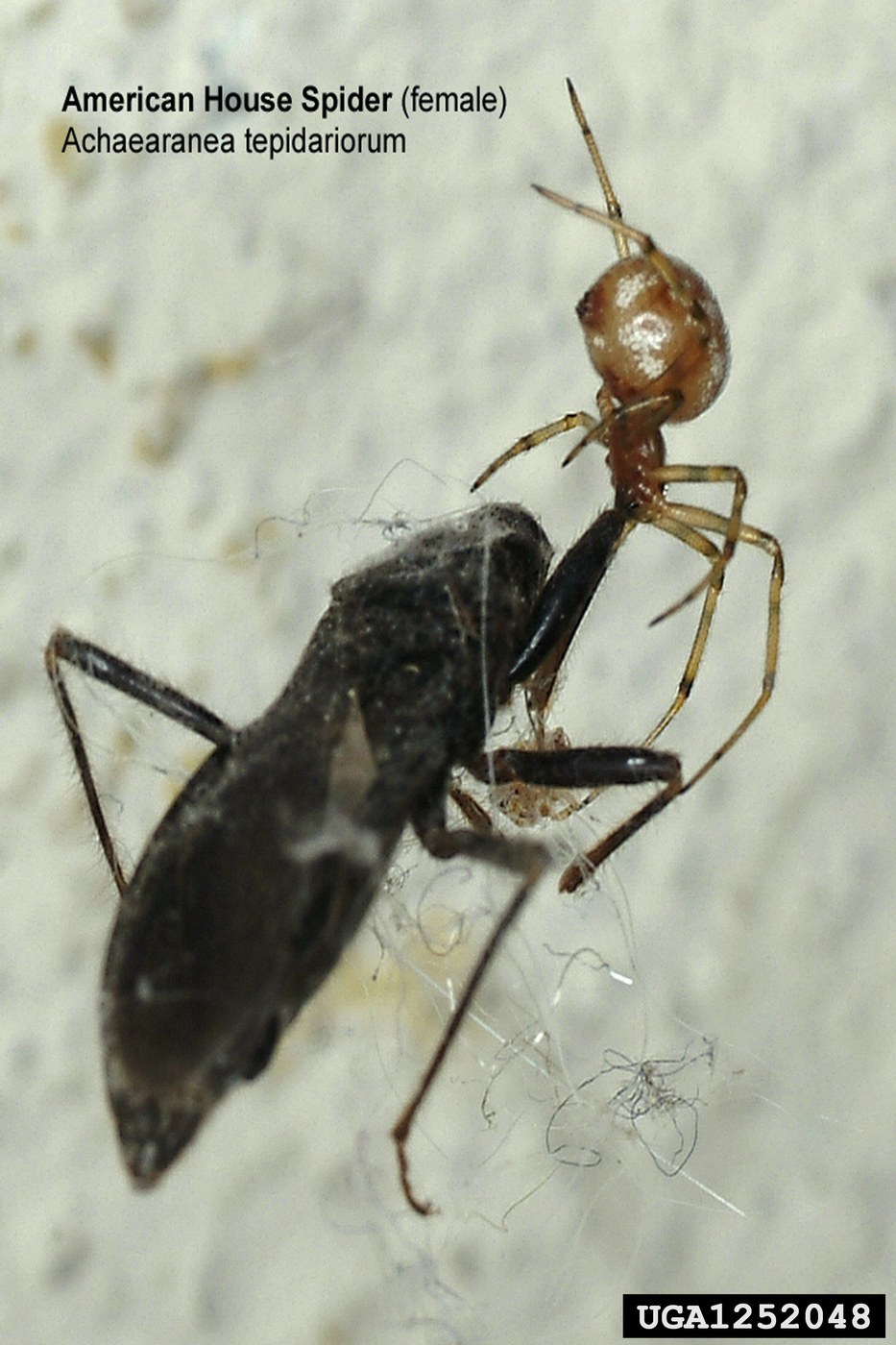
American House Spider
Corners, basements, garages, and outbuildings worldwide
Tube Web Spider
Wall crevices, bark, rockeries, and masonry
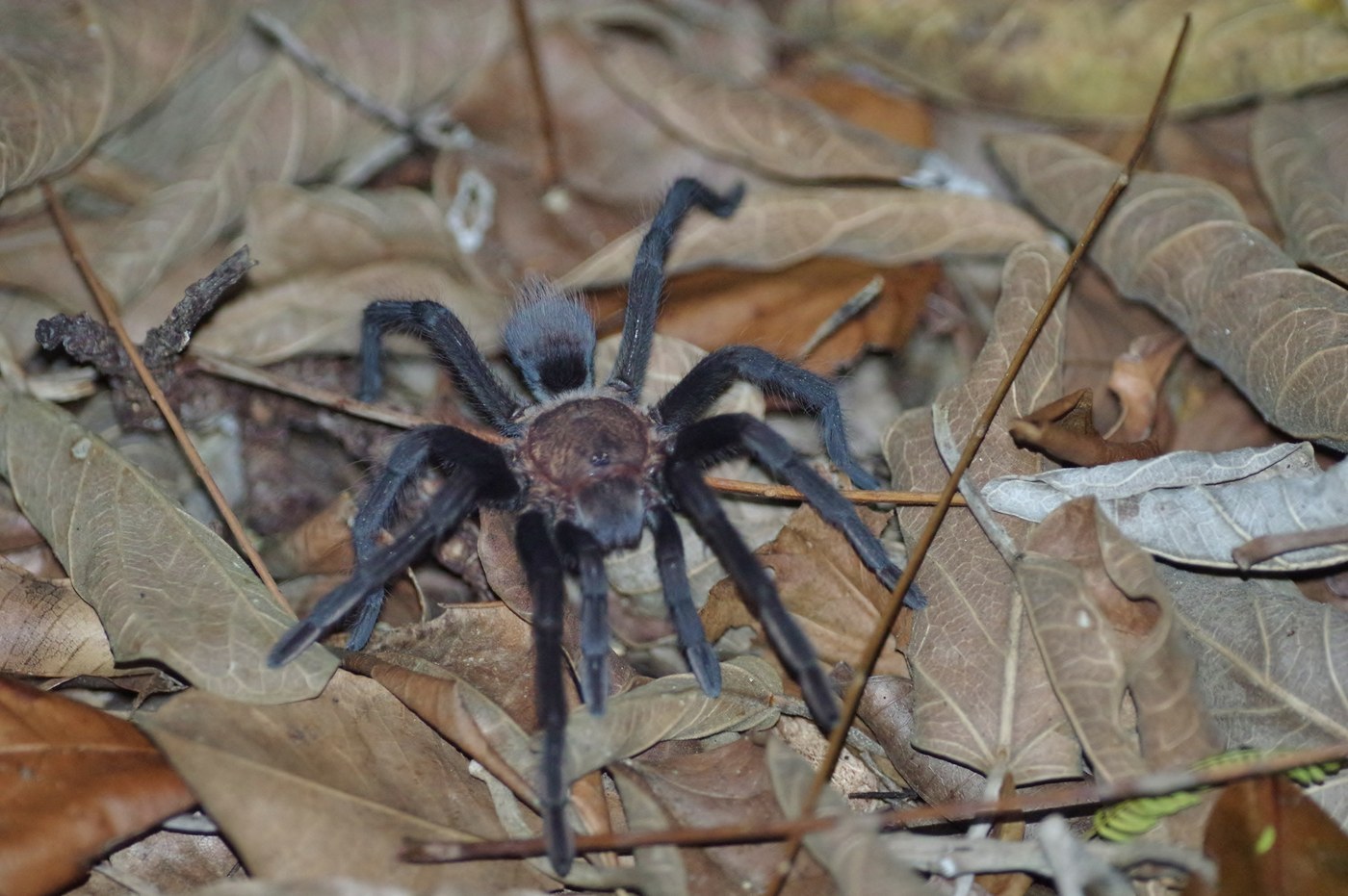
Tarantula
Burrows, rock crevices, and tree hollows in deserts, grasslands, and tropical forests worldwide
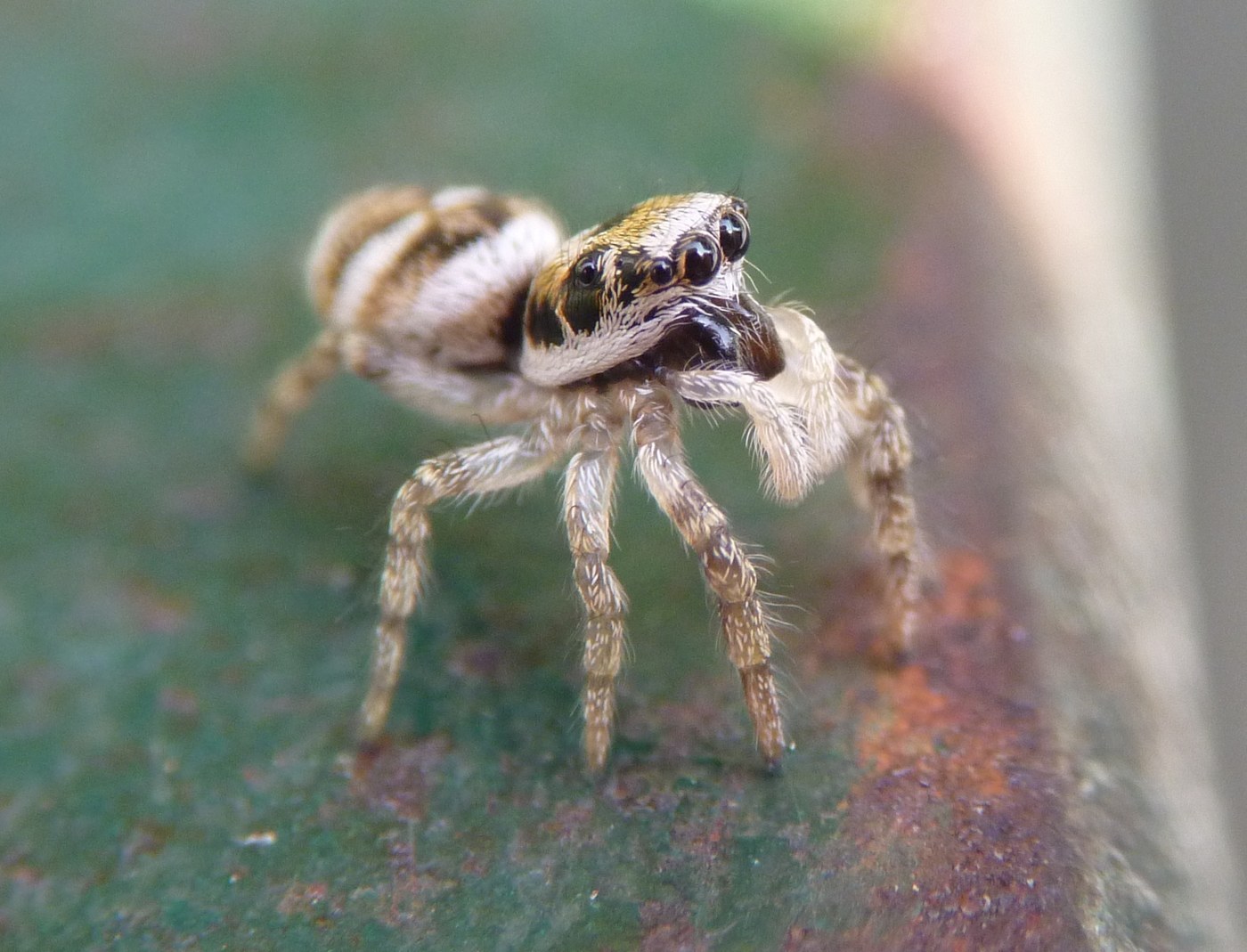
Zebra Jumping Spider
Sunny walls, fences, tree bark, and building exteriors
Wall Spider
Cracks and crevices on exterior and interior walls