
Birdwing Butterfly
Genera Ornithoptera, Trogonoptera, Troides
Among the largest butterflies on Earth, birdwings soar through rainforest canopies on angular, bird-like wings. Males dazzle with iridescent greens, golds, and blues, while the larger females wear more subdued browns.
- Size
- Wingspan 15-28 cm
- Habitat
- Tropical rainforests of Southeast Asia and Australasia
- Danger
- Harmless
Spotted a bug like this?
Identify any bug or insect from a photo, free.
Overview
Birdwing butterflies are giant swallowtail relatives found in the tropical forests of Southeast Asia, New Guinea, and northern Australia. They include the Queen Alexandra's birdwing, widely regarded as the largest butterfly in the world, with a wingspan reaching nearly 28 cm in females.
The group spans several genera, with the most spectacular being Ornithoptera, whose males display brilliant iridescent green and gold scales. The name birdwing refers to their large size, angular wing shape, and strong, soaring flight that recalls a bird gliding through the canopy.
Birdwings are closely tied to specific rainforest vinehost plants of the genus Aristolochia, on which their caterpillars feed. Many species are prized by collectors, and several are protected under international conservation agreements.
How to Identify
Look for these features:
- Very large size, with wingspans from about 15 to 28 cm
- Angular, elongated forewings and a strong gliding flight
- Males often iridescent green, gold, or blue with black; females larger and browner with cream or yellow markings
- Feathery-edged hindwings in some species
- A furry black-and-red body
Lookalikes are other large swallowtails, but the immense size and canopy-soaring flight distinguish birdwings.
Habitat & Range
Birdwings inhabit lowland and hill tropical rainforests from the Indian subcontinent through Southeast Asia, the Malay Archipelago, New Guinea, and northeastern Australia. Adults frequent the canopy and forest edges, descending to flowering plants to feed. They depend on the presence of their Aristolochia host vines and are most active in warm, humid conditions.
Behavior & Diet
Adult birdwings feed on nectar from tall flowering trees and vines, often hovering while sipping. Males patrol territories and perform fluttering courtship flights around females. Caterpillars feed exclusively on Aristolochia vines, absorbing plant compounds that make them distasteful to predators. As pollinators and specialized herbivores, birdwings are important components of rainforest ecosystems.
Life Cycle
Birdwings undergo complete metamorphosis. Females lay spherical eggs on or near Aristolochia host vines. The stout, spiny caterpillars feed on the toxic foliage, storing defensive compounds, and grow through several molts. They then form a chrysalis, often camouflaged as a leaf or twig, from which the adult emerges. In tropical climates breeding can continue year-round.
Frequently asked questions
What is the largest birdwing?
Queen Alexandra's birdwing of Papua New Guinea is considered the largest butterfly in the world, with females spanning up to about 28 cm.
Why are male and female so different?
Males are smaller and iridescent for courtship and territory display, while larger females are camouflaged brown and yellow for laying eggs.
What do birdwing caterpillars eat?
They feed exclusively on Aristolochia vines, whose compounds make the caterpillars distasteful to predators.
Are birdwings endangered?
Several species are threatened by habitat loss and are protected under international trade agreements.
Birdwing Butterfly guides
In-depth guides for identifying, understanding, and living alongside Birdwing Butterfly.
Birdwing Butterfly identified by the community
Real finds identified with Bug Identifier.

Other bugs you may enjoy
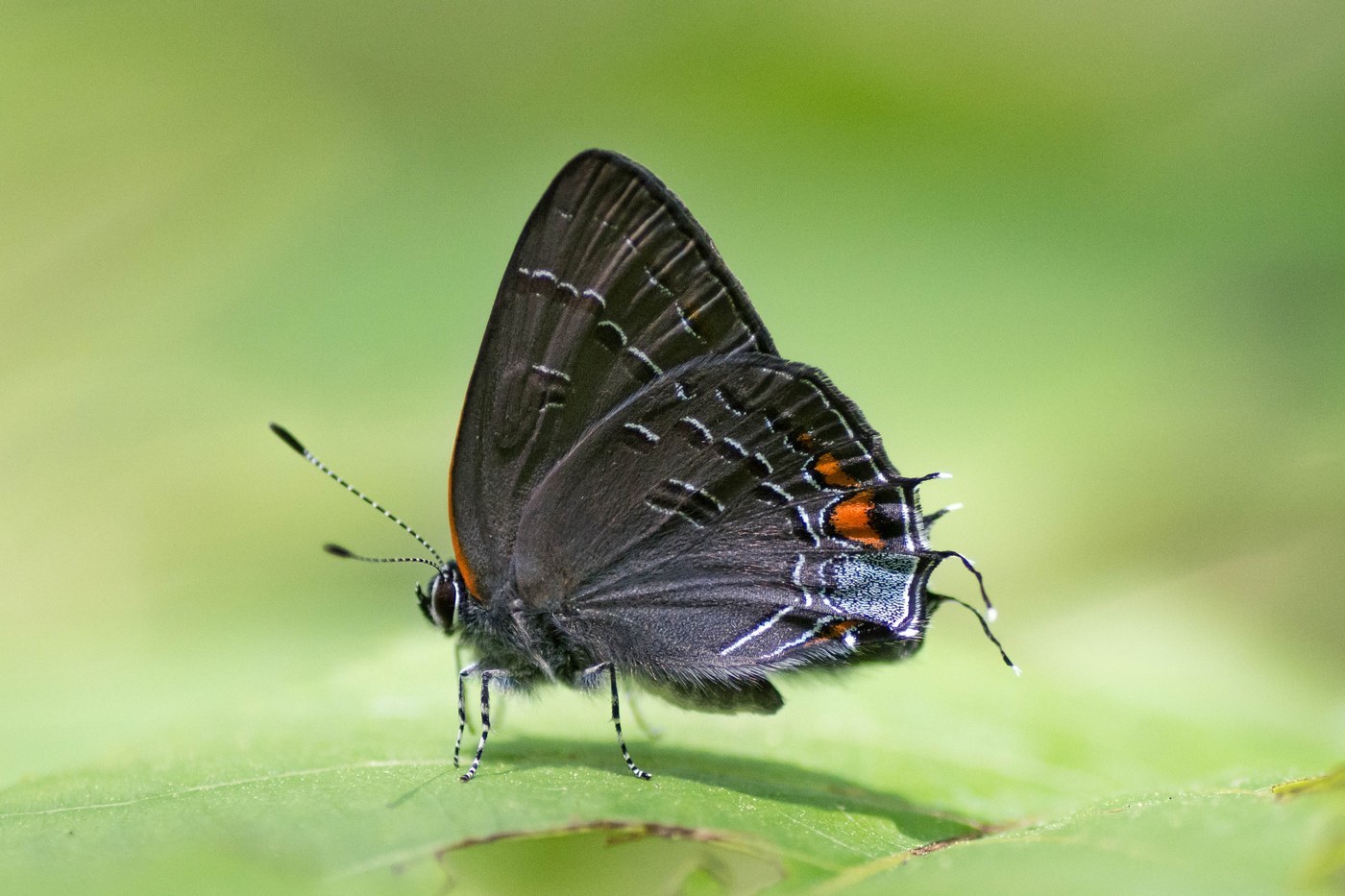
Banded Hairstreak
Deciduous woodlands and edges with oaks and hickories
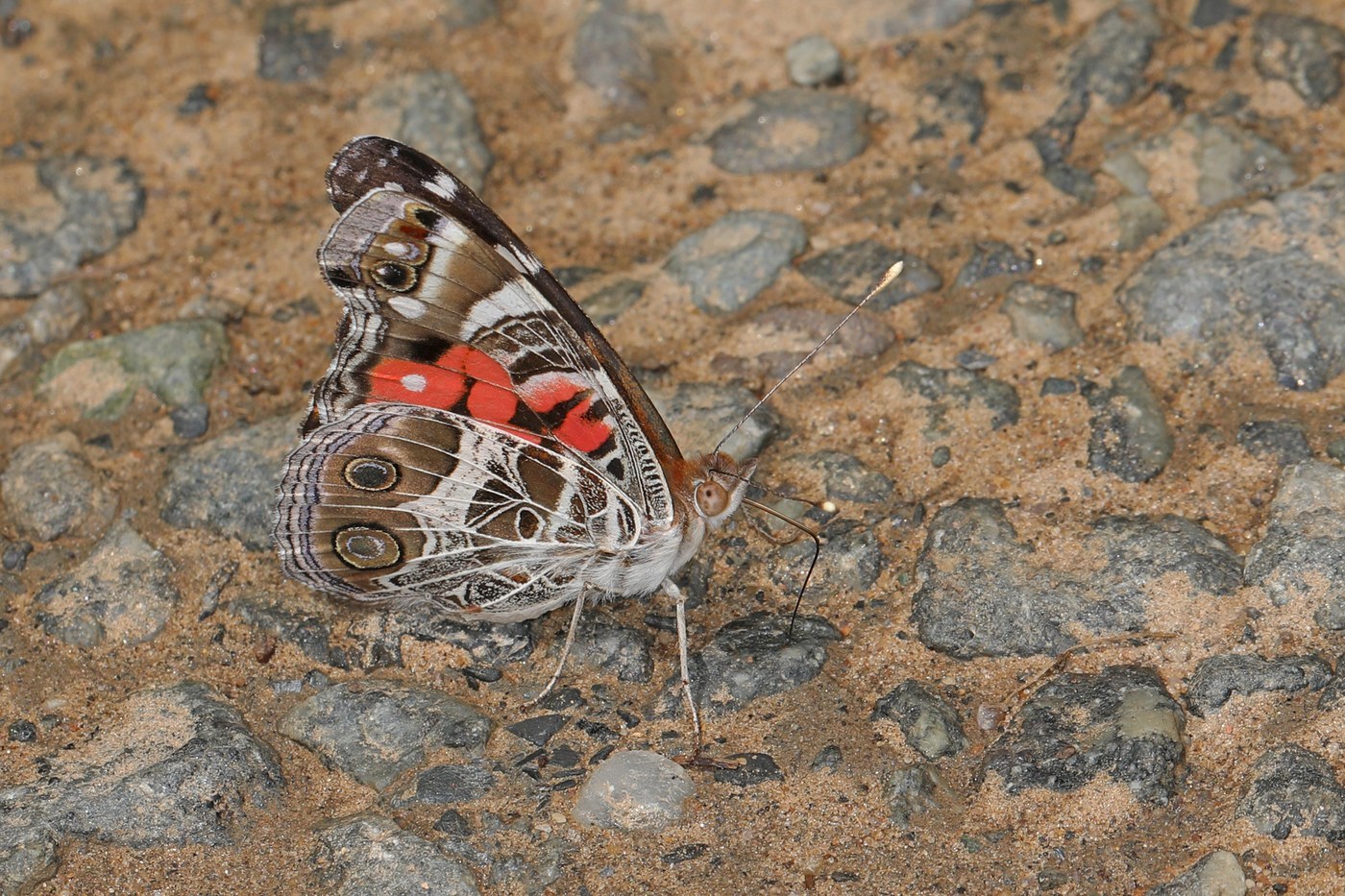
American Lady
Open fields, meadows, gardens, roadsides
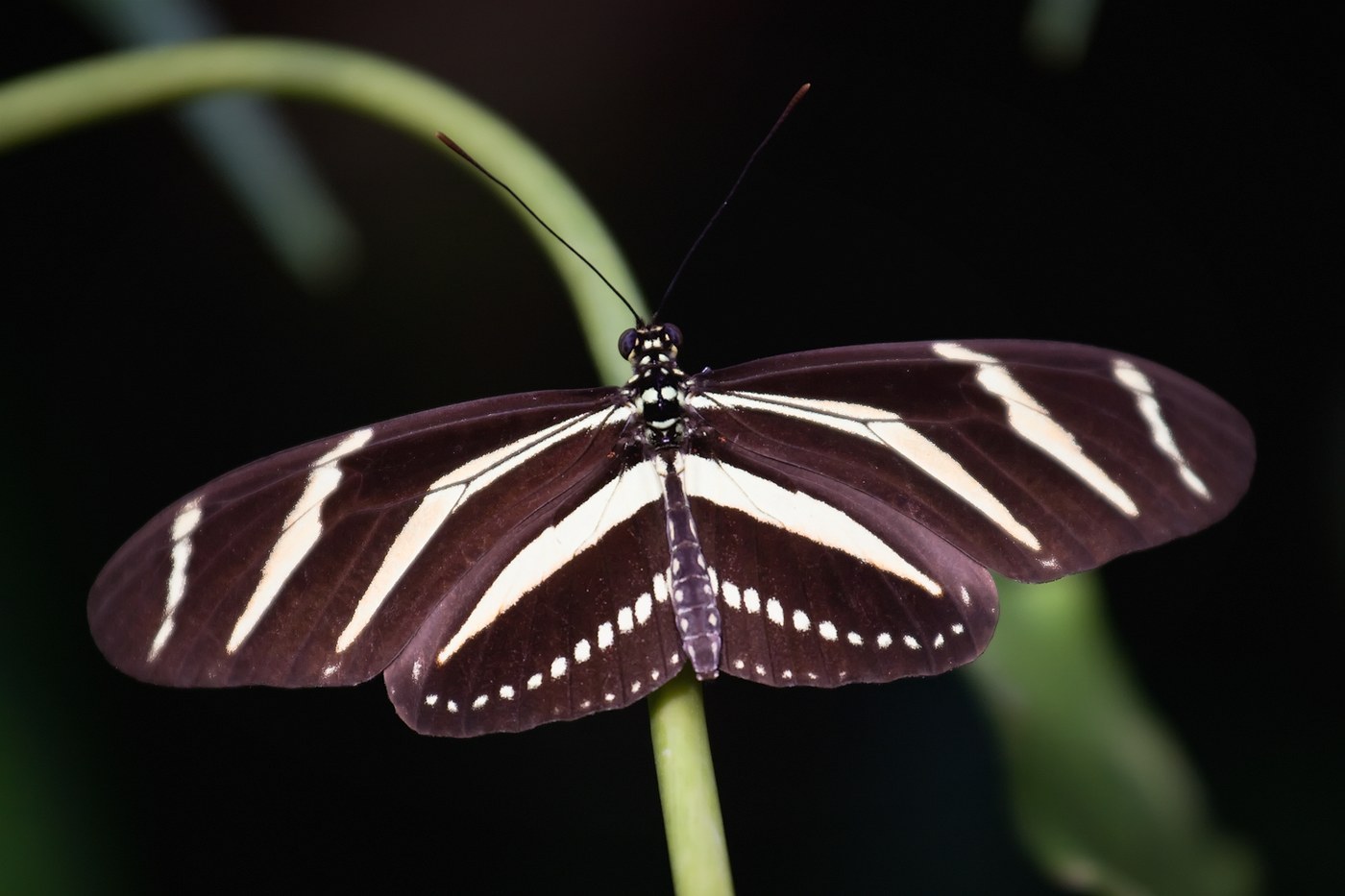
Zebra Longwing
Tropical hammocks, gardens, forest edges
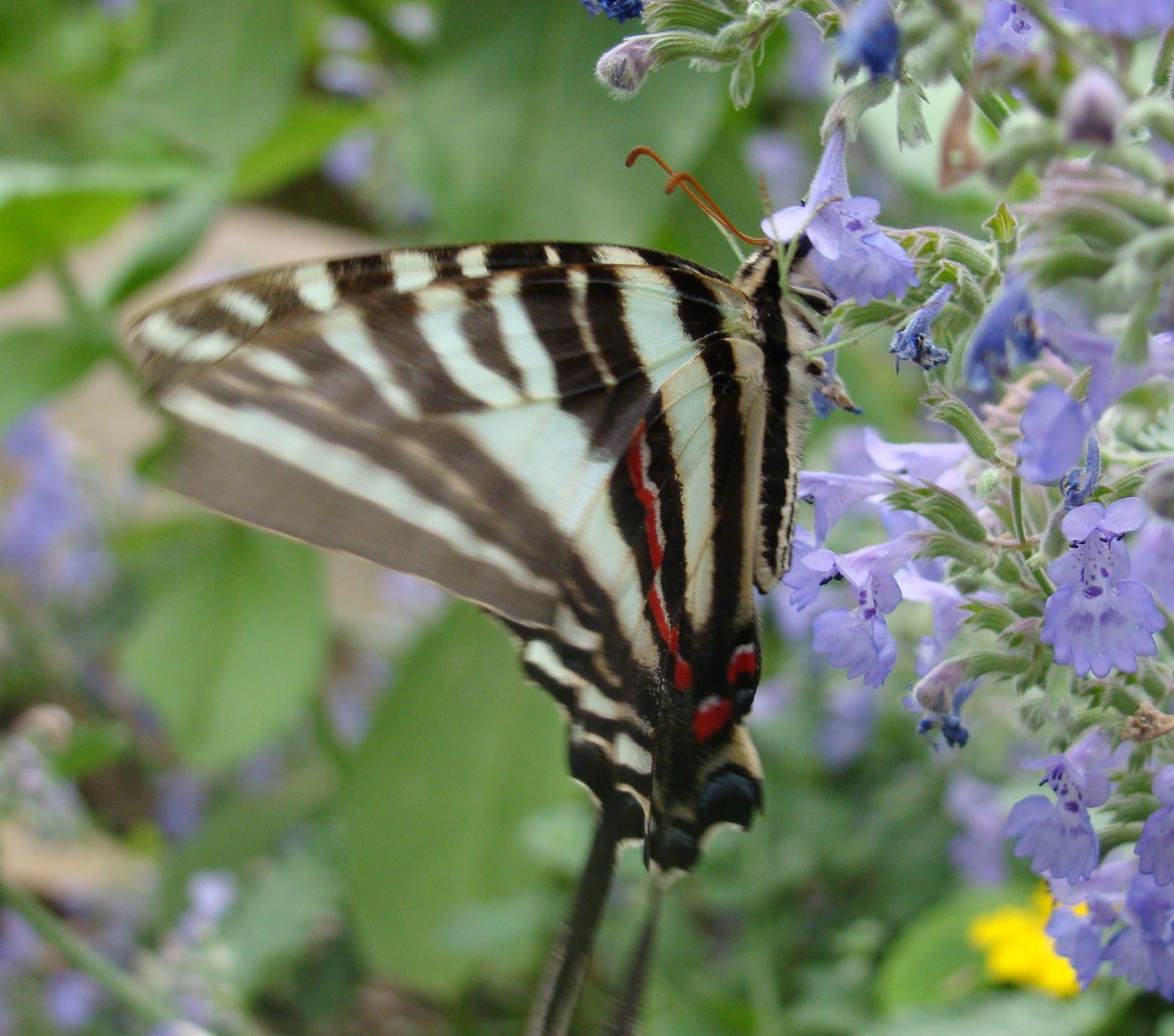
Zebra Swallowtail
Woodlands, floodplains, forest edges near pawpaw
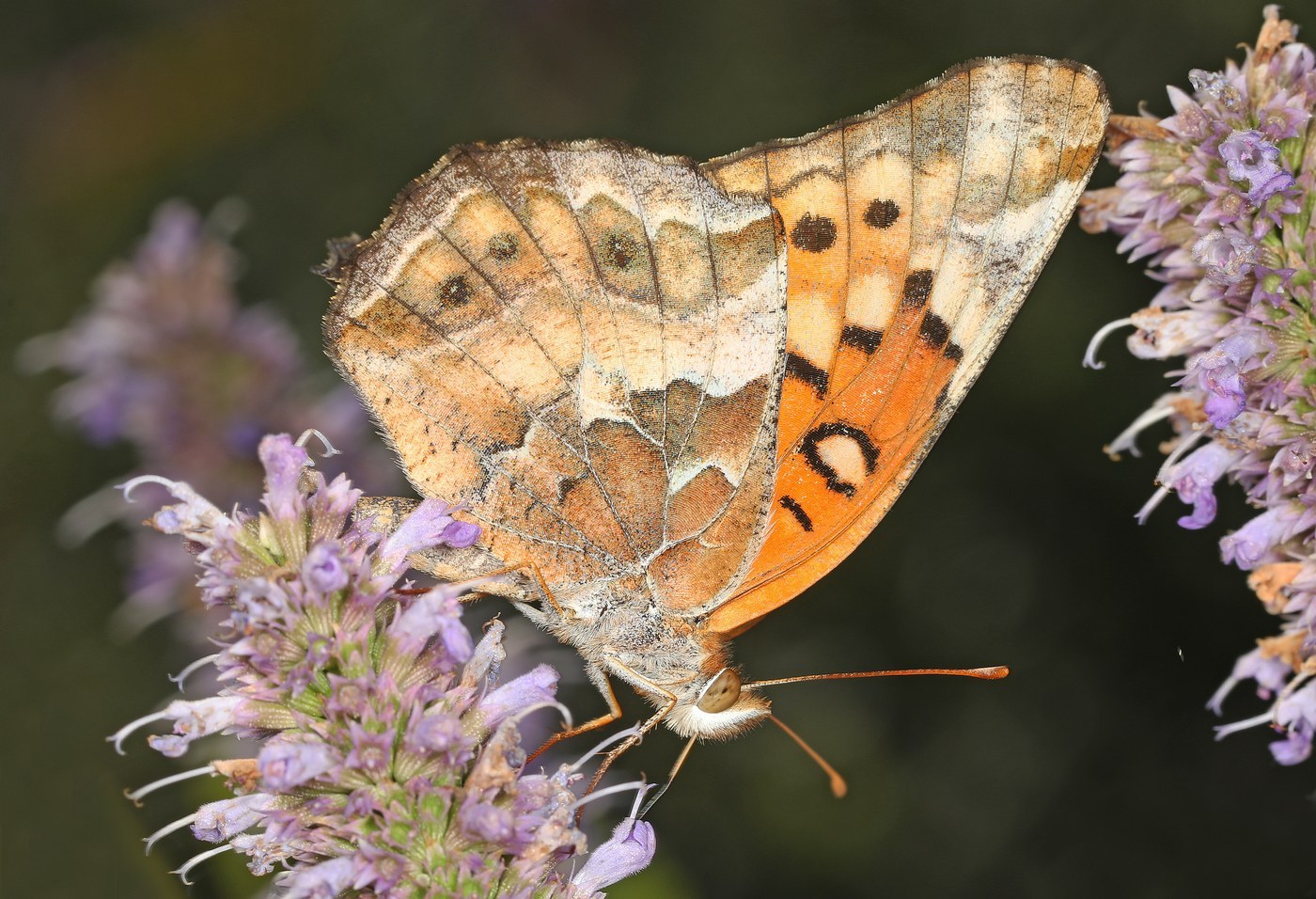
Variegated Fritillary
Open fields, prairies, roadsides, and disturbed ground across most of the United States
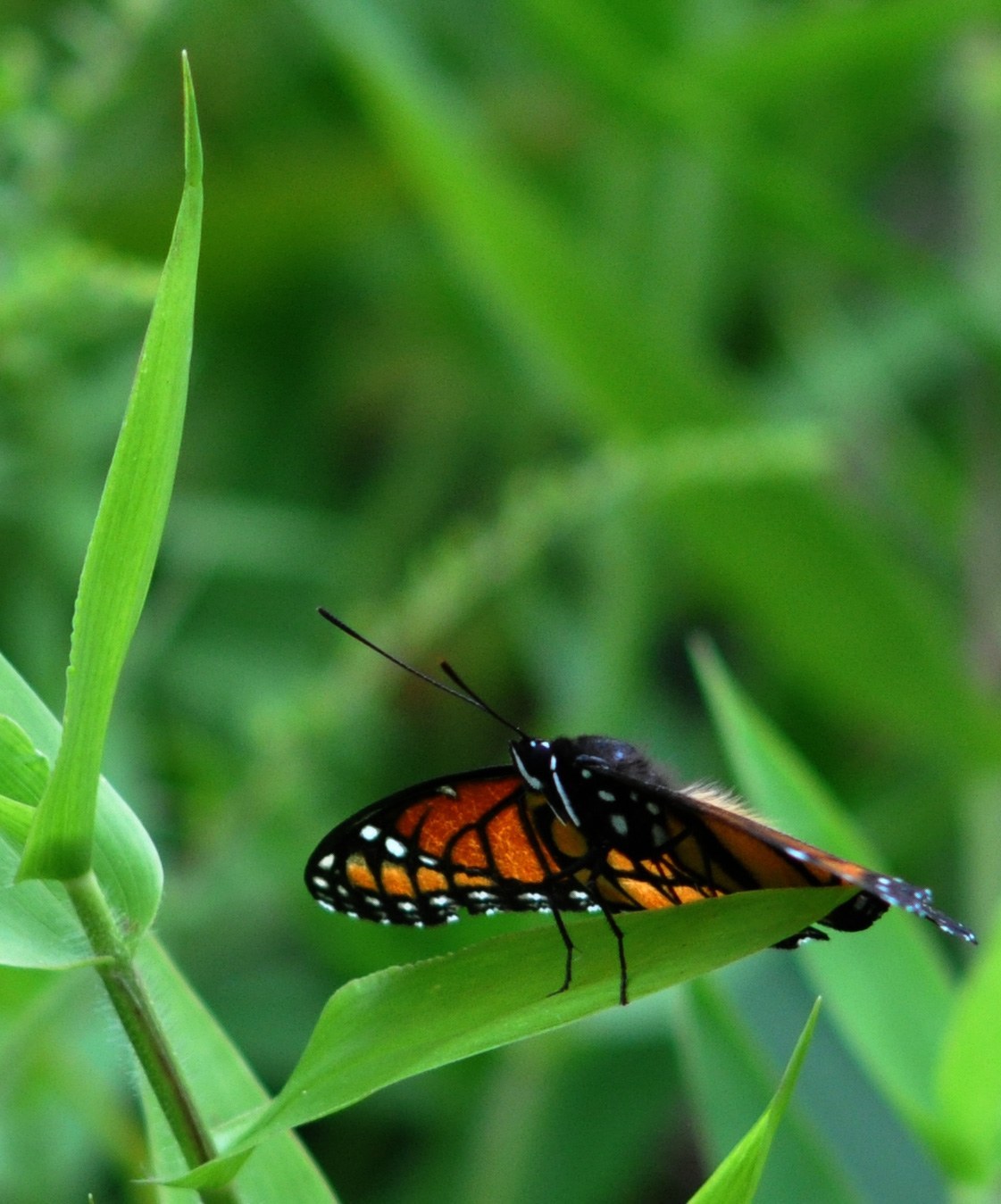
Viceroy Butterfly
Wetlands, meadows, riverbanks, willow thickets (North America)
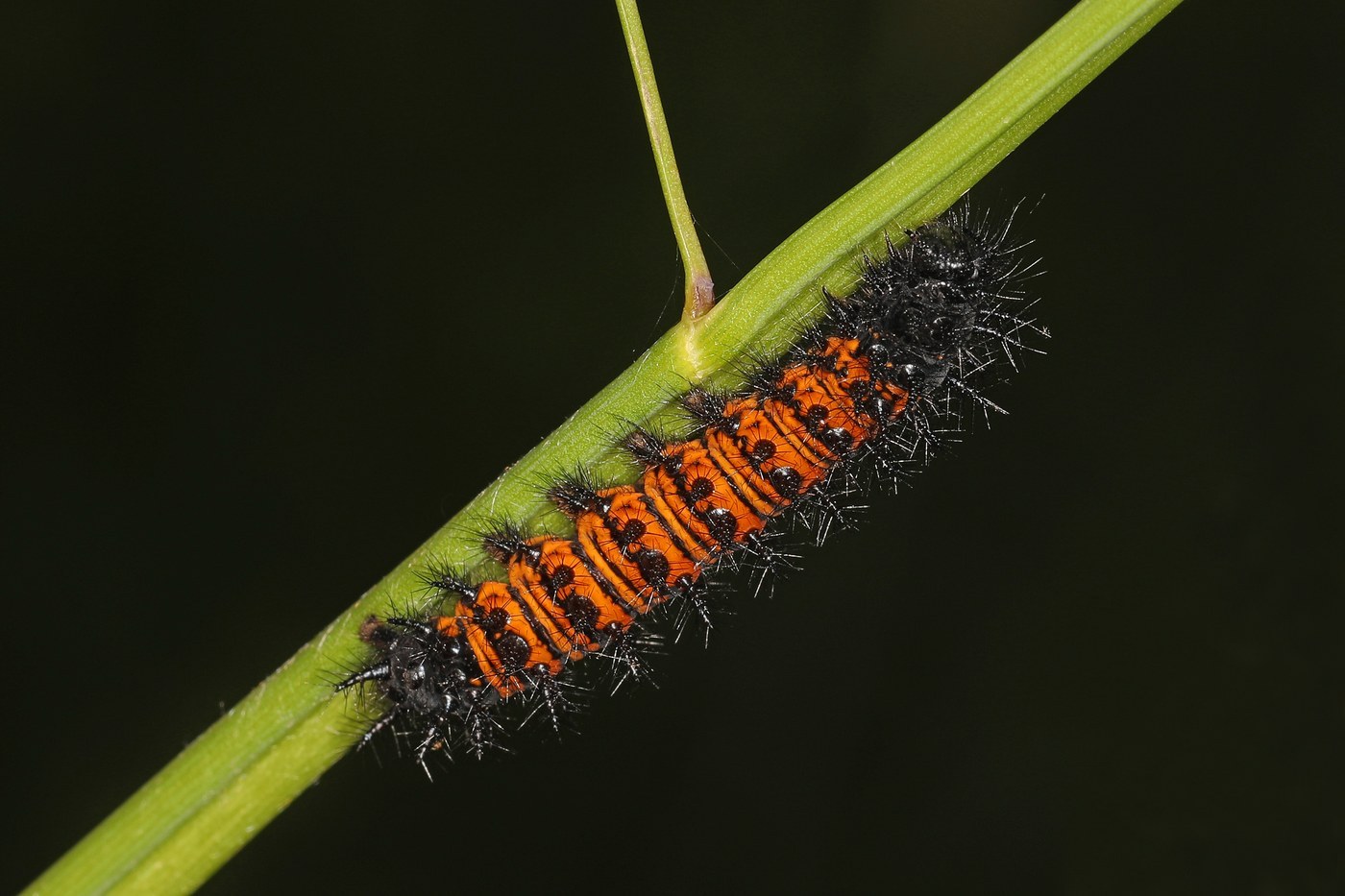
Baltimore Checkerspot
Wet meadows, bogs, and marshy fields in the northeastern and Appalachian US
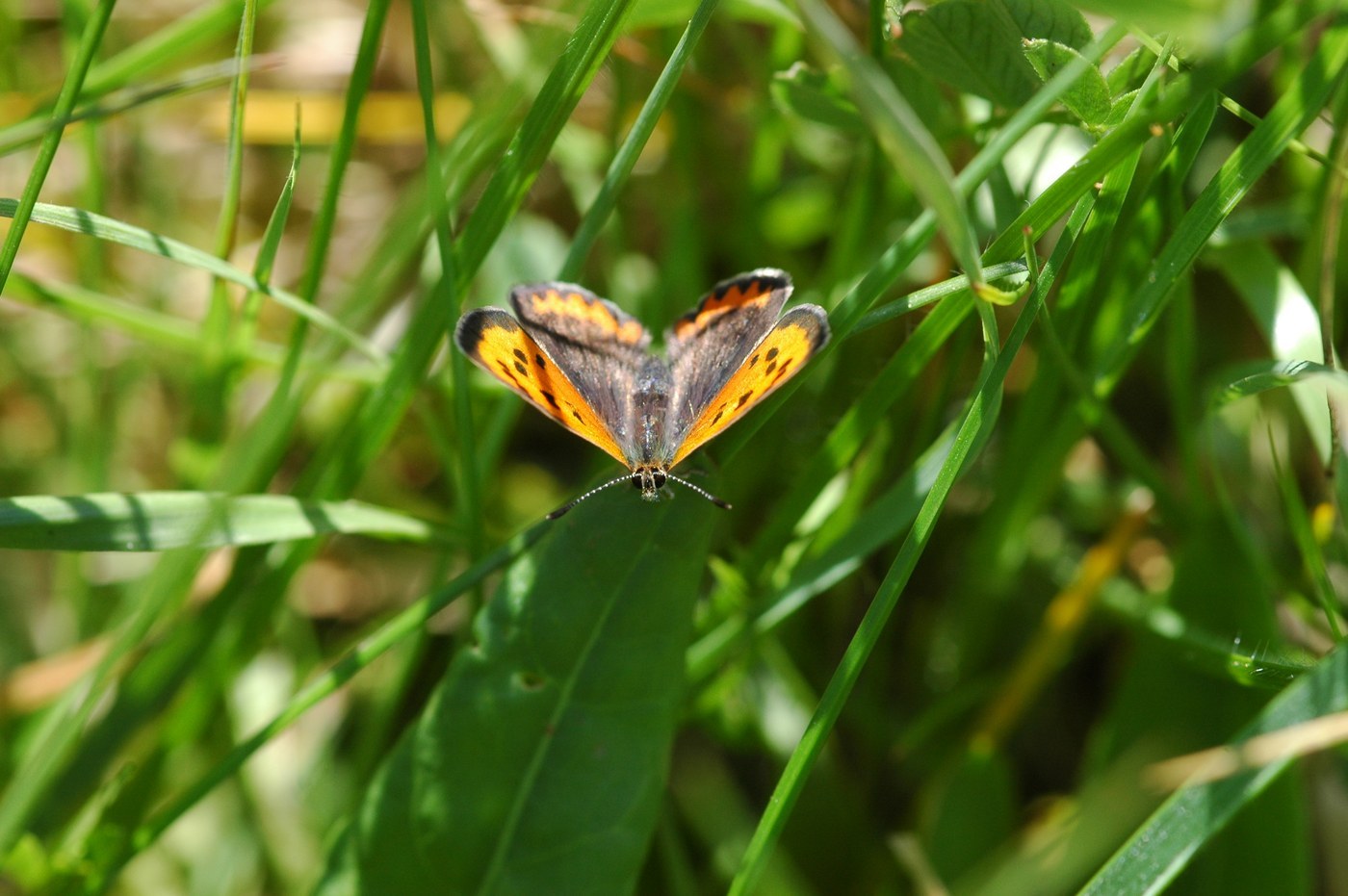
American Copper
Old fields, roadsides, and disturbed open ground with sorrel or dock
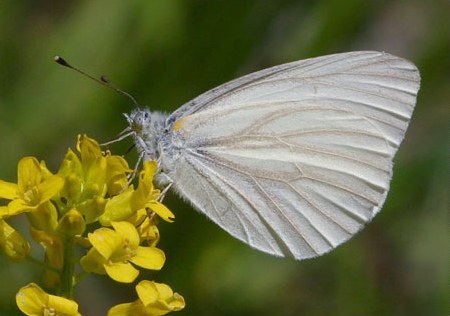
West Virginia White
Rich deciduous forest floors, especially near seeps and streams
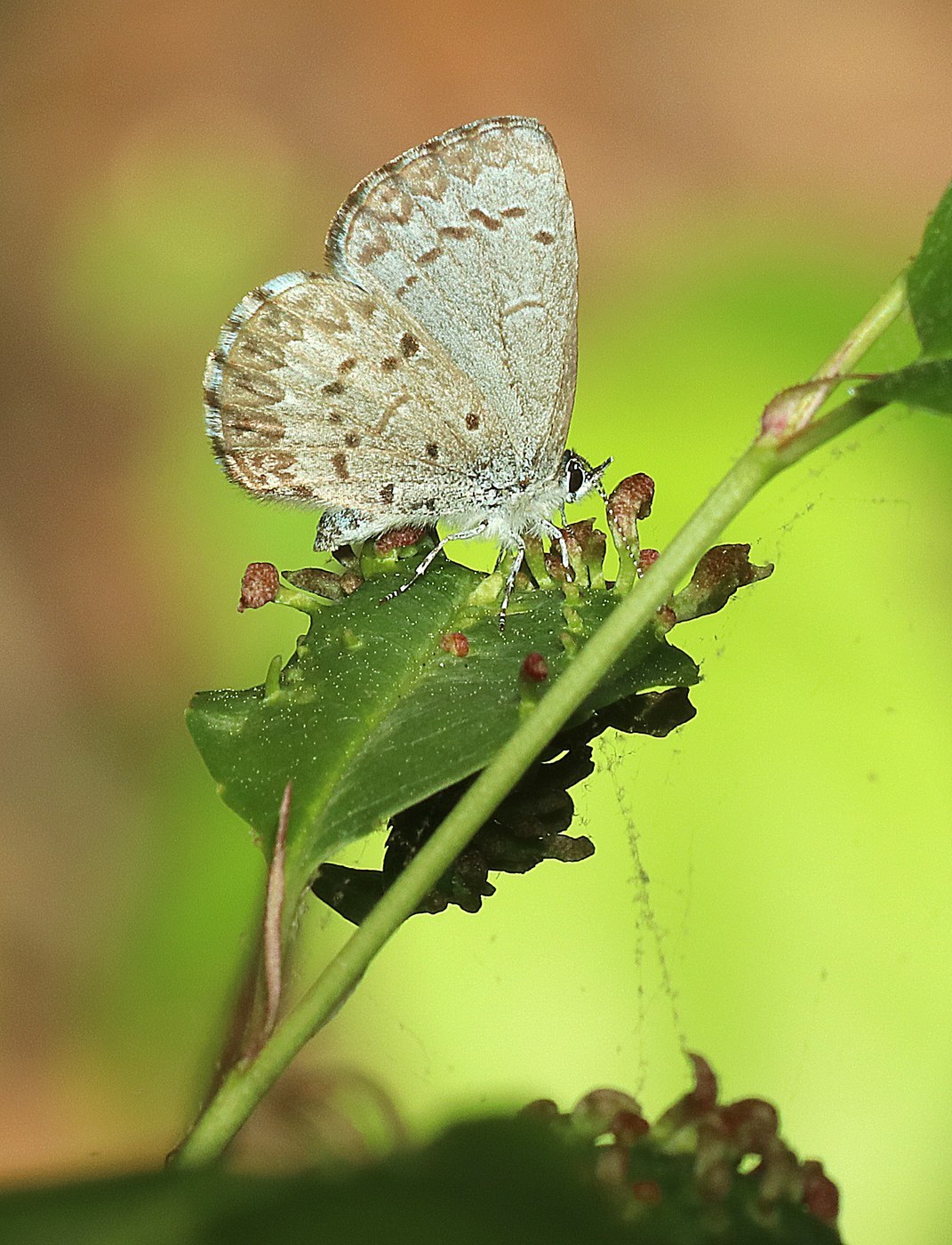
Spring Azure
Woodland edges, gardens, shrubby clearings
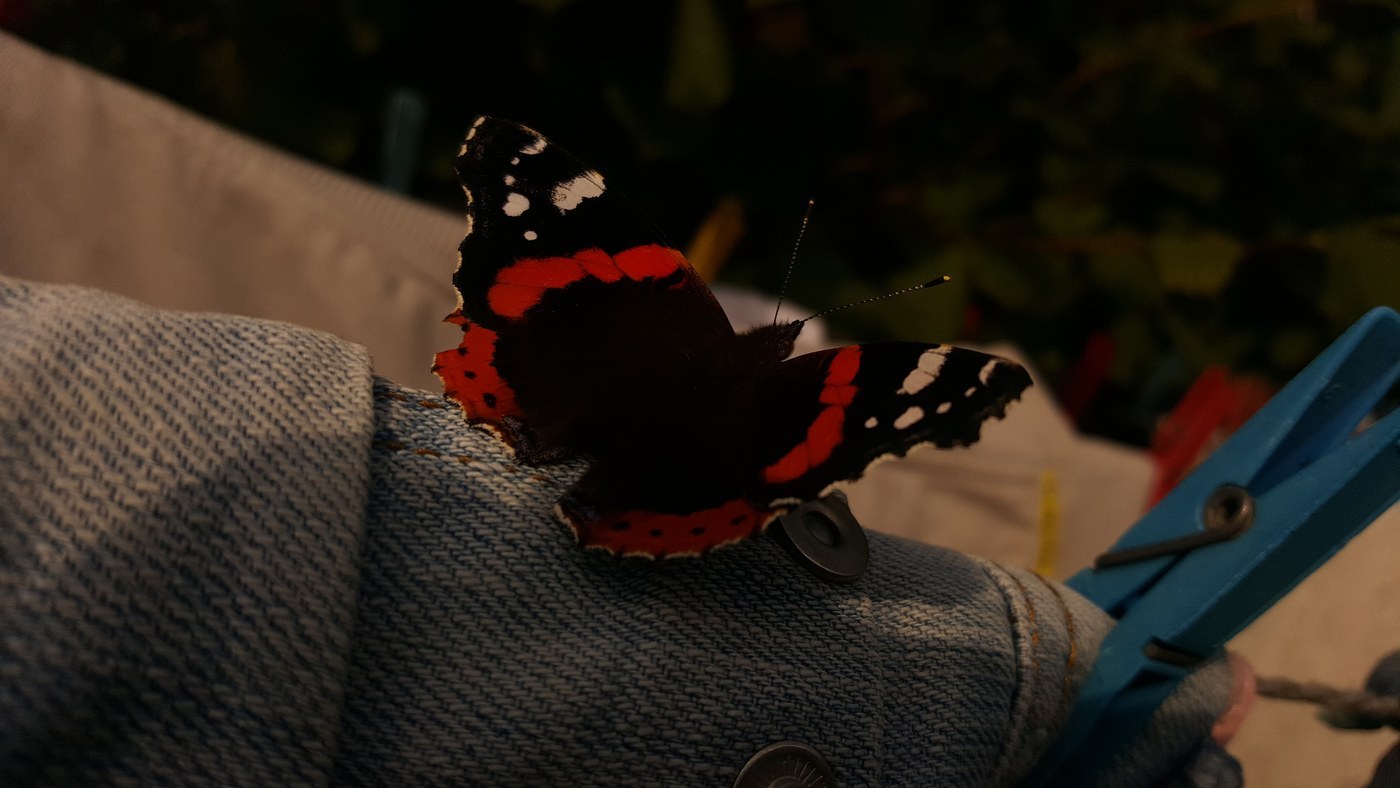
Red Admiral
Gardens, woodland edges, parks, meadows
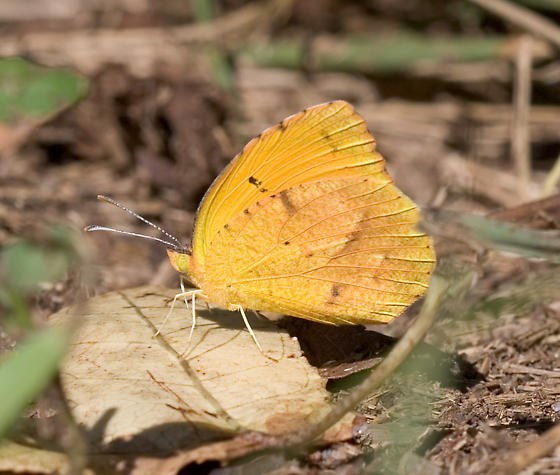
Sleepy Orange
Open woodland, fields, roadsides, and disturbed ground