
Black Widow Spider
Latrodectus mactans
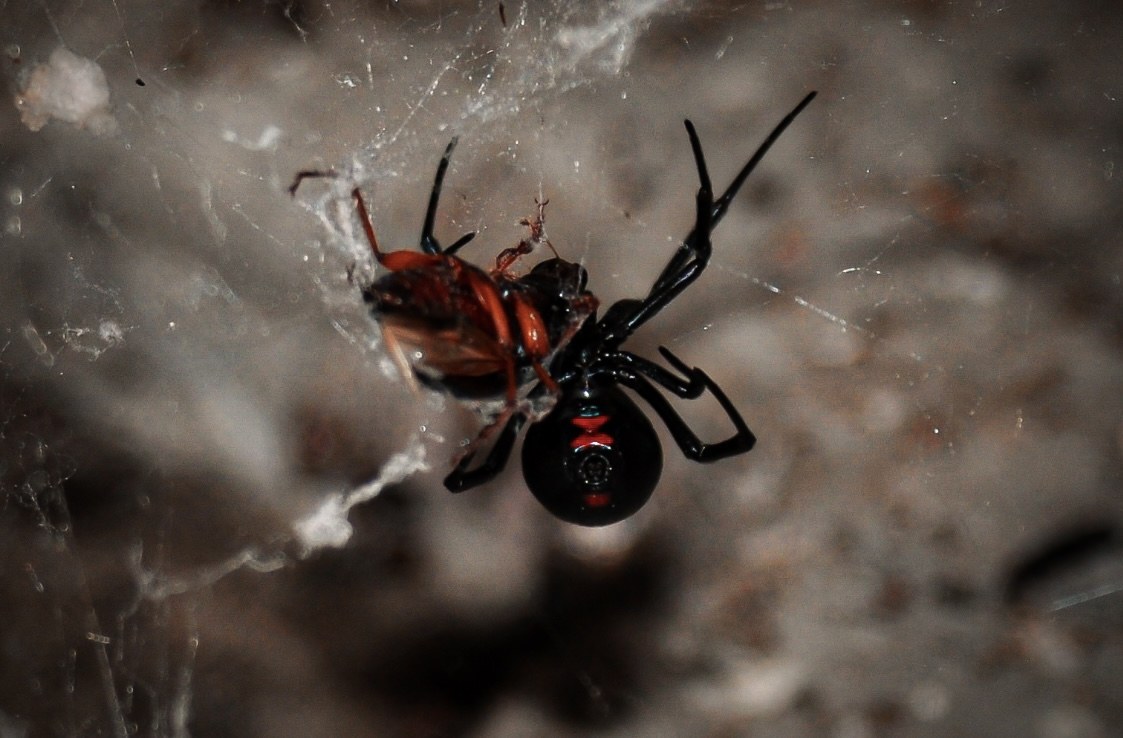
A glossy black, globe-bodied spider best known for the red or orange hourglass marking on the underside of the female's rounded abdomen, usually found tucked in a tangled web near ground level.
- Size
- 8–13 mm body (females)
- Habitat
- Woodpiles, sheds, garages, dark undisturbed corners
- Danger
- Mildly venomous
Spotted a bug like this?
Identify any bug or insect from a photo, free.
Overview
The black widow spider, most often represented in North America by Latrodectus mactans (the southern black widow), is a member of the cobweb spider family Theridiidae, known for the glossy black, globe-shaped abdomen of the female and the red hourglass marking on its underside. It is one of the most recognizable spiders in the world, both for its striking appearance and for its reputation among the general public.
Widow spiders build irregular, tangled webs close to the ground in undisturbed, sheltered spots, a web style typical of the cobweb spider family. Females are considerably larger than males, which are smaller, differently patterned, and rarely seen.
The genus Latrodectus occurs on every continent except Antarctica, with regional species such as the western black widow and various widow spiders found in Europe, Africa, Asia, and Australia, making the black widow a globally recognized spider group rather than a single localized species.
How to Identify
- Body: females have a rounded, shiny black (occasionally dark brown) abdomen, roughly the size of a large pea.
- Marking: a red or orange hourglass-shaped mark on the underside of the abdomen, the species' signature feature.
- Size: female body length about 8–13 mm; males are much smaller, around 3–6 mm, and lighter colored with pale markings.
- Legs: long, thin, and dark, giving the spider a delicate look despite the bulky abdomen.
- Lookalikes: false widow spiders (genus Steatoda) have a similar shape but a duller brown color and lack the true hourglass marking.
Habitat & Range
Black widows favor dark, undisturbed, low-lying spaces such as woodpiles, sheds, garages, meter boxes, and debris piles, typically within a few feet of the ground. In North America they are widespread across the southern and western United States and into Mexico, with related species occupying other regions of the continent.
They are most active in warm months, from late spring through early fall, and tend to remain hidden in or near their web during the day, becoming more active at night.
Behavior & Diet
Black widows are sedentary web-building predators that construct an irregular, three-dimensional tangle web close to the ground, then wait near the center or in a nearby retreat for prey to become ensnared. Their diet consists of insects and other small arthropods that blunder into the sticky web strands.
They are generally reclusive and non-aggressive, preferring to retreat or remain motionless rather than confront a disturbance, and will bite mainly in defense if pressed against or directly handled. Females occasionally exhibit sexual cannibalism toward males after mating, a behavior that gave the species its common name.
Life Cycle
Black widows undergo simple, incomplete development typical of spiders: egg, spiderling (through several molts), and adult, with no pupal stage. Females produce silk egg sacs, each containing dozens to a few hundred eggs, which they guard within or near the web.
Spiderlings hatch and disperse, often by ballooning on silk threads carried by the wind, then molt multiple times over several months as they grow. Adult females can live one to three years, considerably longer than males, which typically survive only a matter of months after maturing.
Frequently asked questions
How do I recognize a black widow?
A shiny black, rounded abdomen on the female with a red or orange hourglass marking on the underside is the key identifying feature.
Are male black widows dangerous-looking too?
Males are much smaller and lighter colored with pale striping, and look quite different from the more recognizable females.
What's the difference between a black widow and a false widow?
False widow spiders are typically brown rather than glossy black and lack a true hourglass marking.
Where would I find a black widow?
In dark, undisturbed low spaces such as woodpiles, sheds, and garages.
Black Widow Spider guides
In-depth guides for identifying, understanding, and living alongside Black Widow Spider.
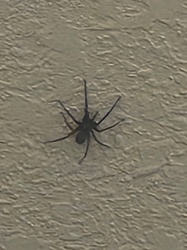
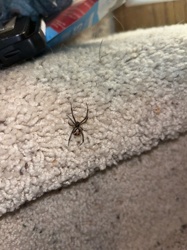
Black Widow Spider identified by the community
Real finds identified with Bug Identifier.

Other bugs you may enjoy
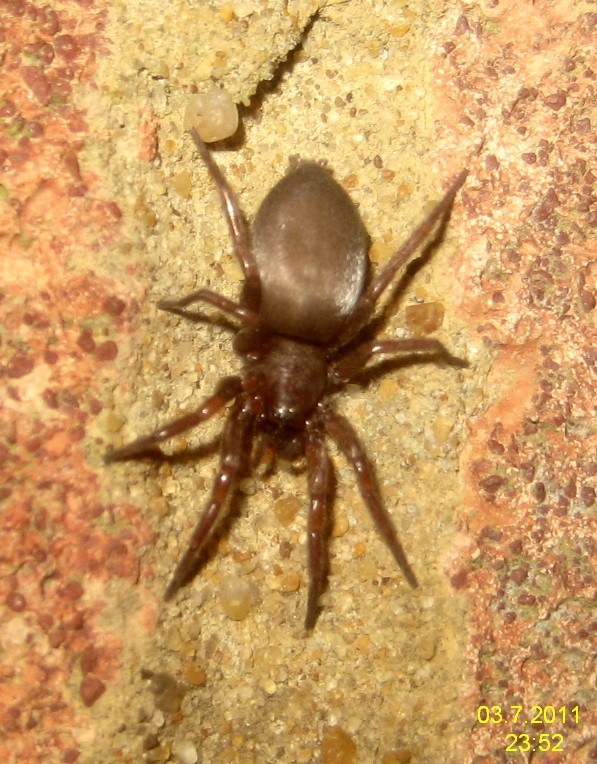
Woodlouse Spider
Damp leaf litter, under logs, stones, and mulch
Wolf Spider
Gardens, grasslands, forests, leaf litter, ground burrows
Wandering Spider
Tropical and subtropical forest floor, foliage, and banana plants
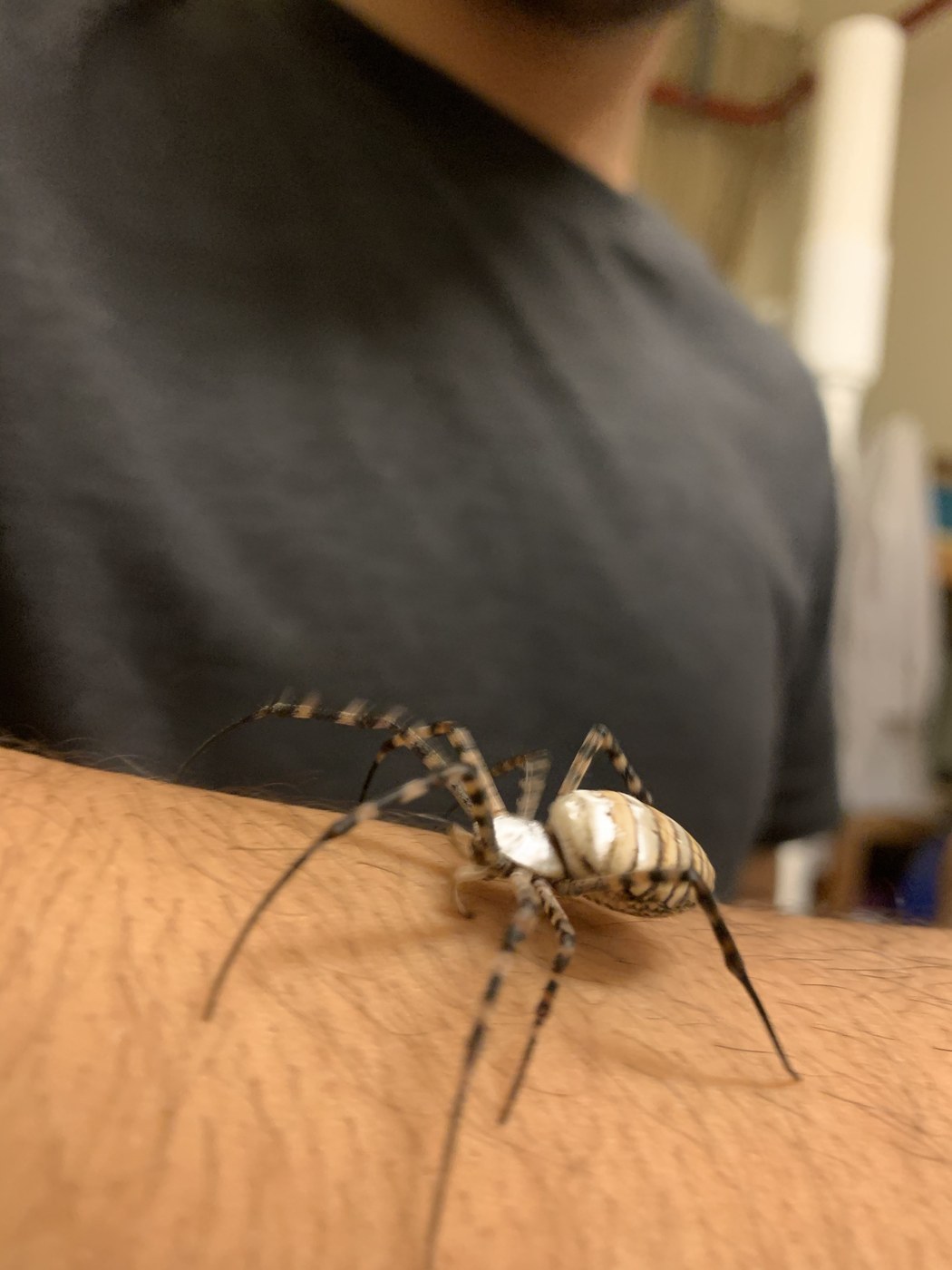
Banded Garden Spider
Tall grass, meadows, and gardens with open sunny vegetation
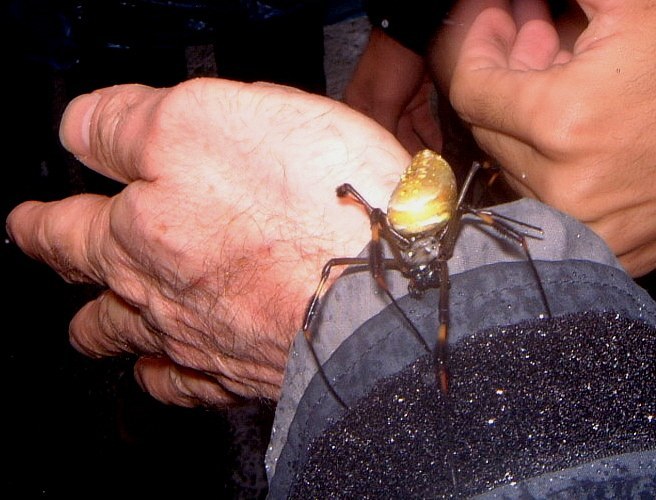
Banana Spider
Wooded trails, forest edges, and gardens across the southeastern U.S. and the American tropics
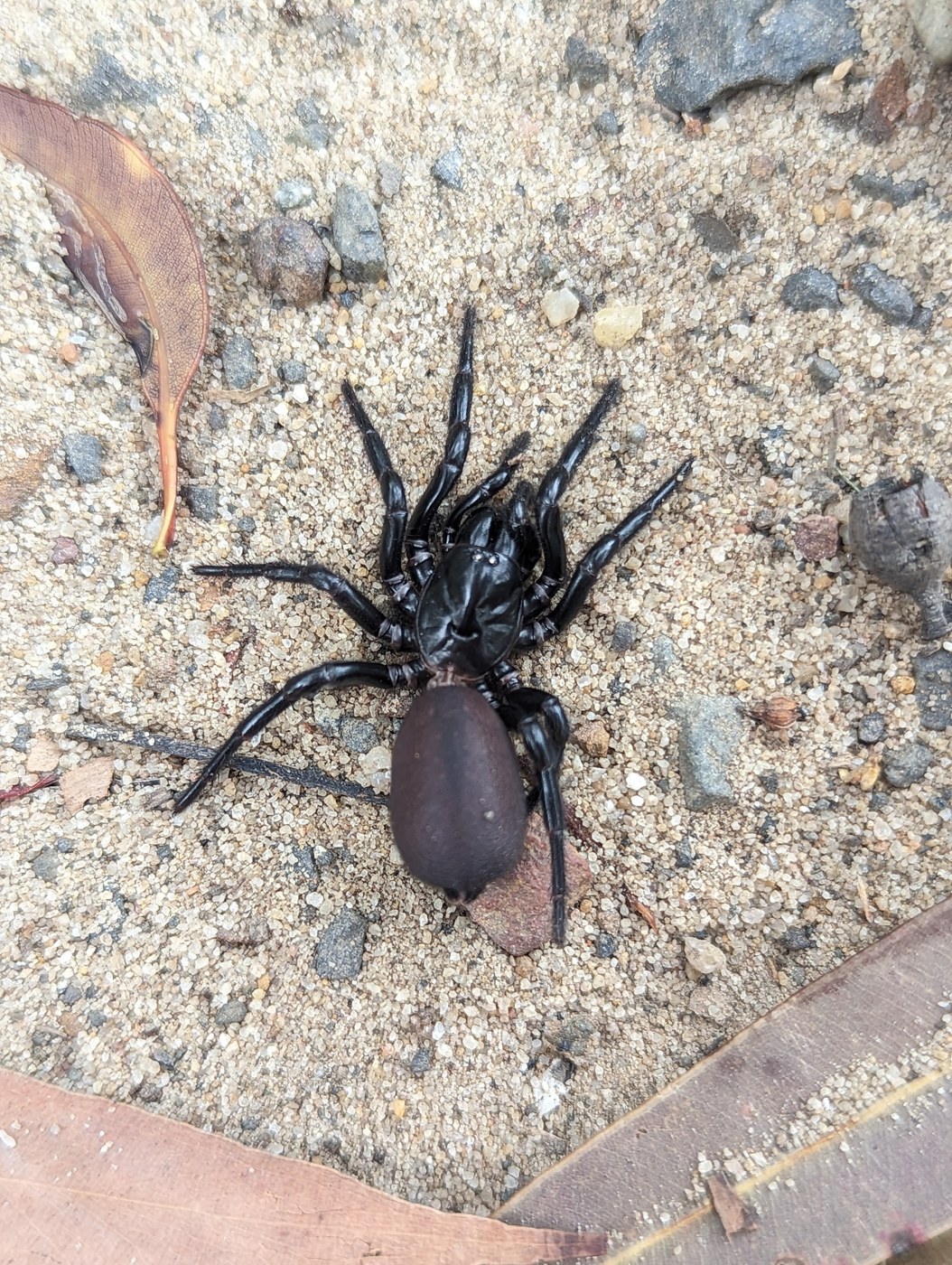
Sydney Funnel-web Spider
Burrows in moist soil, gardens, and forested gullies around the Sydney basin of eastern Australia
Trapdoor Spider
Self-dug silk-lined burrows with a camouflaged door, in dry, well-drained soil worldwide
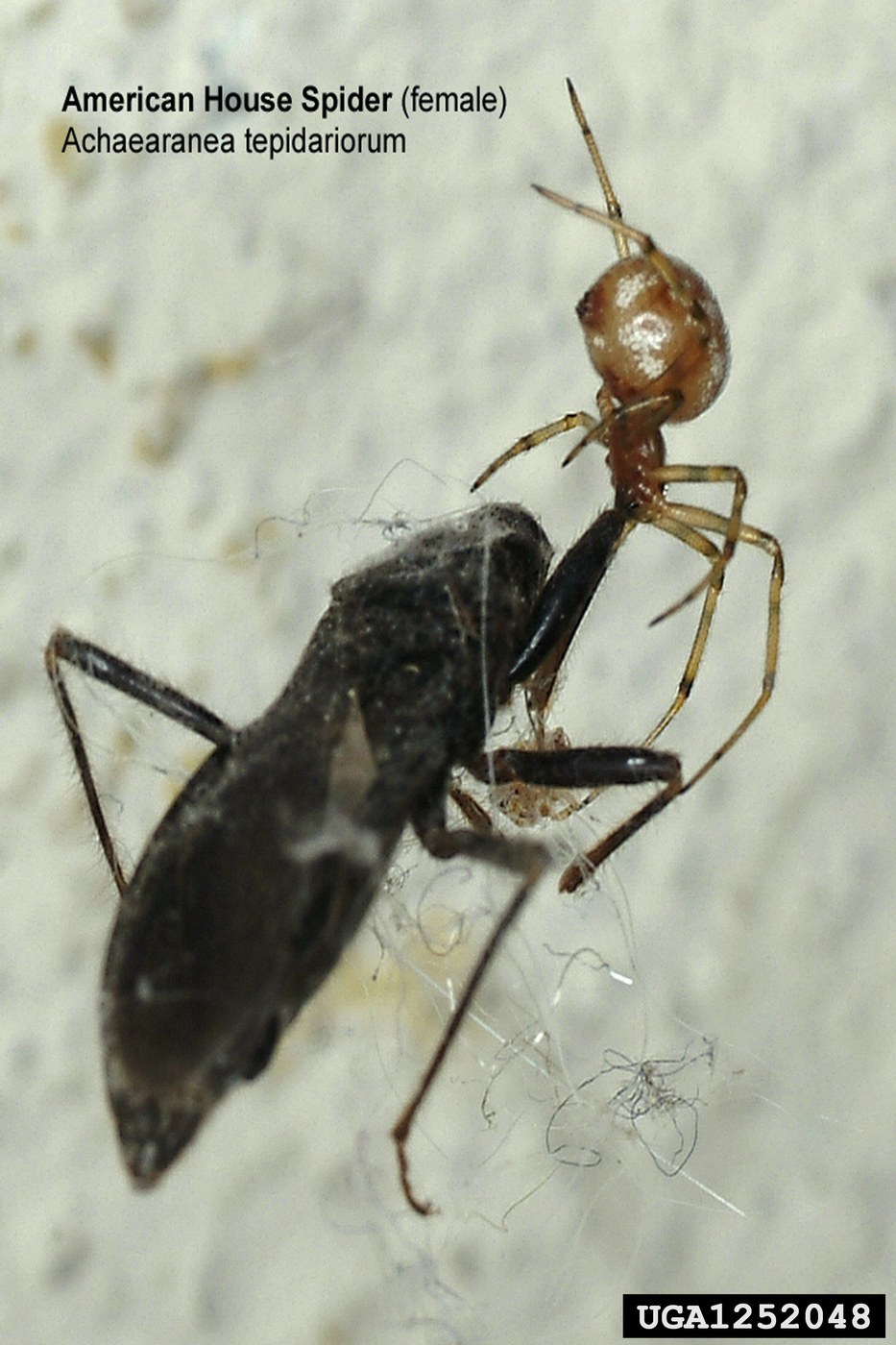
American House Spider
Corners, basements, garages, and outbuildings worldwide
Tube Web Spider
Wall crevices, bark, rockeries, and masonry
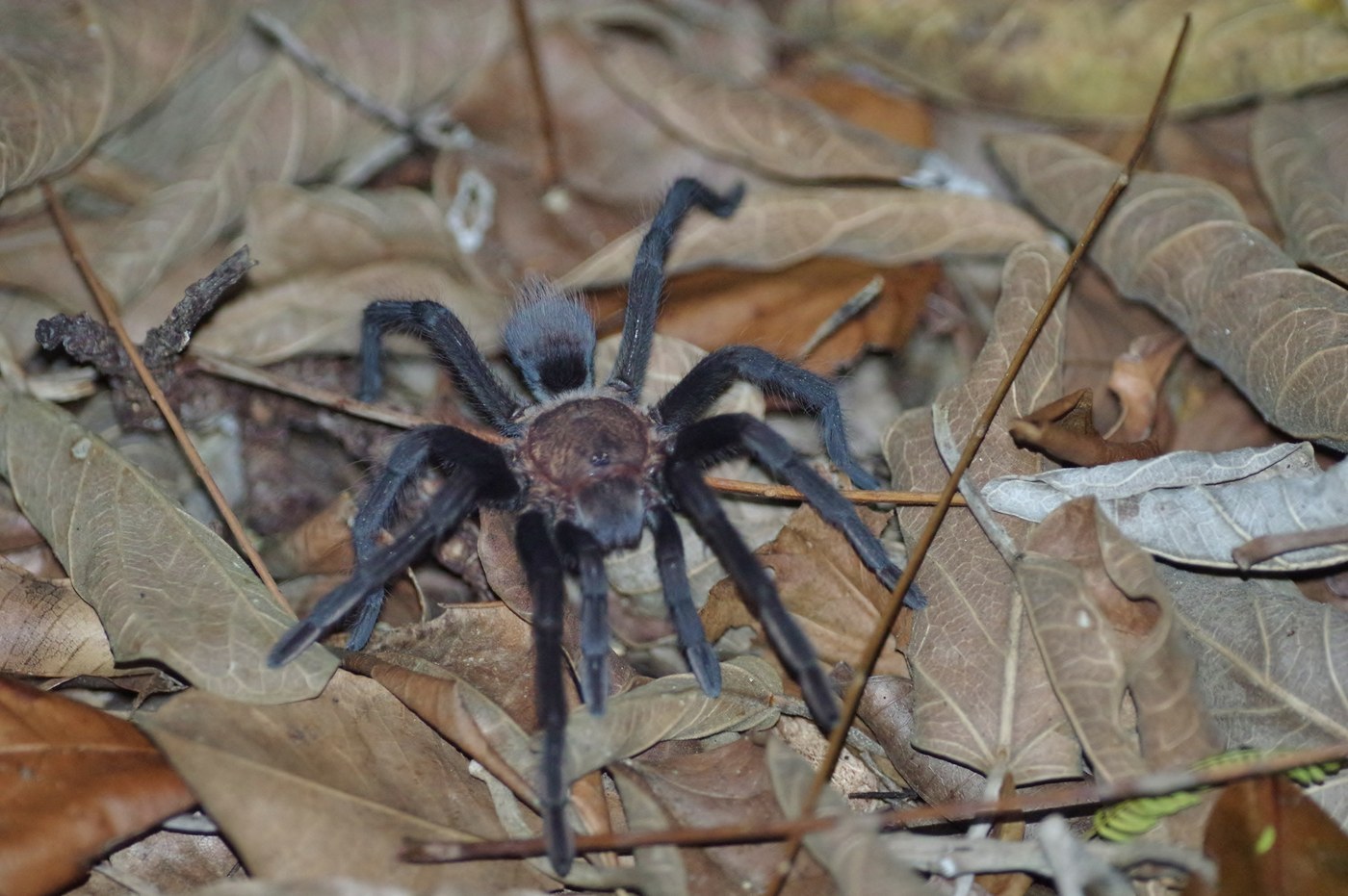
Tarantula
Burrows, rock crevices, and tree hollows in deserts, grasslands, and tropical forests worldwide
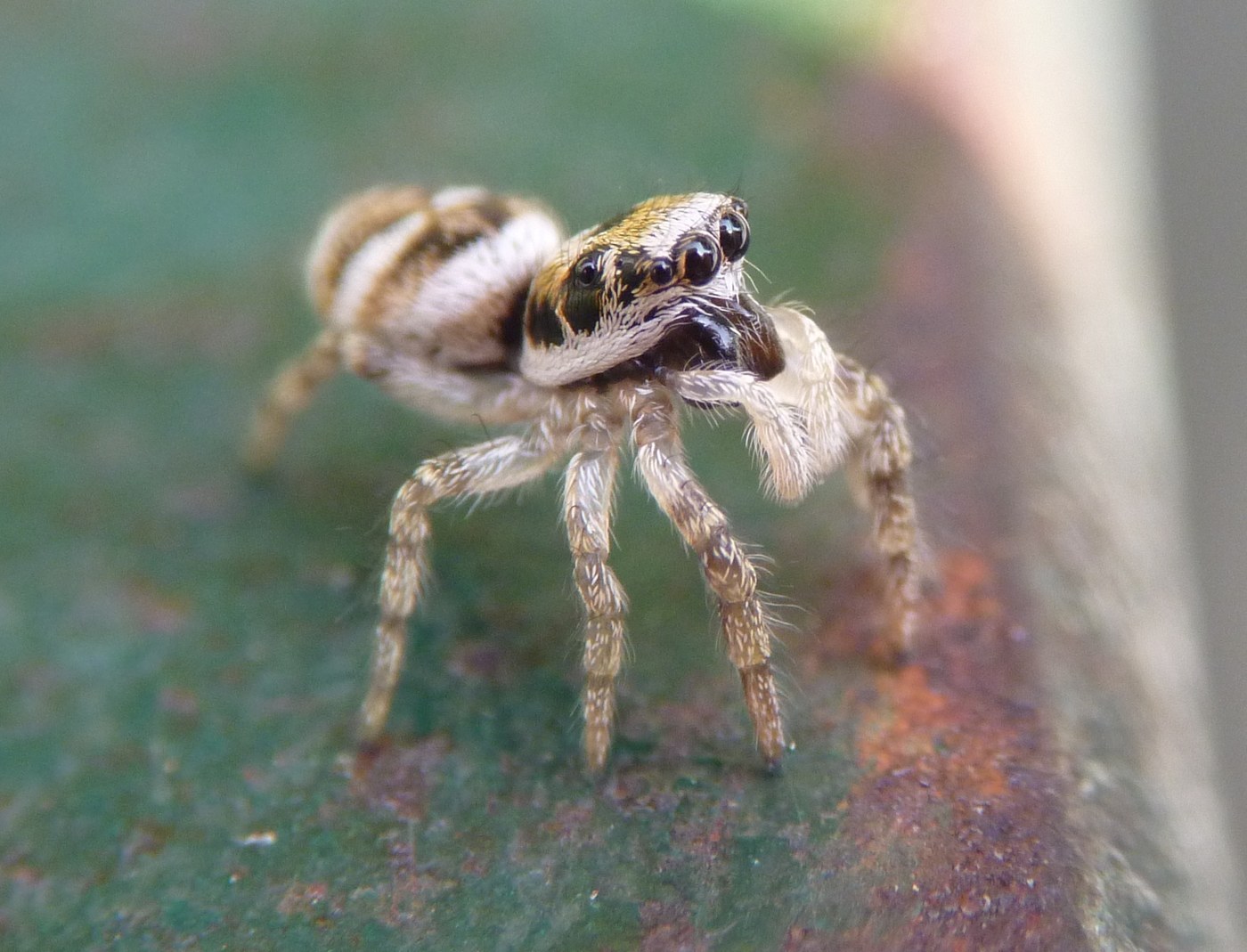
Zebra Jumping Spider
Sunny walls, fences, tree bark, and building exteriors
Wall Spider
Cracks and crevices on exterior and interior walls