
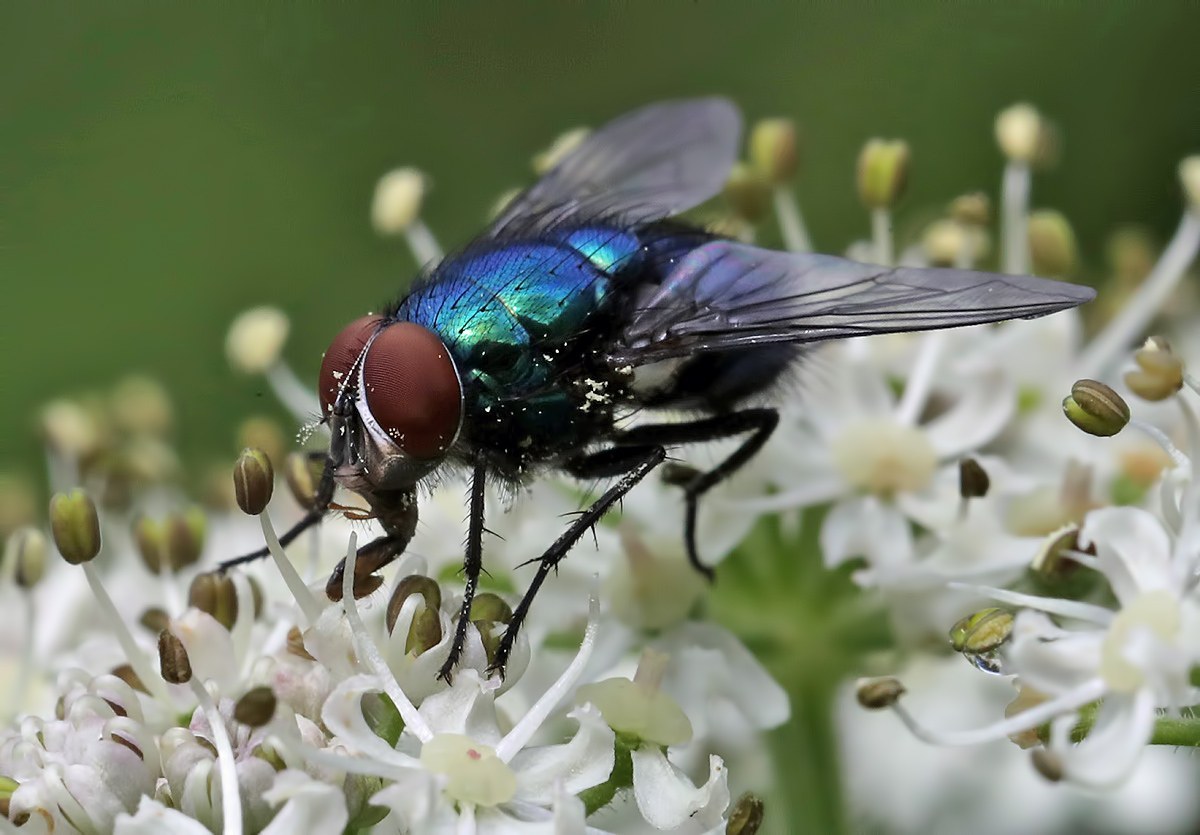
Blue Bottle Fly
Calliphora vomitoria
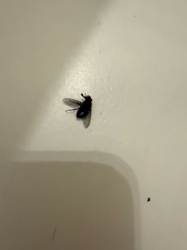
A robust fly with a glossy, metallic blue-black body and a loud buzzing flight, commonly seen around outdoor waste and occasionally indoors, easily recognized by its shiny coloring and bristly frame.
- Size
- 10–14 mm
- Habitat
- Outdoor areas near carrion, garbage, and decaying organic matter; also enters homes
- Danger
- Nuisance pest
Spotted a bug like this?
Identify any bug or insect from a photo, free.
Overview
The blue bottle fly is a member of the blow fly family Calliphoridae, a group of flies known for their metallic coloring and their ecological role as some of the primary decomposers of animal remains and organic waste. It is one of the larger and more conspicuous blow flies found in temperate regions.
Its glossy, iridescent blue-black body and loud, buzzing flight make it one of the more noticeable flies encountered outdoors, particularly around garbage, compost, and areas where organic decomposition is occurring. Larvae develop in decaying organic material, where they play an important role in breaking down dead matter and recycling nutrients back into the environment.
Blow flies in this genus, including the blue bottle fly, are also notable in forensic entomology, where their predictable colonization patterns on decomposing remains are used by researchers to estimate time-related information, though this identification entry focuses solely on the fly's physical description and general biology.
How to Identify
- Robust, thickset body about 10–14 mm long, distinctly larger than a housefly, with a metallic blue to blue-black glossy sheen across the abdomen and thorax.
- Body is covered in noticeable dark bristles, particularly along the thorax, giving a slightly fuzzy, bristly appearance up close.
- Large, reddish compound eyes take up much of the head, with short antennae and a robust, sponging mouthpart typical of blow flies.
- Wings are clear and veined, held slightly apart from the body at rest, and flight is typically fast and loud with an audible buzz.
- Distinguished from the green bottle fly by its distinctly blue rather than green metallic coloring and its generally larger, more robust body.
Habitat & Range
Blue bottle flies are found across much of the Northern Hemisphere in temperate regions, occurring in both rural and urban environments wherever suitable breeding material and food sources are available.
Adults are commonly encountered outdoors near garbage receptacles, compost piles, carrion, and other decaying organic matter, and they readily enter homes and buildings, particularly when attracted by food odors or decomposing material indoors. They are most active during warmer months, becoming less common as temperatures drop in colder seasons.
Behavior & Diet
Adult blue bottle flies feed on a variety of liquid and semi-liquid organic material, including decaying matter, using their sponging mouthparts to absorb nutrients. They are strong, fast fliers and are often heard before they are seen due to their loud buzzing flight.
Females are drawn to decaying organic matter and carrion to lay eggs, since this material serves as the food source for developing larvae. Ecologically, the species plays a significant role as a decomposer, helping break down dead organic matter and recycle nutrients, and it also serves as a food source for various predatory insects, spiders, and birds.
Life Cycle
Blue bottle flies undergo complete metamorphosis, passing through egg, larval (maggot), pupal, and adult stages. Females lay batches of eggs directly on suitable decaying organic matter, and eggs hatch quickly into larvae that feed voraciously on the material.
Larvae progress through several instars over a period of days before moving away from the food source to pupate, often in soil or other sheltered material nearby. Development from egg to adult can occur in as little as one to two weeks under warm conditions, allowing for multiple generations throughout the warmer months, with the species typically overwintering in a dormant pupal or larval stage in colder climates.
Frequently asked questions
How is the blue bottle fly different from a housefly?
The blue bottle fly is noticeably larger and has a glossy, metallic blue-black body, unlike the duller gray-and-black striped appearance of a common housefly.
How is it different from a green bottle fly?
Both are similarly sized blow flies, but the blue bottle fly has a blue to blue-black metallic sheen, while the green bottle fly has a bright metallic green coloring.
What attracts blue bottle flies to homes?
They are typically drawn indoors by food odors, garbage, or decomposing organic material, since these serve as feeding and egg-laying sites for the species.
What role do blue bottle flies play in nature?
As decomposers, their larvae feed on decaying organic matter, helping break it down and recycle nutrients back into the surrounding environment.
Blue Bottle Fly guides
In-depth guides for identifying, understanding, and living alongside Blue Bottle Fly.
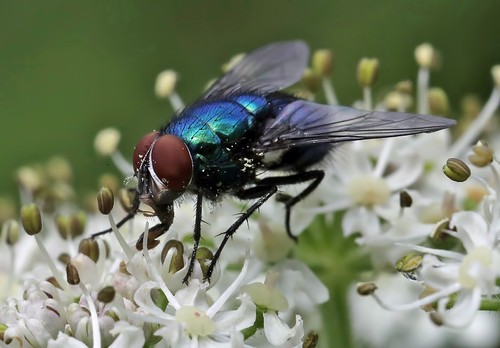
Blue Bottle Fly identified by the community
Real finds identified with Bug Identifier.
Other bugs you may enjoy
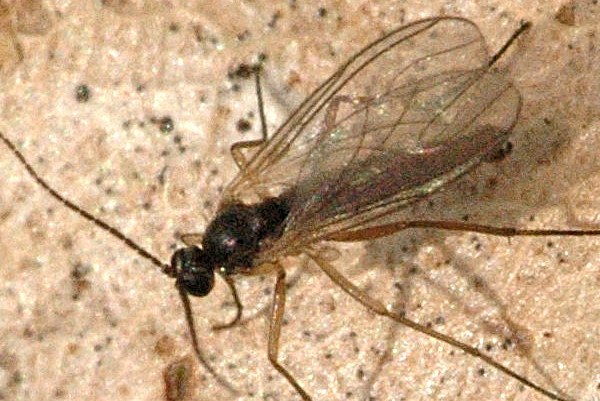
Aphid Midge
Gardens, greenhouses, and crops with aphids
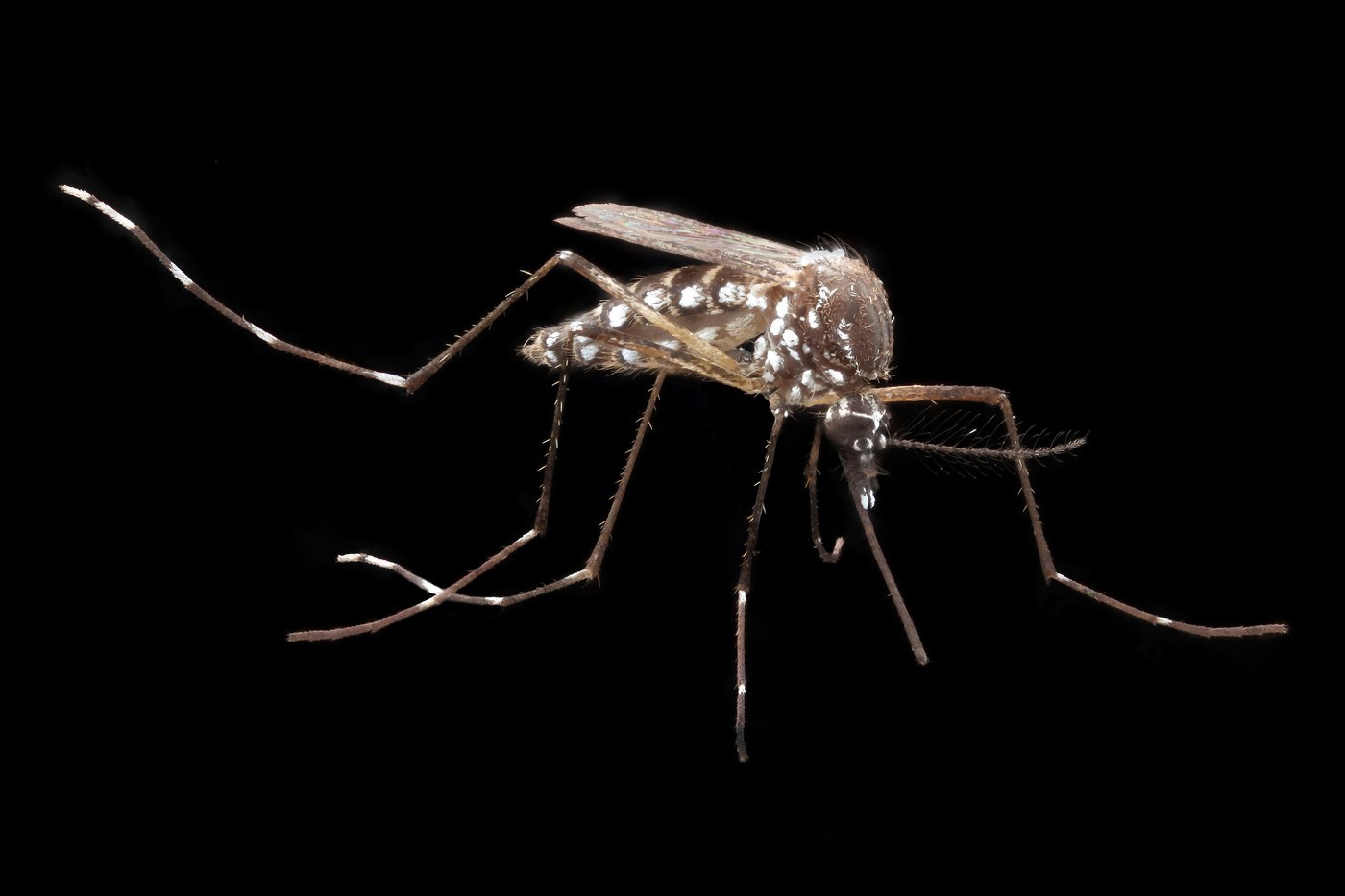
Yellow Fever Mosquito
Urban and peri-urban areas near small artificial water containers in tropical and subtropical regions worldwide
Root Maggot
Garden and field soil around the roots of cole crops and other vegetables
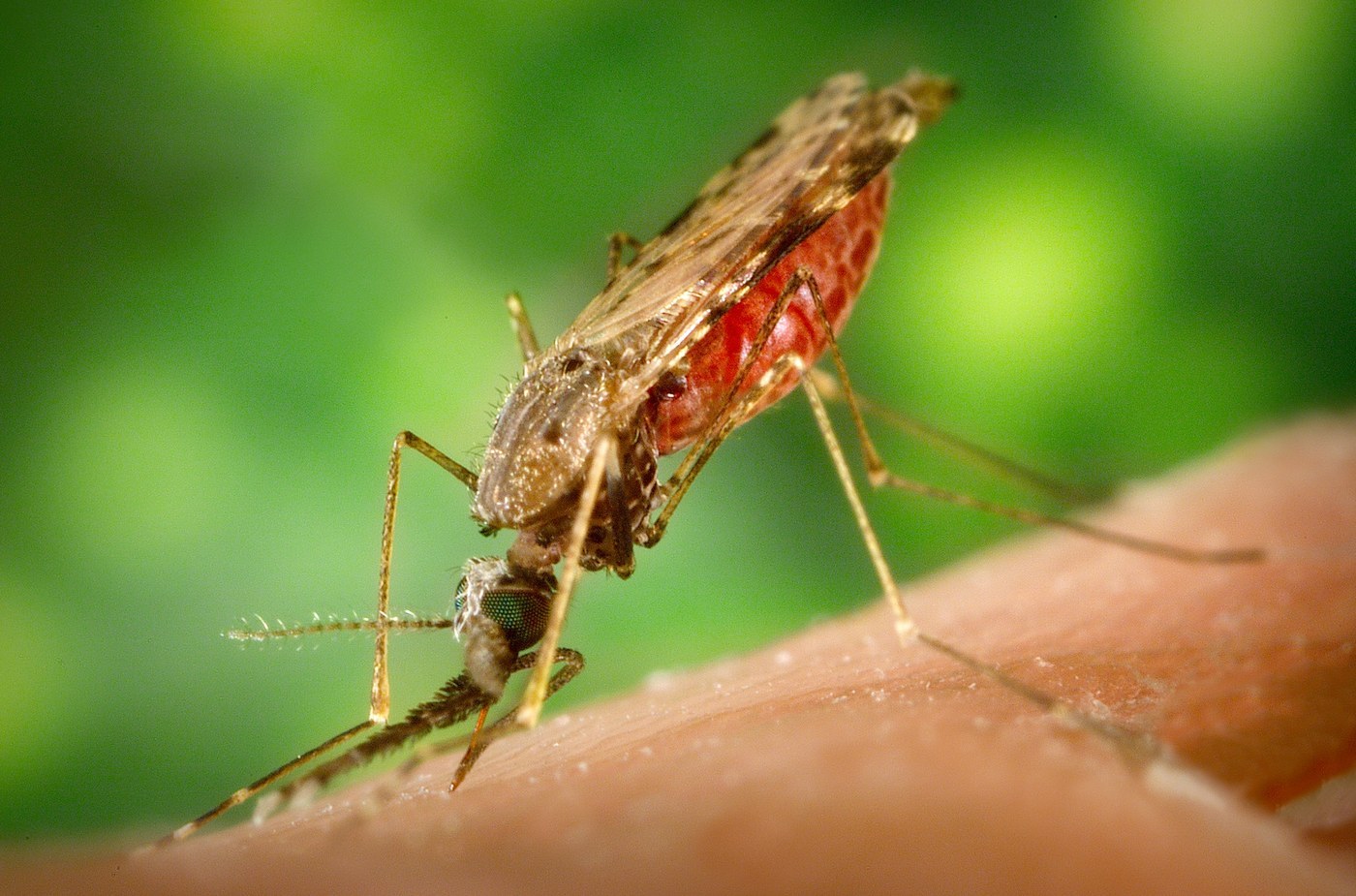
Anopheles Mosquito
Clean, still or slow-moving freshwater habitats such as marshes, ponds, and rice paddies
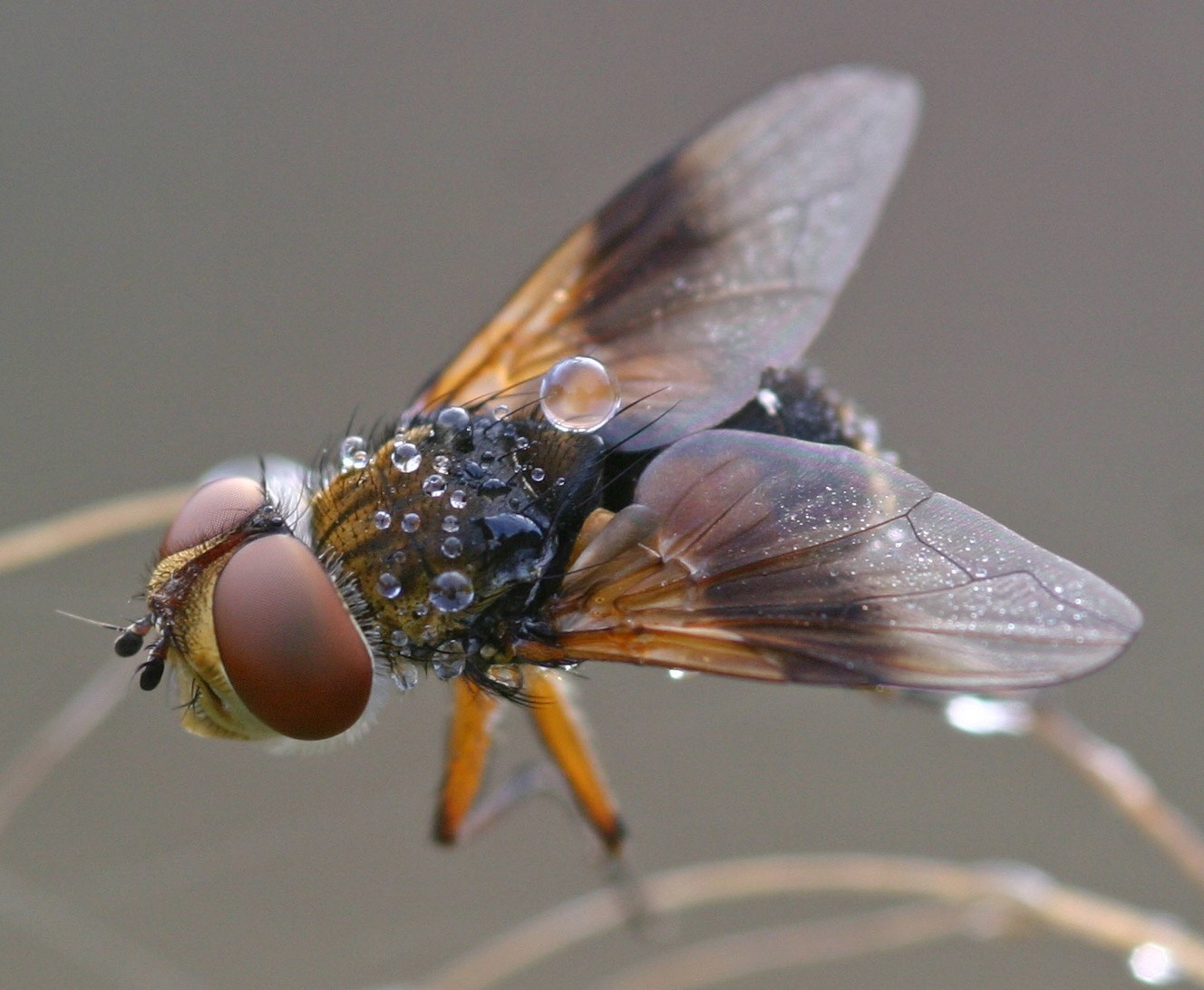
Tachinid Fly
Gardens, meadows, and woodlands wherever host caterpillars and other insects occur
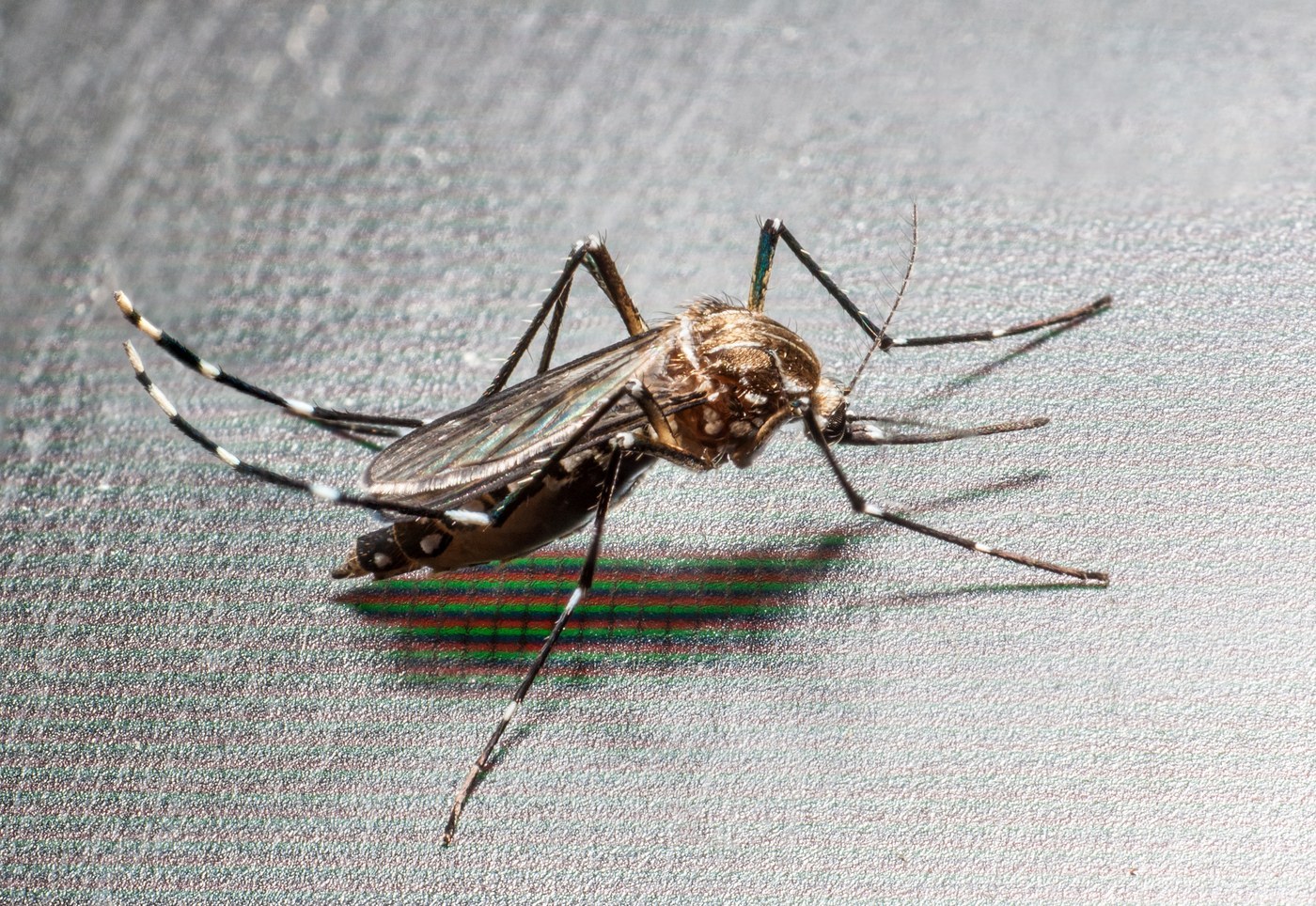
Asian Tiger Mosquito
Shaded urban and suburban areas near small water-holding containers, tires, and tree holes; native to Southeast Asia, now widespread
Tsetse Fly
Wooded savanna, riverine thickets, and forest edges across sub-Saharan Africa
Vinegar Fly
Around overripe fruit, compost, and fermenting materials worldwide
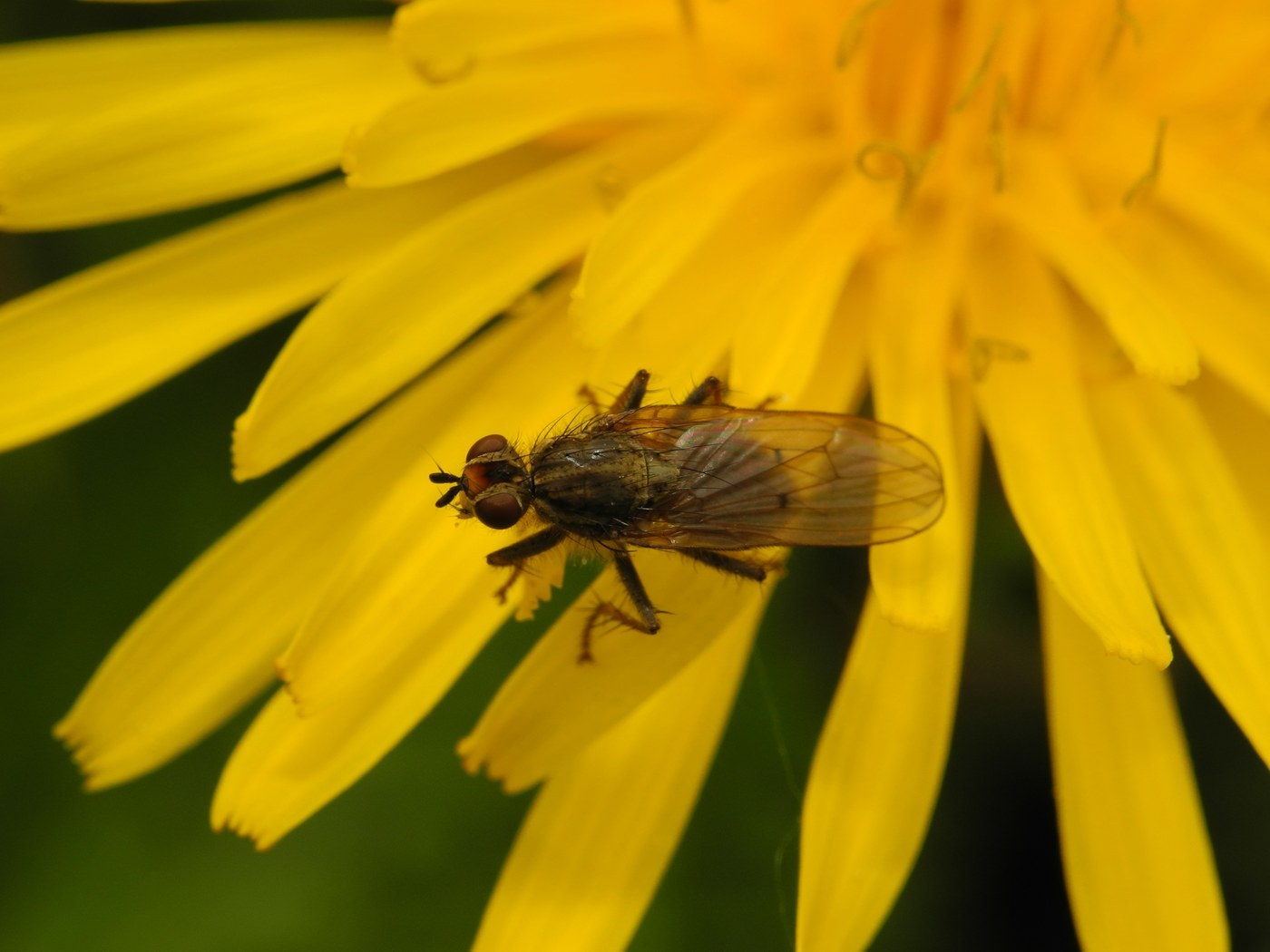
Yellow Dung Fly
Pastures and fields with fresh cattle dung
Screwworm Fly
Warm, humid lowlands of the Americas, especially near livestock and wildlife wounds
Soldier Fly
Wetland margins, decaying organic matter, and vegetation near water
Punkie
near marshes, mudflats, ponds, and other standing water