
Blue-fronted Dancer
Argia apicalis
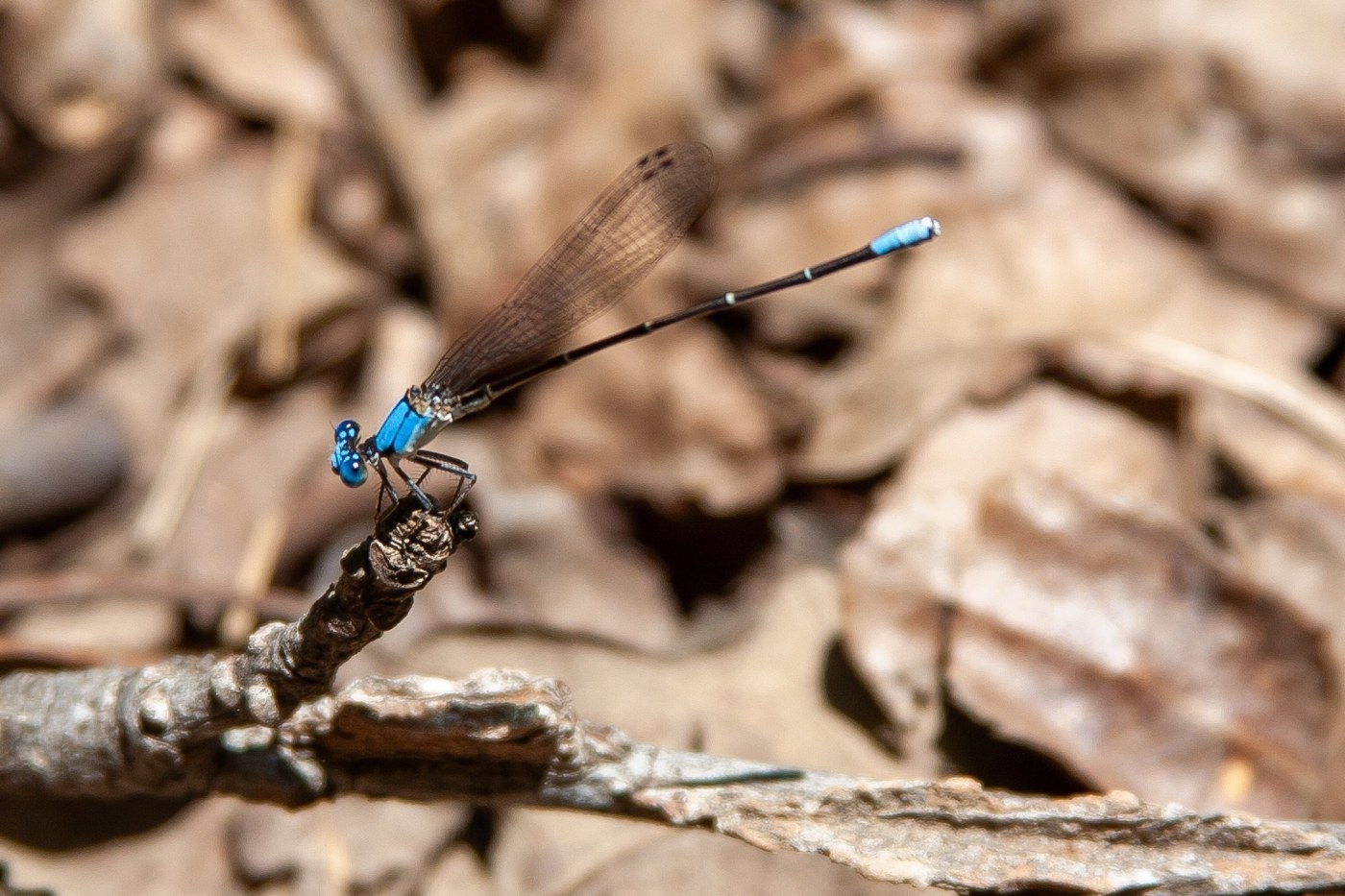
A bright blue head and thorax paired with a dark, blue-tipped abdomen give the Blue-fronted Dancer its name, as it hops and flutters along sunny riverbanks in loose groups.
- Size
- Body length about 1.2-1.5 in (30-38 mm)
- Habitat
- Sandy or muddy rivers, streams, and lake shores
- Danger
- Harmless
Spotted a bug like this?
Identify any bug or insect from a photo, free.
Overview
The Blue-fronted Dancer is a common pond damselfly (family Coenagrionidae) found across much of the central and eastern United States, typically along rivers, streams, and lake shorelines with open sandy or muddy banks. Its common name reflects both its blue head and front of the thorax and its characteristic hopping, dancing flight along the shoreline.
Mature males have a vivid blue head and thorax contrasting with a mostly brown to blackish abdomen tipped in blue near the end, while females are more variably colored, often duller brown, tan, or grayish overall.
How to Identify
- Males: bright blue head and thorax with a dark brown to black abdomen that has a blue tip near the end
- Females: duller brown, tan, or gray-blue coloration, more variable than males
- Slender damselfly body typical of the genus Argia (dancers)
- Often seen in small groups low over open sand or mud along the shoreline
- Distinguished from other Argia dancers by the combination of blue head/thorax with a largely dark abdomen tipped in blue
Habitat & Range
Blue-fronted Dancers are found along the sandy, muddy, or rocky shorelines of rivers, streams, and lakes, favoring open, sunny stretches rather than heavily shaded banks. The species is widespread across the central and eastern United States. Adults are commonly seen from late spring through late summer.
Behavior & Diet
This damselfly gets its 'dancer' name from its habit of hopping and fluttering in short bursts along open ground near the water rather than making long sustained flights. Adults hunt small flying insects near the shoreline and are often seen resting on open sand, mud, or low vegetation. Aquatic nymphs live among submerged debris and vegetation in the same river or lake habitat, preying on small invertebrates, and both stages contribute to the food web as prey for fish, birds, and other predators.
Life Cycle
Females lay eggs by inserting them into submerged or floating plant material, often while paired with the male in tandem. Eggs hatch into nymphs that live among vegetation and debris in the water, developing over about one year in most of their range while preying on small aquatic invertebrates. When ready, mature nymphs climb out onto shoreline structures or plants to undergo final metamorphosis into winged adults. Adults live for several weeks, during which they feed, court, and reproduce along open shoreline habitat.
Frequently asked questions
Why is it called a 'dancer'?
Dancers in the genus Argia are known for their hopping, fluttering flight low over open ground near water, rather than sustained flight.
How can you recognize a male Blue-fronted Dancer?
Look for a bright blue head and thorax combined with a mostly dark brown to black abdomen that has a blue tip near the end.
Where do Blue-fronted Dancers like to perch?
They are often found resting on open sand, mud, or low vegetation along sunny river, stream, and lake shorelines.
Do female Blue-fronted Dancers look like males?
No, females are typically duller, showing brown, tan, or gray-blue tones rather than the bright blue head and thorax seen in mature males.
Blue-fronted Dancer guides
In-depth guides for identifying, understanding, and living alongside Blue-fronted Dancer.
Other bugs you may enjoy
American Cockroach
Warm, humid environments such as basements, sewers, drains, and tropical outdoor settings
Thrips
Flowers, foliage, gardens, greenhouses, crop fields
American Rubyspot
Sunny rivers and streams with moderate current
Springtail
Moist soil, leaf litter, decaying organic matter, and damp indoor areas
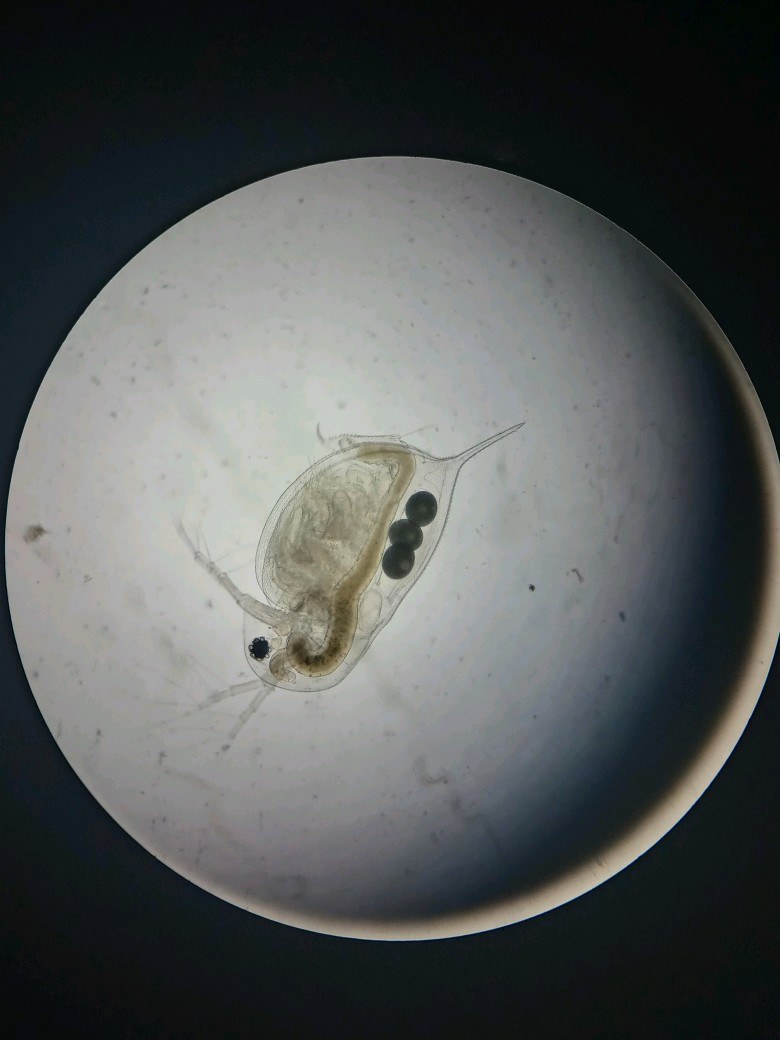
Water Flea
Ponds, lakes, and slow streams as free-floating plankton
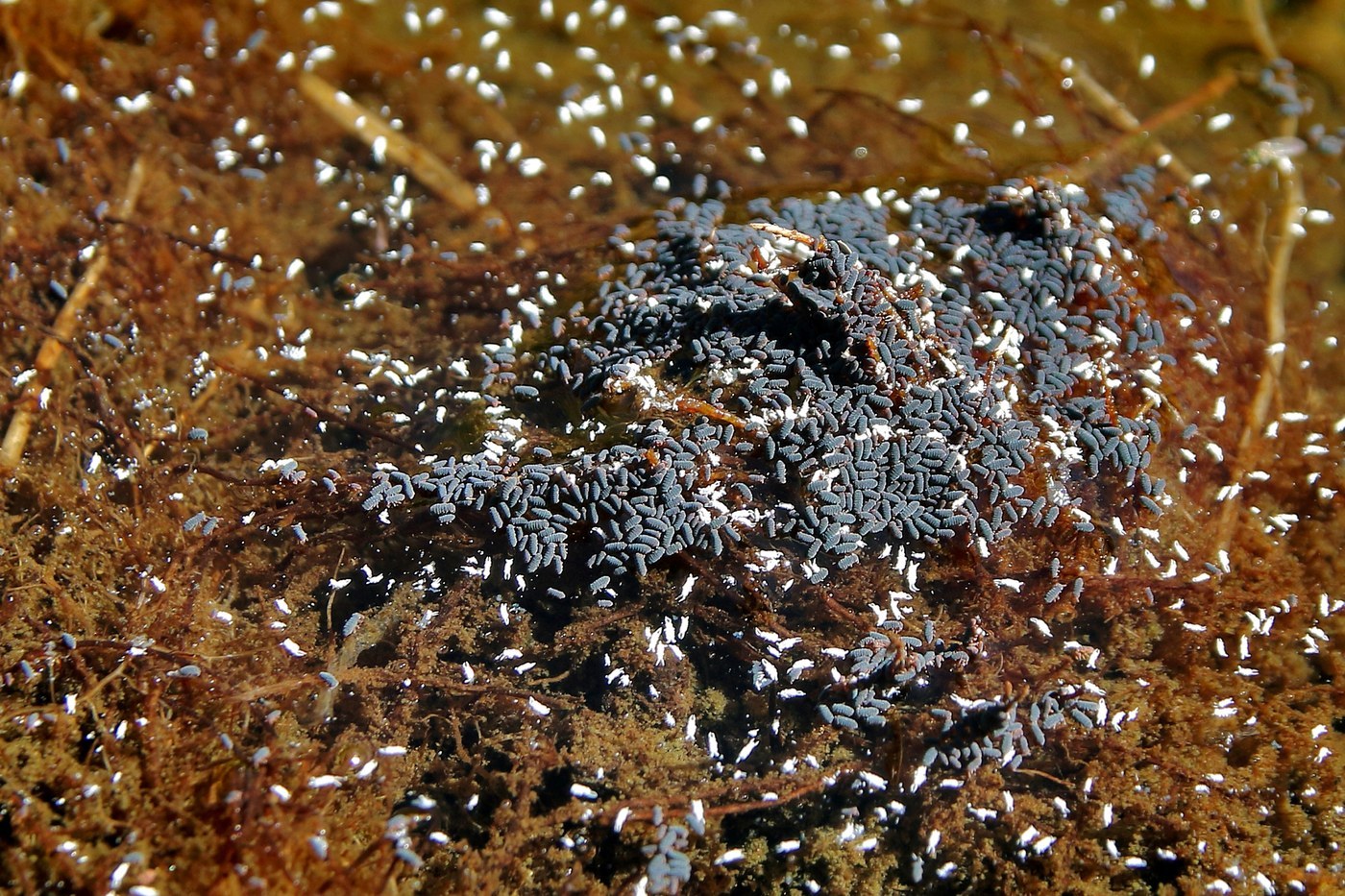
Water Springtail
Surface film of ponds, puddles, and slow ditches
Slug
Gardens, damp soil, leaf litter, greenhouses
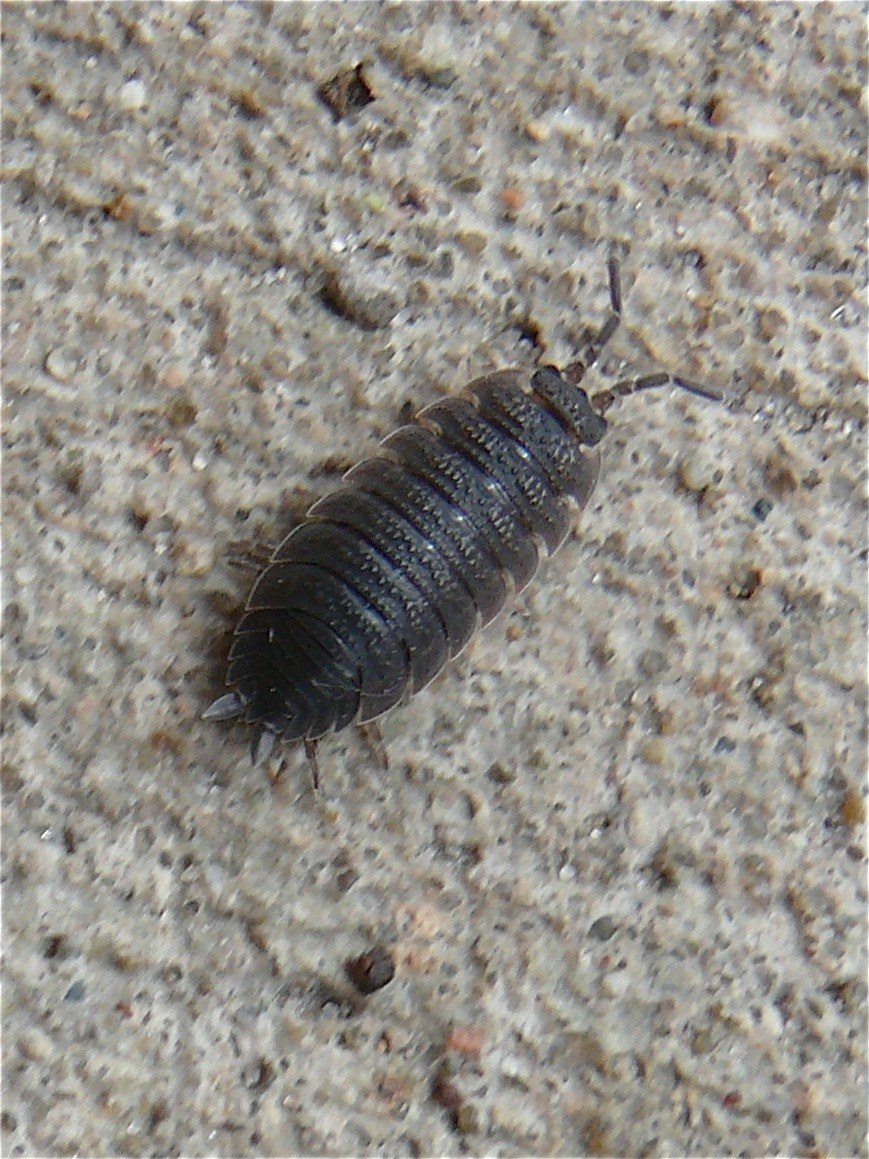
Sowbug
Leaf litter, under rocks/logs, damp garden soil, basements
Pill Bug
Damp soil, leaf litter, under rocks and logs, garden beds
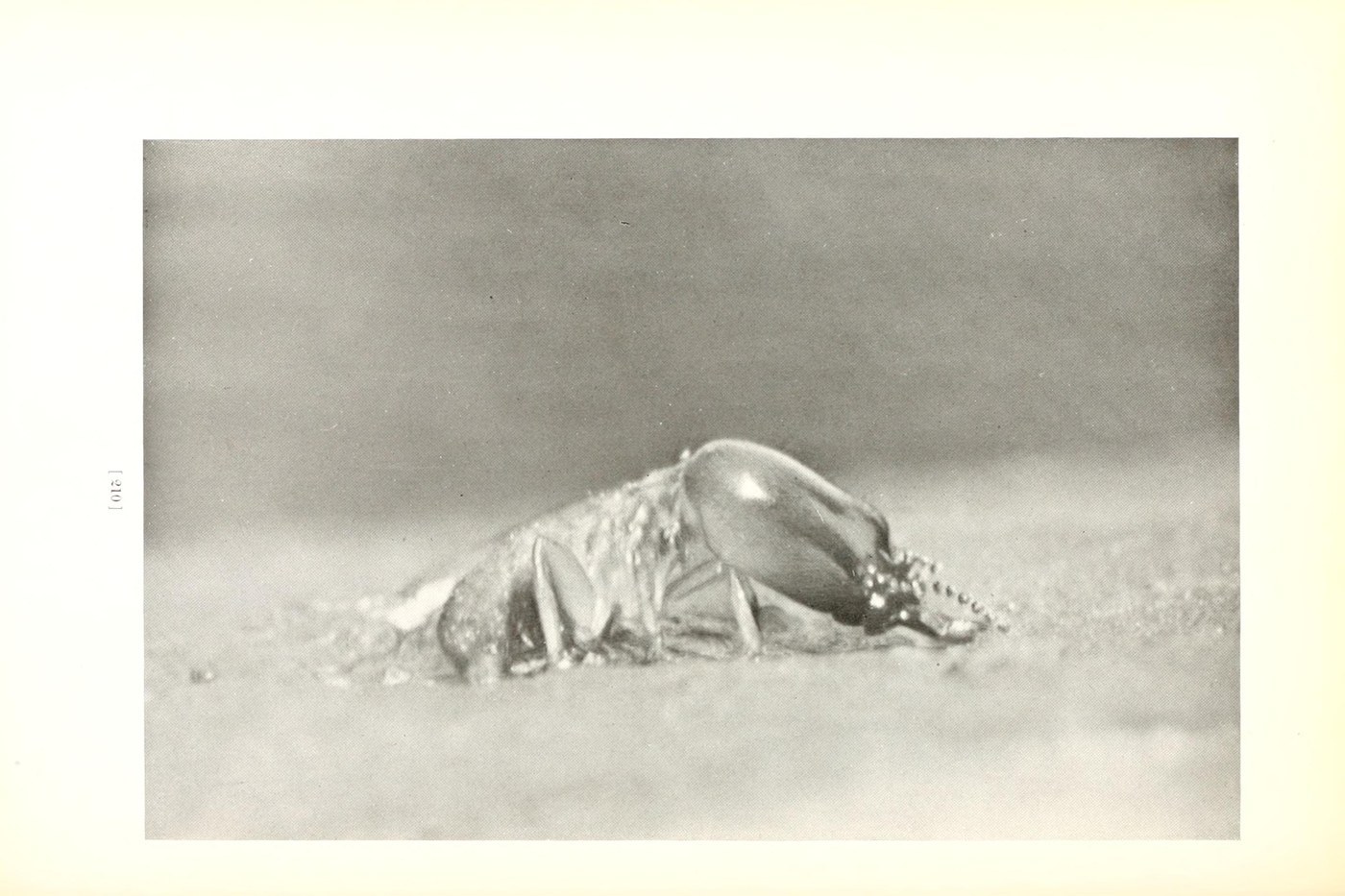
Termite
Soil, decaying wood, tree stumps, and wooden structures
Termite Swarmer
Emerges from underground or wood-nesting colonies, often near structures and moist soil
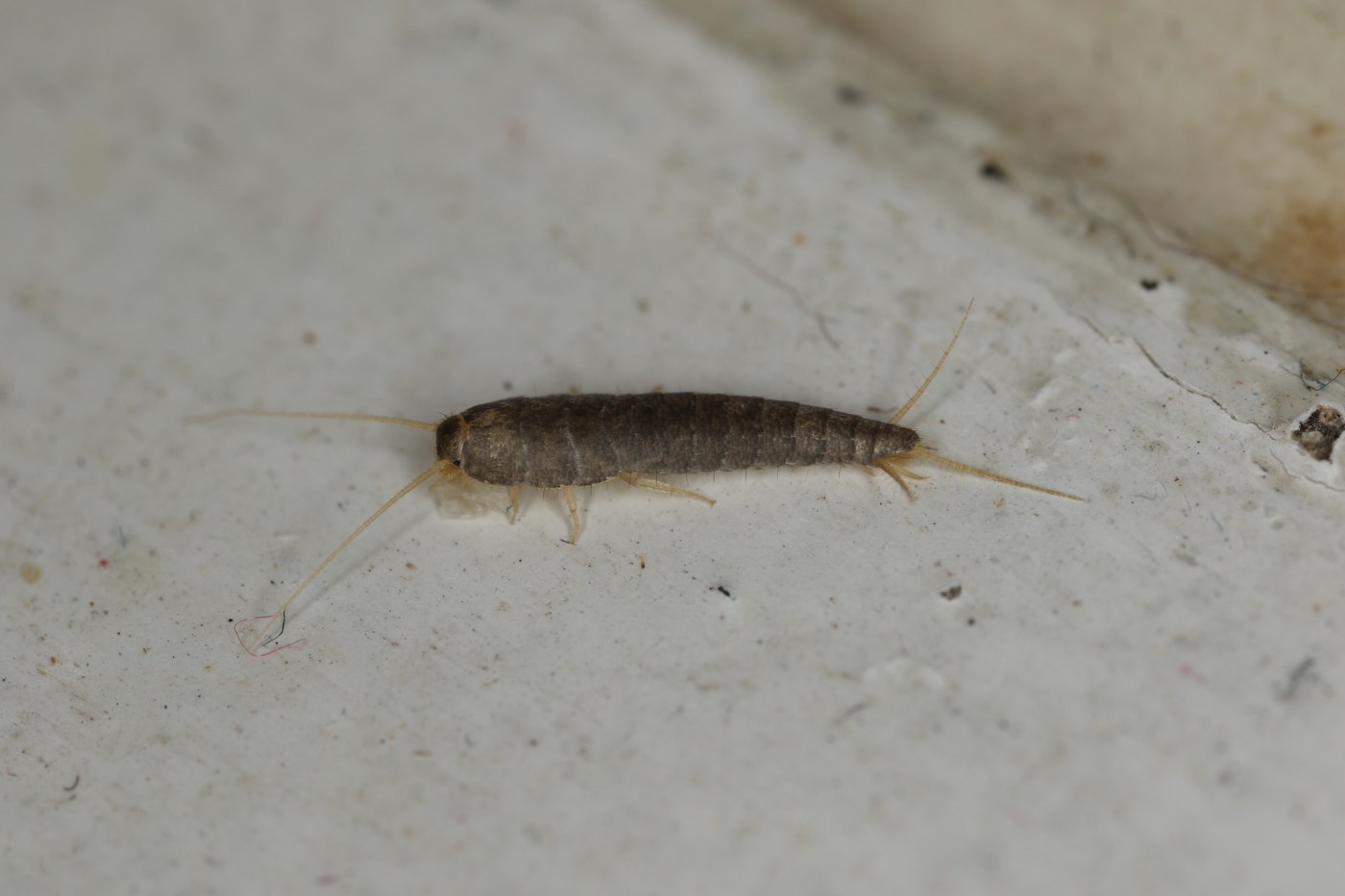
Silverfish
Damp basements, bathrooms, closets, and dark indoor crevices