
Blue Morpho
Morpho peleides
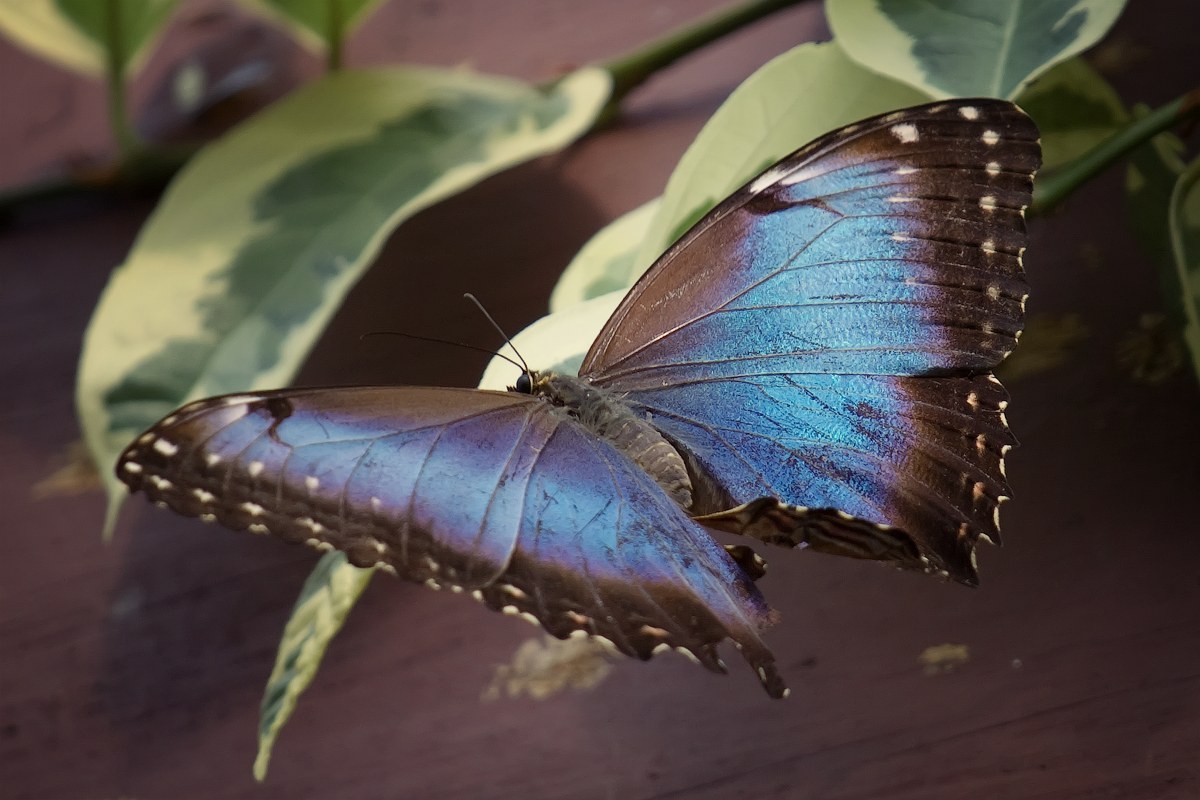
A large Neotropical butterfly famed for the brilliant, shimmering iridescent blue of its wing uppersides, which flashes vividly in flight and disappears instantly when the cryptic brown underside is exposed at rest.
- Size
- 12–20 cm wingspan
- Habitat
- Tropical and subtropical rainforest, forest edges, river corridors (Central & South America)
- Danger
- Harmless
Spotted a bug like this?
Identify any bug or insect from a photo, free.
Overview
The blue morpho is one of the most recognizable tropical butterflies in the world, belonging to the brushfoot family (Nymphalidae) within the subfamily Morphinae, a group found throughout Central and South America. Its brilliant blue coloring is produced not by pigment but by microscopic, ridged scale structures on the wings that reflect and refract light, a phenomenon called structural coloration, which is what gives the wings their intense, shifting shine depending on viewing angle.
Numerous species are referred to informally as "blue morpho," with Morpho peleides and Morpho menelaus among the most commonly seen and photographed in butterfly houses and nature documentaries, though the genus contains dozens of species across the American tropics with varying degrees of blue, and some entirely lacking blue at all. The dramatic contrast between the flashing blue upperside and the dull brown, eyespot-marked underside is thought to help confuse predators during flight, since the butterfly seems to disappear the instant it lands and closes its wings.
Blue morphos are a flagship species for tropical rainforest conservation and ecotourism, frequently featured in butterfly conservatories, and their larvae, in contrast to the elegant adults, are spiny and bristled, feeding on legume-family trees within the forest canopy and understory.
How to Identify
- Wingspan roughly 12–20 cm, among the largest butterflies in the Americas.
- Upperside of the wings is brilliant, iridescent blue with a narrow black border, the color shifting intensity with viewing angle due to structural, not pigment-based, coloration.
- Underside of the wings is dull brown to tan, patterned with a row of dark eyespots, providing camouflage when the wings are closed.
- Flight is slow, floating, and somewhat erratic, with wingbeats that flash blue and brown in alternation.
- Lookalikes: other Morpho species vary from pale silvery-blue to white or even brown with little blue, and are best distinguished by exact eyespot pattern on the underside and precise geographic range.
Habitat & Range
Native to the lowland and lower-montane tropical rainforests of Central and South America, ranging from Mexico through much of the Amazon basin, favoring forest edges, clearings, and sunlit corridors along rivers and trails where dappled light filters through the canopy. Adults are most active during the warmer, sunnier parts of the day and are frequently seen gliding along forest paths and streambeds. The species is also widely kept and bred in tropical butterfly houses and conservatories around the world for public display.
Behavior & Diet
Adults feed primarily on the juices of rotting fruit, tree sap, and occasionally fungi or decaying organic matter rather than flower nectar, using a proboscis suited to soaking up liquids rather than probing flowers. Their flight is characteristically slow and floppy, with irregular changes in direction that, combined with the flashing blue-to-brown wing pattern, are thought to make them harder for predators such as birds to track and capture. Caterpillars feed on the leaves of various legume-family trees and shrubs in the forest understory, are covered in fine bristly hairs, and tend to be reddish-brown with patches of lime green or yellow.
Life Cycle
Complete metamorphosis, with continuous, overlapping generations typical of tropical butterflies rather than a single defined breeding season. Eggs are laid on the leaves of host legume trees; caterpillars pass through several instars over a few weeks, feeding mainly at night and resting camouflaged during the day. Pupation occurs in a compact, jewel-like green or golden chrysalis suspended from a leaf or stem, from which the adult emerges after roughly two to three weeks. Adult butterflies in the wild typically live only a few weeks, feeding on fermented fruit and other liquid food sources during that time.
Frequently asked questions
Is the blue color from pigment or something else?
The blue is produced by microscopic structures on the wing scales that reflect light in a specific way, called structural coloration, rather than by blue pigment.
Why does a blue morpho seem to disappear when it lands?
When the wings close, only the dull brown, eyespot-patterned underside is visible, which blends into leaf litter and forest shade, hiding the bright blue upperside from view.
Do blue morphos drink nectar from flowers?
Not typically; adults mainly feed on fermenting fruit juice, tree sap, and similar liquid food sources rather than flower nectar.
Where would I see a blue morpho in the wild?
In lowland tropical rainforest habitats of Central and South America, especially along sunlit forest edges, clearings, and streams.
Blue Morpho guides
In-depth guides for identifying, understanding, and living alongside Blue Morpho.
Other bugs you may enjoy
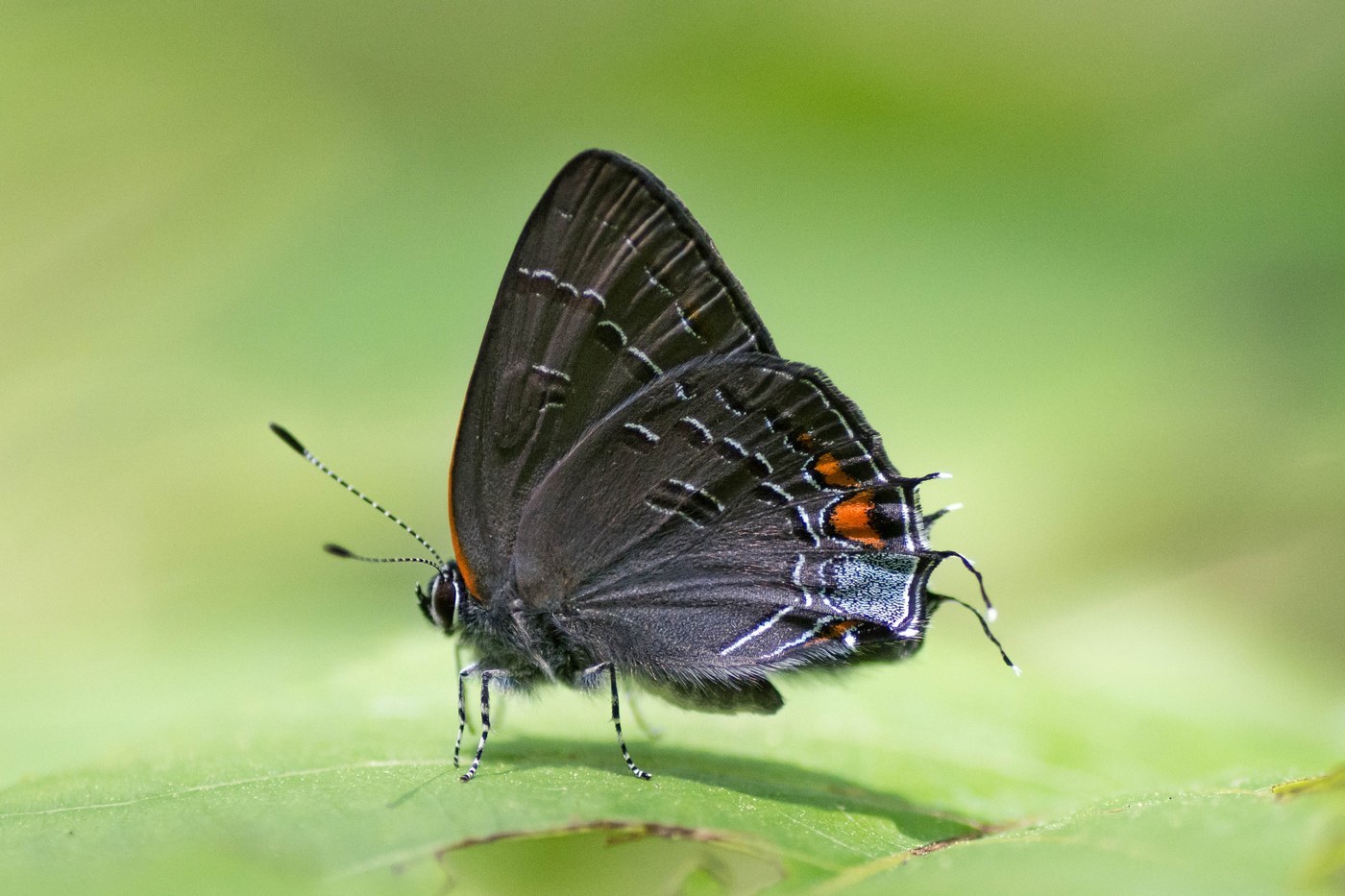
Banded Hairstreak
Deciduous woodlands and edges with oaks and hickories
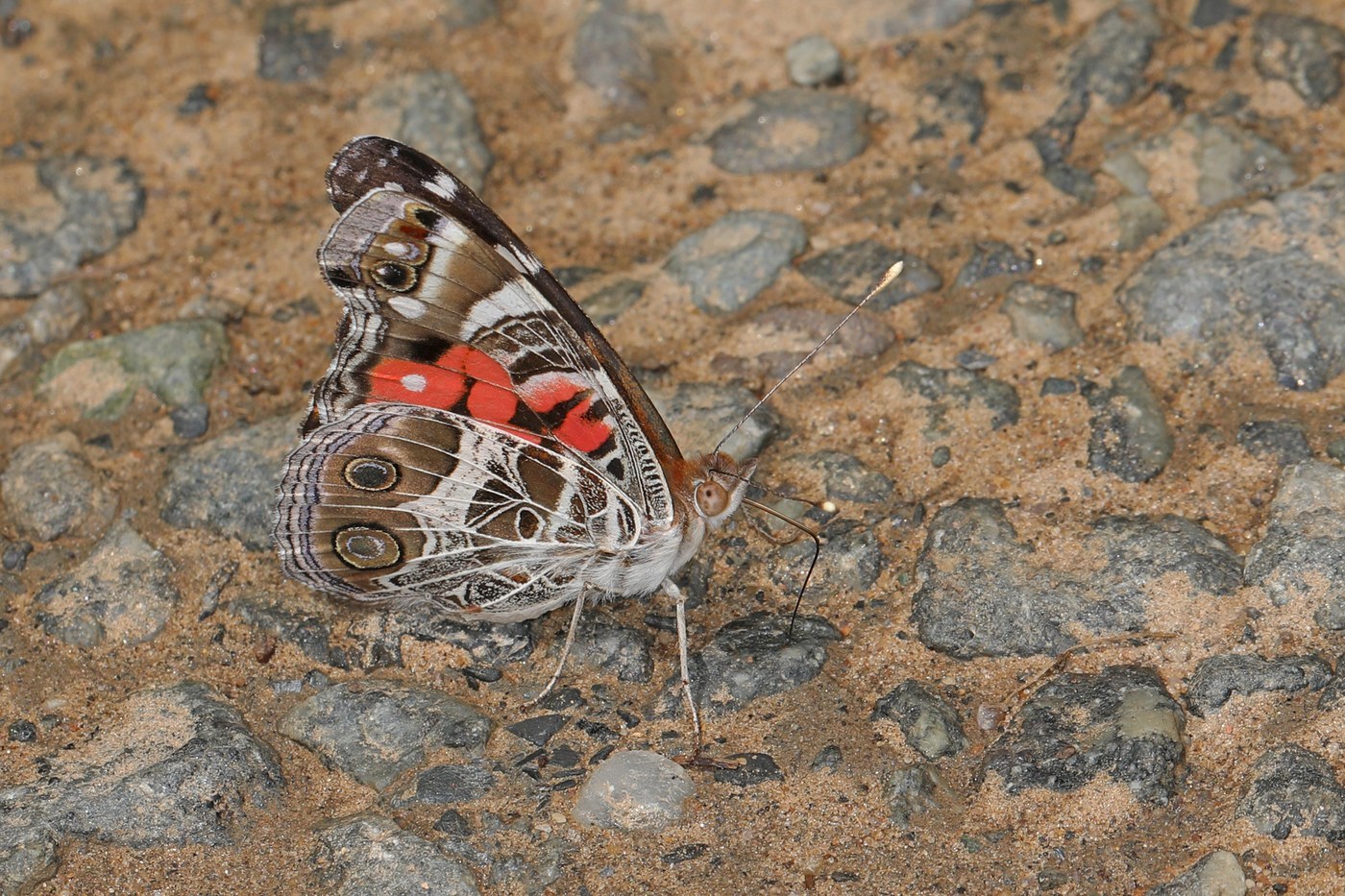
American Lady
Open fields, meadows, gardens, roadsides
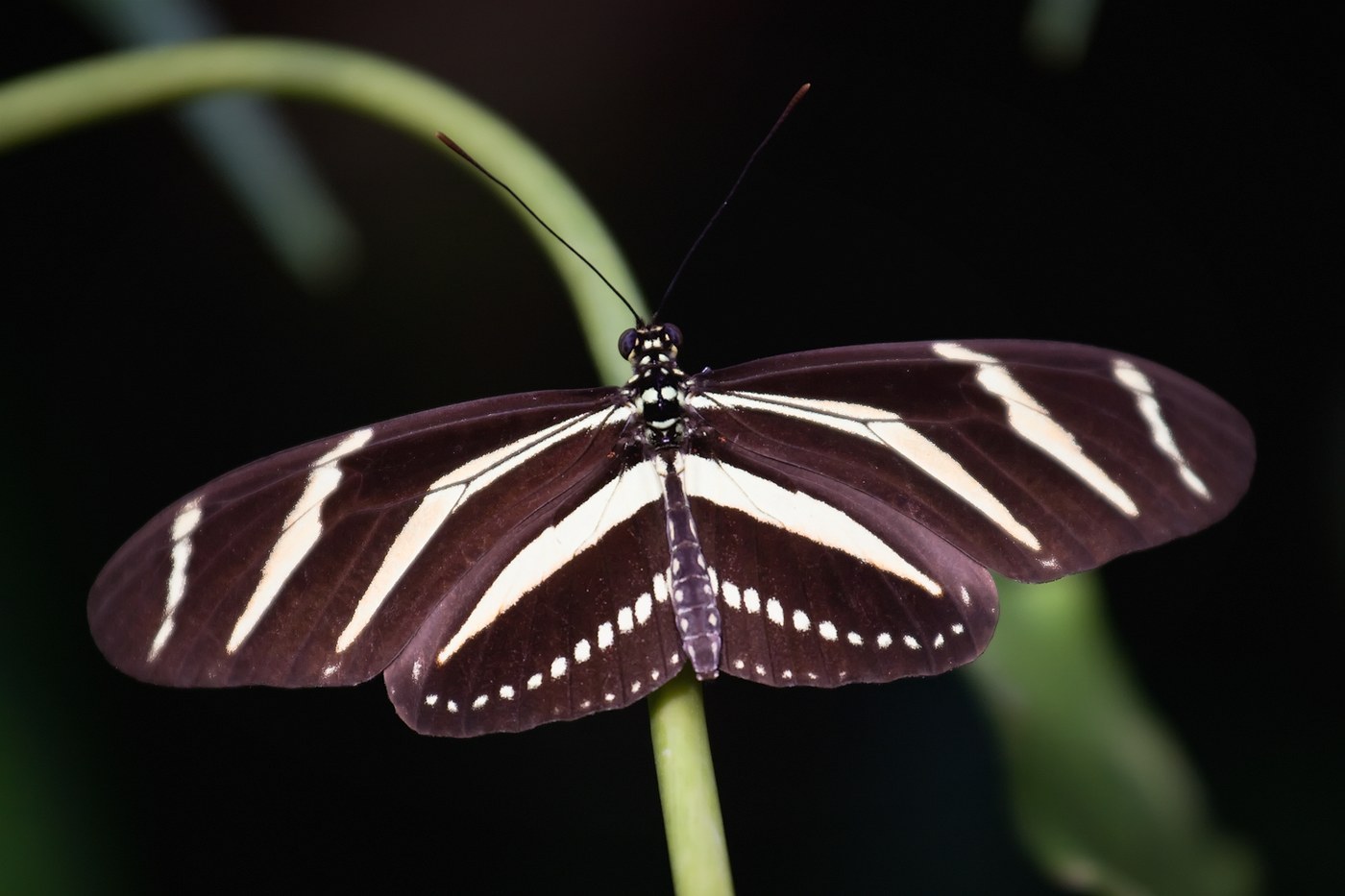
Zebra Longwing
Tropical hammocks, gardens, forest edges
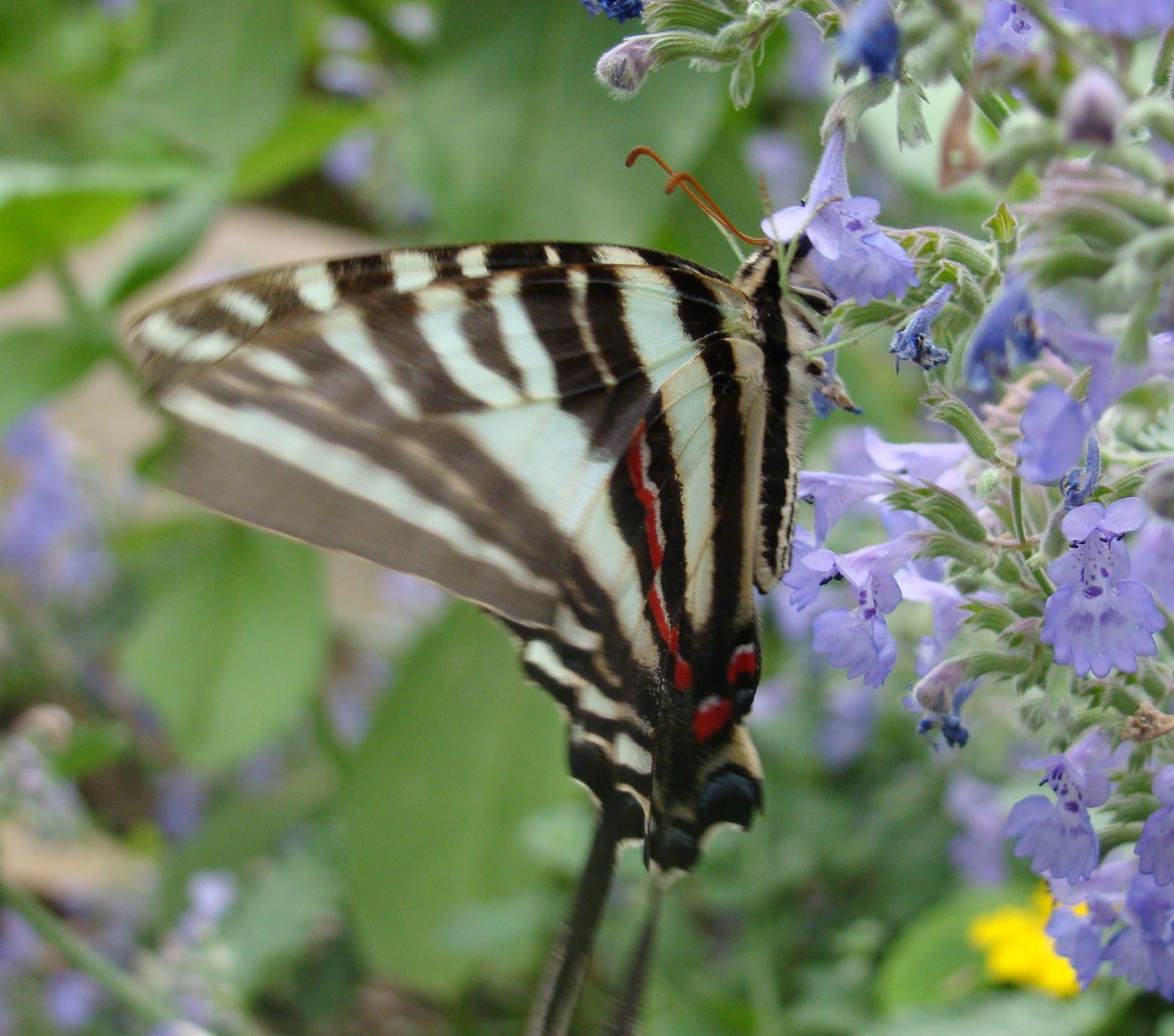
Zebra Swallowtail
Woodlands, floodplains, forest edges near pawpaw
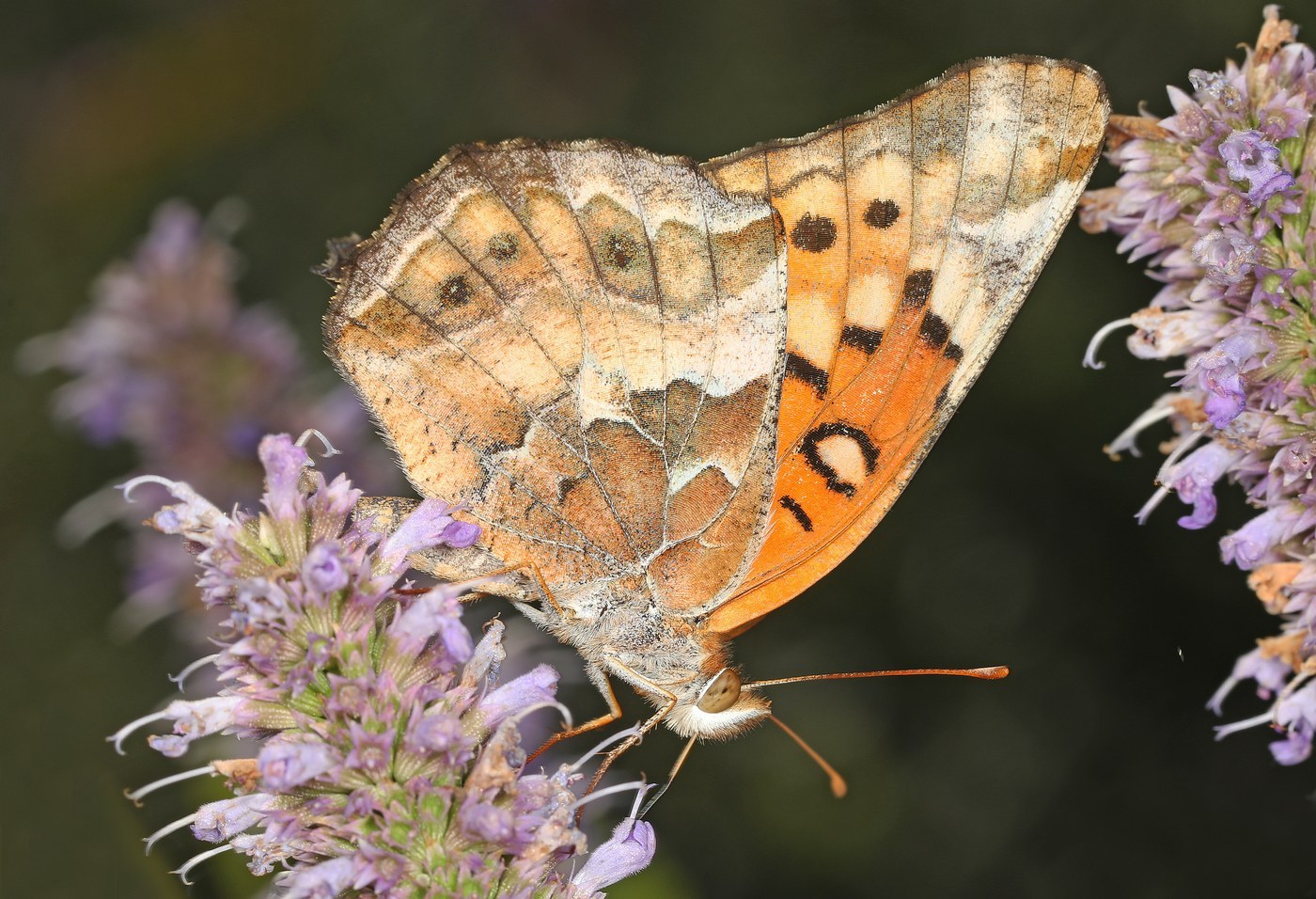
Variegated Fritillary
Open fields, prairies, roadsides, and disturbed ground across most of the United States
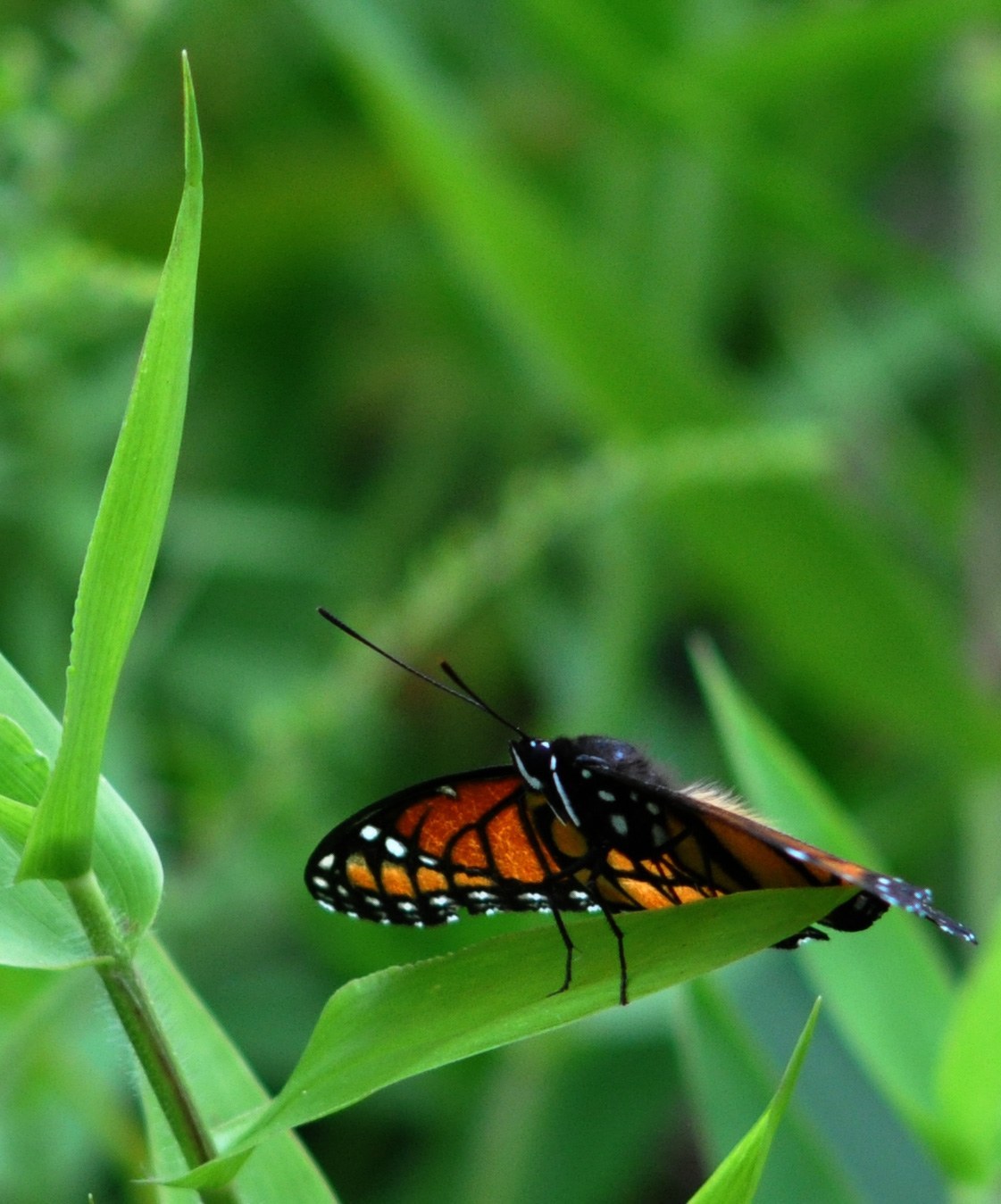
Viceroy Butterfly
Wetlands, meadows, riverbanks, willow thickets (North America)
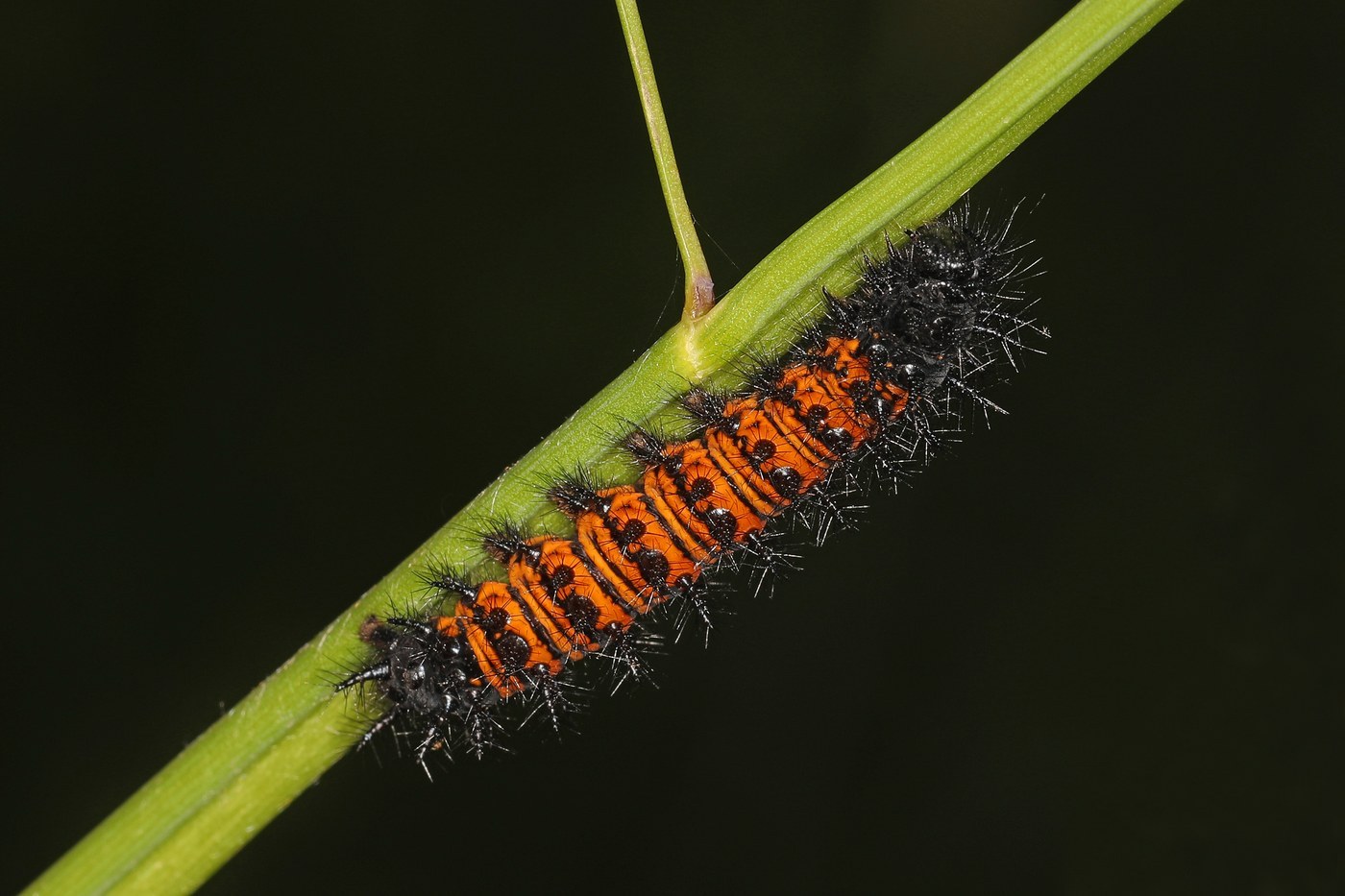
Baltimore Checkerspot
Wet meadows, bogs, and marshy fields in the northeastern and Appalachian US
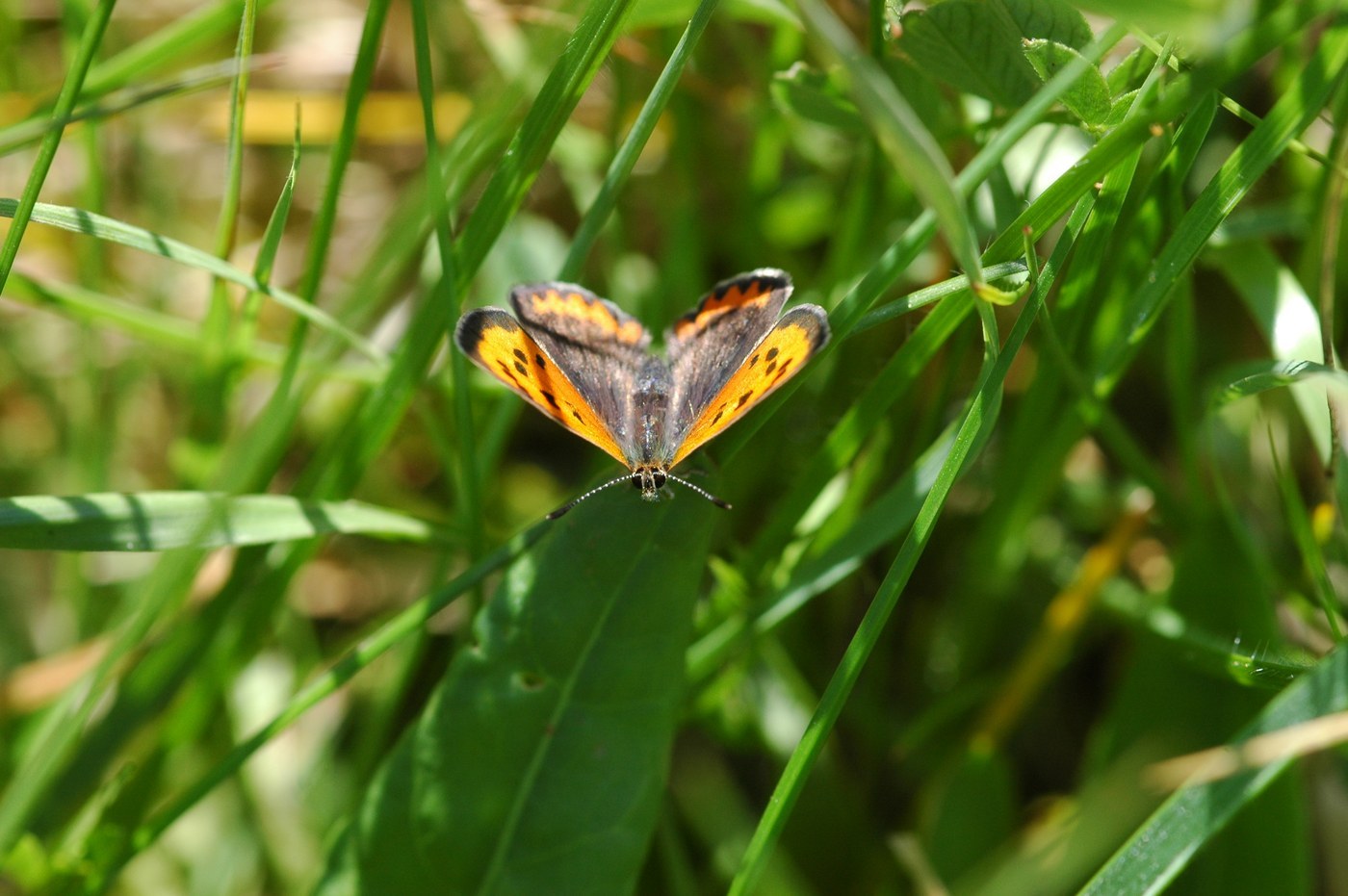
American Copper
Old fields, roadsides, and disturbed open ground with sorrel or dock
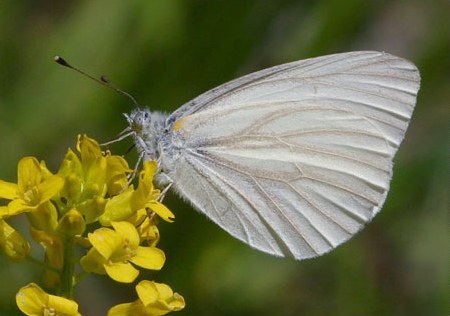
West Virginia White
Rich deciduous forest floors, especially near seeps and streams
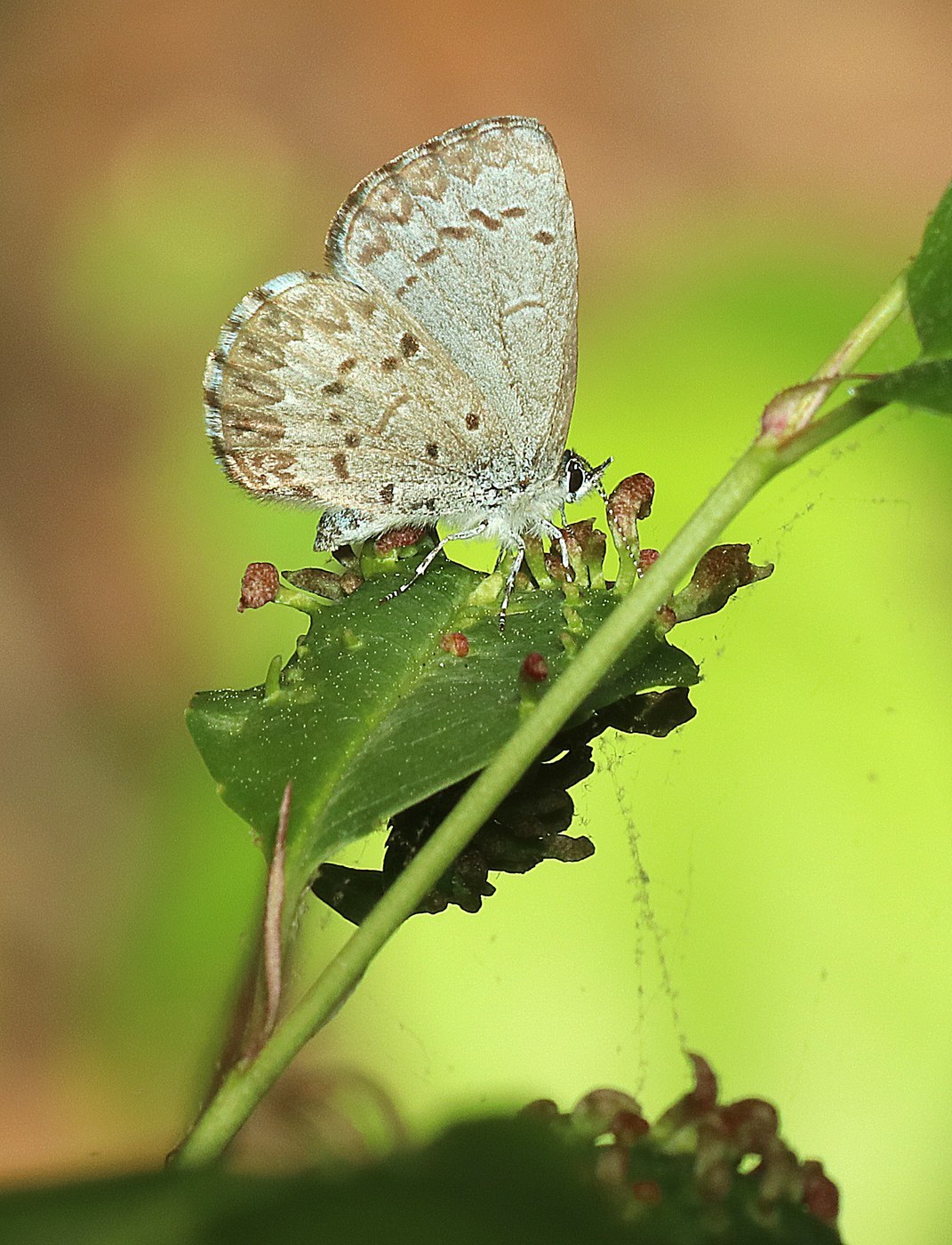
Spring Azure
Woodland edges, gardens, shrubby clearings
Red Admiral
Gardens, woodland edges, parks, meadows
Sleepy Orange
Open woodland, fields, roadsides, and disturbed ground