
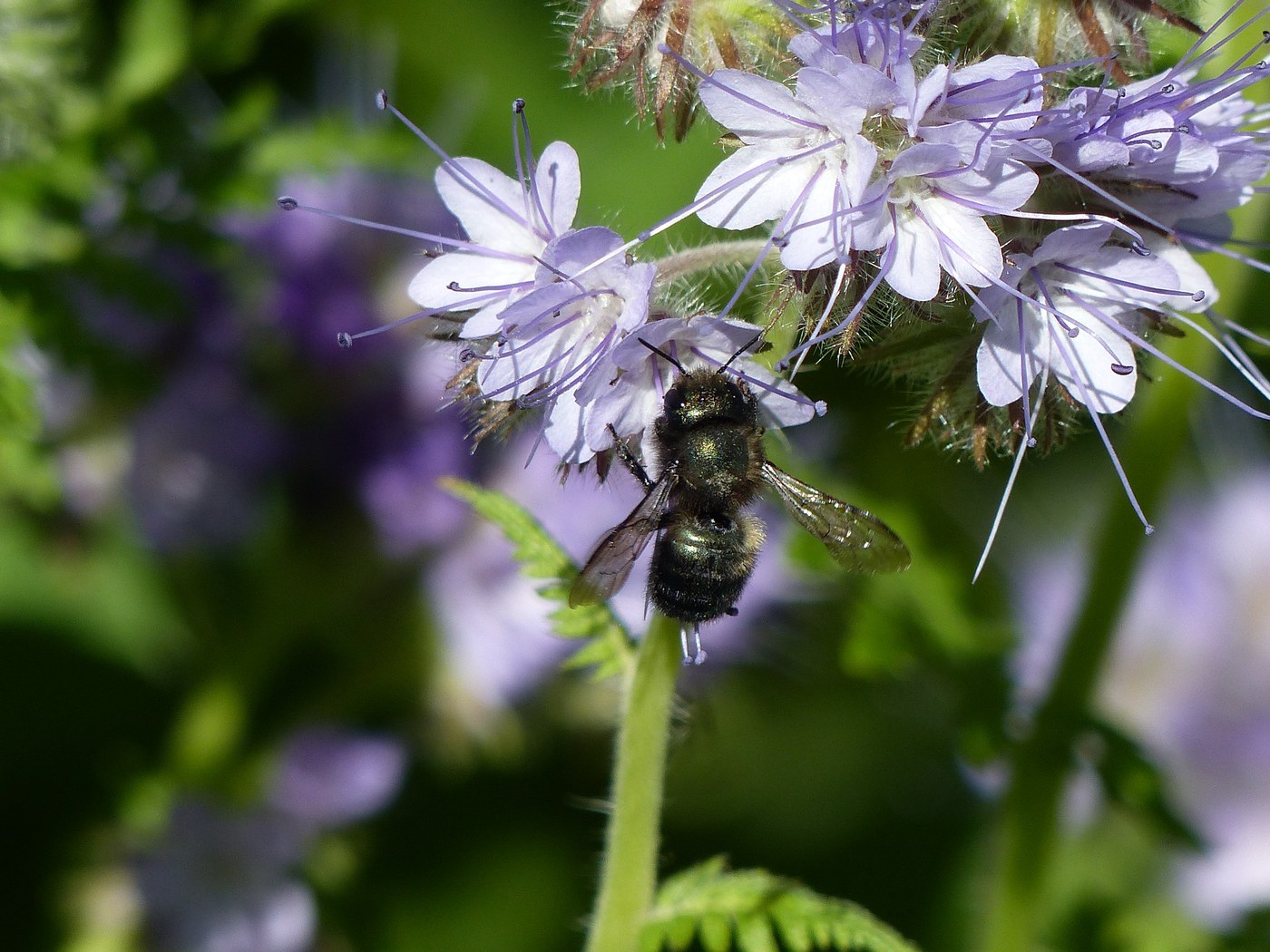
Blue Orchard Bee
Osmia lignaria
A small, metallic blue-black solitary bee widely valued as an efficient early-spring pollinator of fruit trees, nesting in narrow tunnels and hollow stems rather than building hives.
- Size
- 8–13 mm
- Habitat
- Orchards, gardens, woodlands with cavities or hollow stems
- Danger
- Stings
Spotted a bug like this?
Identify any bug or insect from a photo, free.
Overview
The blue orchard bee is a solitary mason bee in the family Megachilidae, native to North America and closely related to other Osmia mason bees found across the Northern Hemisphere. It is prized in agriculture as a highly efficient pollinator of early-blooming fruit trees such as almonds, cherries, apples, and pears, often outperforming honey bees on a per-visit basis for these crops.
It is notable for its striking metallic blue-black coloration, its gentle temperament, and its use of pre-existing narrow cavities such as hollow plant stems, reed bundles, or drilled wood blocks for nesting rather than excavating burrows or building wax comb, which has made it easy to manage in simple artificial nesting tubes for orchard pollination programs.
Ecologically, it plays an important role as a spring pollinator active during a narrow window when many fruit trees bloom, and its solitary lifestyle means each female works independently to provision her own offspring rather than dividing labor within a colony.
How to Identify
- Small to medium bee, 8–13 mm long, with a compact, rounded body and a metallic blue-black to dark green sheen visible in good light.
- Moderately hairy, with pollen carried on a dense brush of hair (scopa) on the underside of the abdomen rather than the hind legs, typical of mason bees.
- Lacks the yellow-and-black banding of honey bees or wasps, appearing instead uniformly dark with an iridescent shine.
- Distinguished from other metallic bees by its stout, bullet-shaped body and characteristic use of hollow-stem or tube nesting sites.
Habitat & Range
Native to temperate North America, the blue orchard bee is found in woodlands, orchards, and gardens where suitable nesting cavities and early-spring flowering plants occur. It nests in narrow, pre-existing tunnels such as hollow reeds, beetle borings in dead wood, or man-made nesting tubes, and is active for a brief period in early spring, closely timed to coincide with fruit tree bloom.
Behavior & Diet
Females forage individually for pollen and nectar, provisioning a series of linear cells within a tunnel, each separated by a mud partition (giving mason bees their name). They are efficient, fast pollinators, visiting large numbers of flowers per day and readily transferring pollen due to their dense body hair. Blue orchard bees are non-aggressive and rarely sting, tolerating close human activity in orchard settings where they are sometimes intentionally introduced via nesting boxes to boost fruit set.
Life Cycle
This species undergoes complete metamorphosis with a single generation per year. Adults emerge in early spring, mate, and females provision a series of mud-walled cells in a tunnel with pollen and nectar before laying an egg in each and sealing the nest. Larvae hatch, consume their provisions, and develop through the summer into pupae, then transform into adults that remain dormant inside their cocoons through fall and winter, emerging the following spring to begin the cycle again.
Frequently asked questions
Is the blue orchard bee the same as a mason bee?
Yes, it is one species within the mason bee genus *Osmia*, named for its use of mud to partition nest cells.
Does the blue orchard bee sting?
It can sting, but it is generally docile and stings are rare, as it has no colony to defend.
Why is it valued in orchards?
It is an efficient, early-spring pollinator of fruit trees and is easy to manage using simple nesting tubes.
How can I recognize a blue orchard bee?
Look for a small, compact bee with a shiny metallic blue-black body, lacking the yellow banding of honey bees or wasps.
Blue Orchard Bee guides
In-depth guides for identifying, understanding, and living alongside Blue Orchard Bee.
Other bugs you may enjoy
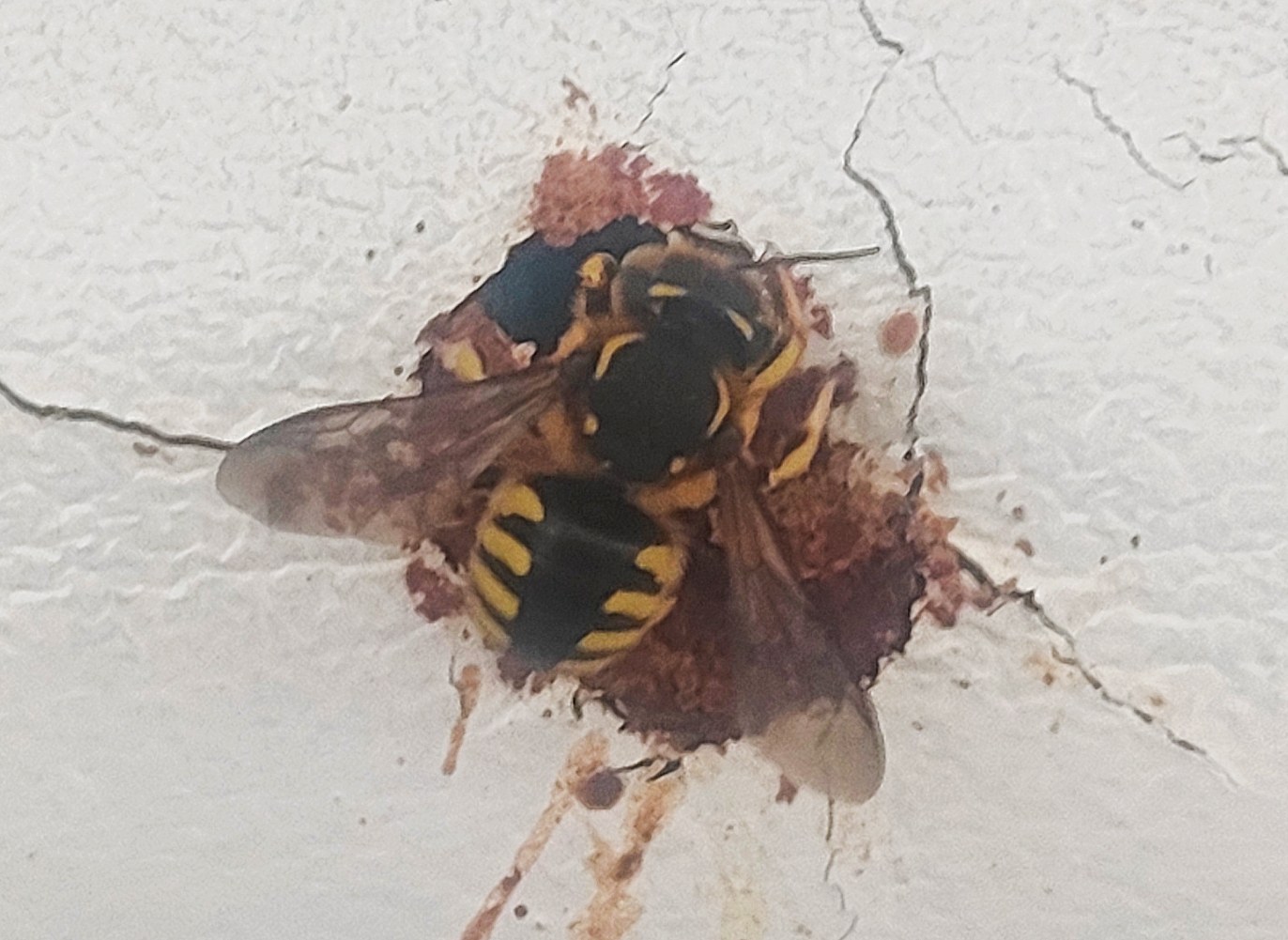
Wool Carder Bee
Gardens, meadows, urban green spaces with fuzzy-leaved plants
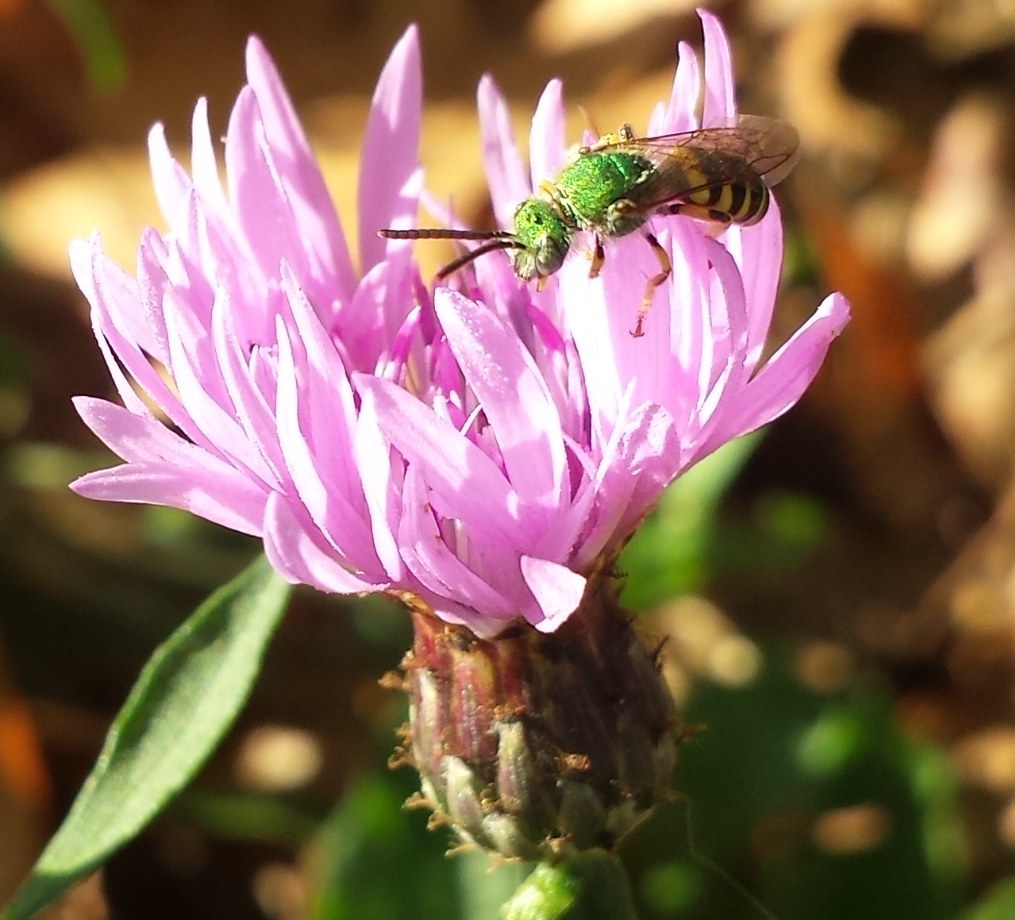
Sweat Bee
Gardens, meadows, and bare or sandy soil worldwide
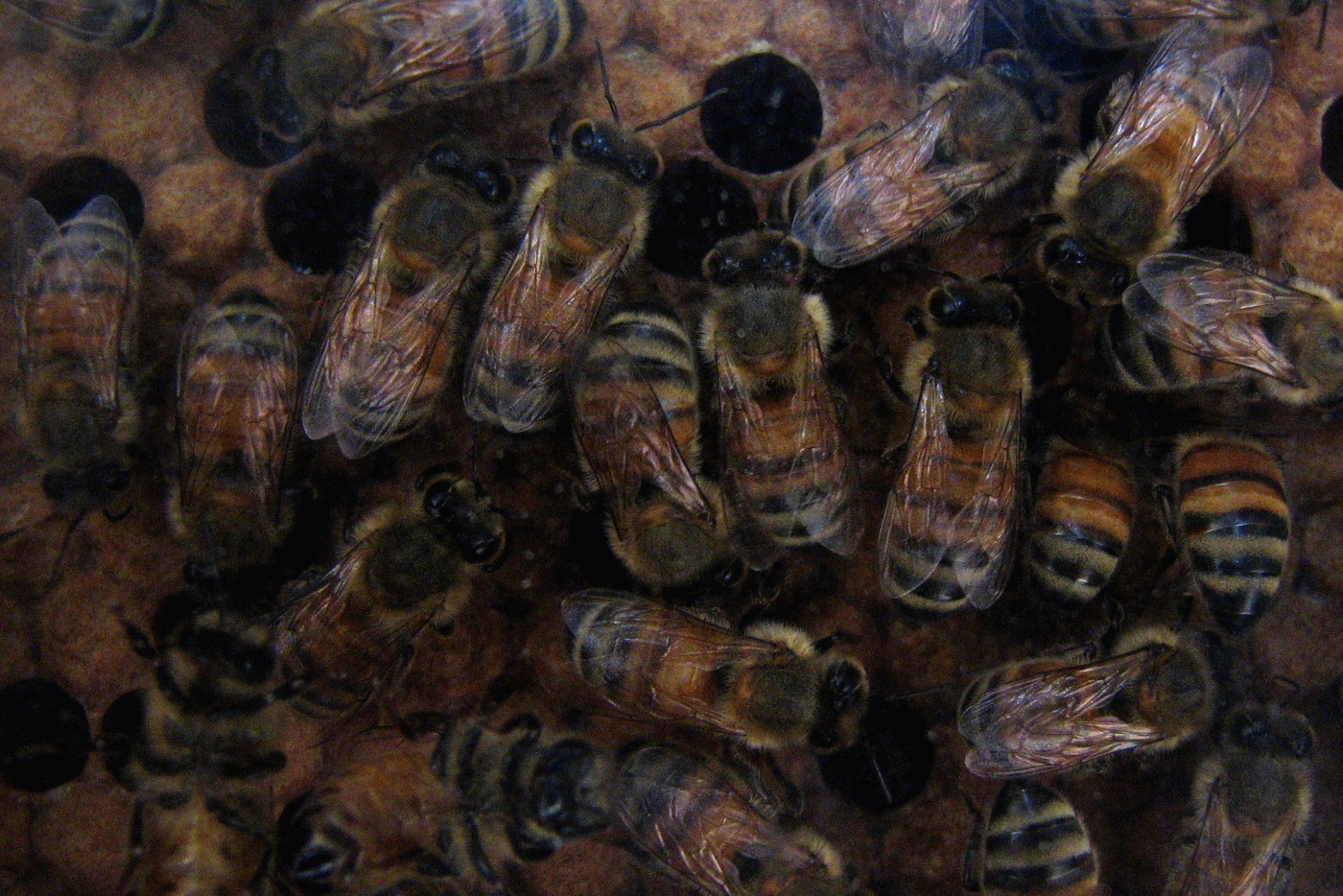
Western Honey Bee
Managed hives and wild colonies in tree cavities, worldwide in temperate and tropical climates
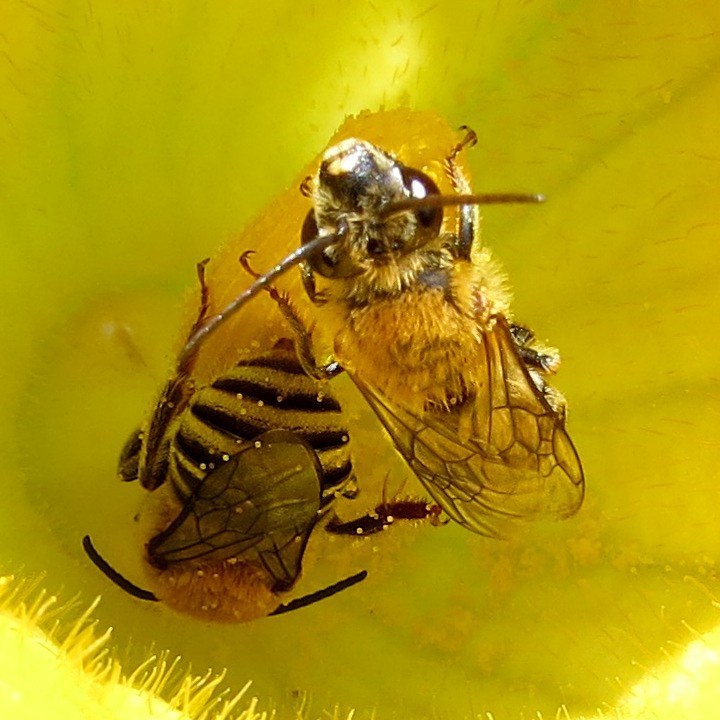
Squash Bee
Vegetable gardens and farm fields growing squash, pumpkin, and gourd plants
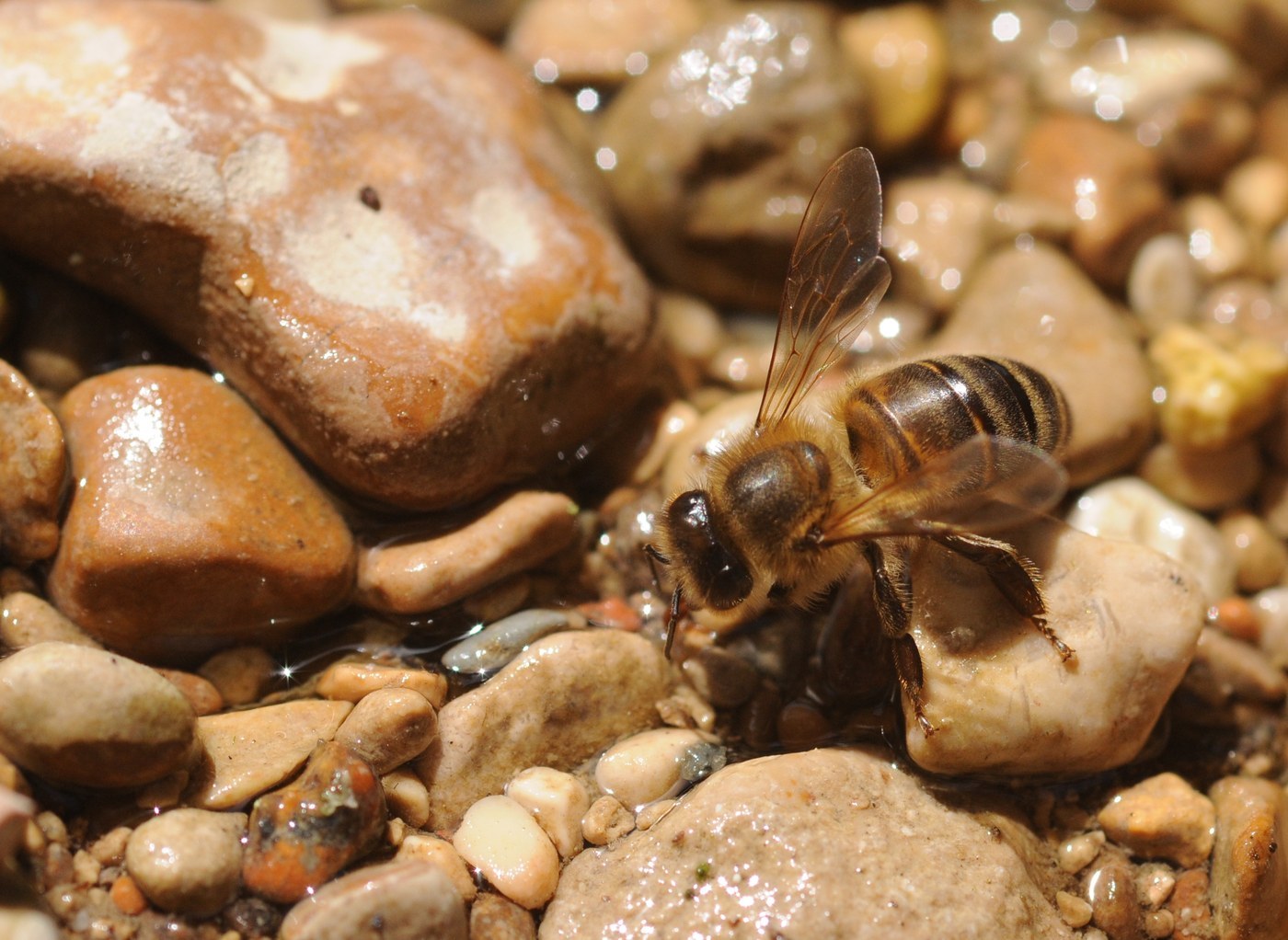
Honey Bee
Flowering meadows, gardens, orchards, and managed hives
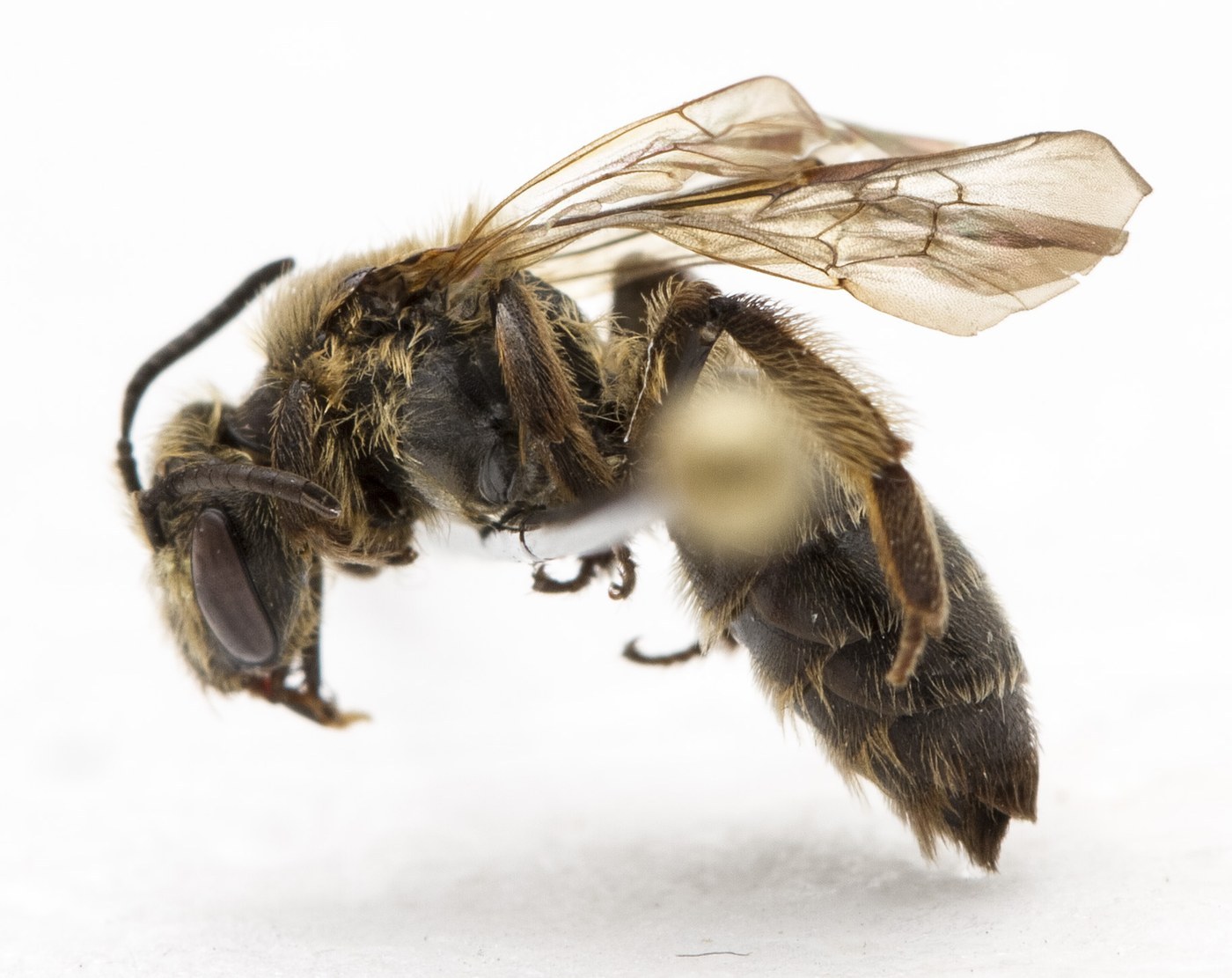
Mining Bee
Bare or sparsely vegetated soil, lawns, gardens, woodland edges
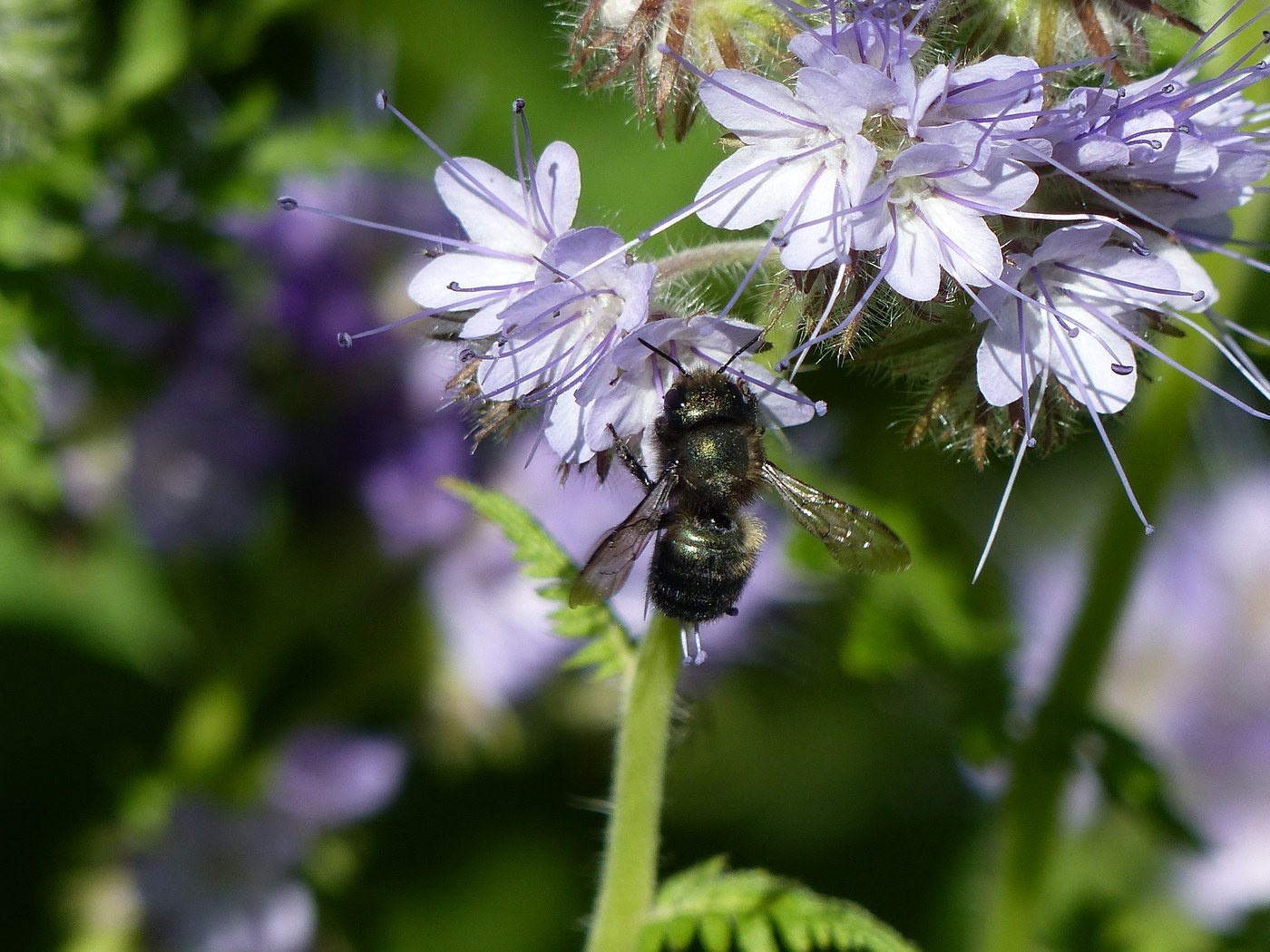
Mason Bee
Orchards, gardens, and wooded edges across temperate regions
Longhorn Bee
Prairies, meadows, gardens, sunflower and aster fields
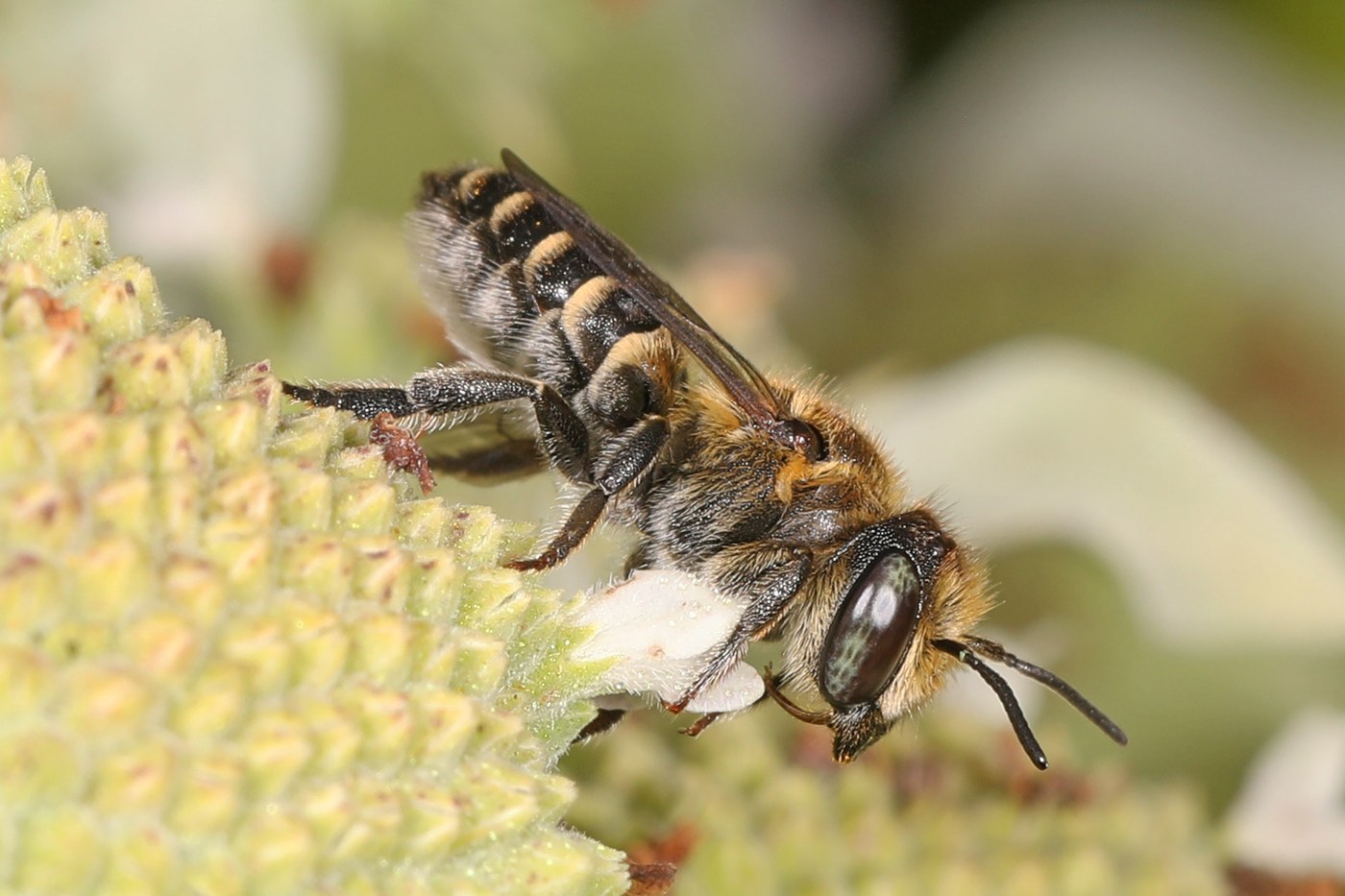
Leafcutter Bee
Gardens, meadows, and agricultural fields across temperate and subtropical regions
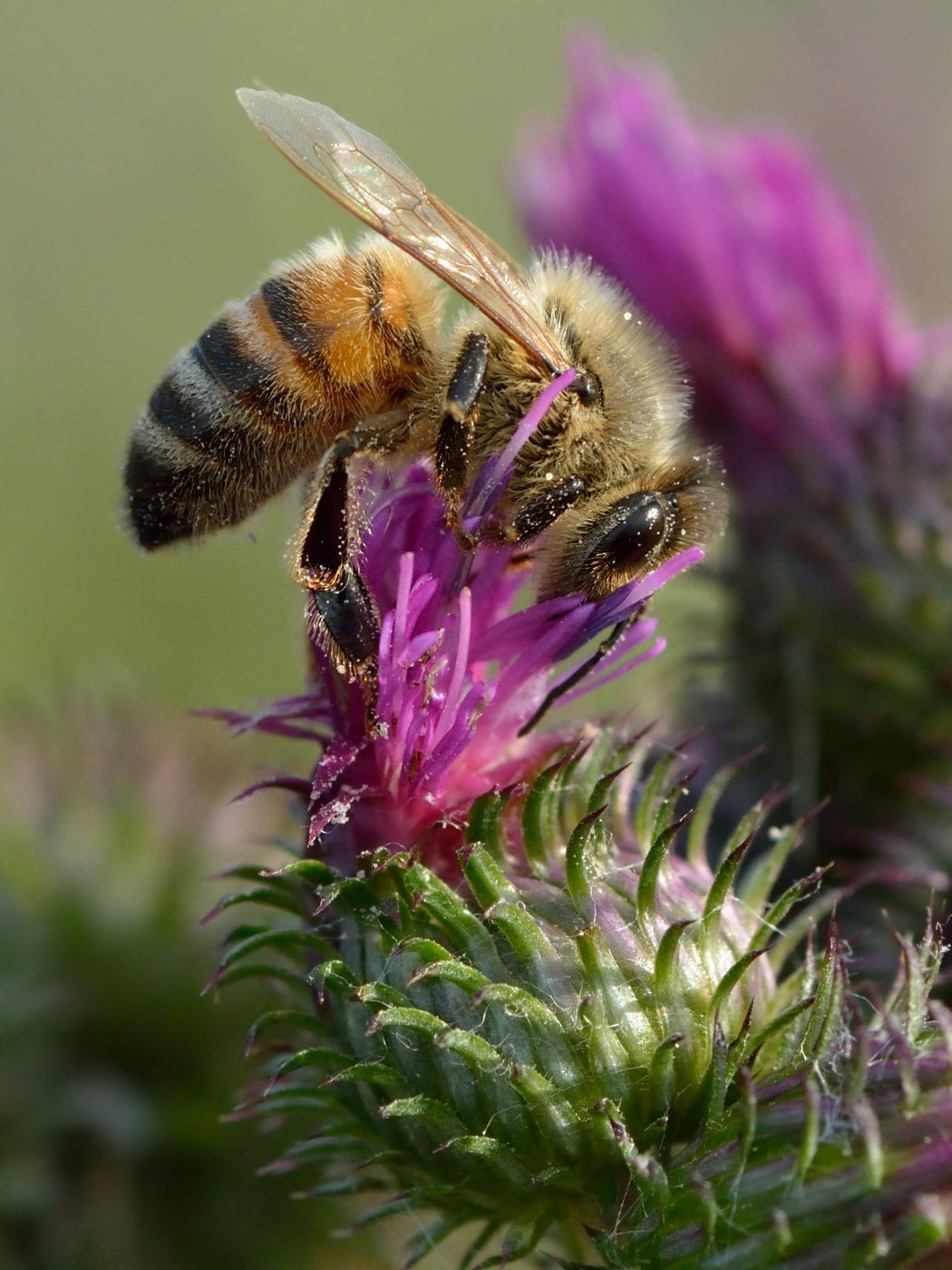
Honeybee
Managed hives, tree cavities, gardens, farmland, meadows
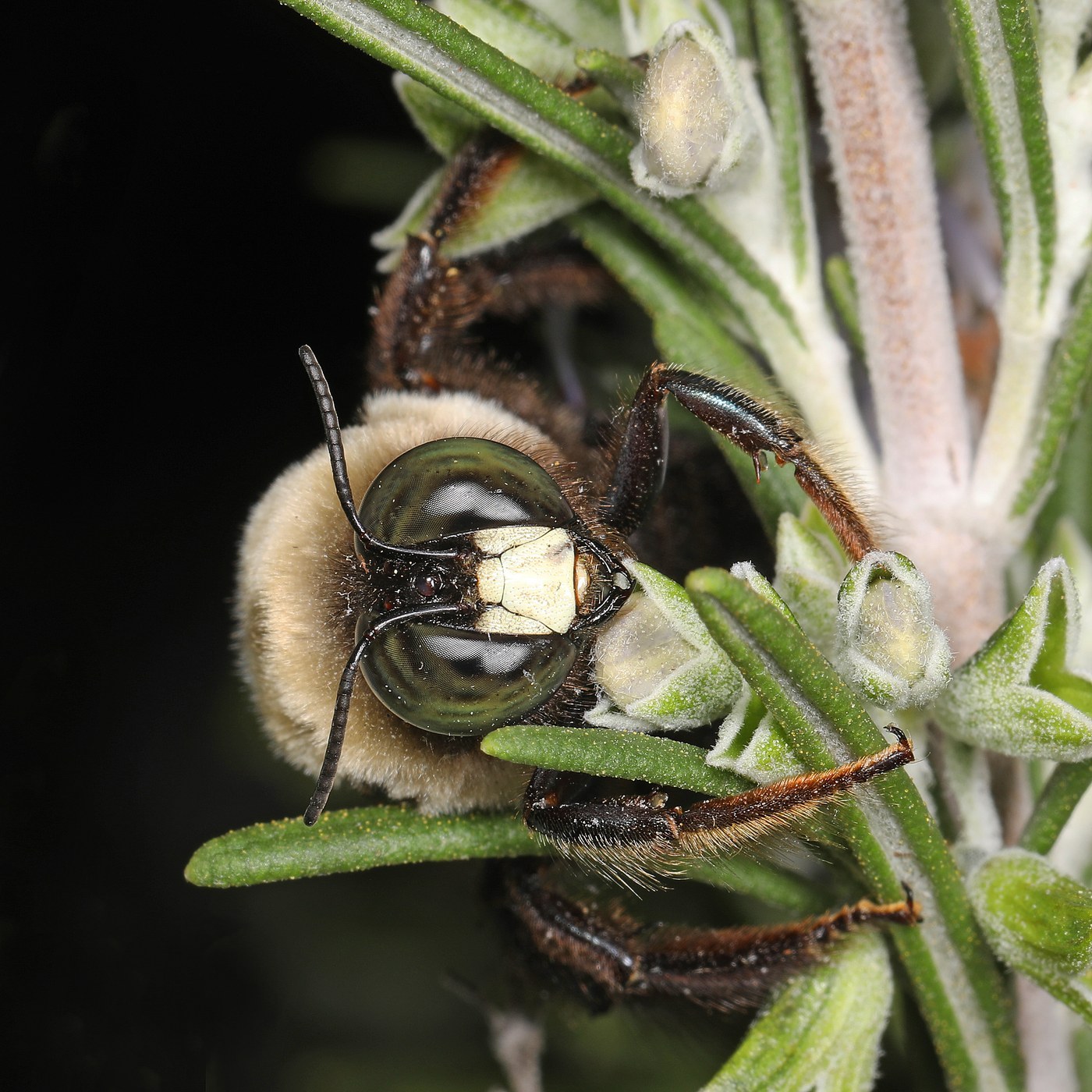
Carpenter Bee
Wooden structures, dead trees, and gardens across temperate and tropical regions
Bumblebee
Meadows, gardens, hedgerows, and open woodland edges