
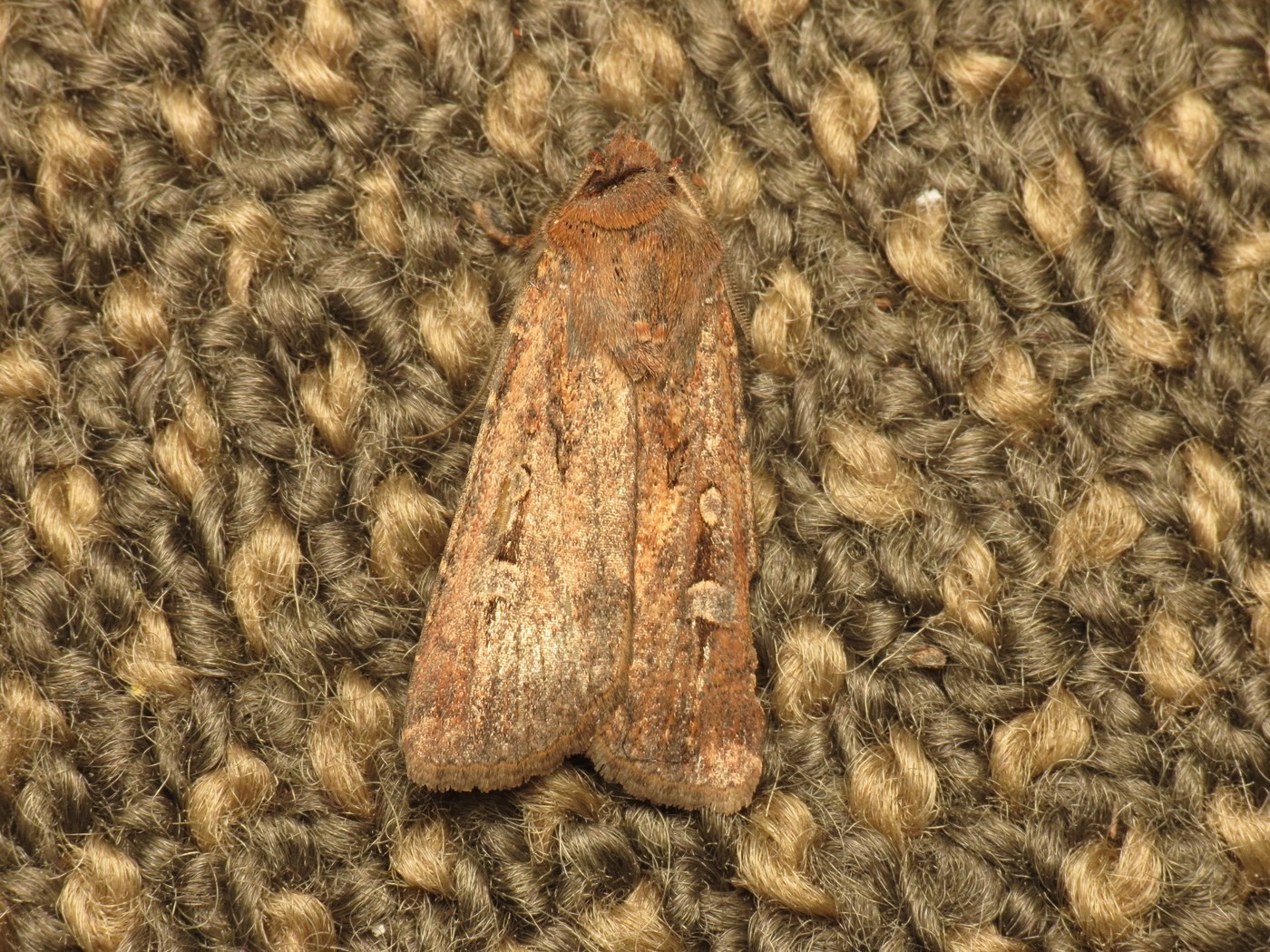
Bogong Moth
Agrotis infusa
A modest brown, mottled moth famous for its extraordinary mass seasonal migration across thousands of kilometers to cool alpine caves in the Australian mountains, forming one of the largest known insect migrations by biomass.
- Size
- 1.2–2 in wingspan
- Habitat
- Grasslands, lowlands, and alpine caves across southeastern Australia
- Danger
- Nuisance pest
Spotted a bug like this?
Identify any bug or insect from a photo, free.
Overview
The bogong moth is a member of the family Noctuidae, the owlet moths, one of the largest moth families and one whose larvae are frequently agricultural pests known as cutworms. While an individual bogong moth is unremarkable in appearance, the species is ecologically and culturally significant for its immense annual migration, in which vast numbers travel from breeding grounds across inland southeastern Australia to aestivate in cool caves and rock crevices in the Australian Alps during the hot summer months.
This migration has long been recognized by Aboriginal peoples of southeastern Australia, for whom the seasonal arrival of bogong moths in the mountains held deep cultural and ecological significance tied to traditional seasonal gatherings. In more recent decades, dramatic population declines linked to drought and changing conditions have brought conservation attention to a species once considered abundant beyond concern.
How to Identify
- Wingspan of roughly 30–50 mm; a medium-sized, stout-bodied moth typical of the owlet moth family.
- Forewings are mottled brown with darker brown and blackish markings, including a pale kidney-shaped spot typical of many noctuid moths, providing camouflage against bark and rock.
- Hindwings are plainer pale brown to greyish, usually hidden beneath the forewings at rest.
- Body and legs are covered in fine brown scales without bold color contrasts.
- Distinguished from other similar brown noctuid moths mainly by its migratory behavior and mass aggregation in alpine caves rather than by unique markings.
Habitat & Range
Breeds across the lowland grasslands and agricultural plains of southeastern Australia, then migrates seasonally to cooler high-elevation caves, rock crevices, and boulder fields in the Australian Alps of New South Wales and Victoria. Migratory flights occur mainly in spring, with moths returning to lowland breeding areas again in autumn after spending summer clustered densely in cool mountain refuges.
Behavior & Diet
Adults undertake a long-distance seasonal migration, navigating hundreds to over a thousand kilometers from lowland breeding grounds to cool alpine caves, where they cluster together in dense masses on cave walls to pass the hot summer months in a dormant state known as aestivation. In autumn they migrate back to the lowlands to breed. Larvae, known as cutworms, feed on the roots and lower stems of grasses and various crop and pasture plants at night, and the species is considered an agricultural pest in some cropping regions. Bogong moths also form an important seasonal food source for various native mountain wildlife during their summer aggregation.
Life Cycle
Eggs are laid in the soil of lowland breeding areas in autumn and hatch into cutworm larvae that feed on plant roots and stems through the cooler months, developing through several instars. Larvae pupate in the soil, and the resulting adults emerge and begin their migration to alpine caves as temperatures rise in spring. After spending summer clustered in dormancy in the mountains, surviving adults migrate back to the lowlands in autumn to breed and lay eggs, typically completing one generation per year.
Frequently asked questions
Why does it migrate to mountain caves?
It travels to cool alpine caves to escape the summer heat of the lowlands, clustering in a dormant state until conditions cool again in autumn.
How far does it travel during migration?
Migrating moths can travel several hundred kilometers or more between lowland breeding grounds and high-elevation cave sites in the Australian Alps.
Is the caterpillar a crop pest?
Yes, the larval stage is known as a cutworm and feeds on the roots and stems of grasses and various crops, making it a recognized agricultural pest in some regions.
Why is this moth culturally significant?
Its mass seasonal arrival in the mountains has long been recognized in the cultural traditions of Aboriginal peoples of southeastern Australia, tied to the moth's predictable seasonal gathering.
Bogong Moth guides
In-depth guides for identifying, understanding, and living alongside Bogong Moth.
Other bugs you may enjoy
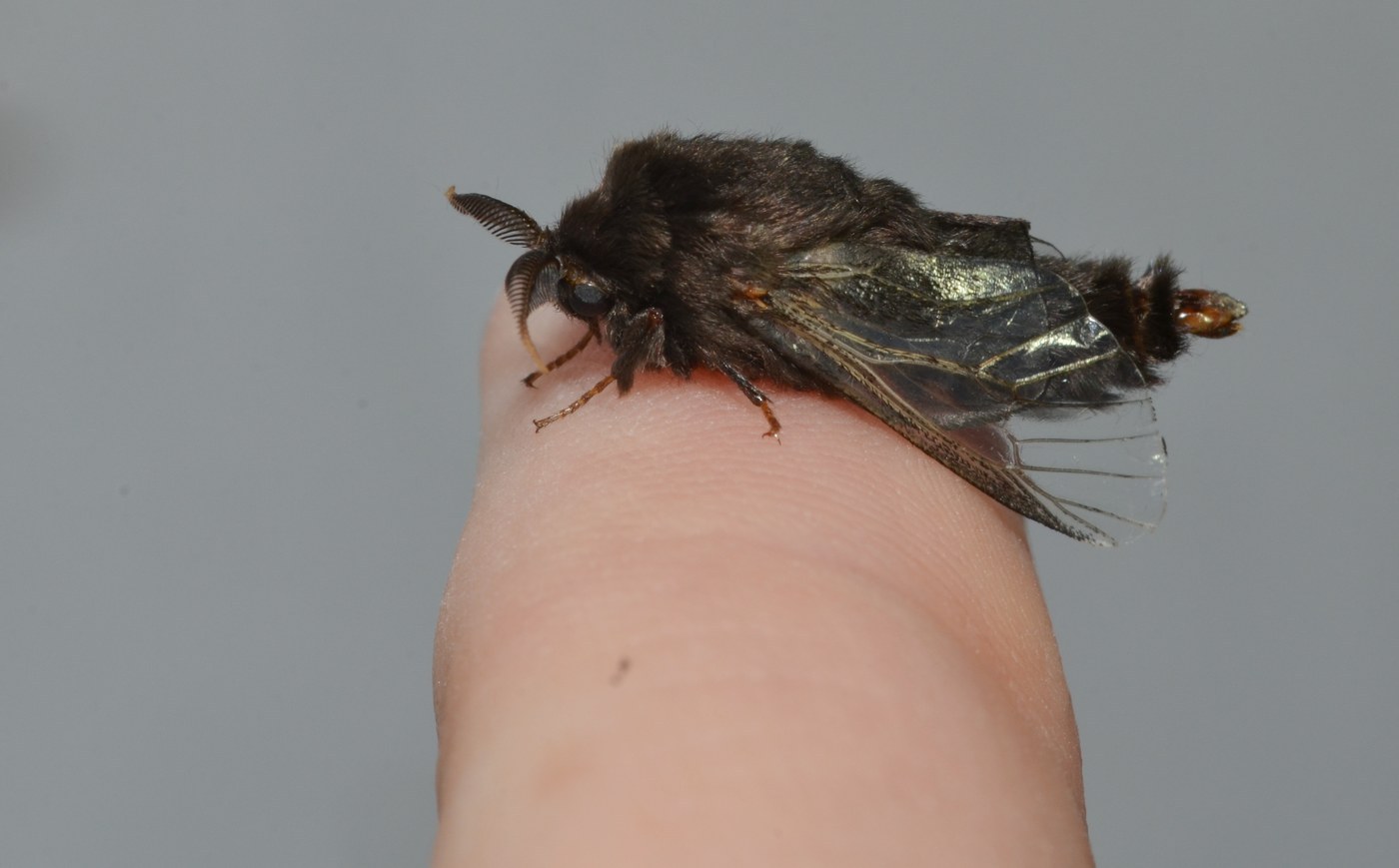
Bagworm Moth
Coniferous and deciduous trees, shrubs, hedges
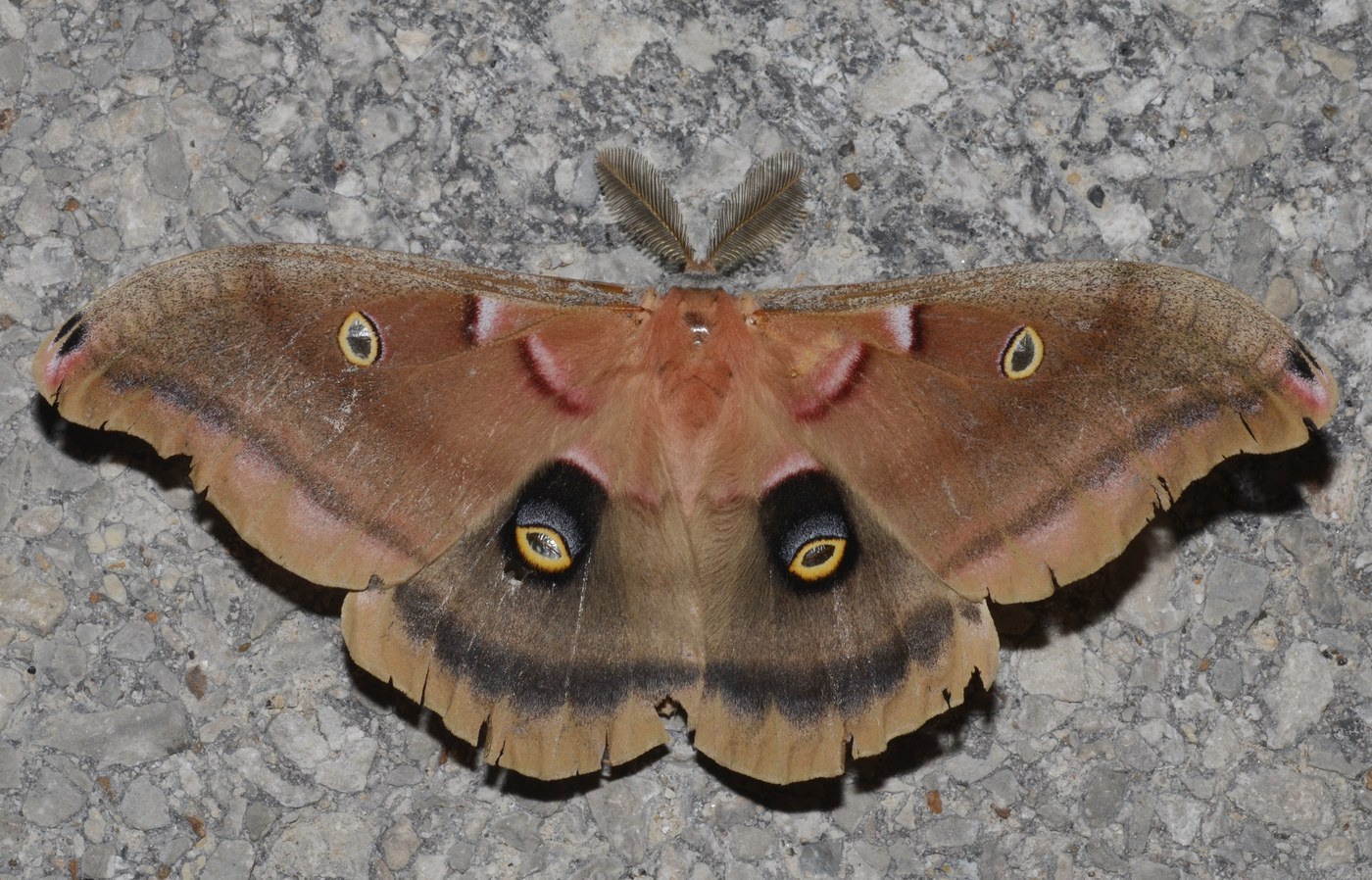
Antheraea Silkmoth
Deciduous forests, woodland edges, orchards
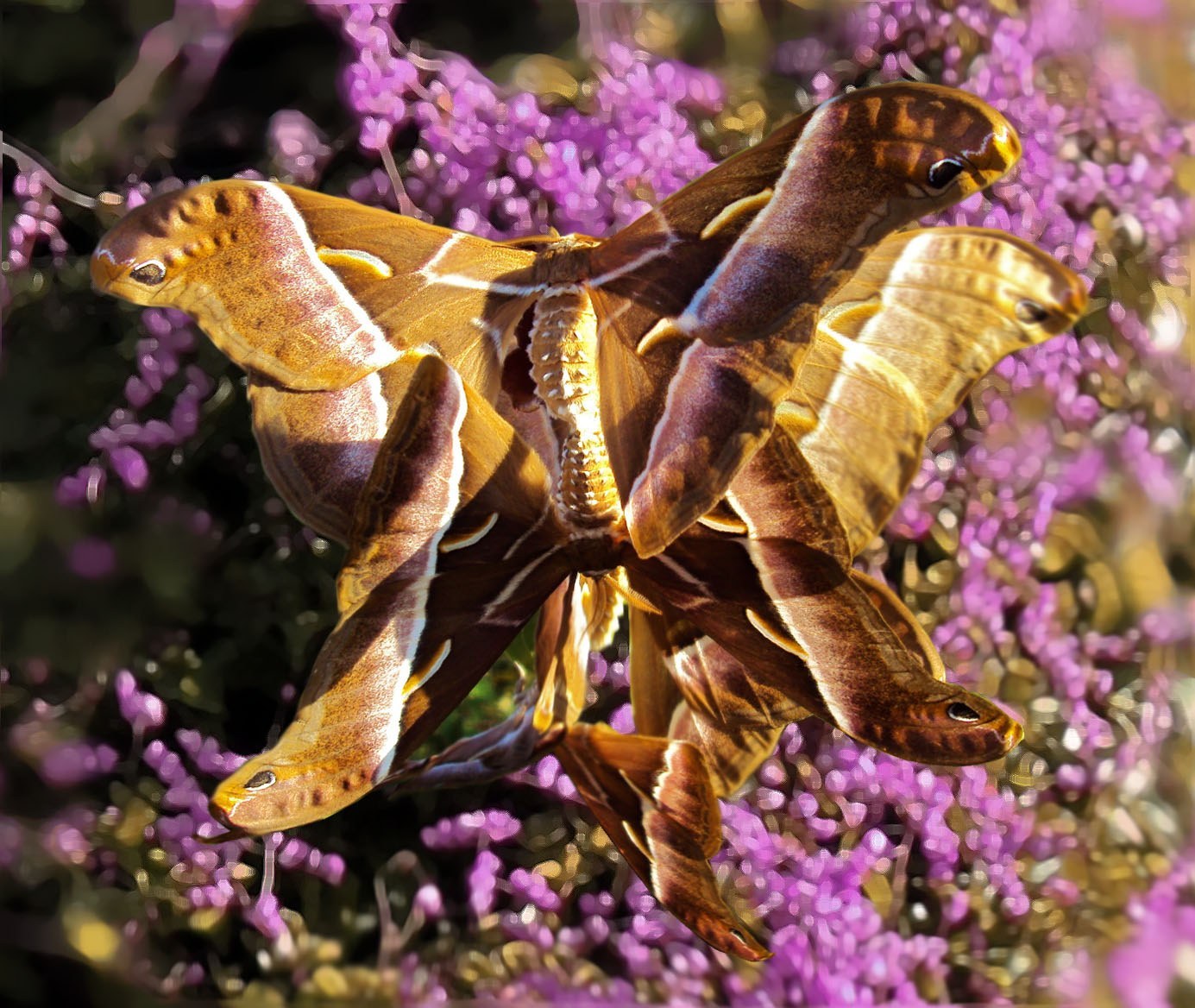
Ailanthus Silkmoth (Cynthia Moth)
Urban parks, wastelands, and woodland edges with tree-of-heaven; native to Asia, introduced in North America and Europe
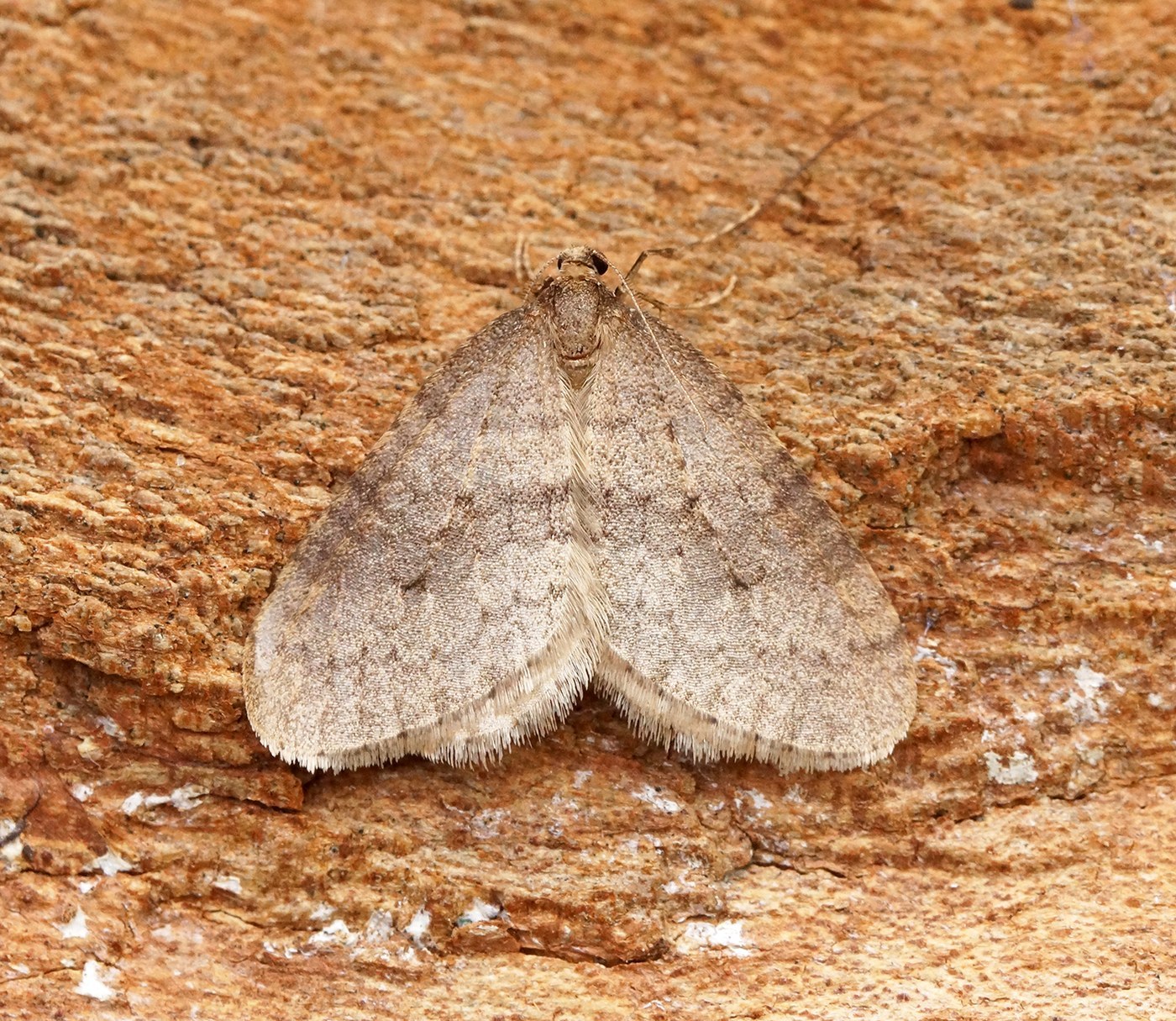
Winter Moth
Deciduous woodland, orchards, gardens, hedgerows
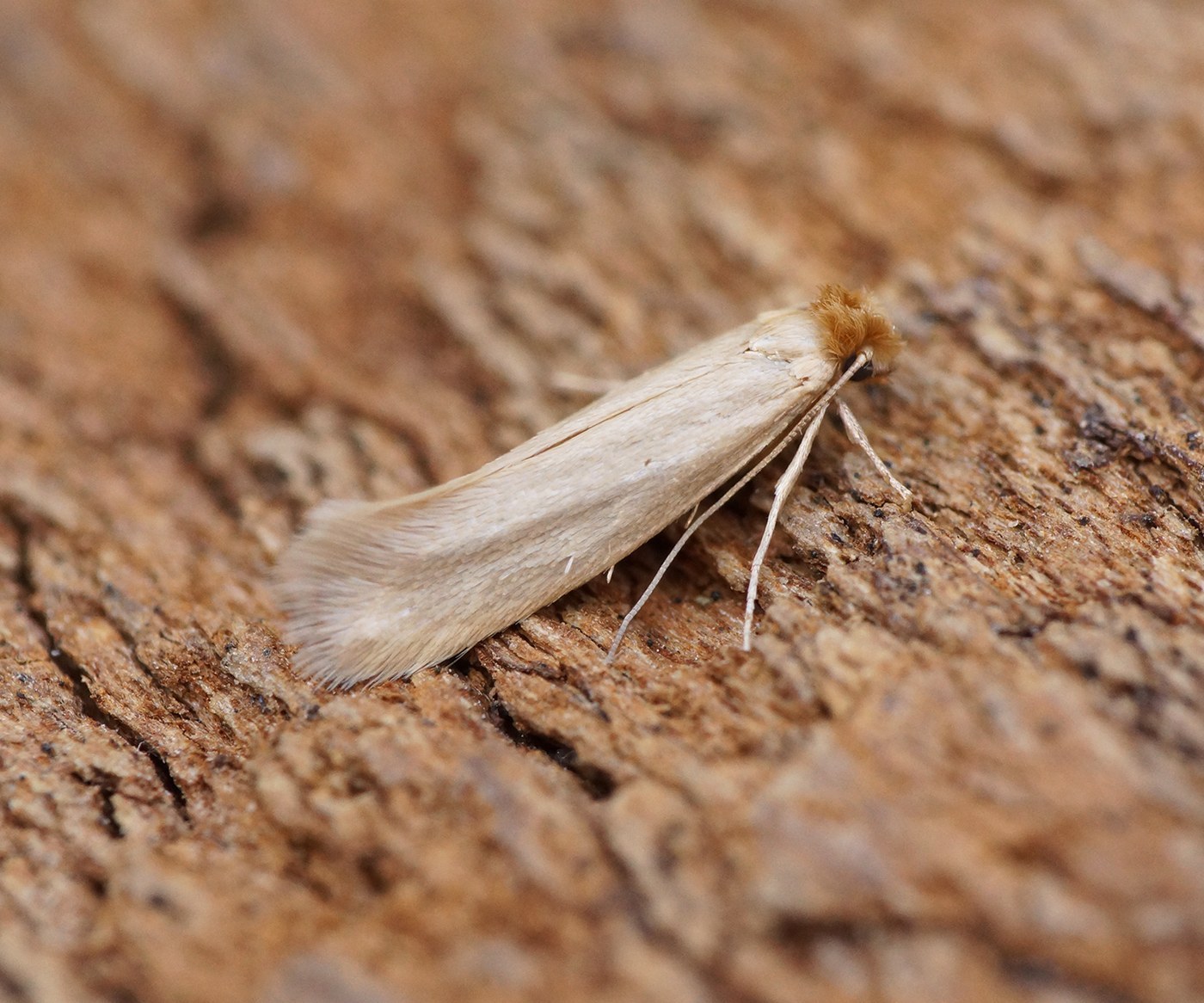
Webbing Clothes Moth
Dark closets, storage areas, and animal nests worldwide
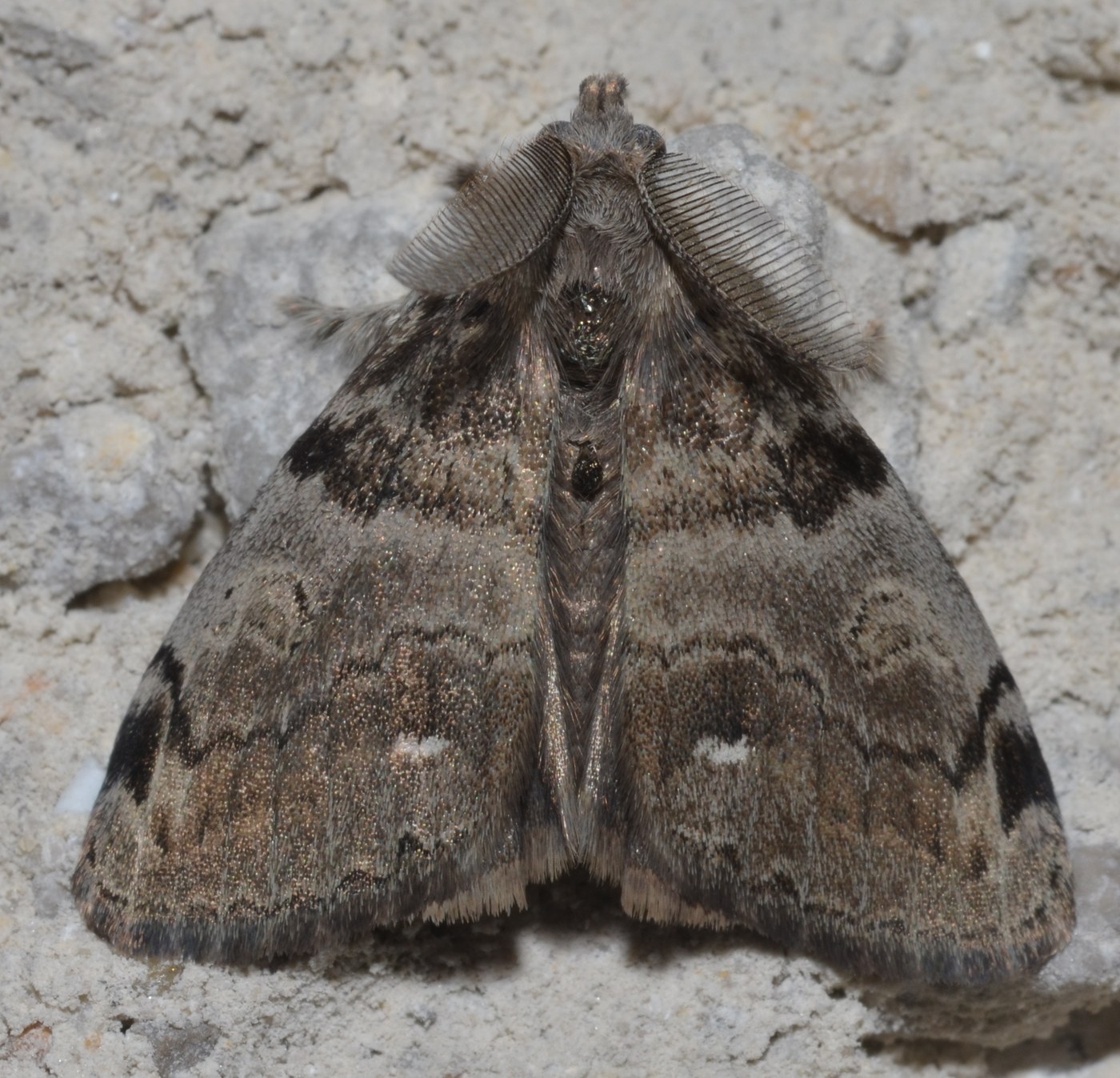
Tussock Moth
Deciduous forests, parks, gardens
Wax Moth
Beehives, apiaries, stored beeswax and comb
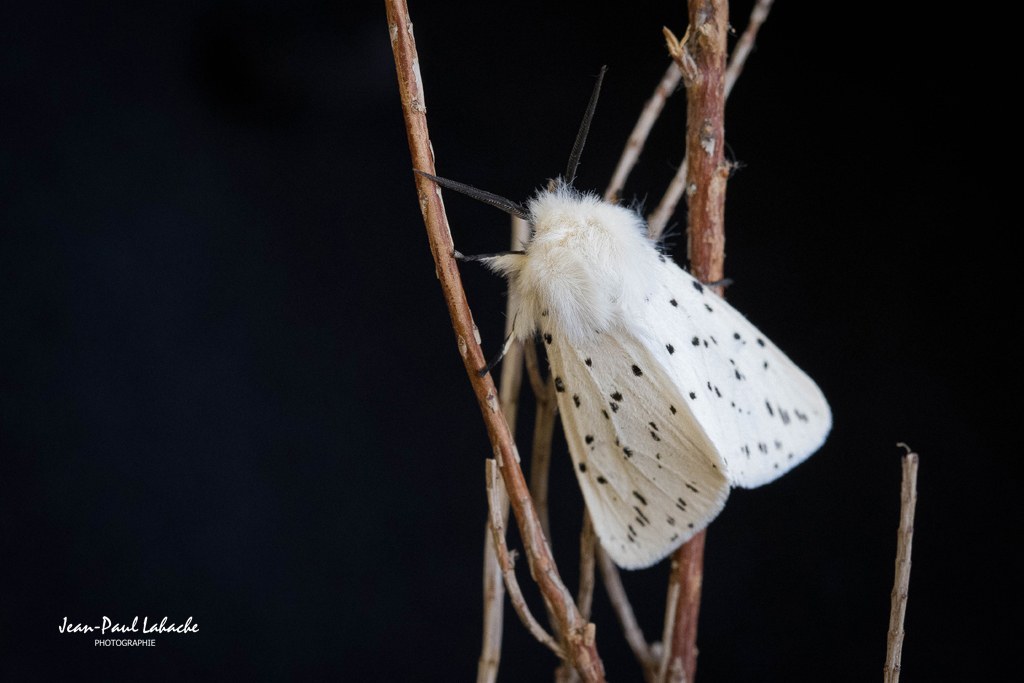
White Ermine Moth
Gardens, meadows, hedgerows
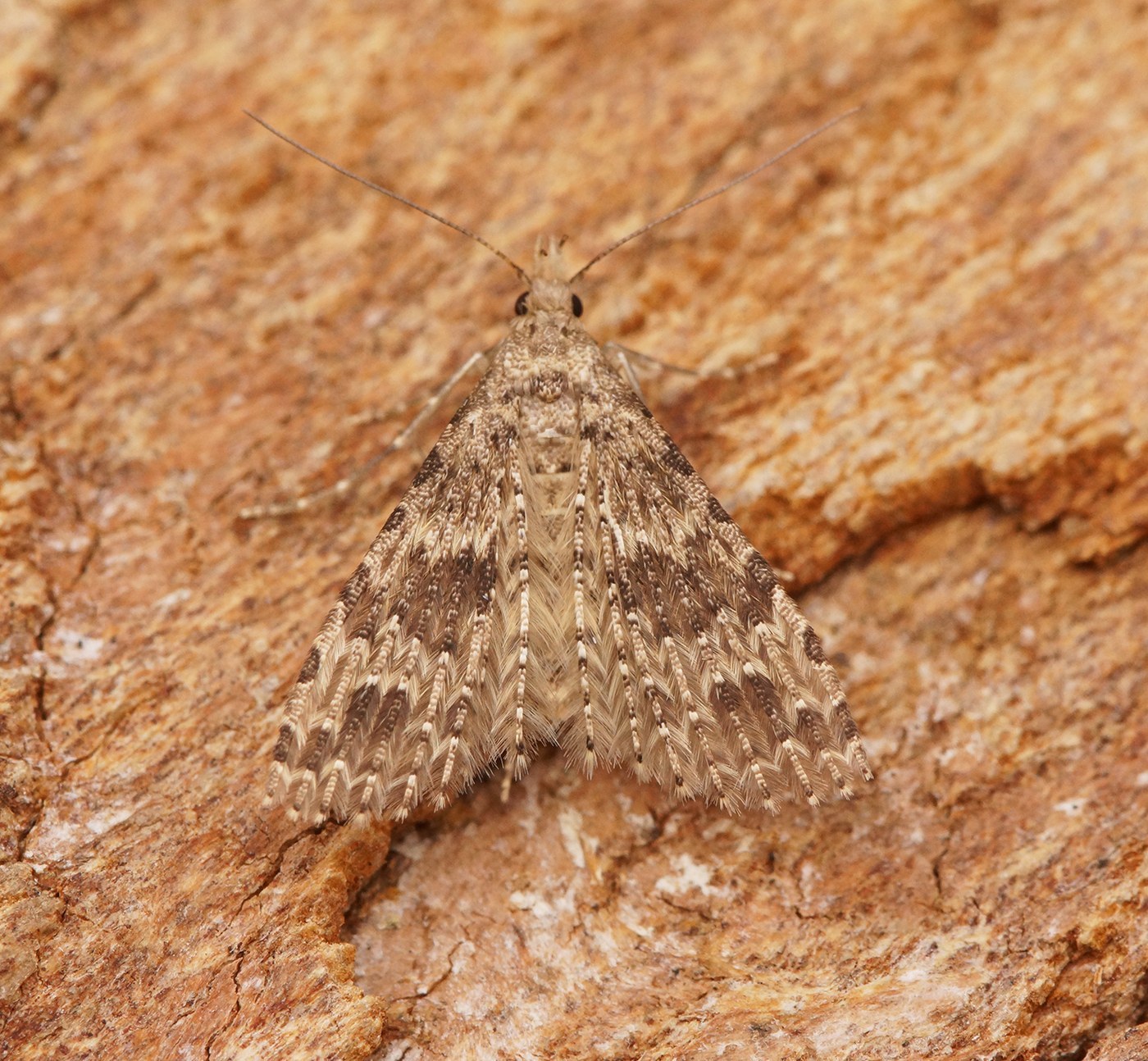
Twenty-plume Moth
Gardens, hedgerows, near honeysuckle
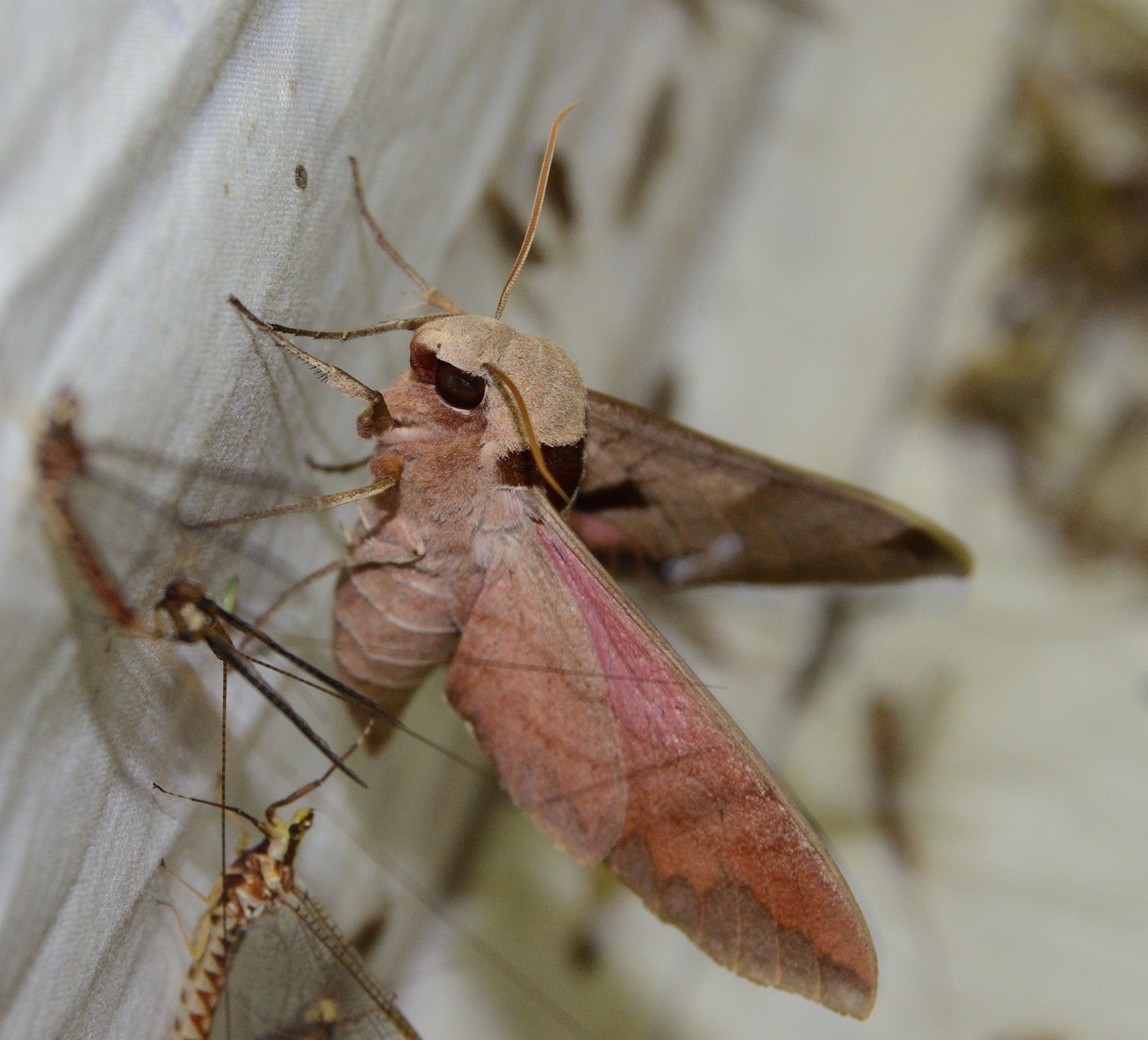
Achemon Sphinx Moth
Vineyards, woodland edges, gardens with wild grape
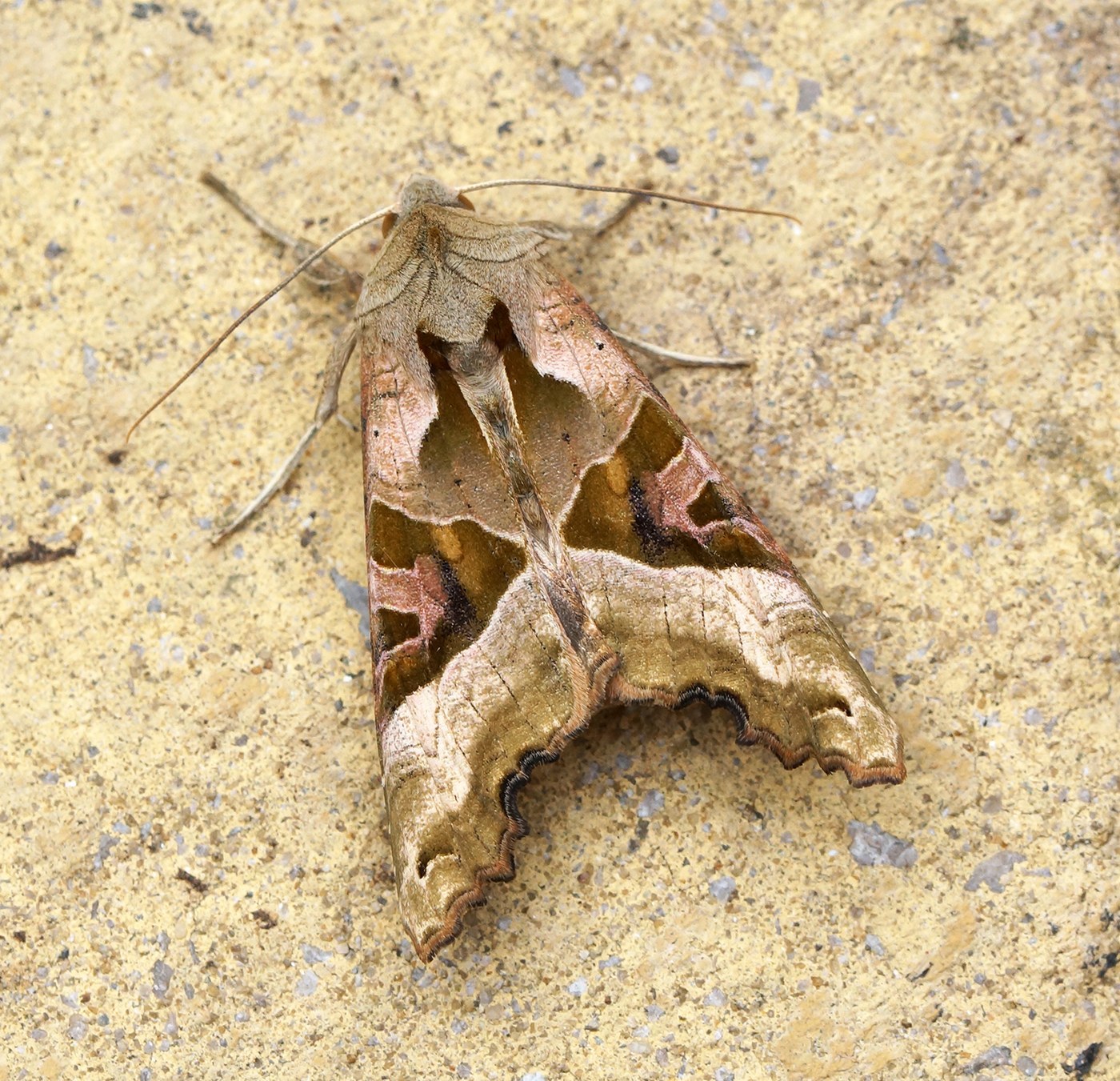
Angle Shades Moth
Gardens, hedgerows, woodland edges, urban parks
Atlas Moth
Tropical and subtropical lowland forests of Southeast Asia