
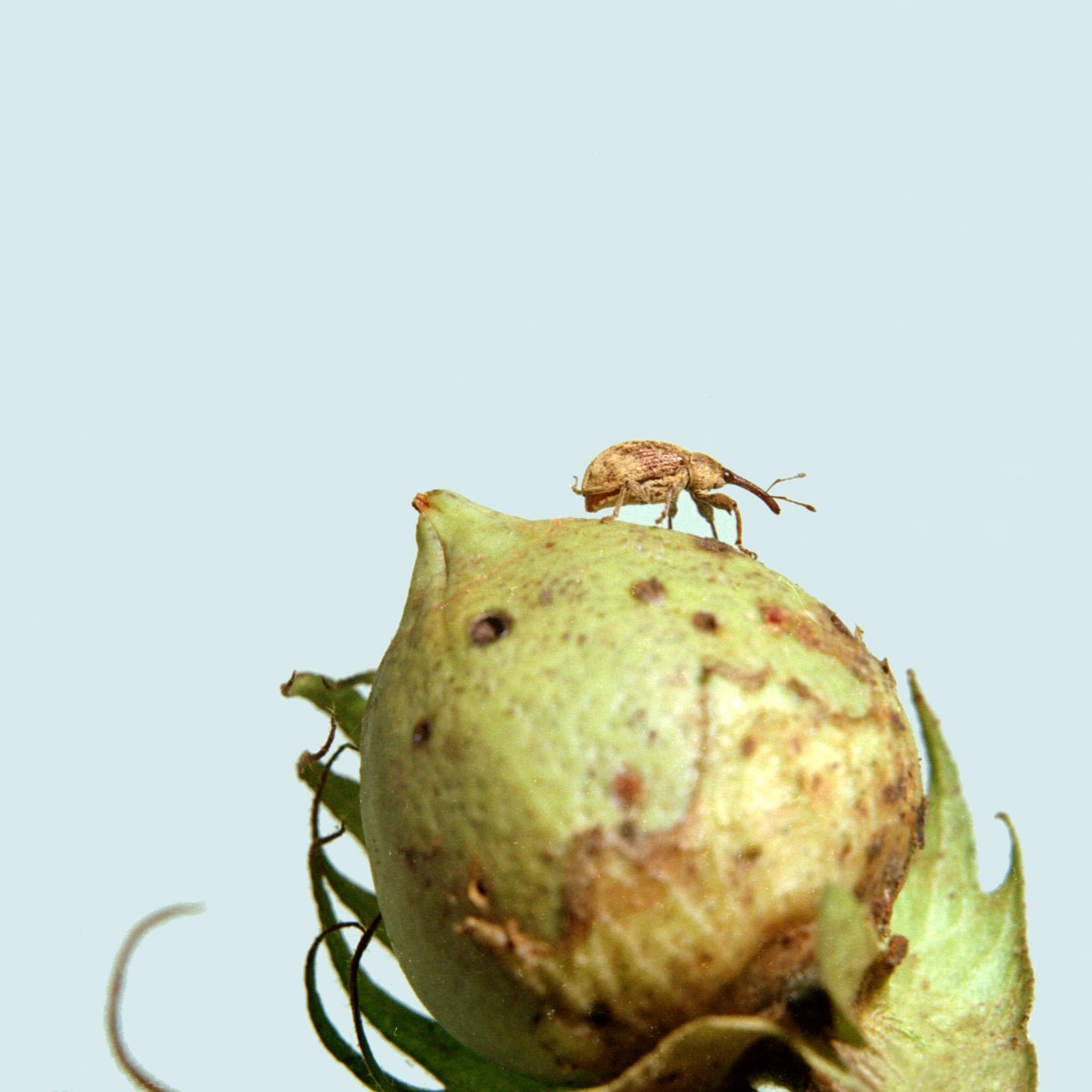
Boll Weevil
Anthonomus grandis
A small, grayish-brown snout beetle with a long, curved rostrum, historically famous for its close feeding association with cotton flower buds and bolls.
- Size
- 5–8 mm
- Habitat
- Cotton fields, agricultural land
- Danger
- Nuisance pest
Spotted a bug like this?
Identify any bug or insect from a photo, free.
Overview
The boll weevil, Anthonomus grandis, is a small snout beetle in the family Curculionidae, order Coleoptera, historically notable as one of the most economically significant agricultural insects in North American history due to its close association with cotton plants. It is easily recognized by its long, downward-curving snout (rostrum) tipped with chewing mouthparts.
Native to Central America and Mexico, the boll weevil spread into the cotton-growing regions of the southern United States in the late 19th and early 20th centuries, where it became strongly linked to cotton agriculture, feeding and reproducing almost exclusively within cotton flower buds ('squares') and bolls.
Beyond its agricultural history, the boll weevil remains a textbook example in entomology of a specialist insect whose life cycle is tightly bound to a single host plant genus.
How to Identify
- Small beetle, roughly 5–8 mm long, with a compact oval body
- Long, curved snout (rostrum) nearly as long as the body, ending in chewing mouthparts
- Grayish-brown to reddish-brown coloring, often with a fine coating of short hairs giving a dull, mottled look
- Elbowed (geniculate) antennae arising partway along the snout
- Distinguished from other weevils primarily by its close, near-exclusive association with cotton plant tissue
Habitat & Range
Boll weevils are found wherever cotton is cultivated, historically across the southern and southwestern United States, Mexico, and Central America, with populations closely tracking cotton-growing regions. Adults are active during the cotton growing season, from late spring through fall.
They shelter in field debris, leaf litter, and other protected sites near cotton fields during colder months, becoming active again as cotton plants begin to flower in warmer weather.
Behavior & Diet
Adult boll weevils use their long snout to puncture cotton flower buds and developing bolls, where they feed on plant tissue and where females also lay eggs. This close association with a single host plant makes the boll weevil a specialist feeder rather than a generalist.
Adults are capable fliers and can disperse over considerable distances in search of cotton fields. Within the broader ecosystem, boll weevils and their larvae serve as prey for various insectivorous birds and predatory insects, and their historic population booms and busts have been closely tied to cotton crop cycles.
Life Cycle
Boll weevils undergo complete metamorphosis. Females deposit eggs individually inside punctures made in cotton squares or bolls, and the hatched larvae develop and feed entirely within this enclosed plant tissue, passing through several molts.
Larvae pupate within the same square or boll, and adults chew their way out upon emergence. Multiple overlapping generations can occur within a single growing season in warm climates, and adults overwinter in sheltered plant debris, becoming active again the following spring as new cotton growth appears.
Frequently asked questions
What plant is the boll weevil most associated with?
The boll weevil is closely tied to cotton, feeding and laying eggs almost exclusively inside cotton flower buds and developing bolls.
How can you recognize a boll weevil?
Look for a small, grayish-brown beetle around 5–8 mm long with a distinctively long, curved snout used for feeding and egg-laying.
Where is the boll weevil originally from?
It is native to Mexico and Central America, from where it spread into cotton-growing regions of the southern United States.
How many generations does a boll weevil produce in a season?
In warm climates with a long cotton-growing season, several overlapping generations can occur before adults overwinter in sheltered debris.
Boll Weevil guides
In-depth guides for identifying, understanding, and living alongside Boll Weevil.
Other bugs you may enjoy
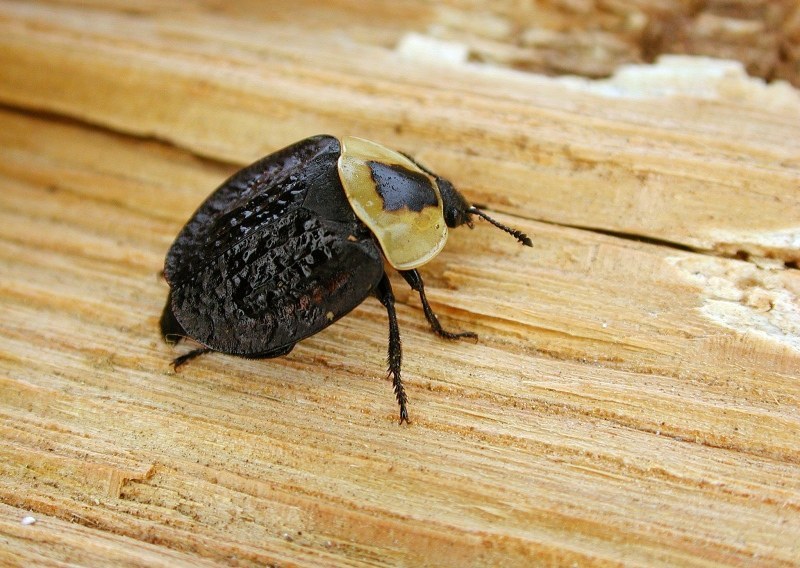
American Carrion Beetle
Forests, fields, and roadsides across North America, near decaying animal carcasses
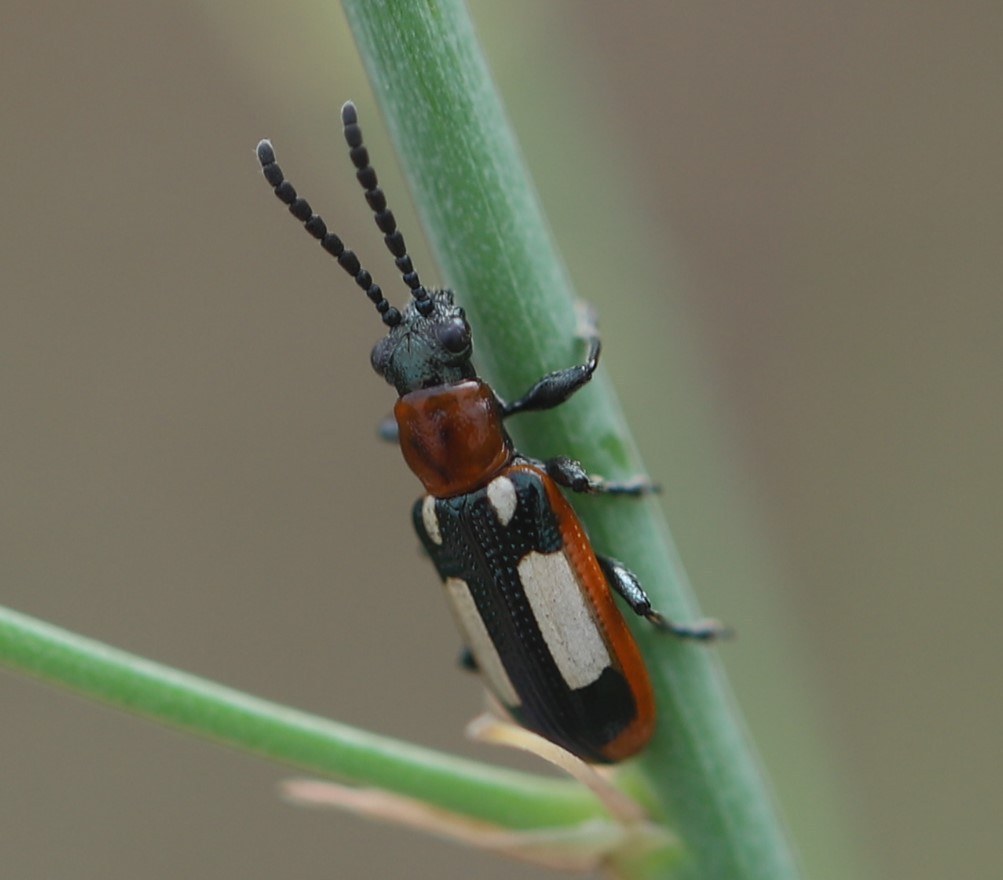
Asparagus Beetle
Asparagus patches, gardens, and farm fields
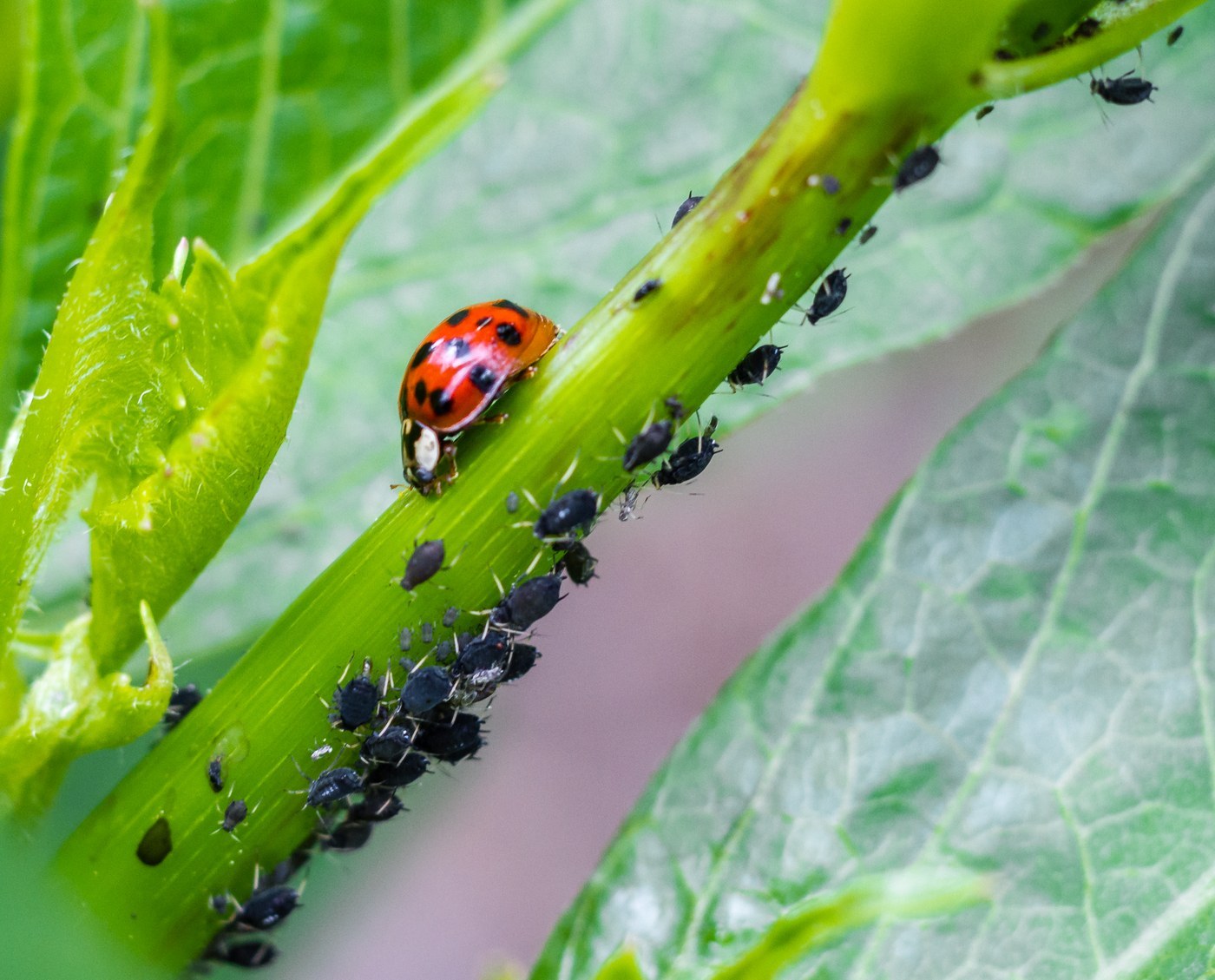
Asian Lady Beetle
Gardens, crop fields, woodlands, buildings
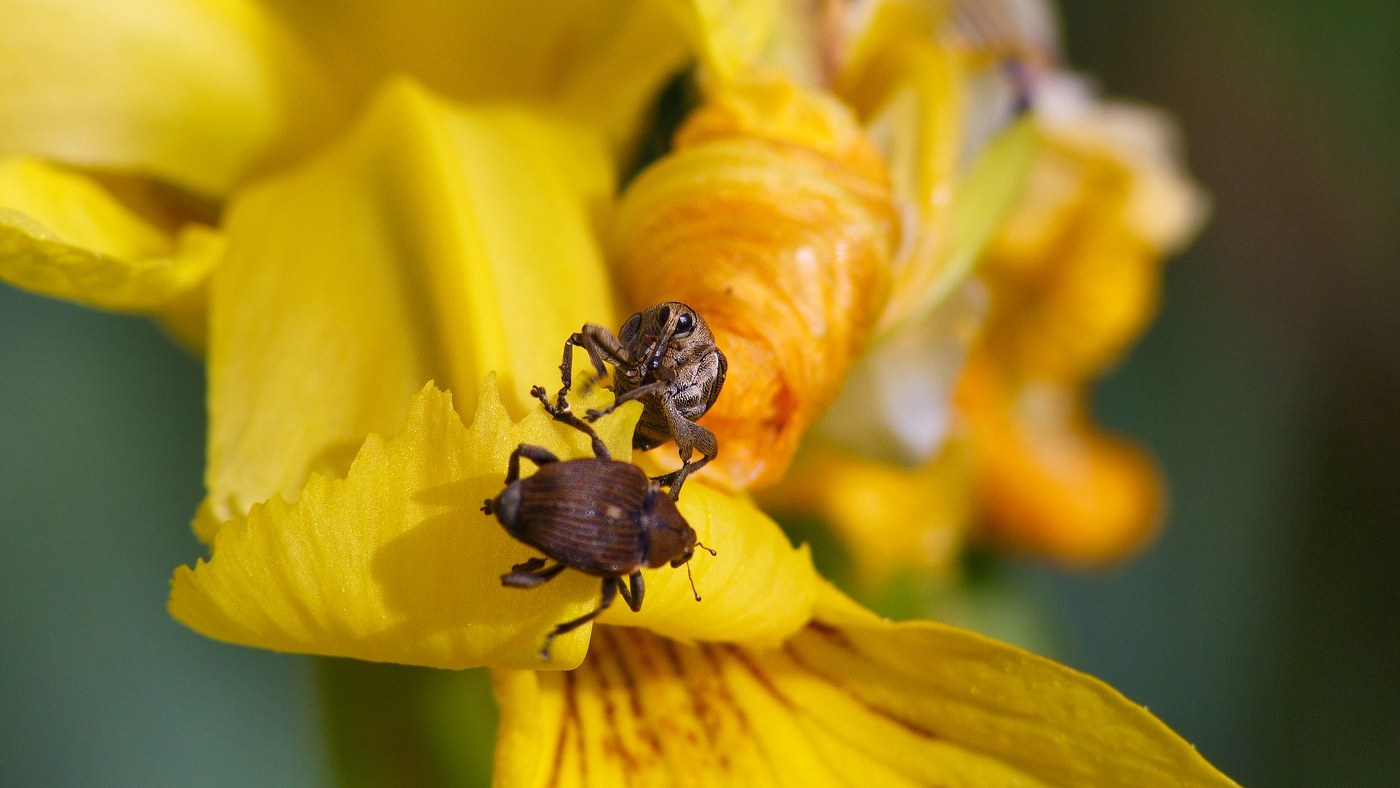
Acorn Weevil
Oak woodlands and forests, on and beneath oak trees
Wireworm
Soil of grasslands, gardens, and cultivated fields worldwide
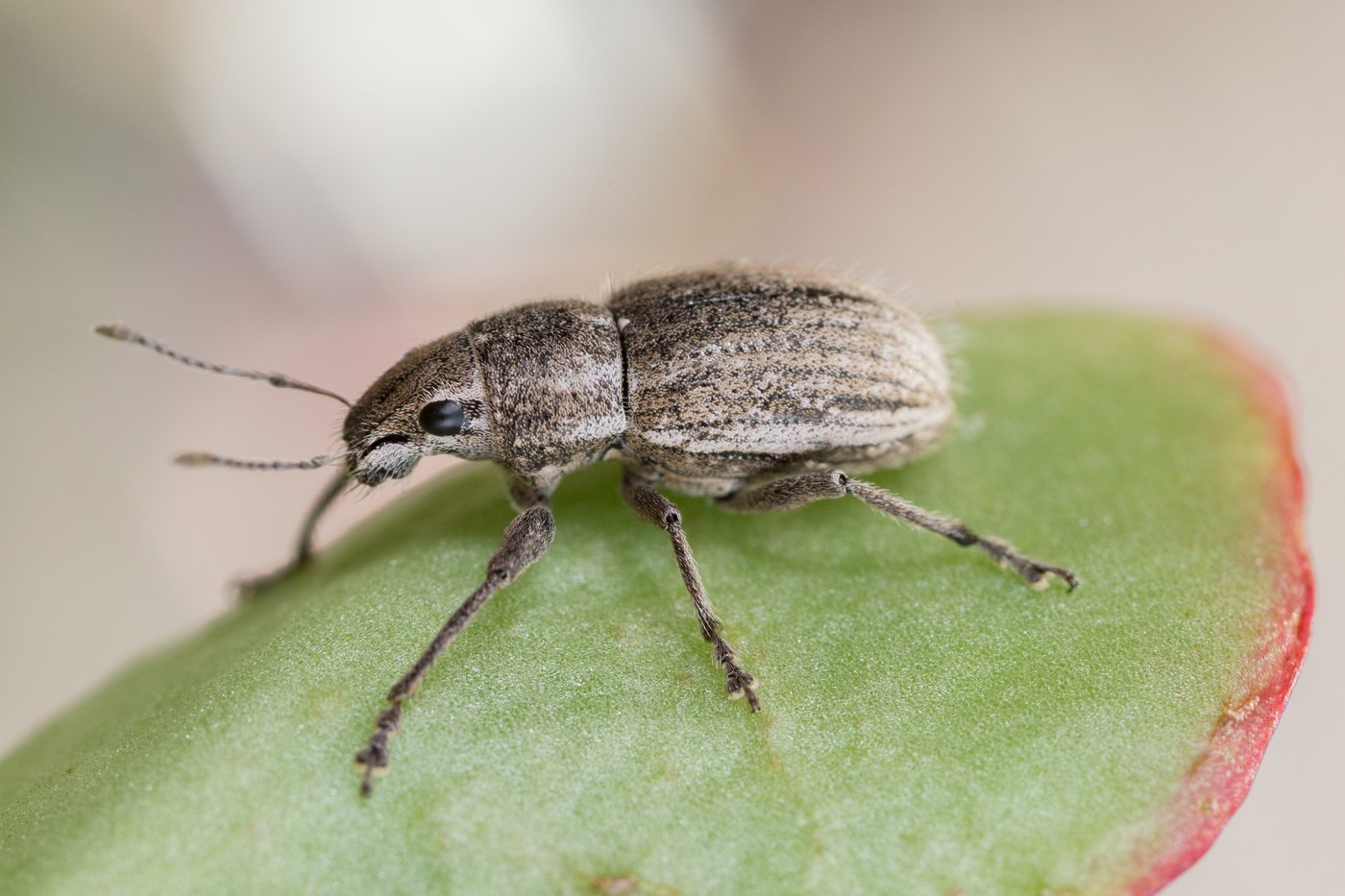
Whitefringed Beetle
Pastures, row crops, lawns, disturbed soils
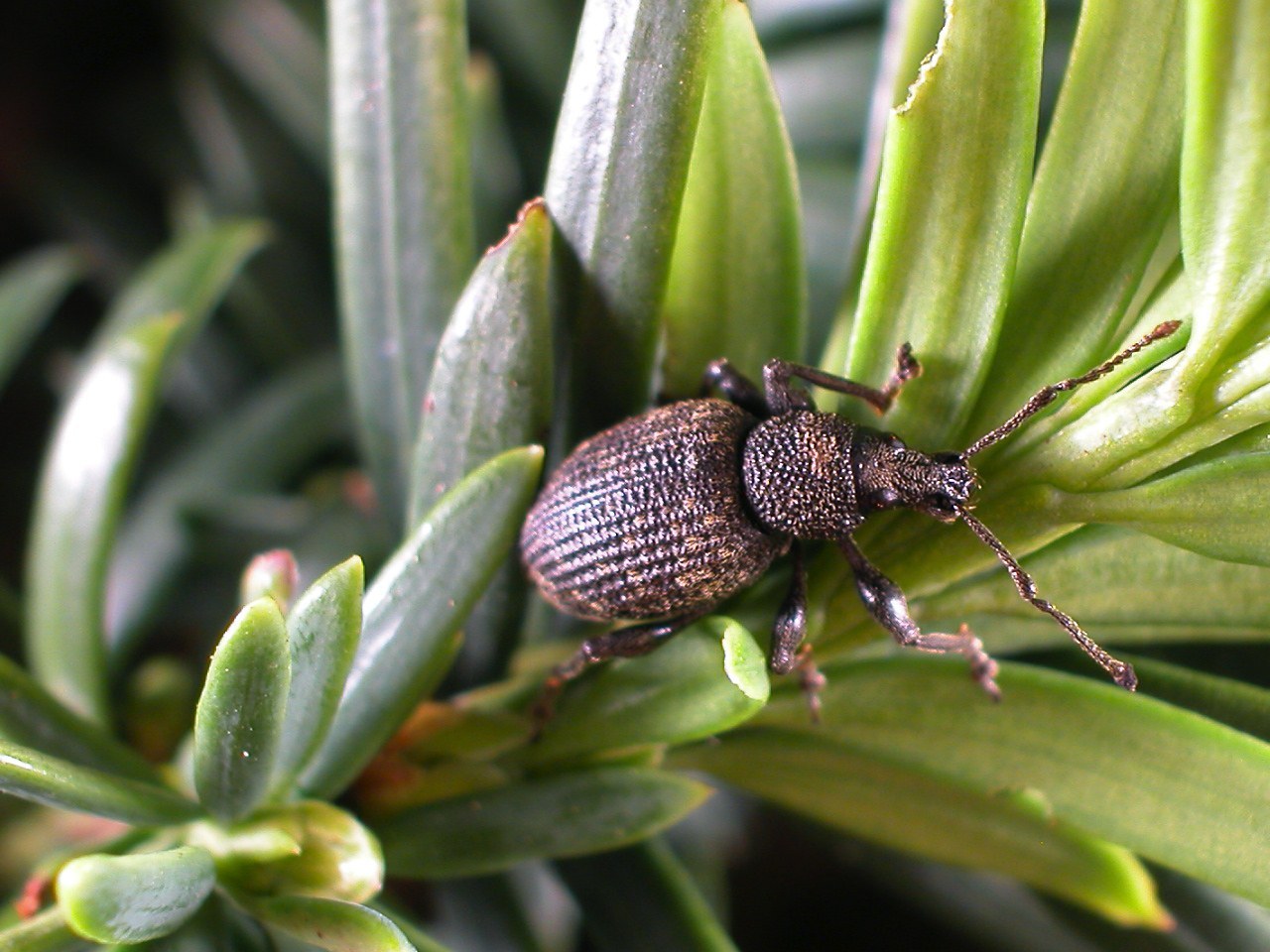
Vine Weevil
Gardens, nurseries, greenhouses, and container plantings
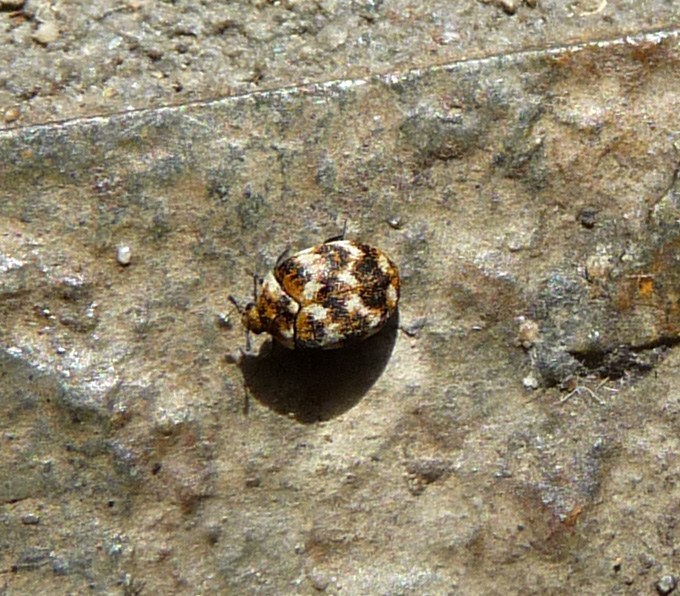
Varied Carpet Beetle
Homes, nests of birds and mammals, and flowers outdoors
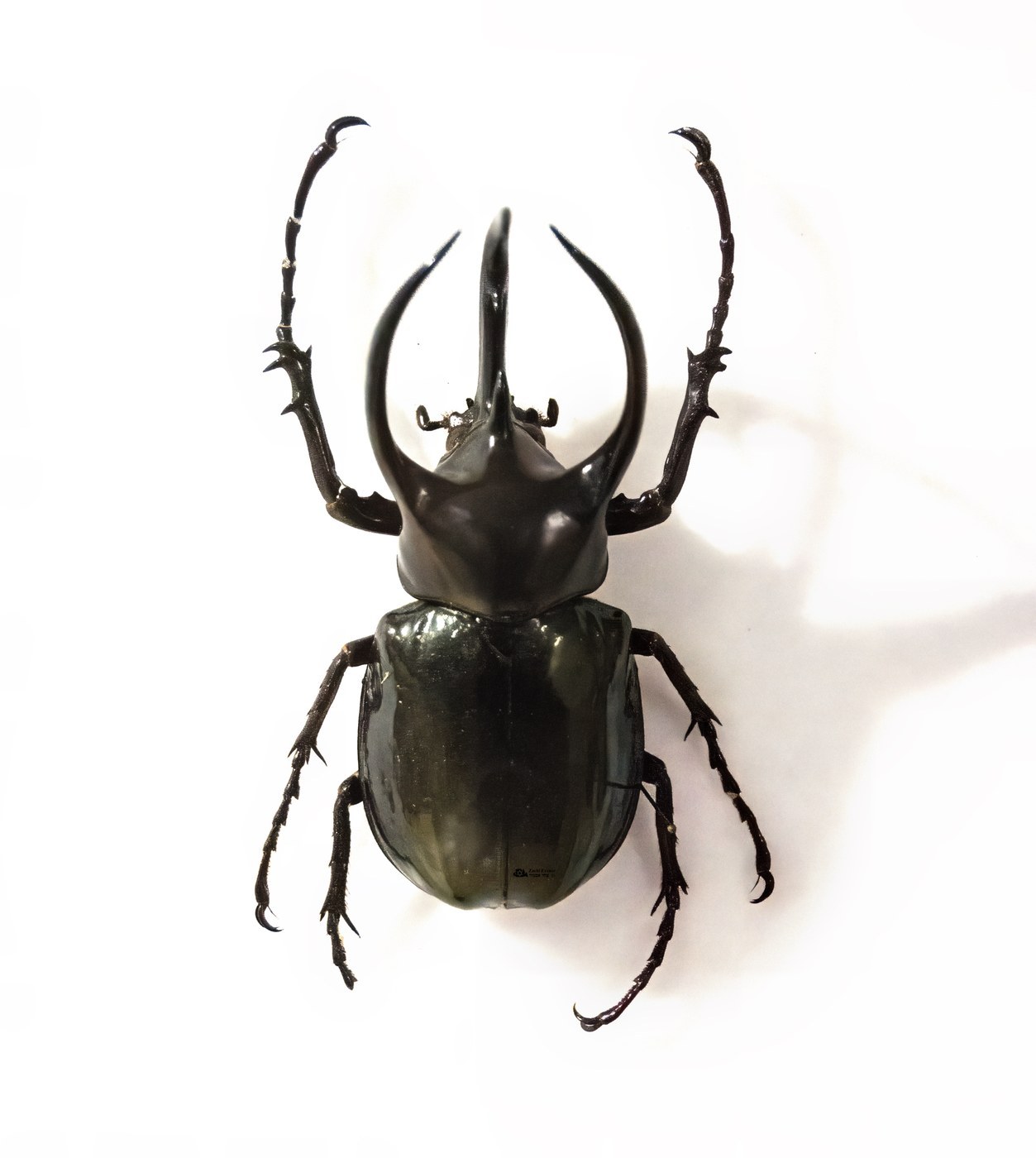
Atlas Beetle
Tropical forests of Southeast Asia
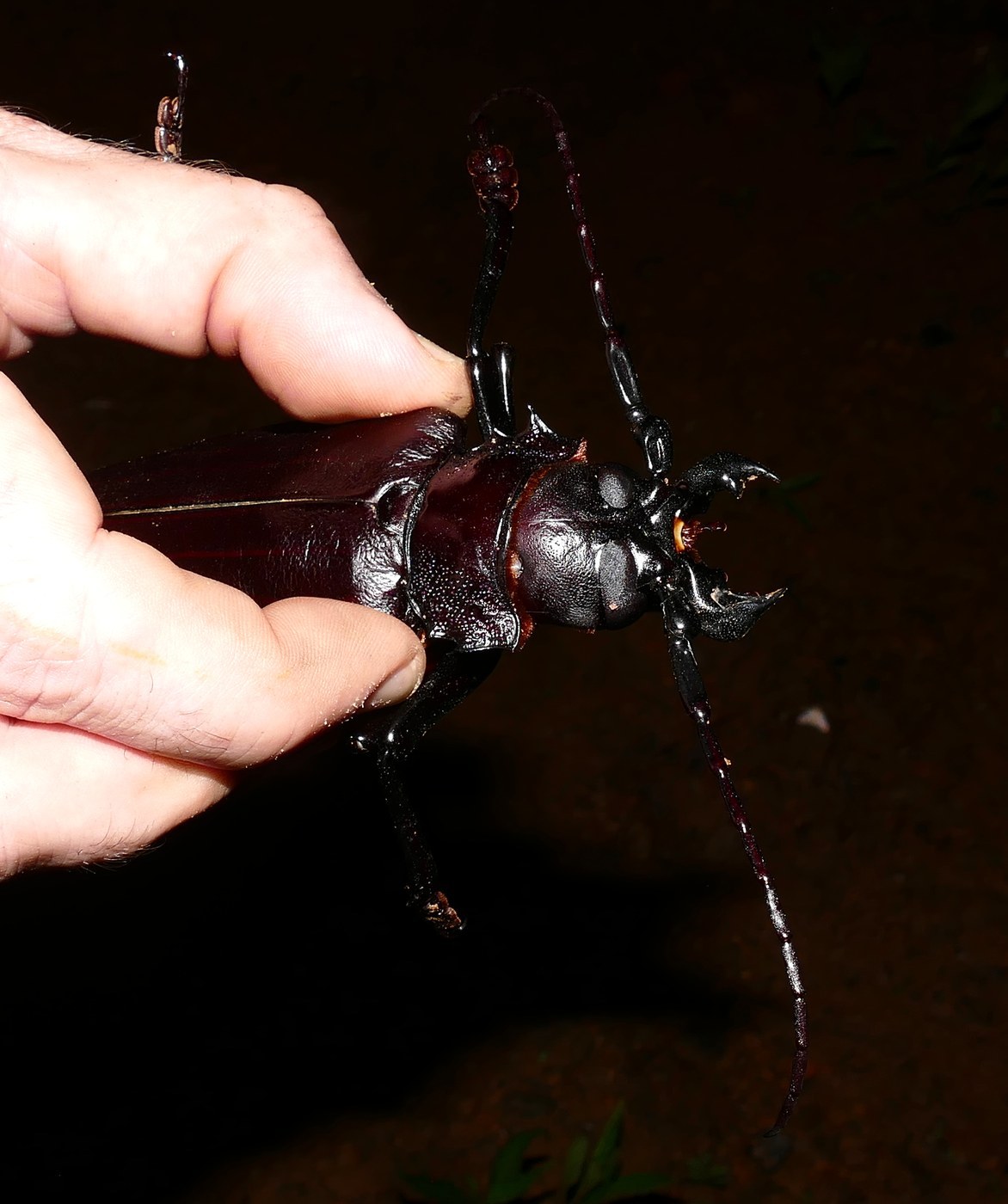
Titan Beetle
Amazon rainforest of South America
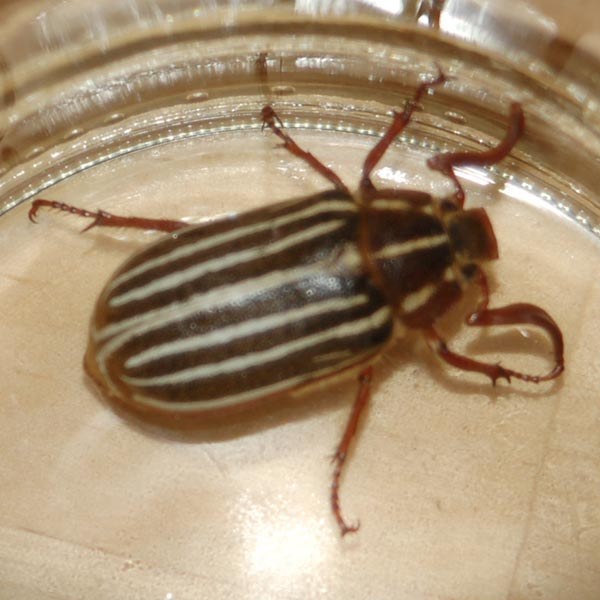
Ten-lined June Beetle
Sandy soils, pine forests, and orchards of western North America
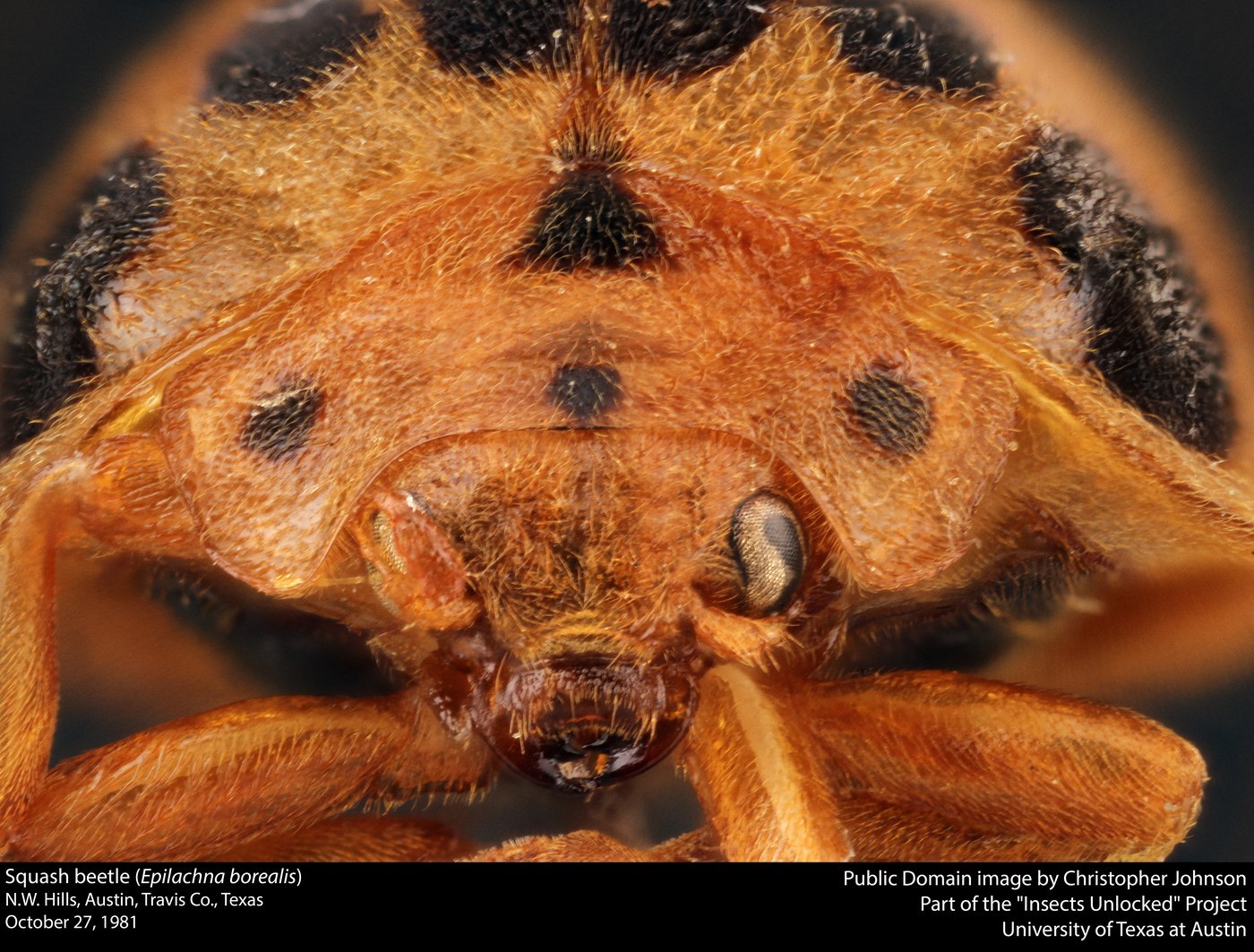
Squash Beetle
Vegetable gardens and fields growing squash, pumpkin, and other cucurbits