
Boxelder Bug (Eastern)
Boisea trivittata
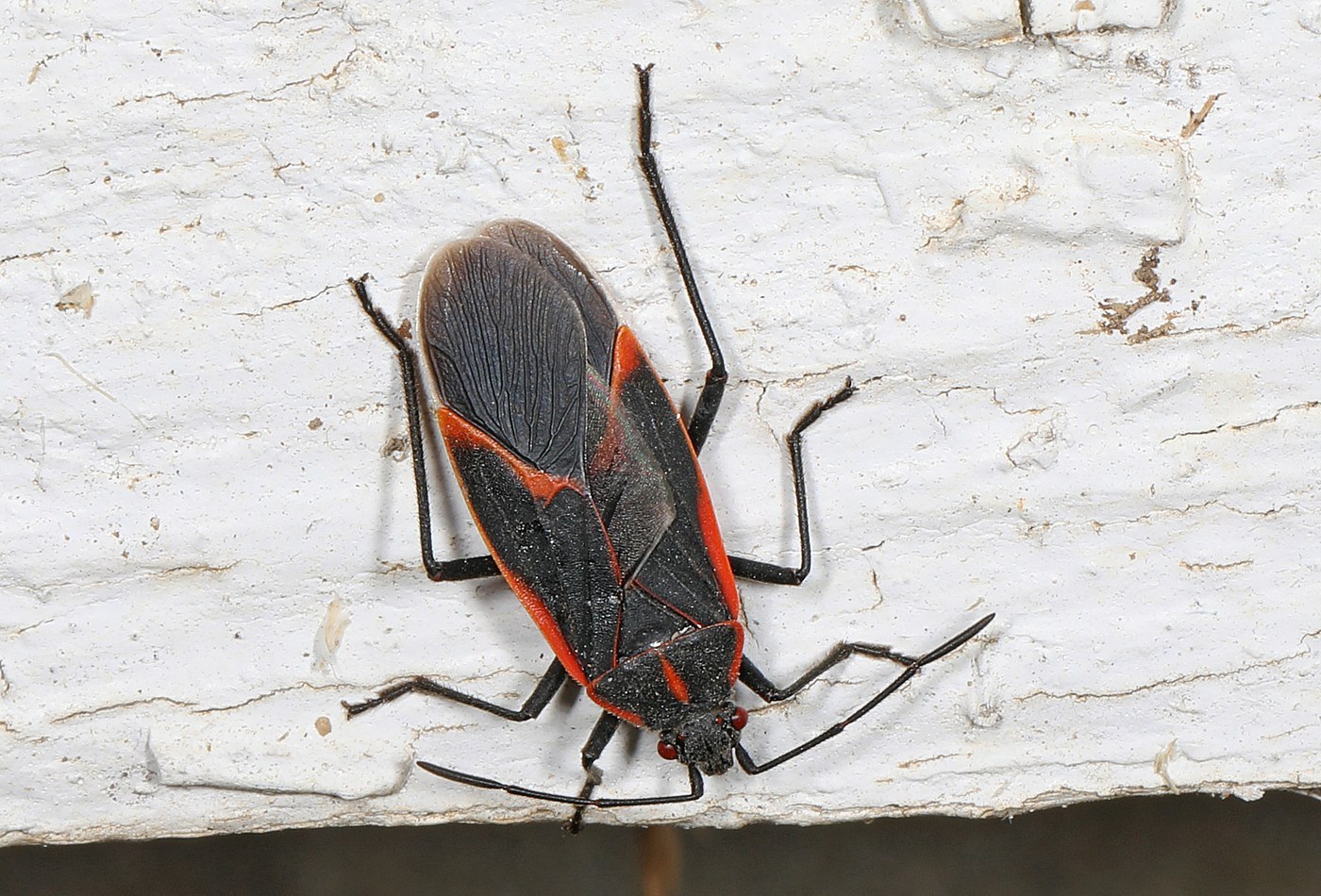
A flat, black true bug boldly trimmed in red-orange lines, famous for massing by the hundreds on sun-warmed walls and tree trunks each autumn.
- Size
- 11–14 mm
- Habitat
- Boxelder, maple, and ash trees; sunny walls and rock surfaces in autumn
- Danger
- Nuisance pest
Spotted a bug like this?
Identify any bug or insect from a photo, free.
Overview
The eastern boxelder bug is a true bug in the family Rhopalidae, closely tied to boxelder trees (Acer negundo) and other maples, on whose seeds it primarily feeds. It is one of the most recognizable seasonal insects across much of eastern and central North America, known less for any ecological impact than for its dramatic autumn congregations.
Adults and nymphs are seed and sap feeders that spend the growing season quietly on host trees, but in fall large aggregations gather on the sun-facing sides of buildings, fences, and rocks as they seek overwintering shelter, sometimes numbering in the hundreds or thousands on a single structure.
While it can be a persistent seasonal nuisance around homes, the boxelder bug does not feed on structures or stored goods and its impact on host trees is generally minor, making it primarily a curiosity of seasonal insect behavior rather than a significant pest of concern to trees.
How to Identify
- Elongated, flattened oval body roughly 11–14 mm long, black overall with three narrow red-orange lines running along the pronotum and wing margins.
- Wings are held flat over the back in an X-like pattern when folded, with red venation visible along the edges.
- Head, legs, and antennae are black; nymphs are wingless and bright red with black legs, becoming darker as they mature.
- Distinguished from the similar red-shouldered bug by the boxelder bug's narrower reddish stripes and its close association with boxelder and other maple trees rather than soapberry-family plants.
- Large fall aggregations on sunny walls are a strong identification clue in themselves.
Habitat & Range
Boxelder bugs are found throughout much of the eastern and central United States and adjacent Canada, wherever boxelder and other maple trees grow, including urban shade trees, woodland edges, and riparian areas.
They are active on host trees from spring through fall, feeding on developing seeds, leaves, and occasionally other plant material. In autumn, adults leave the trees in large numbers to seek overwintering shelter, commonly congregating on the warm south- and west-facing walls of houses, as well as on rocks, tree bark, and leaf litter, before moving into cracks and voids for the winter.
Behavior & Diet
Boxelder bugs feed by piercing seeds, and to a lesser extent leaves and twigs, of boxelder and other maples, using their sucking mouthparts to draw out plant fluids. They are gregarious insects, often found in clusters even outside the fall dispersal period.
Their most conspicuous behavior is the mass gathering on sun-warmed surfaces in autumn, a thermoregulatory and shelter-seeking behavior that precedes overwintering. When handled or crushed they can produce a noticeable odor as a defensive response. They play a minor role in their ecosystem as seed predators of maples and as prey for various birds and predatory insects.
Life Cycle
Development is by incomplete metamorphosis, progressing from egg to several nymphal instars to adult without a pupal stage. Females lay eggs in bark crevices or on host tree foliage in spring, and bright red nymphs hatch and feed through the summer, molting several times before reaching the adult black-and-red form.
There is generally one generation per year in northern parts of the range, with two possible in warmer areas. Adults overwinter in sheltered locations such as bark crevices, leaf litter, or building voids, emerging in spring to mate and restart the cycle on newly leafing host trees.
Frequently asked questions
Why do boxelder bugs cover the side of my house every fall?
They are seeking sheltered overwintering sites and are drawn to the warmth of sun-exposed walls before moving into cracks and crevices to spend the winter.
Do boxelder bugs damage trees?
Their feeding on seeds and occasionally leaves is generally considered minor and rarely causes significant harm to healthy boxelder or maple trees.
How is the eastern boxelder bug different from the red-shouldered bug?
Both are similarly shaped black-and-red true bugs, but the boxelder bug has narrower red stripes and feeds on boxelder and maple trees, while the red-shouldered bug is associated with soapberry-family plants.
Are the red nymphs a different species from the black adults?
No, the bright red, wingless nymphs are simply the immature stage of the same species and gradually darken as they molt toward the black-and-red adult form.
Boxelder Bug (Eastern) guides
In-depth guides for identifying, understanding, and living alongside Boxelder Bug (Eastern).
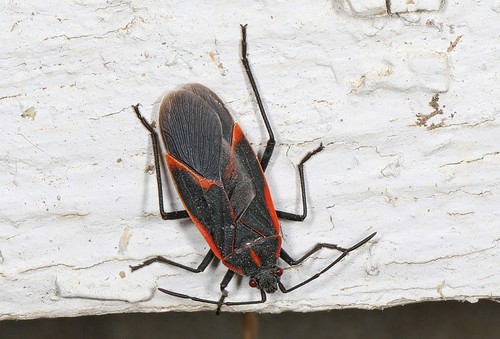
Boxelder Bug (Eastern) identified by the community
Real finds identified with Bug Identifier.
Other bugs you may enjoy
Bagrada Bug
Arid gardens, crucifer fields, desert-adjacent croplands
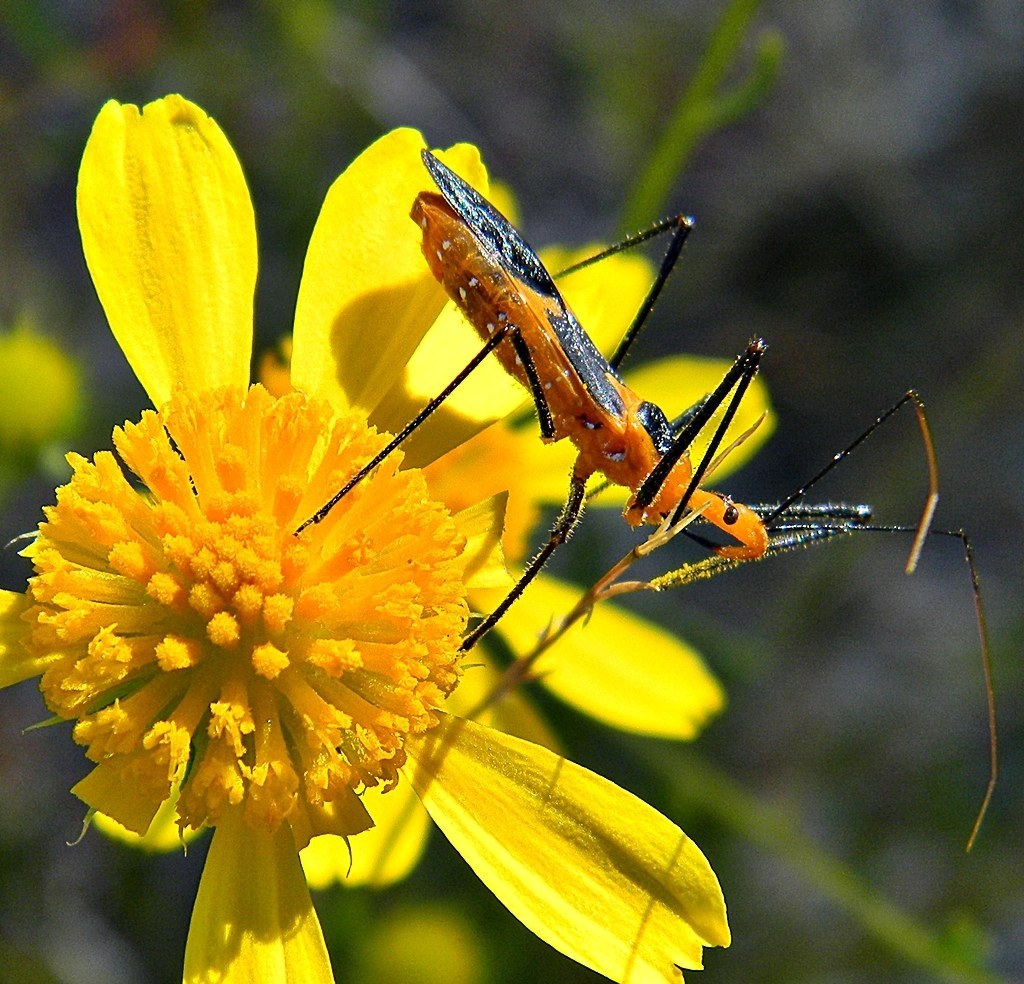
Assassin Bug
Gardens, meadows, and vegetation worldwide
Water Boatman Bug
Ponds, lakes, and slow-moving freshwater
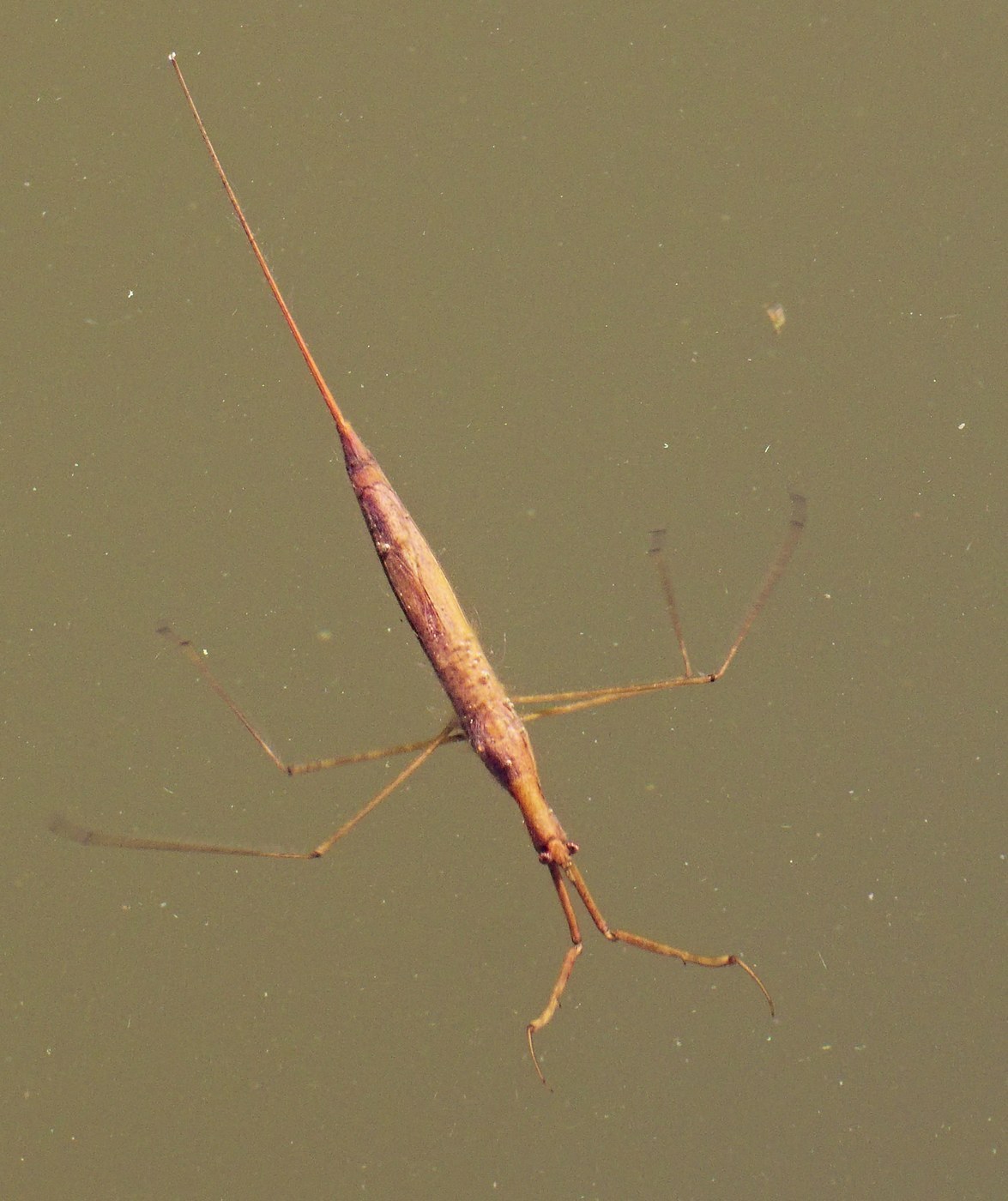
Water Stick Insect
Still and slow-moving water with dense submerged vegetation
Rough Stink Bug
Tree bark, woodlands, orchards, and shrubby vegetation
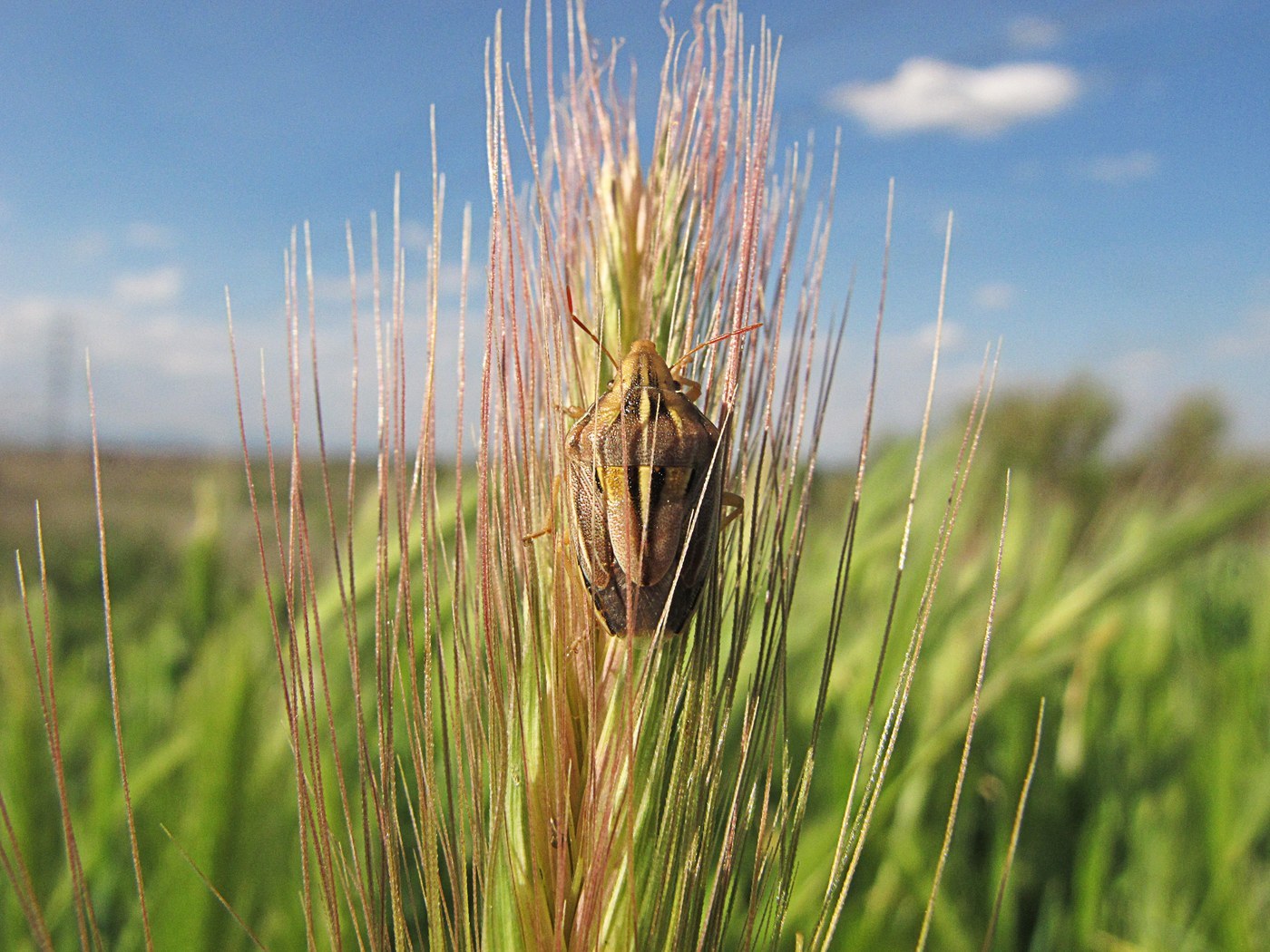
Stink Bug
Gardens, crop fields, and woodlands across temperate and subtropical regions
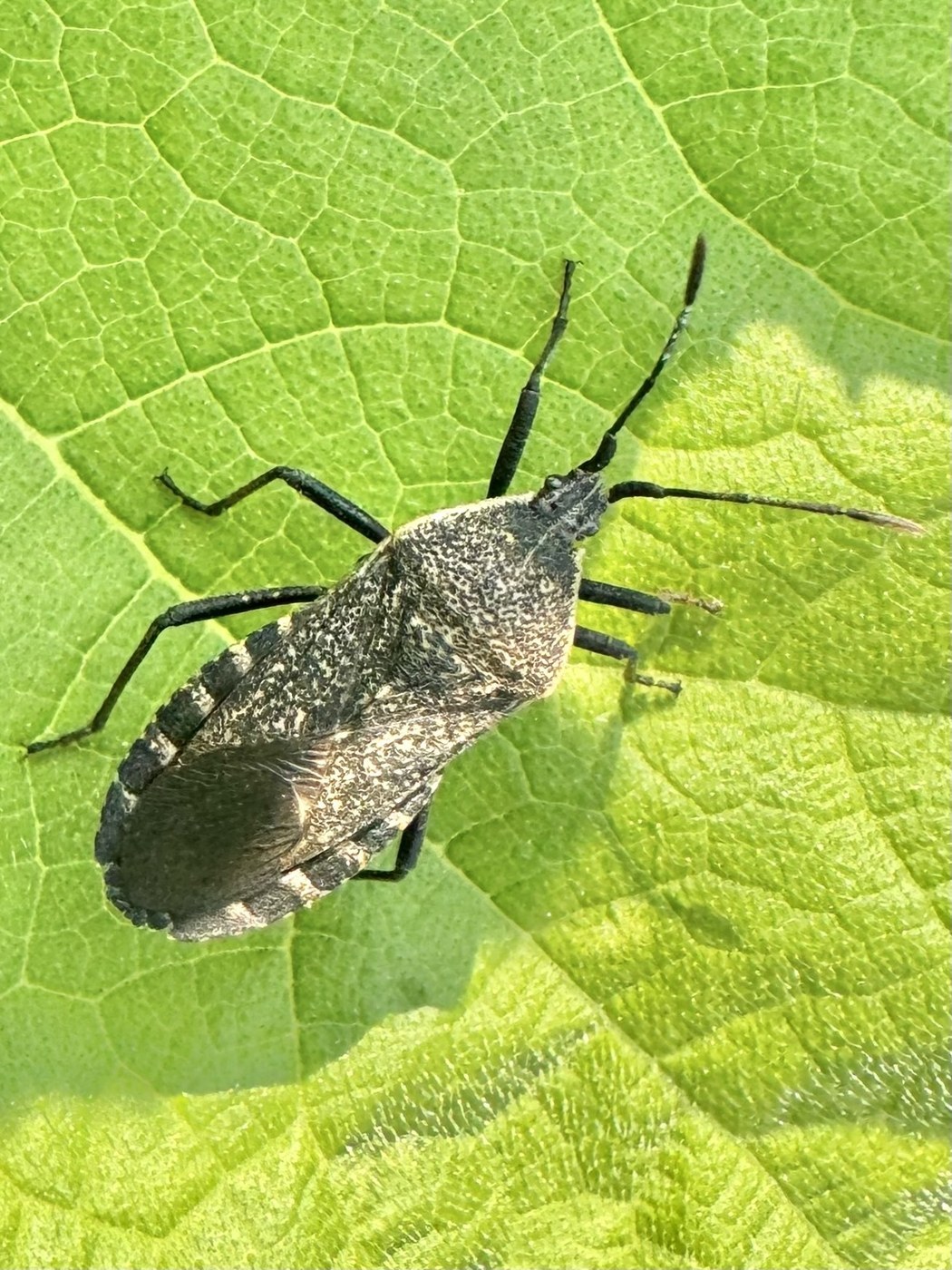
Squash Bug
Vegetable gardens and farm fields growing squash, pumpkin, and other cucurbits
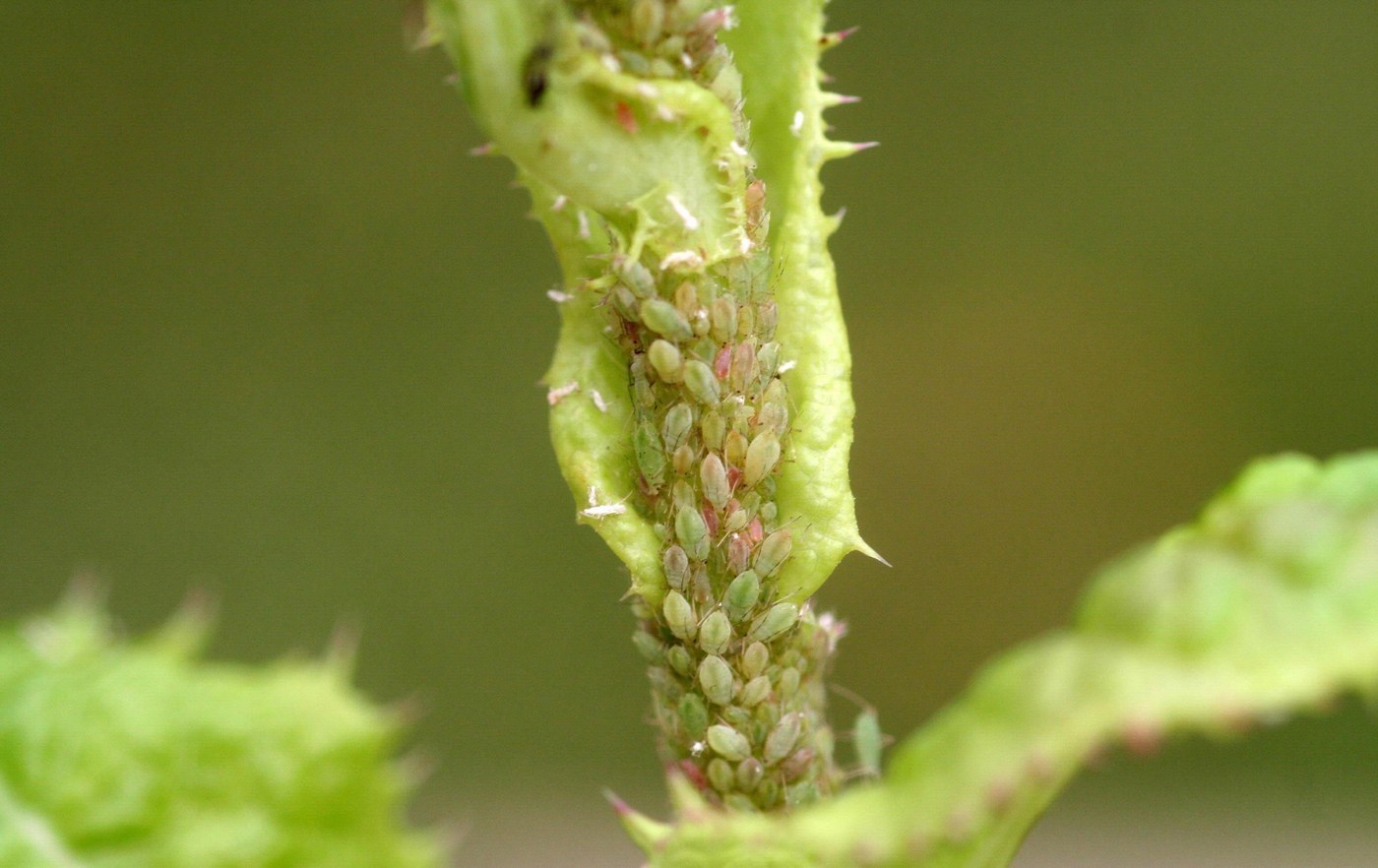
Aphid
On stems, leaves, and buds of a very wide range of host plants
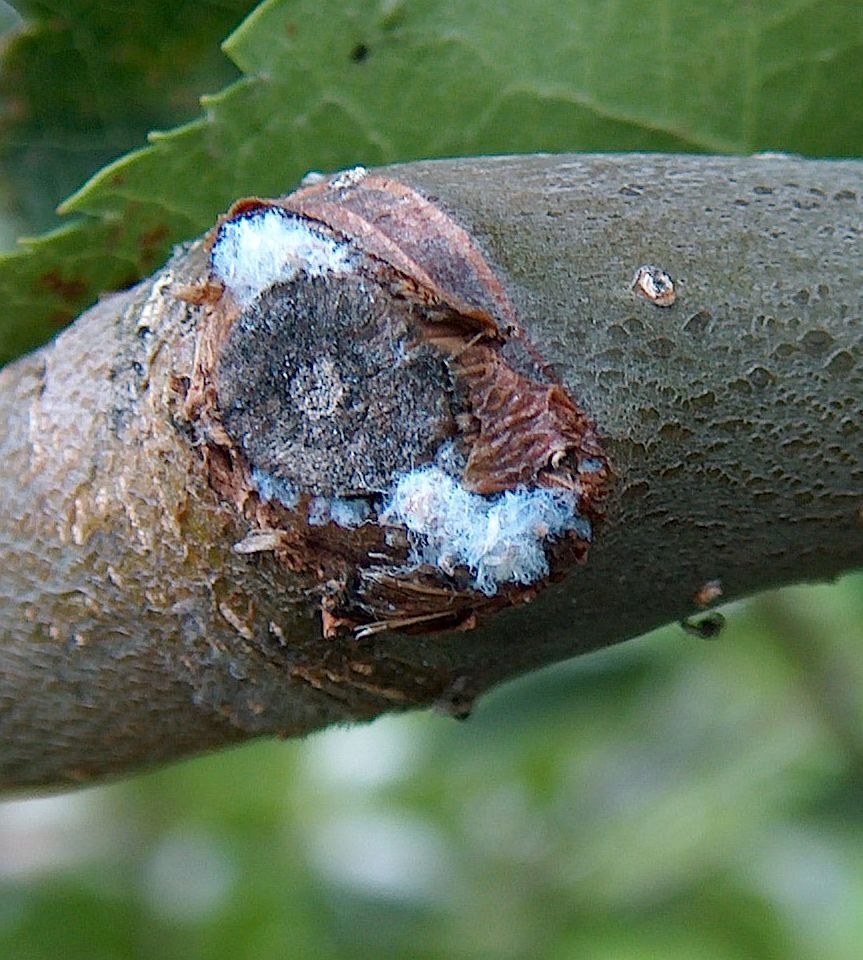
Woolly Aphid
Bark crevices, root collars, and twigs of apple, elm, and alder trees
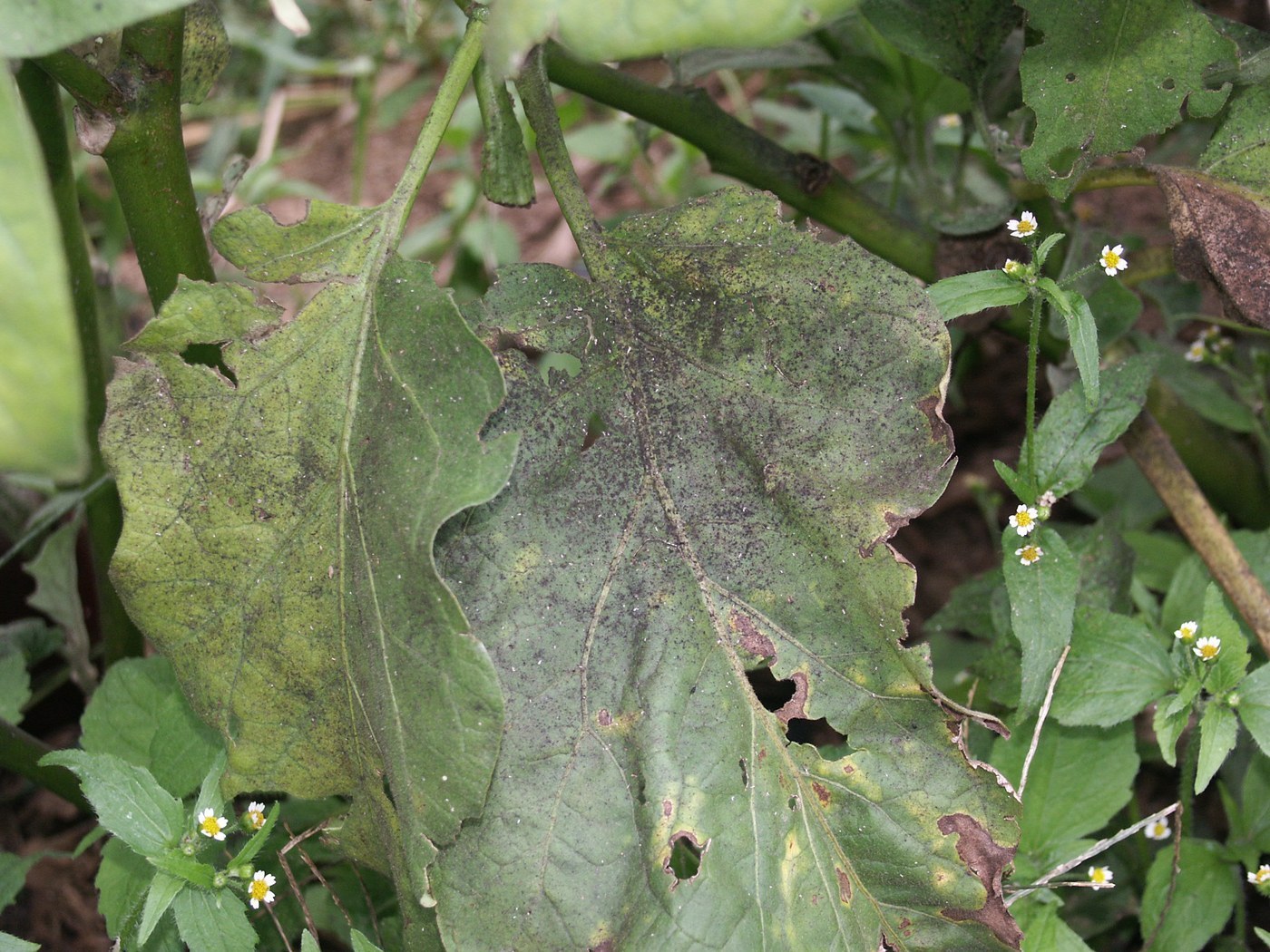
Whitefly
Greenhouses, gardens, and undersides of leaves on host plants
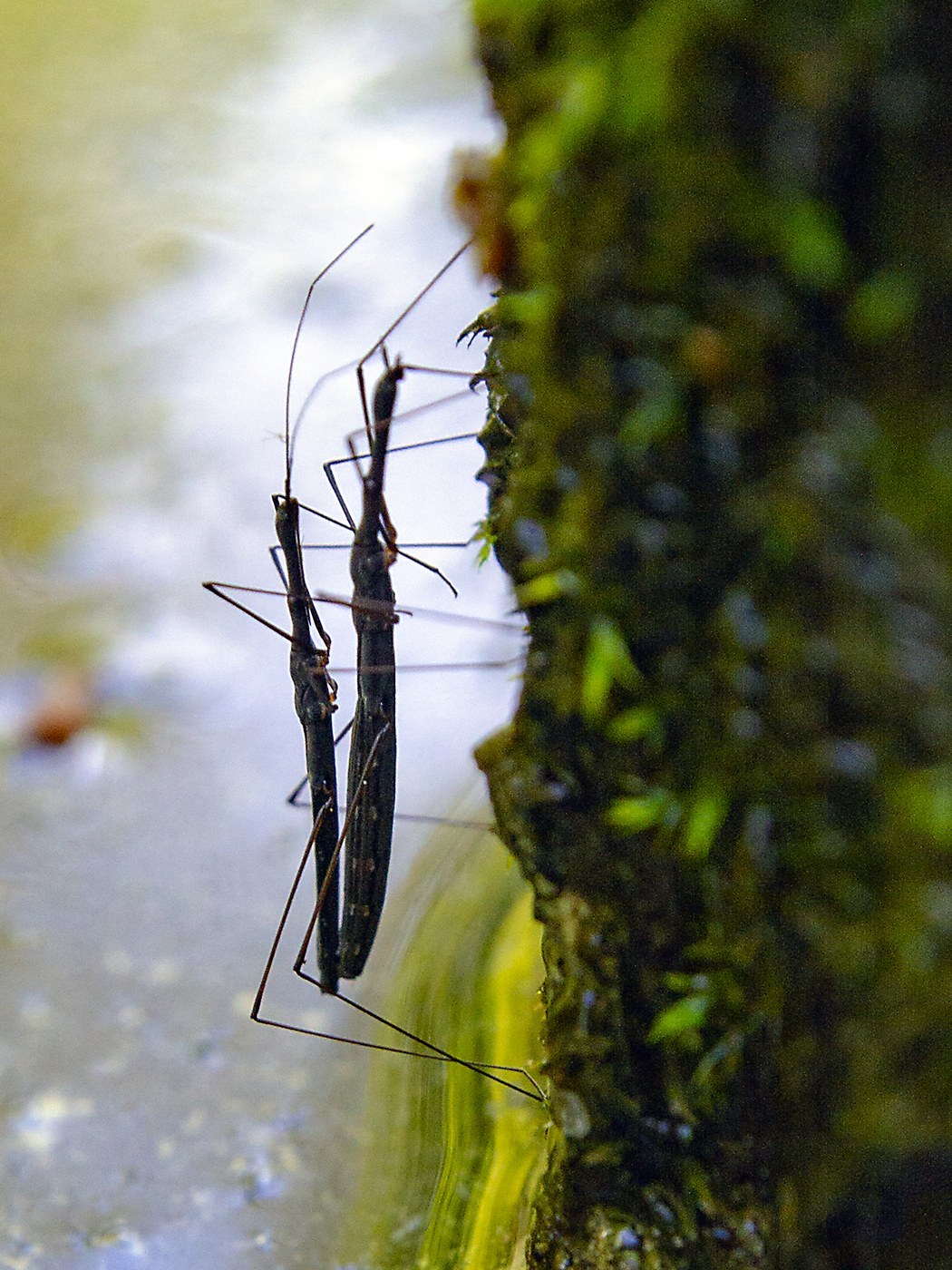
Water Measurer
Quiet edges of ponds, marshes, and slow streams
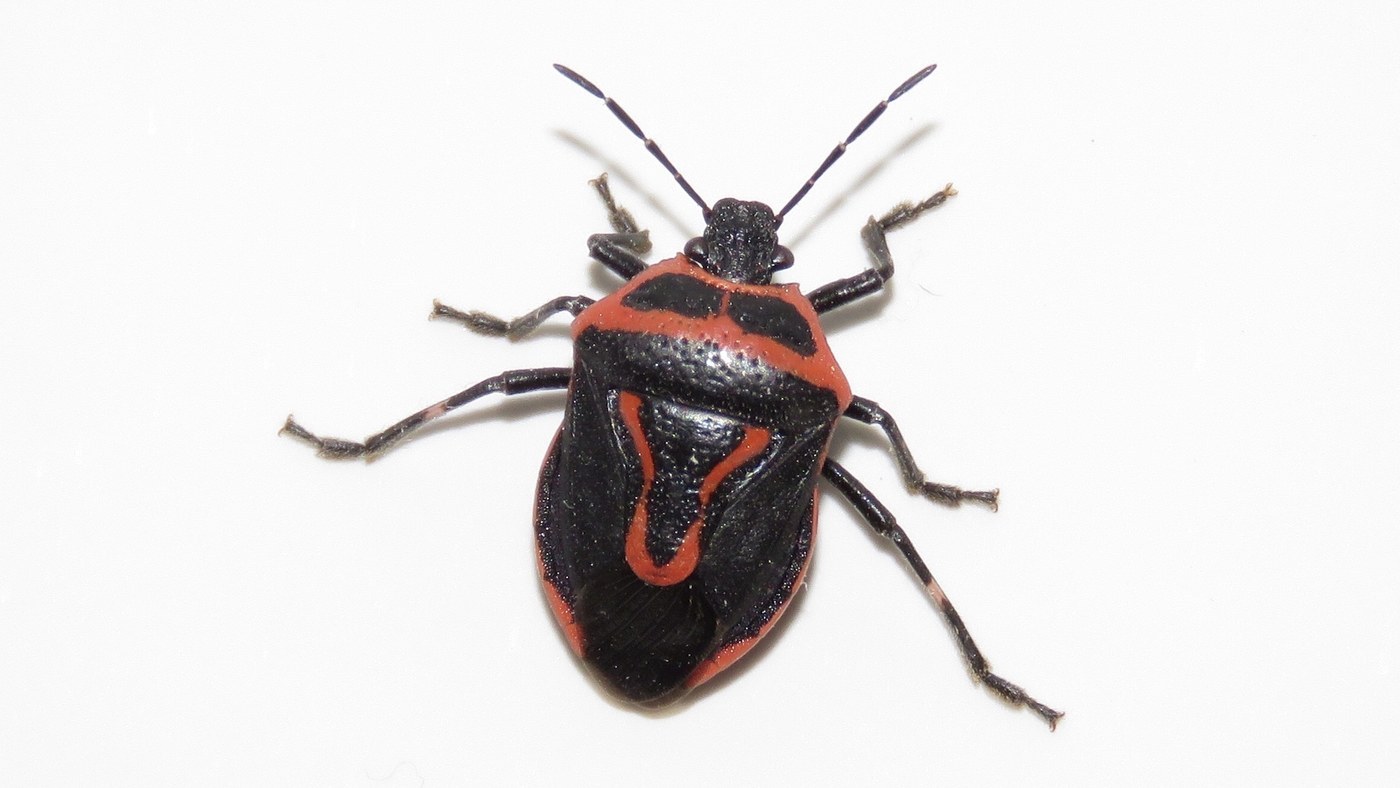
Two-Spotted Stink Bug
Gardens and fields with potato and nightshade-family plants