
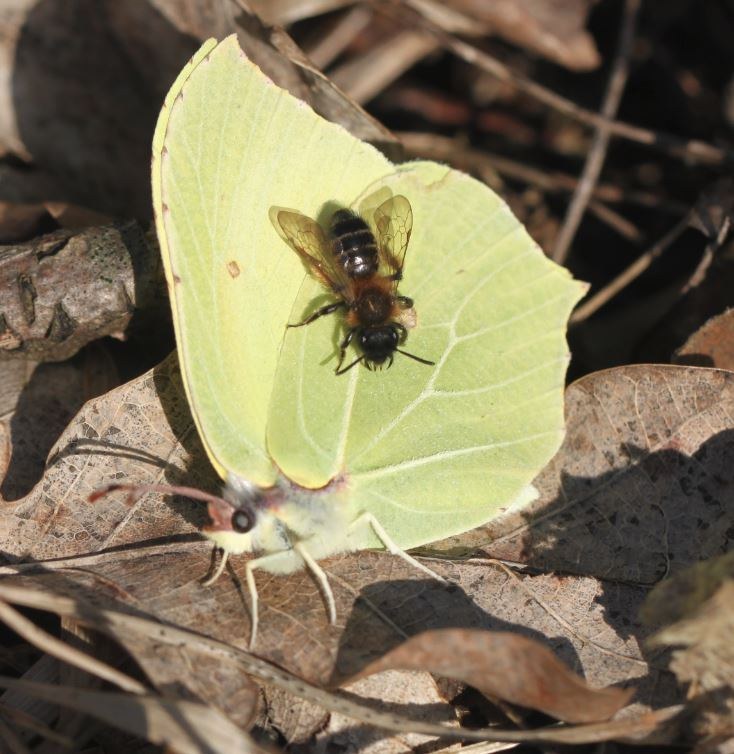
Brimstone Butterfly
Gonepteryx rhamni
A sulphur-yellow, leaf-shaped butterfly whose folded wings mimic a fresh green leaf so convincingly it is often credited as the origin of the word 'butterfly'.
- Size
- 2.2–2.6 in wingspan
- Habitat
- Woodland edges, hedgerows, scrub, gardens
- Danger
- Harmless
Spotted a bug like this?
Identify any bug or insect from a photo, free.
Overview
The Brimstone is a large member of the family Pieridae (whites and sulphurs), widespread across Europe, North Africa, and temperate Asia. Its angular, leaf-mimicking wing shape and bold yellow coloring in males make it one of the most recognizable early-season butterflies in its range.
Brimstones are notable for being among the longest-lived adult butterflies in temperate climates, with individuals surviving up to a year by overwintering as adults hidden in evergreen foliage such as ivy or holly. This long adult lifespan means the same individual butterfly may be seen flying in both autumn and the following spring.
As an early spring flier, the Brimstone is closely tied to the availability of its larval host plants, buckthorn and alder buckthorn, which restrict its distribution to areas where these shrubs grow.
How to Identify
- Wings are distinctively angular with a pointed tip and a small central spot on each wing, giving a leaf-like silhouette when closed.
- Males are bright sulphur-yellow above; females are much paler, almost greenish-white, sometimes causing confusion with Large White butterflies at a glance.
- Underwings are a muted yellow-green with prominent veining, resembling a leaf when the butterfly rests with wings closed.
- No black wingtip markings, distinguishing it from true 'white' butterflies of the genus Pieris.
- Antennae are clubbed and pinkish; body is slender and hairy.
Habitat & Range
Found across most of Europe, North Africa, and into temperate Asia, the Brimstone favors woodland rides, hedgerows, scrubby grassland, and gardens with nectar sources. It is one of the first butterflies seen in early spring after overwintering as an adult and remains active into autumn before entering hibernation again.
Its distribution is closely tied to the presence of buckthorn (Rhamnus cathartica) and alder buckthorn (Frangula alnus), the sole larval food plants, which grow in hedgerows, scrub, and calcareous or damp woodland.
Behavior & Diet
Adults feed on nectar from a wide range of flowers, showing a preference for purple and blue blooms such as thistles, knapweed, and buddleia. Males patrol territories along woodland edges and hedgerows in search of females, flying with a distinctive strong, gliding flight low over vegetation.
Brimstones overwinter as adults, tucking themselves into dense evergreen cover such as ivy, bramble, or holly, where their leaf-like wing shape and coloring provide effective camouflage against predators during the dormant months.
Life Cycle
Eggs are laid singly on the underside of young buckthorn leaves and hatch into pale green caterpillars that feed and rest along the leaf midrib, blending in closely with the foliage. After several molts, the caterpillar pupates in a leaf-shaped chrysalis suspended from a stem.
The species is univoltine (one generation per year) in most of its range, with adults emerging in mid-to-late summer, feeding to build fat reserves, then entering hibernation as adults through winter before re-emerging to breed the following spring.
Frequently asked questions
Why is the Brimstone linked to the word 'butterfly'?
Its buttery-yellow male coloring is widely cited by etymologists as a likely inspiration for the English word 'butterfly'.
How can I tell a male from a female Brimstone?
Males are a rich sulphur-yellow, while females are much paler, appearing almost white with a faint greenish tint.
Why do I see Brimstones so early in spring?
Unlike most butterflies, Brimstones overwinter as adults rather than as eggs or pupae, so they emerge from hibernation as soon as warm days arrive.
What plant should I look for to find its caterpillars?
Look on buckthorn or alder buckthorn shrubs, the only plants the caterpillars feed on.
Brimstone Butterfly guides
In-depth guides for identifying, understanding, and living alongside Brimstone Butterfly.
Other bugs you may enjoy
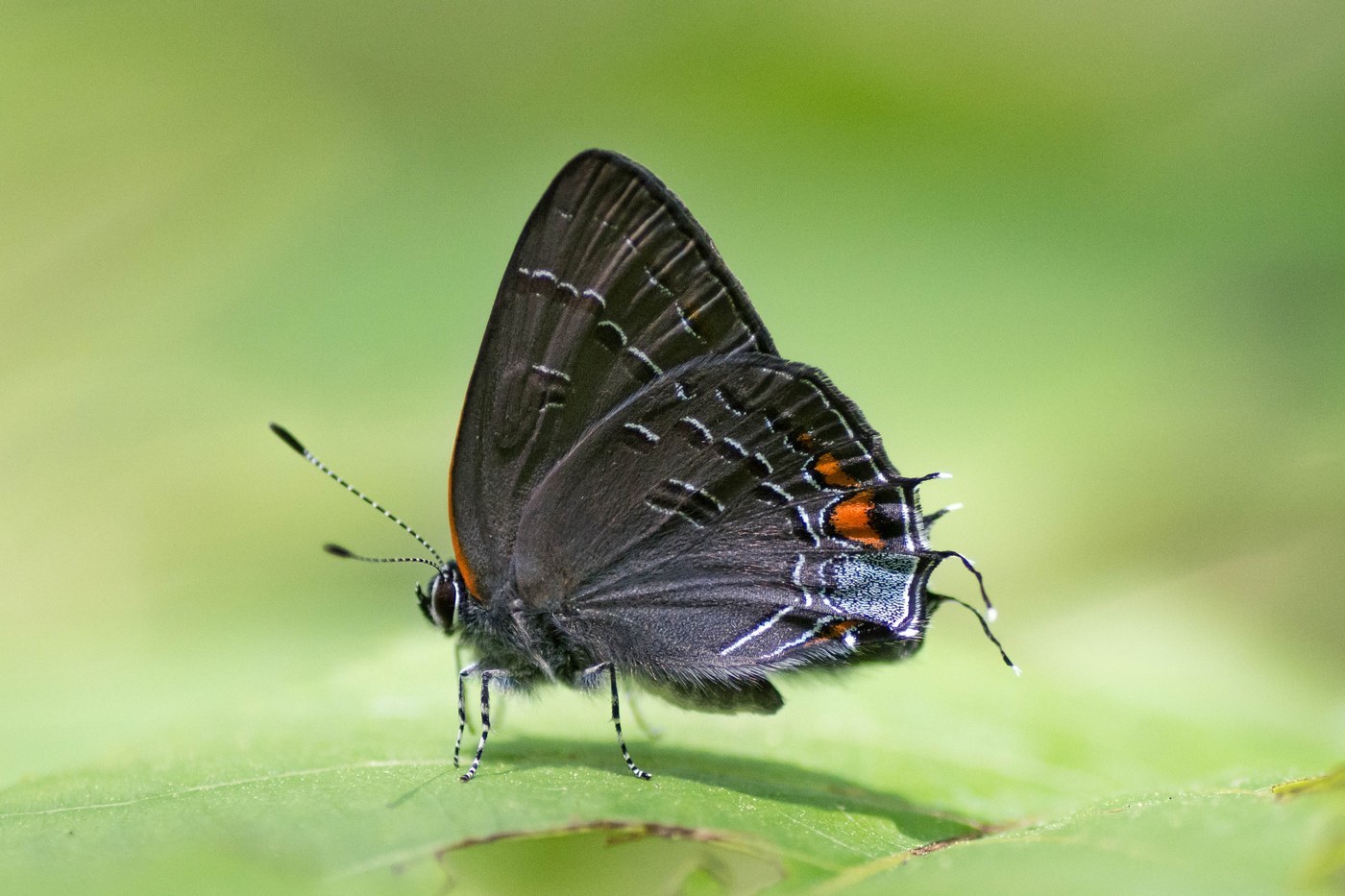
Banded Hairstreak
Deciduous woodlands and edges with oaks and hickories
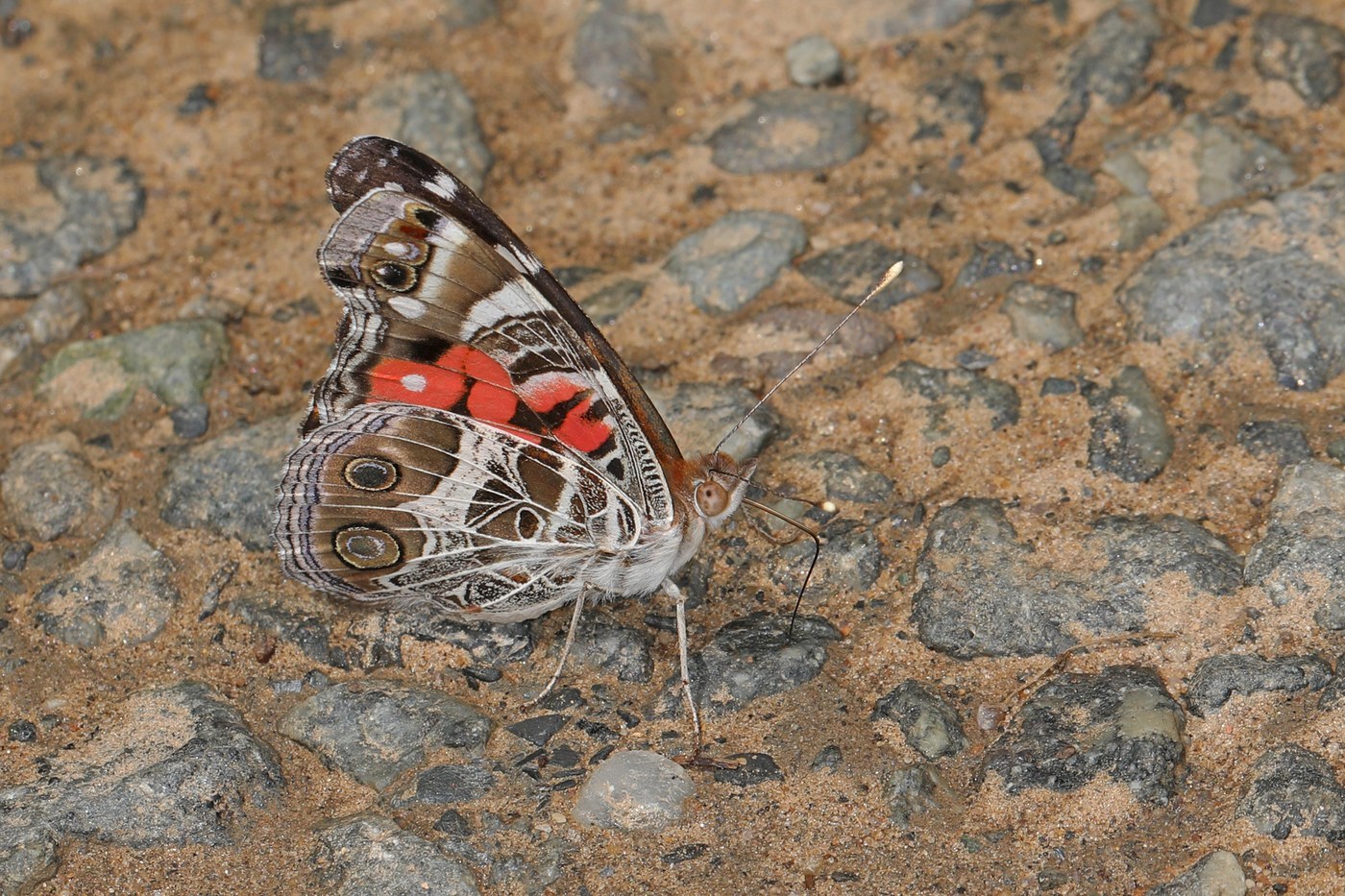
American Lady
Open fields, meadows, gardens, roadsides
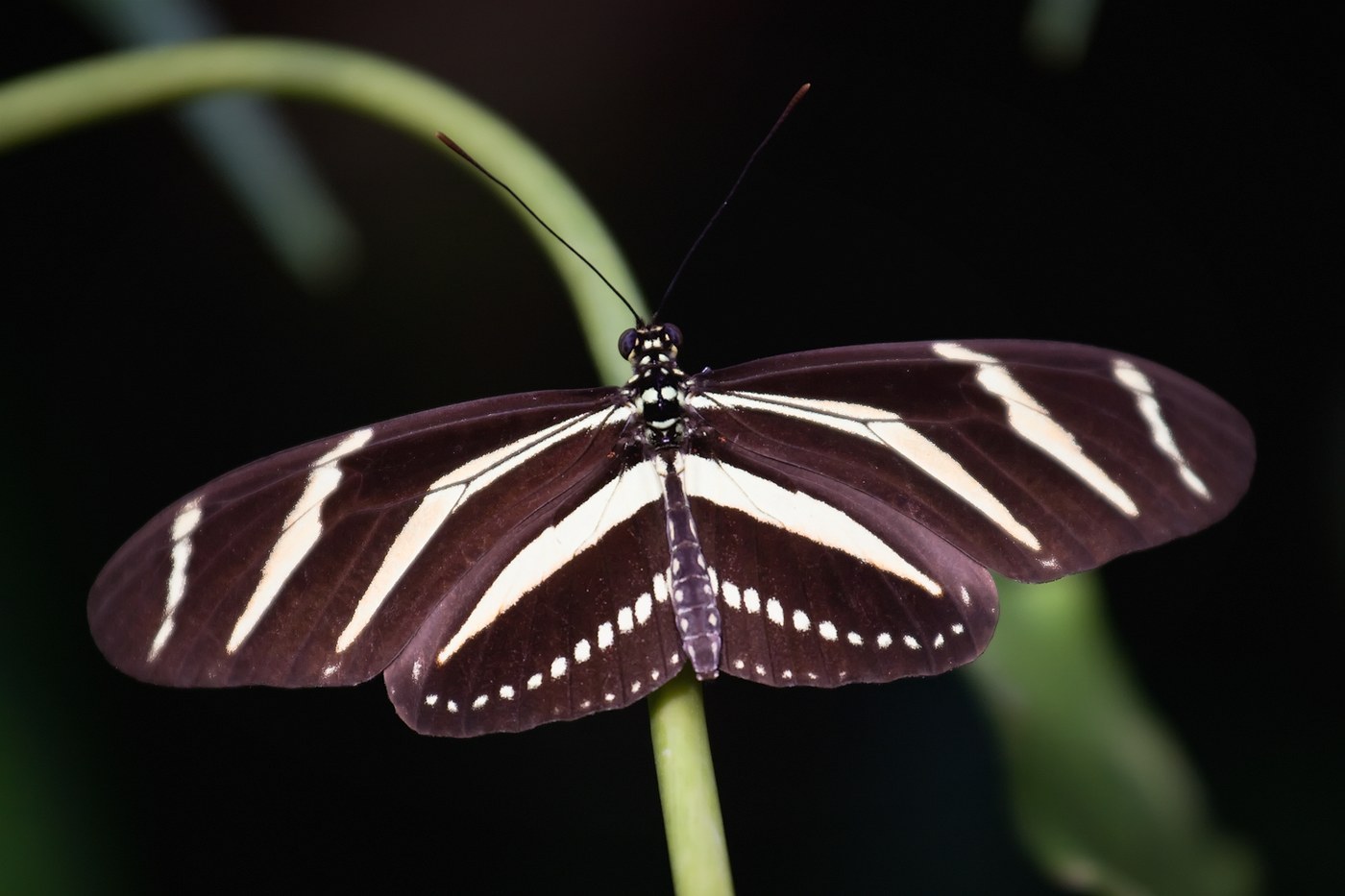
Zebra Longwing
Tropical hammocks, gardens, forest edges
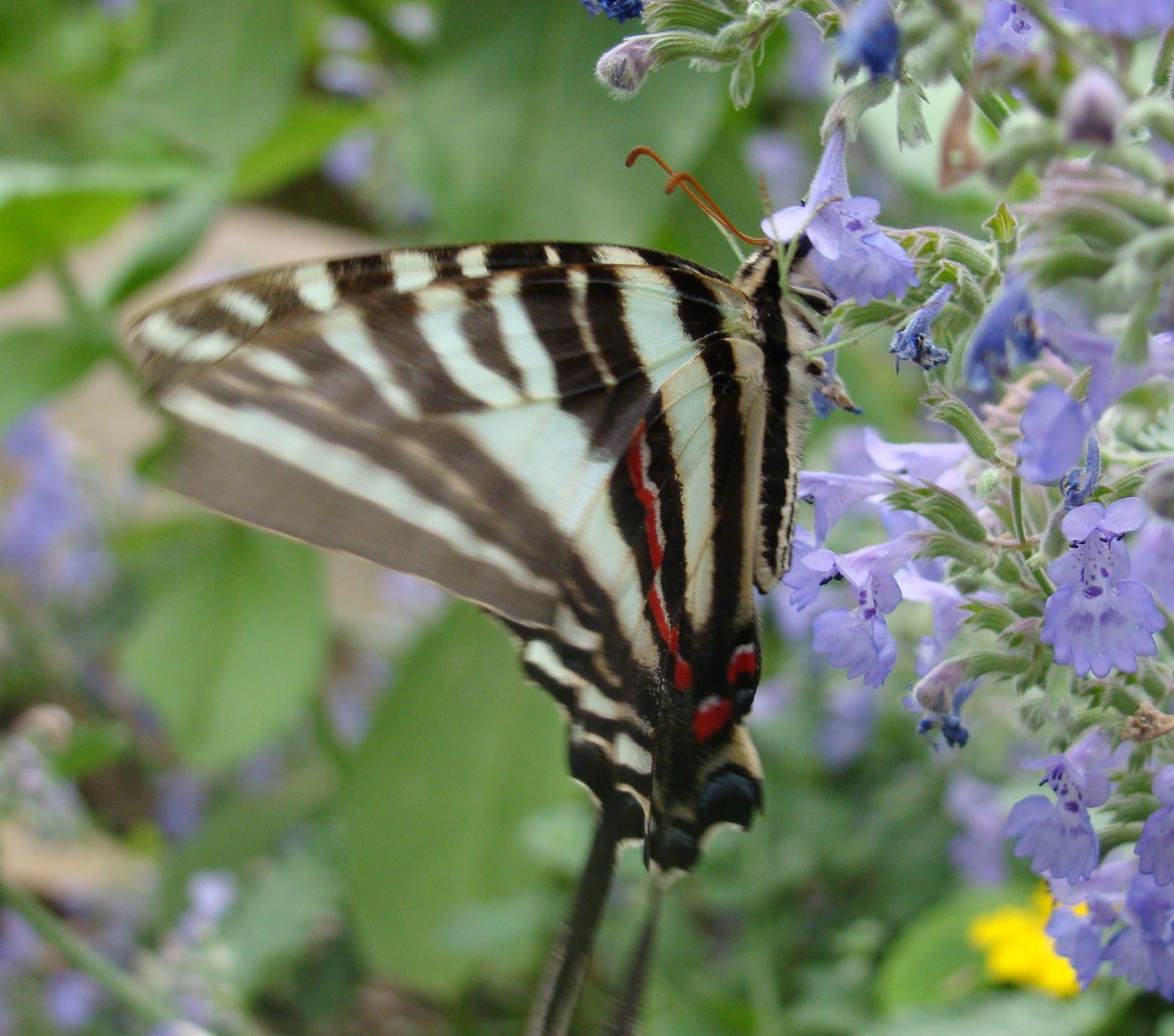
Zebra Swallowtail
Woodlands, floodplains, forest edges near pawpaw
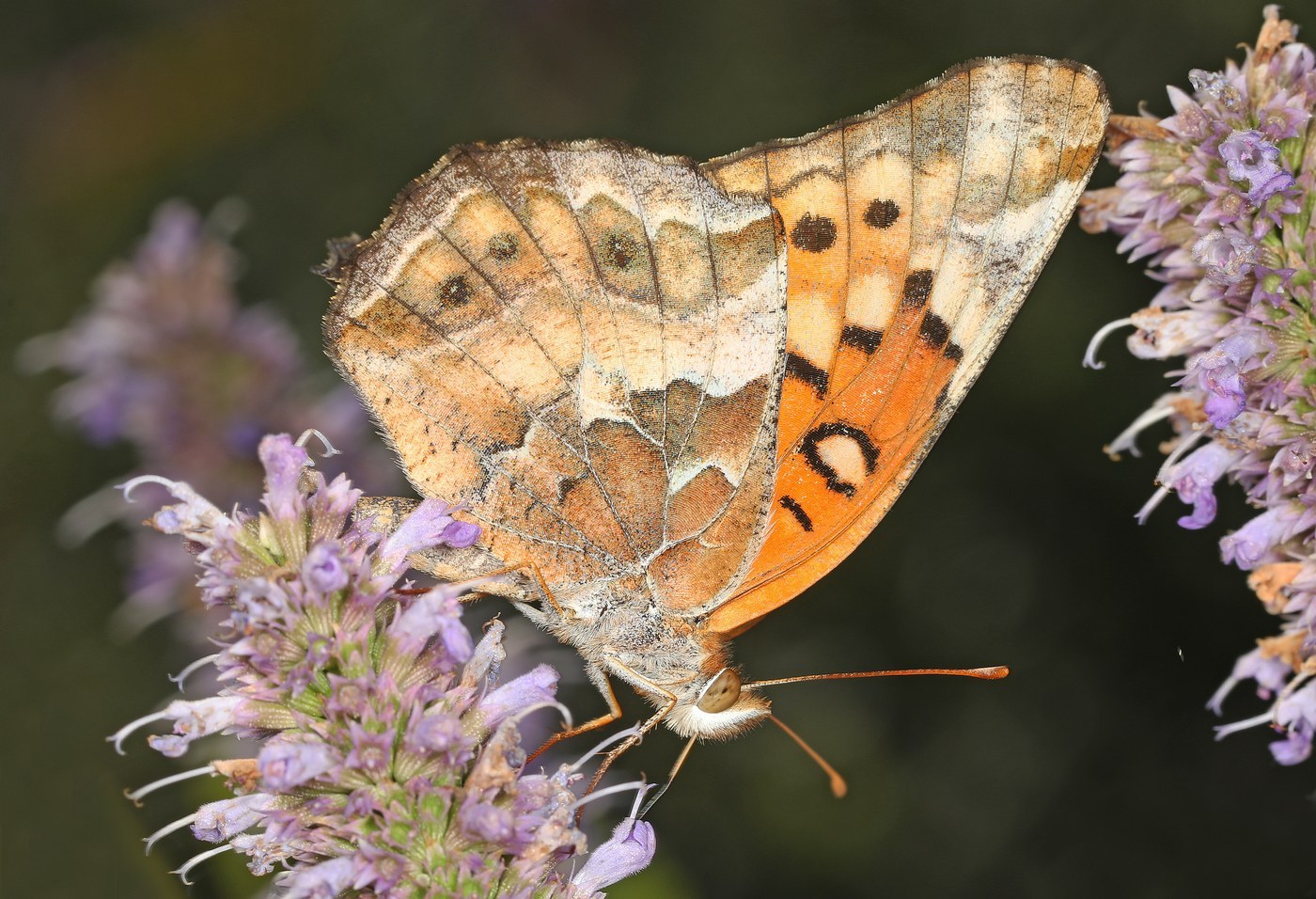
Variegated Fritillary
Open fields, prairies, roadsides, and disturbed ground across most of the United States
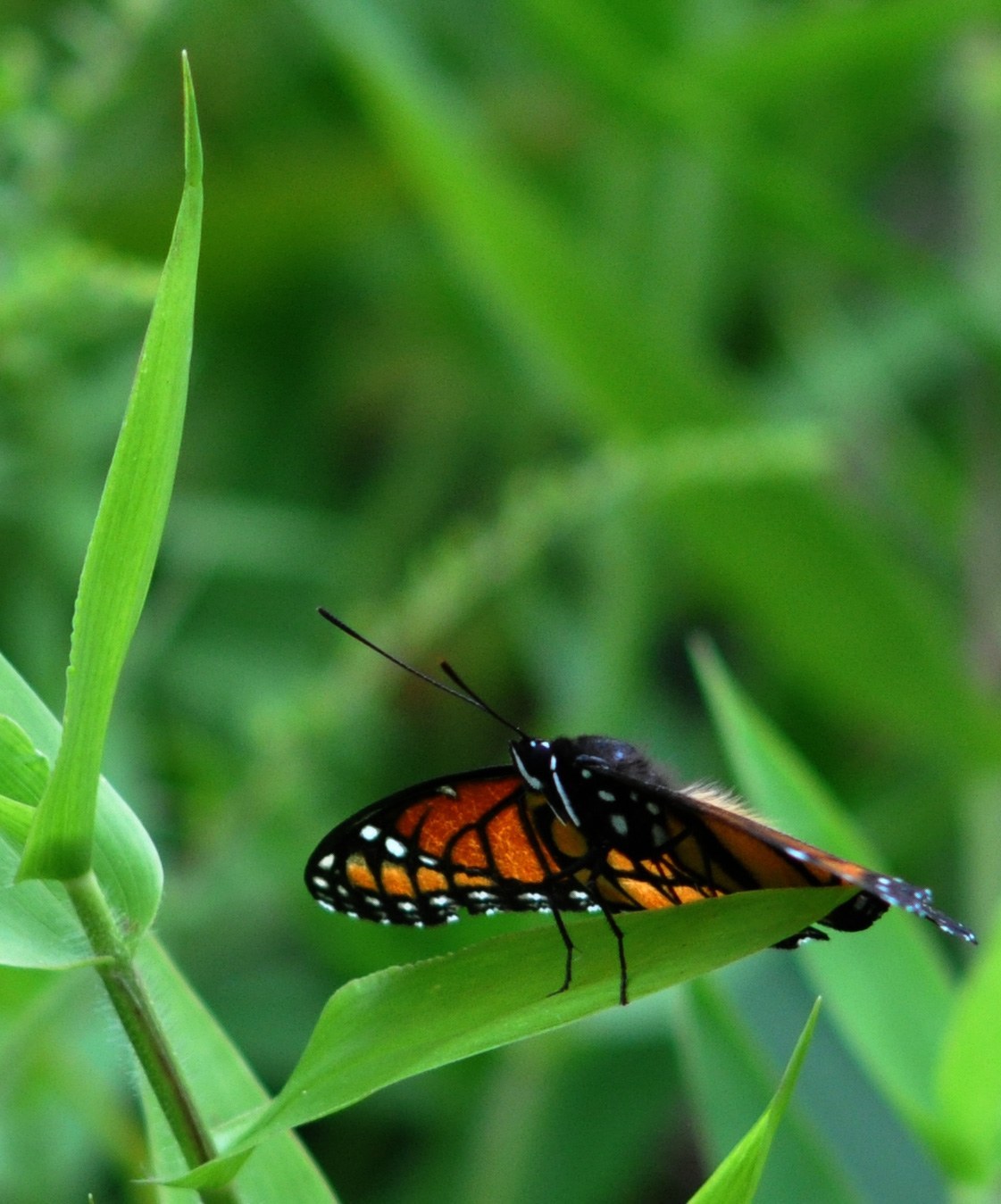
Viceroy Butterfly
Wetlands, meadows, riverbanks, willow thickets (North America)
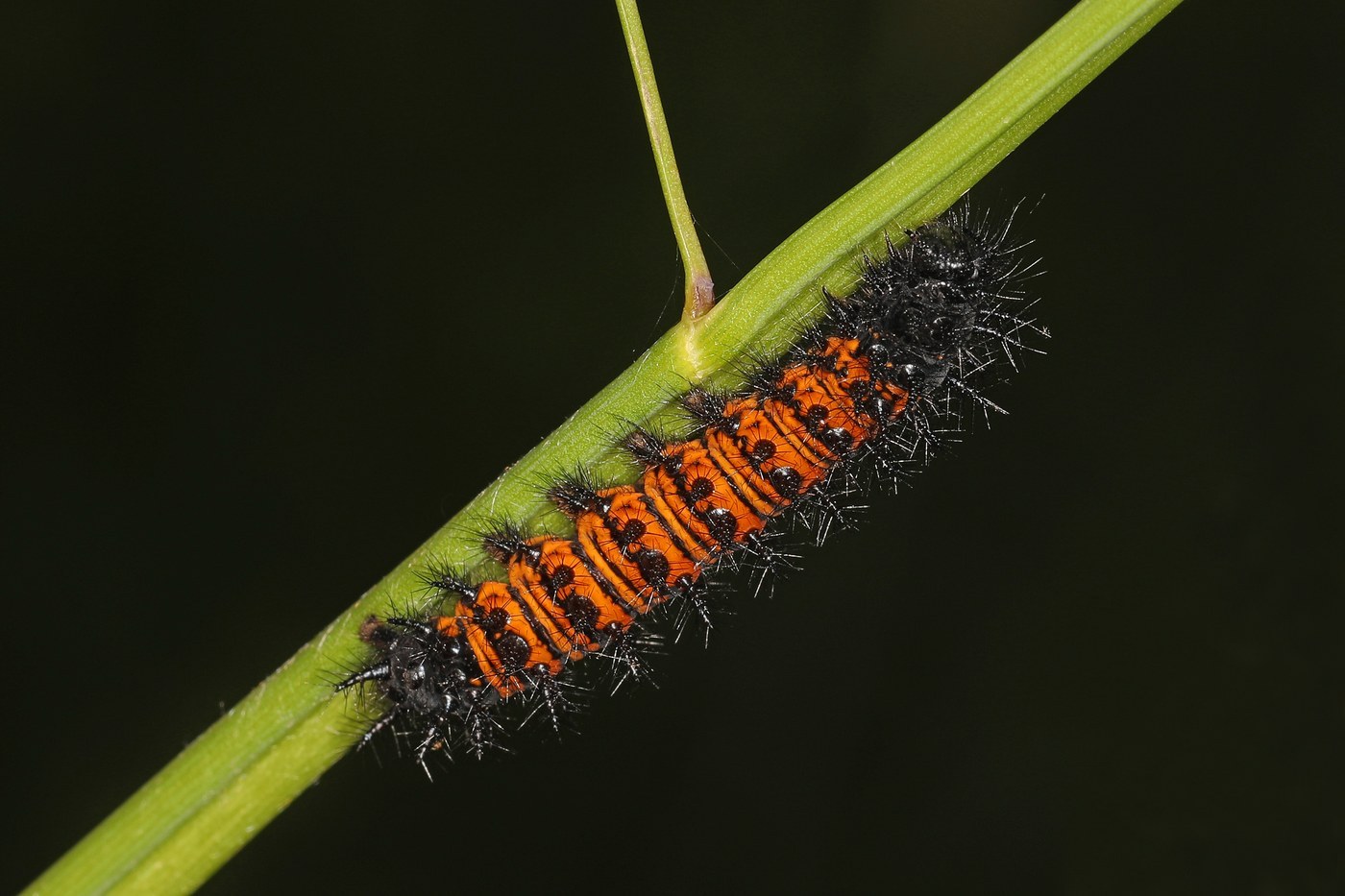
Baltimore Checkerspot
Wet meadows, bogs, and marshy fields in the northeastern and Appalachian US
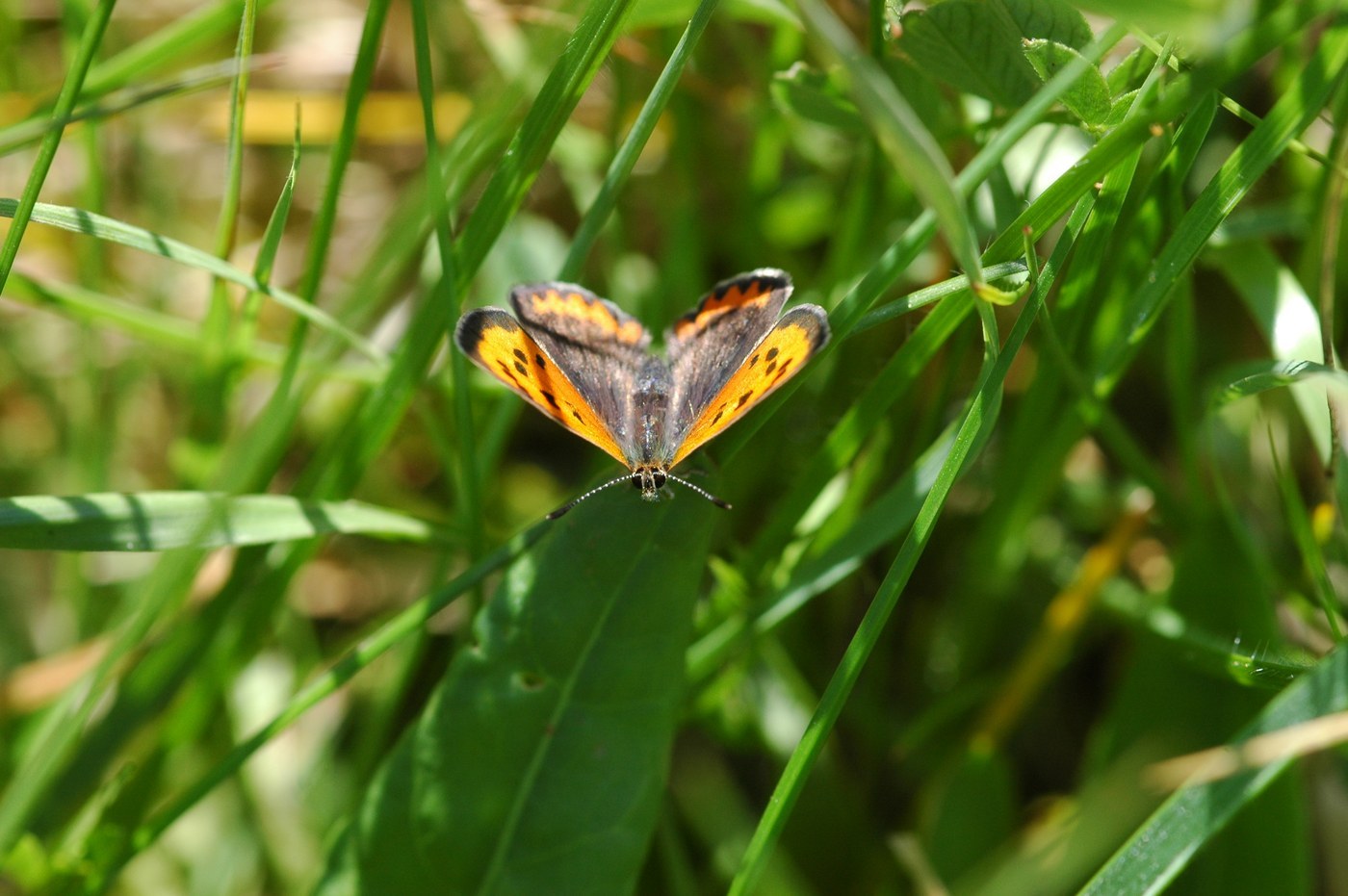
American Copper
Old fields, roadsides, and disturbed open ground with sorrel or dock
West Virginia White
Rich deciduous forest floors, especially near seeps and streams
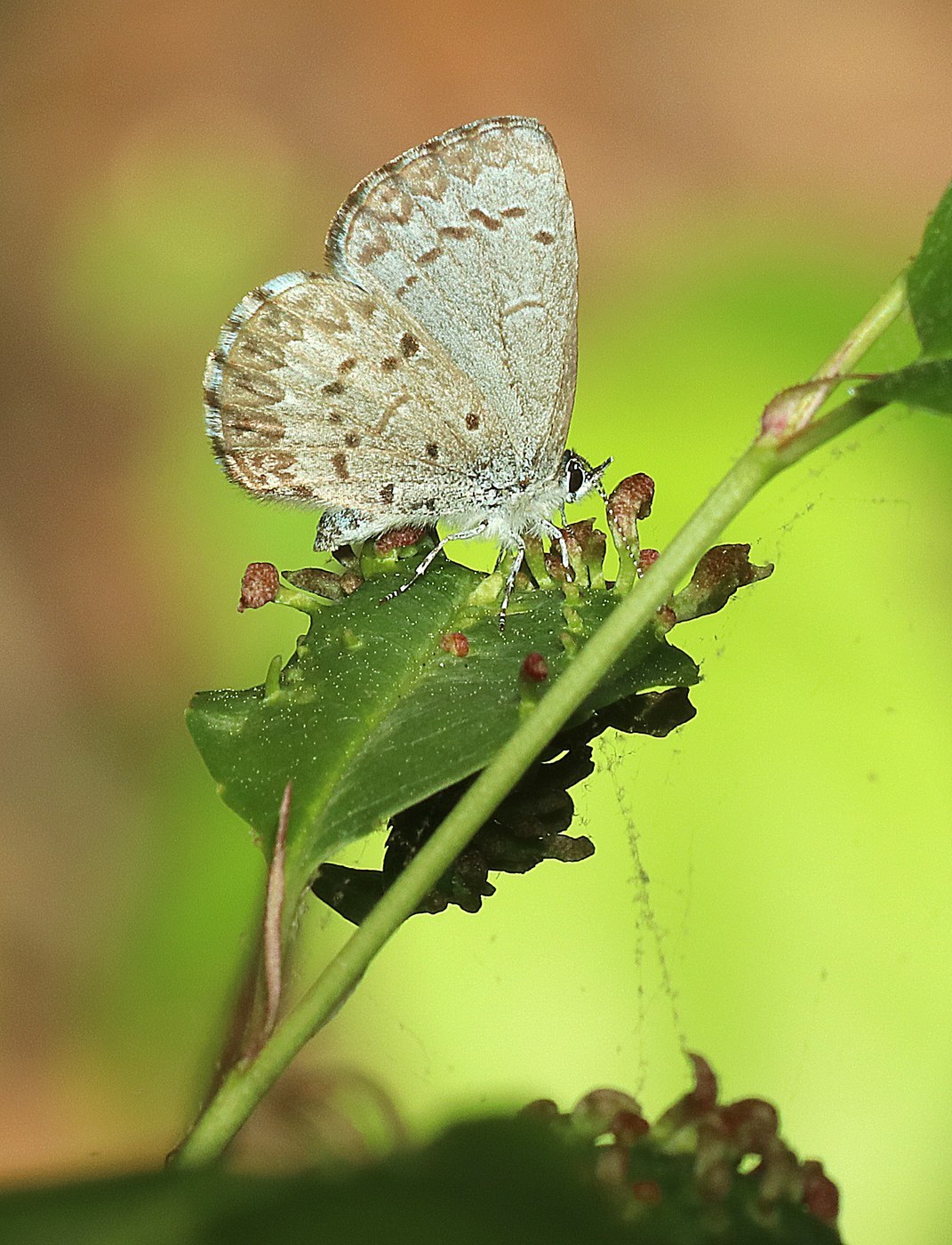
Spring Azure
Woodland edges, gardens, shrubby clearings
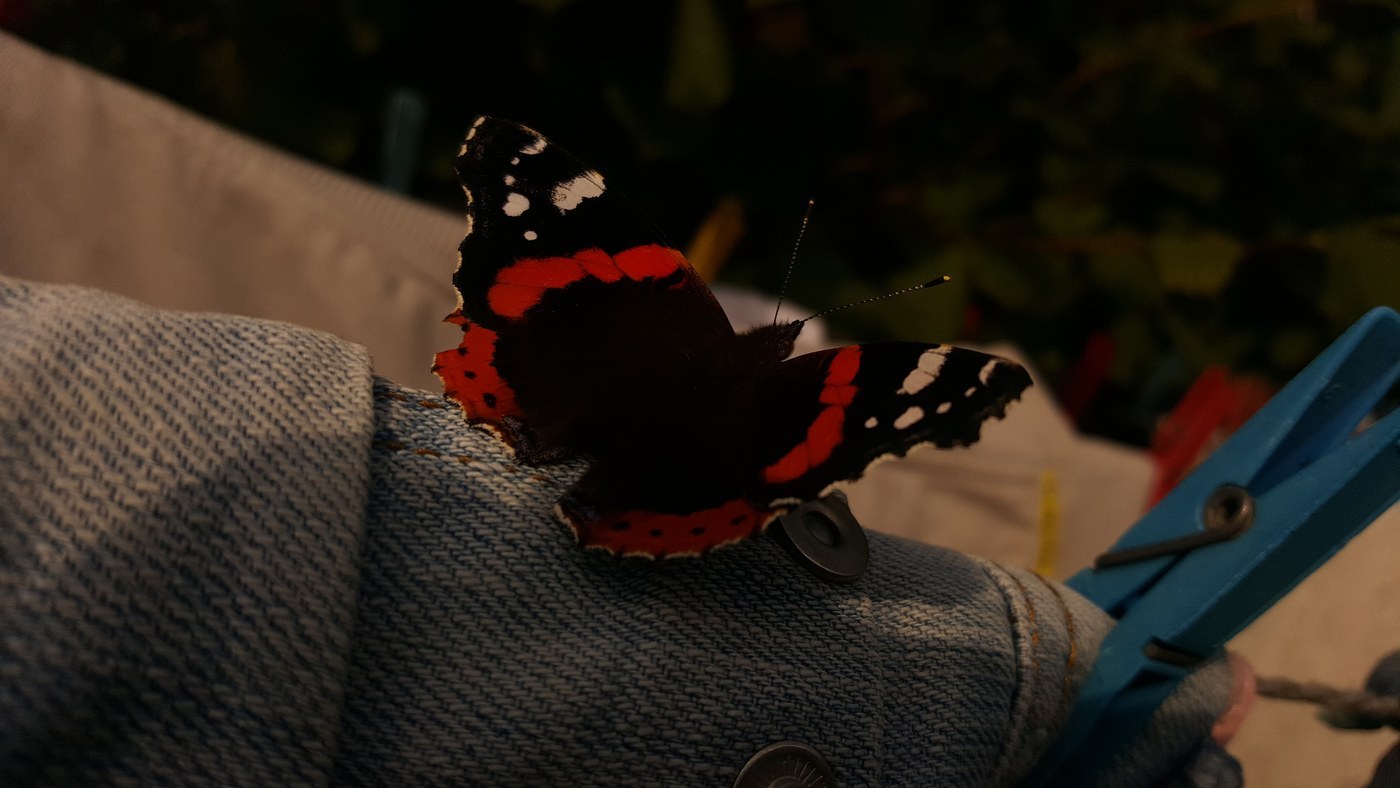
Red Admiral
Gardens, woodland edges, parks, meadows
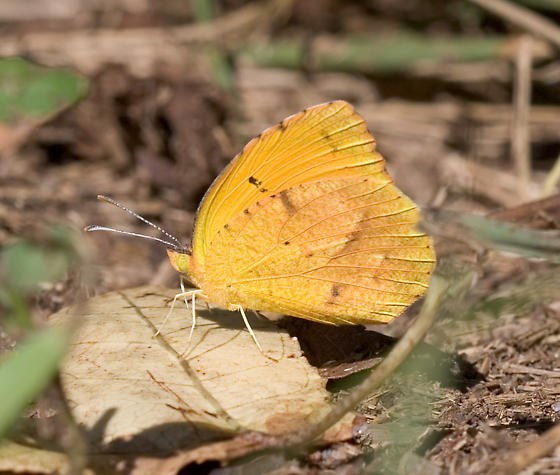
Sleepy Orange
Open woodland, fields, roadsides, and disturbed ground