
Buff-tip Moth
Phalera bucephala
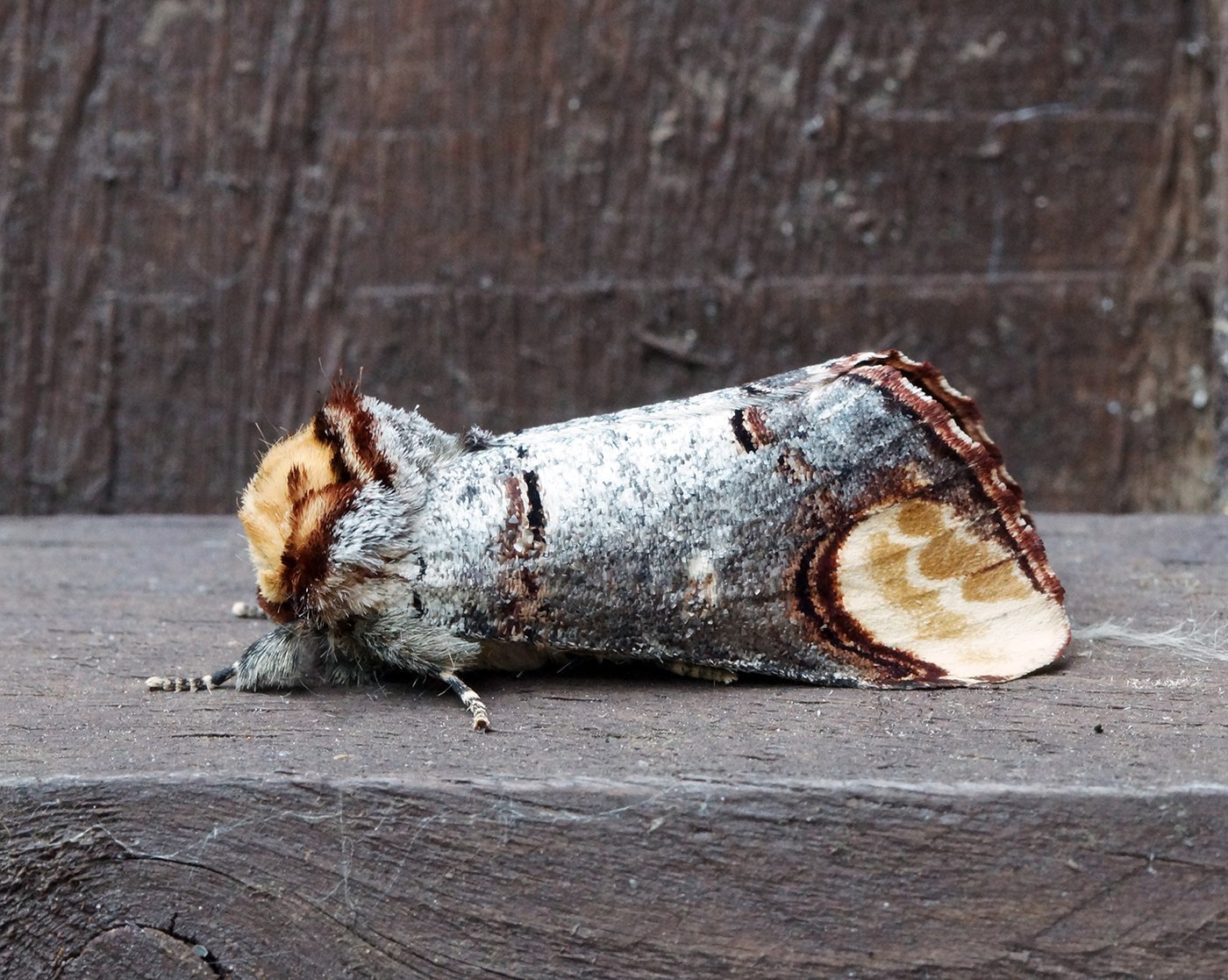
A moth so convincingly disguised as a broken birch twig that it is often overlooked entirely, with silvery-gray wings and pale buff patches at the tip and base that complete the illusion of snapped, weathered wood.
- Size
- 2–2.6 in wingspan
- Habitat
- Deciduous woodlands, gardens, hedgerows
- Danger
- Harmless
Spotted a bug like this?
Identify any bug or insect from a photo, free.
Overview
The buff-tip moth is a member of the prominent moth family Notodontidae, found widely across Europe and temperate parts of Asia. It is one of the most celebrated examples of insect camouflage in the moth world, with a resting posture and wing pattern that together create a near-perfect imitation of a broken twig of silver birch.
At rest, the moth rolls its wings around its body into a cylindrical shape, with pale buff patches at both the head end and the wingtips resembling the pale, freshly broken ends of a snapped twig, while the silvery-gray mottled body in between mimics weathered bark. This combination of shape, posture, and coloration makes the resting moth exceptionally difficult to spot on tree branches or woodland litter.
The species is a well-known subject in discussions of cryptic camouflage and is commonly encountered by moth recorders and gardeners alike, with its caterpillars also being a familiar and easily recognized late-summer sight on deciduous trees.
How to Identify
- At rest, wings are rolled tightly around the body, forming a smooth cylindrical shape resembling a broken twig.
- Wings are silvery-gray with fine mottling along the central portion, bordered by pale buff-cream patches at the wingtips and near the head.
- Wingspan roughly 5–6.5 cm; body robust and furry, adding to the twig-like bulk.
- Antennae are feathery, especially in males, though usually concealed at rest.
- Distinguished from other camouflaged moths by its unmistakable rolled, cylindrical resting posture and the pale buff "snapped" ends.
Habitat & Range
Widespread across the United Kingdom, continental Europe, and temperate Asia, inhabiting deciduous woodlands, hedgerows, parks, and gardens wherever host trees such as birch, oak, lime, and hazel grow. Adults fly at night from late spring into midsummer, while caterpillars are most conspicuous in late summer.
Behavior & Diet
Adults are nocturnal and rely almost entirely on camouflage rather than flight to avoid predators during the day, remaining motionless in their twig-like resting posture on branches or trunks. Caterpillars feed gregariously in groups on the foliage of deciduous trees, capable of stripping branches of leaves when numerous, and are boldly colored in yellow and black, a warning pattern in contrast to the cryptic adult. The species plays a role as both herbivore and prey within woodland food webs, particularly for birds and parasitoid insects.
Life Cycle
Females lay clusters of eggs on the underside of host tree leaves, which hatch into gregarious caterpillars that feed together, often stripping entire branches before dispersing to feed individually as they mature. After several instars, the caterpillars burrow into the soil to pupate, and the pupa overwinters underground. Adults emerge the following late spring or early summer to mate and lay eggs, completing one generation per year in most of its range.
Frequently asked questions
Why does the buff-tip moth look like a twig?
It rolls its wings into a cylindrical shape at rest, with pale buff patches at each end mimicking the broken, pale wood of a snapped birch twig, providing effective camouflage from predators.
Are the caterpillars as well camouflaged as the adults?
No, the caterpillars are boldly patterned in yellow and black and feed openly in groups, quite different from the cryptic adult moth.
What trees does it feed on?
Caterpillars commonly feed on birch, oak, lime, and hazel, among other deciduous trees.
How can I be sure I've spotted one and not just a twig?
Look closely for a slightly rounded, furry texture and faint wing mottling; if disturbed, the moth will fly off, immediately confirming its identity.
Buff-tip Moth guides
In-depth guides for identifying, understanding, and living alongside Buff-tip Moth.
Other bugs you may enjoy
Bagworm Moth
Coniferous and deciduous trees, shrubs, hedges
Antheraea Silkmoth
Deciduous forests, woodland edges, orchards
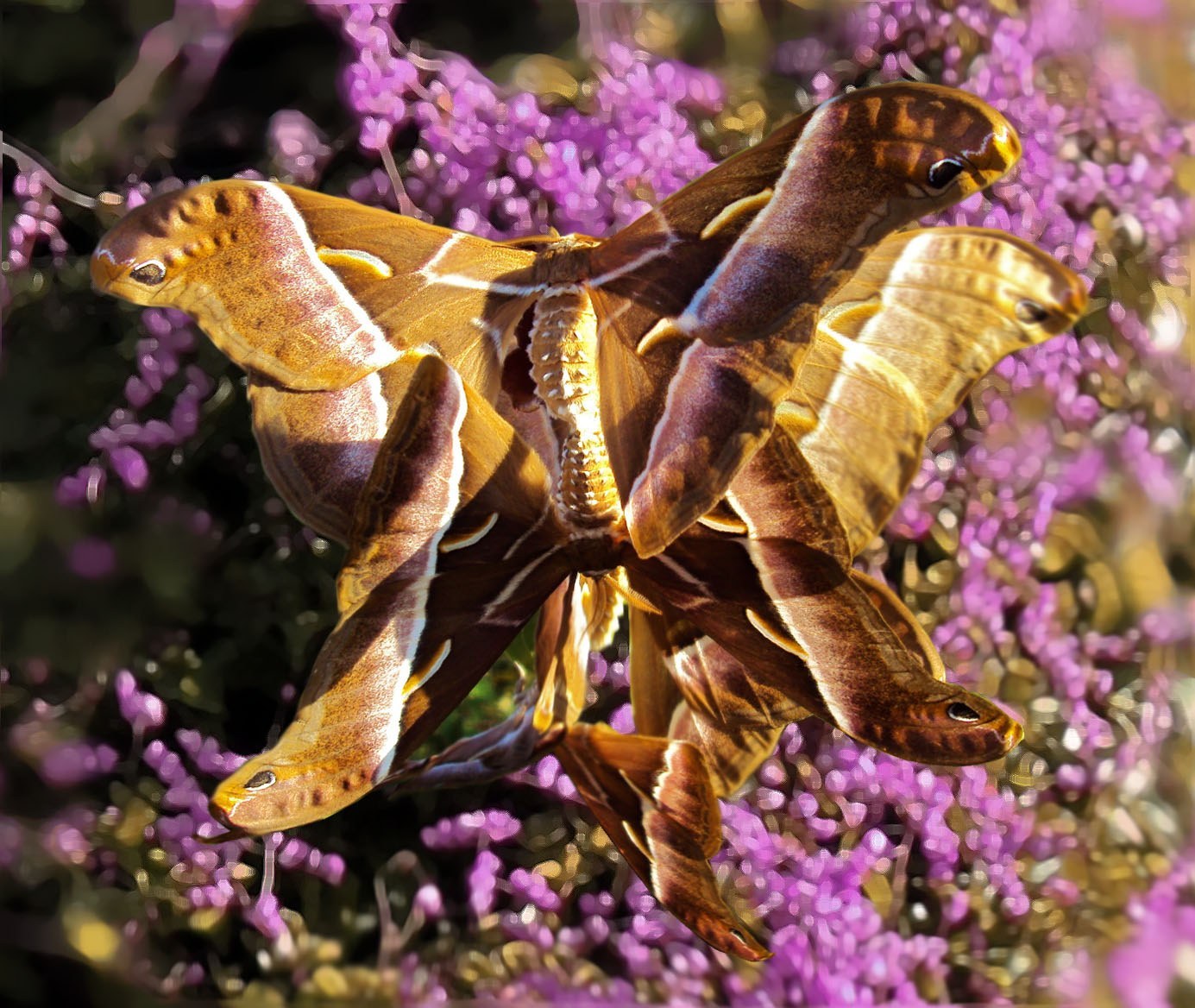
Ailanthus Silkmoth (Cynthia Moth)
Urban parks, wastelands, and woodland edges with tree-of-heaven; native to Asia, introduced in North America and Europe
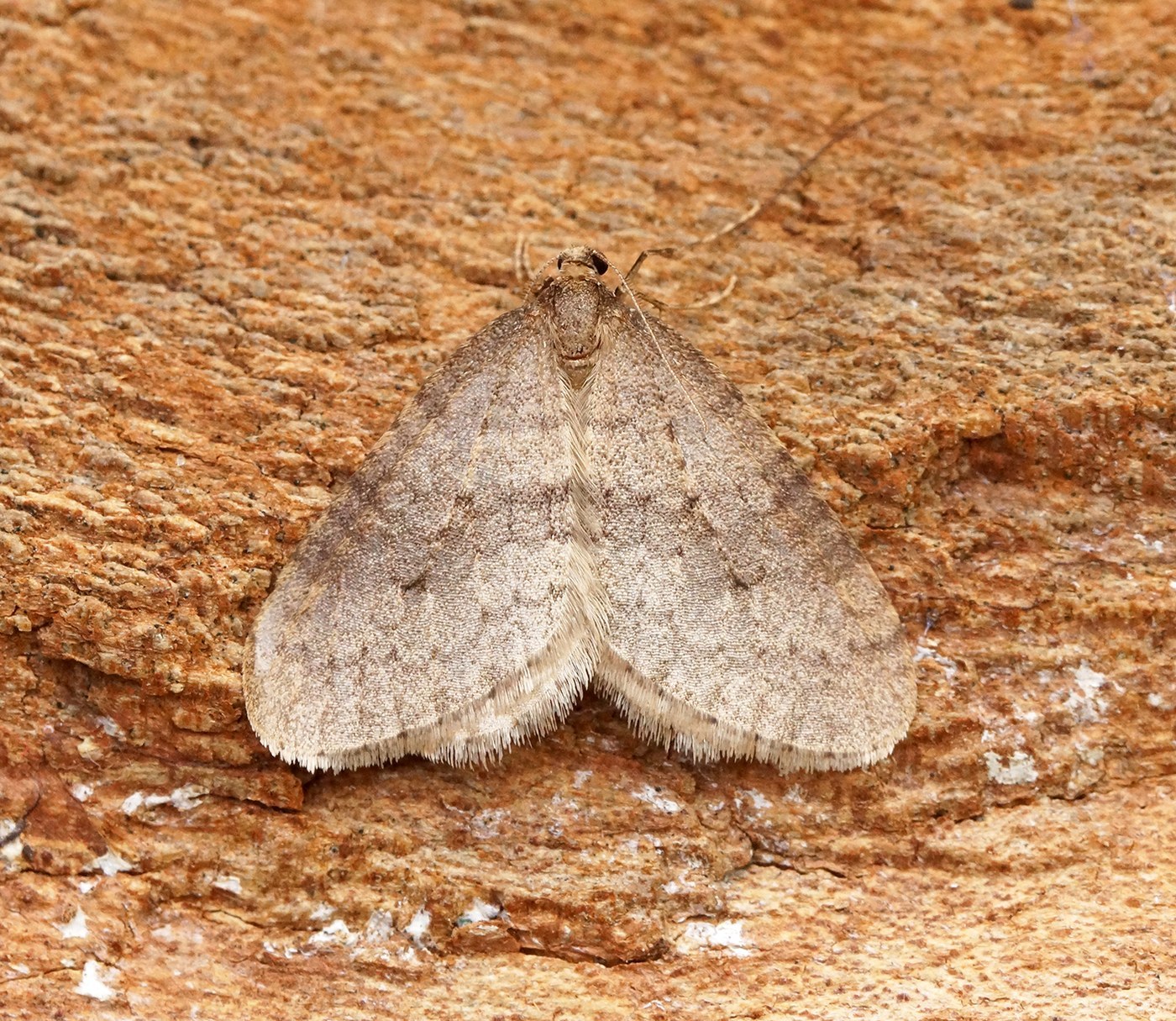
Winter Moth
Deciduous woodland, orchards, gardens, hedgerows
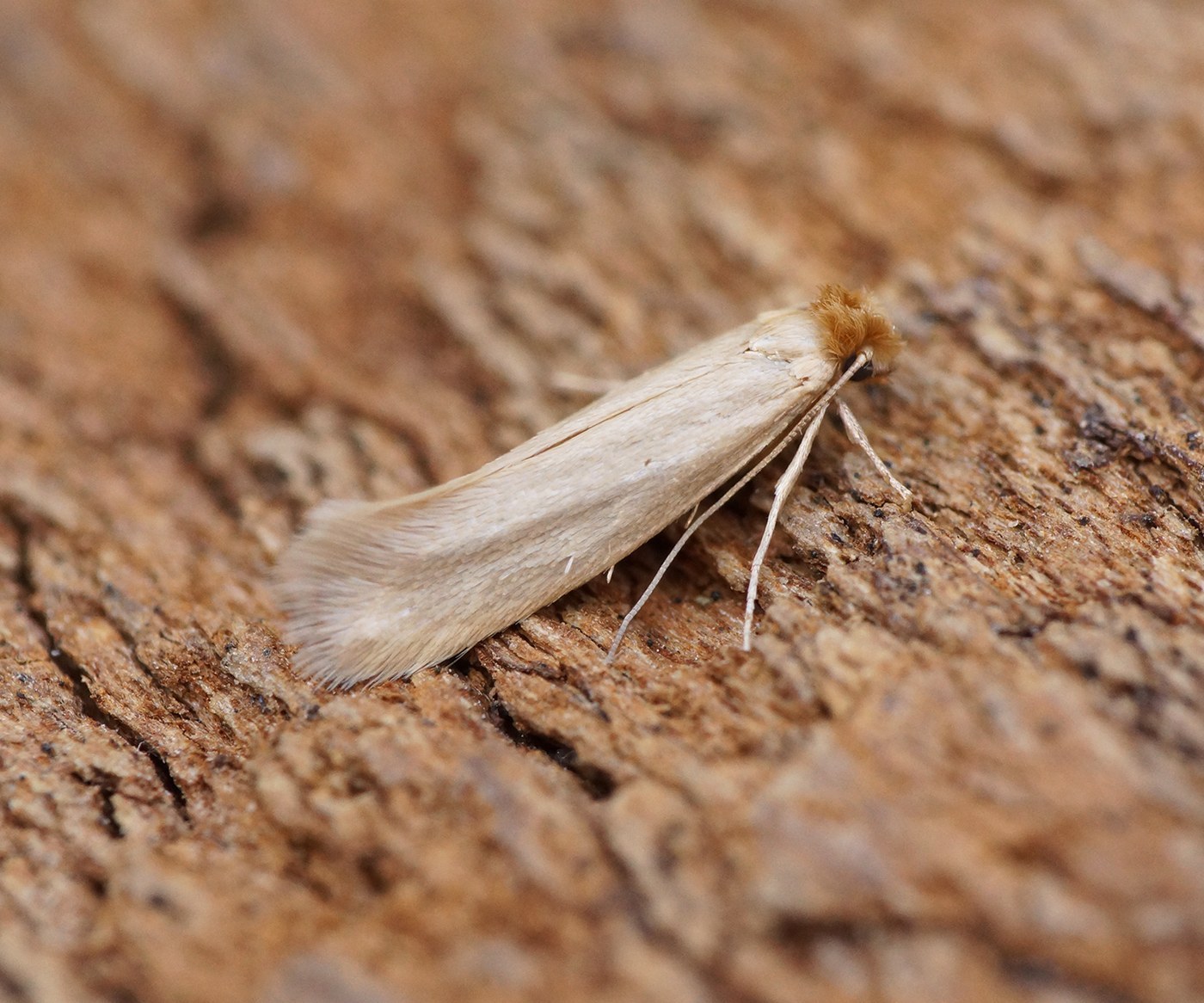
Webbing Clothes Moth
Dark closets, storage areas, and animal nests worldwide
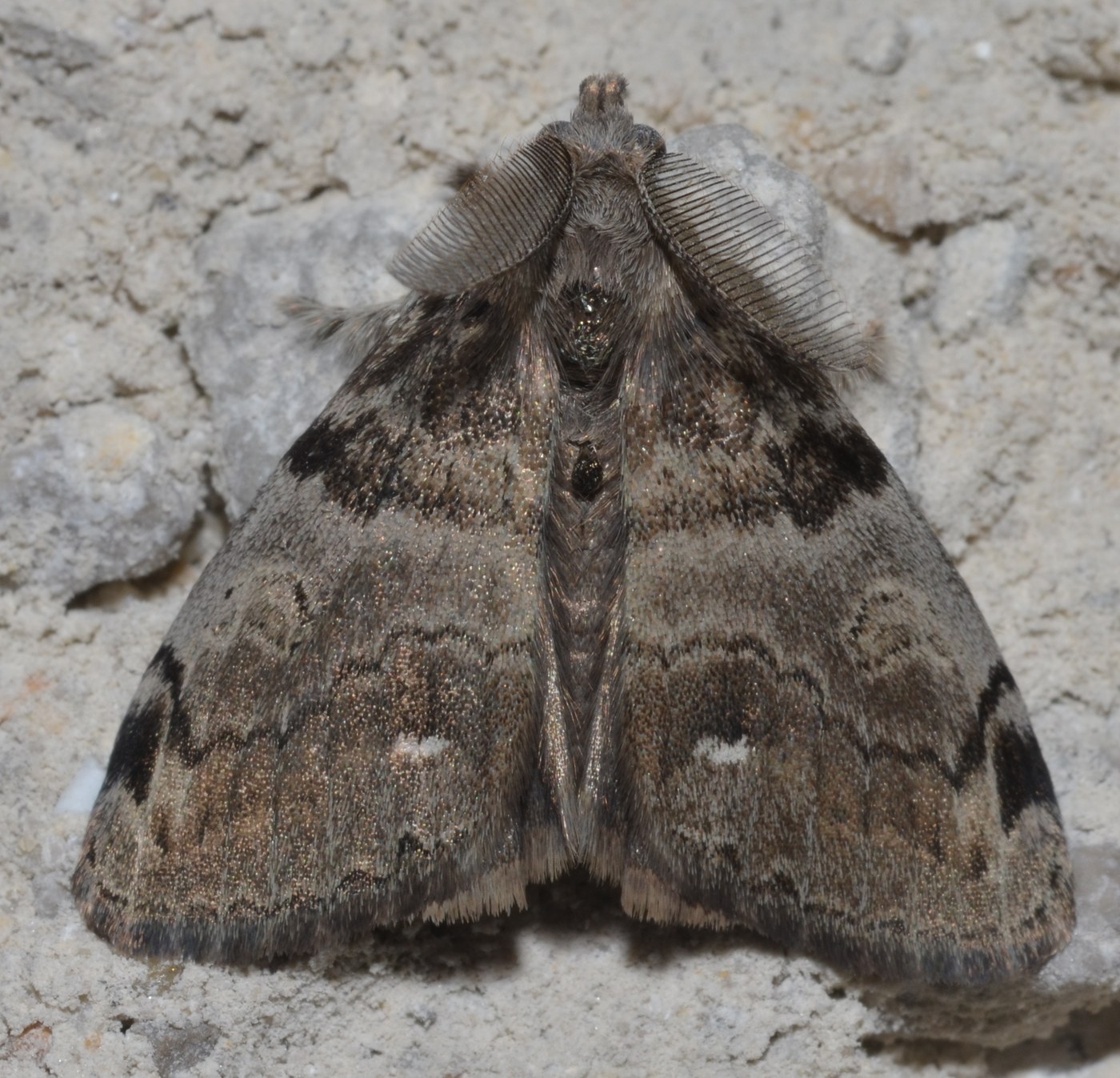
Tussock Moth
Deciduous forests, parks, gardens
Wax Moth
Beehives, apiaries, stored beeswax and comb
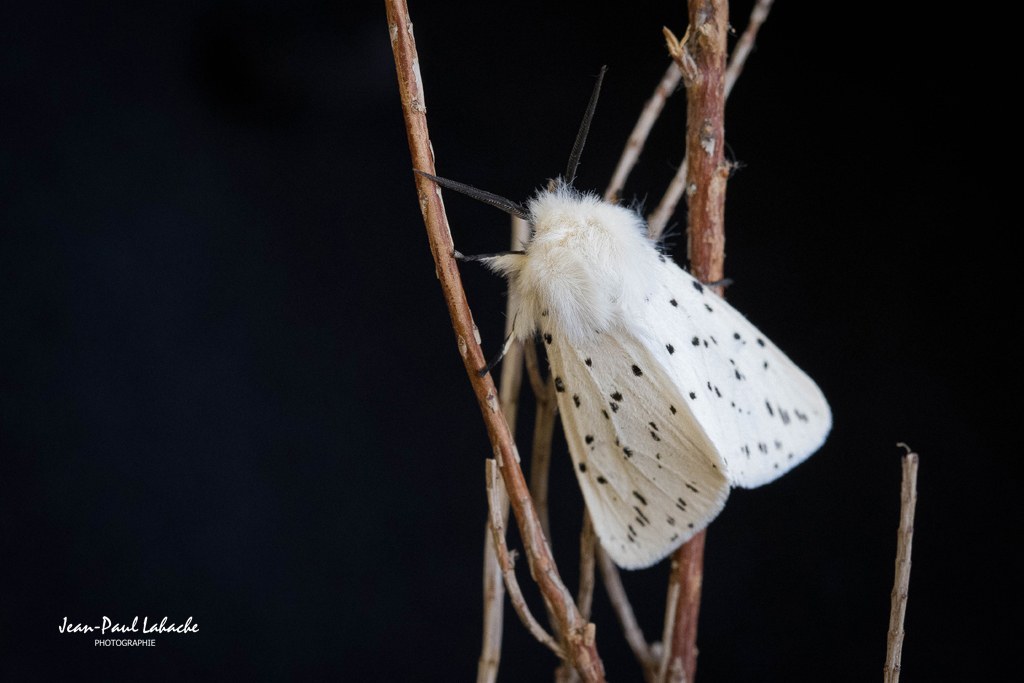
White Ermine Moth
Gardens, meadows, hedgerows
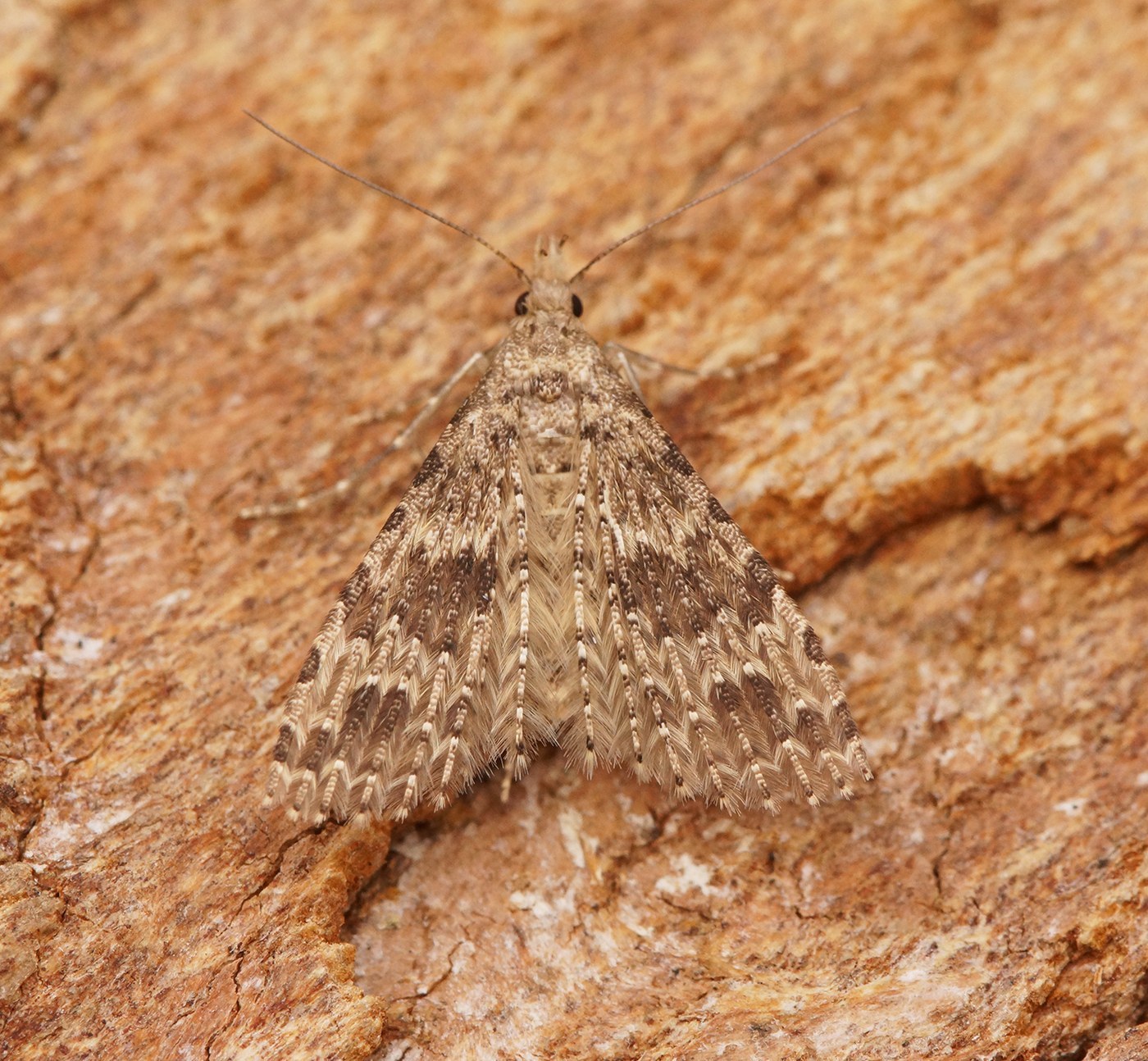
Twenty-plume Moth
Gardens, hedgerows, near honeysuckle
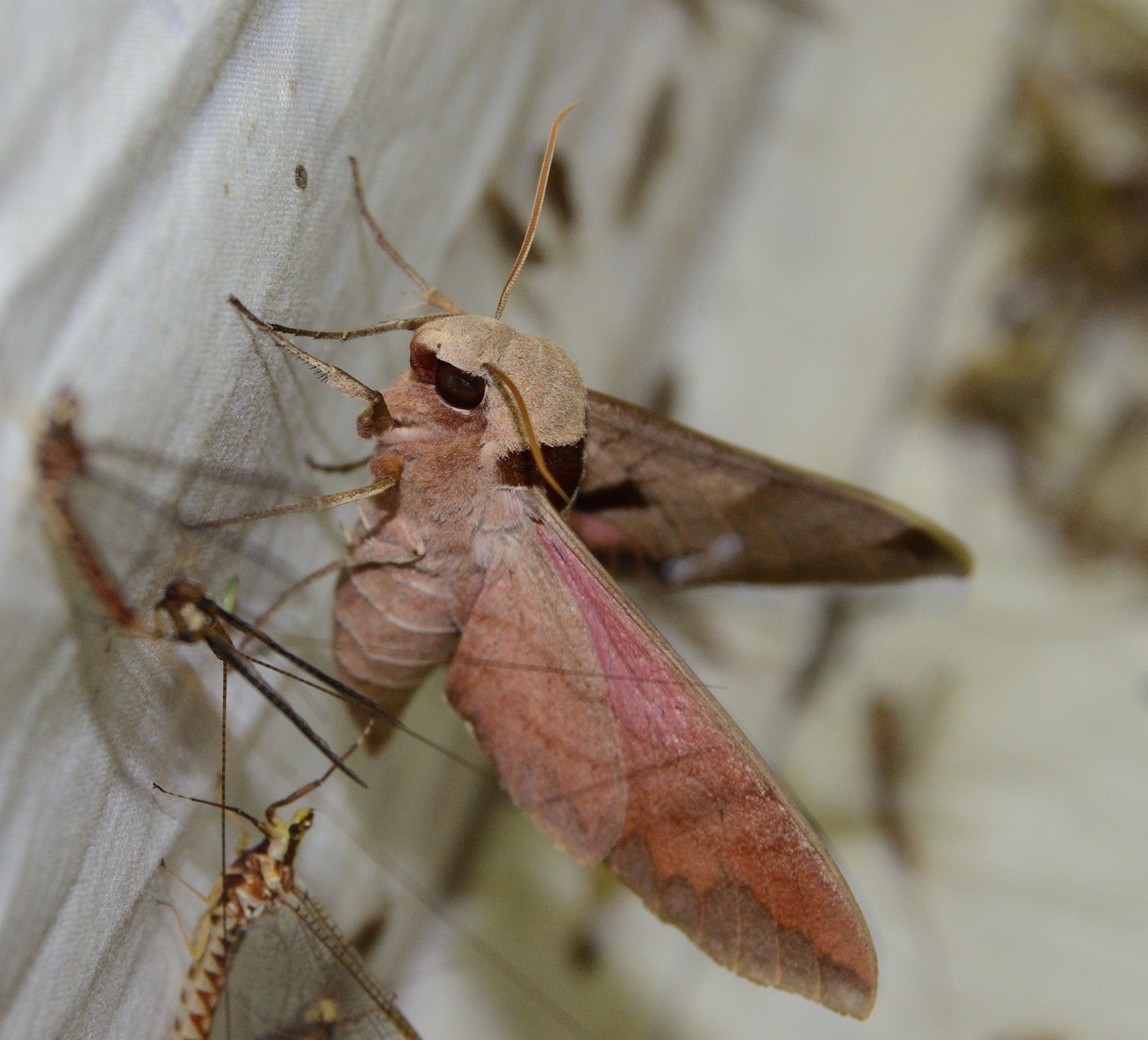
Achemon Sphinx Moth
Vineyards, woodland edges, gardens with wild grape
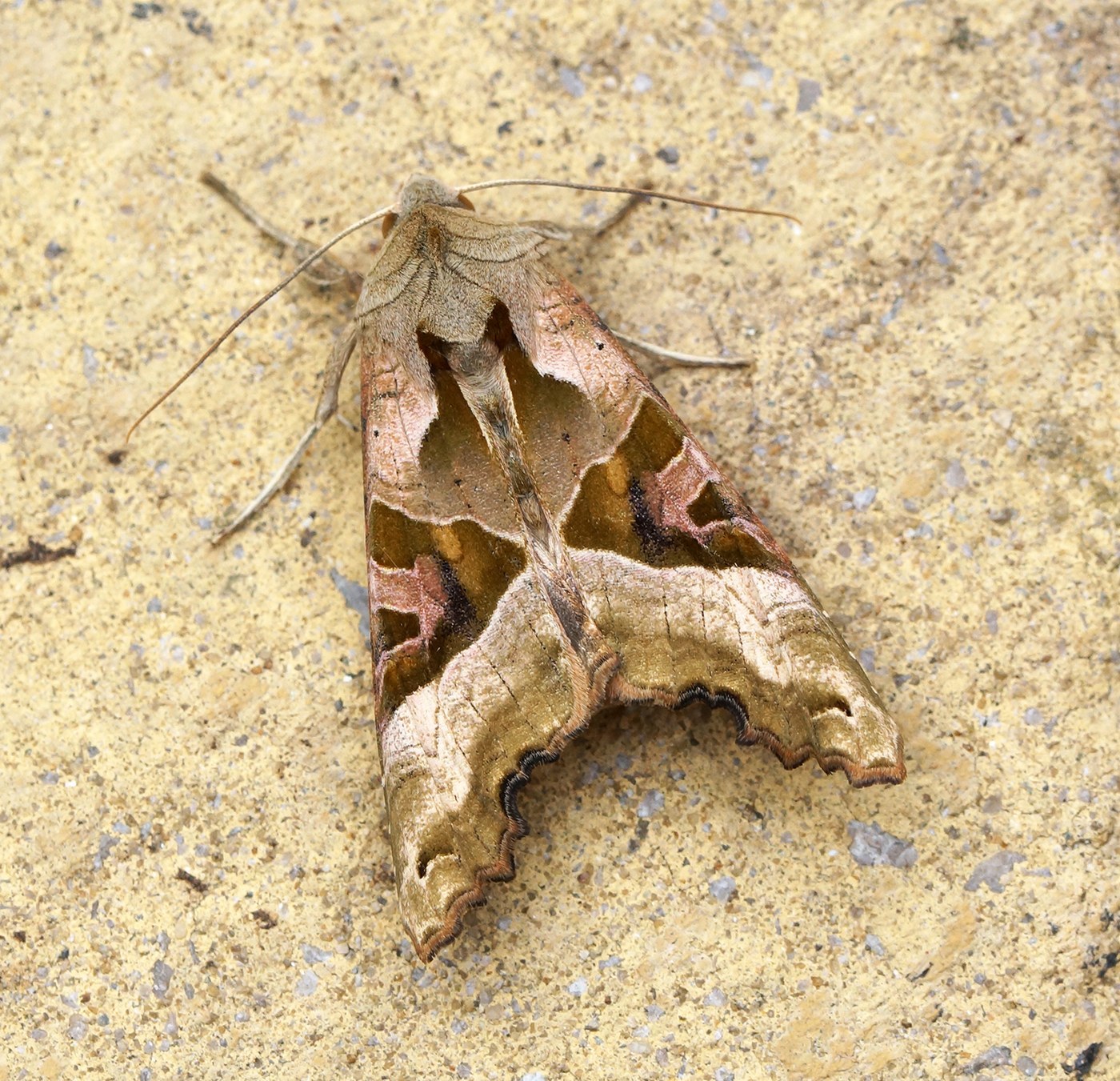
Angle Shades Moth
Gardens, hedgerows, woodland edges, urban parks
Atlas Moth
Tropical and subtropical lowland forests of Southeast Asia