
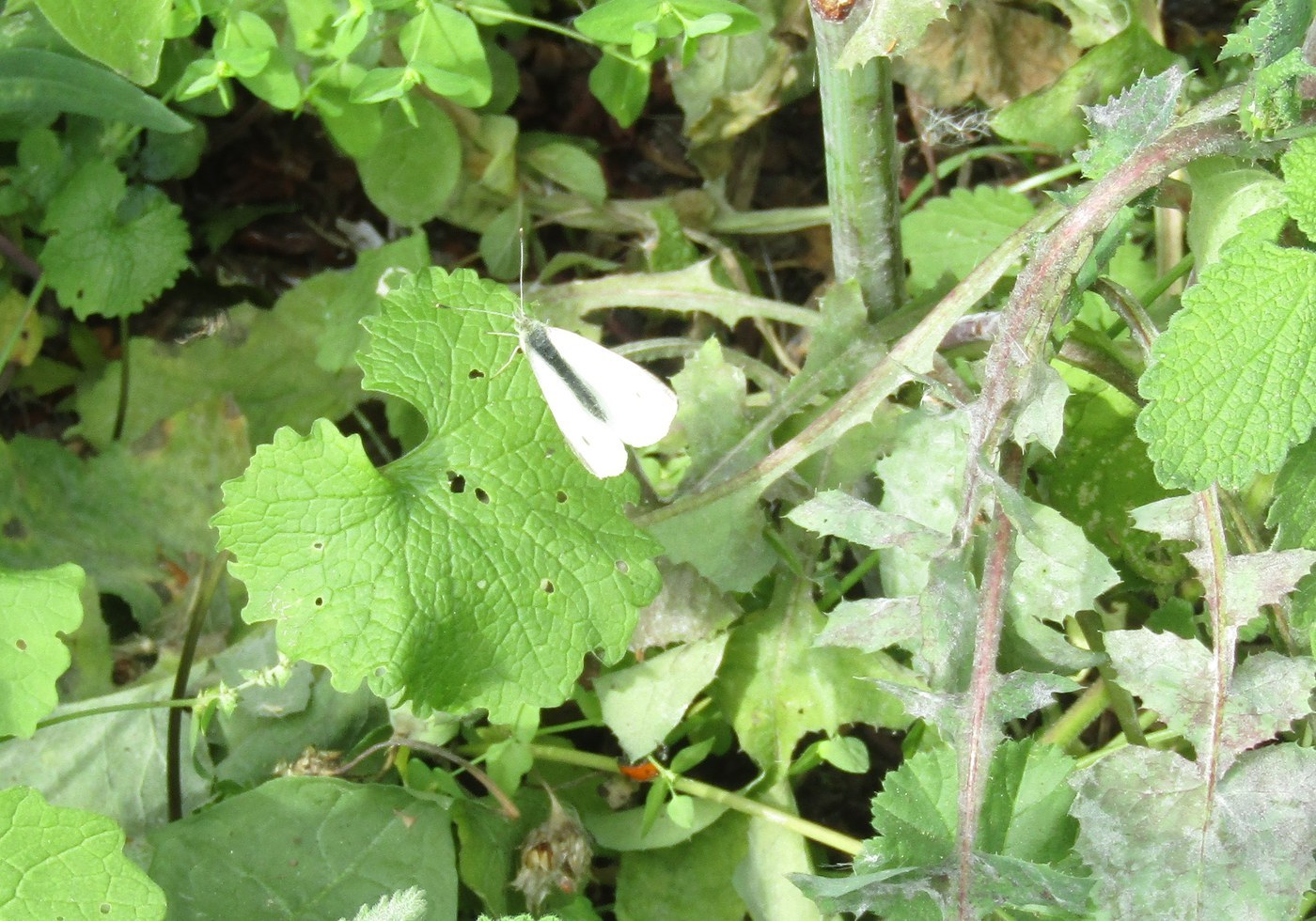
Cabbage White
Pieris rapae
A common, small white butterfly with one or two black wing spots, whose green caterpillars are a familiar sight feeding on cabbage-family garden plants.
- Size
- 3.2–4.7 cm wingspan
- Habitat
- Gardens, farmland, meadows, roadsides, urban areas
- Danger
- Harmless
Spotted a bug like this?
Identify any bug or insect from a photo, free.
Overview
The cabbage white is a small member of the whites and sulphurs family (Pieridae), native to Europe, Asia, and North Africa but now established across North America, Australia, New Zealand, and other regions following accidental introduction, making it one of the most widespread and commonly seen butterflies in temperate gardens worldwide. Its abundance and close association with cultivated cole crops make it one of the most familiar butterflies to gardeners.
The species is closely tied to plants in the mustard family, especially cultivated cabbage, kale, broccoli, and related vegetables, as well as many wild mustards, which serve as host plants for its caterpillars. This close relationship with agricultural brassicas is the source of both its common name and its wide recognition among home gardeners.
Adult cabbage whites are frequent, unmistakable visitors to garden flower beds, flitting low and steadily over open ground, and their caterpillars, sometimes called imported cabbageworms, are equally familiar as small, well-camouflaged green larvae found on the undersides of cabbage-family leaves.
How to Identify
- Wingspan roughly 3.2–4.7 cm; wings are mostly white with black-tipped forewing corners.
- Females typically show two round black spots on each forewing, while males usually show only one.
- Underside of the hindwing and forewing tip is pale yellowish-green, providing camouflage when the wings are closed.
- Flight is low, fluttery, and somewhat erratic compared to the more powerful flight of larger butterflies.
- Lookalikes: sulphur butterflies are yellow rather than white; other small white species elsewhere in the world can look similar and are best told apart by exact spot pattern and host plant.
Habitat & Range
Extremely common in gardens, vegetable farms, meadows, roadsides, vacant lots, and other open, sunny, often human-altered habitats across its now near-global temperate range. Adults are active from spring through fall, with multiple overlapping generations in warmer regions, and can often be seen even in cooler weather compared to many other butterflies. It thrives particularly wherever cultivated or wild mustard-family plants are present.
Behavior & Diet
Adults feed on nectar from a wide variety of garden and wild flowers and fly with a characteristic low, fluttering, somewhat weaving flight pattern close to the ground. Caterpillars feed on the leaves of cabbage-family plants, chewing ragged holes and often resting along leaf veins where their green color blends in with the foliage. Because of their abundance on cultivated brassicas, the caterpillars are widely recognized by gardeners as a common leaf-feeding presence on cole crops.
Life Cycle
Complete metamorphosis with several generations per year in most temperate climates. Females lay small, bullet-shaped yellow eggs singly on the leaves of host plants; caterpillars hatch as tiny green larvae that grow through several molts while feeding, developing a faint yellow stripe down the back. Pupation occurs in an angular greenish or brownish chrysalis attached to a stem, wall, or other nearby surface, with adults emerging after one to two weeks in warm weather. The species typically overwinters as a chrysalis in colder regions.
Frequently asked questions
Is the caterpillar on my cabbage plants the same as this butterfly?
Yes, the small, smooth green caterpillars commonly found on cabbage, kale, and broccoli leaves are the larval stage of the cabbage white, sometimes called the imported cabbageworm.
How can I tell a male from a female cabbage white?
Females usually have two black spots on each forewing, while males typically show only one.
How is it different from a sulphur butterfly?
Sulphurs are yellow to orange overall, while the cabbage white is predominantly white with limited black markings.
Where did the cabbage white originally come from?
It is native to Europe, Asia, and North Africa and has since become established on several other continents through accidental introduction.
Cabbage White guides
In-depth guides for identifying, understanding, and living alongside Cabbage White.
Other bugs you may enjoy
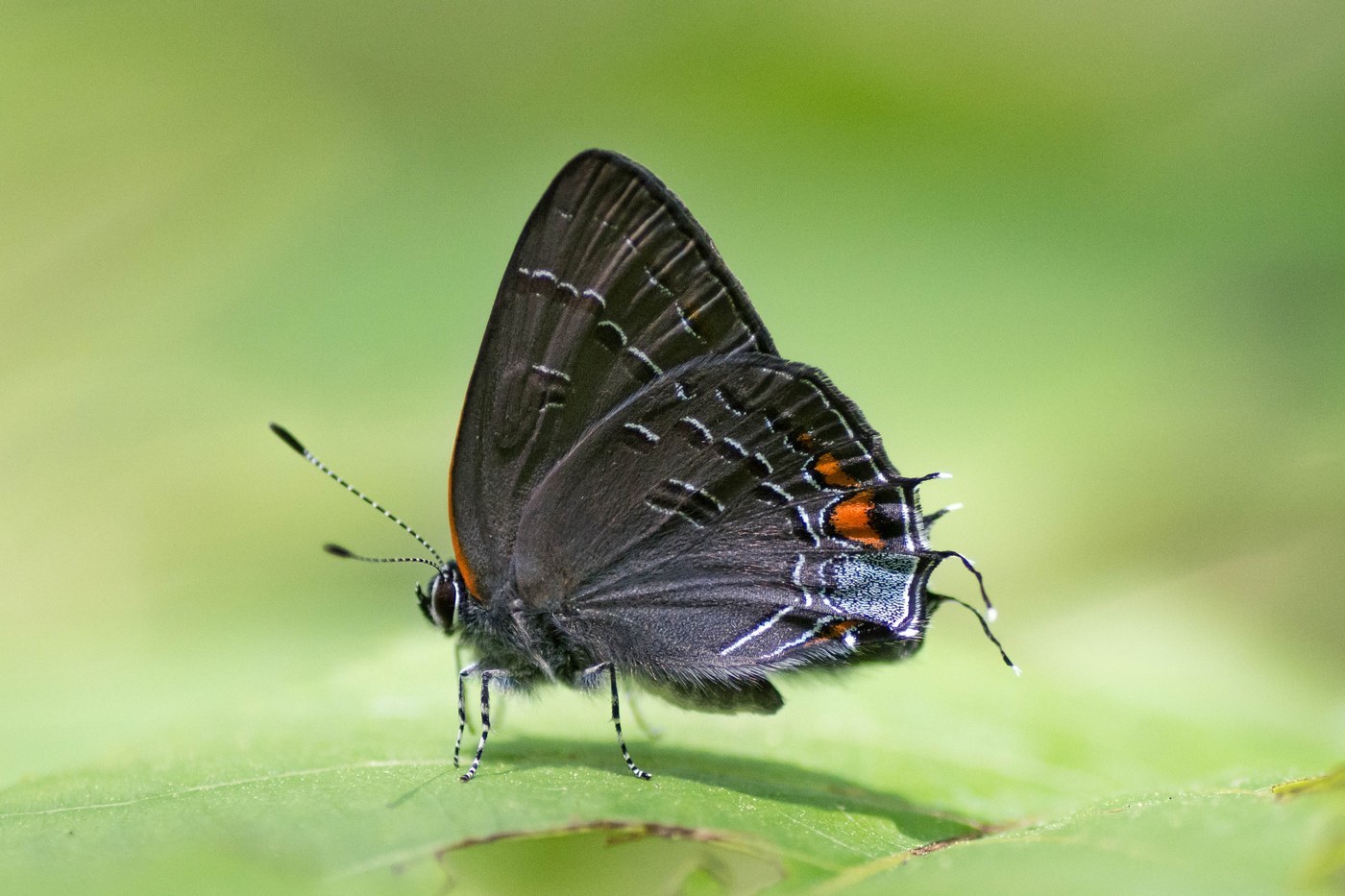
Banded Hairstreak
Deciduous woodlands and edges with oaks and hickories
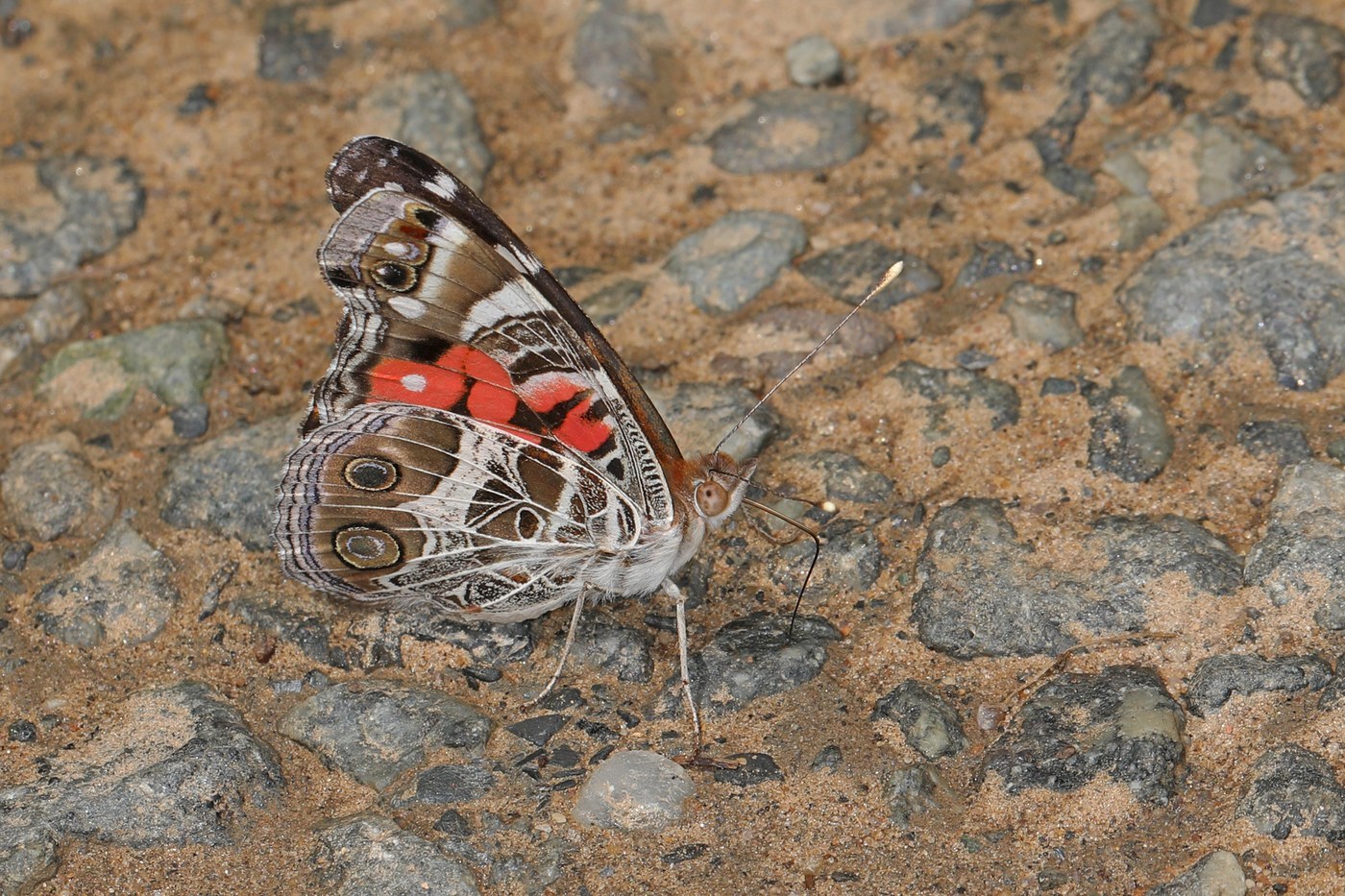
American Lady
Open fields, meadows, gardens, roadsides
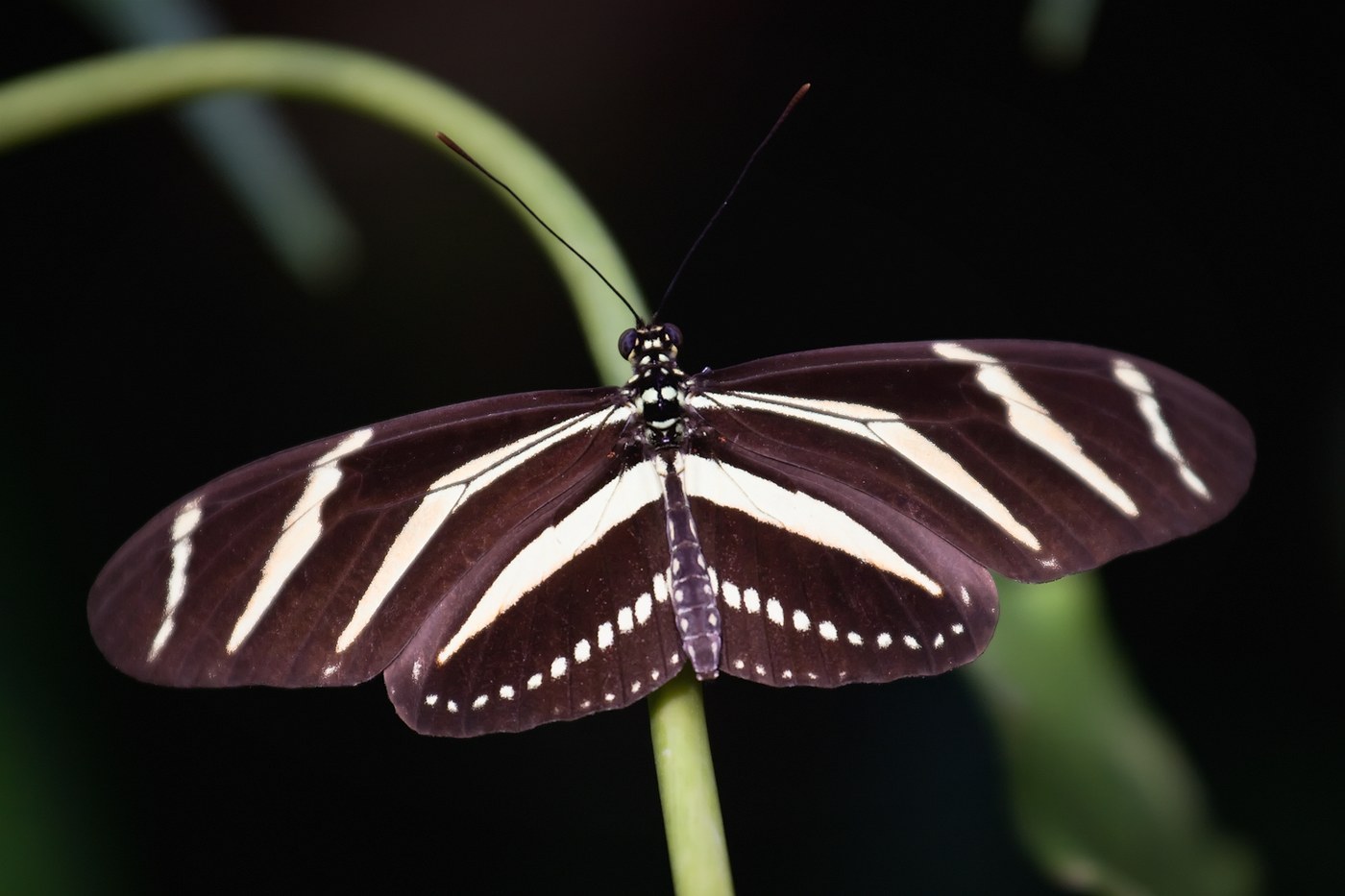
Zebra Longwing
Tropical hammocks, gardens, forest edges
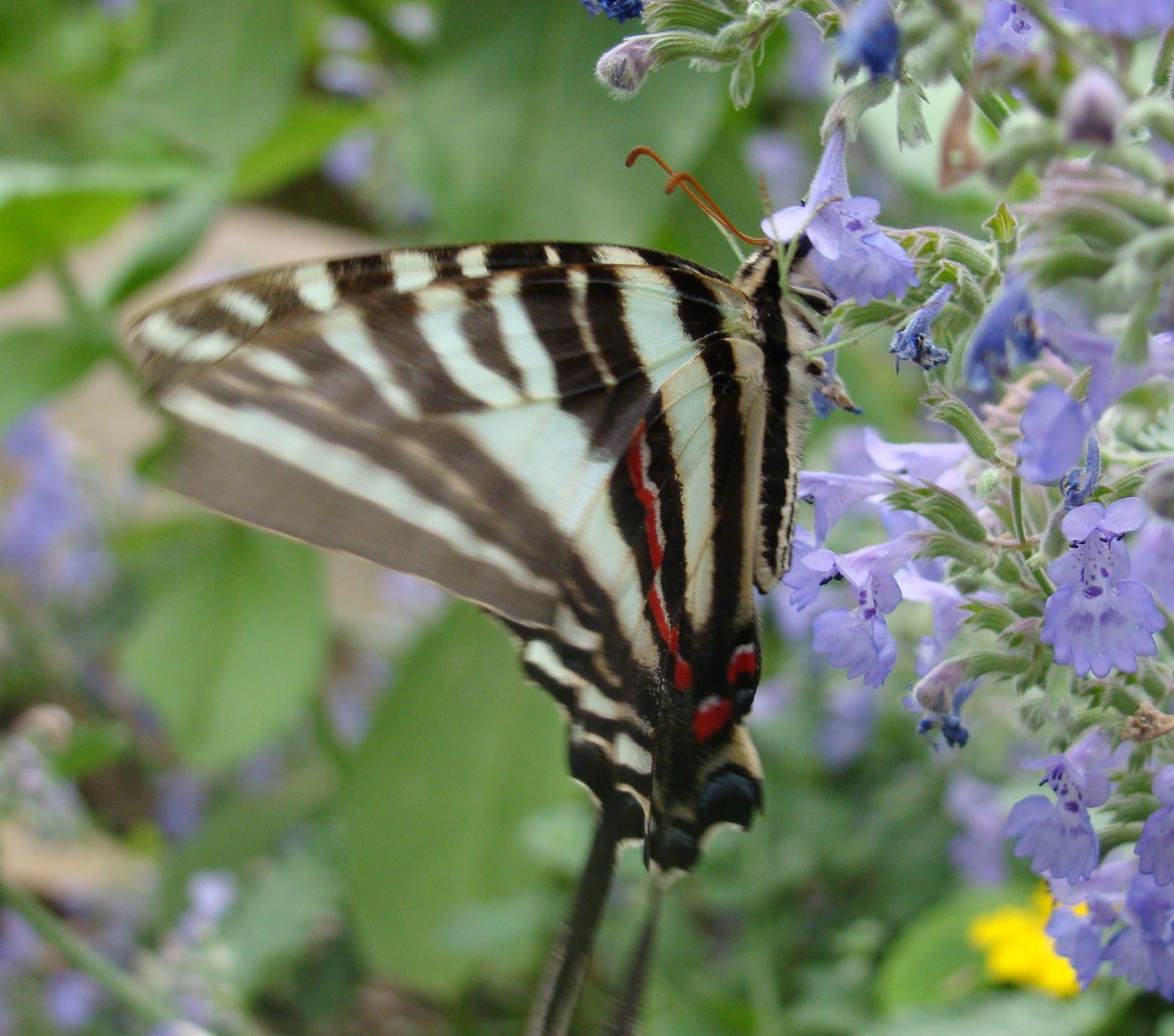
Zebra Swallowtail
Woodlands, floodplains, forest edges near pawpaw
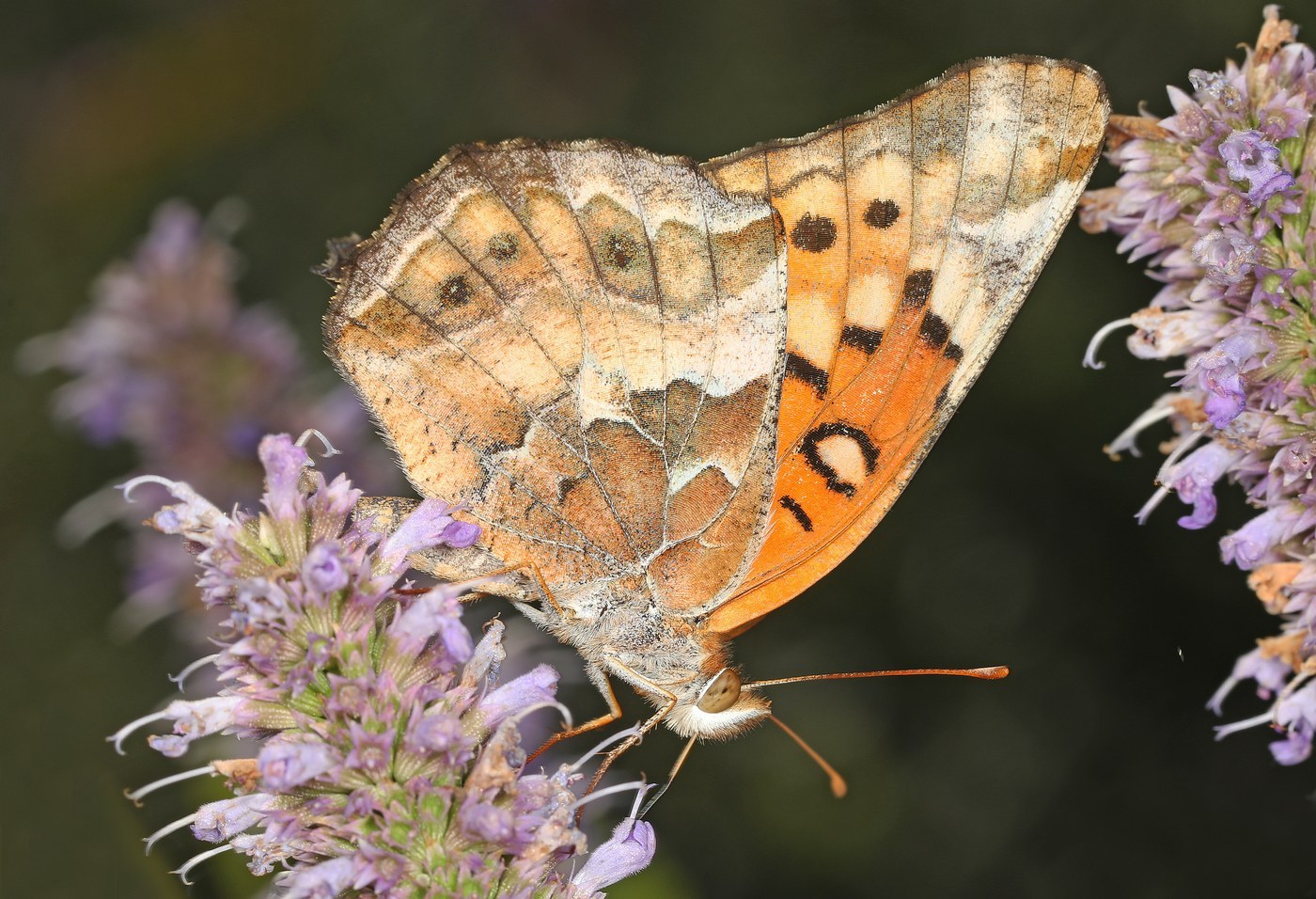
Variegated Fritillary
Open fields, prairies, roadsides, and disturbed ground across most of the United States
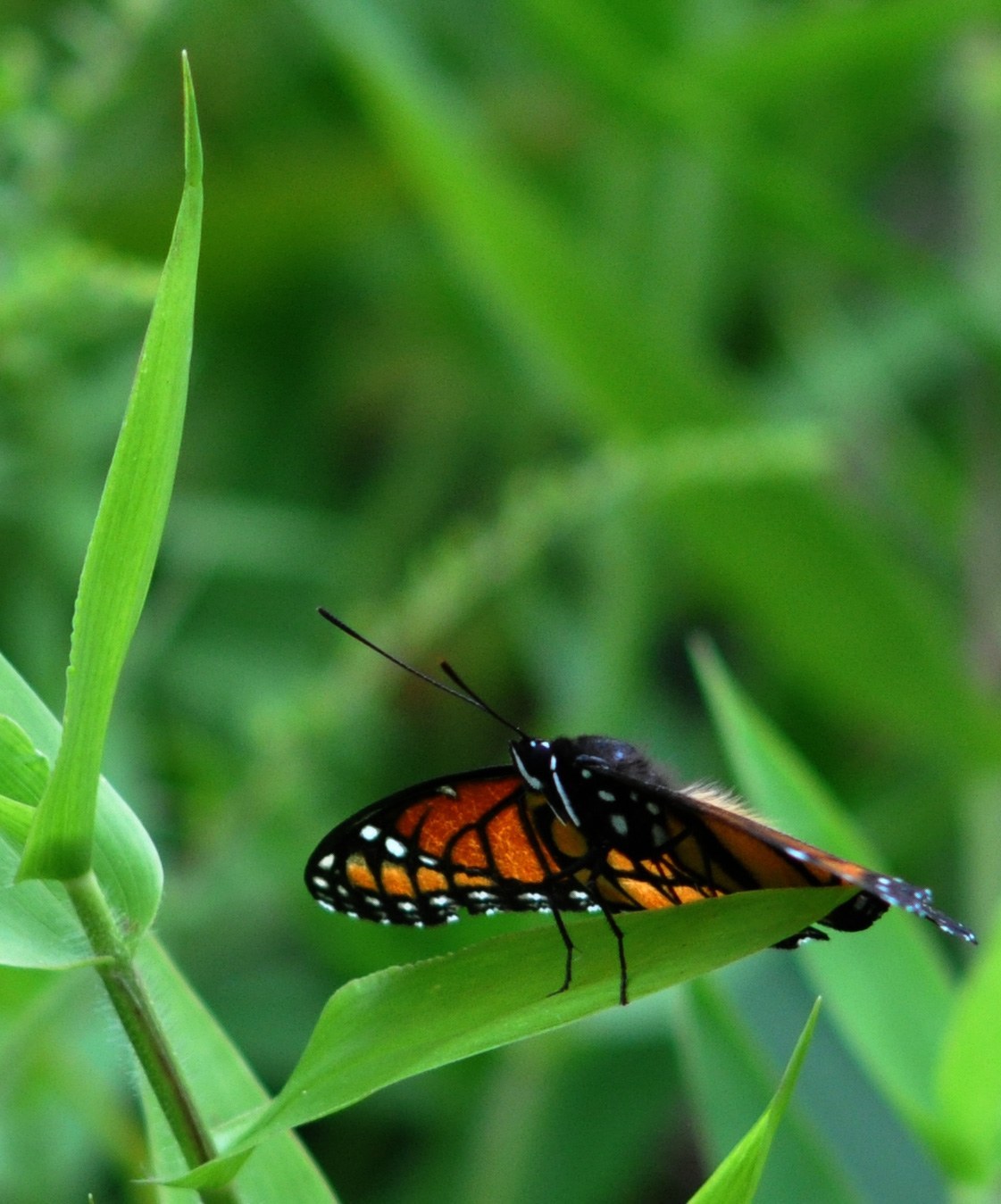
Viceroy Butterfly
Wetlands, meadows, riverbanks, willow thickets (North America)
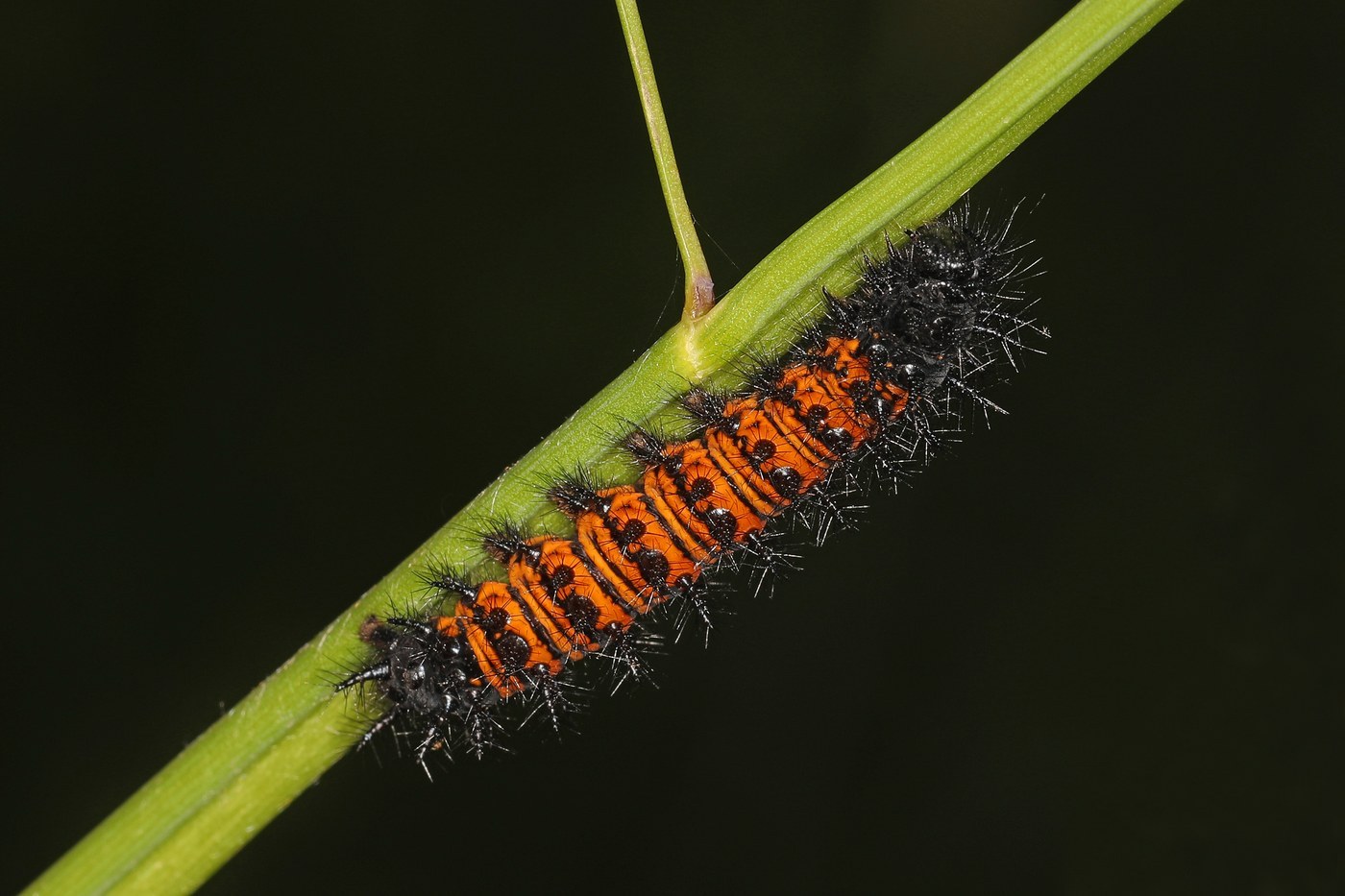
Baltimore Checkerspot
Wet meadows, bogs, and marshy fields in the northeastern and Appalachian US
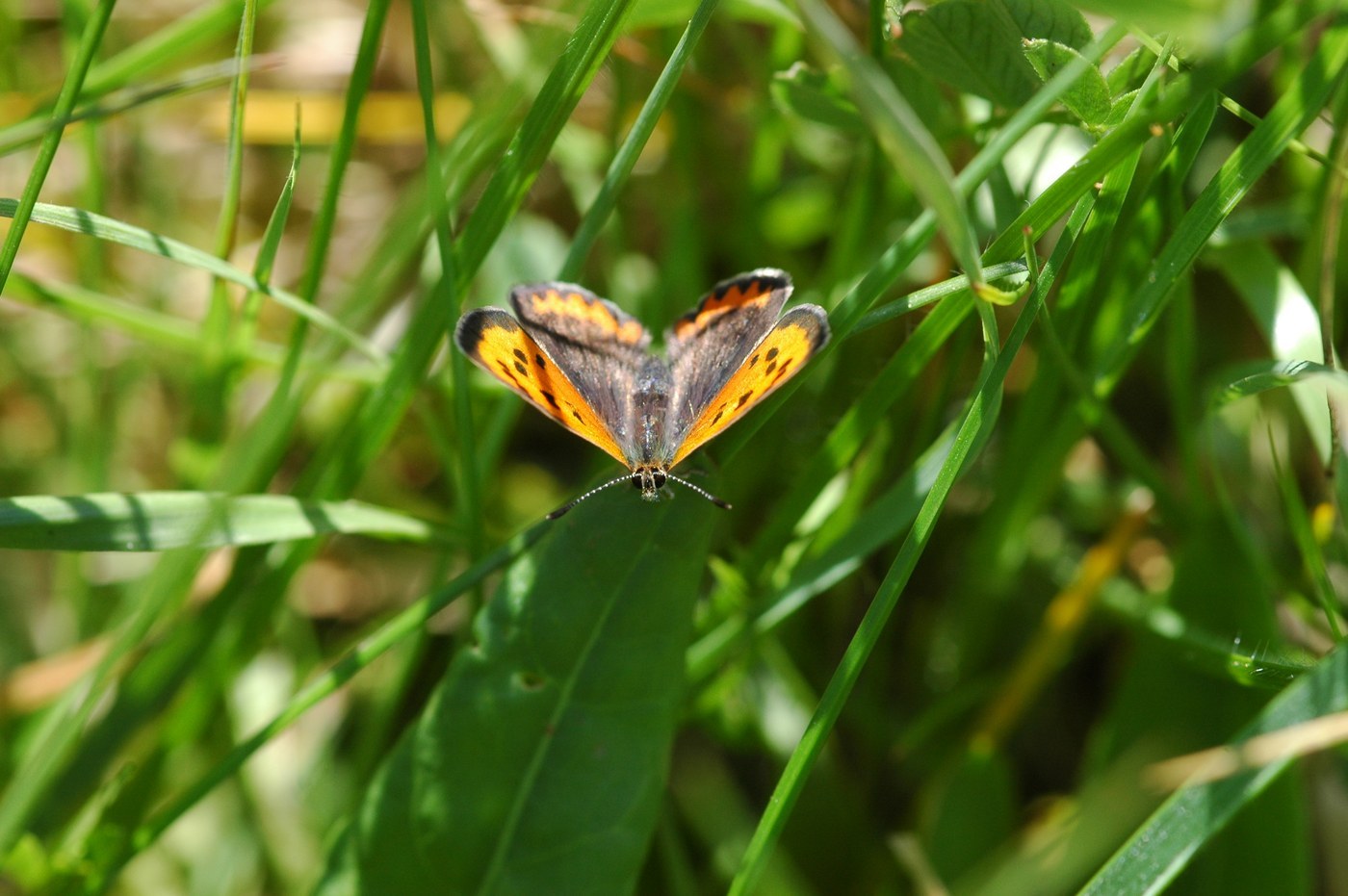
American Copper
Old fields, roadsides, and disturbed open ground with sorrel or dock
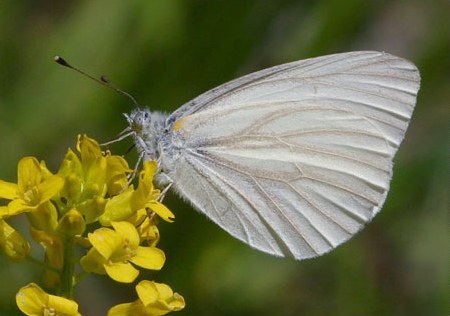
West Virginia White
Rich deciduous forest floors, especially near seeps and streams
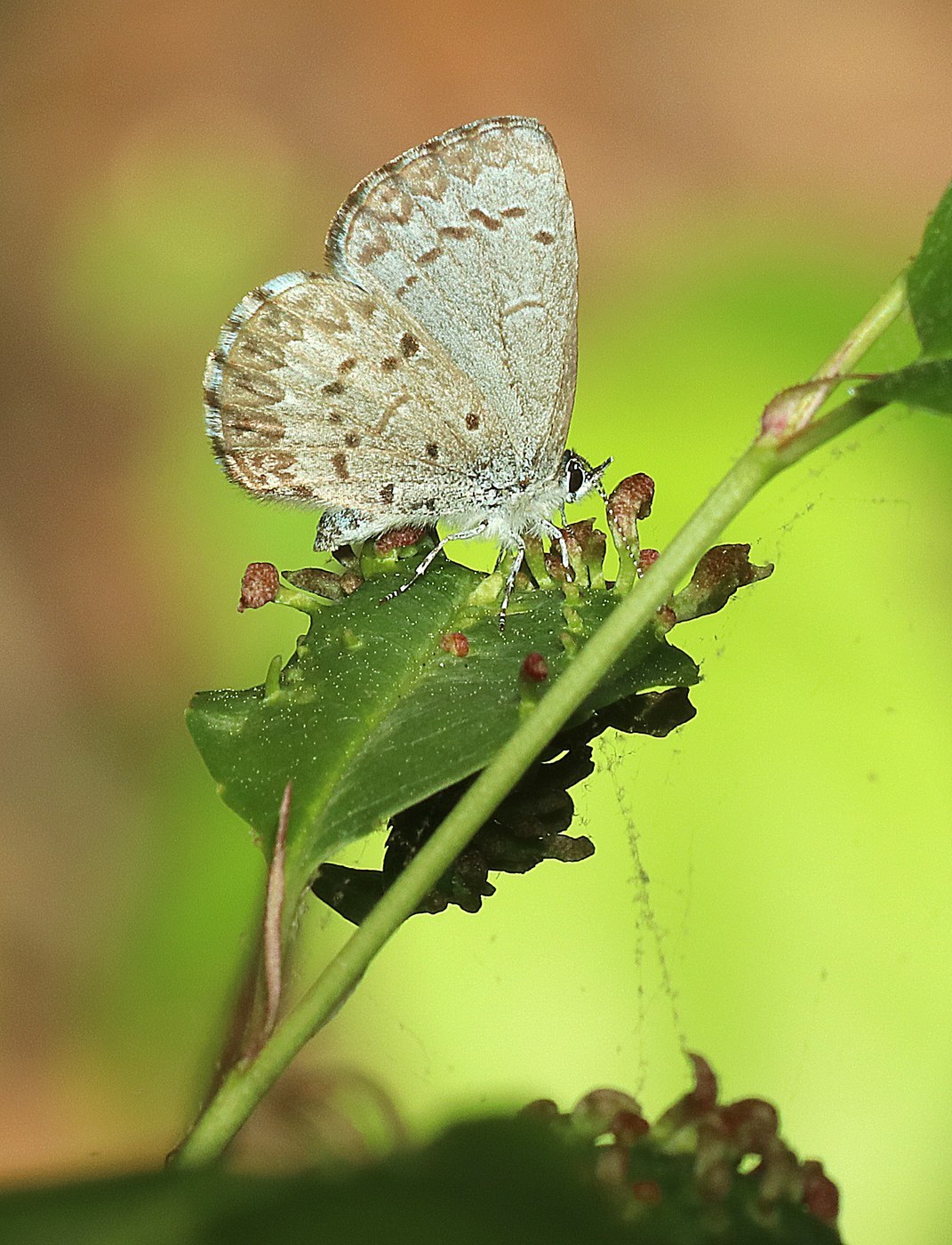
Spring Azure
Woodland edges, gardens, shrubby clearings
Red Admiral
Gardens, woodland edges, parks, meadows
Sleepy Orange
Open woodland, fields, roadsides, and disturbed ground