
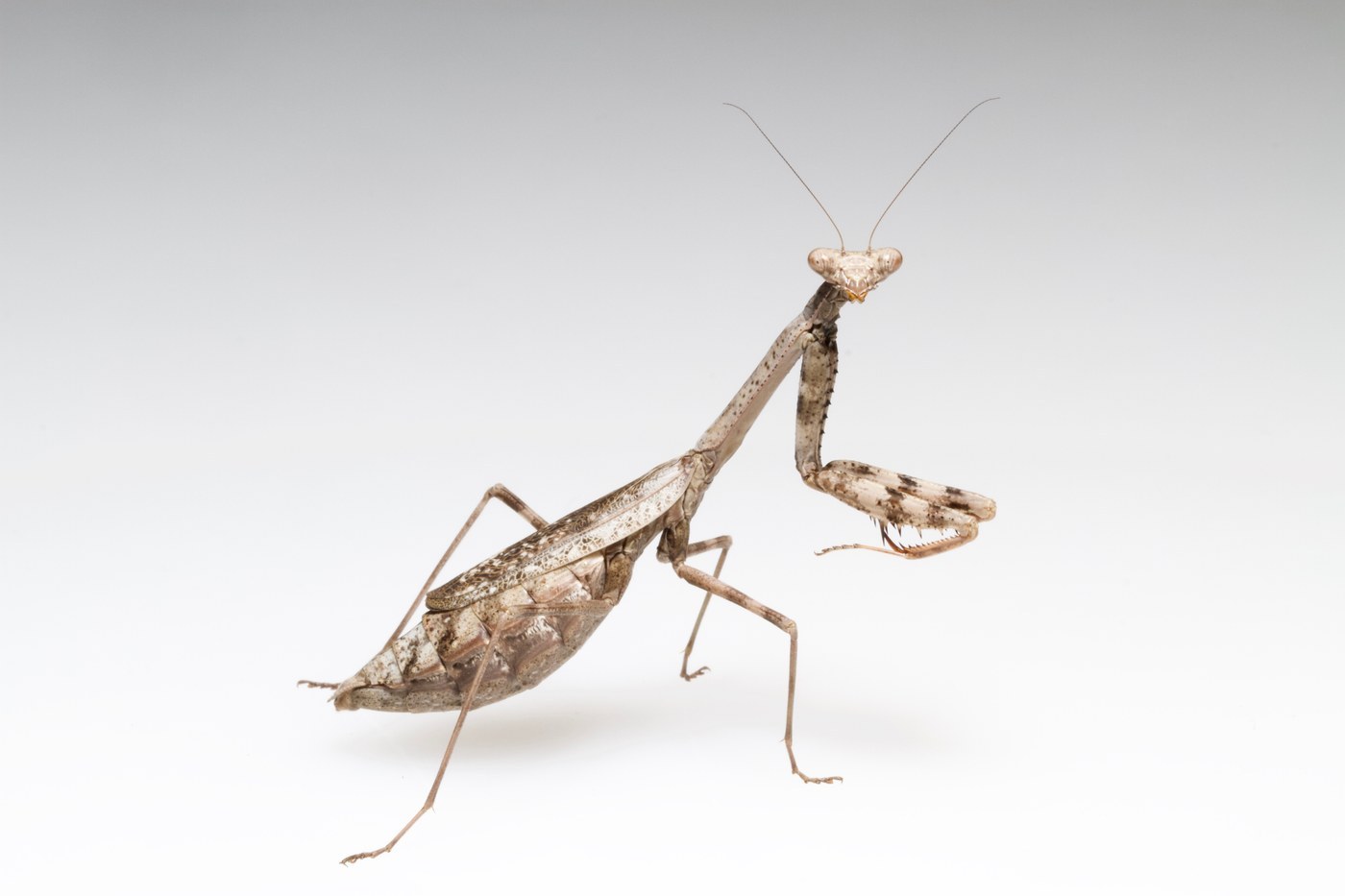
Carolina Mantis
Stagmomantis carolina
A mottled gray-brown mantis native to the southeastern and south-central United States, smaller and more camouflaged than its introduced Chinese relative, and recognized as the state insect of South Carolina.
- Size
- 50–65 mm
- Habitat
- gardens, meadows, and open grassy or shrubby areas
- Danger
- Harmless
Spotted a bug like this?
Identify any bug or insect from a photo, free.
Overview
The Carolina mantis, Stagmomantis carolina, is one of relatively few praying mantis species native to North America, found primarily across the southeastern and south-central United States. It is smaller and generally less conspicuous than the larger, introduced Chinese and European mantises, with mottled brown or gray coloration that blends effectively into dry grasses, bark, and shrubby vegetation.
Unlike its larger relatives, the Carolina mantis shows a marked size difference between the sexes: females have short wings that do not fully cover the abdomen and are unable to fly, while males have longer wings and are capable fliers, an adaptation thought to aid in locating mates. This species holds cultural significance as the official state insect of South Carolina.
As an ambush predator, the Carolina mantis feeds on a variety of insects it encounters in its grassy or shrubby habitat, and its cryptic coloration is a key part of its hunting and predator-avoidance strategy.
How to Identify
- Moderate mantis size, 50–65 mm, smaller than the Chinese mantis
- Mottled gray, brown, or tan coloration providing strong camouflage
- Females have short wings that do not fully cover the abdomen; males have longer, flight-capable wings
- Triangular head with large eyes and spined, raptorial forelegs
- Lookalikes: Chinese mantis is larger and greener along the wing edges; European mantis is typically bright green
Habitat & Range
The Carolina mantis is native to the southeastern and south-central United States, ranging from the Atlantic coast through the Gulf states and into parts of the southern Midwest and Southwest. It favors open, sunny habitats such as gardens, meadows, old fields, and shrubby edges where its mottled coloration blends with dry vegetation and bark.
Behavior & Diet
Like other mantises, the Carolina mantis is a stationary ambush predator, remaining motionless while relying on camouflage before striking quickly with its spined forelegs at passing insects. It feeds on a range of prey including flies, moths, crickets, and other small arthropods encountered in its habitat. Because females are flightless, they tend to remain within a fairly localized area, while winged males range more widely in search of mates, and both sexes serve as prey for birds and other predators, especially during the vulnerable nymphal stages.
Life Cycle
Females attach a hardened, frothy egg case, or ootheca, to twigs, stems, or other sturdy surfaces in late summer or fall, where it overwinters and protects the eggs within. Nymphs emerge in spring as small, wingless versions of the adult and molt repeatedly over the summer as they grow, with wings developing only in the final molts before adulthood. Adults mate and lay eggs before dying off with the onset of cold weather, completing one generation annually.
Frequently asked questions
Is the Carolina mantis native to the United States?
Yes, it is one of the relatively few praying mantis species native to North America, found mainly in the southeastern and south-central states.
Can Carolina mantises fly?
Males have longer wings and can fly, while females have shorter wings that do not fully cover the abdomen and cannot support flight.
How is the Carolina mantis different from the Chinese mantis?
It is noticeably smaller and more mottled gray-brown in color, compared to the larger, greener-edged Chinese mantis.
What is the Carolina mantis known for?
Besides being a native ambush predator of garden insects, it is recognized as the official state insect of South Carolina.
Carolina Mantis guides
In-depth guides for identifying, understanding, and living alongside Carolina Mantis.
Other bugs you may enjoy
Walking Stick Insect
Trees, shrubs and leaf litter in forests, woodlands and gardens
African Mantis
grasslands, shrubs, and gardens across sub-Saharan Africa
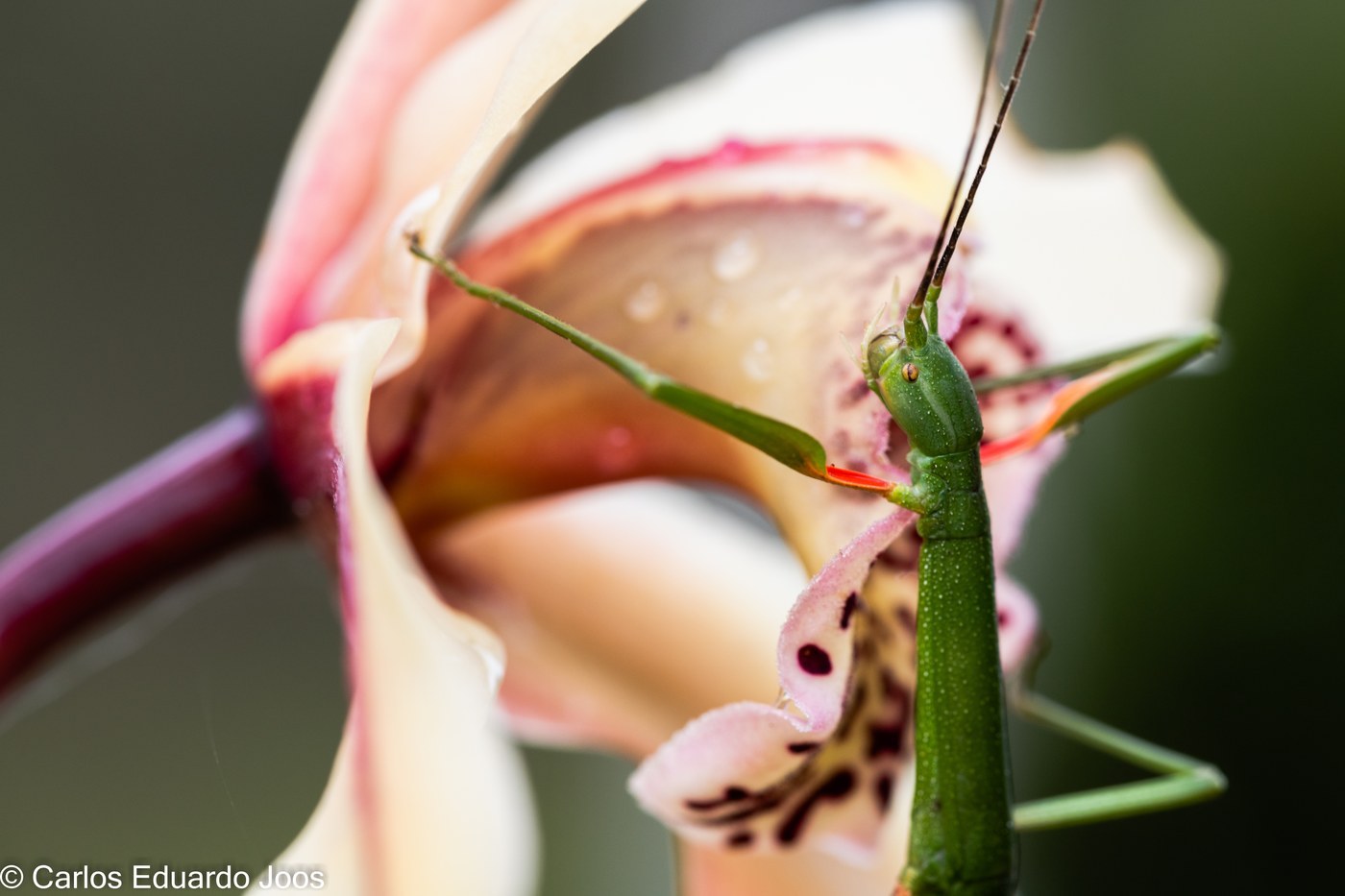
Walking Stick
Deciduous woodlands, forest edges, and shrubby vegetation
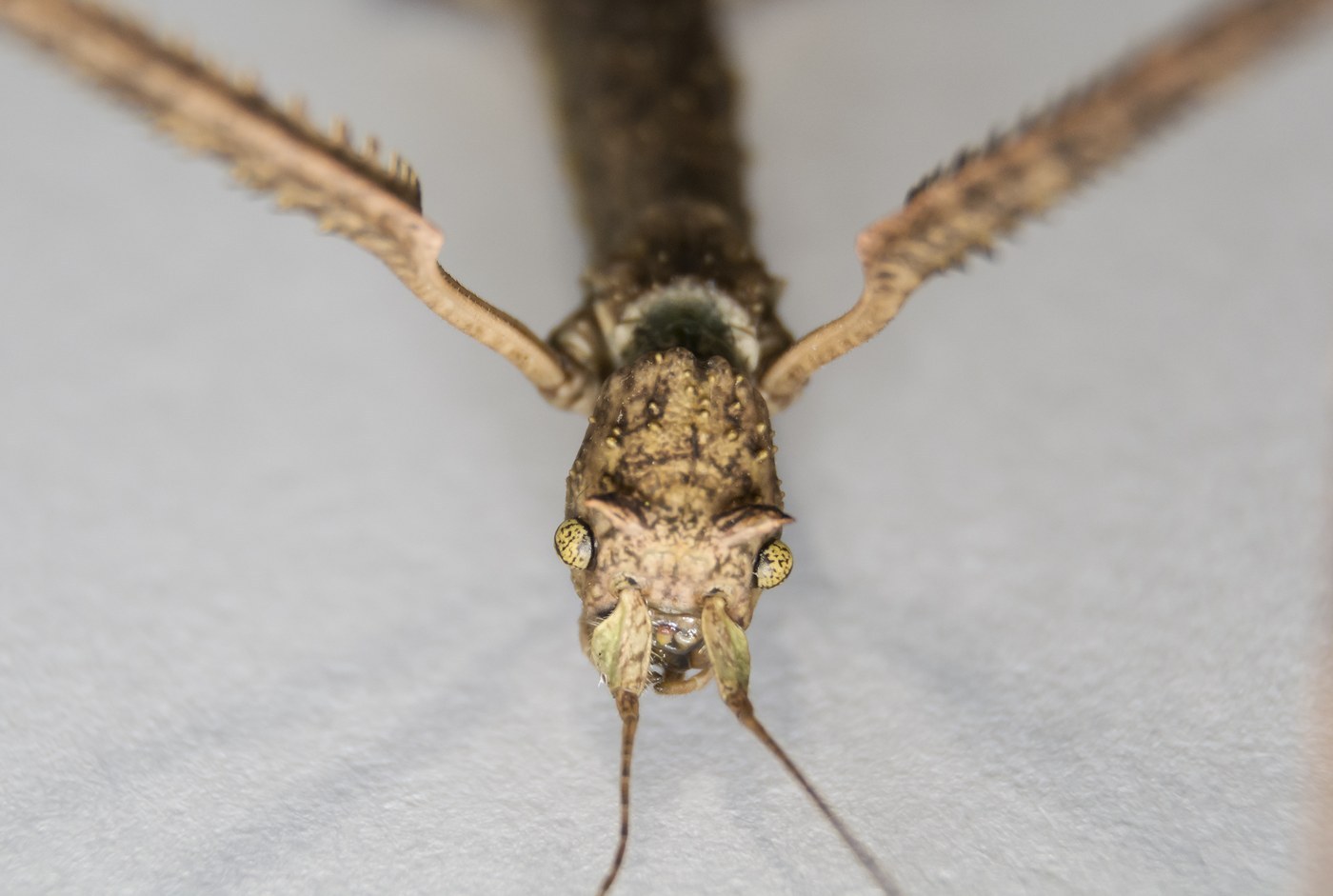
Vietnamese Walking Stick
tropical forests of Vietnam; widely kept in captivity worldwide
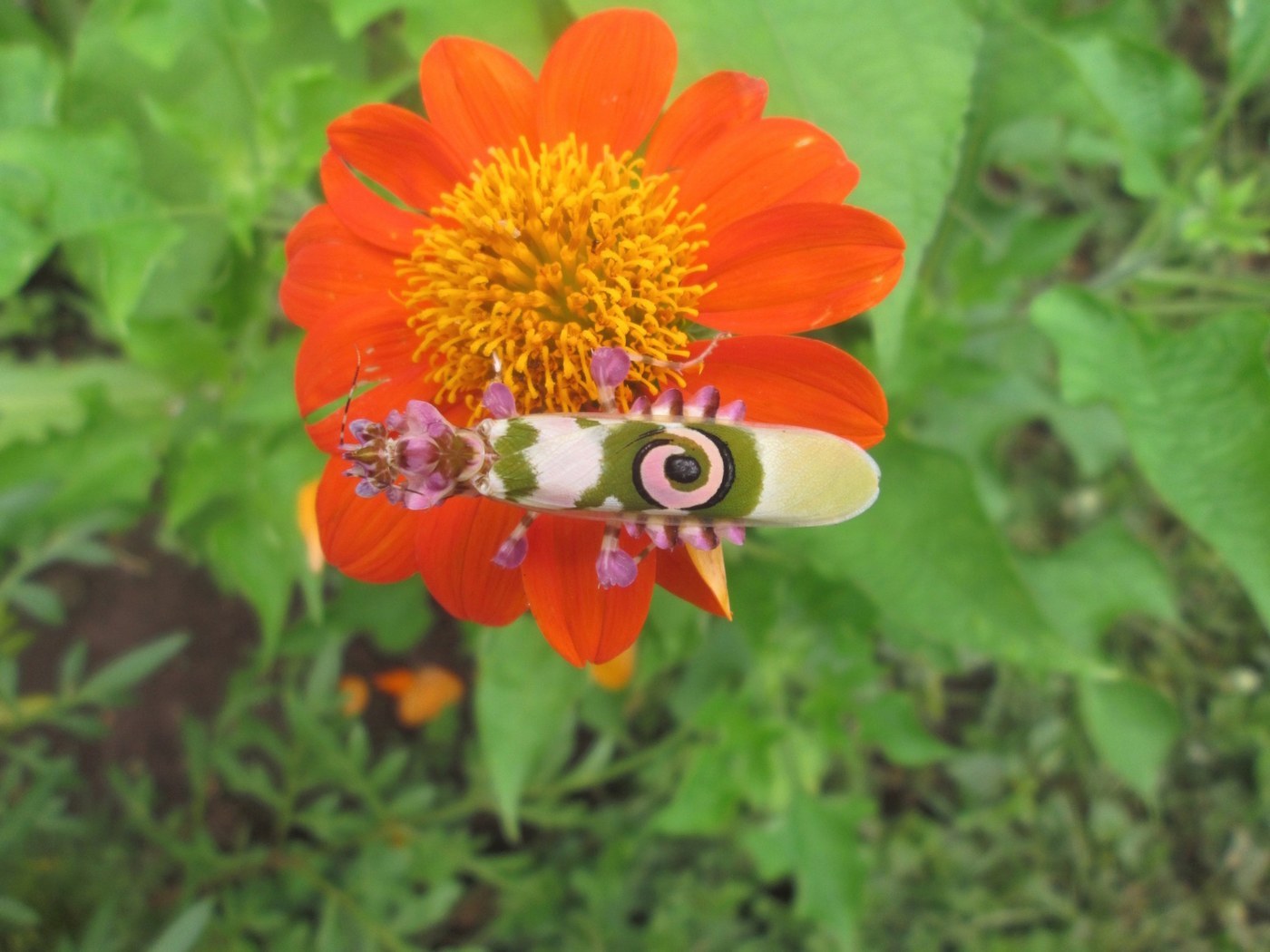
Spiny Flower Mantis
African savanna and woodland shrubs and flowering plants
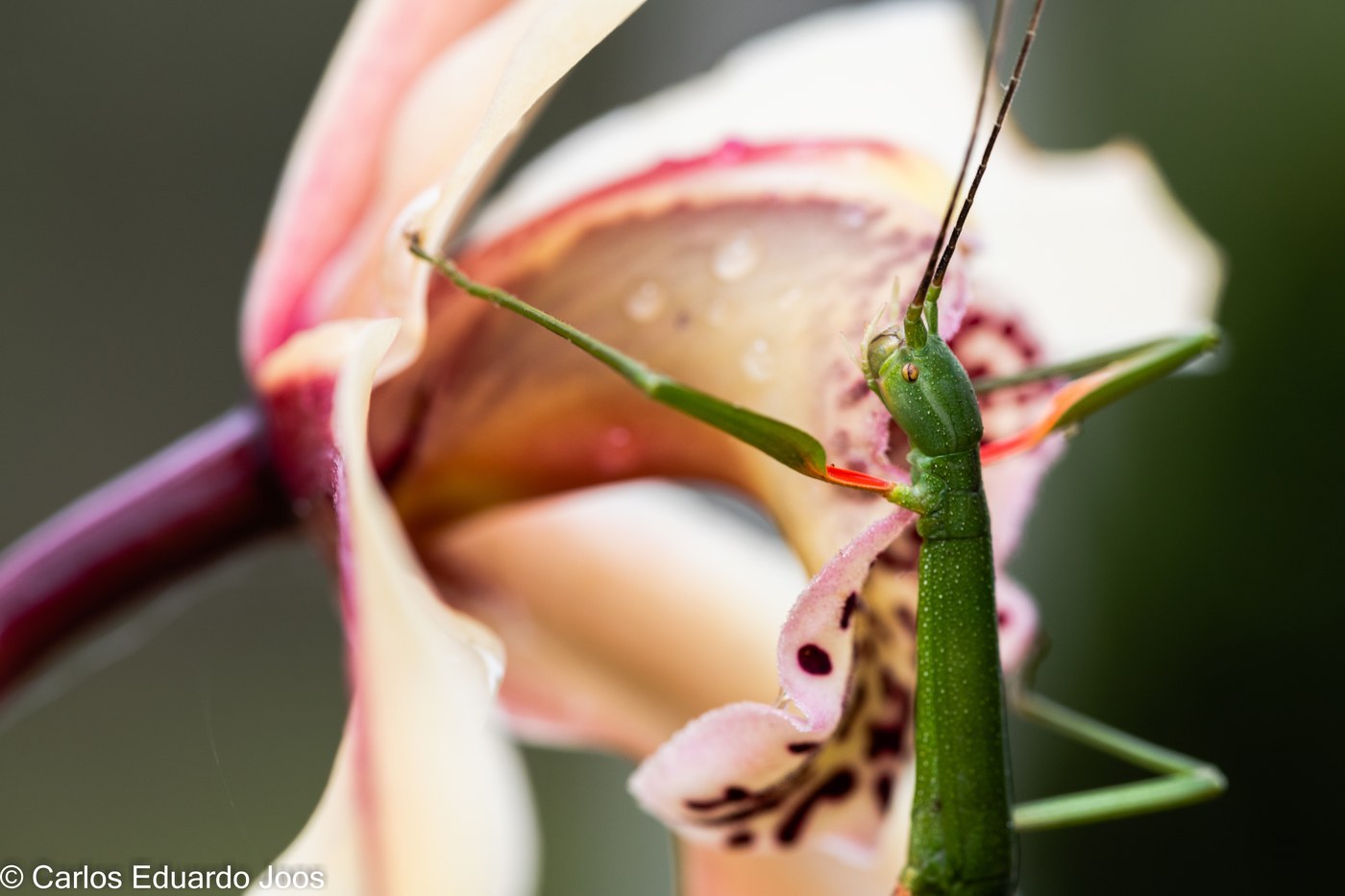
Northern Walkingstick
deciduous forests and woodland edges of the eastern and central United States and southern Canada
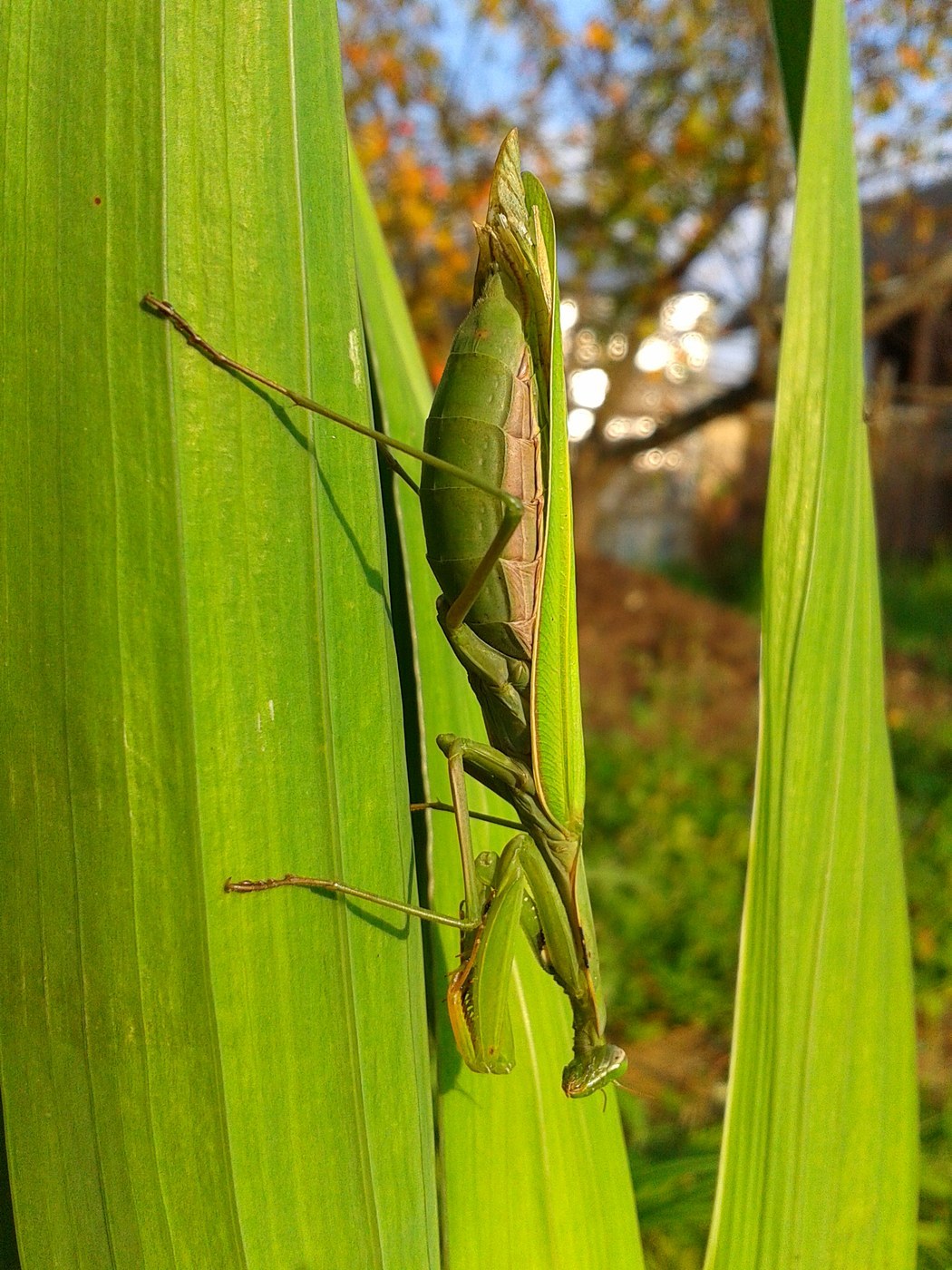
Praying Mantis
Gardens, meadows, shrubs, and tall grass
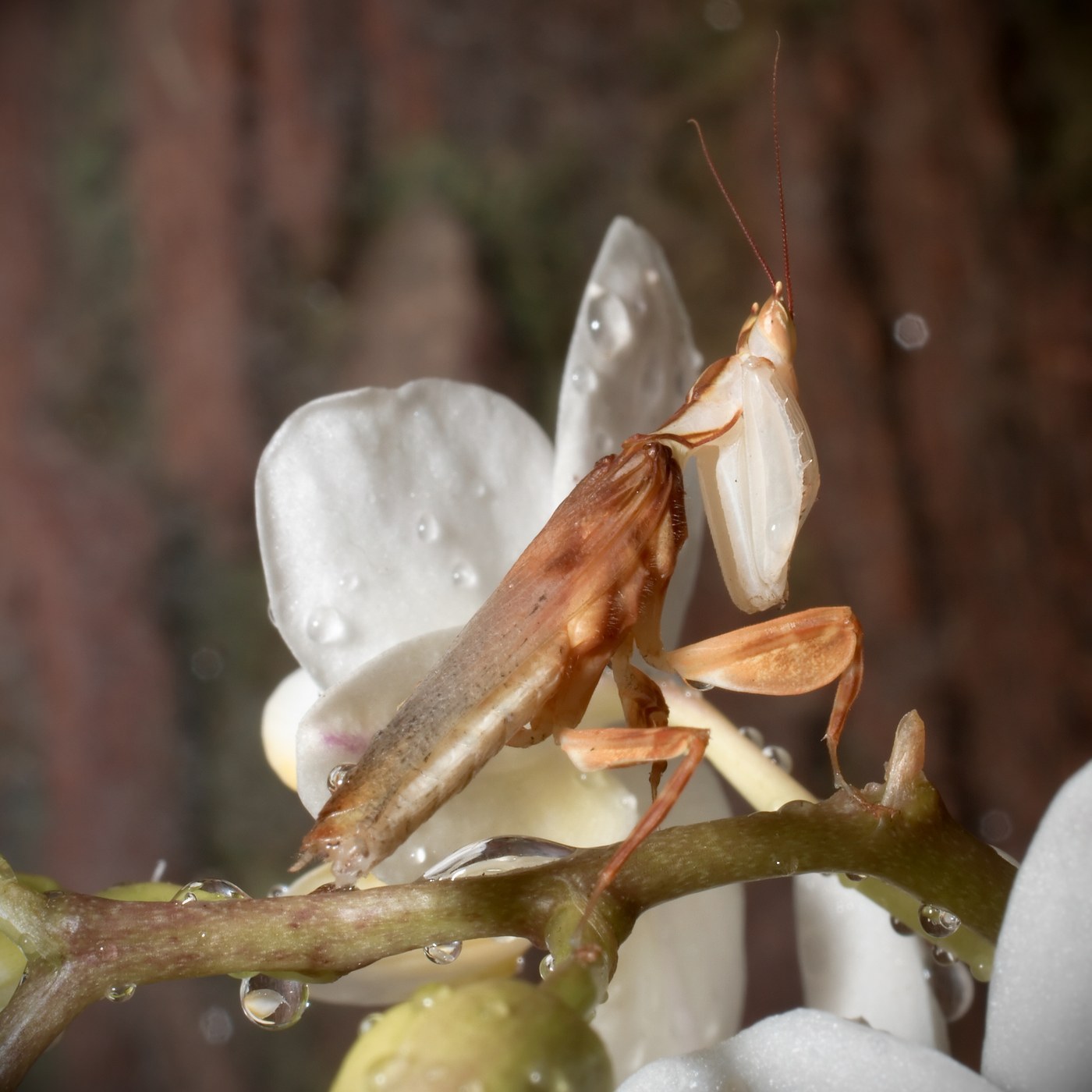
Orchid Mantis
tropical rainforests and flowering shrubs of Southeast Asia
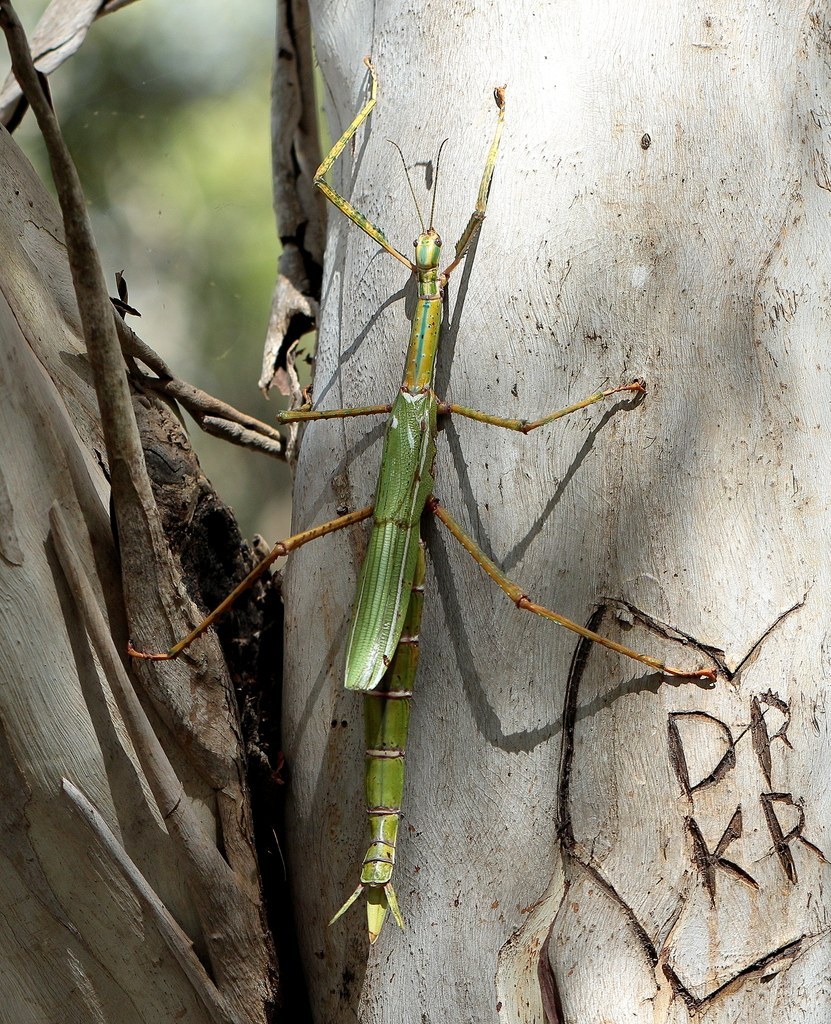
Goliath Stick Insect
Tropical and subtropical eucalypt forests and woodland canopy
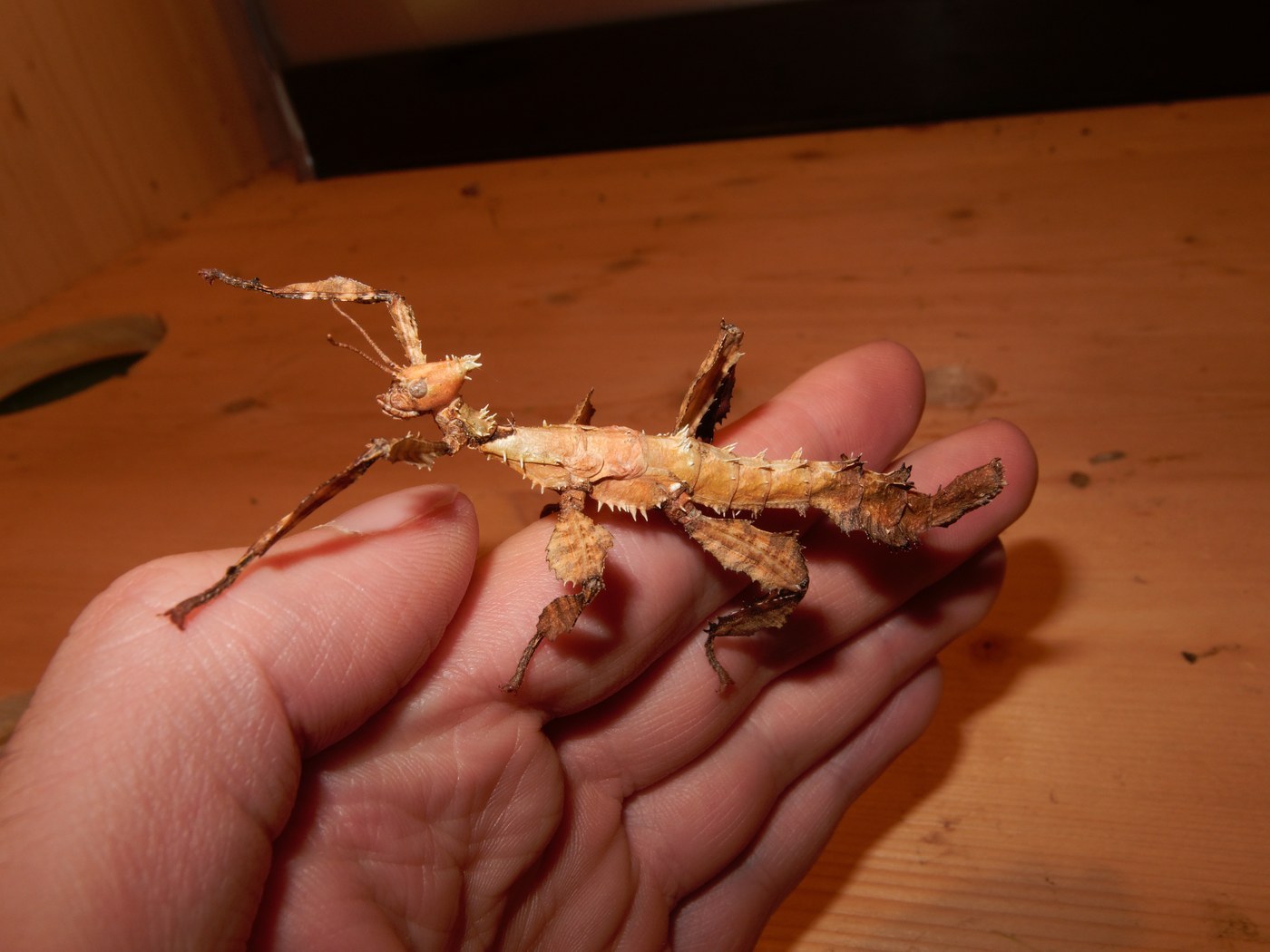
Giant Prickly Stick Insect
eucalyptus forests and shrubland of eastern Australia and New Guinea
Javanese Leaf Insect
Tropical lowland and montane forest foliage
Giant Walking Stick
Deciduous woodlands, forest edges, and shrubby thickets