
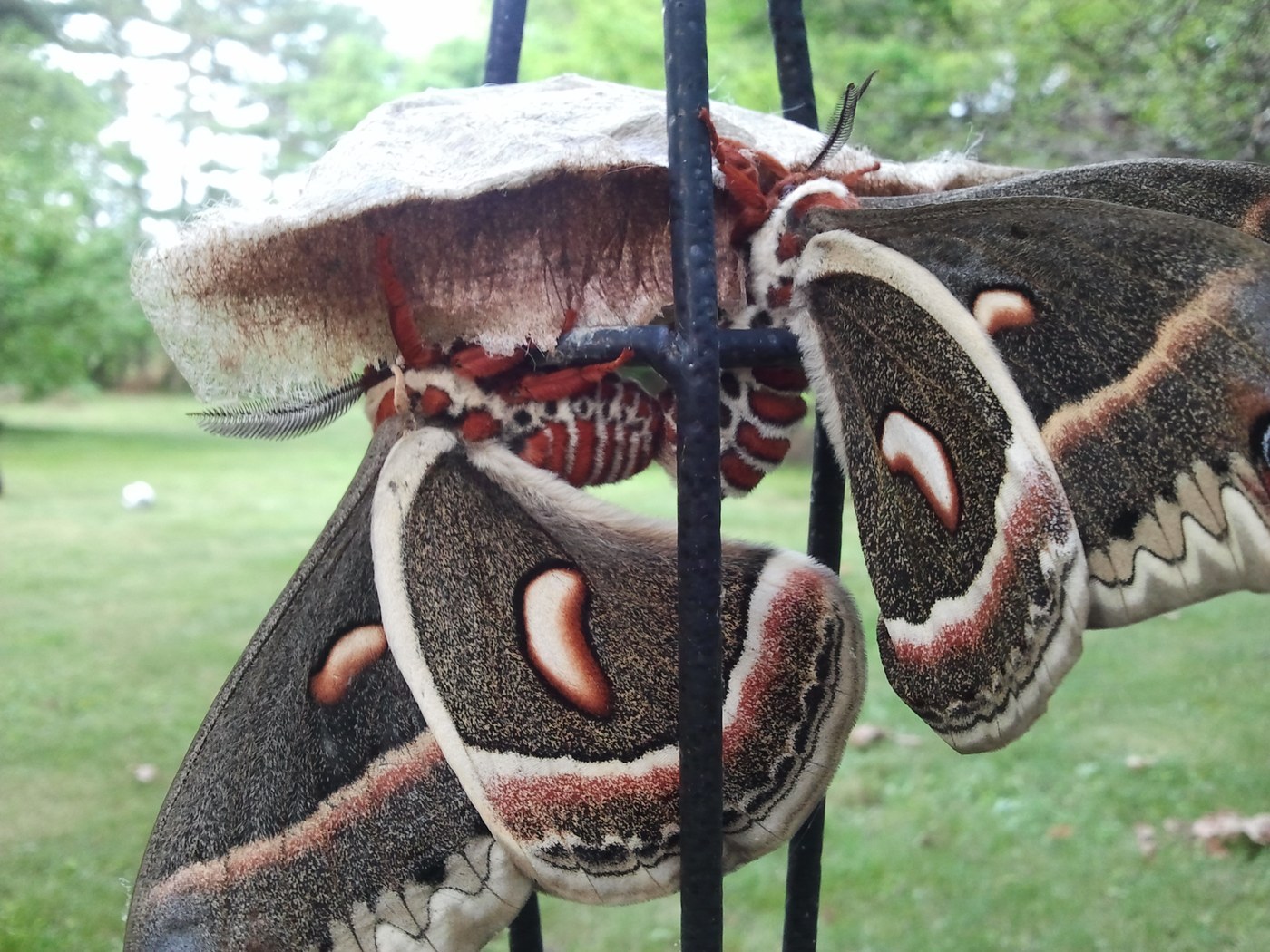
Cecropia Moth
Hyalophora cecropia
North America's largest native moth, the Cecropia is a spectacular giant silkmoth with reddish-brown wings marked by crescent-shaped white spots and bold bands of red, white, and tan.
- Size
- 5–7 in wingspan
- Habitat
- Deciduous woodlands, orchards, suburban yards of eastern North America
- Danger
- Harmless
Spotted a bug like this?
Identify any bug or insect from a photo, free.
Overview
The Cecropia Moth is the largest native moth species in North America, a member of the giant silkmoth family Saturniidae, found across much of the eastern and central United States and into southern Canada. Its striking wing pattern and impressive size make it a favorite subject for naturalists and one of the most memorable moth encounters in its range.
Like other giant silkmoths, adult Cecropia Moths have no functional mouthparts and do not feed, living for only about one to two weeks after emerging, during which their sole purpose is to mate and, for females, lay eggs. This brief adult stage stands in contrast to the many months spent as an egg, caterpillar, and overwintering pupa.
The species' large, cylindrical caterpillars pass through a series of dramatic color changes as they grow, becoming bright green and studded with colorful tubercles by their final instar, before spinning a distinctive spindle-shaped silk cocoon attached lengthwise to a twig.
How to Identify
- Very large size, with a wingspan regularly reaching 5 to 7 inches, the largest of any moth native to North America.
- Wings are reddish-brown with a wavy white band bordered in red running across both fore- and hindwings.
- Each wing bears a crescent- or comma-shaped white spot outlined in black and red near the center.
- Body is furry and stout, with a red collar and banded reddish-and-white abdomen.
- Antennae are large and feathery (bipectinate), especially prominent in males, used for detecting pheromones.
Habitat & Range
Cecropia Moths are found across the eastern and central United States and into southern Canada, inhabiting deciduous woodlands, orchards, hedgerows, and suburban yards with mature trees. Adults fly primarily at night from late spring into early summer.
The species relies on a broad range of deciduous tree and shrub hosts, including maple, cherry, birch, and apple, giving it flexibility to persist in suburban as well as wild wooded habitats.
Behavior & Diet
Because adults cannot feed, their behavior centers entirely on reproduction during their brief one- to two-week lifespan. Males use their large, feathery antennae to detect female sex pheromones from remarkable distances, sometimes over a mile, flying upwind to locate a mate at night.
Caterpillars are solitary leaf feeders, consuming large quantities of foliage from a variety of host trees, growing rapidly through five instars and changing color from black to green to bluish-green with colorful knobs as they mature.
Life Cycle
Eggs are laid in small groups on host plant leaves and hatch into tiny black caterpillars that progress through five instars, becoming increasingly large, pale green, and adorned with rows of blue, yellow, and red tubercles. The mature caterpillar can reach up to 4 inches long before spinning its cocoon.
The caterpillar spins a tough, spindle-shaped silk cocoon attached lengthwise along a twig or branch, within which it pupates and overwinters through the cold months. Adults emerge the following late spring, and the species produces a single generation per year across most of its range.
Frequently asked questions
Is the Cecropia Moth really the largest moth in North America?
Yes, it holds the distinction of being the largest native moth species by wingspan on the continent.
Why doesn't the adult Cecropia Moth eat?
Like other giant silkmoths, adults lack functional mouthparts and live only briefly off energy stored during the caterpillar stage.
How does the caterpillar spend the winter?
It overwinters as a pupa inside a tough, spindle-shaped cocoon attached to a twig, emerging as an adult the following spring.
What trees do Cecropia caterpillars feed on?
They are generalist feeders on many deciduous trees and shrubs, including maple, cherry, birch, and apple.
Cecropia Moth guides
In-depth guides for identifying, understanding, and living alongside Cecropia Moth.
Cecropia Moth identified by the community
Real finds identified with Bug Identifier.
Other bugs you may enjoy
Bagworm Moth
Coniferous and deciduous trees, shrubs, hedges
Antheraea Silkmoth
Deciduous forests, woodland edges, orchards
Ailanthus Silkmoth (Cynthia Moth)
Urban parks, wastelands, and woodland edges with tree-of-heaven; native to Asia, introduced in North America and Europe
Winter Moth
Deciduous woodland, orchards, gardens, hedgerows
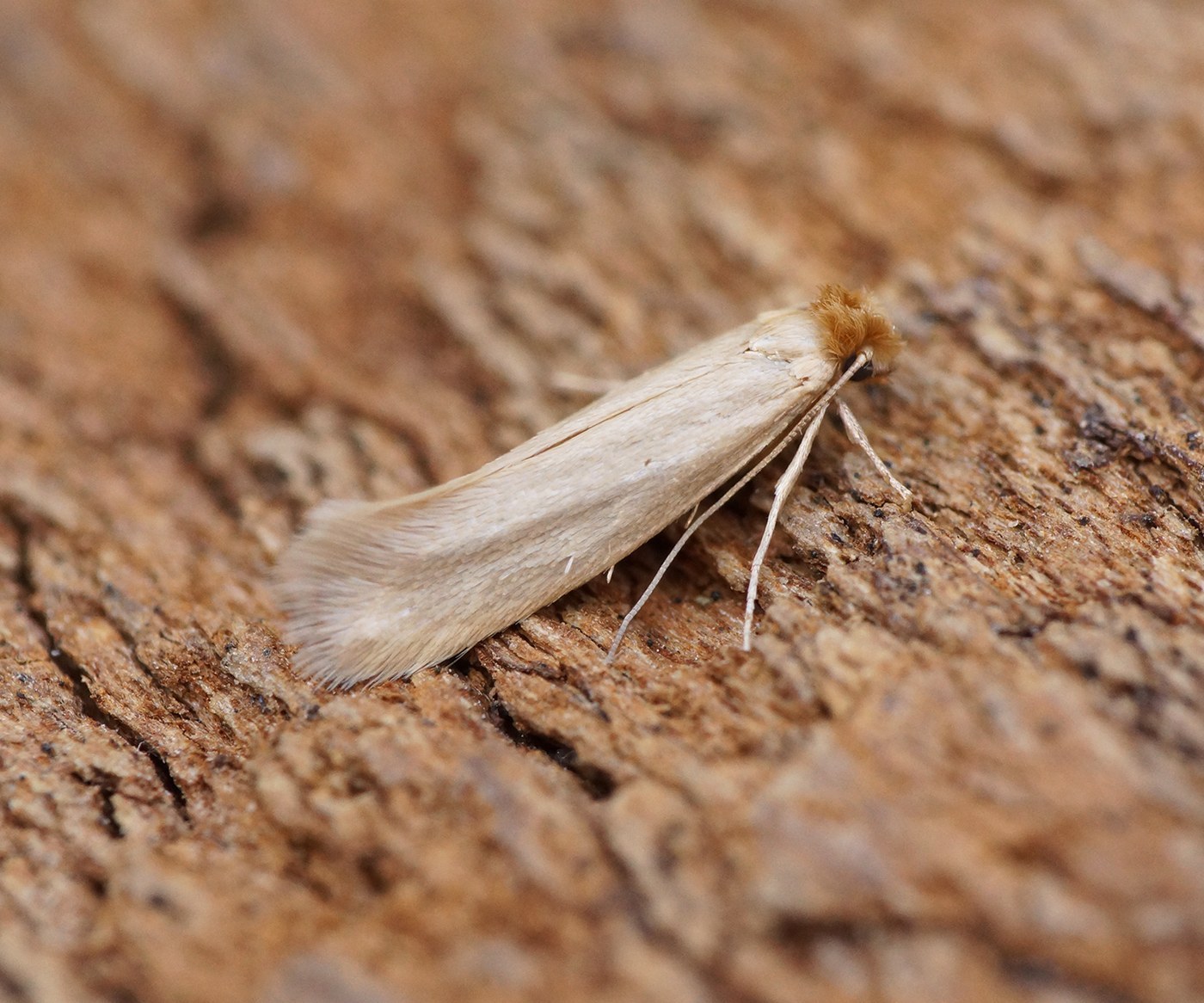
Webbing Clothes Moth
Dark closets, storage areas, and animal nests worldwide
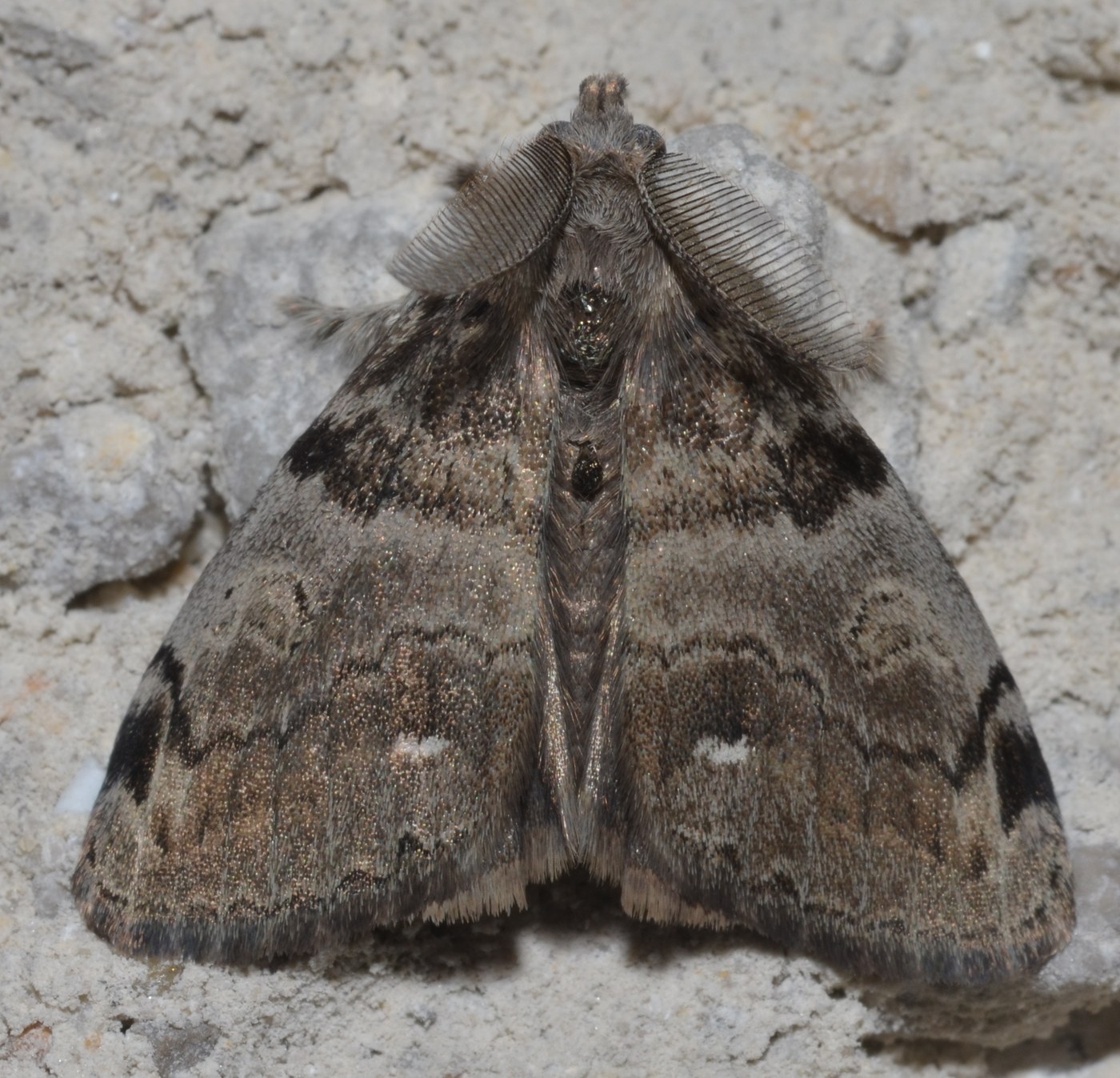
Tussock Moth
Deciduous forests, parks, gardens
Wax Moth
Beehives, apiaries, stored beeswax and comb
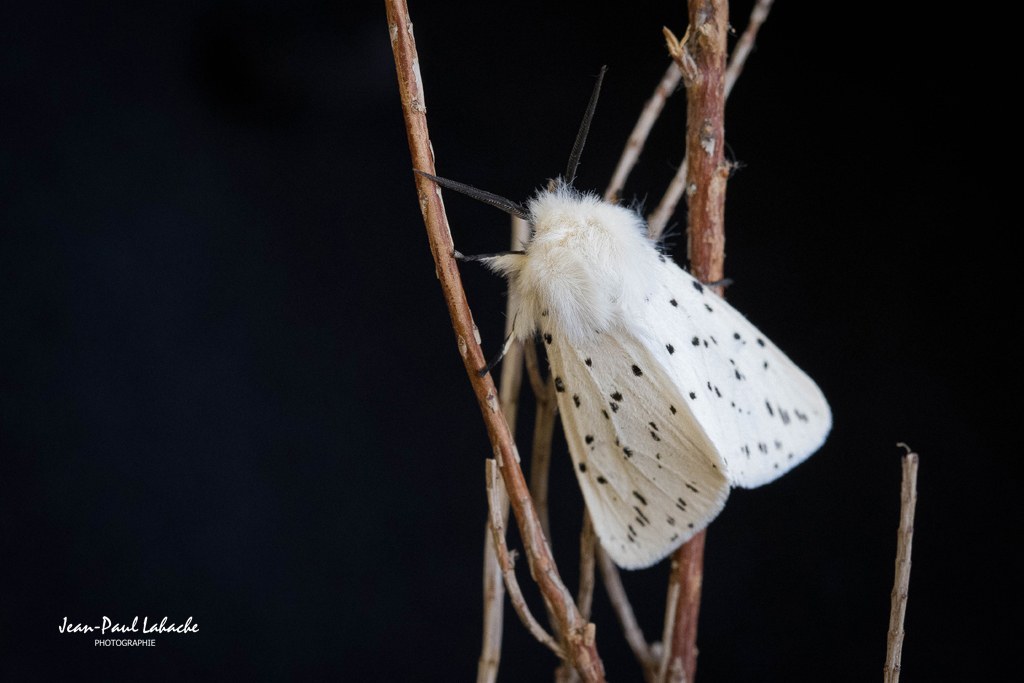
White Ermine Moth
Gardens, meadows, hedgerows
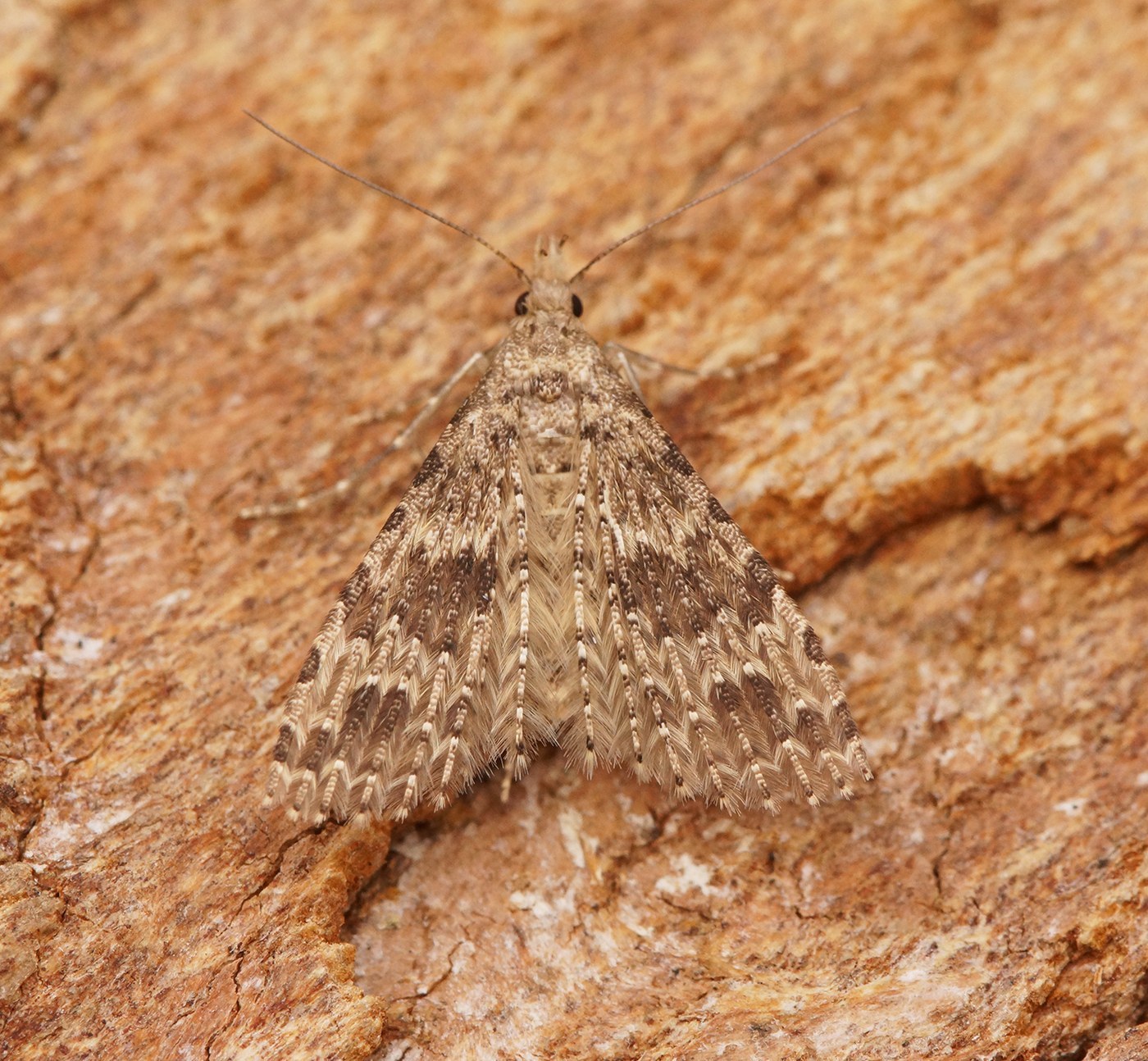
Twenty-plume Moth
Gardens, hedgerows, near honeysuckle
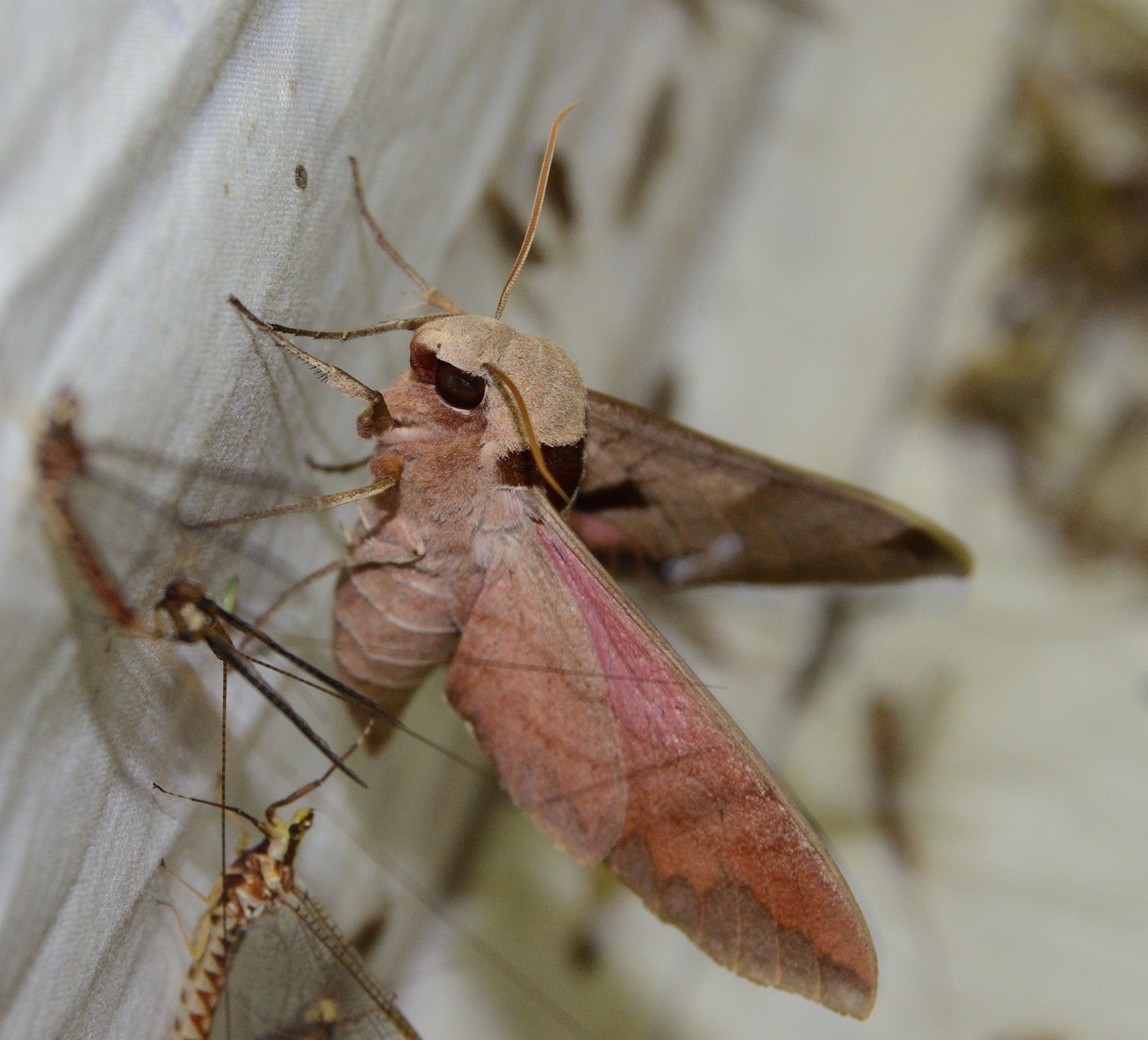
Achemon Sphinx Moth
Vineyards, woodland edges, gardens with wild grape
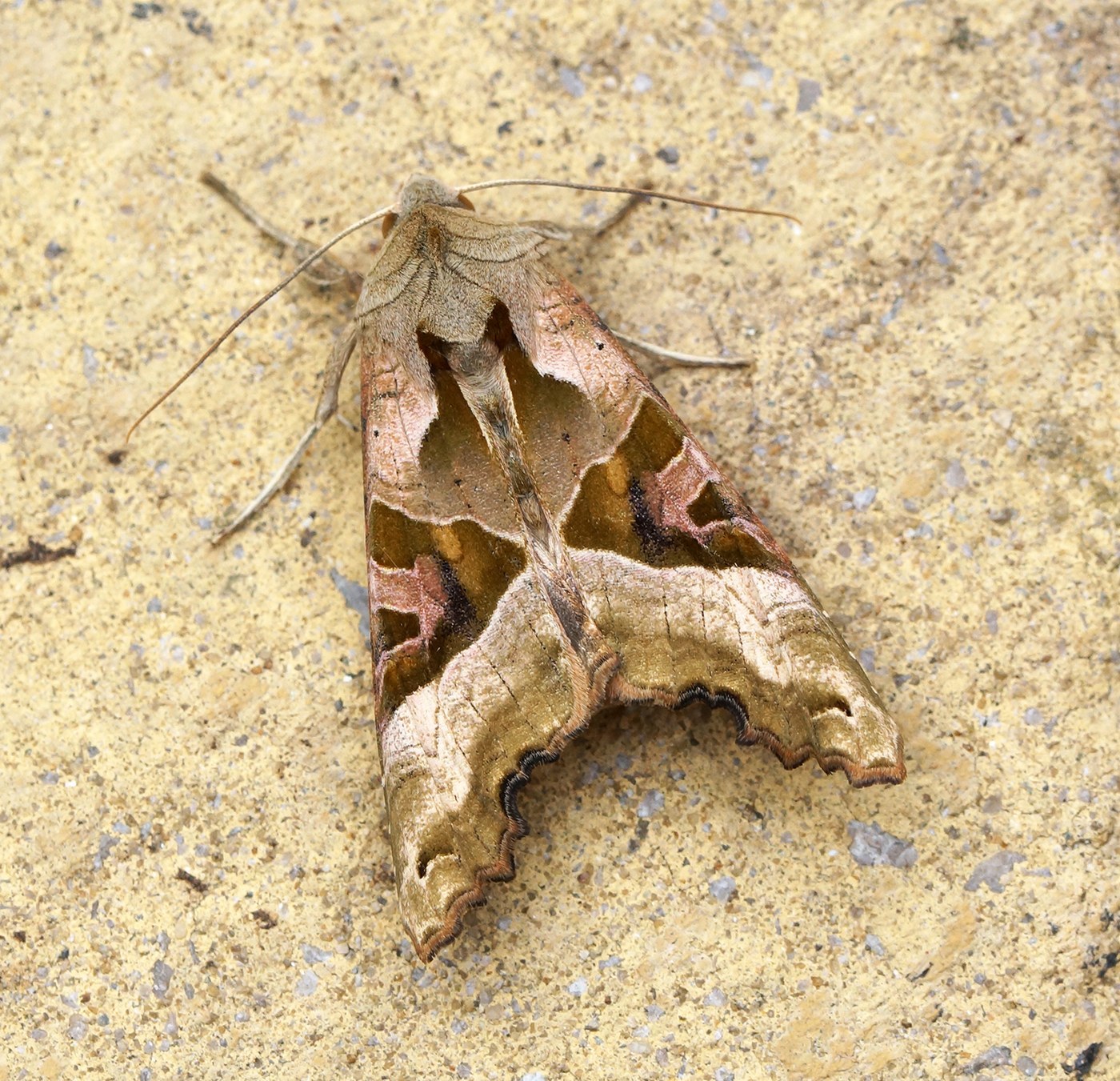
Angle Shades Moth
Gardens, hedgerows, woodland edges, urban parks
Atlas Moth
Tropical and subtropical lowland forests of Southeast Asia