
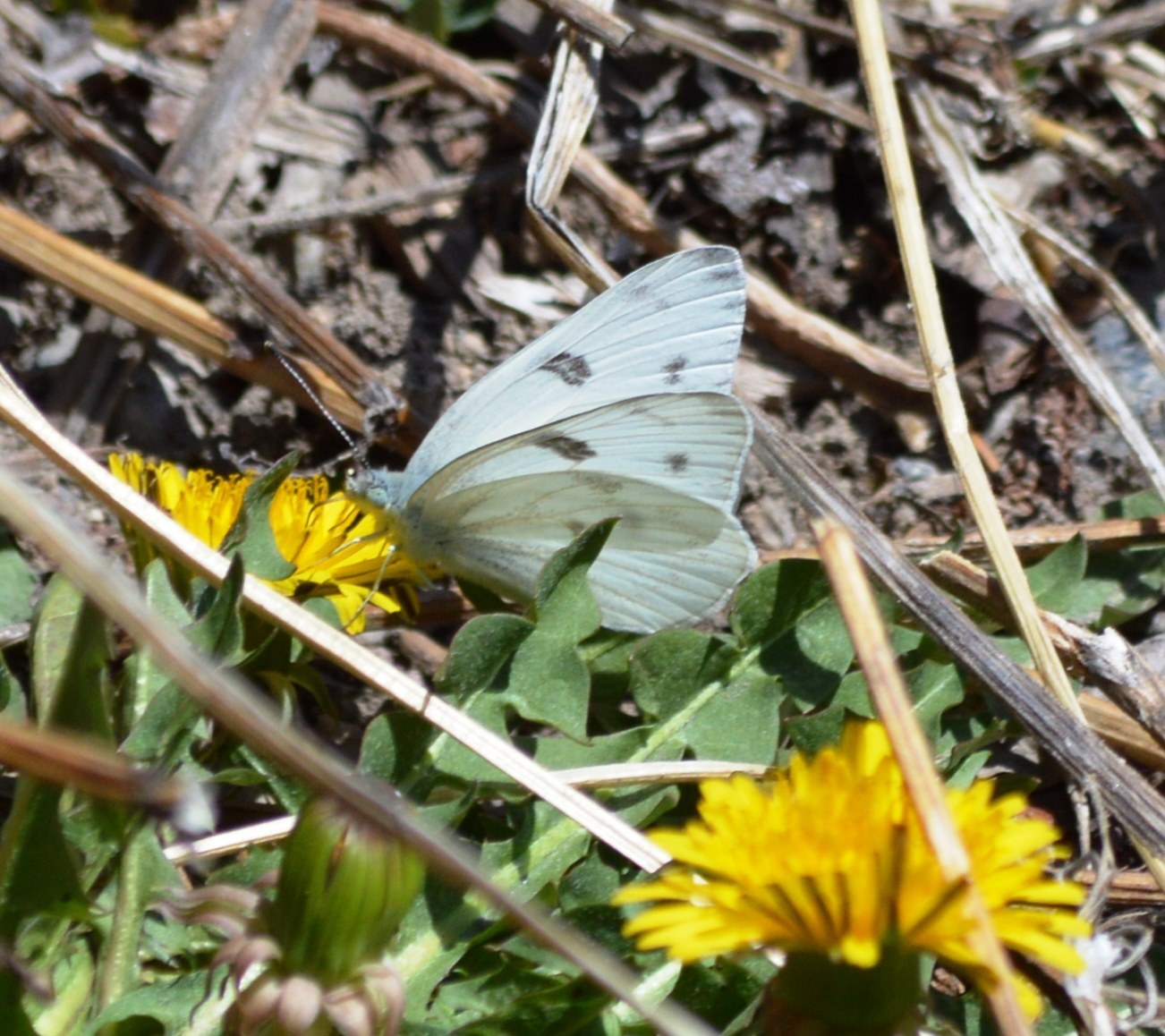
Checkered White
Pontia protodice
A white butterfly patterned with irregular gray-black checkered spots, commonly fluttering low over open, sunny, weedy fields across much of North America.
- Size
- 1.25–2 in wingspan
- Habitat
- Open fields, disturbed ground, roadsides, and gardens
- Danger
- Harmless
Spotted a bug like this?
Identify any bug or insect from a photo, free.
Overview
The Checkered White is a widespread butterfly in the family Pieridae, found across most of the continental United States, southern Canada, and Mexico, favoring open, disturbed, and agricultural habitats. Its mottled black-and-white pattern gives it a distinctive checkered appearance that sets it apart from the more solidly colored whites and sulphurs it often flies alongside.
As a member of the genus Pontia, it belongs to a group of whites adapted to open, weedy, and often human-altered landscapes, with caterpillars feeding on plants in the mustard family, many of which are common agricultural or roadside weeds. This adaptability has allowed the species to remain common even as natural habitats have given way to farmland and disturbed ground.
The Checkered White shows notable seasonal variation, with spring-generation individuals typically more heavily marked than the paler summer generations, a pattern seen in several related white butterflies.
How to Identify
- Medium-sized white butterfly with irregular gray-black checkered spots and blotches scattered across both wings, more heavily marked in females and spring-generation individuals.
- Wingtips often show a darker, more solid black-gray patterning that fades toward the wing base.
- Underside of the hindwing is white with faint pale gray-green veining, more pronounced in some seasonal forms.
- Antennae are gray with a dark, clubbed tip.
- Distinguished from the Cabbage White by its more extensive, irregular checkering rather than the small, discrete round spots of that species, and from the Great Southern White by its typically inland, weedy habitat and smaller size.
Habitat & Range
Checkered Whites are found across nearly all of the continental United States, southern Canada, and Mexico, in open, sunny, disturbed habitats such as fields, roadsides, vacant lots, gardens, and agricultural land, particularly where mustard-family plants grow as weeds. Adults fly from spring through fall across most of the range, with multiple generations, and are especially common in dry, open, weedy environments.
Behavior & Diet
Adults fly with a quick, low, fluttering pattern over open ground, visiting a range of flowers for nectar, including mustards, asters, and clover. Males patrol open habitat searching for females and may gather at damp soil for mineral uptake. Caterpillars feed on plants in the mustard family, including various wild and weedy species, and are colored to blend with the host plant's foliage, offering protection from predators while feeding.
Life Cycle
Eggs are laid singly on the leaves or flower buds of mustard-family host plants. The caterpillar is bluish-gray to green with yellow stripes and fine dark speckling, feeding on foliage and flowers as it develops through several molts. Pupation occurs in an angular, ridged chrysalis attached to a plant stem or nearby surface. Multiple generations are produced each year in warmer regions, with the species overwintering as a chrysalis in areas with cold winters before adults emerge the following spring.
Frequently asked questions
How is the Checkered White different from the Cabbage White?
The Checkered White shows more extensive, irregular gray-black checkered patterning across the wings, while the Cabbage White has smaller, more discrete round black spots and a plainer overall appearance.
What plants do the caterpillars feed on?
They feed on plants in the mustard family, including several common wild and weedy species found in open and disturbed habitats.
Why do spring individuals look different from summer ones?
Checkered Whites show seasonal variation, with spring-generation adults typically more heavily marked and darker than the paler summer-generation individuals.
Where would I typically see a Checkered White?
Look for it in open, sunny, weedy habitats such as fields, roadsides, and disturbed ground across most of North America.
Checkered White guides
In-depth guides for identifying, understanding, and living alongside Checkered White.
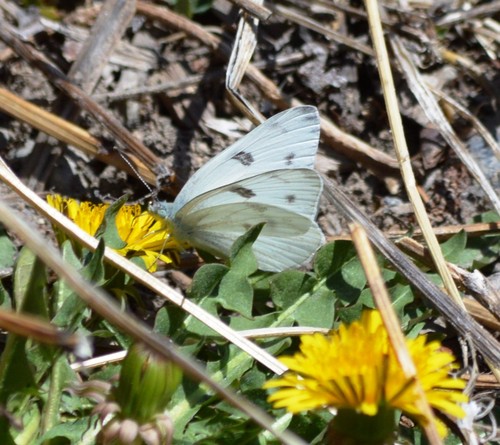
Checkered White identified by the community
Real finds identified with Bug Identifier.
Other bugs you may enjoy
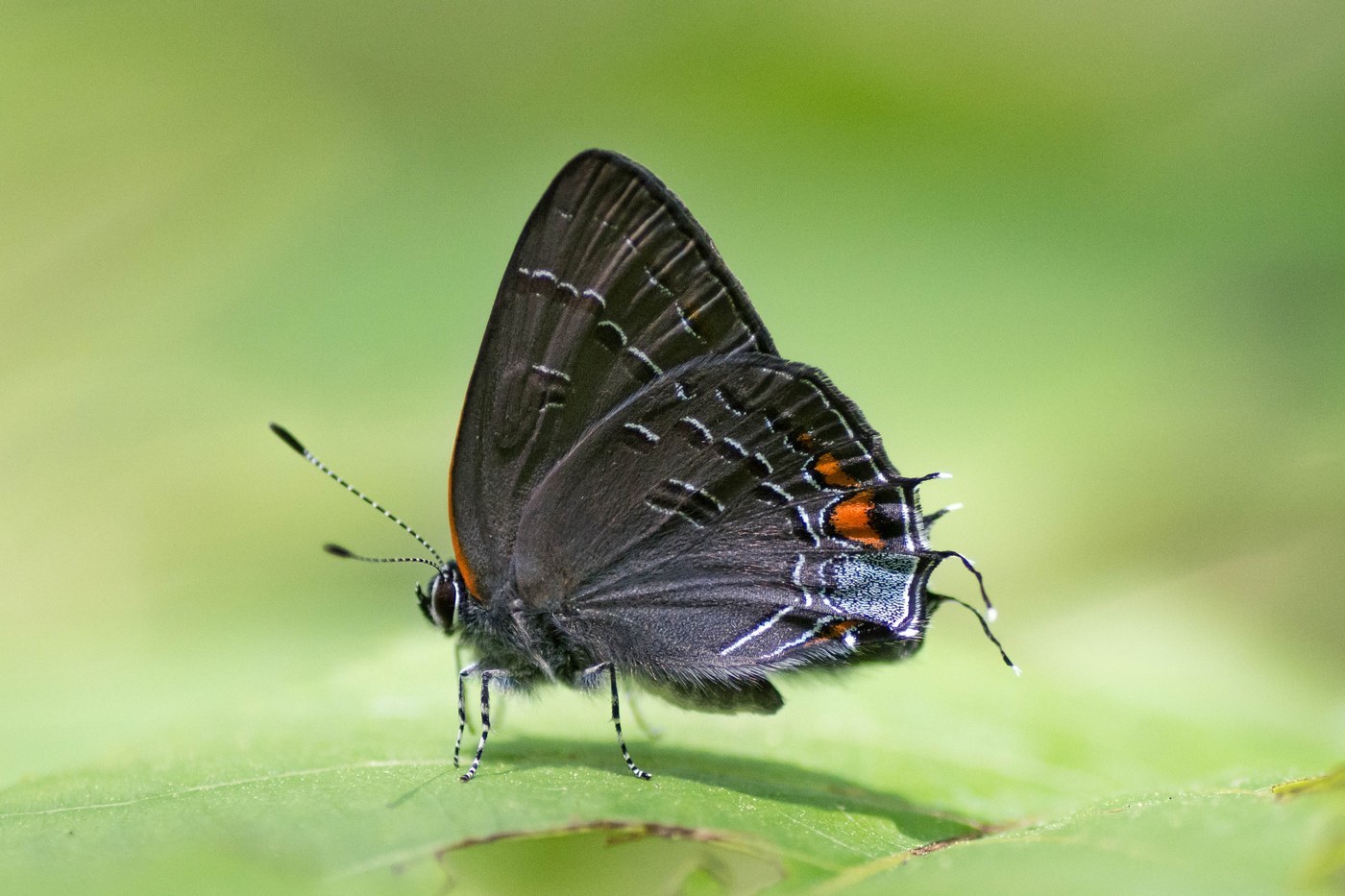
Banded Hairstreak
Deciduous woodlands and edges with oaks and hickories
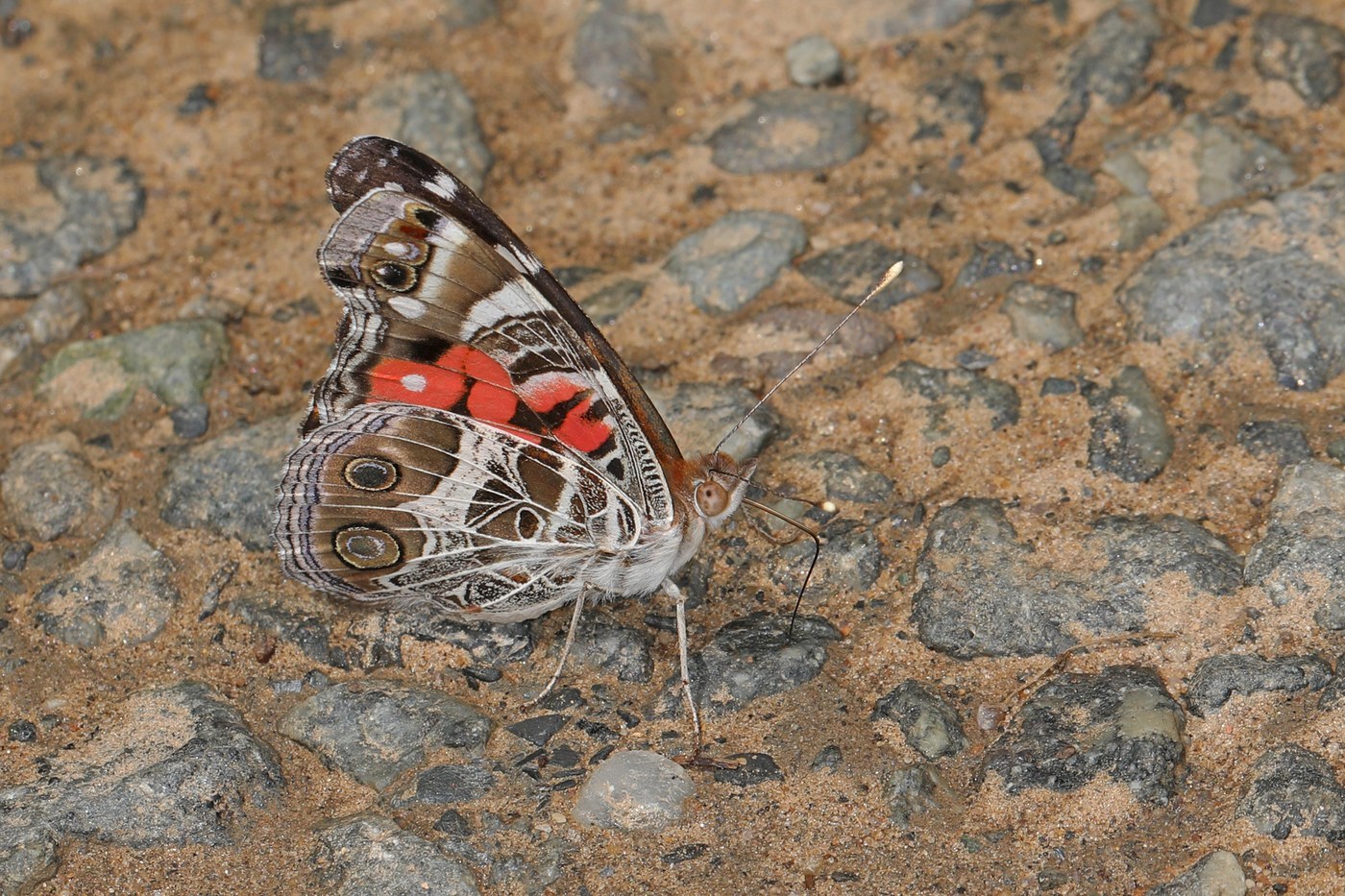
American Lady
Open fields, meadows, gardens, roadsides
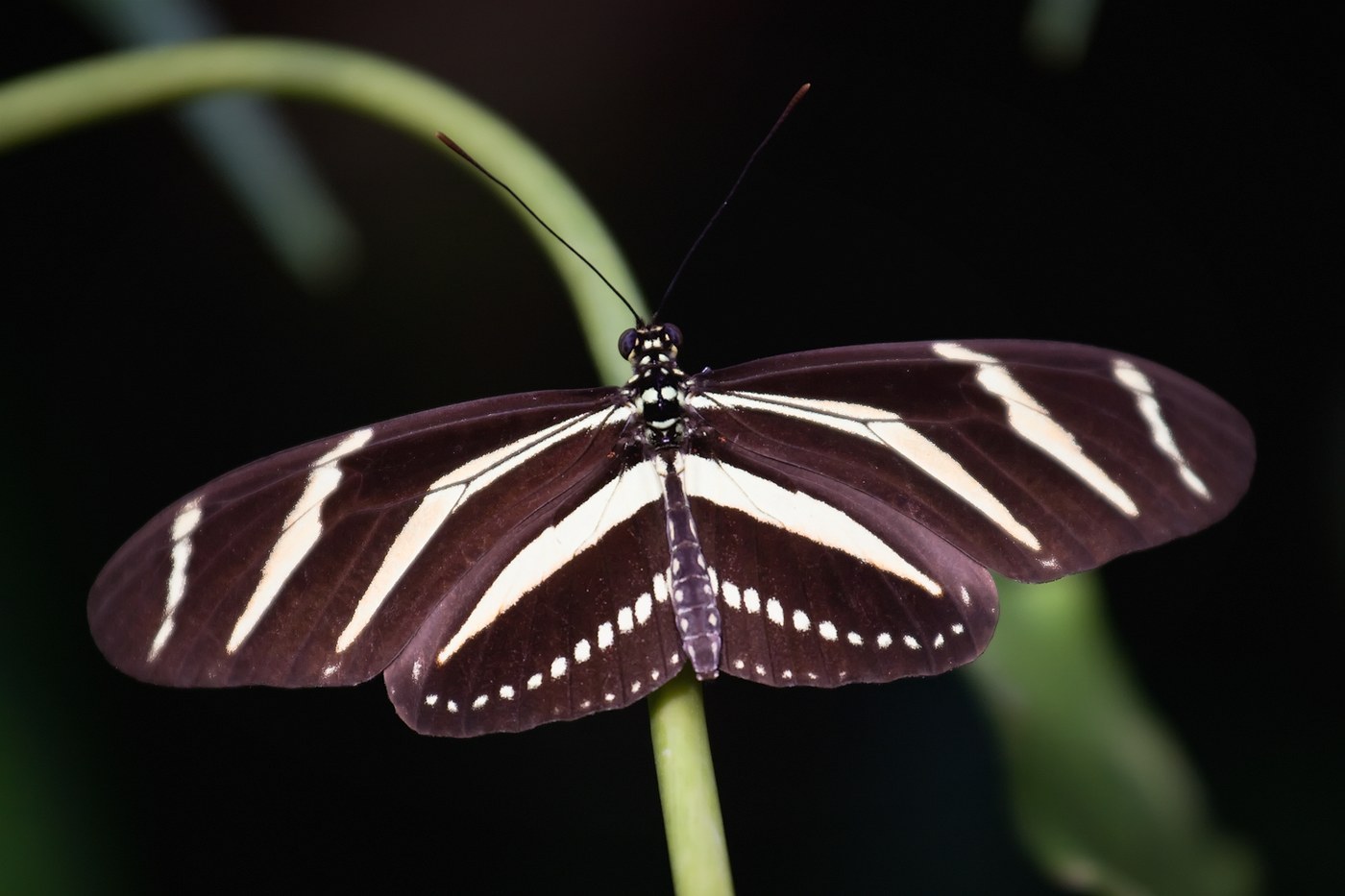
Zebra Longwing
Tropical hammocks, gardens, forest edges
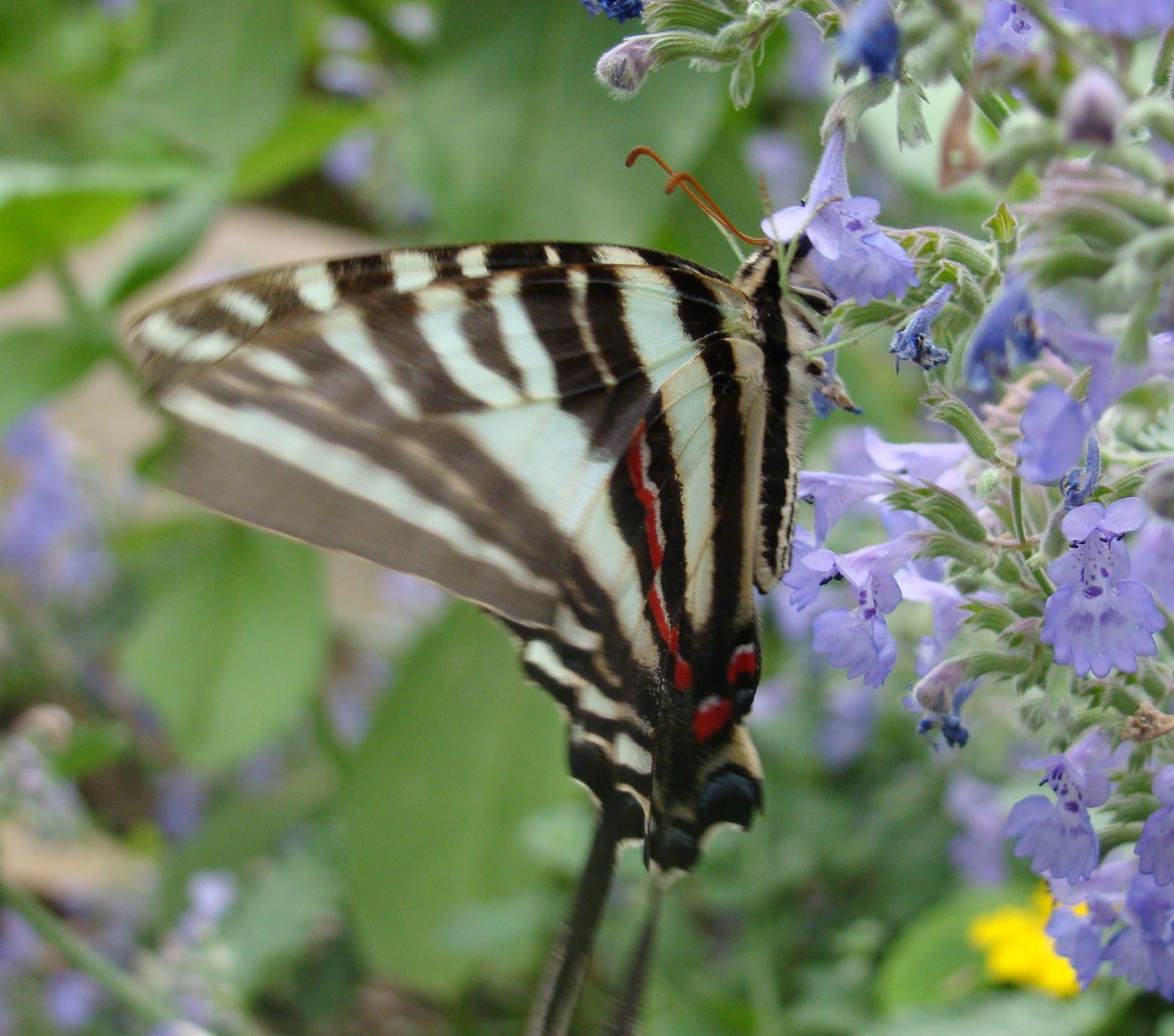
Zebra Swallowtail
Woodlands, floodplains, forest edges near pawpaw
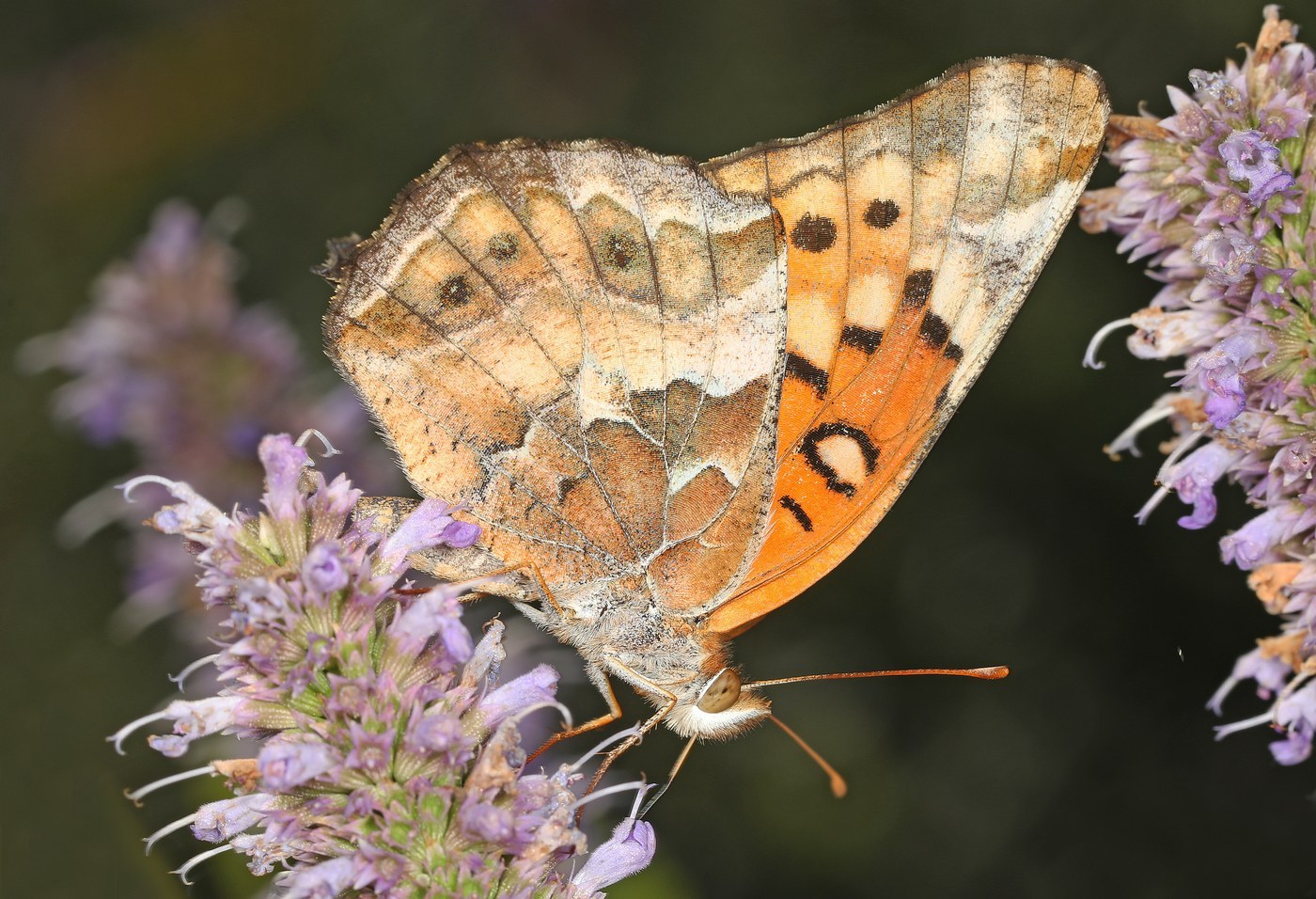
Variegated Fritillary
Open fields, prairies, roadsides, and disturbed ground across most of the United States
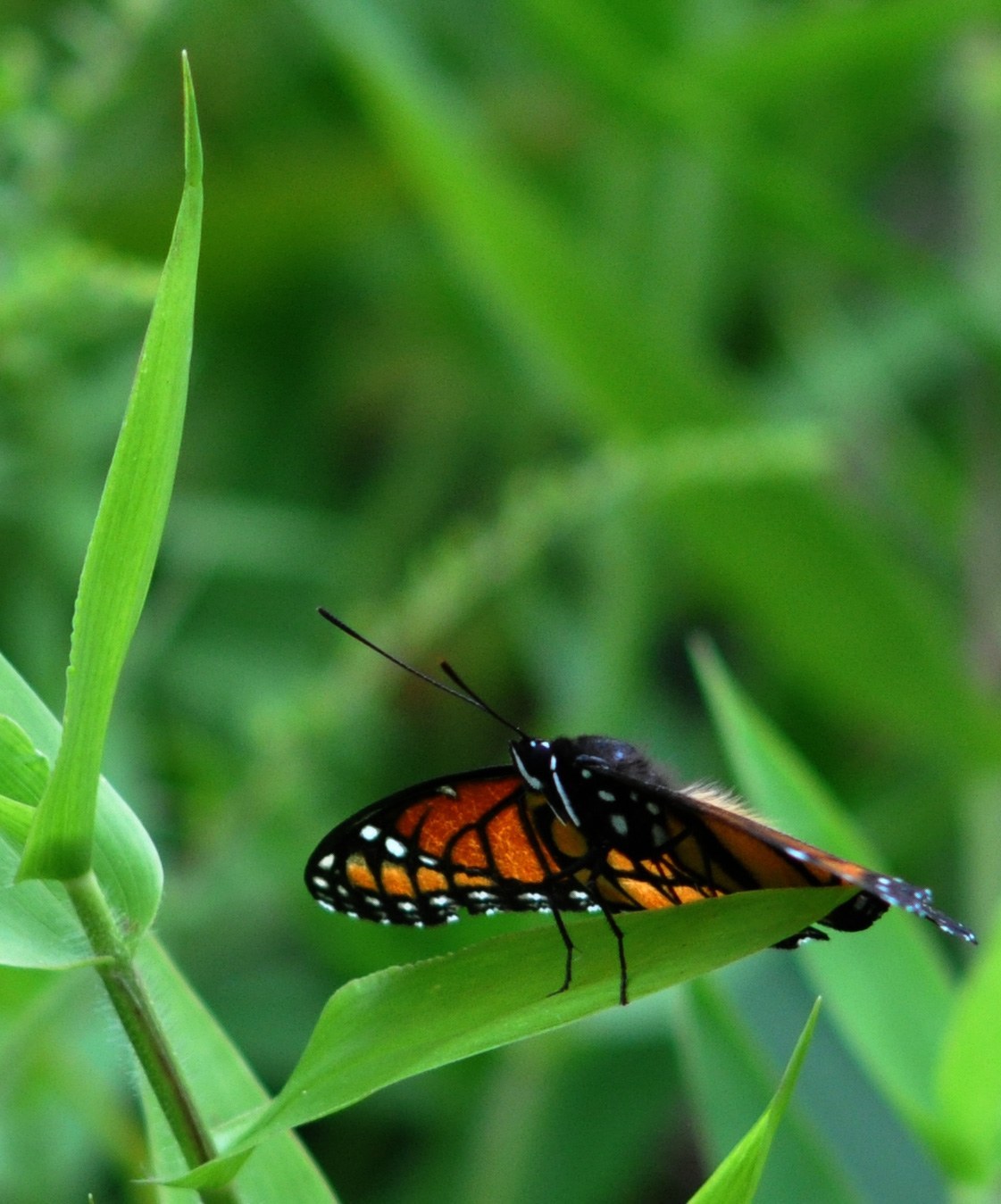
Viceroy Butterfly
Wetlands, meadows, riverbanks, willow thickets (North America)
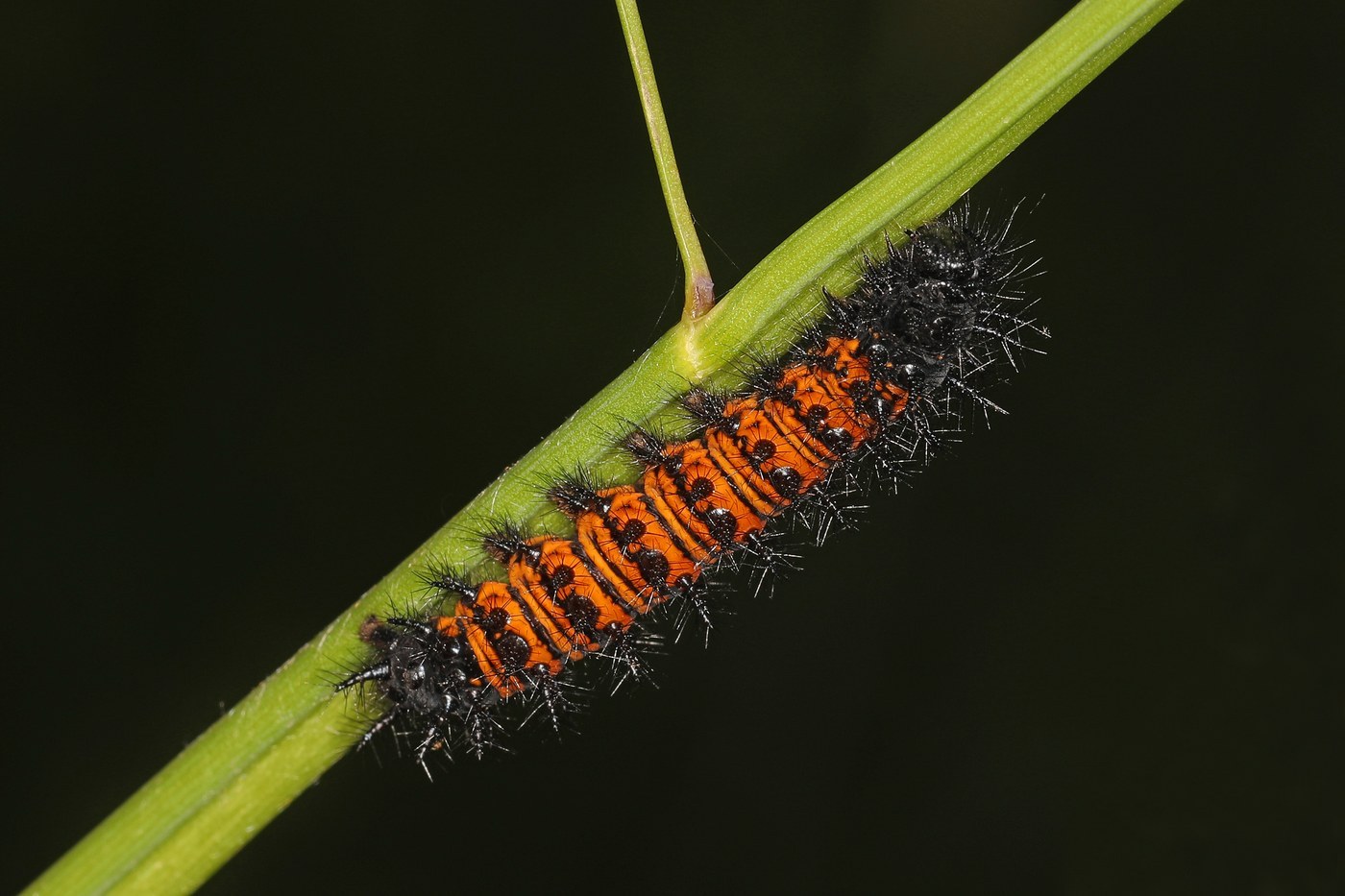
Baltimore Checkerspot
Wet meadows, bogs, and marshy fields in the northeastern and Appalachian US
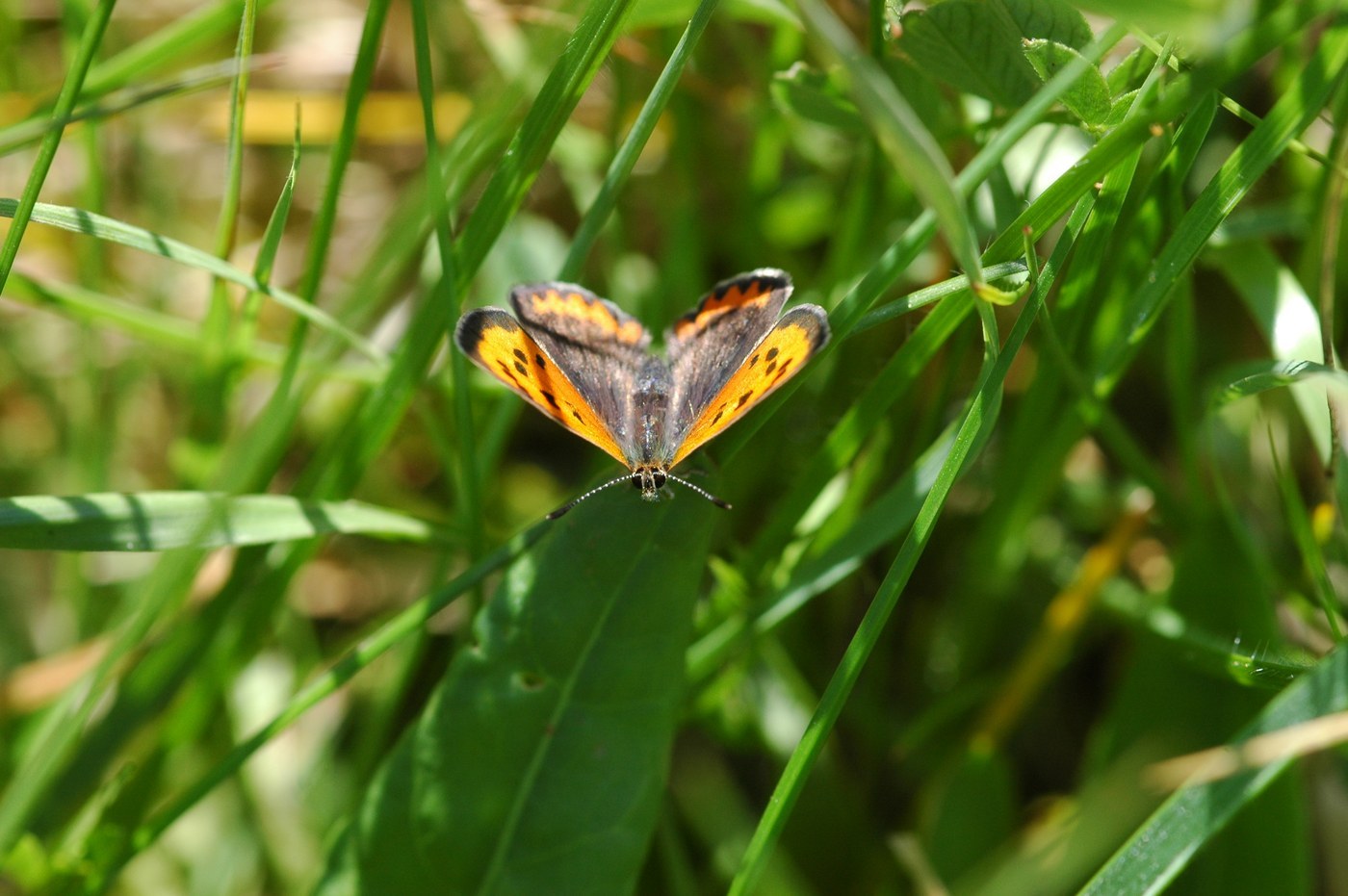
American Copper
Old fields, roadsides, and disturbed open ground with sorrel or dock
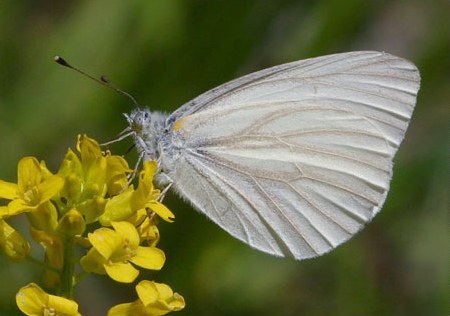
West Virginia White
Rich deciduous forest floors, especially near seeps and streams
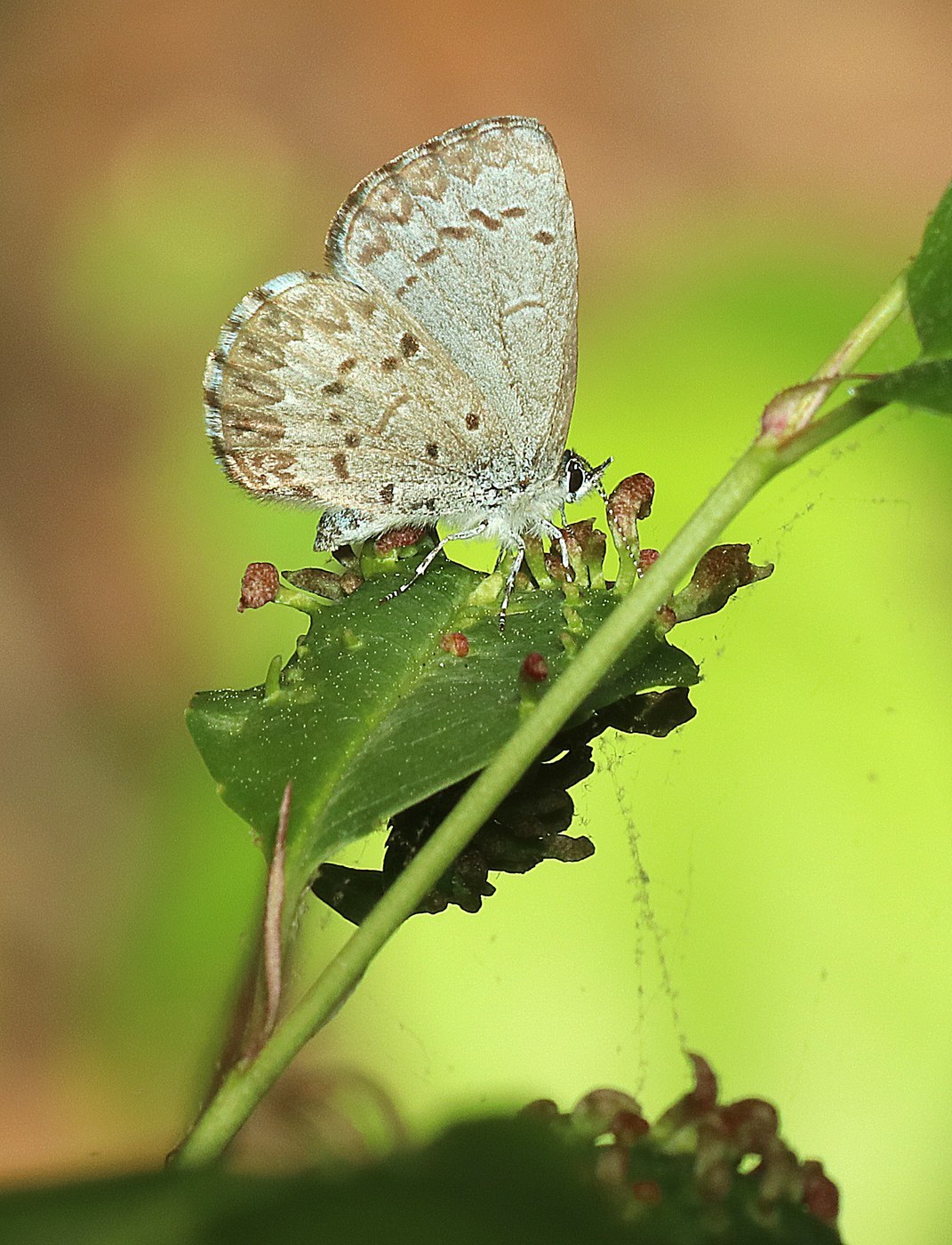
Spring Azure
Woodland edges, gardens, shrubby clearings
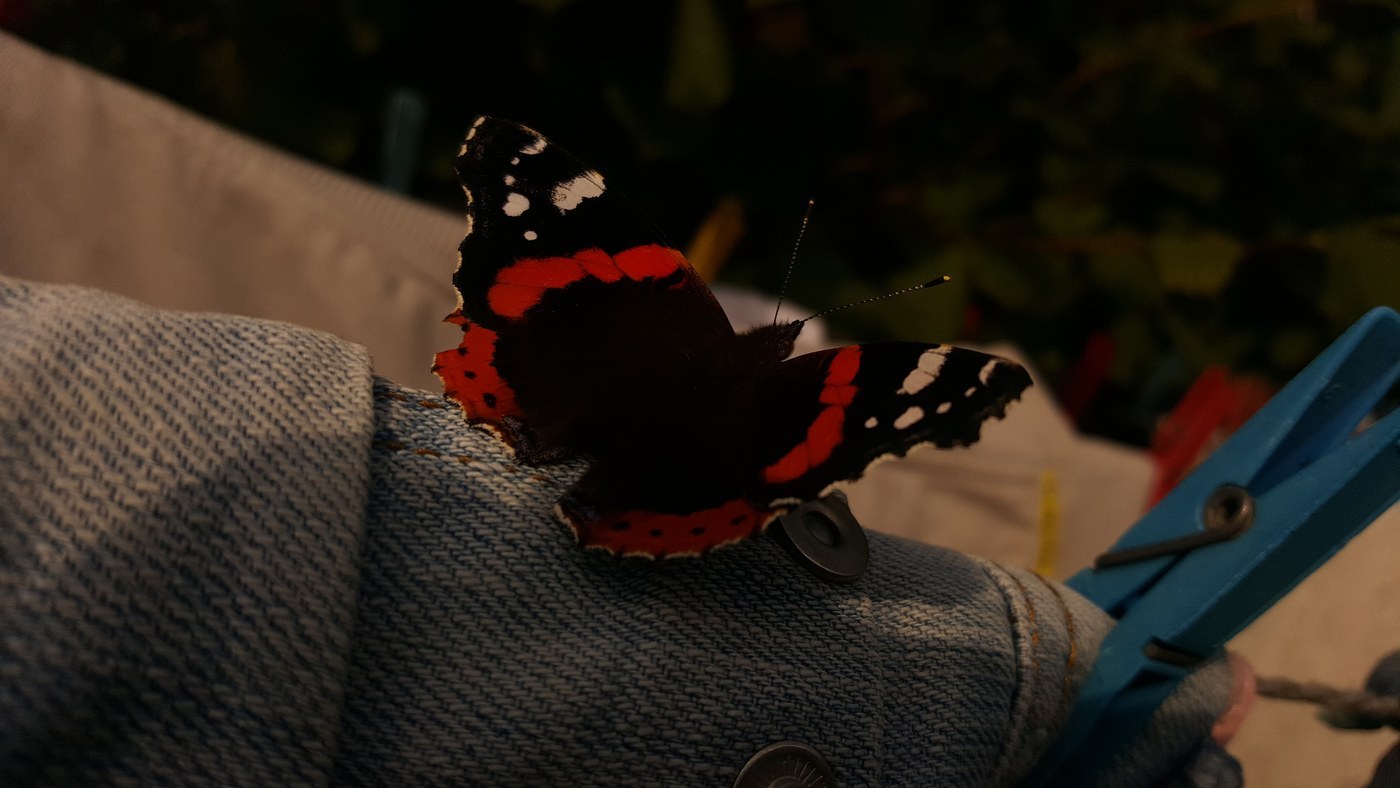
Red Admiral
Gardens, woodland edges, parks, meadows
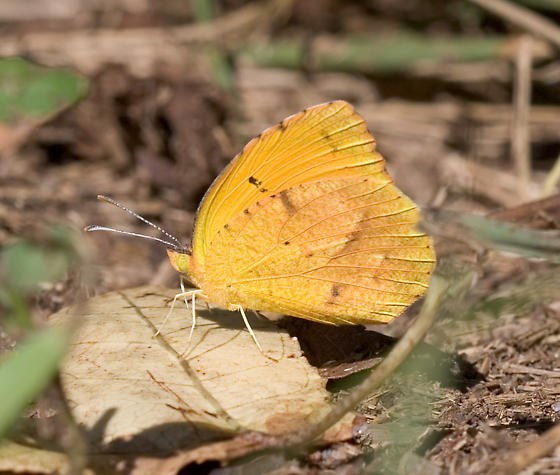
Sleepy Orange
Open woodland, fields, roadsides, and disturbed ground