
Chinese Oak Silkmoth
Antheraea pernyi
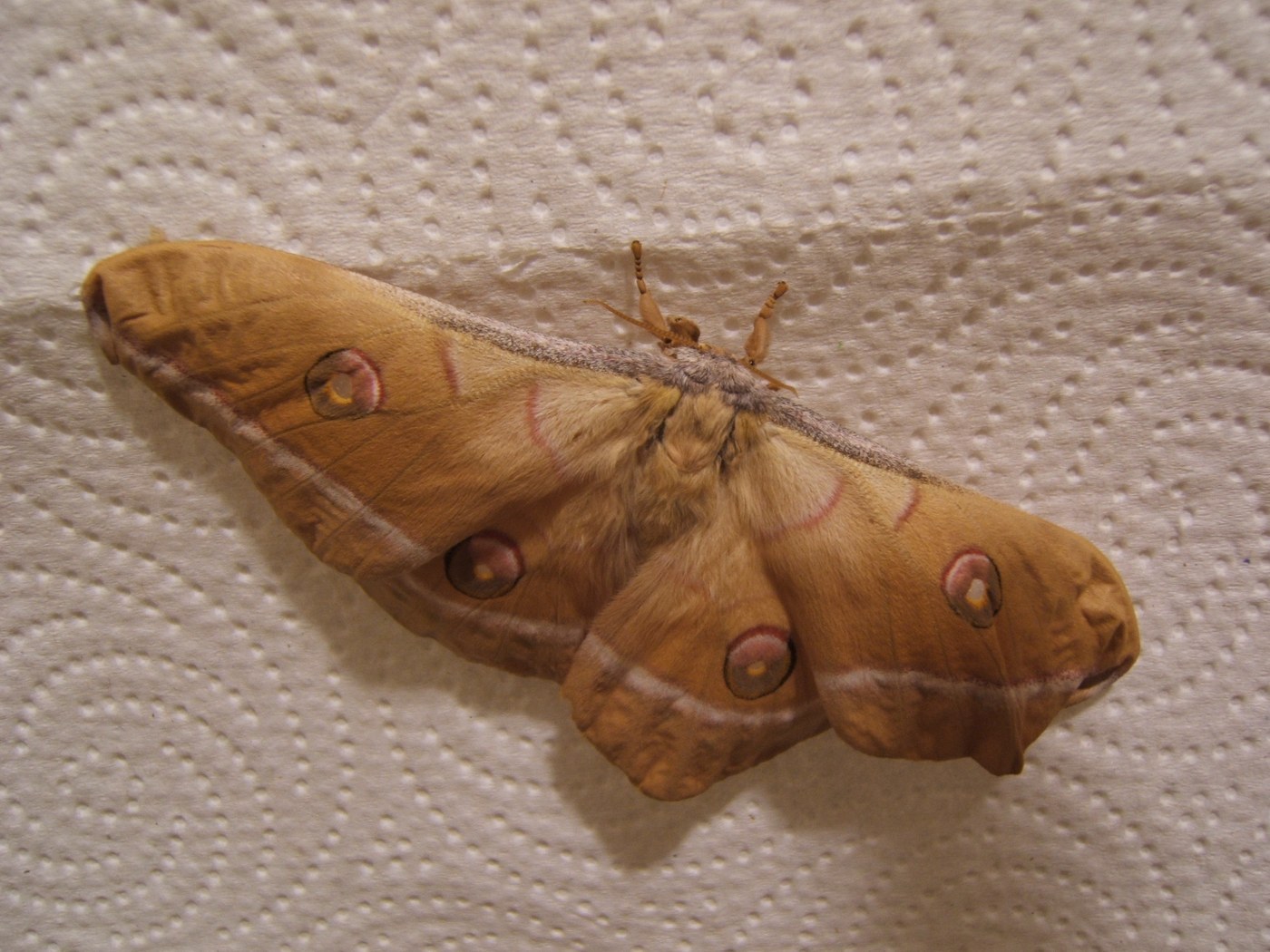
A large, rust-brown silkmoth with prominent transparent eyespots on all four wings, native to oak forests of China and long cultivated there for coarse tussah silk production.
- Size
- 4.7–6 in wingspan
- Habitat
- Oak forests and cultivated plantations across China and Korea
- Danger
- Harmless
Spotted a bug like this?
Identify any bug or insect from a photo, free.
Overview
The Chinese oak silkmoth is a large member of the family Saturniidae native to China and parts of Korea, where it has both a wild existence in oak forests and a long history of semi-domesticated cultivation for silk production. It is one of the primary sources of tussah, or wild silk, a coarser and more textured fiber than that produced by the fully domesticated mulberry silkworm moth.
In the wild, the species behaves much like other giant silkmoths, with a short-lived, non-feeding adult stage and a large, leaf-feeding caterpillar that develops on oak.
Its economic history as a semi-cultivated silk-producing insect distinguishes it from most other wild Saturniidae, and it remains an important species in traditional sericulture practiced across parts of China.
How to Identify
- Large, broad-winged moth in warm shades of rust-brown, tan, or reddish-orange, with a slightly scalloped wing margin.
- Each of the four wings bears a prominent, translucent, eye-shaped spot ringed in black and yellow, a hallmark feature of the genus Antheraea.
- Forewings often show a pale, curved band running diagonally across the outer portion of the wing.
- Lookalikes: other Antheraea species elsewhere in Asia and North America, such as the polyphemus moth, but the Chinese oak silkmoth's specific coloring and oak-forest range help narrow identification within its native region.
Habitat & Range
Native to oak forests across much of China and into Korea, the species is found both in wild woodland and in areas managed for silk cultivation, where oak trees are grown specifically to support larval feeding. Adults fly primarily in warmer months, are nocturnal, and larvae are found on oak foliage through the growing season in both natural and cultivated settings.
Behavior & Diet
Adults are nocturnal and do not feed, relying entirely on reserves built during the larval stage to survive long enough to mate and reproduce. Larvae are large, leaf-feeding caterpillars that consume oak foliage in substantial quantities as they grow, and in cultivated settings are reared in managed groves specifically to produce cocoons for silk harvesting. In the wild, the species functions as a leaf herbivore within oak forest ecosystems and serves as prey for birds and other predators at both the larval and adult stages.
Life Cycle
Eggs are laid on oak leaves and hatch into large green caterpillars marked with small tubercles, which feed and molt through several instars over the warmer months. Mature larvae spin a tough, oval cocoon among oak leaves, historically harvested in cultivation for tussah silk before the moth would otherwise emerge. In the wild, the pupa typically overwinters within its cocoon, with adults emerging the following season, generally producing one to two generations per year depending on regional climate.
Frequently asked questions
Is this the moth used for tussah silk?
Yes, the Chinese oak silkmoth is one of the principal species cultivated for tussah, or wild silk, which is coarser than silk from the domesticated mulberry silkworm.
How can I recognize it by its wings?
Look for large, translucent, eye-shaped spots ringed in black and yellow on all four rust-brown wings, along with a pale diagonal band on the forewing.
What do the caterpillars eat?
They feed on oak leaves, both in wild forest settings and in cultivated oak groves managed for silk production.
Where is it found?
It is native to oak forests across much of China and into Korea, occurring in both wild and semi-cultivated settings.
Chinese Oak Silkmoth guides
In-depth guides for identifying, understanding, and living alongside Chinese Oak Silkmoth.
Other bugs you may enjoy
Bagworm Moth
Coniferous and deciduous trees, shrubs, hedges
Antheraea Silkmoth
Deciduous forests, woodland edges, orchards
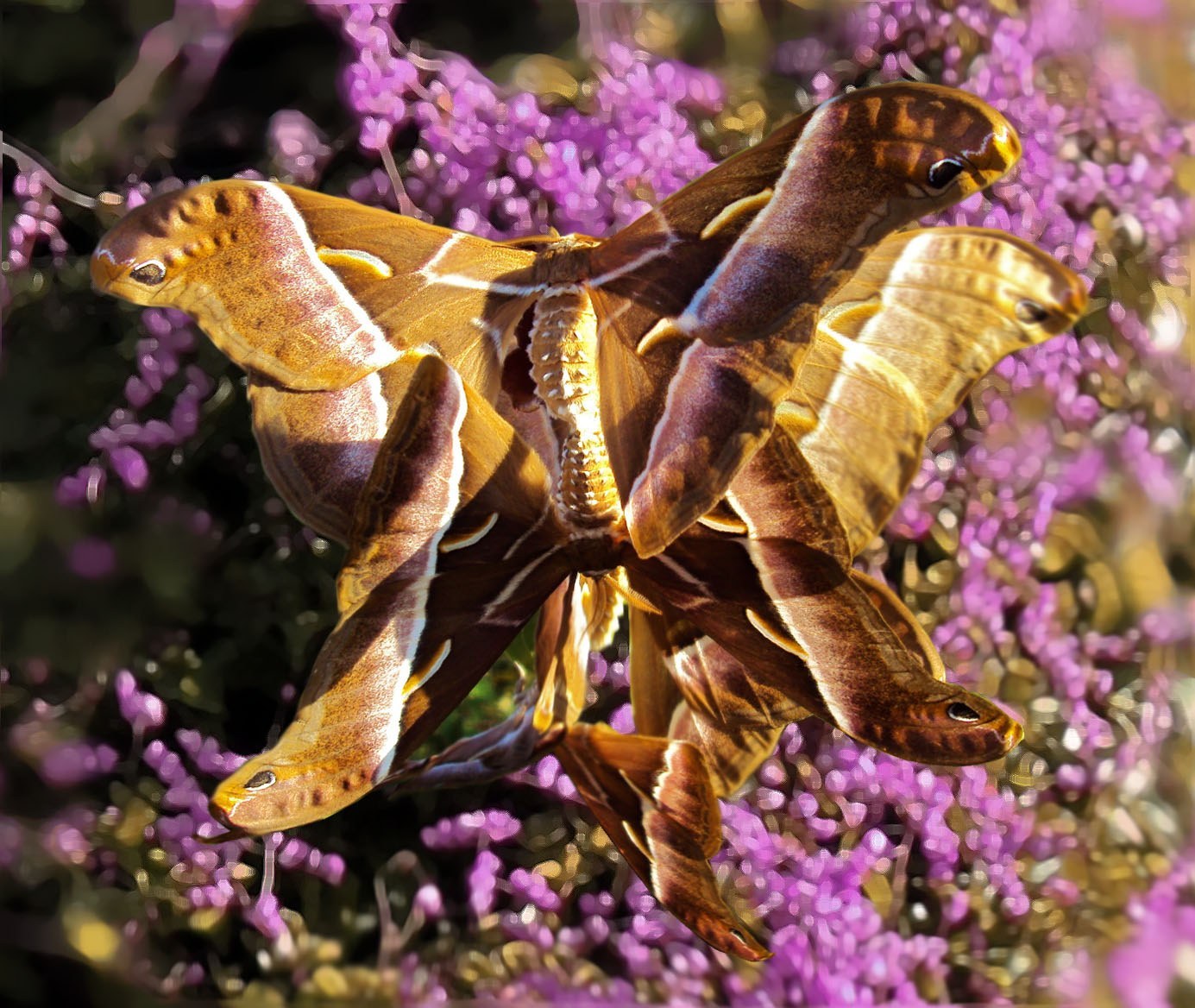
Ailanthus Silkmoth (Cynthia Moth)
Urban parks, wastelands, and woodland edges with tree-of-heaven; native to Asia, introduced in North America and Europe
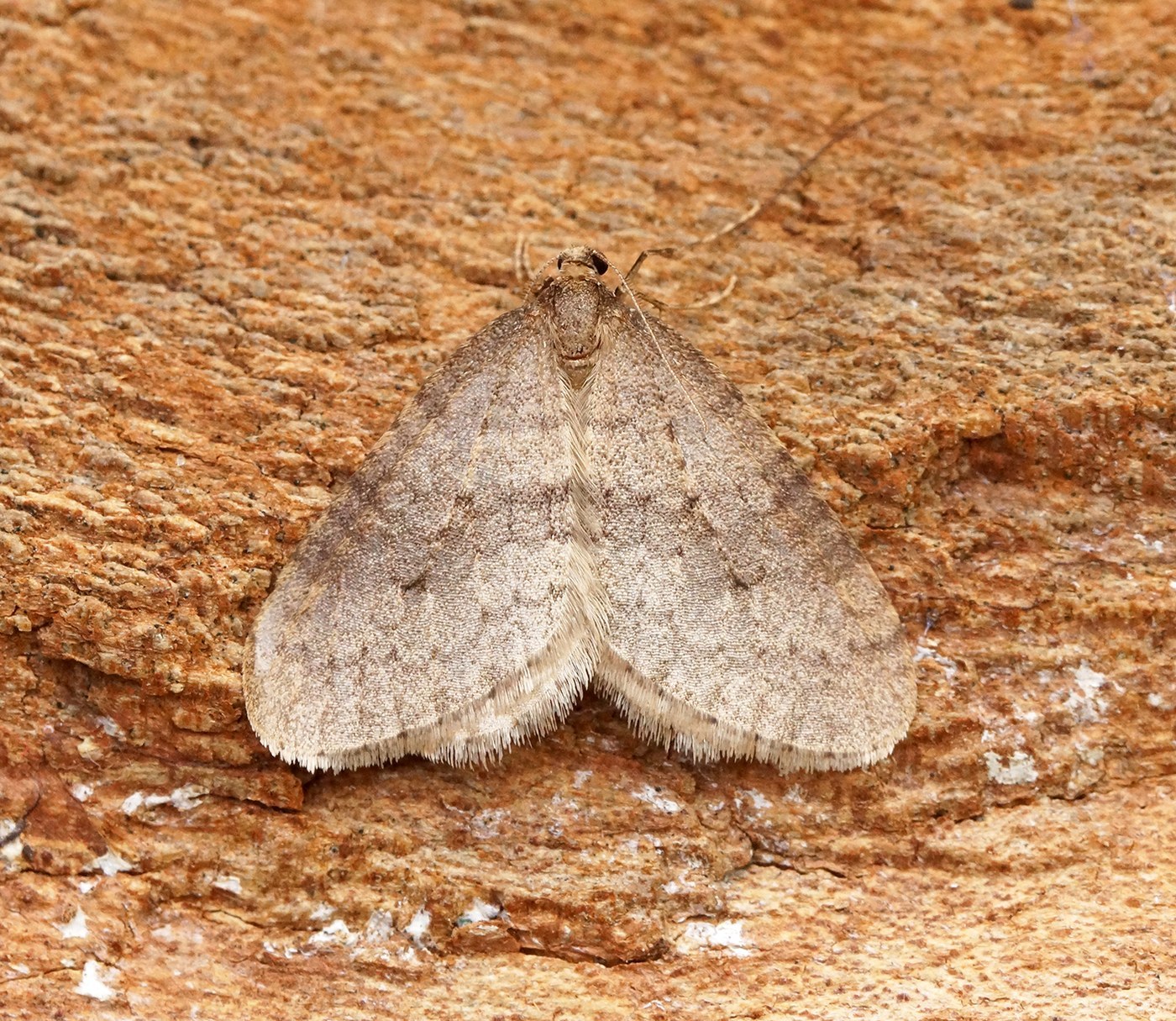
Winter Moth
Deciduous woodland, orchards, gardens, hedgerows
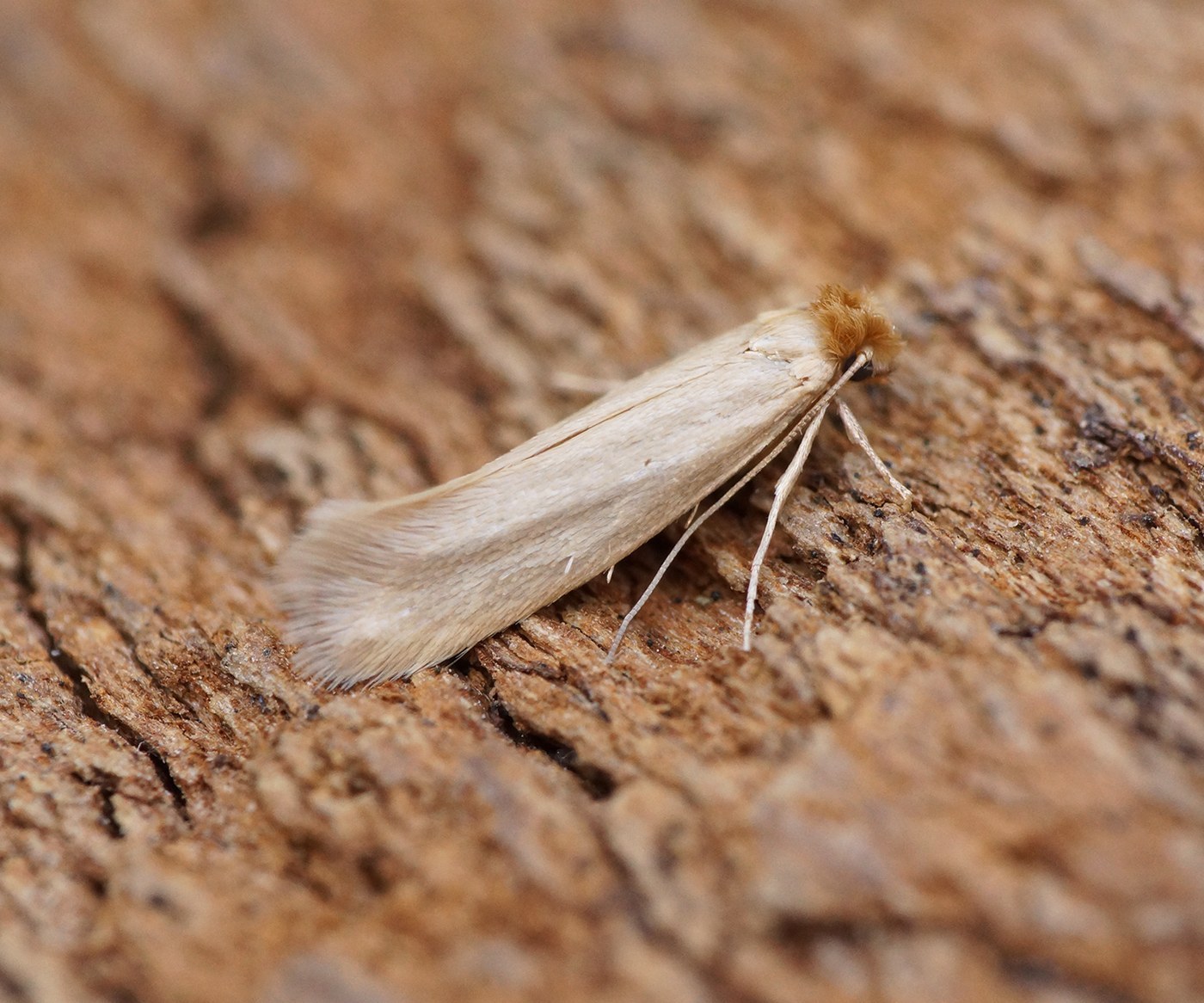
Webbing Clothes Moth
Dark closets, storage areas, and animal nests worldwide
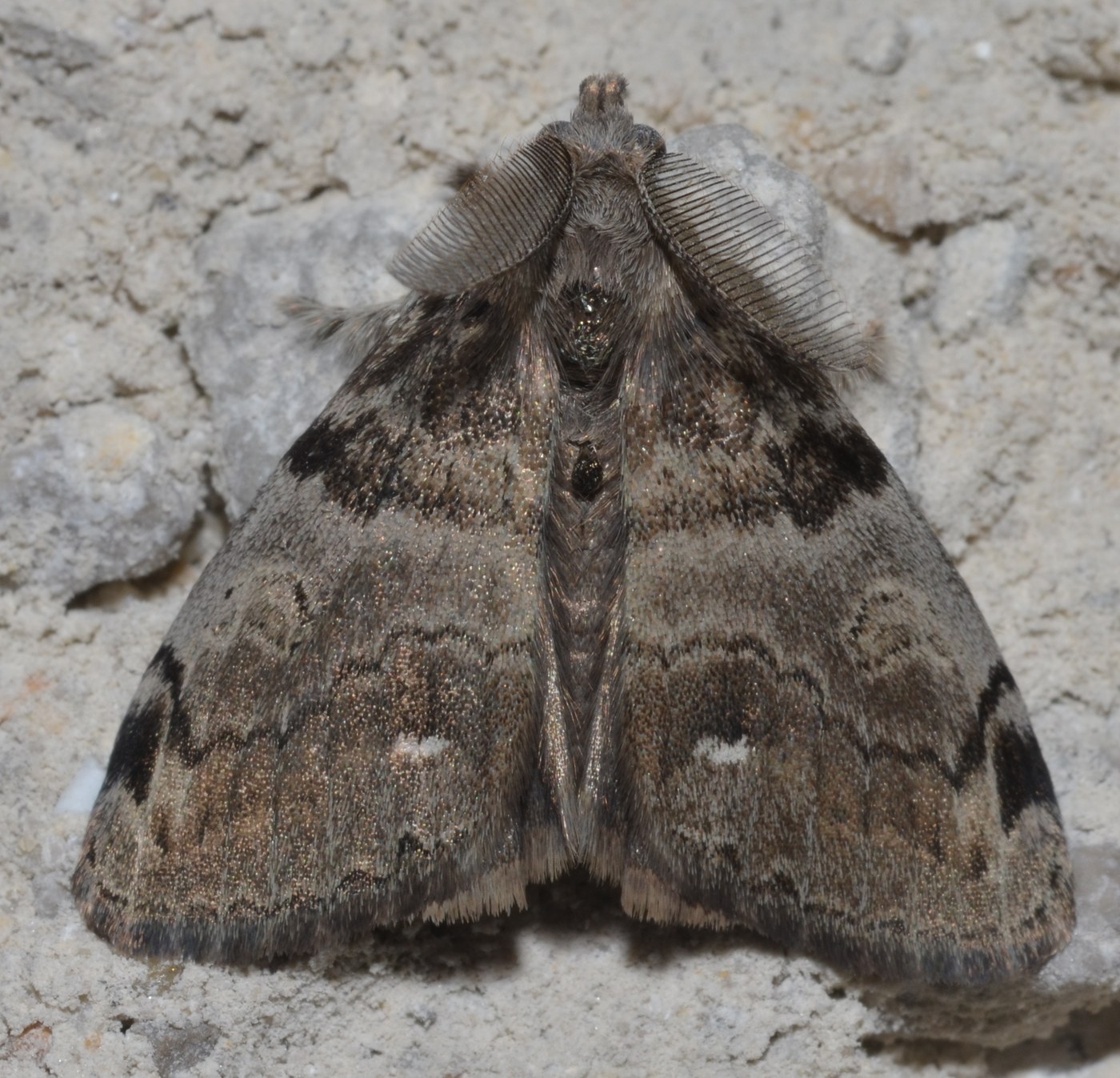
Tussock Moth
Deciduous forests, parks, gardens
Wax Moth
Beehives, apiaries, stored beeswax and comb
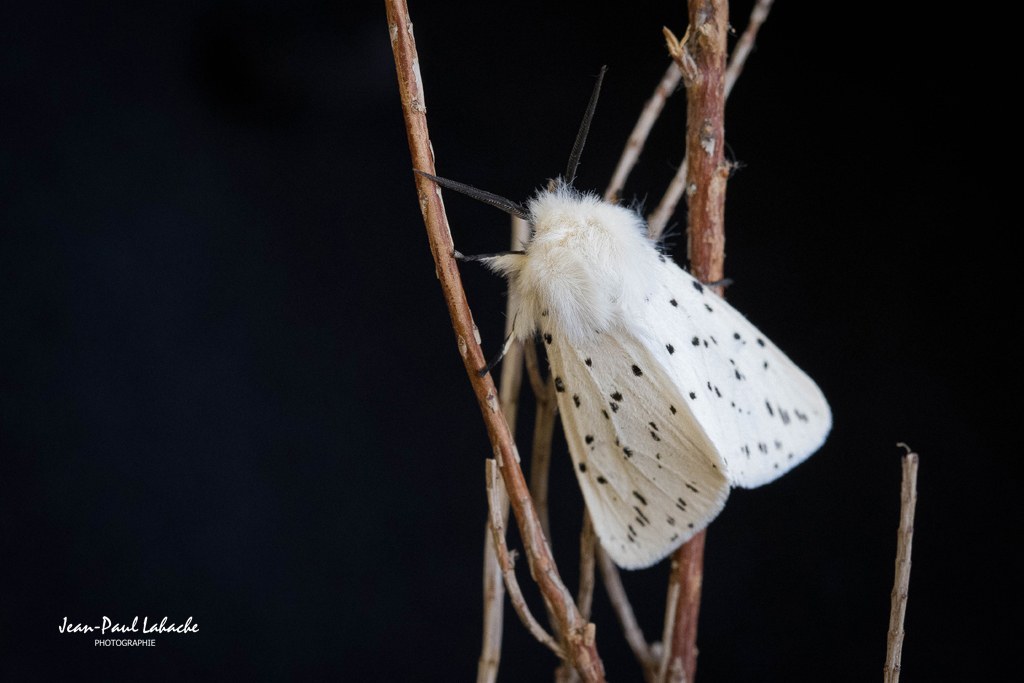
White Ermine Moth
Gardens, meadows, hedgerows
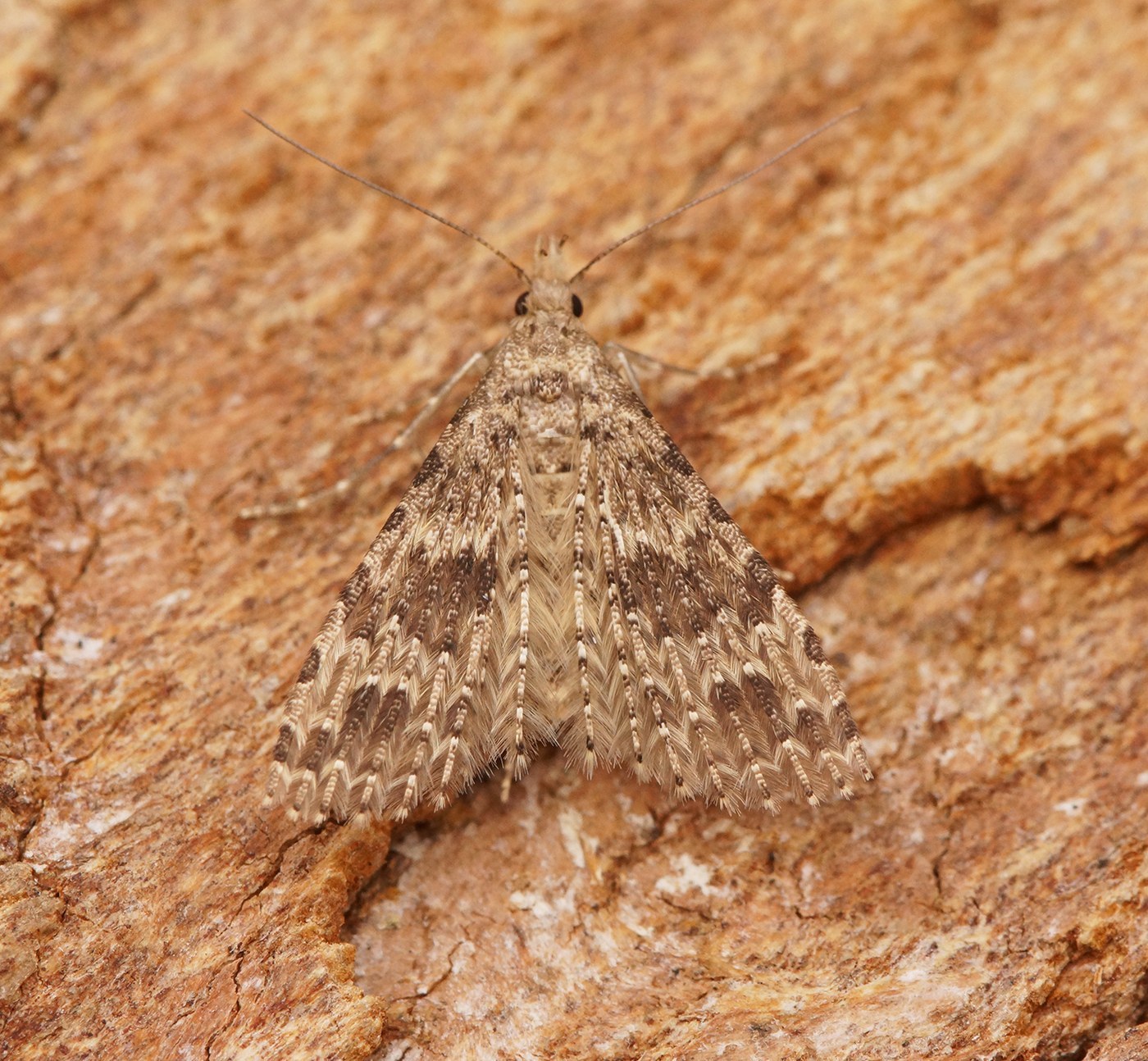
Twenty-plume Moth
Gardens, hedgerows, near honeysuckle
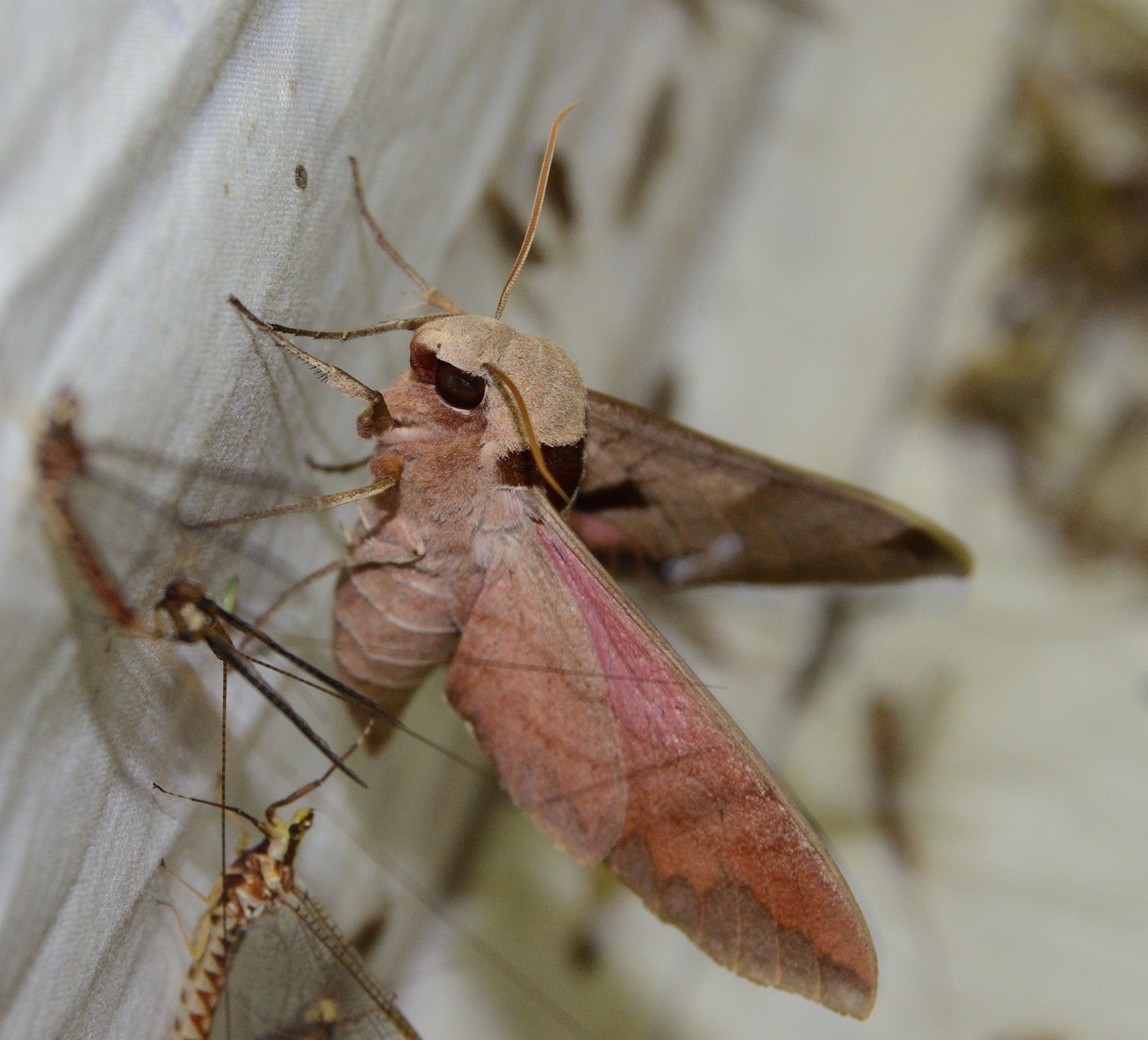
Achemon Sphinx Moth
Vineyards, woodland edges, gardens with wild grape
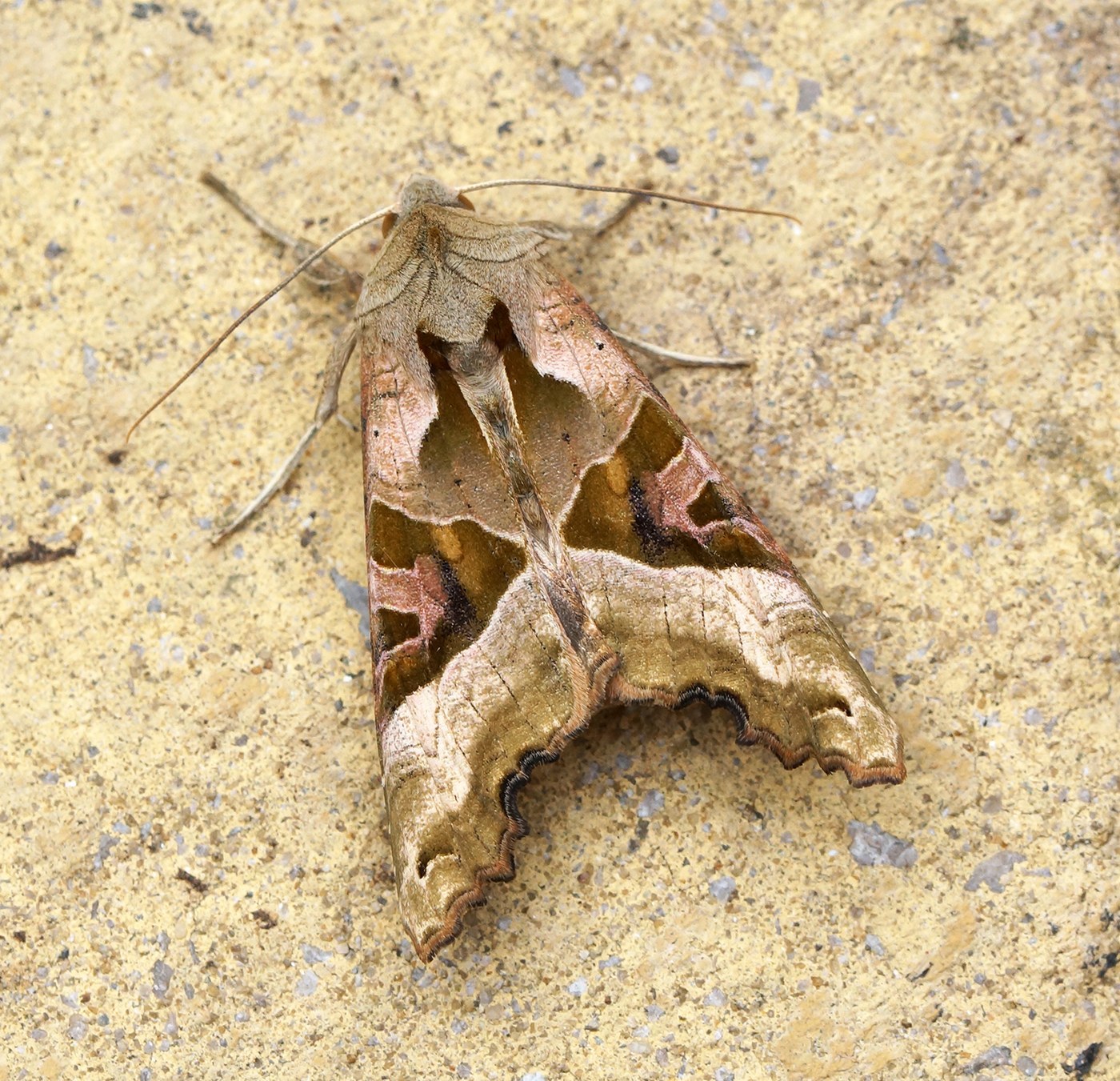
Angle Shades Moth
Gardens, hedgerows, woodland edges, urban parks
Atlas Moth
Tropical and subtropical lowland forests of Southeast Asia