
Cicada Killer's Prey Cicada
Neotibicen spp.
A large, thick-bodied, clear-winged insect best known for the loud, buzzing chorus males produce from treetops on hot summer afternoons, and a preferred prey item of the cicada killer wasp.
- Size
- 25–50 mm body; wingspan up to 100+ mm
- Habitat
- Deciduous and mixed woodland, suburban trees, orchards
- Danger
- Harmless
Spotted a bug like this?
Identify any bug or insect from a photo, free.
Overview
This entry covers the large annual, or "dog-day," cicadas that make up the primary prey of the Cicada Killer wasp. These cicadas belong to the family Cicadidae within the order Hemiptera, the true bugs, and are among the largest and loudest insects encountered in North American summers.
Unlike the periodical cicadas that famously emerge in mass broods every 13 or 17 years, annual cicadas complete their life cycle over a few years but appear every summer because overlapping generations ensure that some individuals mature each season. Their loud, sustained buzzing calls, produced by males using specialized abdominal structures called tymbals, are one of the defining sounds of late summer.
As a substantial, protein-rich prey item, these cicadas are specifically hunted by the large, solitary Cicada Killer wasp, which paralyzes them with a sting and carries them back to underground burrows to provision its larvae, forming one of the more striking predator-prey relationships observable in backyard ecosystems.
How to Identify
- Large, robust body with a broad head, prominent compound eyes, and three small ocelli.
- Coloration typically mottled green, brown, and black, providing camouflage against tree bark.
- Two pairs of large, clear, heavily veined wings held roof-like over the body at rest.
- Short antennae and strong, piercing-sucking mouthparts used for feeding on plant sap.
- Lookalikes: distinguished from periodical cicadas by their green-and-black coloring versus the periodical species' black body and red eyes, and by their annual rather than mass-emergence pattern.
Habitat & Range
Found throughout much of North America wherever deciduous and mixed woodlands occur, including suburban yards, parks, and orchards with mature trees. Adults emerge and are most active and vocal during the hottest weeks of mid-to-late summer, spending most of their time high in tree canopies.
Behavior & Diet
Adult cicadas spend much of their time feeding on xylem sap from tree branches and calling to attract mates, with males producing loud, sustained buzzing songs from tymbal organs on the abdomen. Nymphs live underground for one or more years, feeding on root sap before tunneling out to molt into winged adults. As prey, these cicadas are targeted by the Cicada Killer wasp, which locates them in trees, stings them into paralysis, and carries them, often gliding down to the ground, to provision an underground nest burrow for its developing larvae.
Life Cycle
Annual cicadas undergo incomplete metamorphosis with an extended underground nymphal stage. Eggs are laid in slits cut into tree twigs, and hatching nymphs drop to the ground and burrow in, where they feed on root sap for one to several years depending on the species. Mature nymphs emerge, climb a vertical surface, and molt into winged adults, leaving behind their characteristic split exoskeleton (exuviae). Because generations overlap, adults of this group appear every summer even though any individual's underground development takes multiple years.
Frequently asked questions
Is this the same as a periodical cicada?
No, this refers to the large annual, or dog-day, cicadas that appear every summer, distinct from periodical cicadas that emerge in synchronized broods every 13 or 17 years.
Why do Cicada Killer wasps target this insect specifically?
Its large body size makes it a substantial food source; a female cicada killer paralyzes one and stocks it in an underground burrow to feed a single larva.
What makes the loud buzzing sound in summer trees?
Male cicadas produce the sound using specialized abdominal structures called tymbals, used to attract mates.
Where would I find the shed exoskeletons on tree bark?
Mature nymphs climb tree trunks or other vertical surfaces before molting into adults, leaving behind their split, hollow exoskeletons clinging to the bark.
Cicada Killer's Prey Cicada guides
In-depth guides for identifying, understanding, and living alongside Cicada Killer's Prey Cicada.
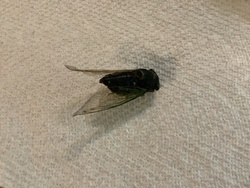
Cicada Killer's Prey Cicada identified by the community
Real finds identified with Bug Identifier.
Other bugs you may enjoy
Bagrada Bug
Arid gardens, crucifer fields, desert-adjacent croplands
Assassin Bug
Gardens, meadows, and vegetation worldwide
Water Boatman Bug
Ponds, lakes, and slow-moving freshwater
Water Stick Insect
Still and slow-moving water with dense submerged vegetation
Rough Stink Bug
Tree bark, woodlands, orchards, and shrubby vegetation
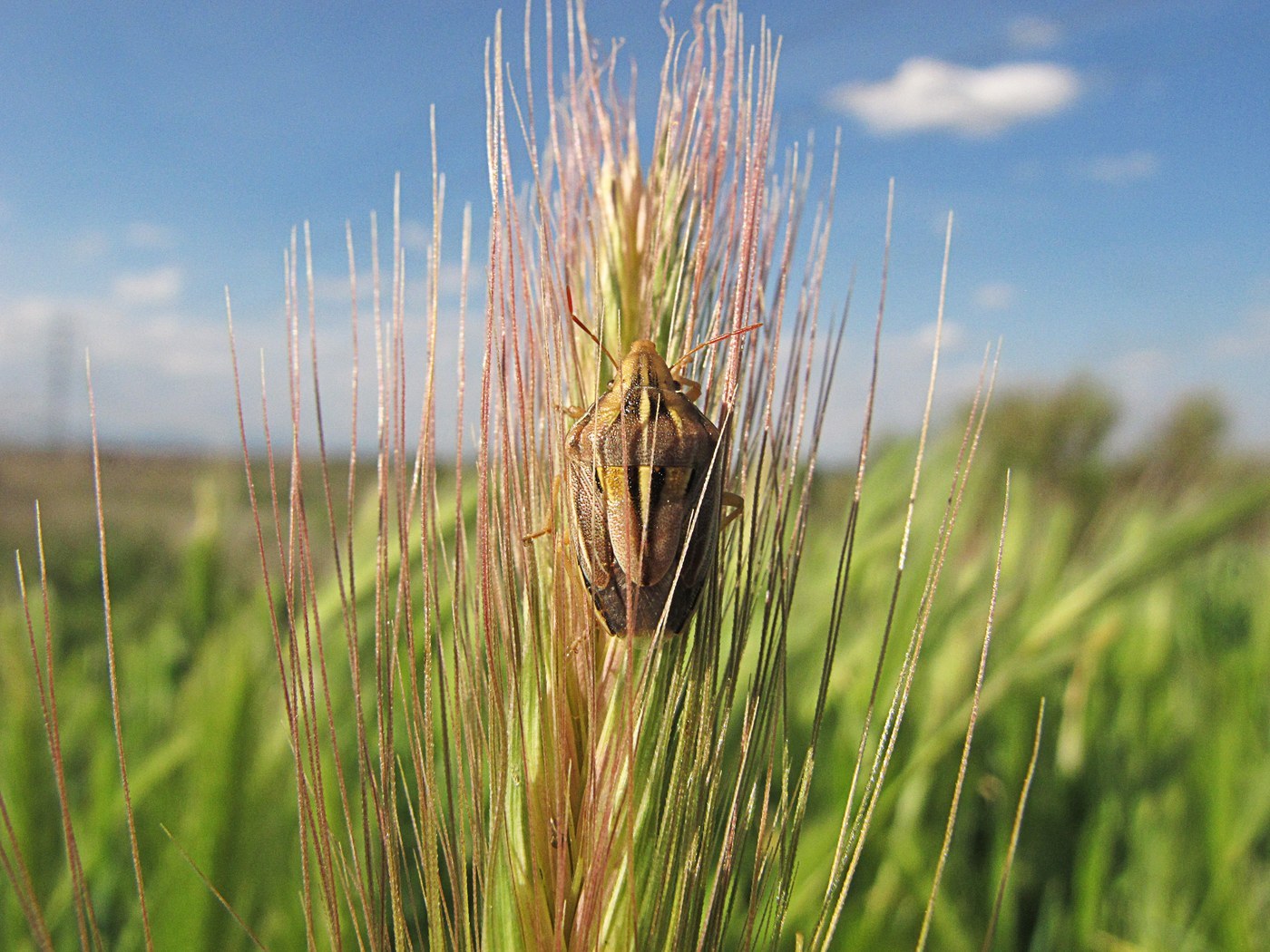
Stink Bug
Gardens, crop fields, and woodlands across temperate and subtropical regions
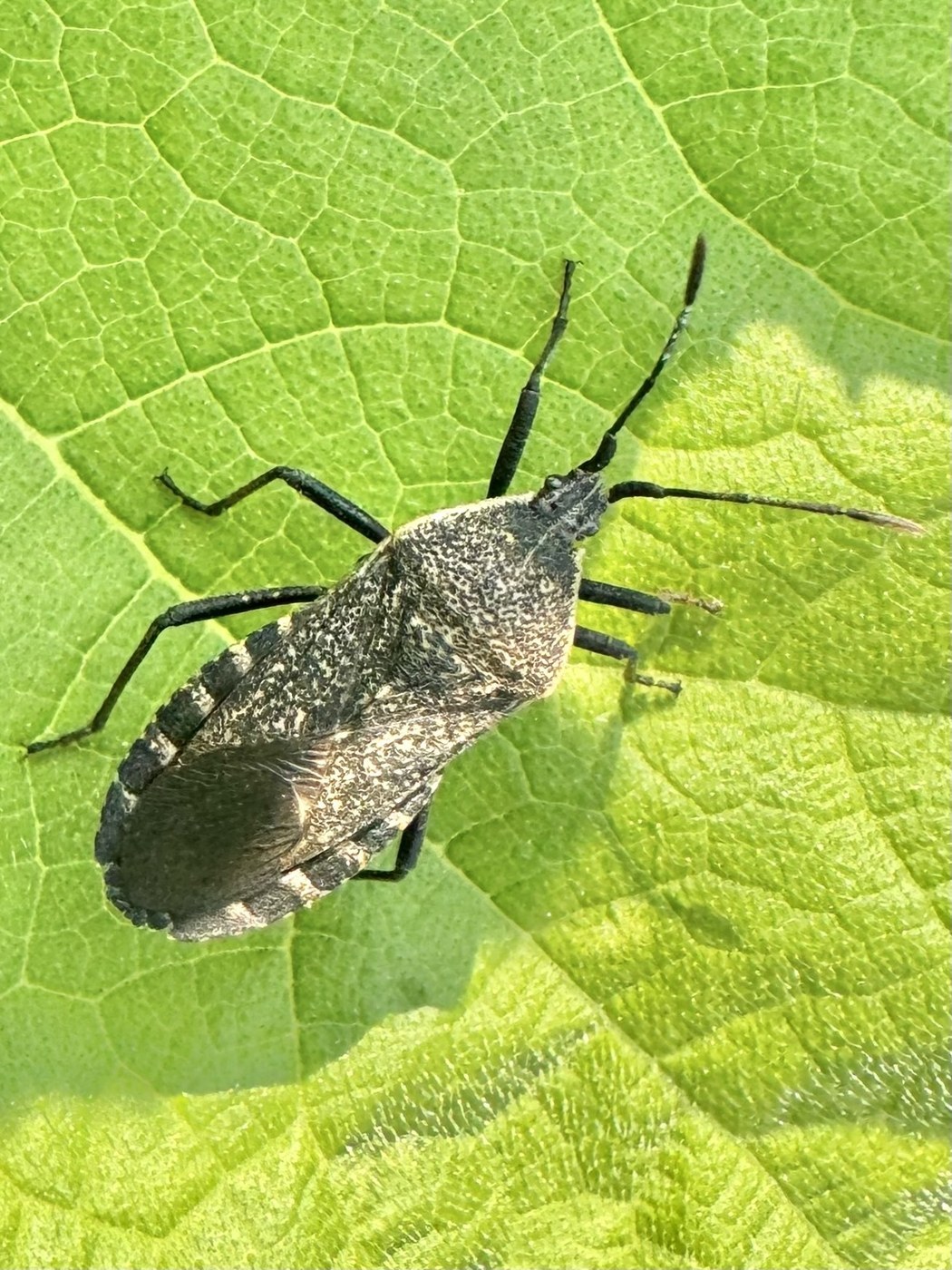
Squash Bug
Vegetable gardens and farm fields growing squash, pumpkin, and other cucurbits
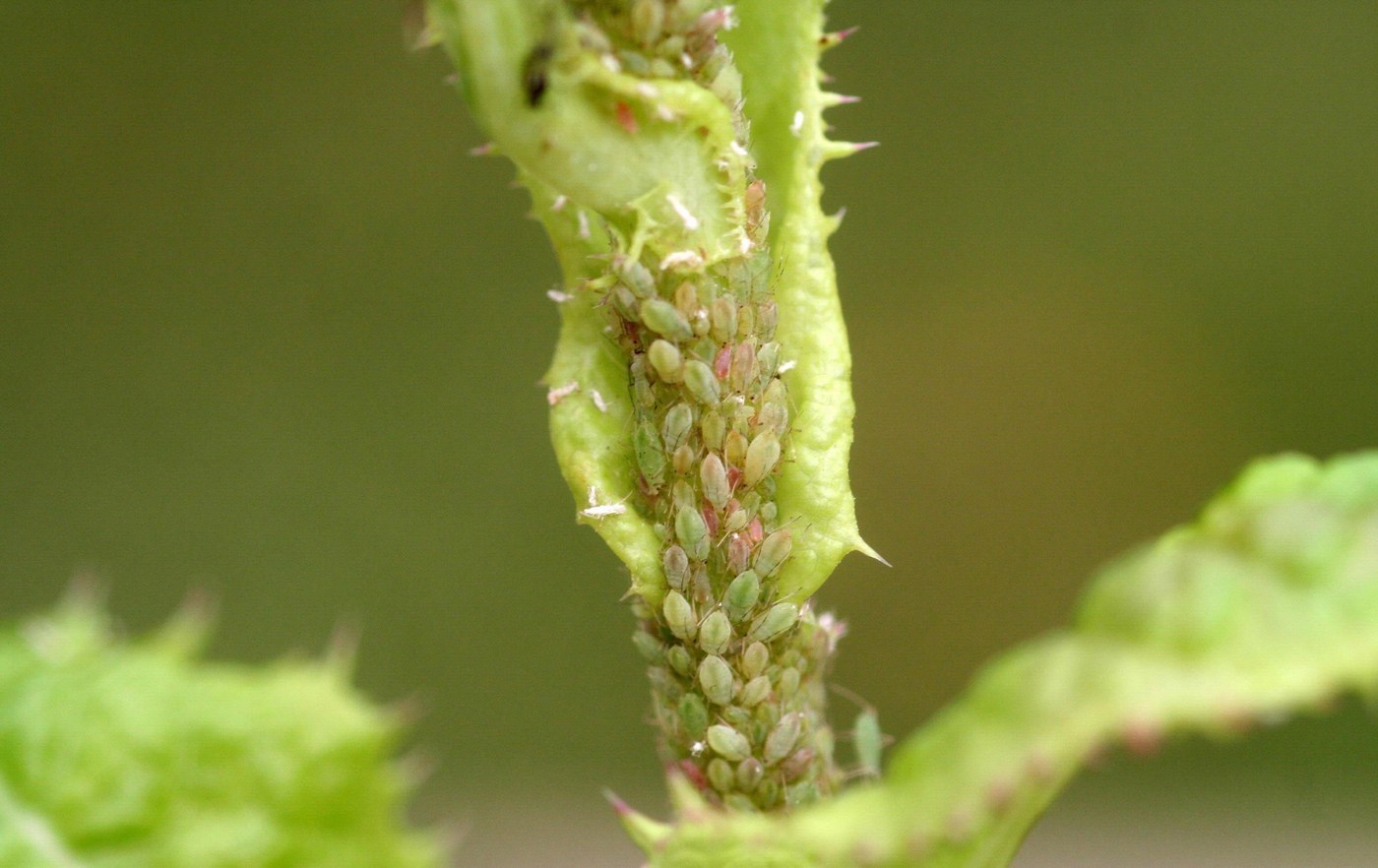
Aphid
On stems, leaves, and buds of a very wide range of host plants
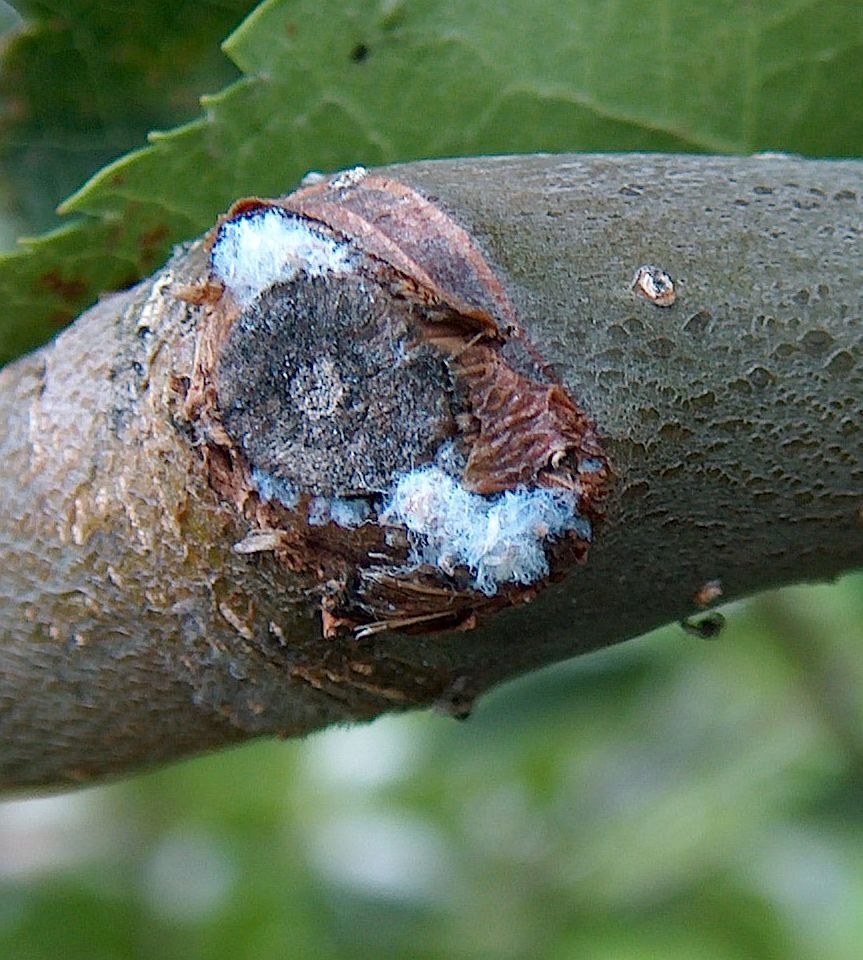
Woolly Aphid
Bark crevices, root collars, and twigs of apple, elm, and alder trees
Whitefly
Greenhouses, gardens, and undersides of leaves on host plants
Water Measurer
Quiet edges of ponds, marshes, and slow streams
Two-Spotted Stink Bug
Gardens and fields with potato and nightshade-family plants