
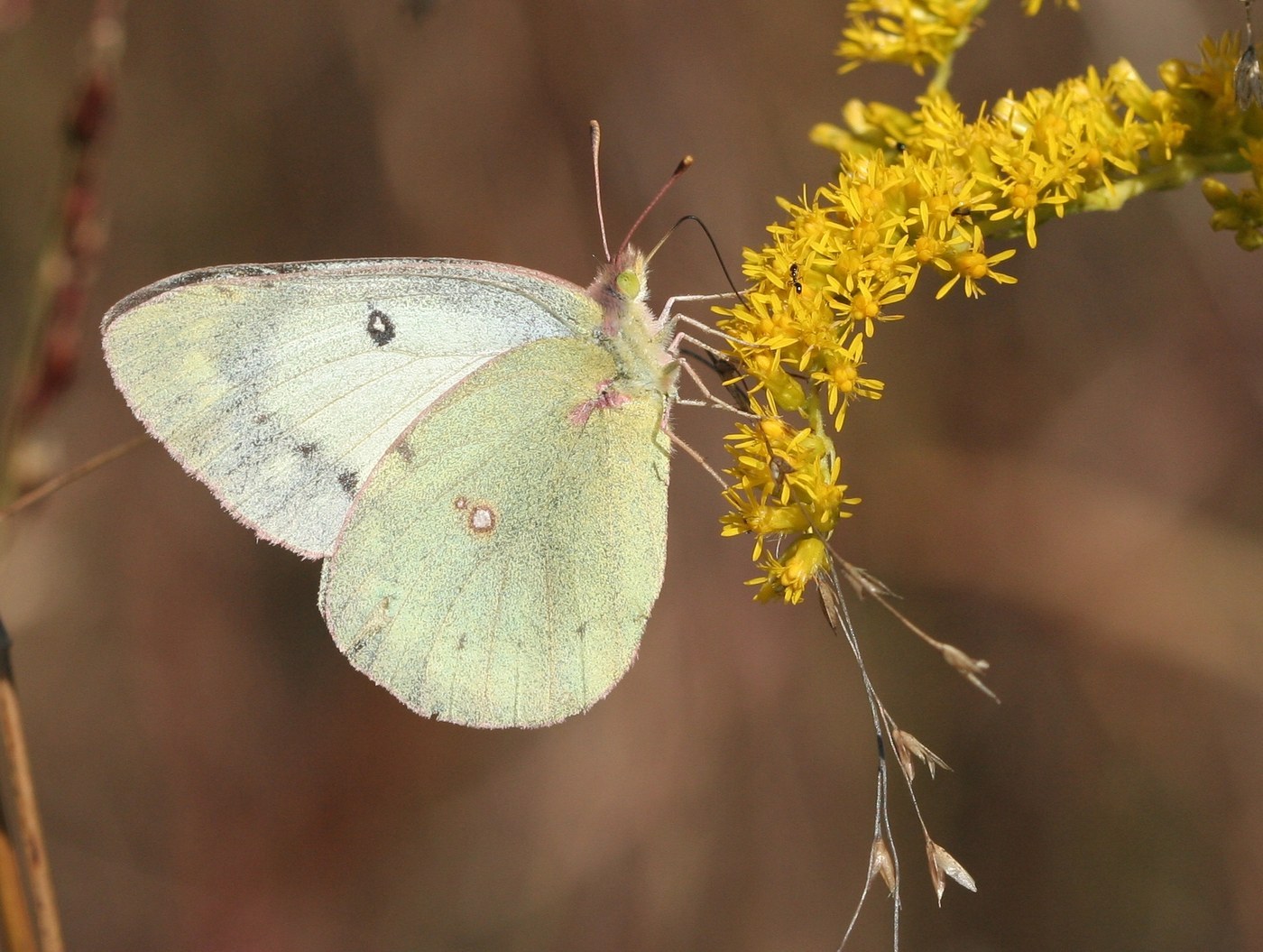
Clouded Sulphur
Colias philodice
A medium-sized pale yellow butterfly with crisp black wing borders, commonly seen fluttering low over clover fields and roadside meadows across North America.
- Size
- 1.4–1.8 in wingspan
- Habitat
- Fields, meadows, clover and alfalfa fields, roadsides
- Danger
- Harmless
Spotted a bug like this?
Identify any bug or insect from a photo, free.
Overview
The Clouded Sulphur is one of the most abundant and widely distributed butterflies in North America, a member of the family Pieridae found from coast to coast wherever clover and alfalfa grow. Its pale yellow color and clean black wing margins make it a familiar sight to anyone who has walked through a hayfield or roadside meadow in summer.
As a member of the genus Colias, it belongs to a group of sulphurs adapted to open, disturbed, and agricultural habitats, benefiting from the widespread cultivation of clover and alfalfa as forage crops. It frequently hybridizes and co-occurs with the very similar Orange Sulphur, and the two species are often seen flying together, sometimes producing intermediate-colored individuals.
Despite occasionally being considered a minor presence in agricultural clover and alfalfa fields, the Clouded Sulphur plays a beneficial ecological role as a pollinator of wildflowers and crop legumes.
How to Identify
- Medium-sized butterfly, pale lemon-yellow to greenish-yellow above with a solid black border on the forewing and hindwing in both sexes, though the border is more broken or reduced in females.
- A small dark spot is present near the center of the forewing, and a small orange spot marks the hindwing.
- Underside is yellow-green with a silvery, sometimes double-ringed spot on the hindwing.
- Females can occur in a pale white form in addition to the typical yellow.
- Very similar to the Orange Sulphur; best distinguished by the absence of orange suffusion on the upperwing (Clouded Sulphur stays yellow, not orange) and by examining the underside spot pattern.
Habitat & Range
This species is found across nearly all of temperate North America, from southern Canada to the Gulf Coast, in open habitats such as clover and alfalfa fields, meadows, roadsides, and vacant lots. It is especially common in agricultural areas where its legume host plants are cultivated. Adults fly from spring through fall, with multiple broods across most of its range, and are active on sunny days, often gathering at puddles or mud in groups.
Behavior & Diet
Adults fly with a characteristic low, fluttering pattern over open fields, visiting a variety of flowers including clover, asters, and goldenrod for nectar. Males frequently gather at damp soil or puddle margins in a behavior known as puddling, thought to help them obtain minerals. Caterpillars feed on clover, alfalfa, and other legumes, are well camouflaged in green, and rest along leaf midribs to avoid detection by predators.
Life Cycle
Eggs are laid singly on the leaves of clover or alfalfa and are spindle-shaped, turning from pale yellow to orange-red before hatching. The caterpillar is green with a pale side stripe, feeding on legume foliage and molting several times before pupating. The chrysalis is green and attached upright to a stem by a silk girdle. Multiple generations occur each year across most of the range, with the species overwintering as a partly grown caterpillar or chrysalis in colder regions.
Frequently asked questions
How do I tell Clouded Sulphur from Orange Sulphur?
Clouded Sulphur remains clear pale yellow above without orange suffusion, while Orange Sulphur typically shows orange coloring on the upperwings; underside spot details can confirm identification in intermediate individuals.
Why do sulphurs gather in groups on the ground?
This is called puddling, where butterflies, often males, congregate at damp soil, mud, or puddles to take up moisture and dissolved minerals.
What plants do Clouded Sulphur caterpillars eat?
They feed on clover, alfalfa, and other related legumes, which is why the species is common in and around hayfields and pastures.
Are Clouded Sulphurs found year-round?
In warmer parts of their range they fly continuously through the growing season with multiple broods, while in colder regions they overwinter as an immature stage and resume activity in spring.
Clouded Sulphur guides
In-depth guides for identifying, understanding, and living alongside Clouded Sulphur.
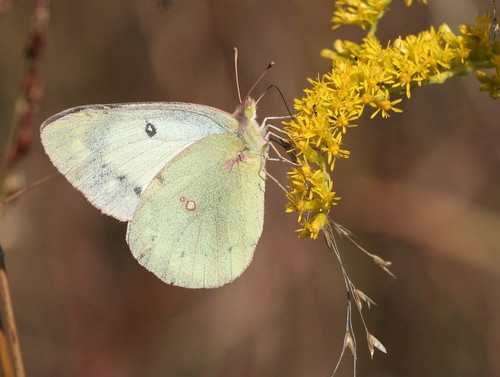
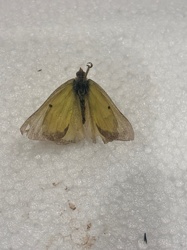
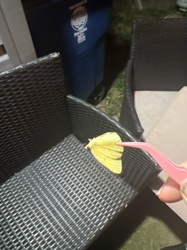
Clouded Sulphur identified by the community
Real finds identified with Bug Identifier.
Other bugs you may enjoy
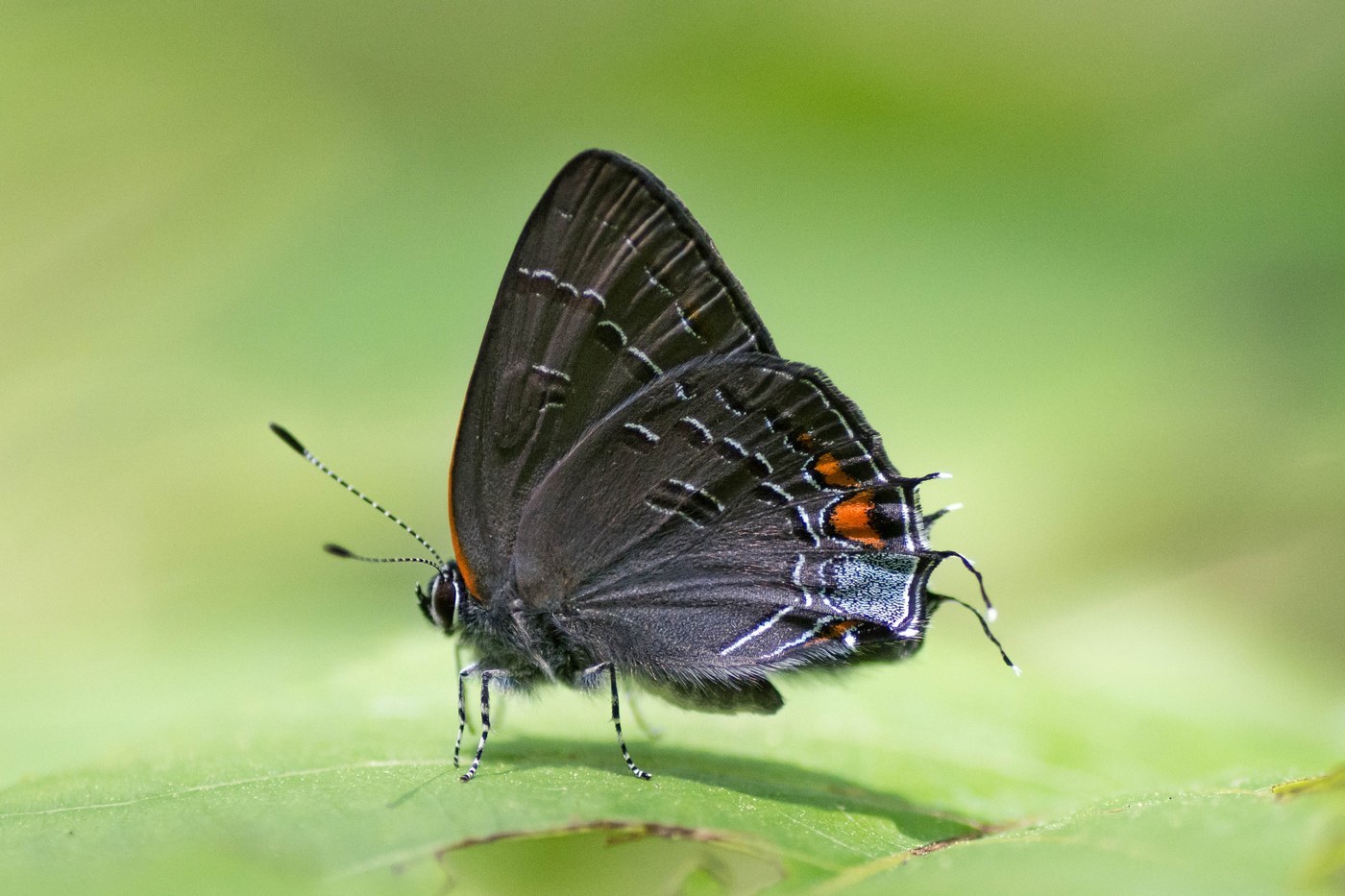
Banded Hairstreak
Deciduous woodlands and edges with oaks and hickories
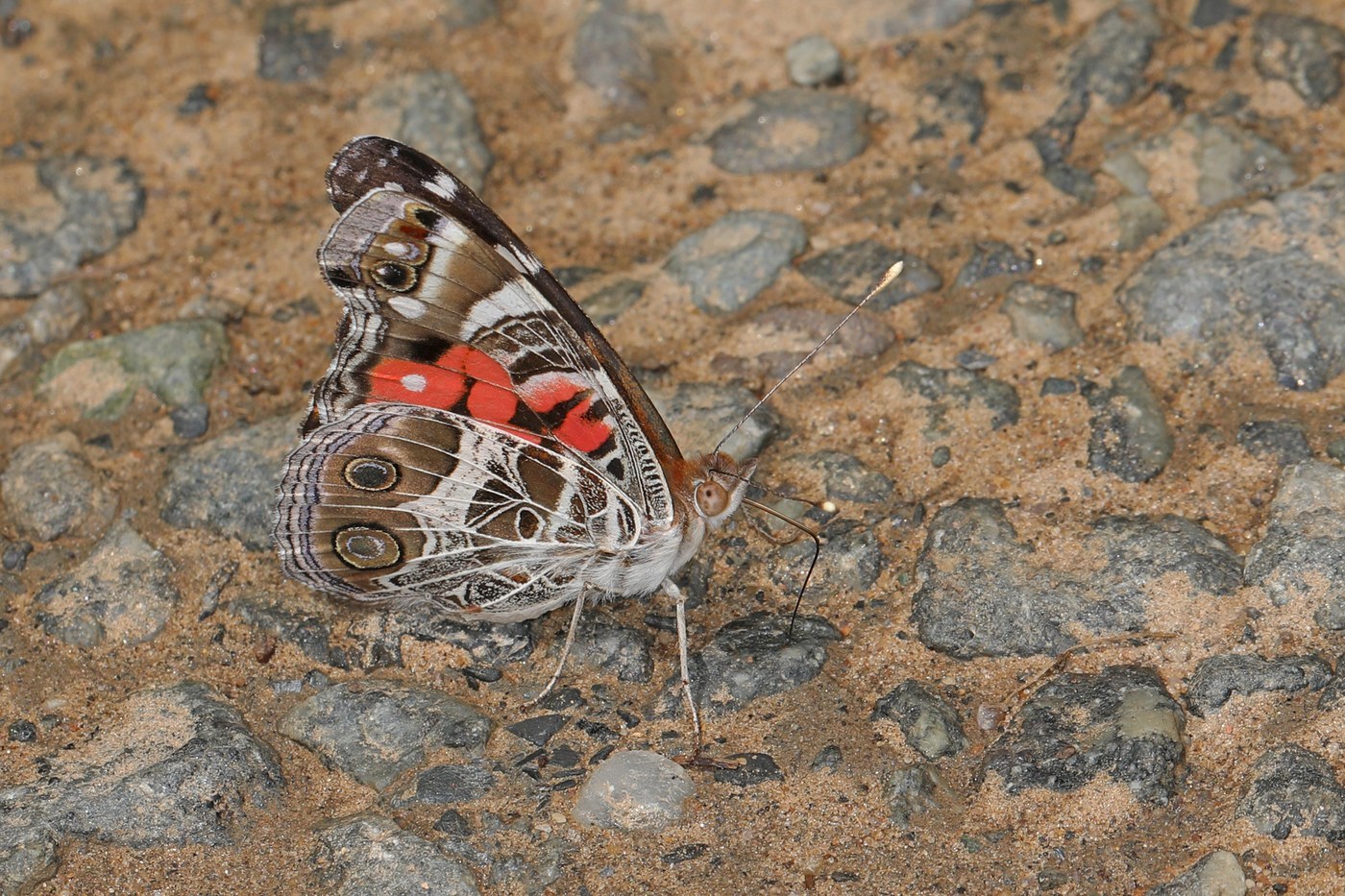
American Lady
Open fields, meadows, gardens, roadsides
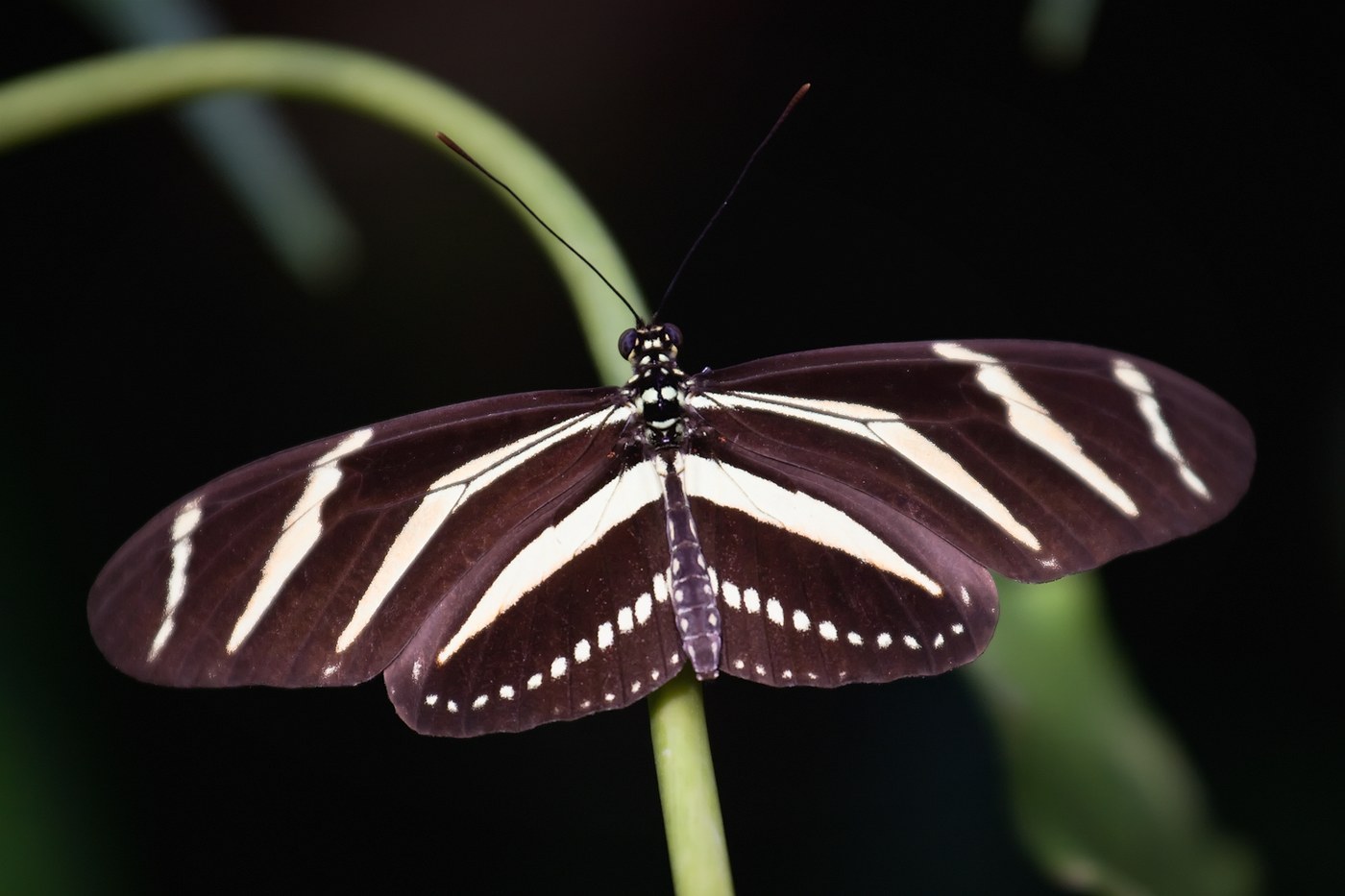
Zebra Longwing
Tropical hammocks, gardens, forest edges
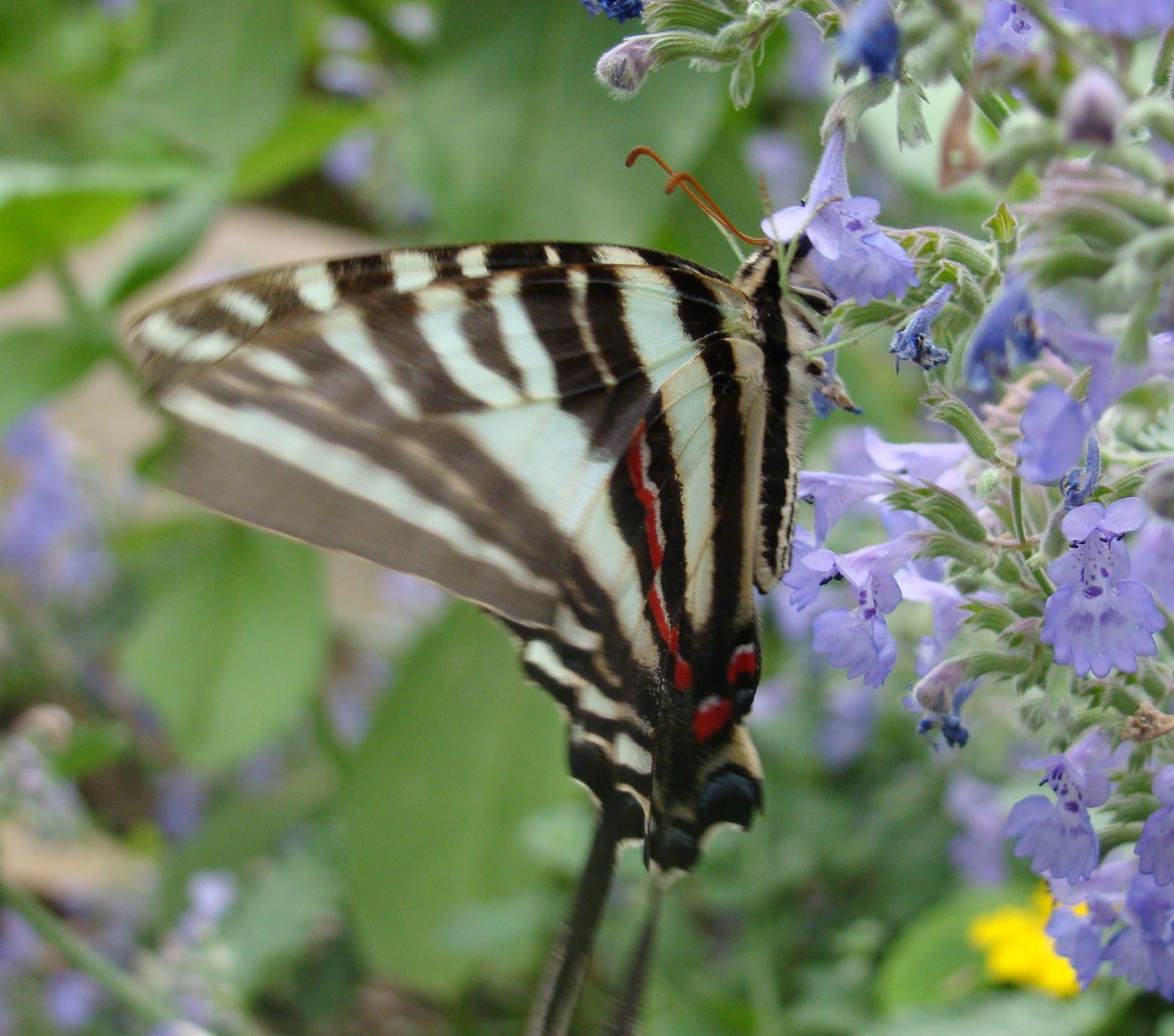
Zebra Swallowtail
Woodlands, floodplains, forest edges near pawpaw
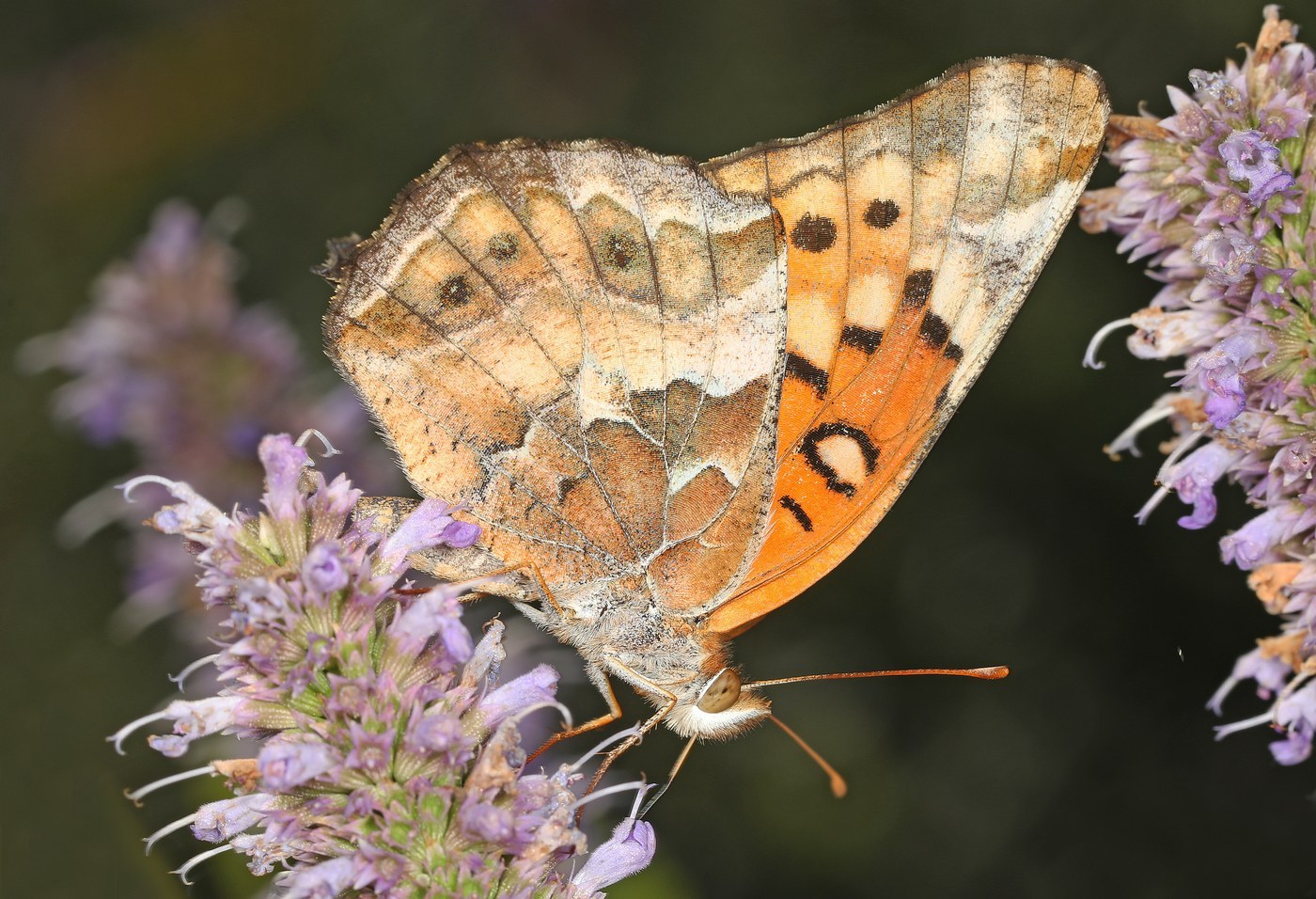
Variegated Fritillary
Open fields, prairies, roadsides, and disturbed ground across most of the United States
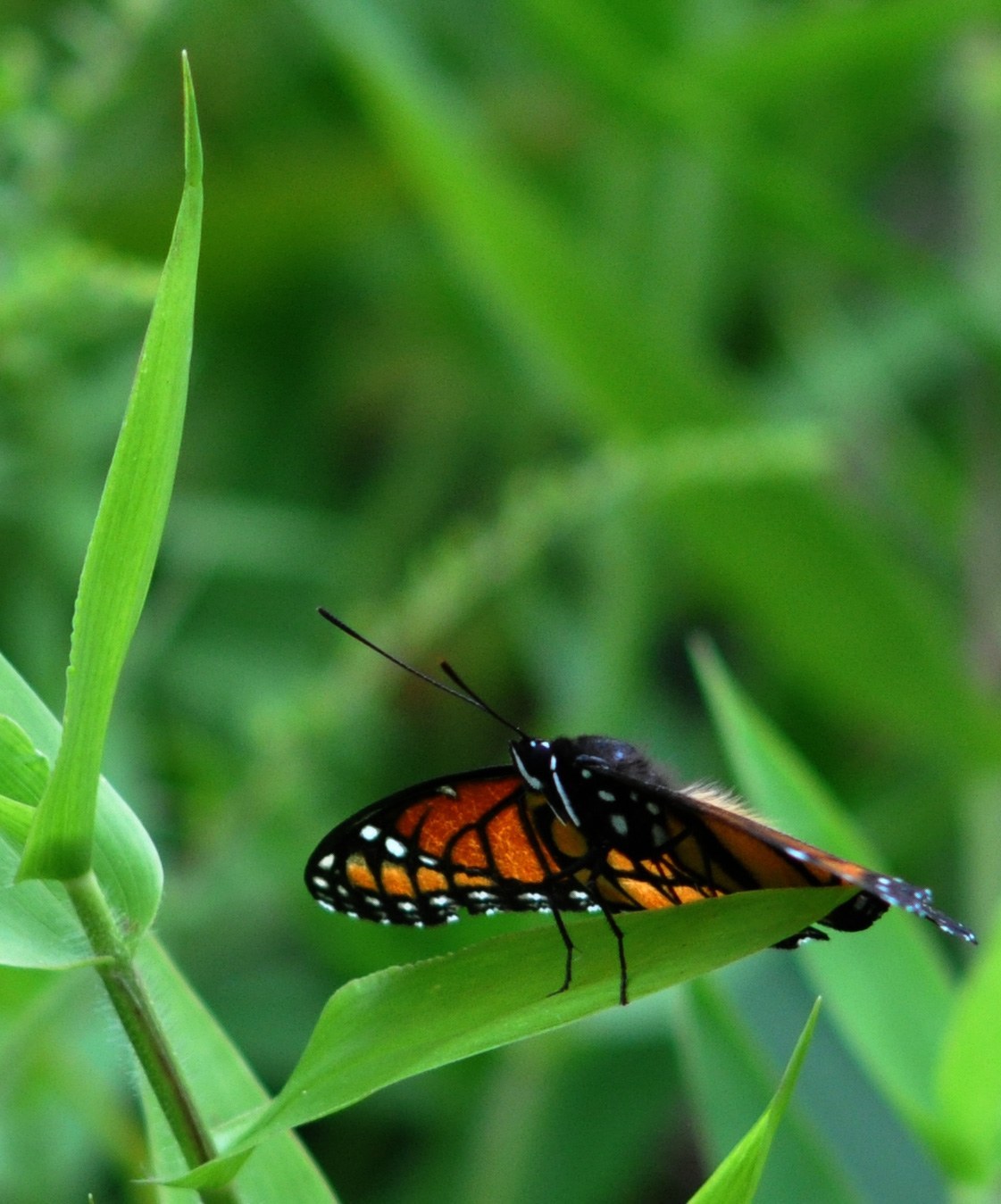
Viceroy Butterfly
Wetlands, meadows, riverbanks, willow thickets (North America)
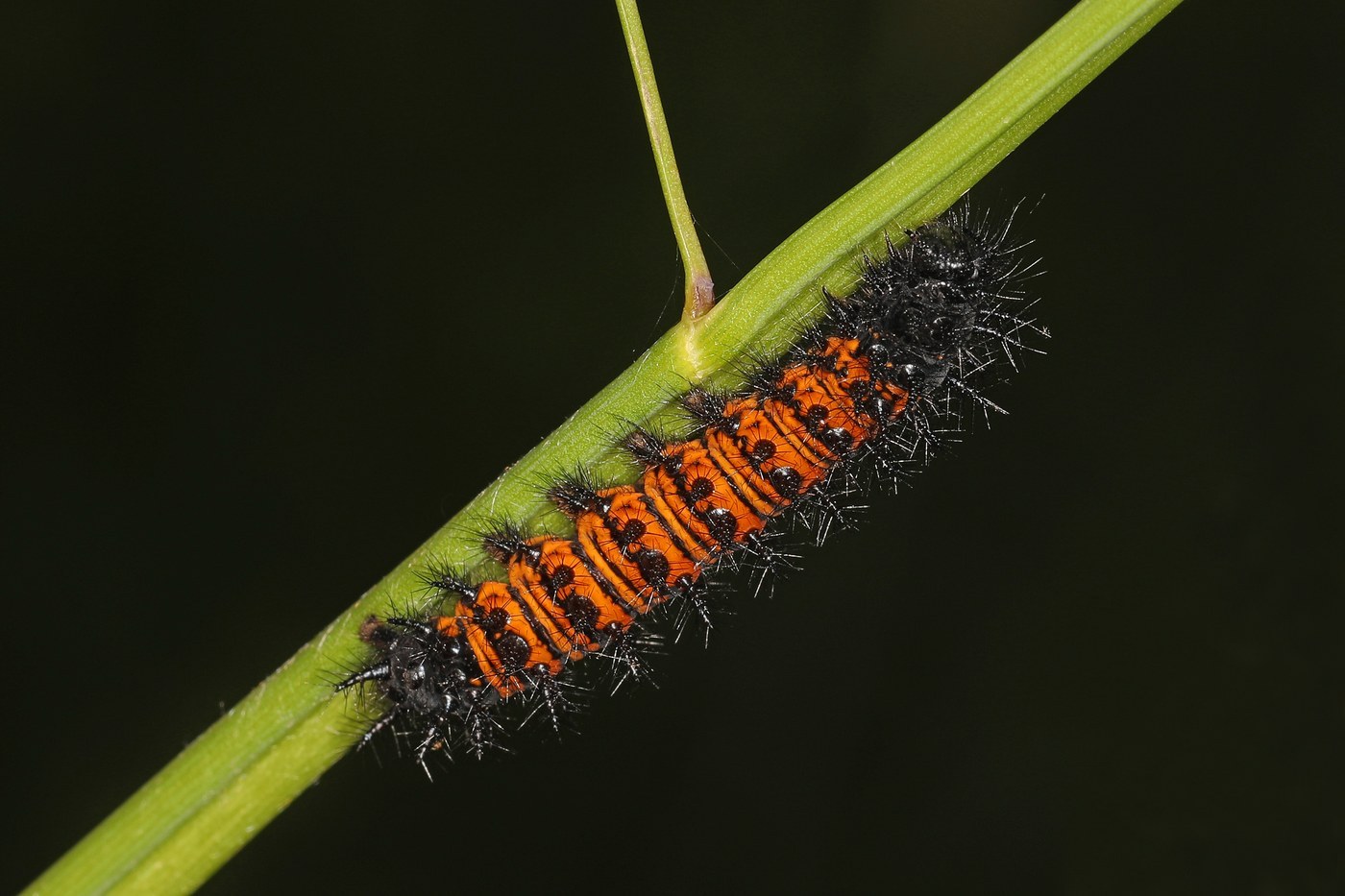
Baltimore Checkerspot
Wet meadows, bogs, and marshy fields in the northeastern and Appalachian US
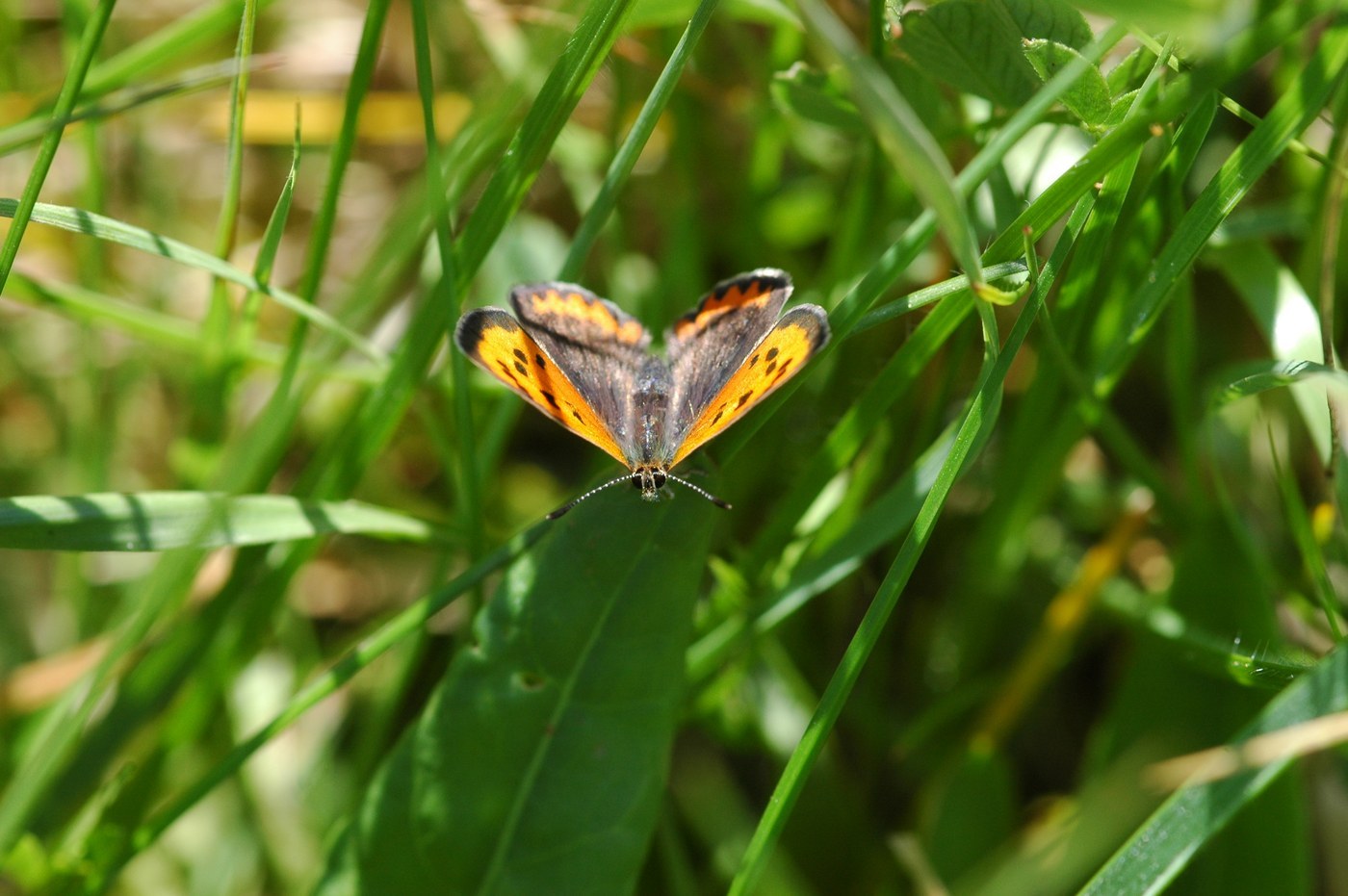
American Copper
Old fields, roadsides, and disturbed open ground with sorrel or dock
West Virginia White
Rich deciduous forest floors, especially near seeps and streams
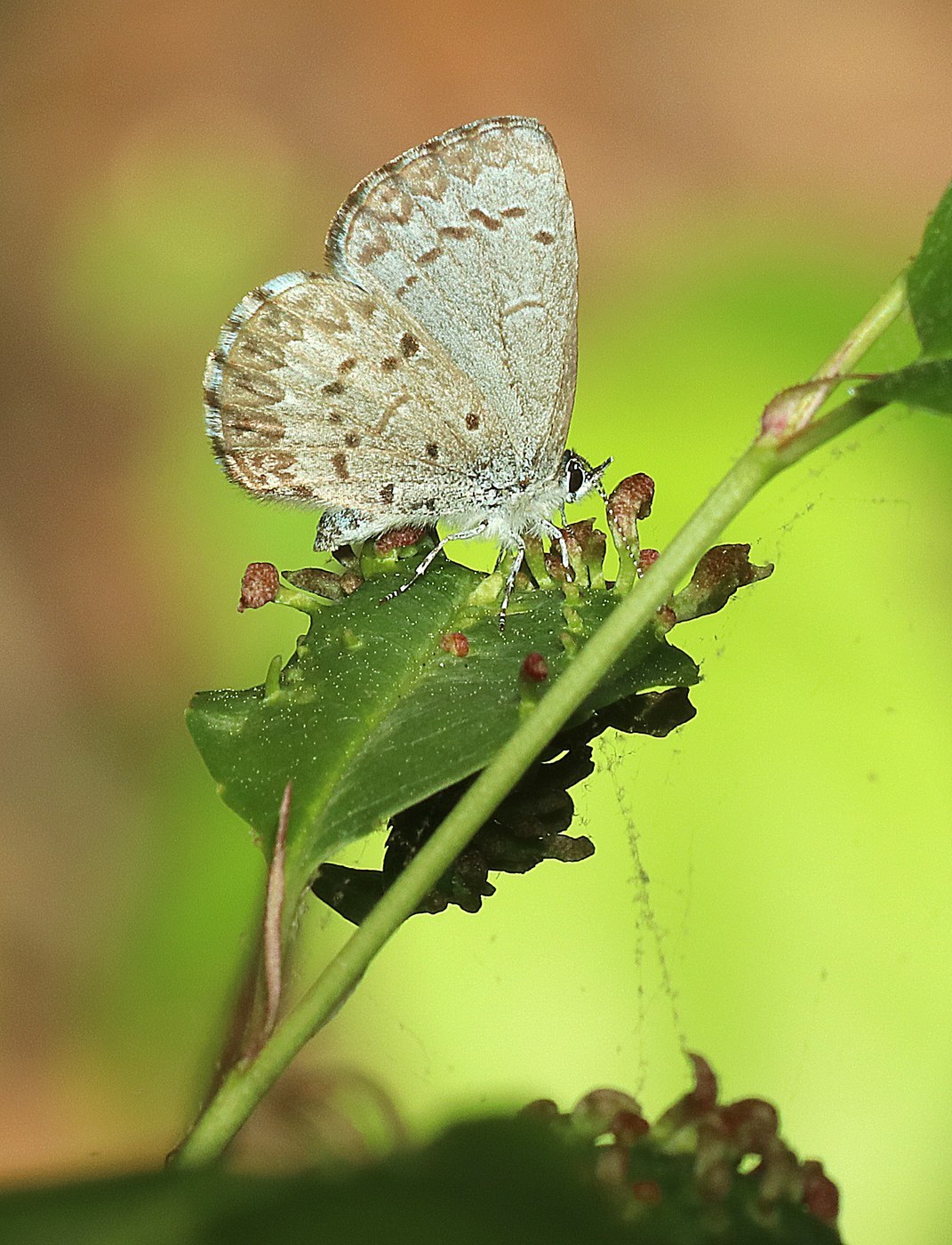
Spring Azure
Woodland edges, gardens, shrubby clearings
Red Admiral
Gardens, woodland edges, parks, meadows
Sleepy Orange
Open woodland, fields, roadsides, and disturbed ground