
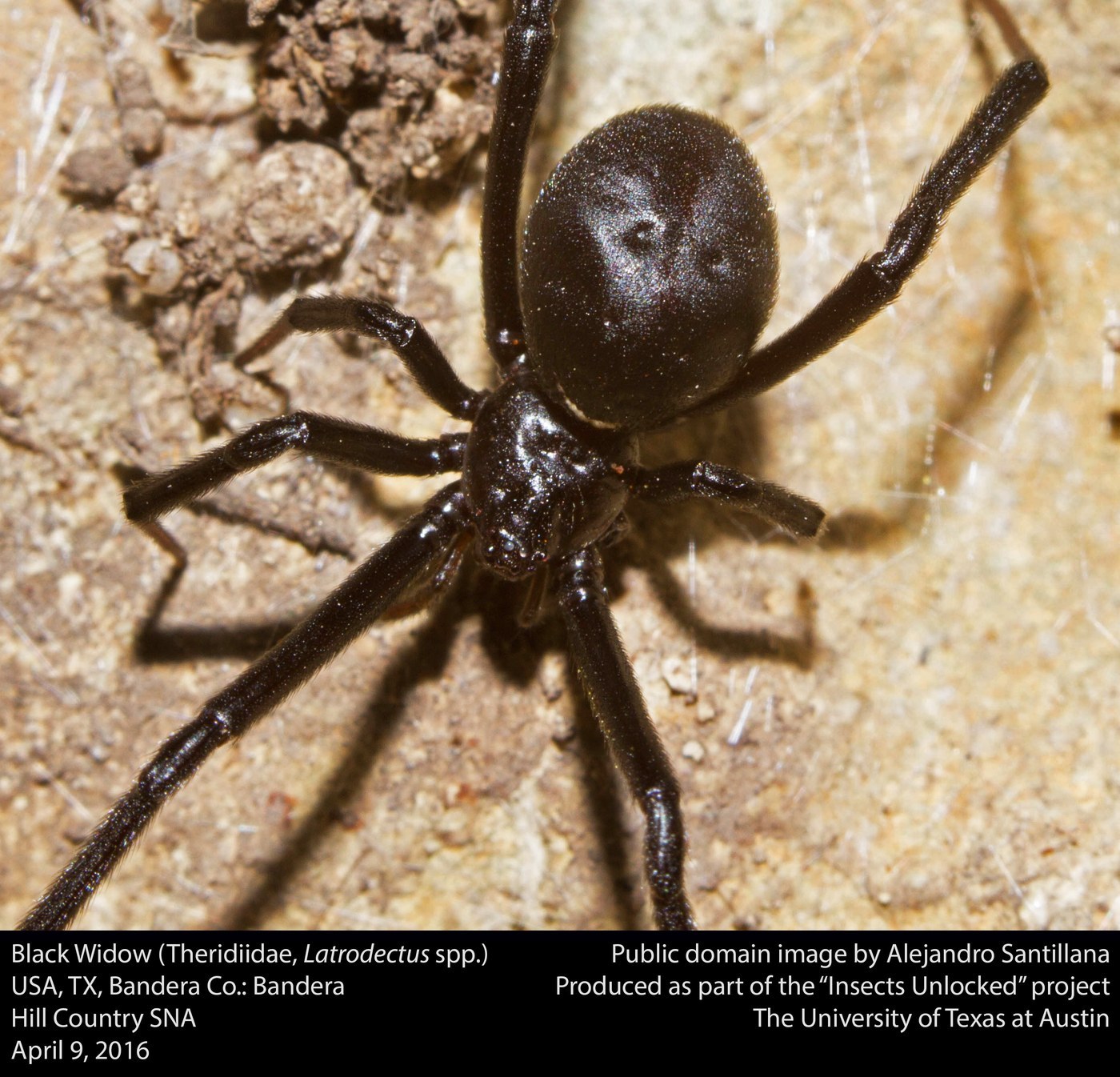
Comb-footed Spider
Theridiidae spp.
A diverse family of spiders defined by a row of tiny serrated bristles on their hind legs, used like a comb to fling silk over prey and wrap it up in an instant.
- Size
- 0.1-0.6 in (3-15 mm) body length
- Habitat
- Sheltered corners, foliage, and structures worldwide
- Danger
- Bites
Spotted a bug like this?
Identify any bug or insect from a photo, free.
Overview
Comb-footed spiders make up the family Theridiidae, one of the largest and most widespread spider families, with thousands of described species occupying nearly every terrestrial habitat around the globe. The family name refers to a specialized anatomical feature found on the hind pair of legs: a row of small, curved, serrated bristles called a comb, located on the tarsus.
This leg comb gives the group its defining hunting technique. When prey becomes caught in the irregular, tangled web typical of the family, the spider uses its combed hind legs to rapidly draw out silk from its spinnerets and fling it over the struggling animal, wrapping it far more quickly than would be possible by touch alone. This efficient wrapping method allows comb-footed spiders to subdue prey that might otherwise be too large or dangerous to approach directly.
The family includes an enormous range of body forms and habits, from tiny inconspicuous garden spiders to the more robust and well-known widow spiders, all of which share the tangled cobweb architecture and the distinctive leg comb that unites the group taxonomically.
How to Identify
- Rounded, often bulbous abdomen, with enormous variation in color and pattern across species
- Row of small, serrated, comb-like bristles on the tarsus of the hind legs, visible under magnification
- Web is an irregular, tangled, three-dimensional mesh rather than a flat spiral
- Sticky gumfoot lines often run from the web down to the ground to snag walking prey
- Relatively short legs suited to maneuvering through a dense silk tangle
- Lookalikes include other tangle-web spiders, but the hind-leg comb is the definitive family trait confirmed under magnification
Habitat & Range
Comb-footed spiders are found in virtually every terrestrial habitat worldwide, from forests and grasslands to deserts and urban structures. They build their tangled webs in sheltered locations such as foliage, bark crevices, rock piles, and building corners, and are present year-round in warm climates, with seasonal activity peaks in temperate regions during the warmer months.
Behavior & Diet
These spiders rely on their irregular tangle web and, in many species, sticky gumfoot threads to intercept walking or flying prey. Once an insect is snagged, the spider uses its combed hind legs to swiftly fling silk over it, immobilizing the prey before delivering a subduing bite and beginning to feed. Diet varies by species but generally includes flies, ants, beetles, and other small arthropods. Given the sheer diversity and abundance of the family, comb-footed spiders are significant predators of small insects in nearly every ecosystem they inhabit.
Life Cycle
Females produce one or more silk egg sacs, often spherical or teardrop-shaped, suspended within the web and guarded until the spiderlings emerge. After hatching, young spiders disperse to build their own tangled webs nearby, growing through repeated molts over several months to about a year depending on the species and climate. Many temperate species overwinter as eggs or juveniles, resuming growth and web-building as temperatures rise.
Frequently asked questions
What is a comb-footed spider named for?
For a row of tiny serrated bristles, or comb, on the tarsus of the hind legs, which the spider uses to rapidly fling silk over captured prey.
How is the comb used during hunting?
The spider draws silk from its spinnerets with the combed hind legs and flicks it over struggling prey, wrapping it quickly and efficiently.
What kind of web do comb-footed spiders build?
An irregular, tangled, three-dimensional mesh, often with sticky gumfoot threads running down to the ground to snag walking insects.
How many species belong to this family?
Theridiidae is one of the largest spider families, with thousands of described species found in nearly every terrestrial habitat worldwide.
Comb-footed Spider guides
In-depth guides for identifying, understanding, and living alongside Comb-footed Spider.
Other bugs you may enjoy
Woodlouse Spider
Damp leaf litter, under logs, stones, and mulch
Wolf Spider
Gardens, grasslands, forests, leaf litter, ground burrows
Wandering Spider
Tropical and subtropical forest floor, foliage, and banana plants
Banded Garden Spider
Tall grass, meadows, and gardens with open sunny vegetation
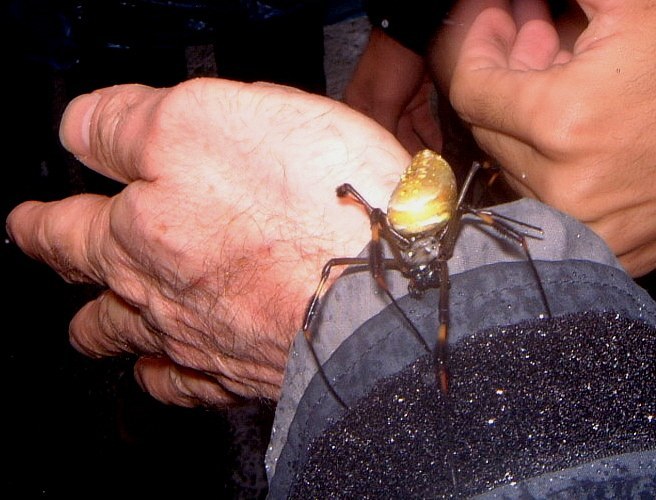
Banana Spider
Wooded trails, forest edges, and gardens across the southeastern U.S. and the American tropics
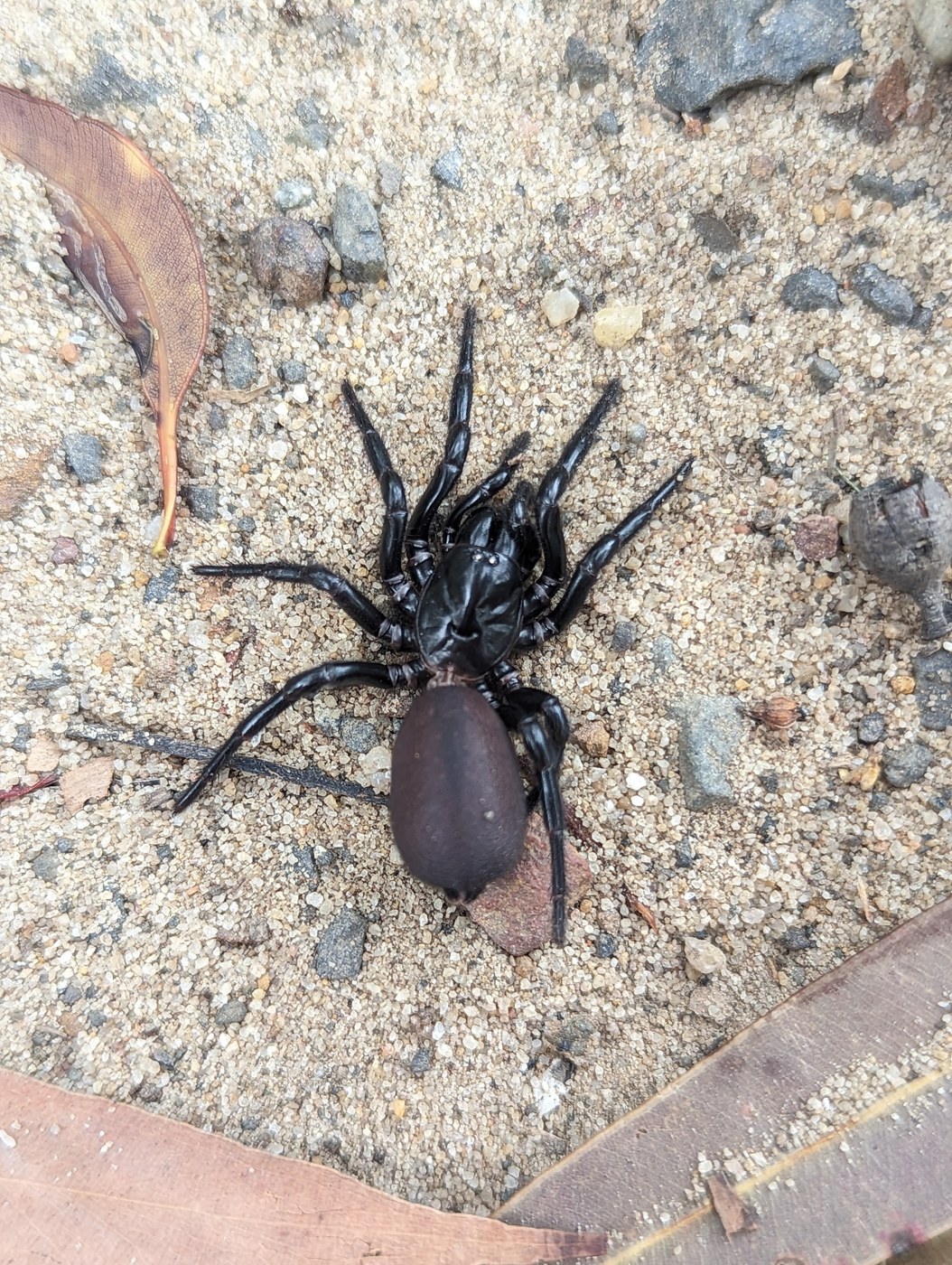
Sydney Funnel-web Spider
Burrows in moist soil, gardens, and forested gullies around the Sydney basin of eastern Australia
Trapdoor Spider
Self-dug silk-lined burrows with a camouflaged door, in dry, well-drained soil worldwide
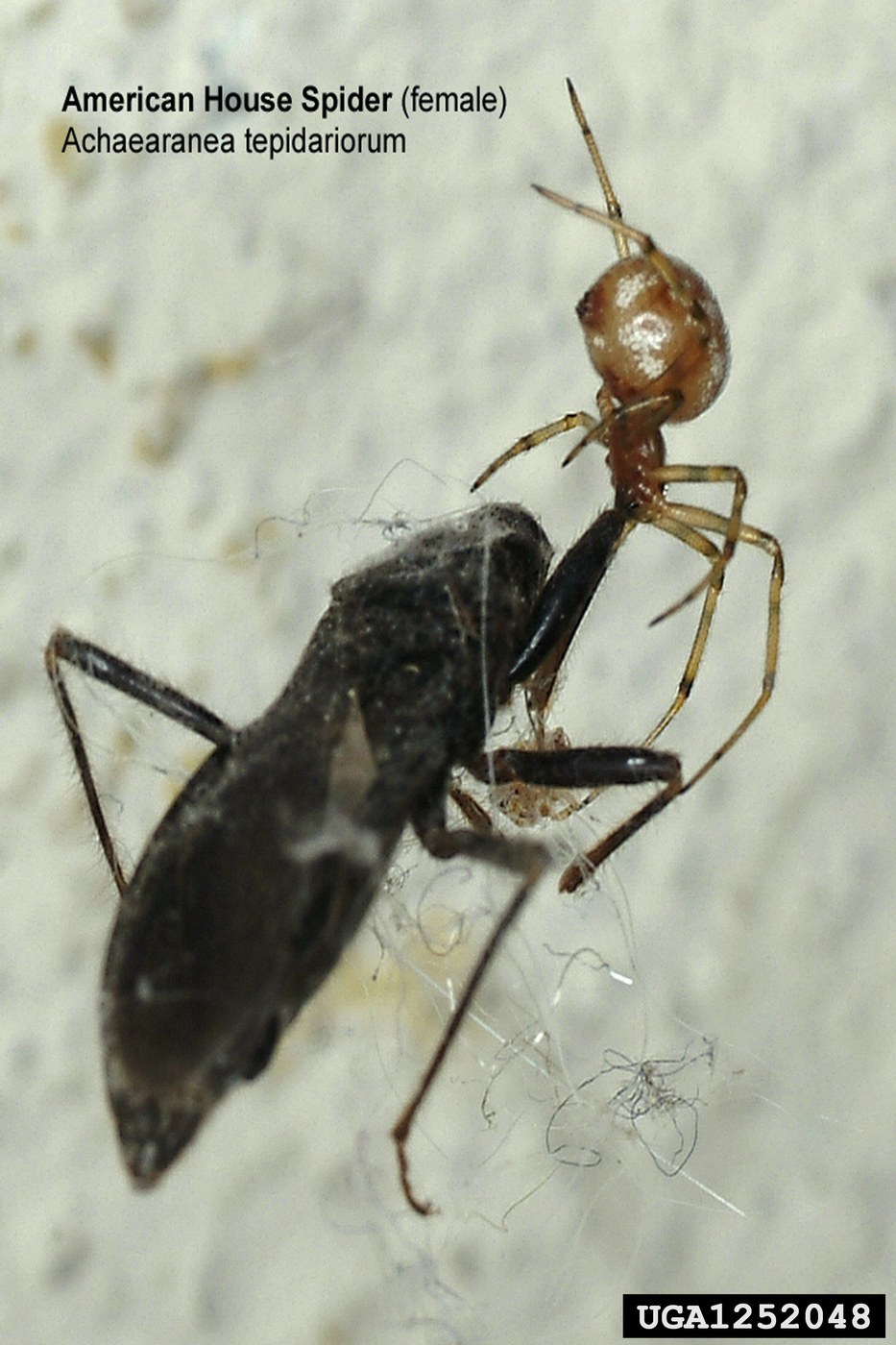
American House Spider
Corners, basements, garages, and outbuildings worldwide
Tube Web Spider
Wall crevices, bark, rockeries, and masonry
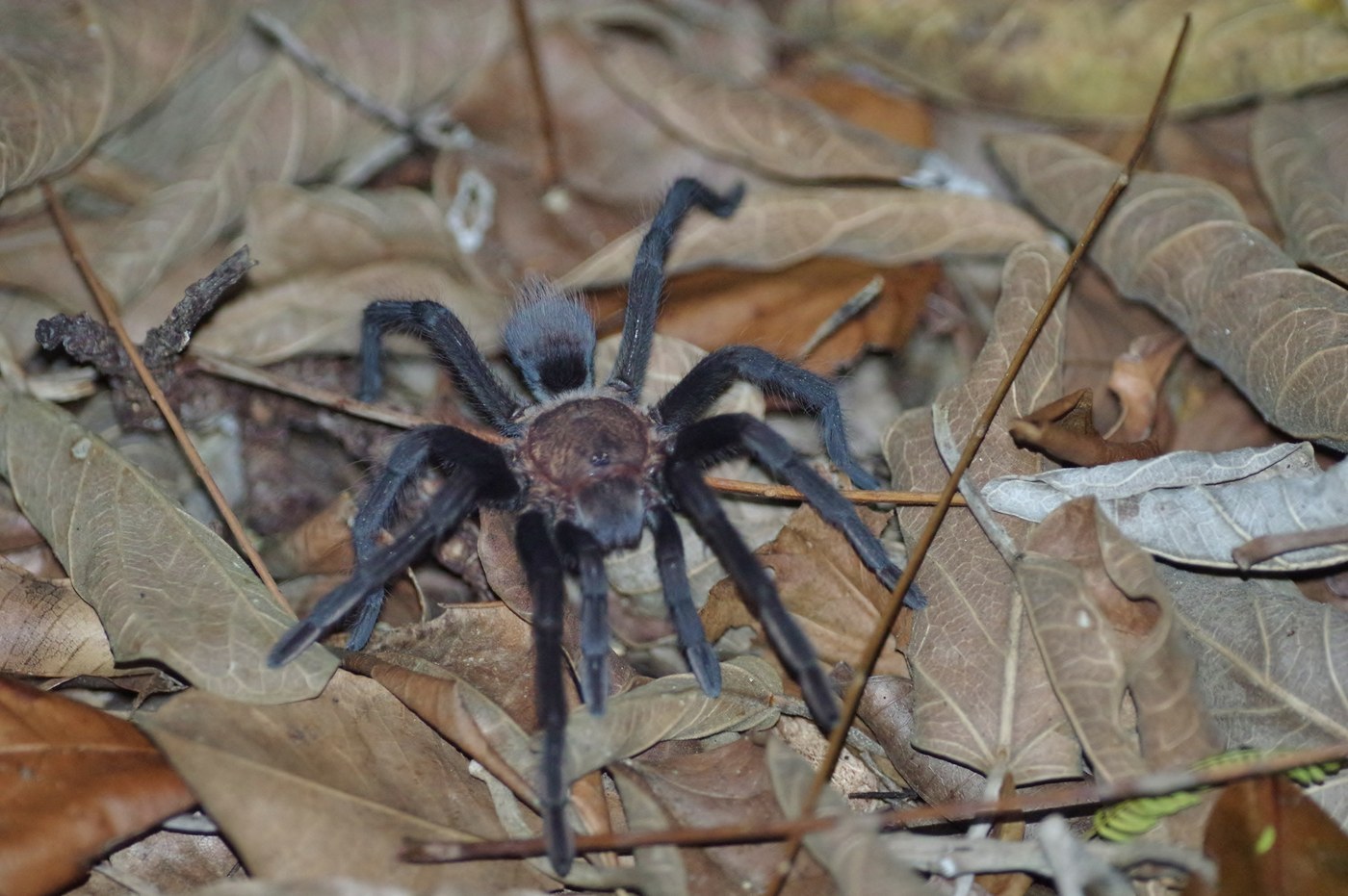
Tarantula
Burrows, rock crevices, and tree hollows in deserts, grasslands, and tropical forests worldwide
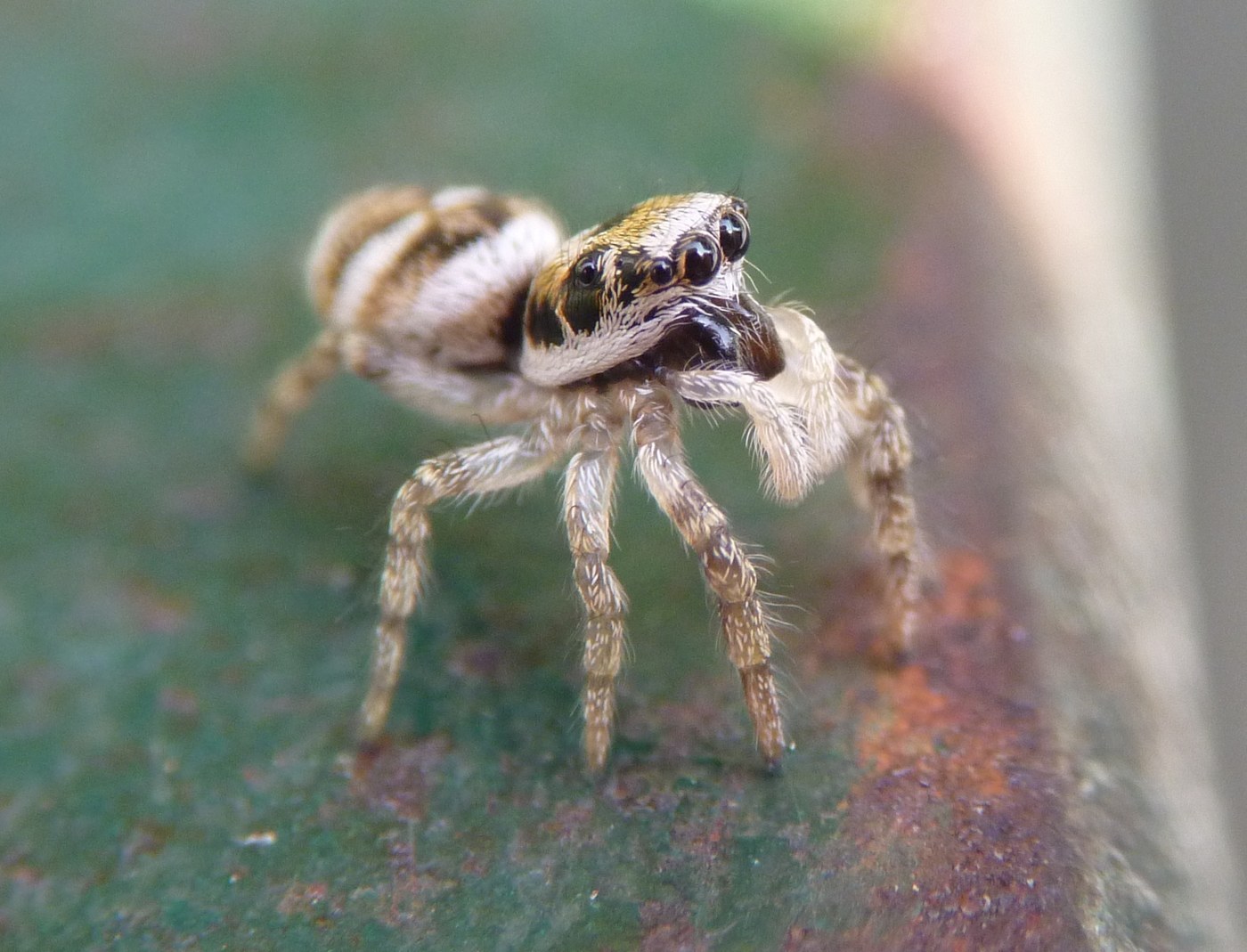
Zebra Jumping Spider
Sunny walls, fences, tree bark, and building exteriors
Wall Spider
Cracks and crevices on exterior and interior walls