
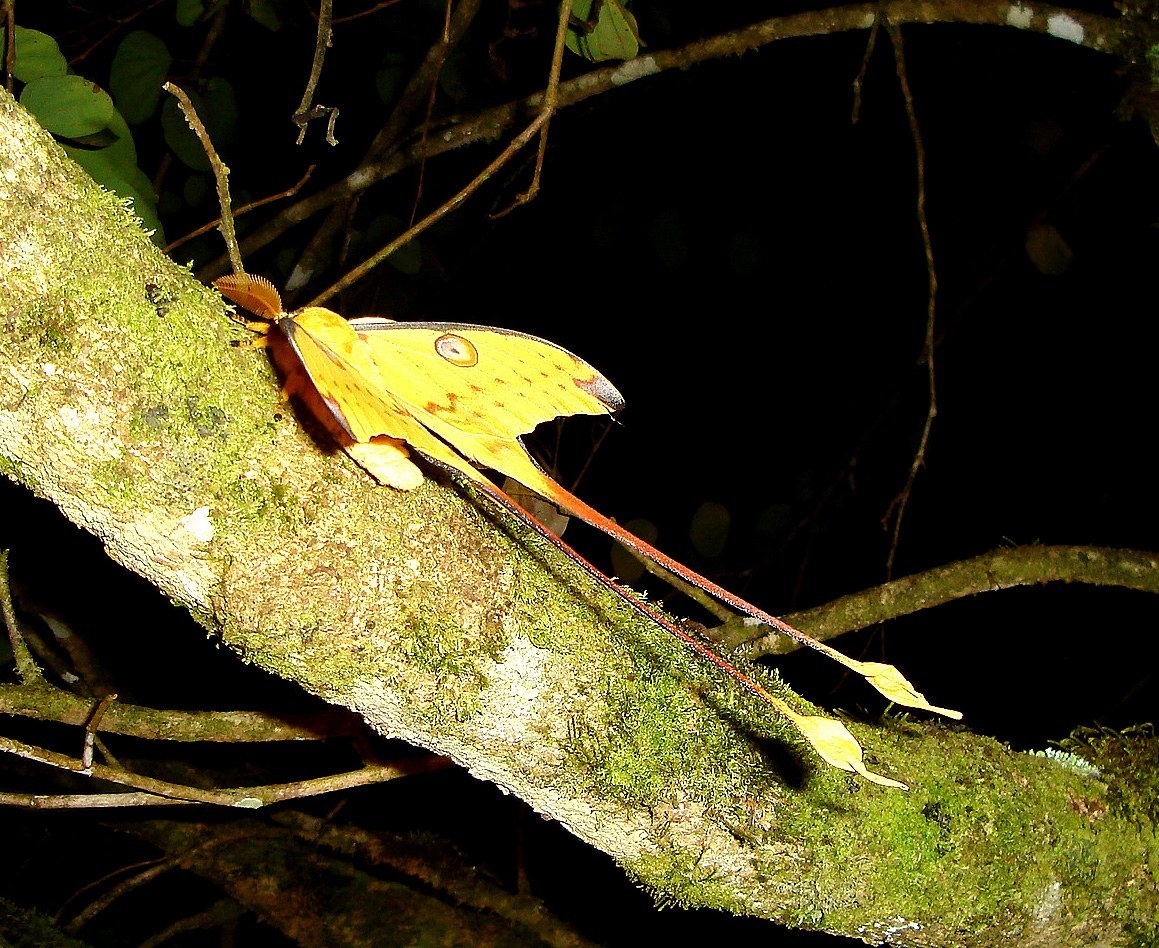
Comet Moth (Madagascan Moon Moth)
Argema mittrei
One of the largest and most spectacular silk moths in the world, with pale yellow-to-red wings and extraordinarily long, ribbon-like tails on the hindwings.
- Size
- 5–8 in wingspan (tails add several extra inches)
- Habitat
- Rainforests of Madagascar
- Danger
- Harmless
Spotted a bug like this?
Identify any bug or insect from a photo, free.
Overview
The comet moth, also called the Madagascan moon moth, is a giant silk moth in the family Saturniidae, endemic to the rainforests of Madagascar. It is renowned among moth enthusiasts and collectors for its enormous size and the sweeping, twisted tails that trail from each hindwing, sometimes rivaling the wingspan itself in length.
Adults are covered in soft, powdery scales in shades of buttery yellow to deep rust-orange, with transparent eyespots on each wing and a fuzzy reddish-brown body. Because adults lack functional mouthparts, they live only a few days, existing solely to mate and lay eggs before dying.
As a flagship species of Madagascar's unique forest ecosystems, the comet moth is a symbol of the island's biodiversity and is bred in captivity worldwide for educational and hobbyist purposes, reducing pressure on wild populations.
How to Identify
- Massive wingspan reaching up to 20 cm (8 in), among the largest of all moths.
- Wings range from pale straw-yellow to rich orange-red, often deepening in older individuals.
- Each hindwing tapers into a long, spiraling tail, sometimes exceeding 15 cm.
- Prominent transparent "windows" (eyespots) sit at the center of each wing.
- Thick, feathery antennae, especially bushy and comb-like in males, used to detect female pheromones.
- Lookalikes include other Saturniidae like the Luna moth, but no other species combines this size with such dramatically long tails.
Habitat & Range
Found only on the island of Madagascar, primarily in primary and secondary humid rainforest habitats. Caterpillars feed in the forest canopy and understory, while adults are most often encountered at night near forest edges, drawn to moonlight and artificial lights. Peak adult activity typically follows the warm, wet season.
Behavior & Diet
Adults are strictly nocturnal and, having no functioning mouthparts, do not feed at all as adults, surviving on fat reserves stored during the caterpillar stage. Males use their large, feathery antennae to track female pheromone trails across long distances. The long tails are thought to help disrupt the echolocation of bat predators by creating false wingtip targets, improving the moth's odds of escaping an attack in flight.
Life Cycle
Females lay eggs on host plant leaves, which hatch into large, pale green caterpillars that feed voraciously for several weeks, molting through multiple instars. The caterpillar spins a papery, mesh-like silk cocoon that allows rainwater to drain rather than pool inside, an adaptation to the humid rainforest environment. After several weeks of pupation, the adult ecloses, mates within days, and dies shortly after reproduction, completing a full metamorphosis in a matter of months with one or more generations depending on regional conditions.
Frequently asked questions
Is the comet moth the same as the Luna moth?
No, they are closely related giant silk moths in the same family but are different species; the comet moth is endemic to Madagascar and grows larger with much longer tails.
Why does it have such long tails?
The trailing hindwing tails are thought to confuse the sonar of hunting bats, helping the moth survive nighttime predator encounters.
Do adult comet moths eat anything?
No, adults have no functional mouthparts and live only a few days on energy reserves built up as caterpillars.
Where would I see one in the wild?
Only within Madagascar's rainforests, typically at night near forest edges where they are attracted to light.
Comet Moth (Madagascan Moon Moth) guides
In-depth guides for identifying, understanding, and living alongside Comet Moth (Madagascan Moon Moth).
Other bugs you may enjoy
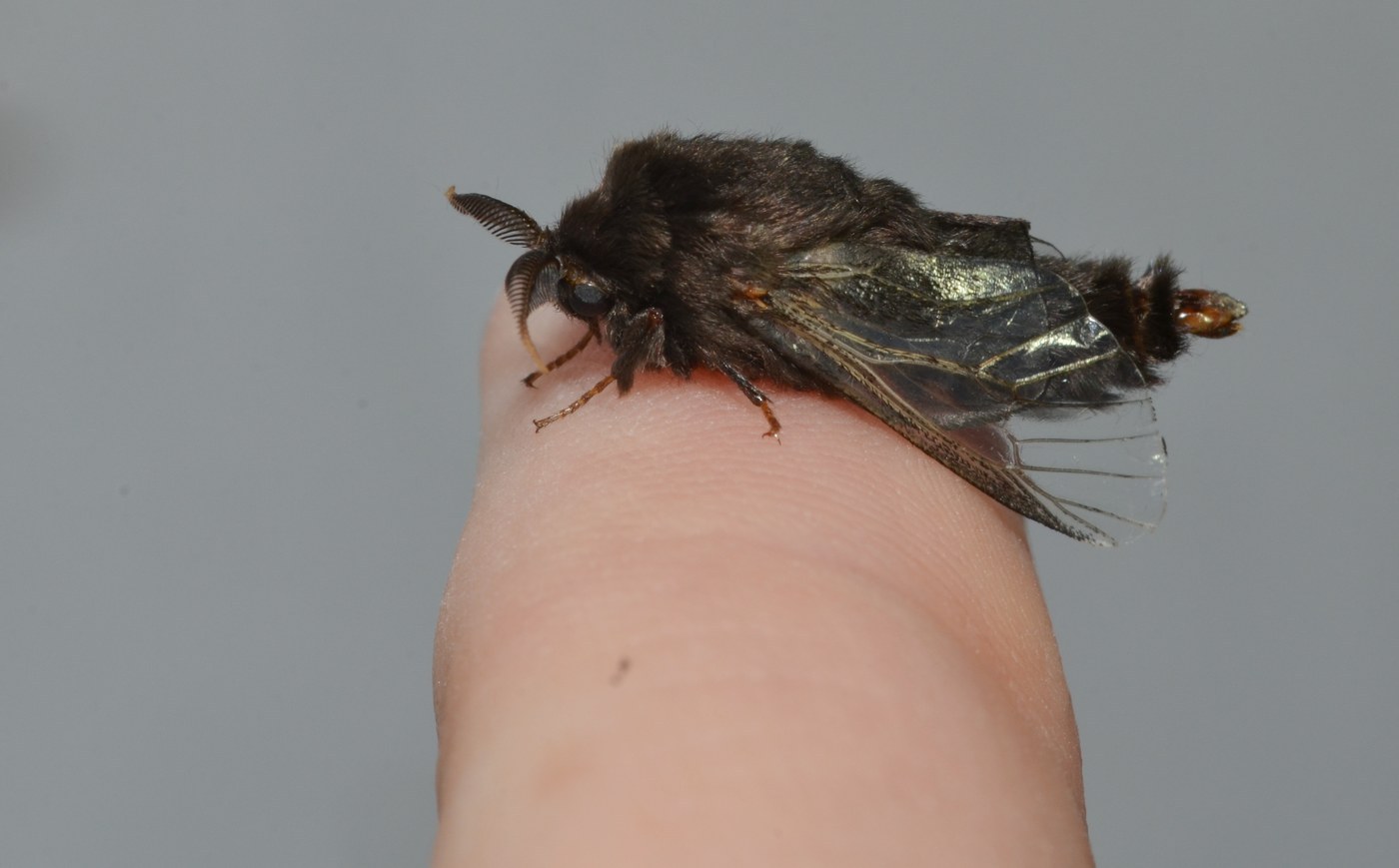
Bagworm Moth
Coniferous and deciduous trees, shrubs, hedges
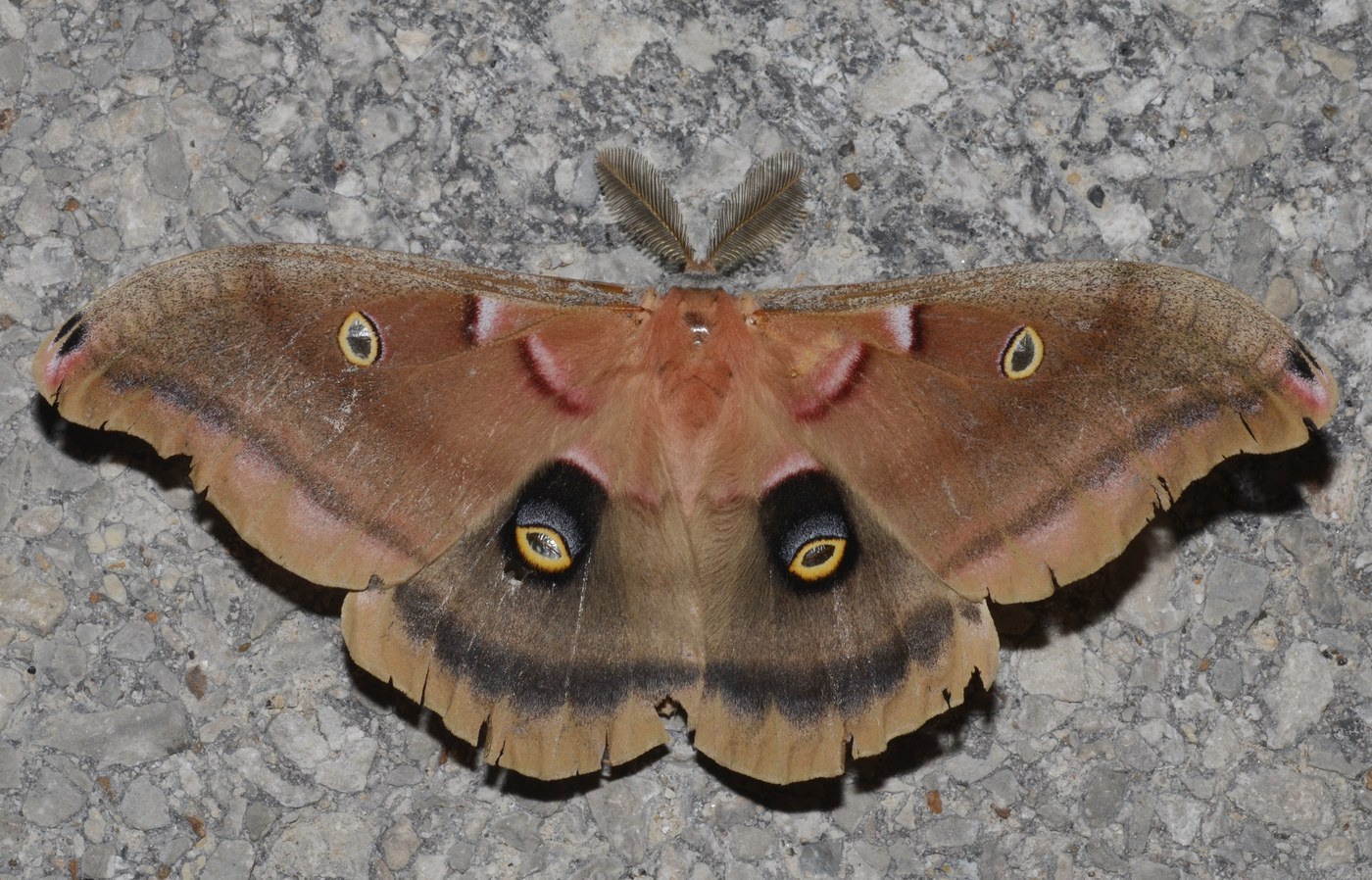
Antheraea Silkmoth
Deciduous forests, woodland edges, orchards
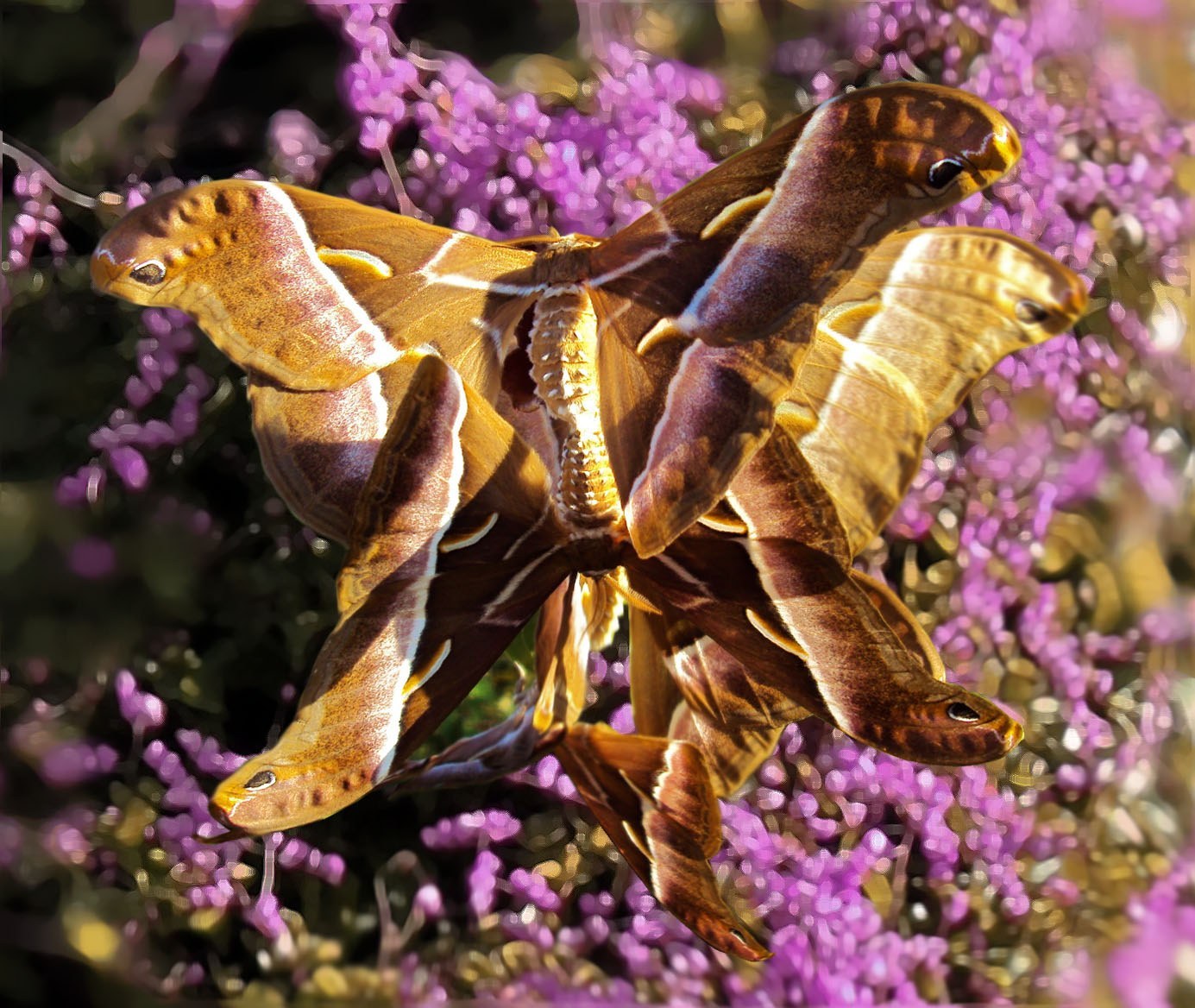
Ailanthus Silkmoth (Cynthia Moth)
Urban parks, wastelands, and woodland edges with tree-of-heaven; native to Asia, introduced in North America and Europe
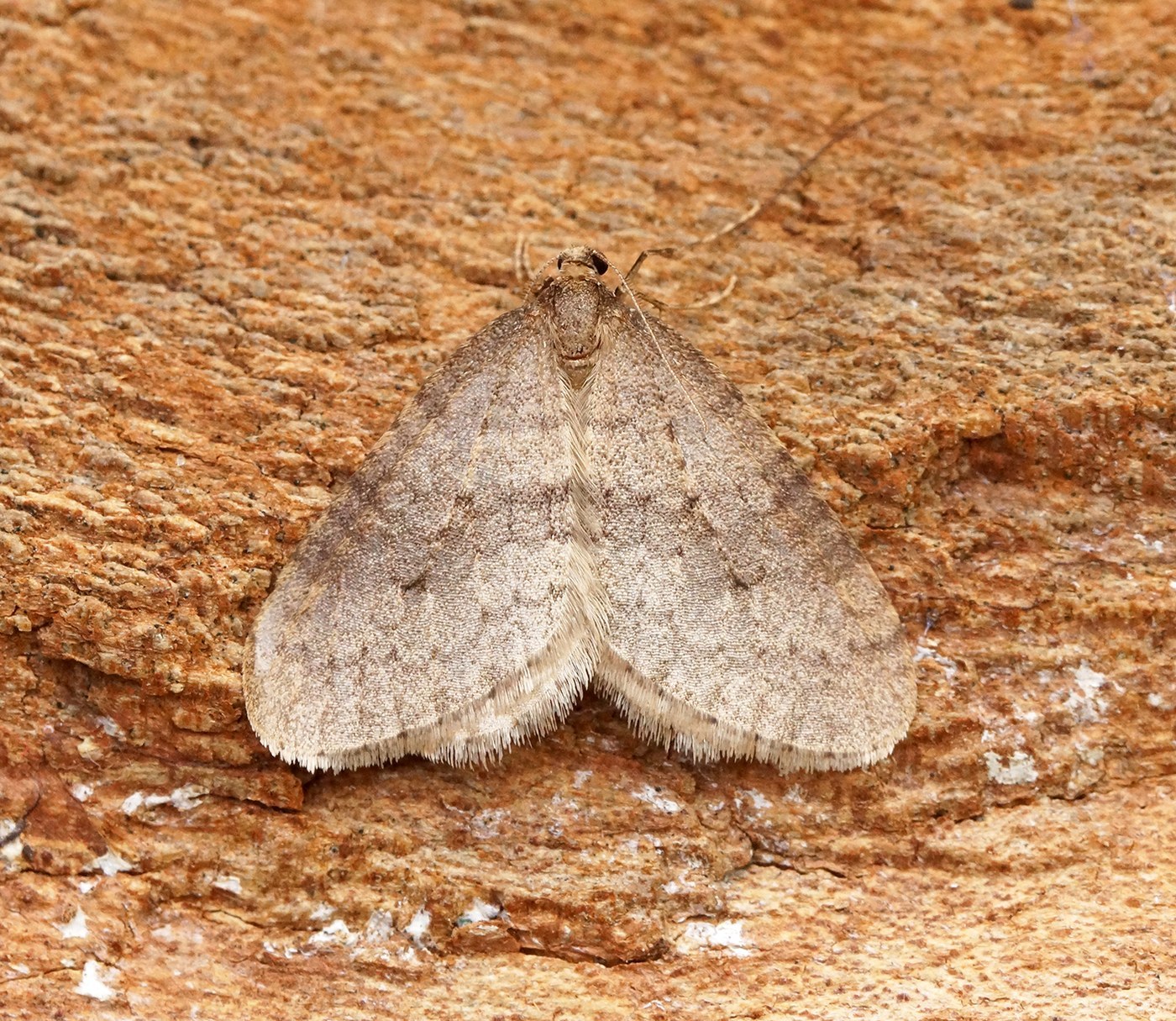
Winter Moth
Deciduous woodland, orchards, gardens, hedgerows
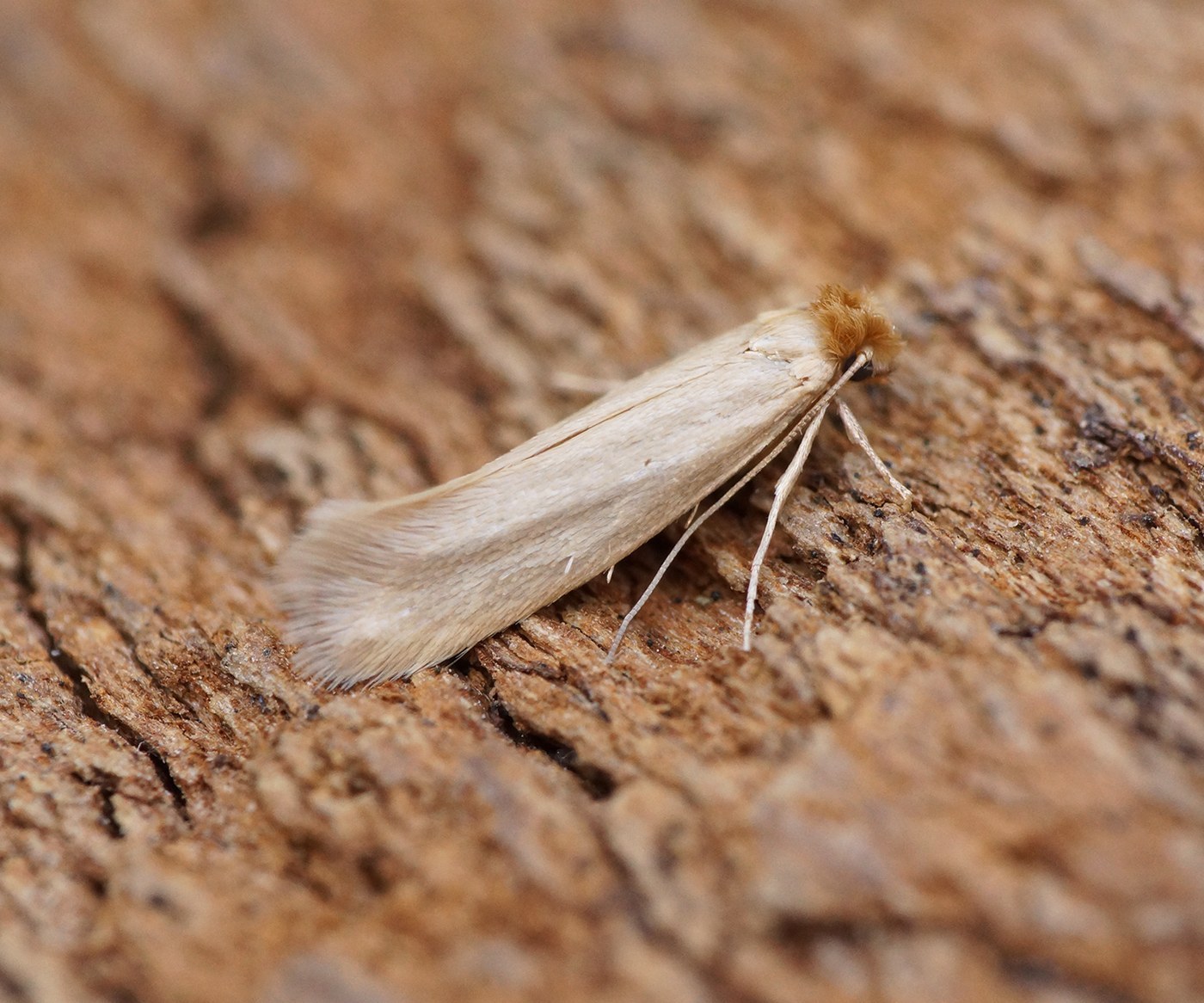
Webbing Clothes Moth
Dark closets, storage areas, and animal nests worldwide
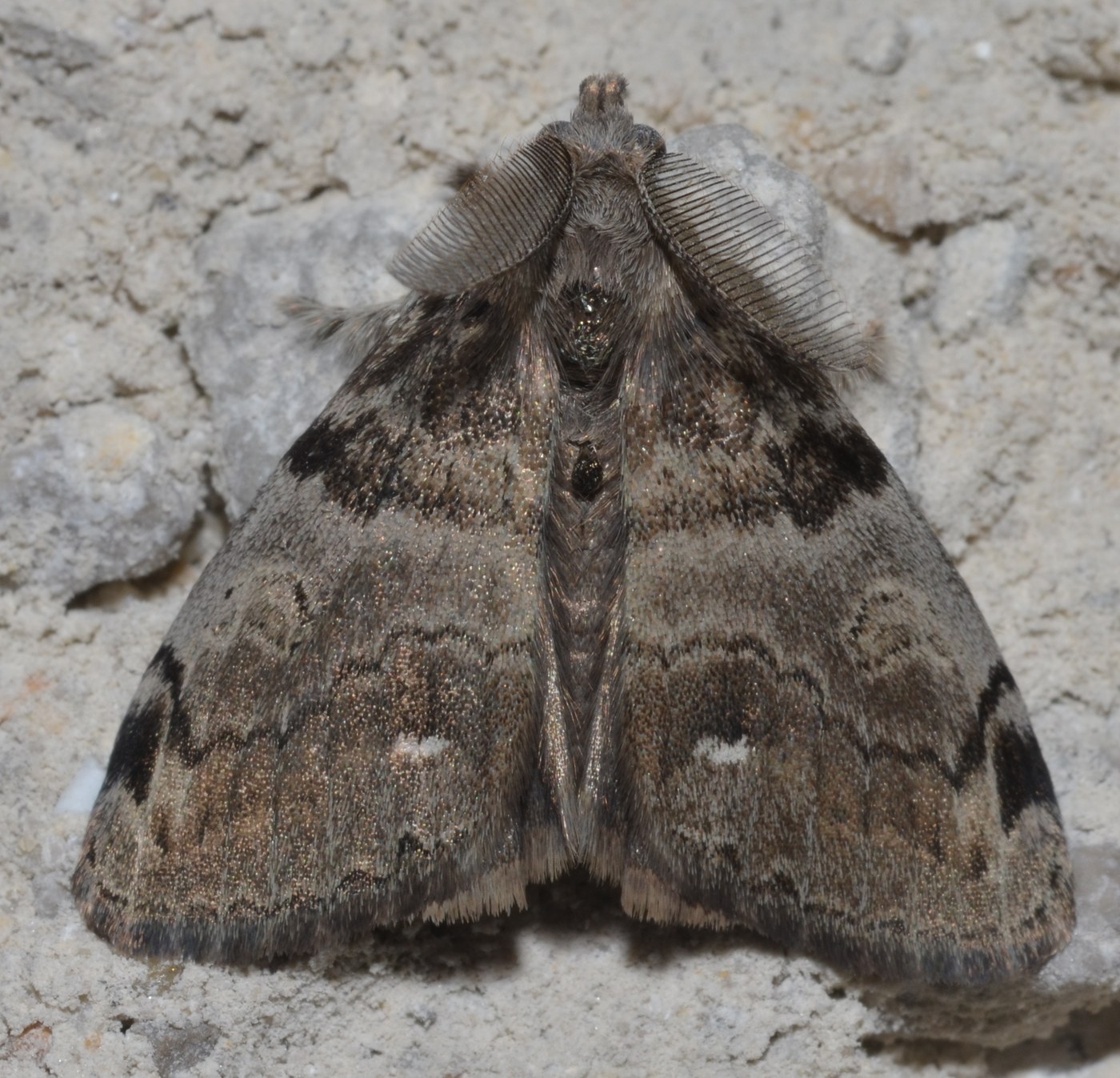
Tussock Moth
Deciduous forests, parks, gardens
Wax Moth
Beehives, apiaries, stored beeswax and comb
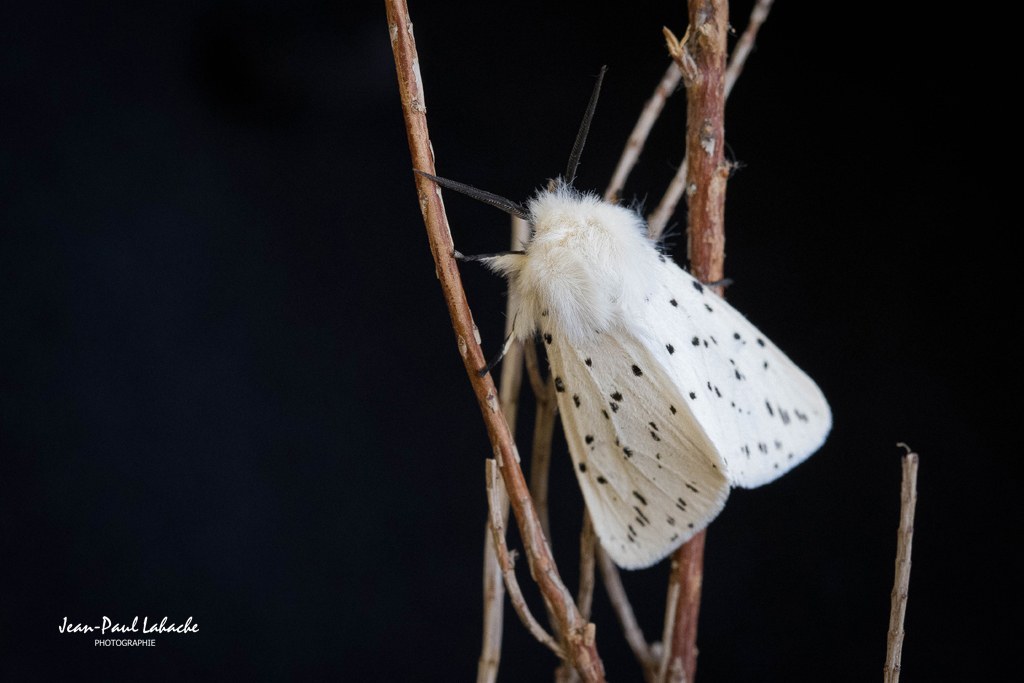
White Ermine Moth
Gardens, meadows, hedgerows
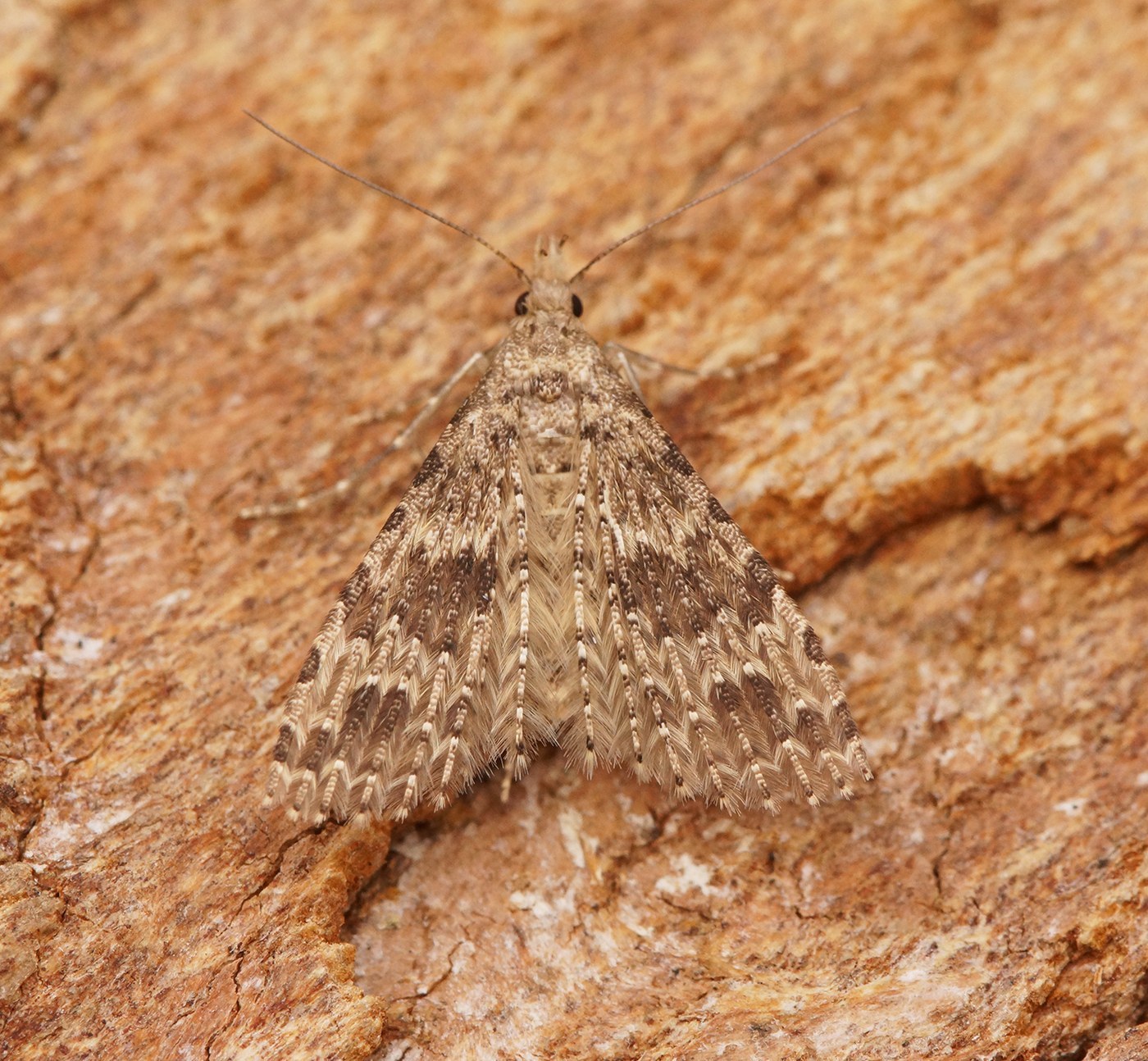
Twenty-plume Moth
Gardens, hedgerows, near honeysuckle
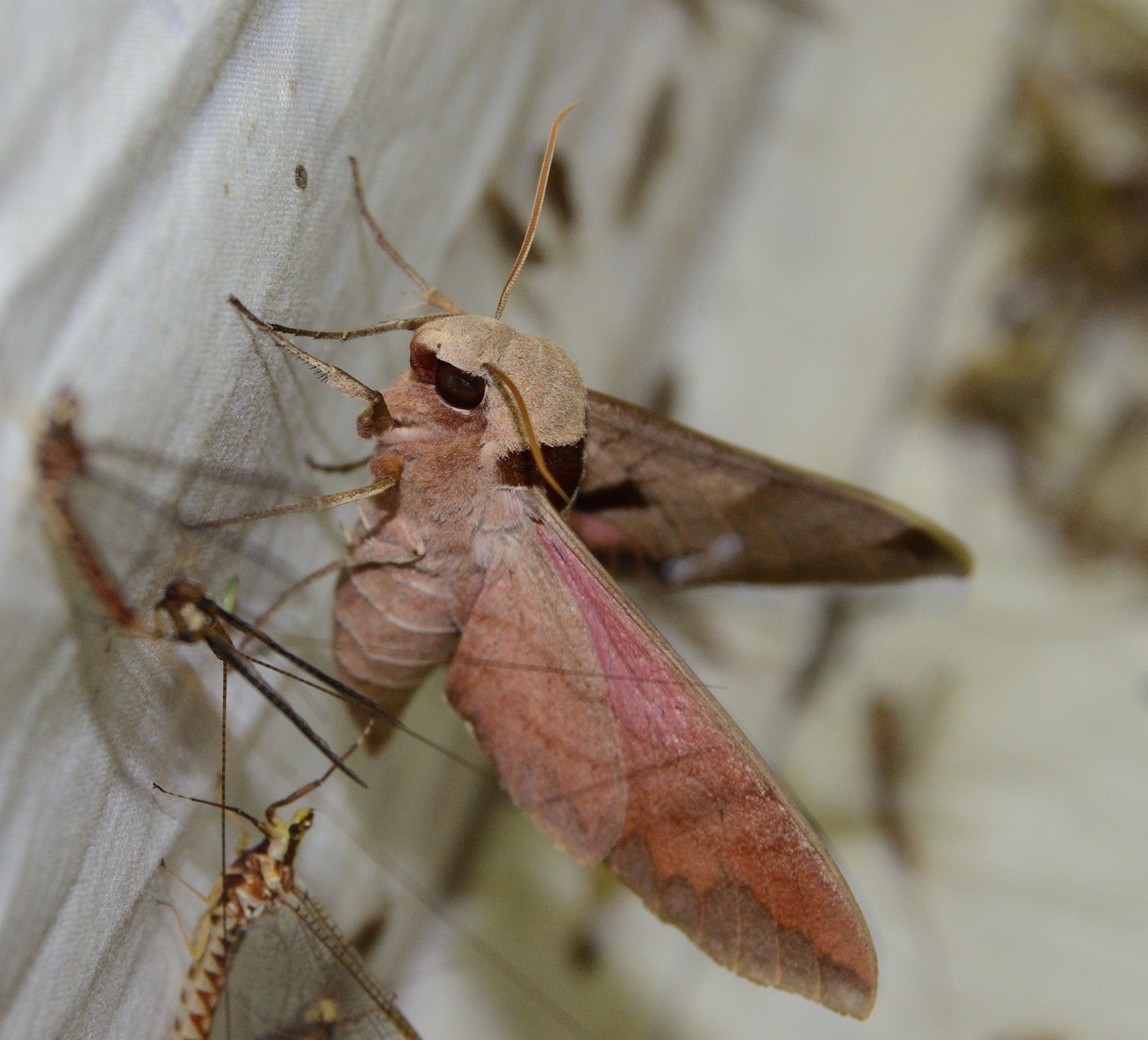
Achemon Sphinx Moth
Vineyards, woodland edges, gardens with wild grape
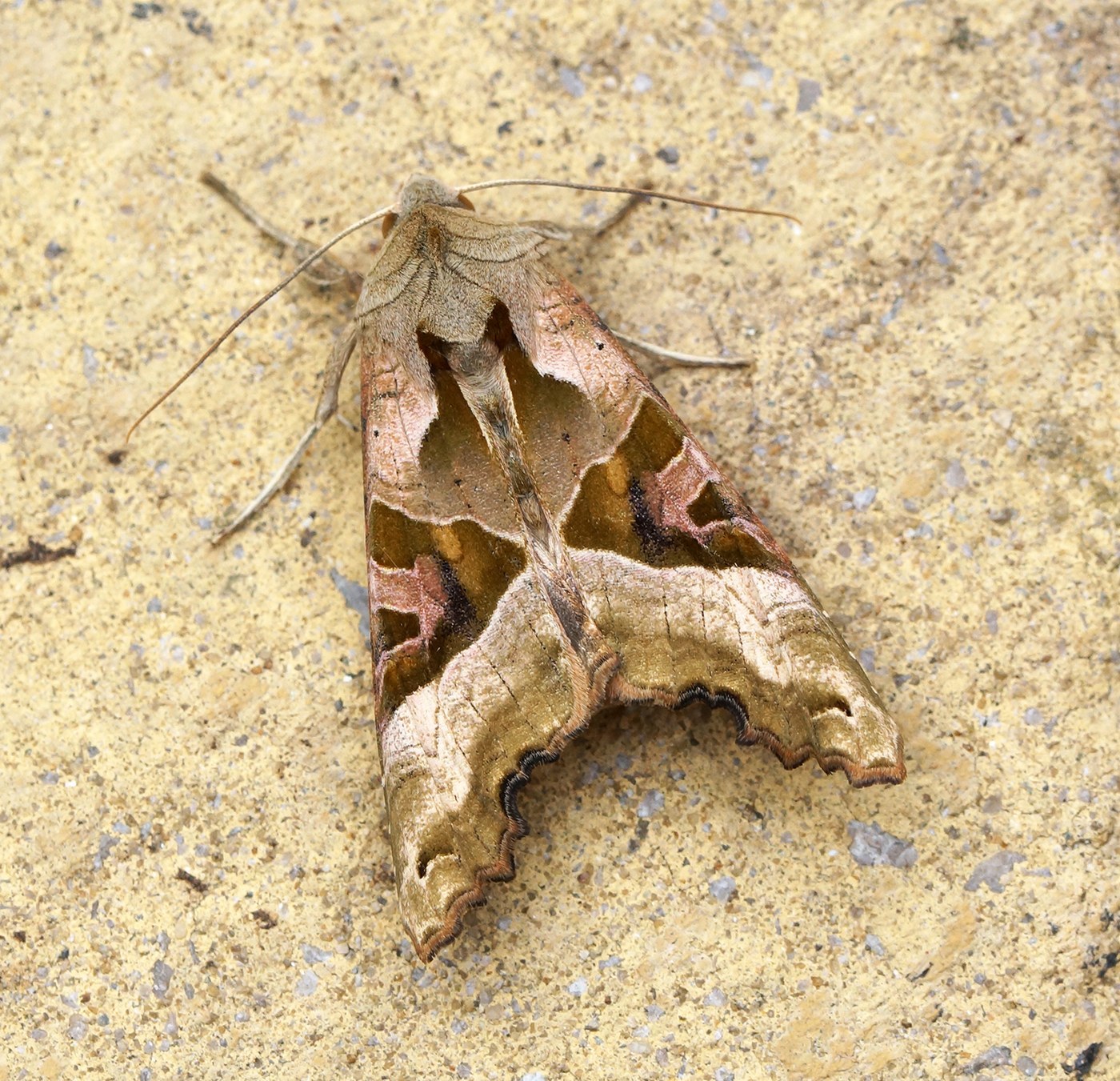
Angle Shades Moth
Gardens, hedgerows, woodland edges, urban parks
Atlas Moth
Tropical and subtropical lowland forests of Southeast Asia