
Comma Butterfly
Polygonia c-album
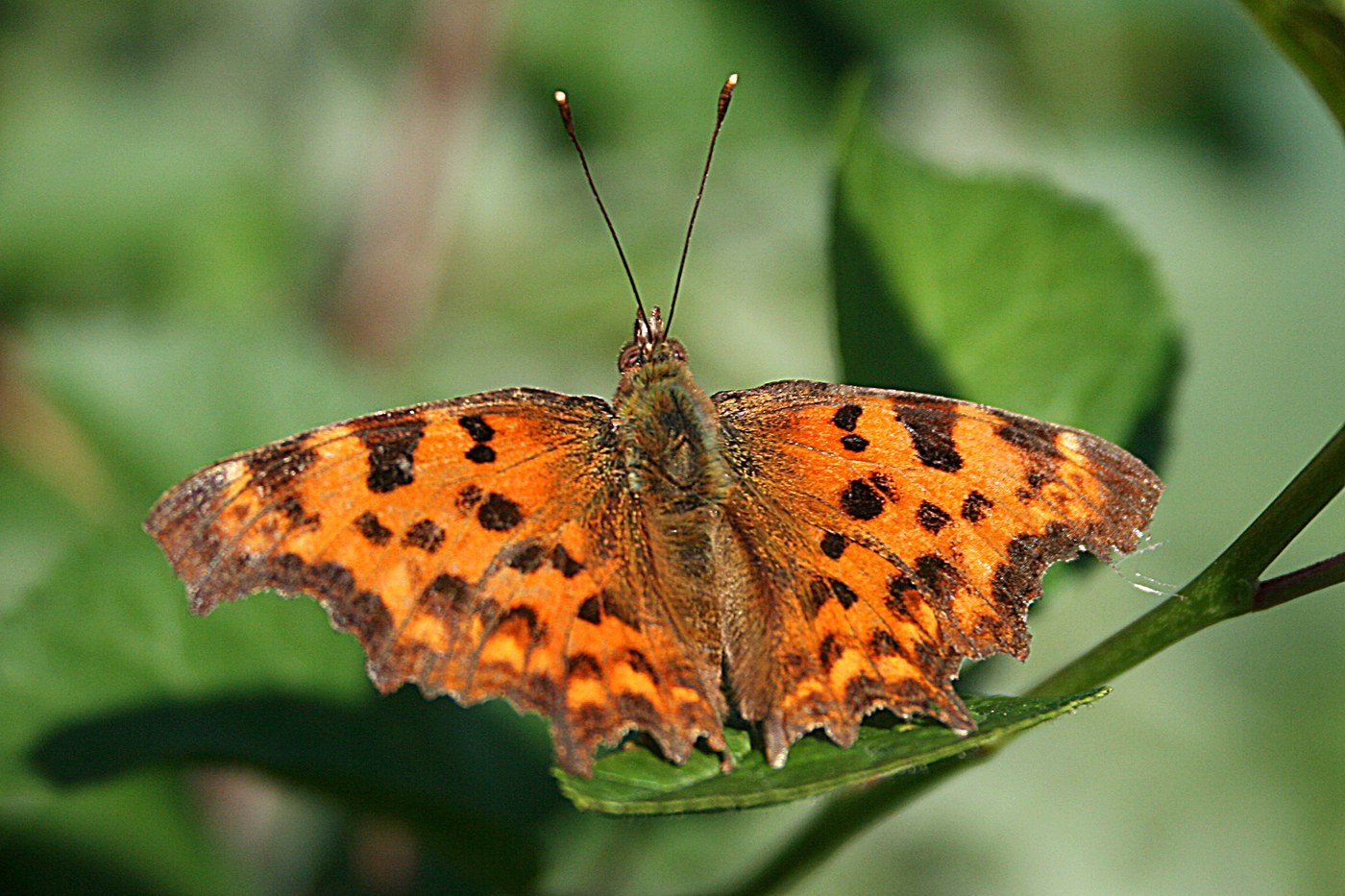
An orange-brown butterfly with distinctively ragged, scalloped wing edges and a small white comma-shaped mark on the underside of the hindwing, resembling a dead leaf when at rest.
- Size
- 1.75–2.25 in wingspan
- Habitat
- Woodland edges, gardens, hedgerows (Europe and temperate Asia)
- Danger
- Harmless
Spotted a bug like this?
Identify any bug or insect from a photo, free.
Overview
The Comma Butterfly is a member of the anglewing group within the brush-footed butterfly family Nymphalidae, named for the small, pale, comma- or C-shaped mark found on the underside of its hindwing. It is common across Europe and temperate Asia and is closely related to the anglewing butterflies of North America, such as the Question Mark and Eastern Comma.
Its jagged, irregular wing outline is a key adaptation for camouflage: with wings closed, the mottled brown underside and torn-looking edges make the butterfly look remarkably like a dried, curled leaf, helping it disappear against woodland leaf litter and tree bark.
As with several related nymphalids, the Comma overwinters as an adult, and its populations have expanded significantly across parts of its range in recent decades, aided by its ability to use a variety of host plants beyond its traditional favorite.
How to Identify
- Bright orange-brown wings with dark brown spots and blotches on the upper surface.
- Wing margins are deeply scalloped and irregular, giving a ragged, torn-leaf outline unlike the smoother edges of most other butterflies.
- Underside is mottled brown and bark-like, with a small pale white comma- or C-shaped mark near the center of the hindwing — the source of its common name.
- Medium size, generally smaller and more angular in outline than the Peacock or Small Tortoiseshell.
- Distinguished from other anglewings by the specific shape and completeness of the comma mark and its European/Asian range.
Habitat & Range
Found across Europe and into temperate Asia, in woodland edges, clearings, hedgerows, orchards, and gardens. Adults are active from early spring through autumn and overwinter as adults in sheltered spots such as log piles, tree crevices, and dense ivy, sometimes appearing on mild winter days.
Behavior & Diet
Adults bask with wings open on sunlit foliage or bare ground and are strong, agile fliers, readily visiting flowers such as buddleia and ivy blossom as well as feeding on rotting fruit and tree sap. When at rest with wings closed, the butterfly's leaf-like camouflage helps it avoid detection by predators. Caterpillars feed on a range of host plants including nettles, hops, and elm, and the species has broadened its habitat use in recent decades as a result of this dietary flexibility.
Life Cycle
Eggs are laid singly on host plant leaves such as nettle, hop, or elm. Caterpillars are spiny and variably colored, often with a saddle-like pale patch on the back that can help disguise them as bird droppings in early instars. There are typically two generations per year across much of the range, and adults of the later brood overwinter, re-emerging in spring to mate and begin the cycle again.
Frequently asked questions
Where does the name 'Comma' come from?
It refers to a small, pale comma- or C-shaped mark located on the underside of the hindwing.
Why do its wings look so ragged?
The jagged, scalloped wing margins combined with the mottled brown underside help the butterfly resemble a dead, curled leaf when at rest, aiding camouflage.
What do the caterpillars feed on?
Stinging nettle, hop, and elm are among the primary host plants used by the caterpillars.
How does it survive winter?
The Comma Butterfly overwinters as an adult in sheltered locations such as log piles or dense vegetation, becoming active again in early spring.
Comma Butterfly guides
In-depth guides for identifying, understanding, and living alongside Comma Butterfly.
Comma Butterfly identified by the community
Real finds identified with Bug Identifier.
Other bugs you may enjoy
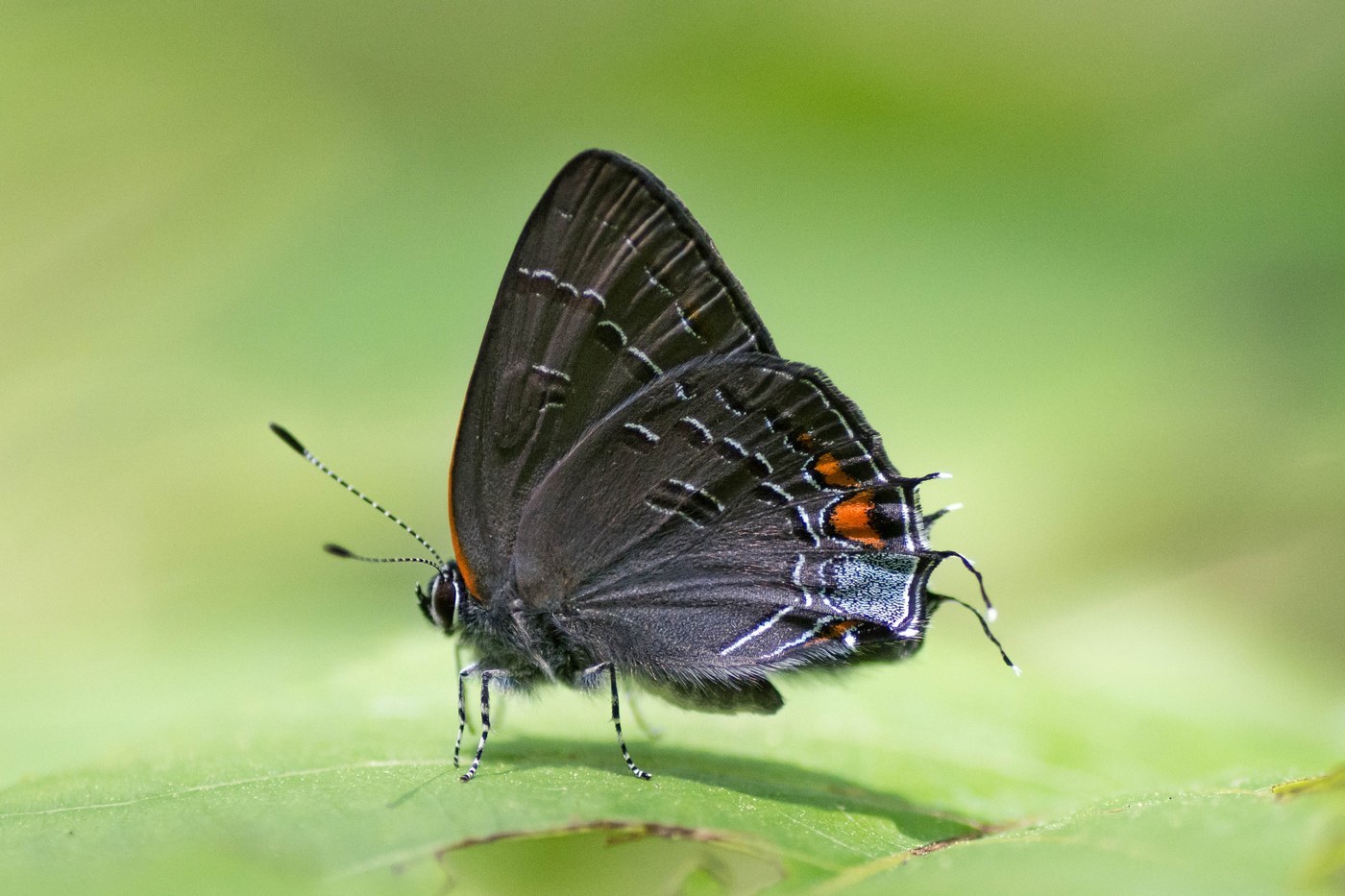
Banded Hairstreak
Deciduous woodlands and edges with oaks and hickories
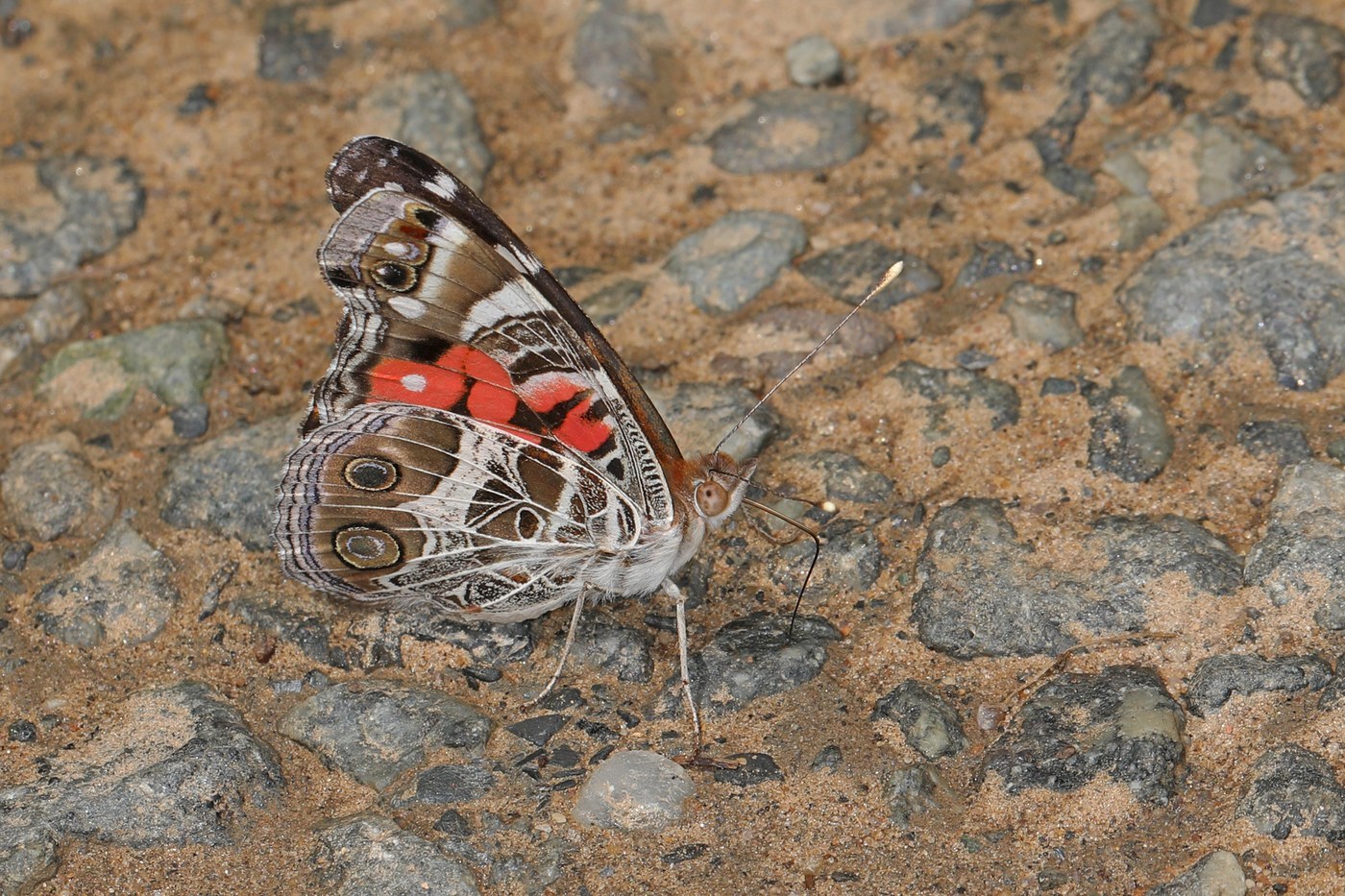
American Lady
Open fields, meadows, gardens, roadsides
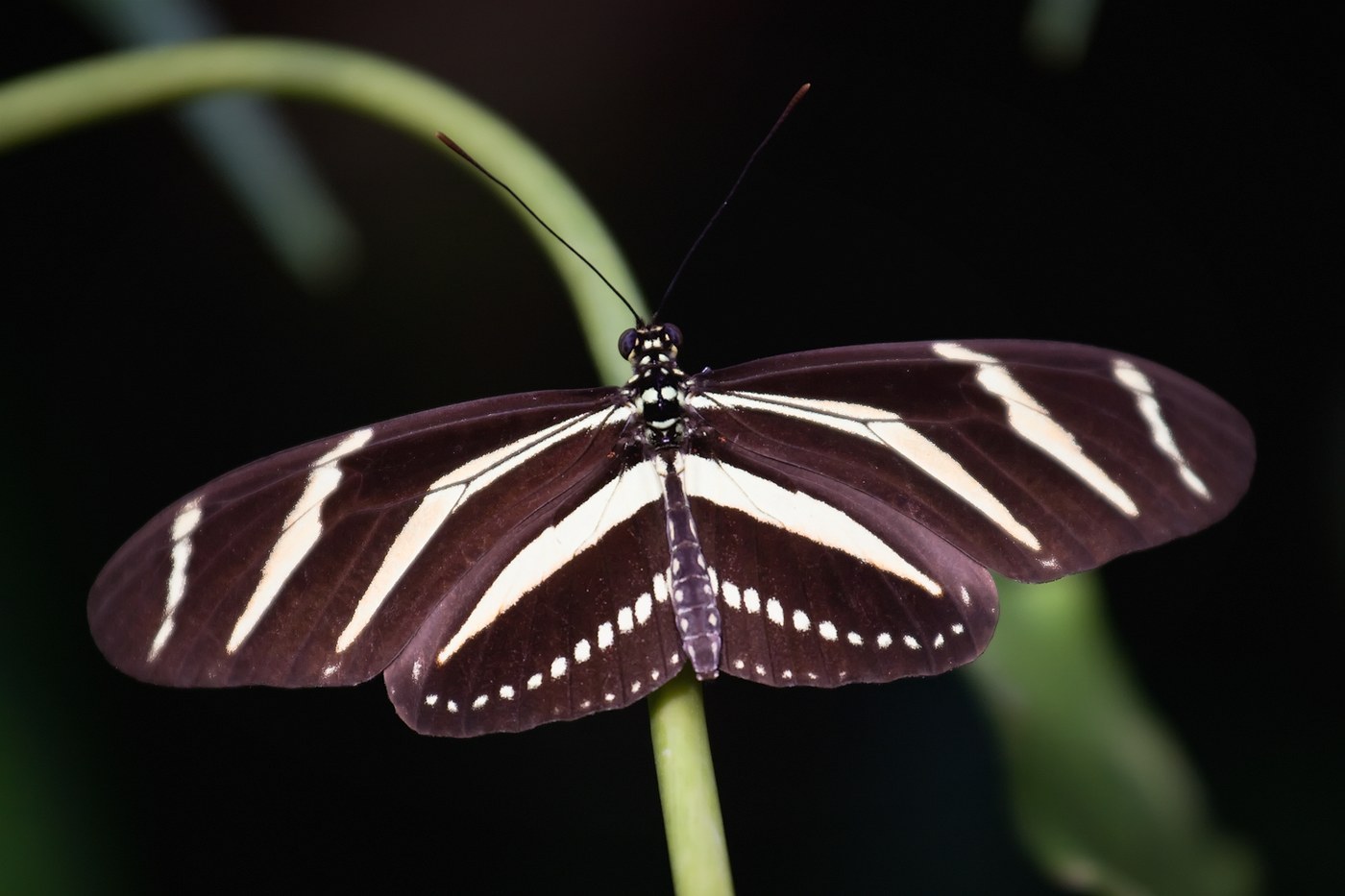
Zebra Longwing
Tropical hammocks, gardens, forest edges
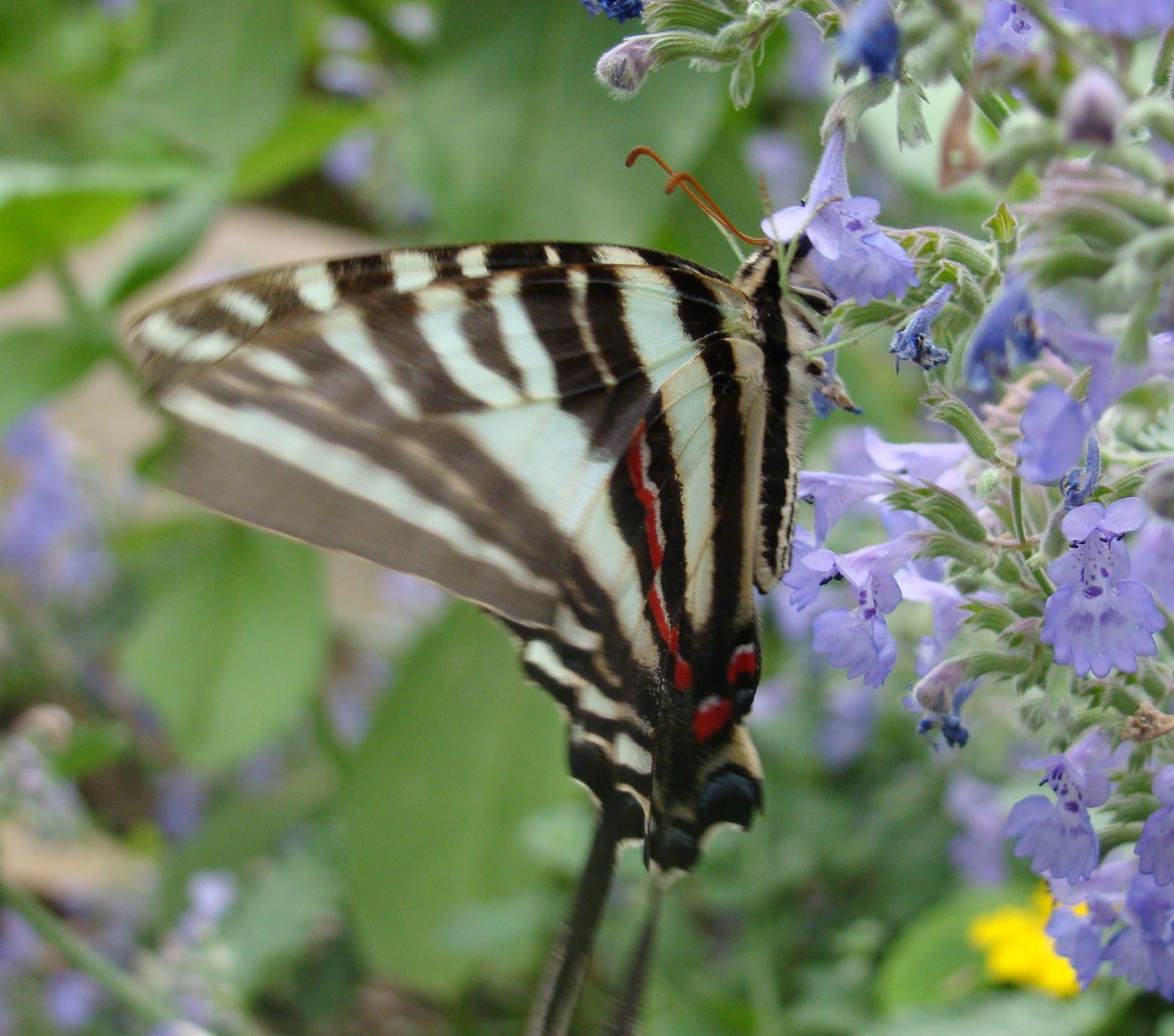
Zebra Swallowtail
Woodlands, floodplains, forest edges near pawpaw
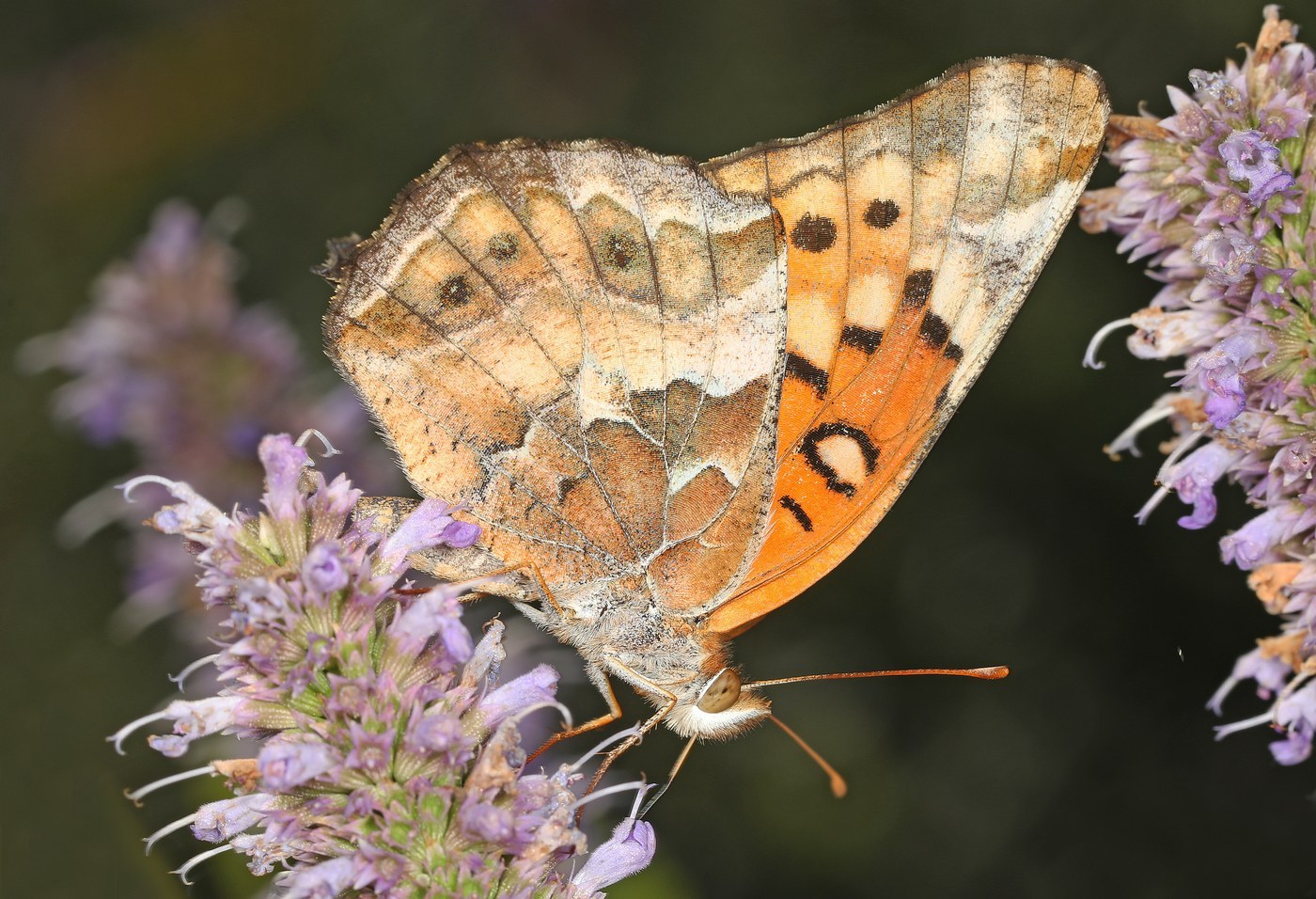
Variegated Fritillary
Open fields, prairies, roadsides, and disturbed ground across most of the United States
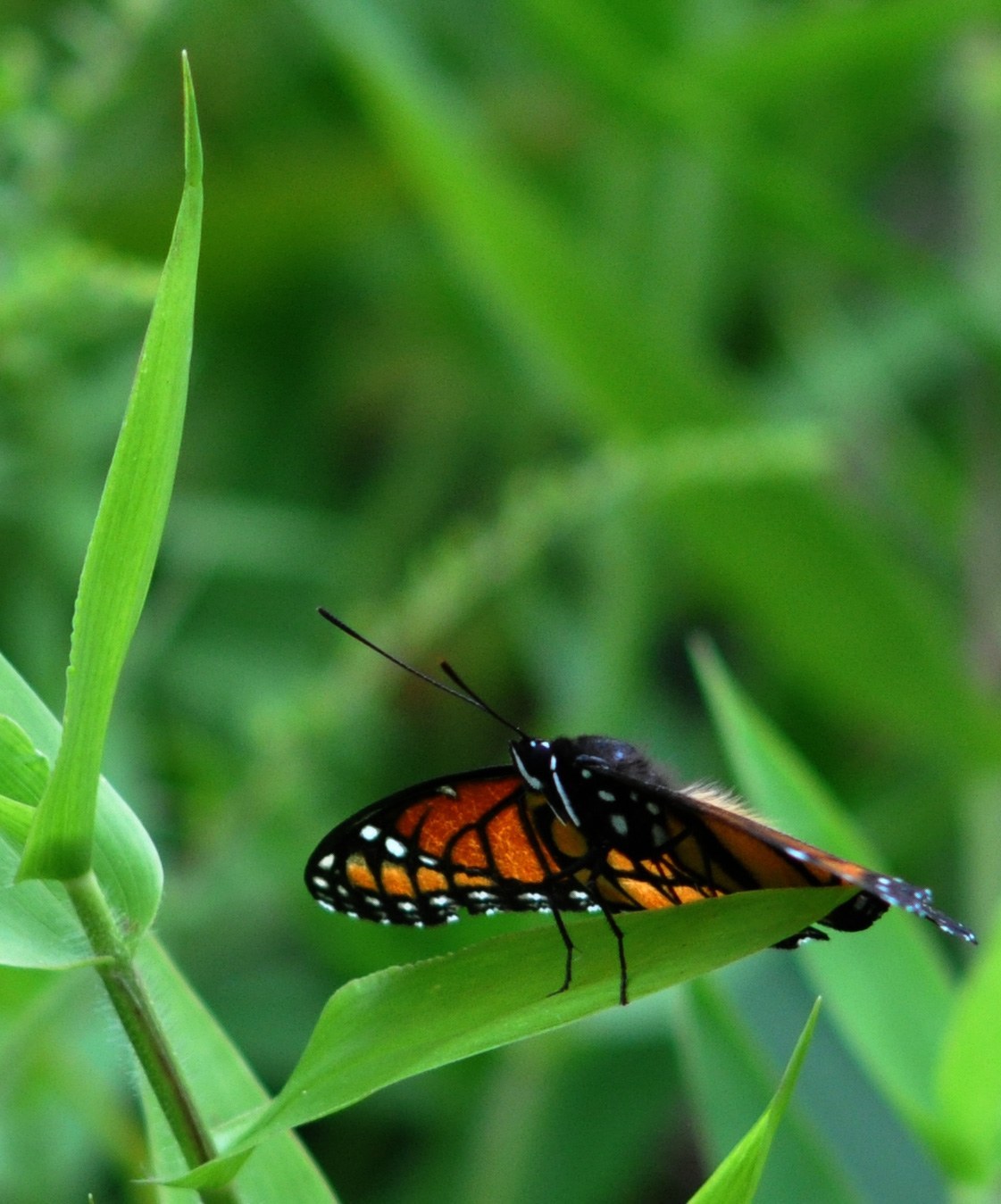
Viceroy Butterfly
Wetlands, meadows, riverbanks, willow thickets (North America)
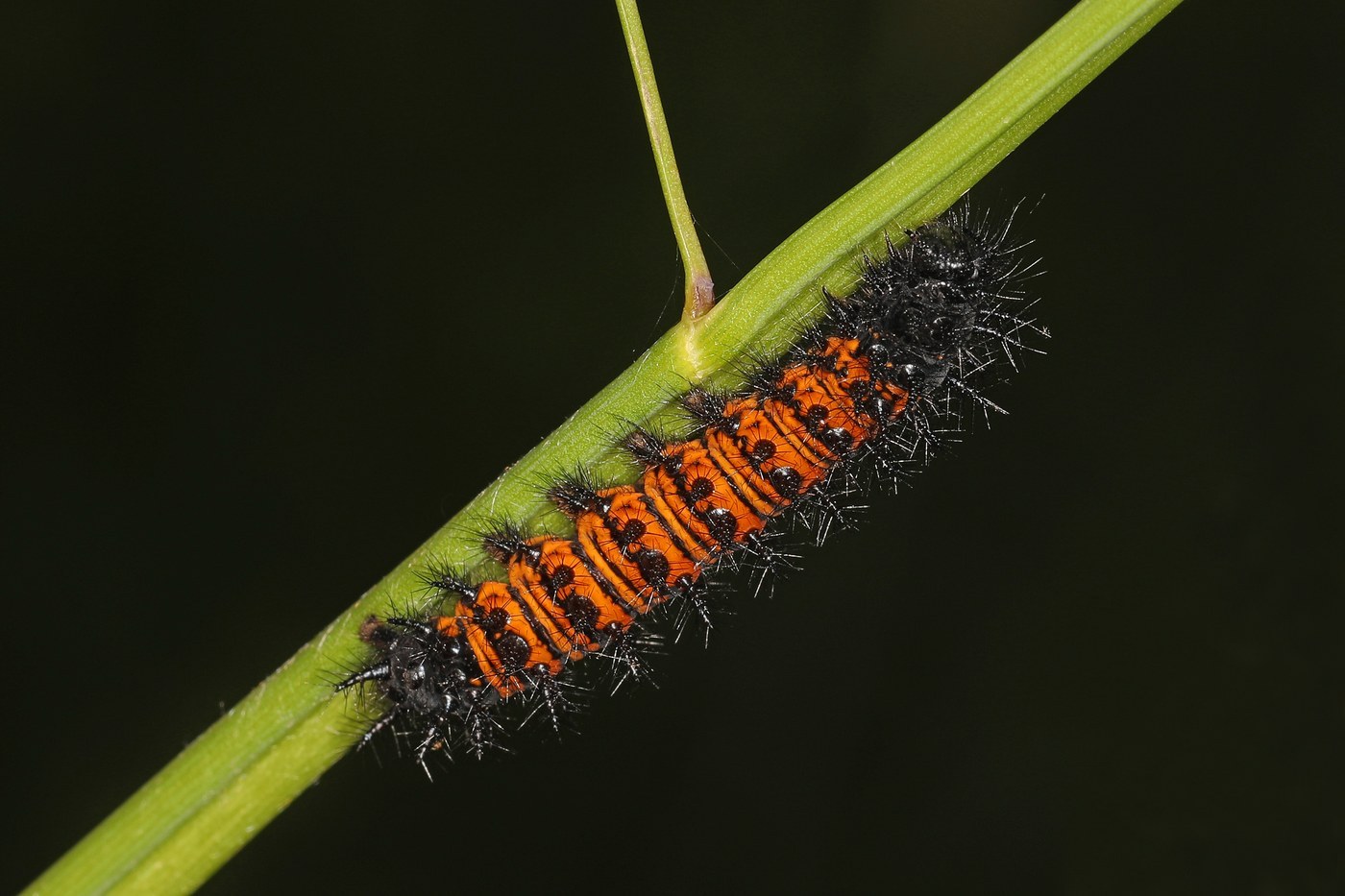
Baltimore Checkerspot
Wet meadows, bogs, and marshy fields in the northeastern and Appalachian US
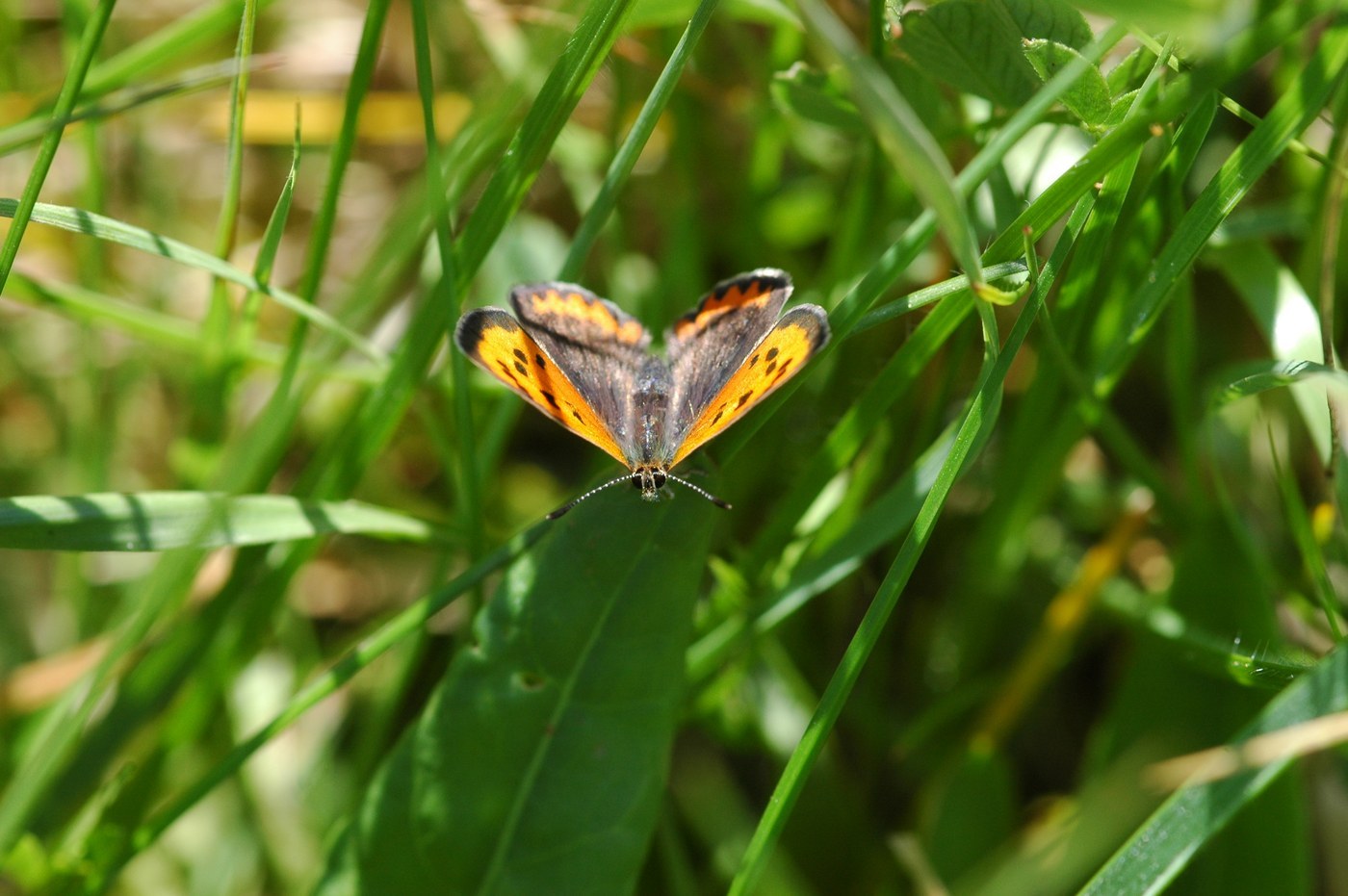
American Copper
Old fields, roadsides, and disturbed open ground with sorrel or dock
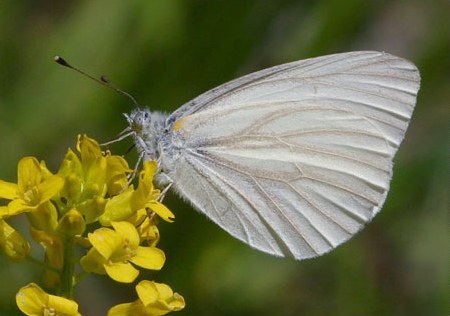
West Virginia White
Rich deciduous forest floors, especially near seeps and streams
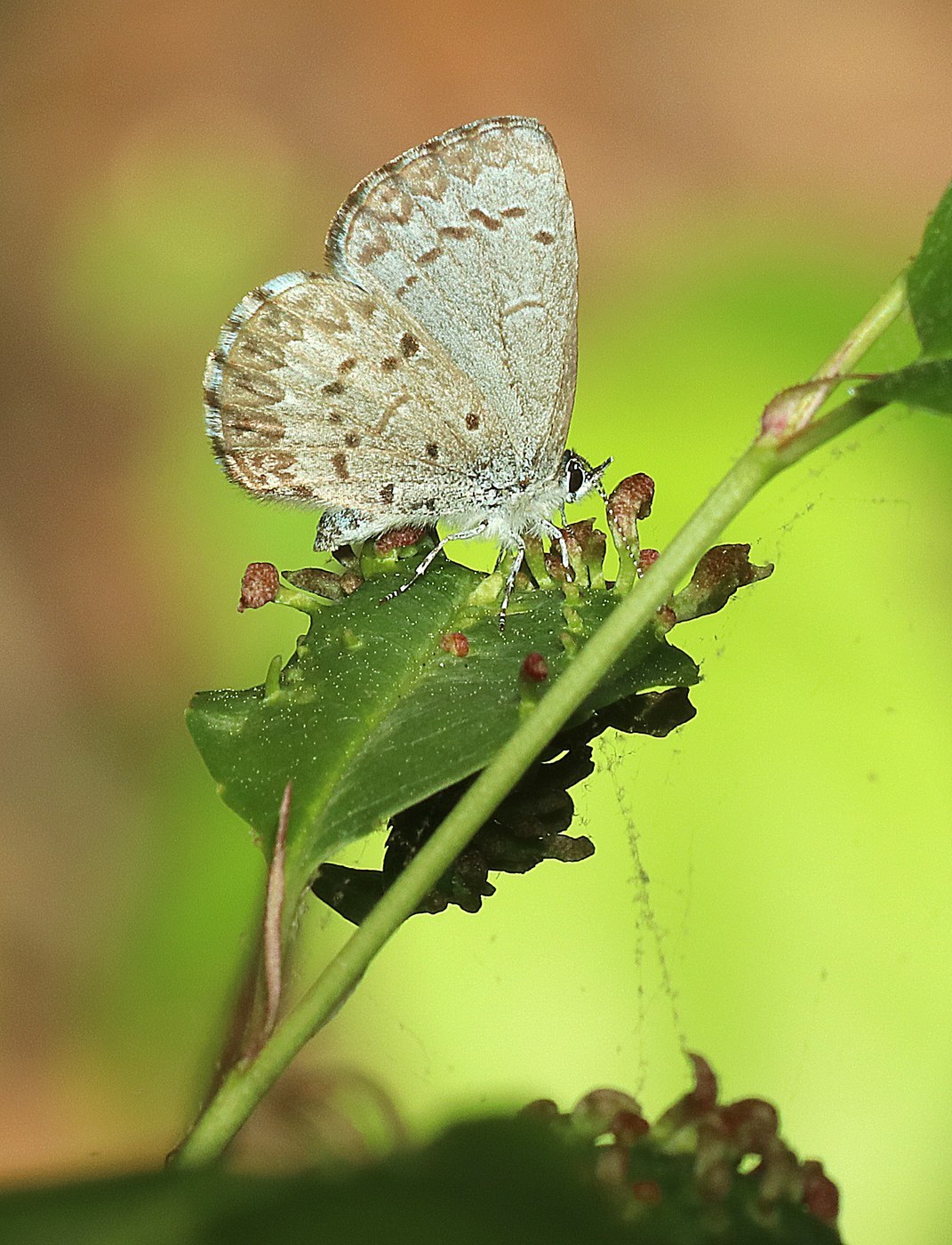
Spring Azure
Woodland edges, gardens, shrubby clearings
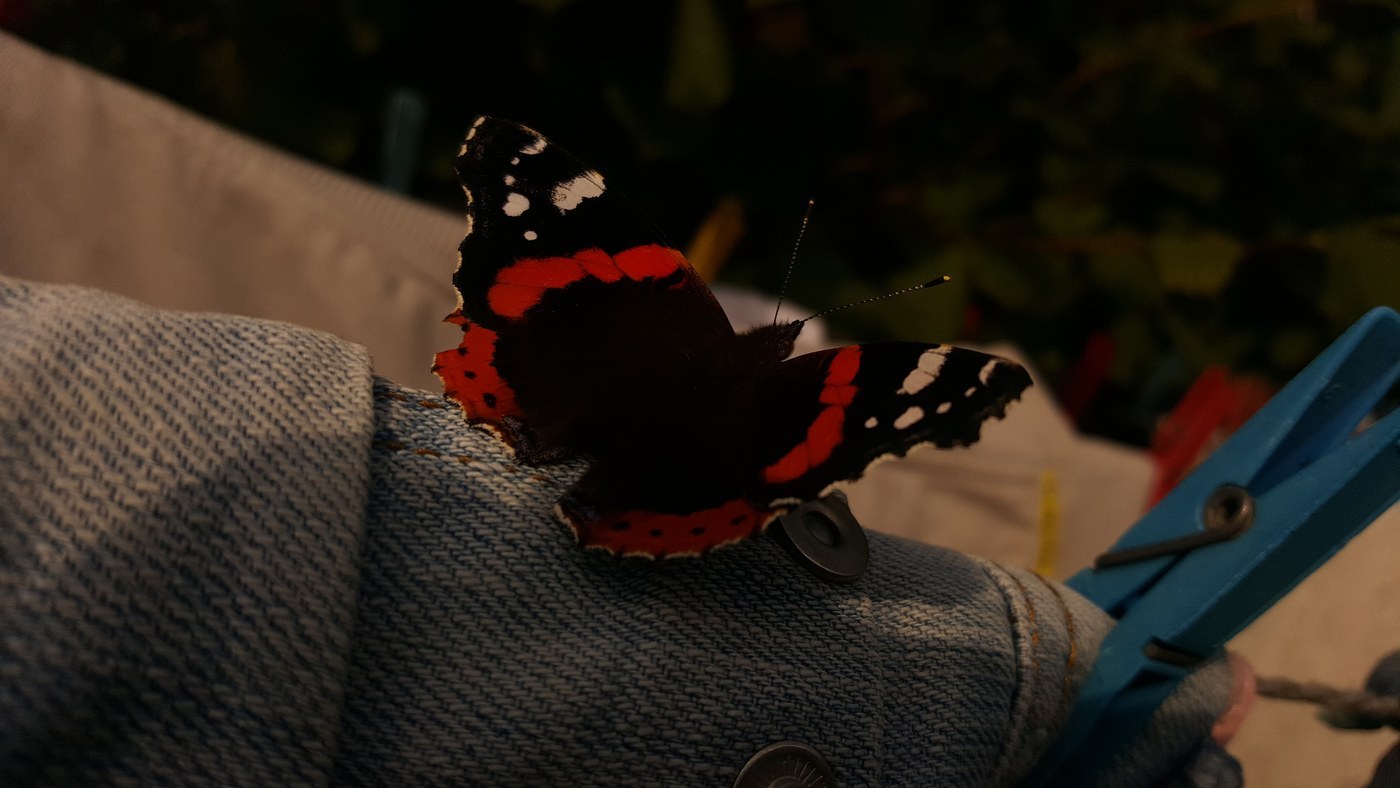
Red Admiral
Gardens, woodland edges, parks, meadows
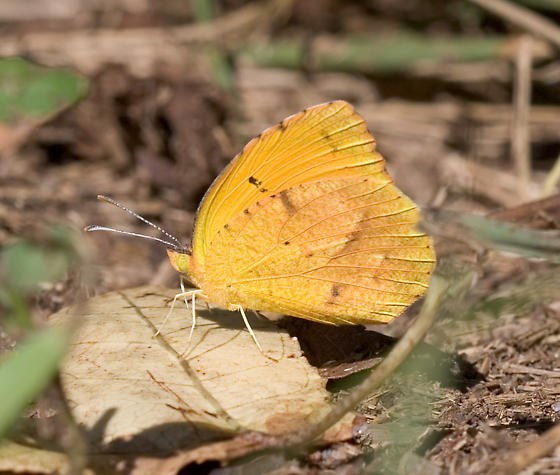
Sleepy Orange
Open woodland, fields, roadsides, and disturbed ground