
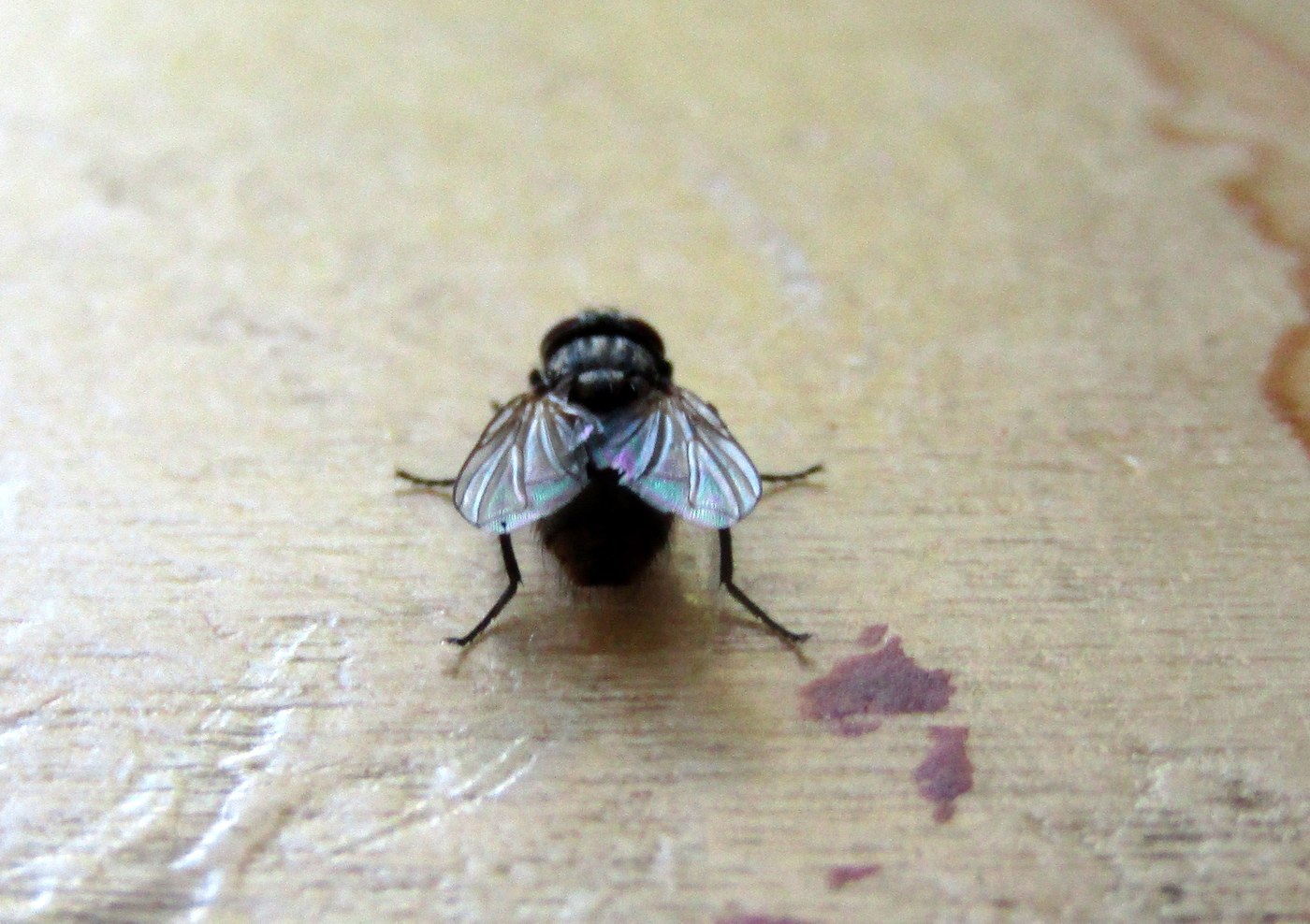
Common Housefly
Musca domestica
A dull gray fly with four dark stripes on its thorax and large reddish eyes, one of the most widespread insects on Earth thanks to its close association with human food and waste.
- Size
- 6–9 mm
- Habitat
- Homes, barns, garbage areas, near food waste
- Danger
- Nuisance pest
Spotted a bug like this?
Identify any bug or insect from a photo, free.
Overview
The common housefly, Musca domestica, is one of the most widespread insects in the world, found on every continent except Antarctica wherever humans live. It belongs to the order Diptera (true flies) and the family Muscidae, and is likely the single most familiar fly species due to its close, long-standing association with human dwellings and food sources.
Adult houseflies have the single pair of functional wings characteristic of true flies, with the hindwings reduced to small, club-shaped balancing organs called halteres that aid in flight stability and rapid maneuvering. Their compound eyes and sensitive tarsal (foot) receptors give them a very fast response to movement, which is why they are so difficult to swat.
Ecologically, houseflies are decomposers and scavengers, feeding on decaying organic matter, and while common as a nuisance around human habitation, they also serve a role in breaking down waste material in the environment.
How to Identify
- Body: dull gray thorax marked with four narrow dark longitudinal stripes, with a lighter, sometimes yellowish, checkered abdomen.
- Wings: a single pair of clear wings held at an angle over the body at rest, with the fourth wing vein sharply bent.
- Eyes: large reddish compound eyes covering much of the head, more widely separated in females than in males.
- Size: about 6–9 mm in length.
- Lookalikes: often confused with the similarly sized stable fly, which bites and has a piercing mouthpart, whereas the housefly has a soft, sponging mouthpart and does not bite.
Habitat & Range
Houseflies are found virtually worldwide, closely tied to human settlements, farms, and any location with accessible food waste or organic decay. They are common in and around homes, barns, garbage areas, and food-processing sites.
They are active during the day and rest at night, with populations peaking in warm months from late spring through early fall in temperate climates, and persisting year-round in warmer regions or heated indoor spaces.
Behavior & Diet
Houseflies feed on a wide range of liquid or liquefiable organic material, using a sponging mouthpart to dab and absorb food rather than biting or piercing. They are strongly attracted to decaying matter, food residue, and moisture, and can travel considerable distances from their breeding site in search of food.
As decomposers, they contribute to the breakdown of organic waste in the environment. Houseflies are extremely agile fliers with a rapid escape response, using their large eyes and light-sensitive systems to detect approaching movement and take off almost instantly.
Life Cycle
Houseflies undergo complete metamorphosis: egg, larva (maggot), pupa, and adult. Females lay batches of small white eggs in moist, decaying organic material, which hatch within about a day under warm conditions.
Larvae feed and grow for several days before moving to a drier spot to pupate inside a hardened brown case. Under warm summer conditions the entire cycle from egg to adult can take as little as one to two weeks, allowing many overlapping generations to occur in a single season.
Frequently asked questions
Does a housefly bite?
No, its mouthpart is adapted for sponging up liquid food rather than piercing skin; the similar-looking stable fly is the one that bites.
How long does a housefly live?
Adults typically live several weeks under favorable conditions.
What do houseflies eat?
A wide range of decaying organic matter and liquid food sources, absorbed through a sponging mouthpart.
How fast do houseflies reproduce?
Very quickly—the full life cycle from egg to adult can be completed in one to two weeks in warm weather.
Common Housefly guides
In-depth guides for identifying, understanding, and living alongside Common Housefly.
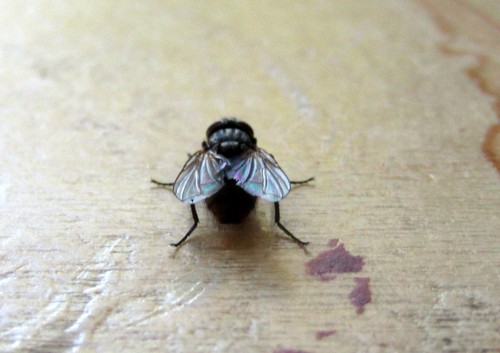
Common Housefly identified by the community
Real finds identified with Bug Identifier.
Other bugs you may enjoy
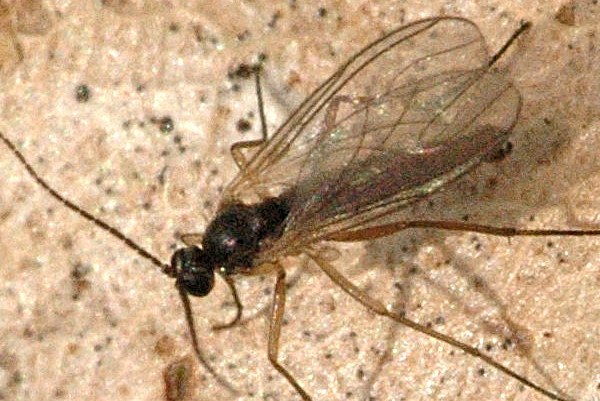
Aphid Midge
Gardens, greenhouses, and crops with aphids
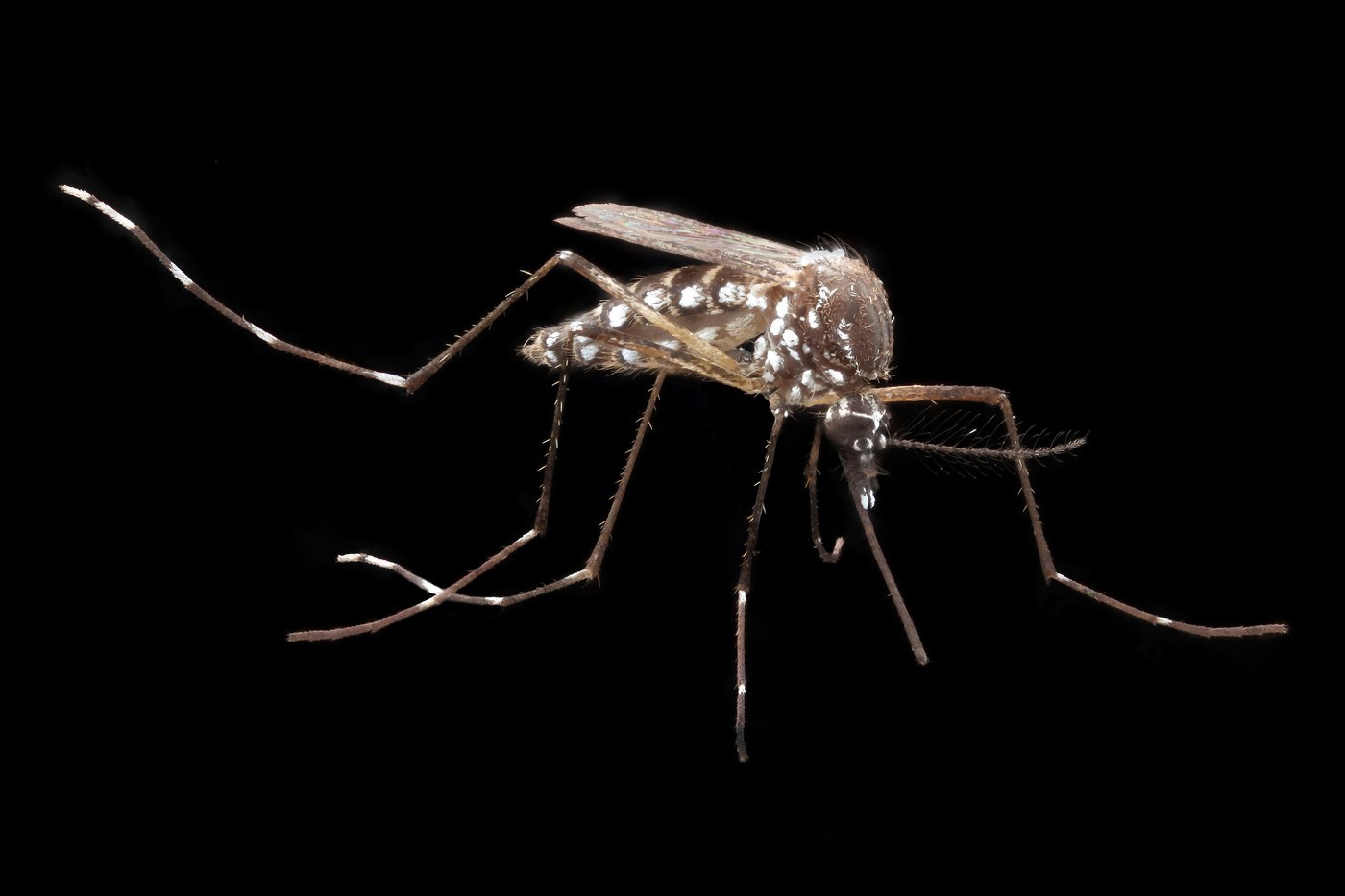
Yellow Fever Mosquito
Urban and peri-urban areas near small artificial water containers in tropical and subtropical regions worldwide
Root Maggot
Garden and field soil around the roots of cole crops and other vegetables
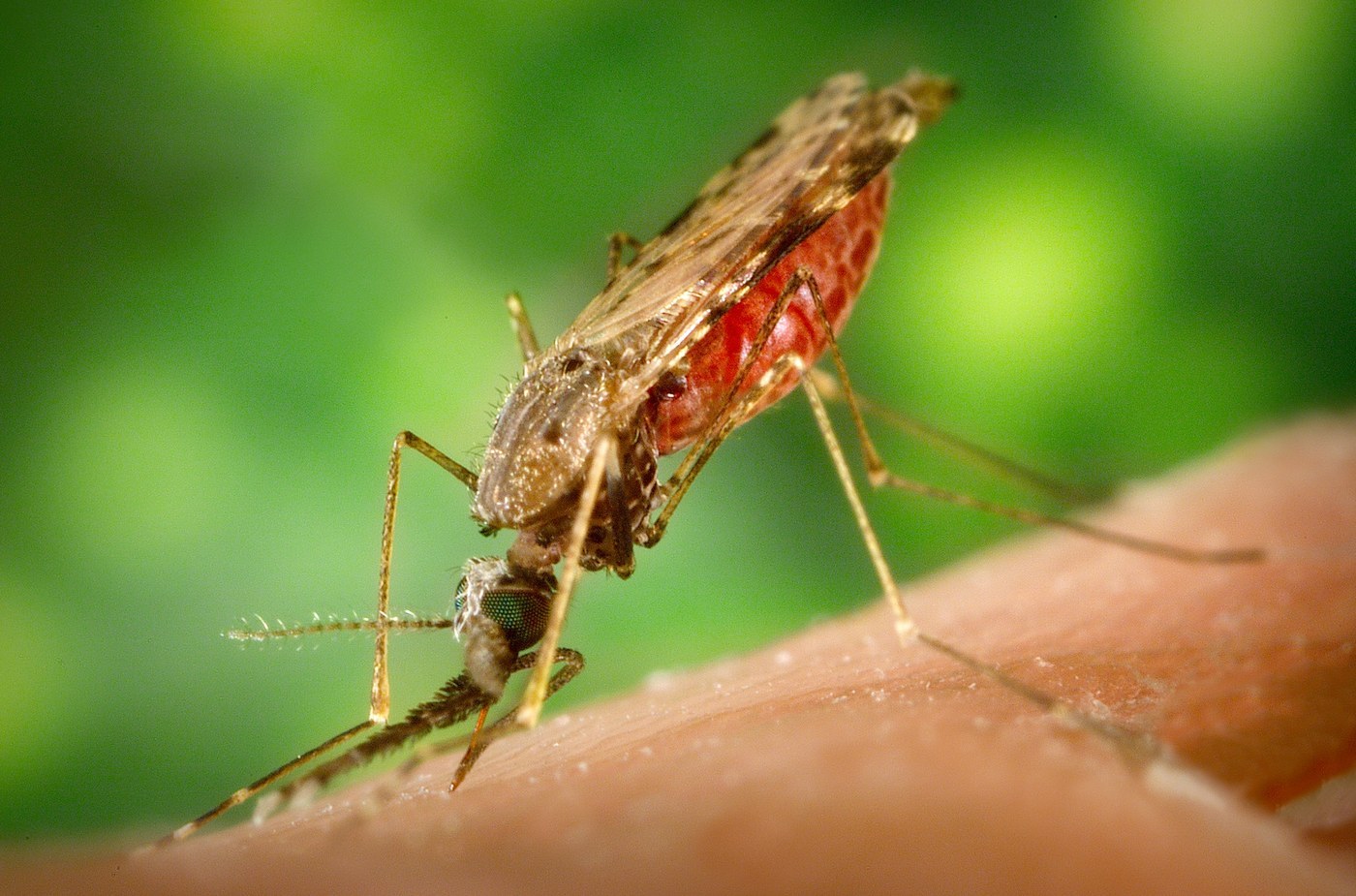
Anopheles Mosquito
Clean, still or slow-moving freshwater habitats such as marshes, ponds, and rice paddies
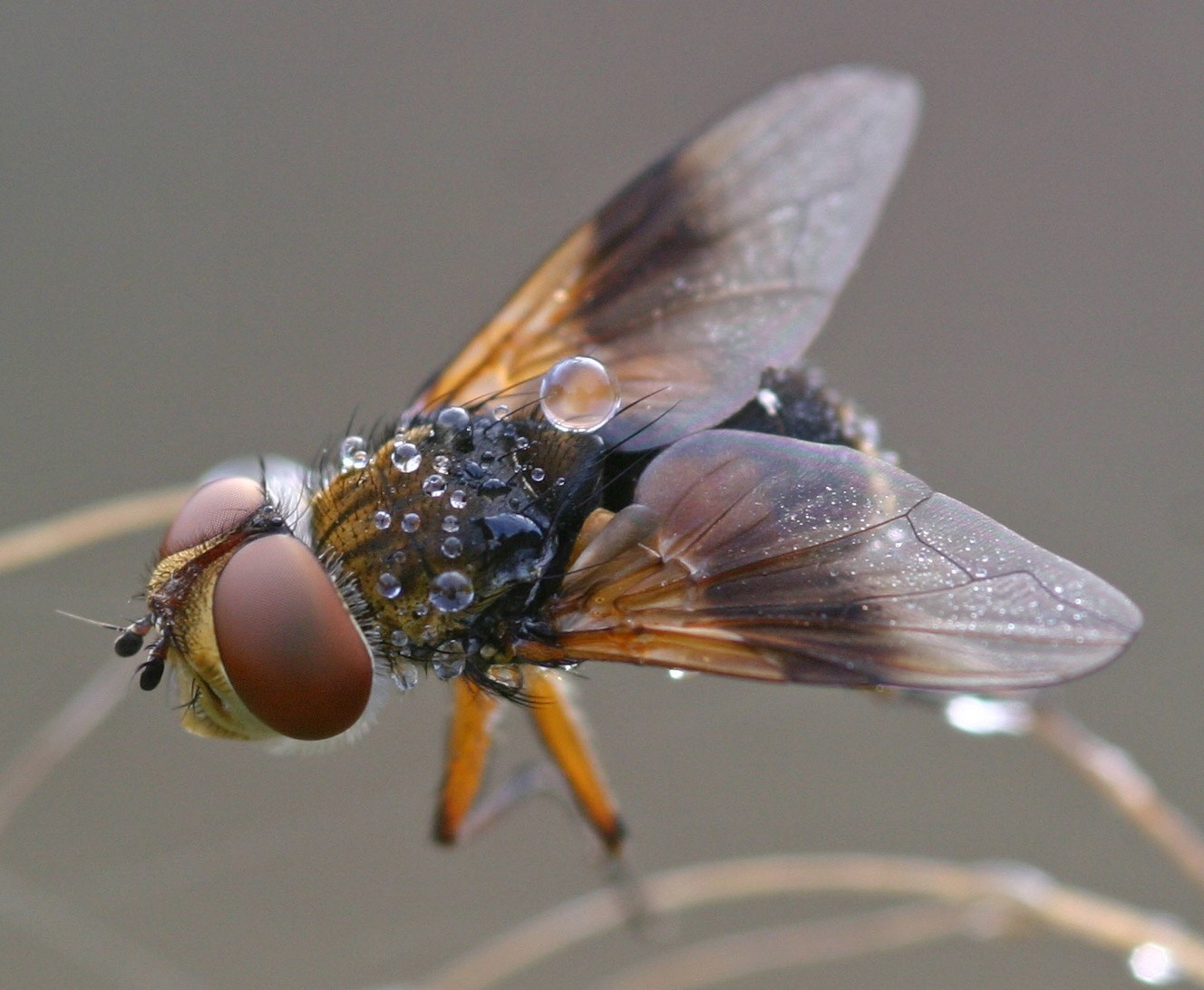
Tachinid Fly
Gardens, meadows, and woodlands wherever host caterpillars and other insects occur
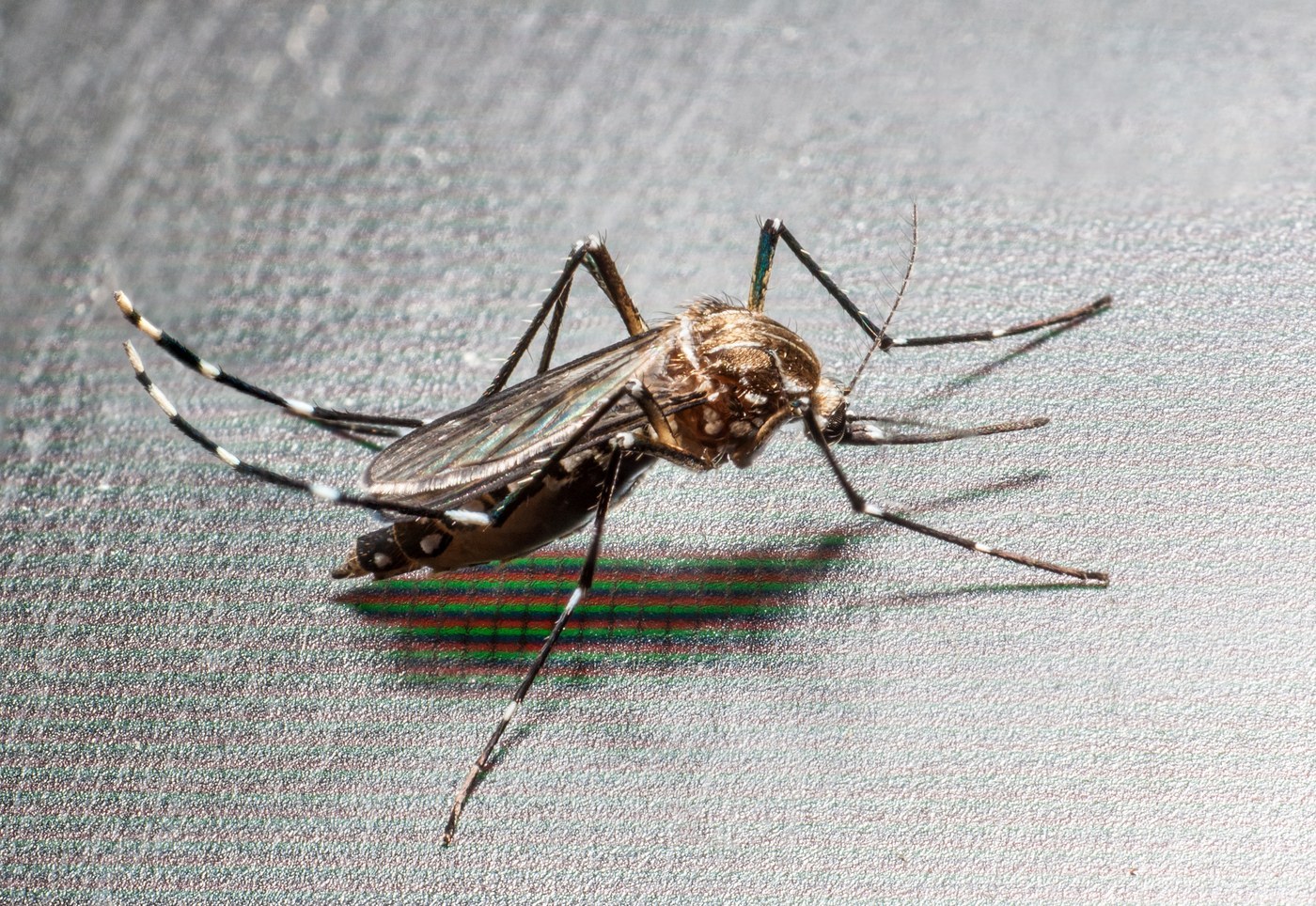
Asian Tiger Mosquito
Shaded urban and suburban areas near small water-holding containers, tires, and tree holes; native to Southeast Asia, now widespread
Tsetse Fly
Wooded savanna, riverine thickets, and forest edges across sub-Saharan Africa
Vinegar Fly
Around overripe fruit, compost, and fermenting materials worldwide
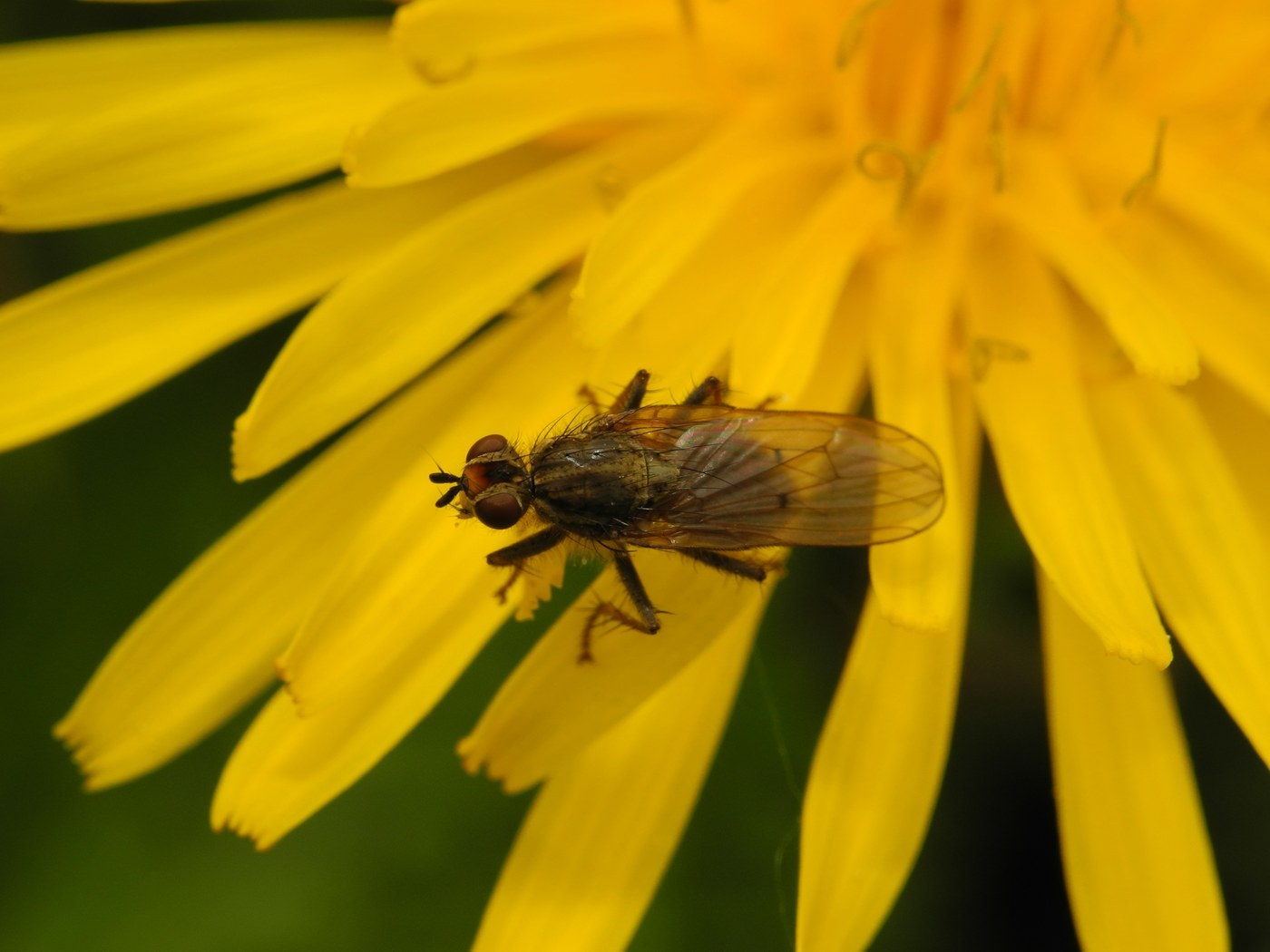
Yellow Dung Fly
Pastures and fields with fresh cattle dung
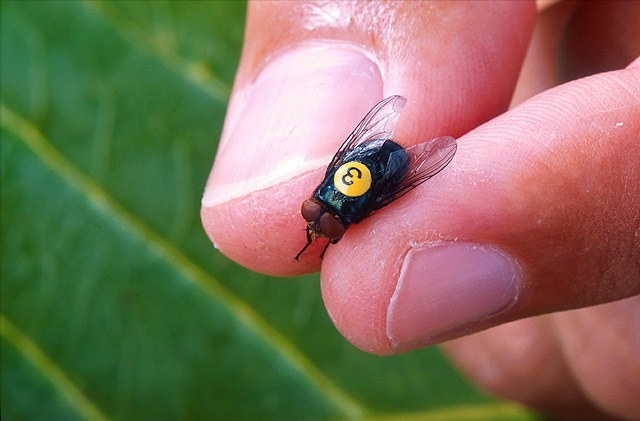
Screwworm Fly
Warm, humid lowlands of the Americas, especially near livestock and wildlife wounds
Soldier Fly
Wetland margins, decaying organic matter, and vegetation near water
Punkie
near marshes, mudflats, ponds, and other standing water