
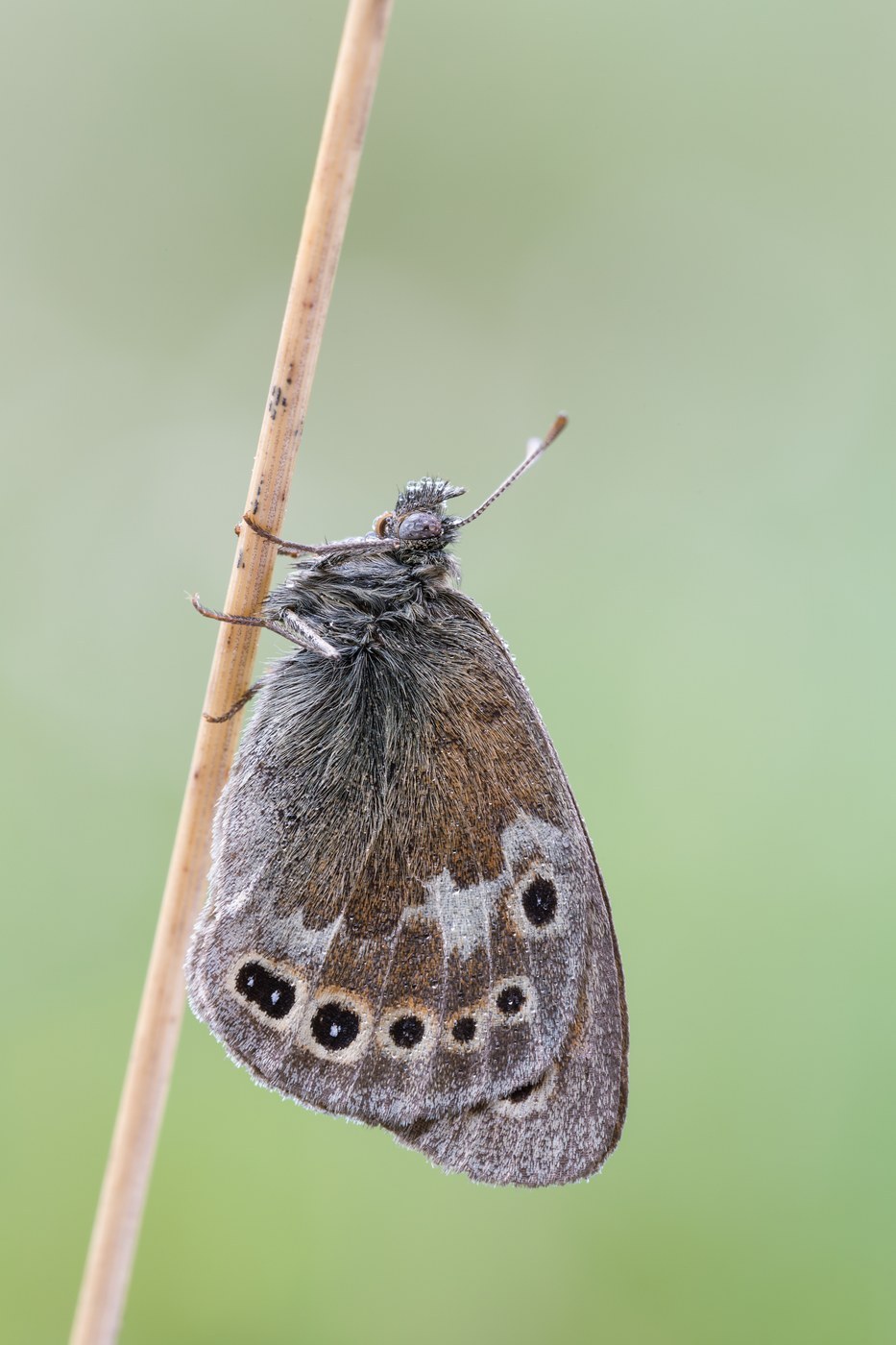
Common Ringlet
Coenonympha tullia
A small, plain buff-orange satyr butterfly of open grassy places, notable for its understated coloring and Holarctic distribution spanning North America, Europe, and Asia.
- Size
- 1.1–1.6 in wingspan
- Habitat
- Grasslands, meadows, roadsides, tundra edges
- Danger
- Harmless
Spotted a bug like this?
Identify any bug or insect from a photo, free.
Overview
The Common Ringlet is a small satyr butterfly (subfamily Satyrinae, family Nymphalidae) with an unusually wide distribution, occurring across northern North America as well as Europe and parts of Asia, making it one of the few butterflies with a truly Holarctic range. It shows considerable regional variation in wing pattern, and North American populations were historically sometimes treated as a separate species (the Inornate Ringlet).
Compared to many showier butterflies, the Common Ringlet is understated — soft buff, tan, or orange-brown with minimal patterning — but its abundance and adaptability to a wide range of open habitats make it one of the more frequently encountered small butterflies of grassy areas.
Its caterpillars feed on various grasses, tying the species to the same open grassland ecosystems favored by many other satyrs, and it is often one of the first satyr species to appear in spring in northern regions.
How to Identify
- Small, delicate butterfly with soft buff, tan, or pale orange wings and minimal dark patterning.
- Underside of the hindwing is typically plain grayish or tan, sometimes with a faint pale band, and usually lacks bold eyespots (unlike many related satyrs).
- Some individuals show one or two tiny eyespots near the hindwing margin, but these are often faint or absent.
- Weak, low, fluttering flight typical of small satyrs.
- Distinguished from other small satyrs and skippers by its plain, essentially unmarked wings and grass-skimming flight.
Habitat & Range
Widely distributed across Canada and the northern and western United States, as well as Europe and northern Asia, in open grassy habitats including prairies, meadows, roadsides, bogs, and subarctic tundra edges. Adults fly from late spring through summer, with timing varying by latitude and elevation.
Behavior & Diet
Adults fly close to the ground with a weak, bobbing flight, rarely traveling far and often resting on grass stems with wings closed. They feed on nectar from low-growing flowers and occasionally other sugary sources. Caterpillars feed on a variety of grass and sedge species, making the butterfly an integral part of grassland food webs.
Life Cycle
Eggs are laid singly on grass blades. Caterpillars are green and well camouflaged among grass, feeding through several instars before pupating in a simple chrysalis attached to a grass stem. The number of generations per year varies from one in cooler northern populations to two or more in warmer regions, with overwintering typically occurring as a partially grown caterpillar.
Frequently asked questions
Why is it called a 'ringlet' when it lacks obvious rings?
The genus name Coenonympha belongs to the ringlet group of satyrs, which typically show small ring-like eyespots, though the Common Ringlet's markings are often faint or absent.
Is this the same butterfly found in Europe?
Yes, the Common Ringlet has a Holarctic distribution and closely related populations occur across North America, Europe, and Asia, though regional forms vary in appearance.
What habitats should I search for it in?
Open grassy areas such as meadows, prairies, roadsides, and even northern bogs or tundra edges.
What do the caterpillars eat?
Various grass and sedge species serve as the larval host plants.
Common Ringlet guides
In-depth guides for identifying, understanding, and living alongside Common Ringlet.
Other bugs you may enjoy
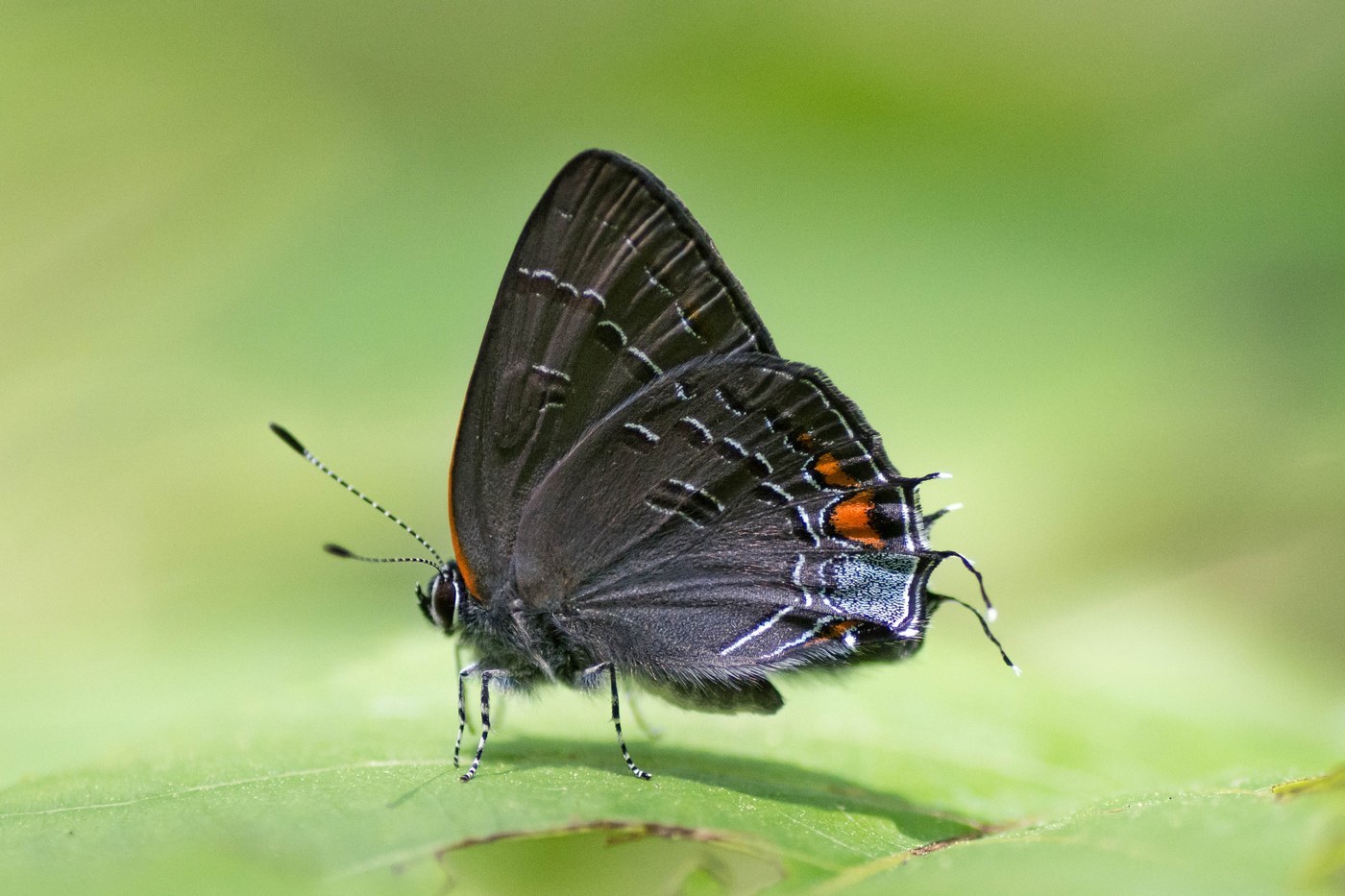
Banded Hairstreak
Deciduous woodlands and edges with oaks and hickories
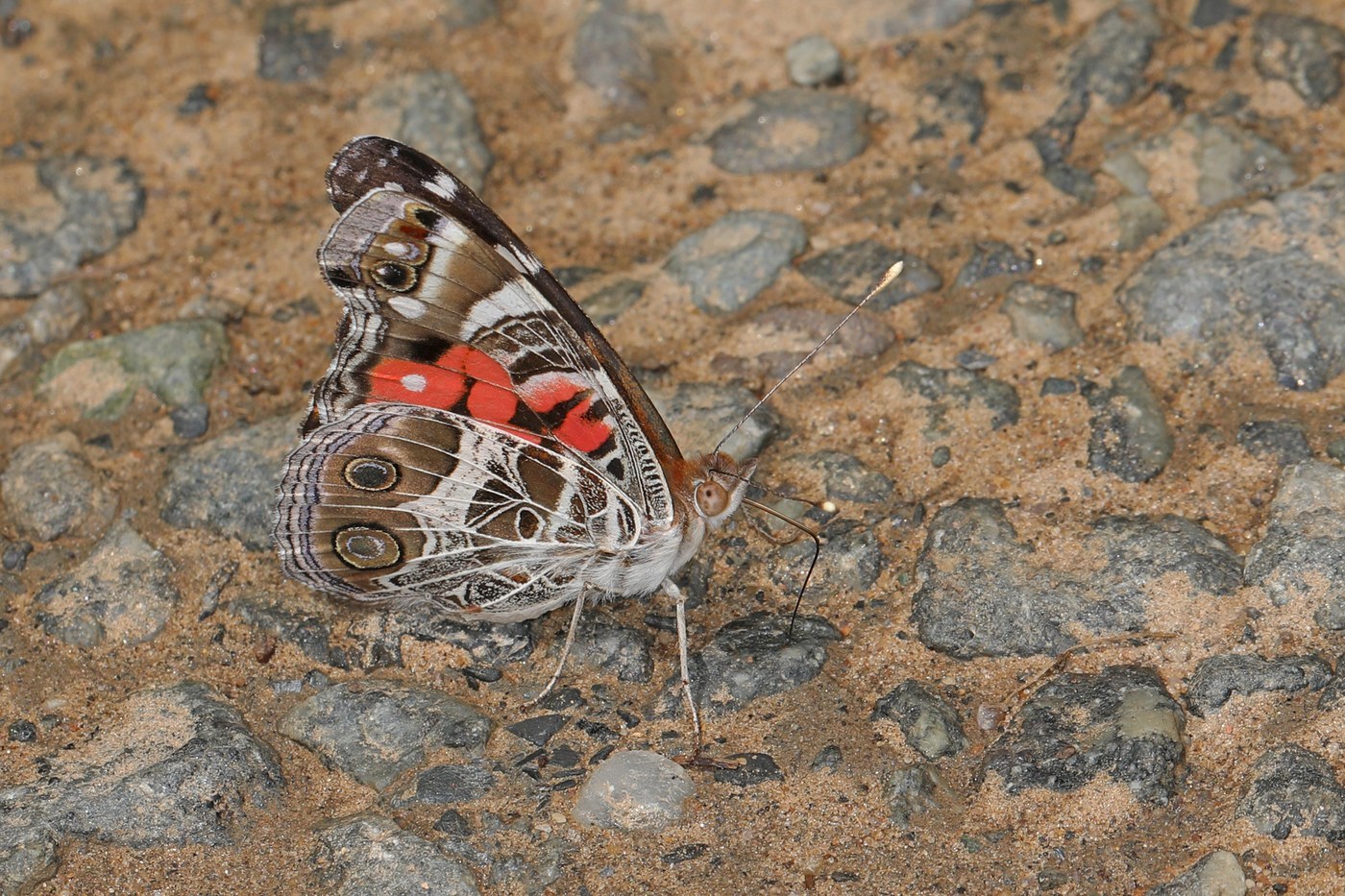
American Lady
Open fields, meadows, gardens, roadsides
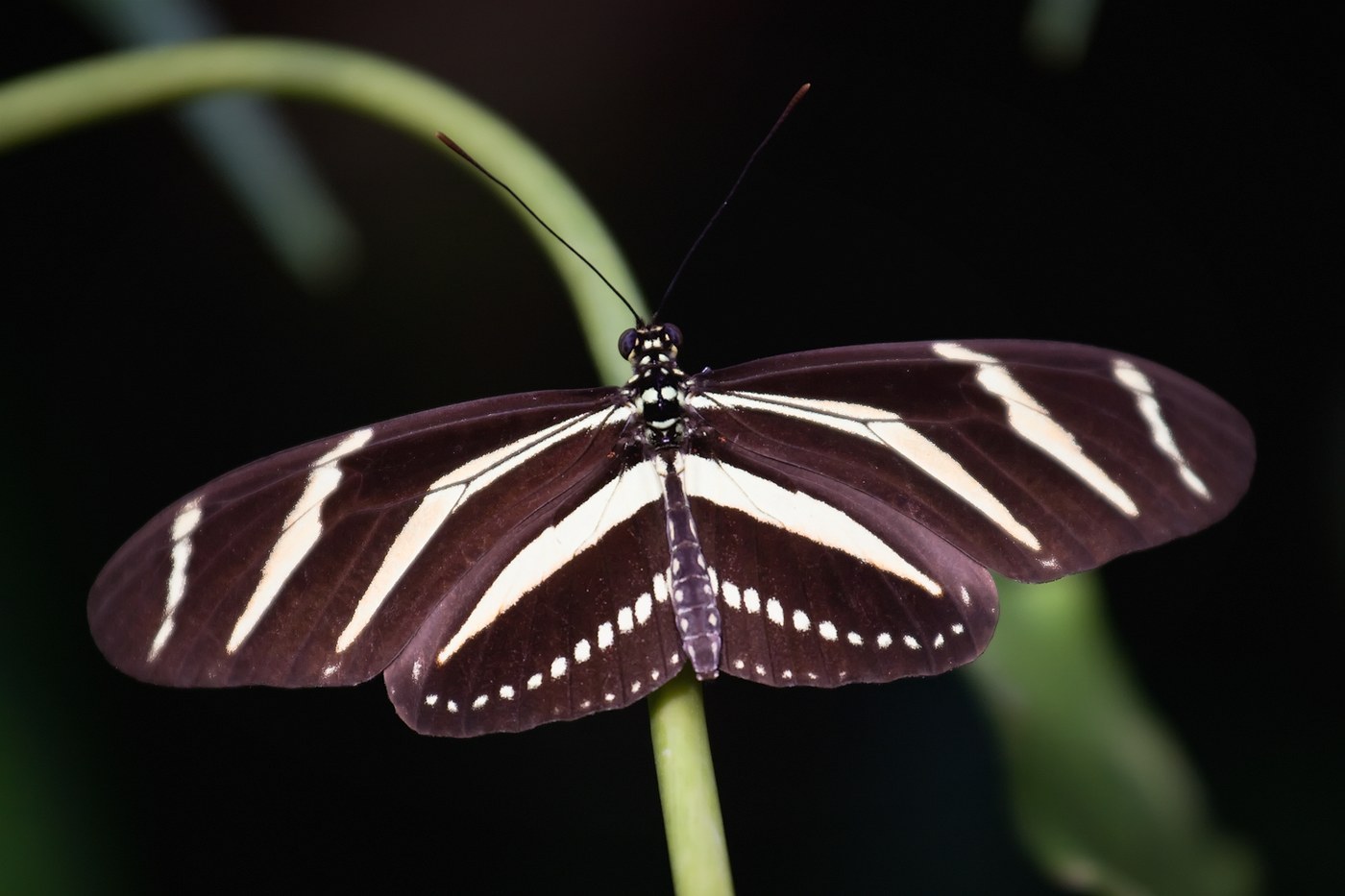
Zebra Longwing
Tropical hammocks, gardens, forest edges
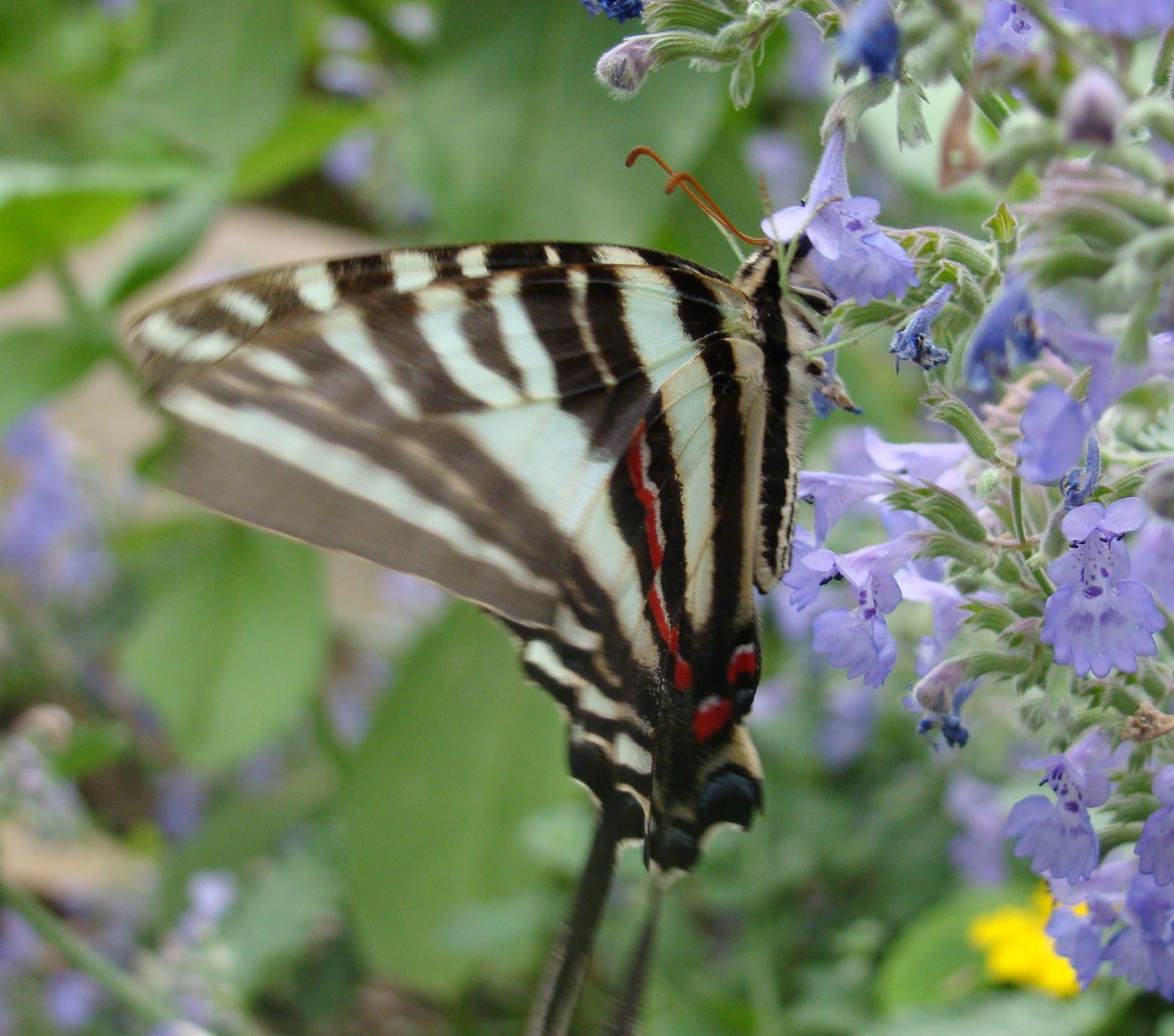
Zebra Swallowtail
Woodlands, floodplains, forest edges near pawpaw
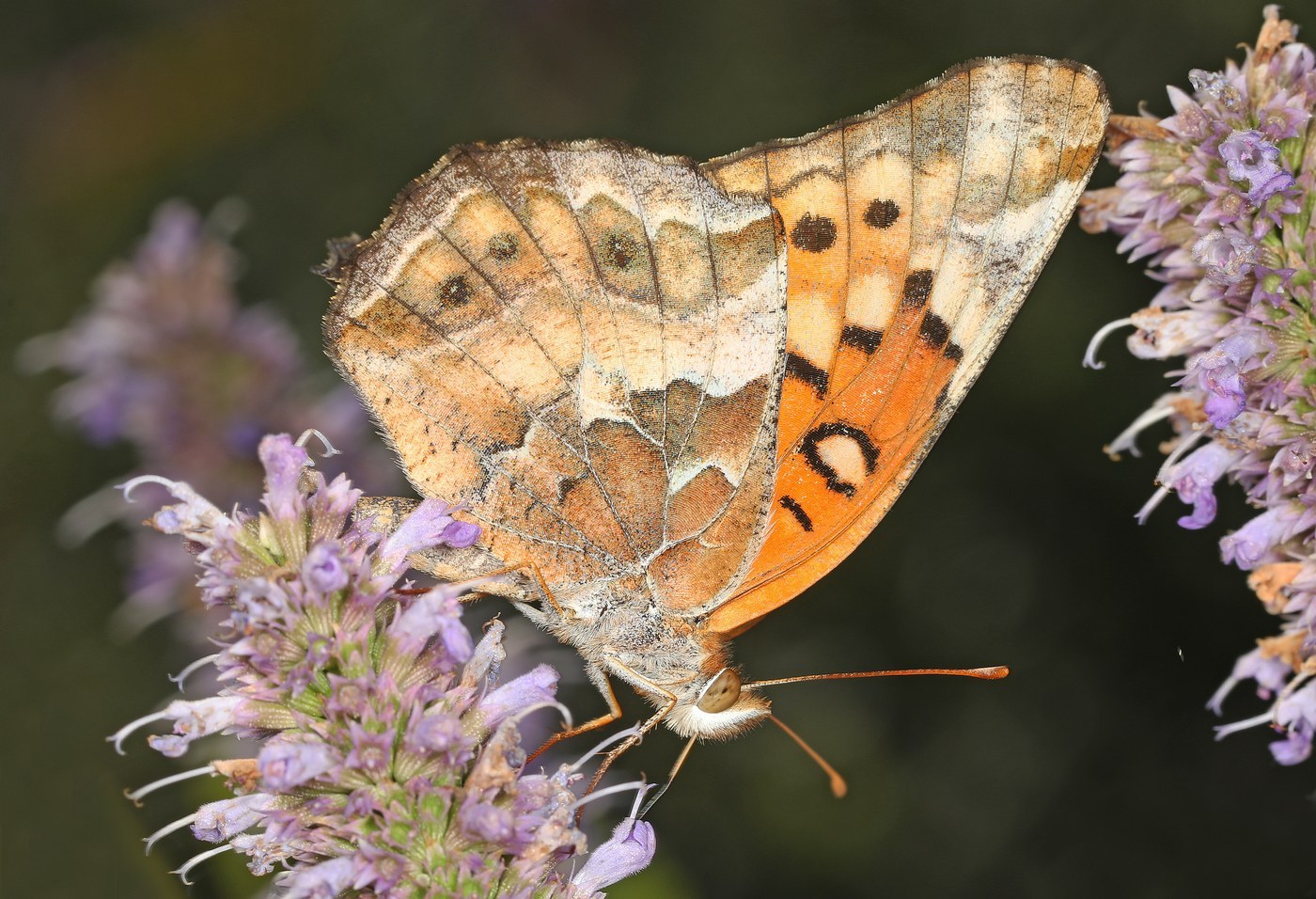
Variegated Fritillary
Open fields, prairies, roadsides, and disturbed ground across most of the United States
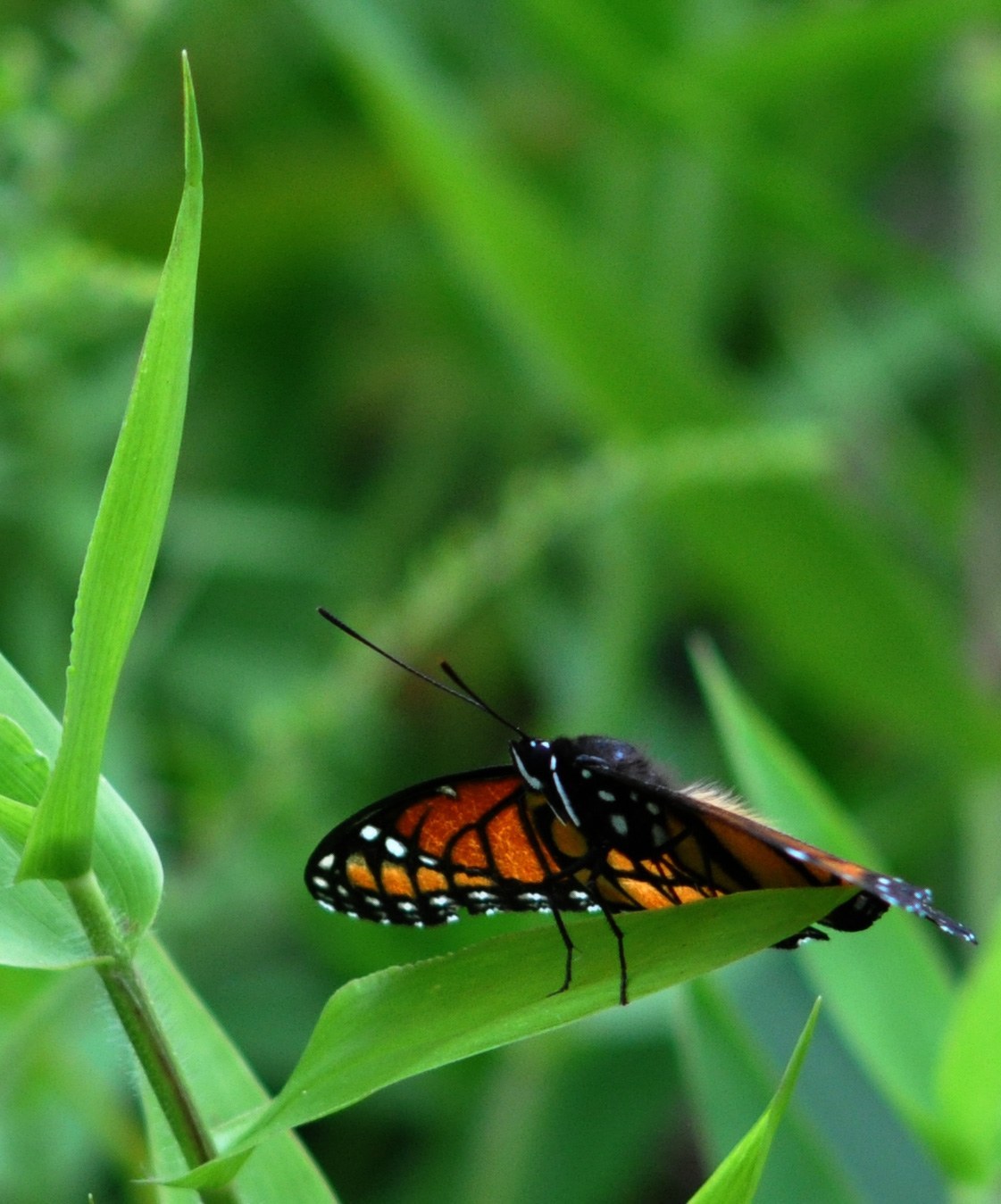
Viceroy Butterfly
Wetlands, meadows, riverbanks, willow thickets (North America)
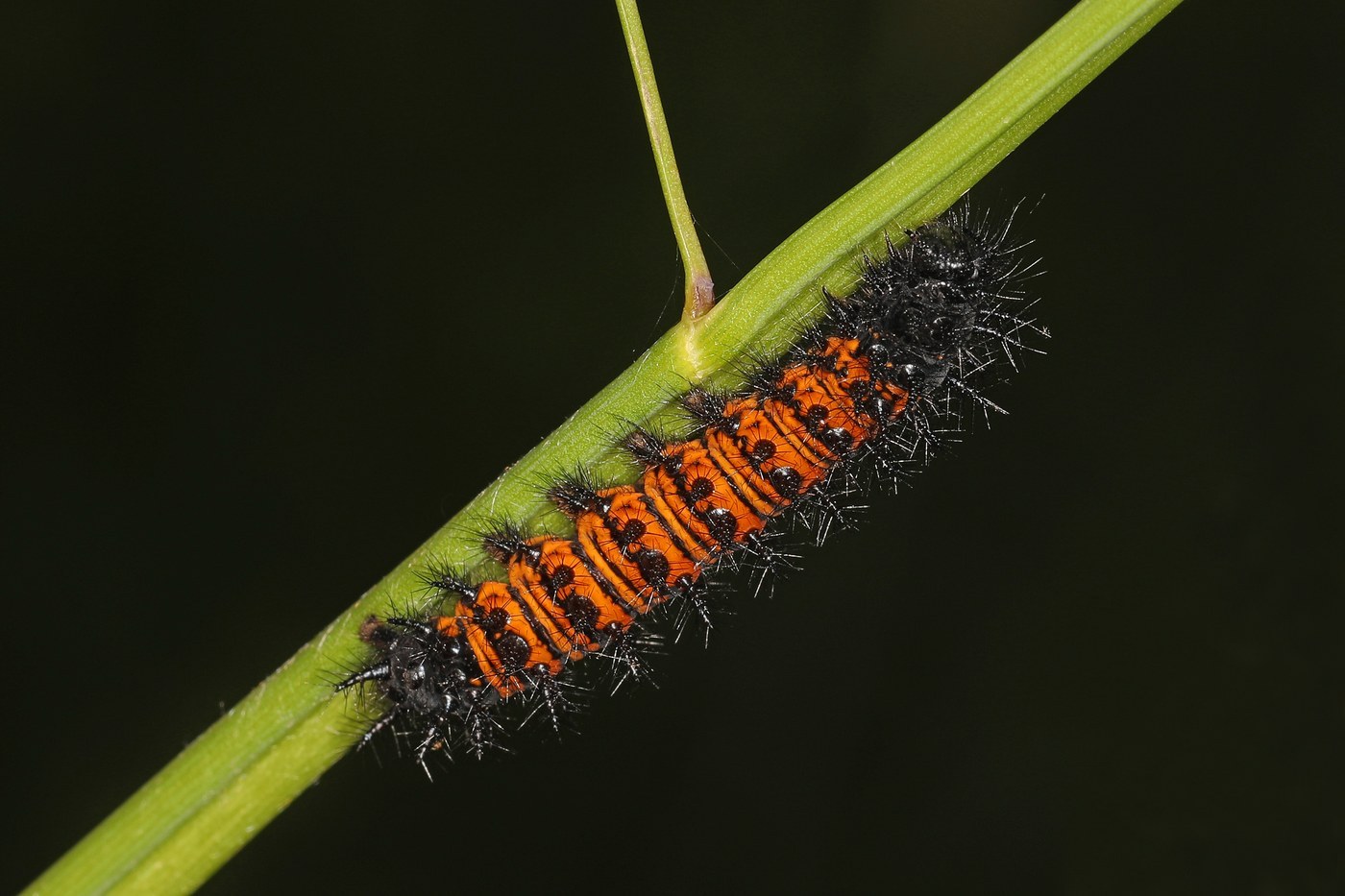
Baltimore Checkerspot
Wet meadows, bogs, and marshy fields in the northeastern and Appalachian US
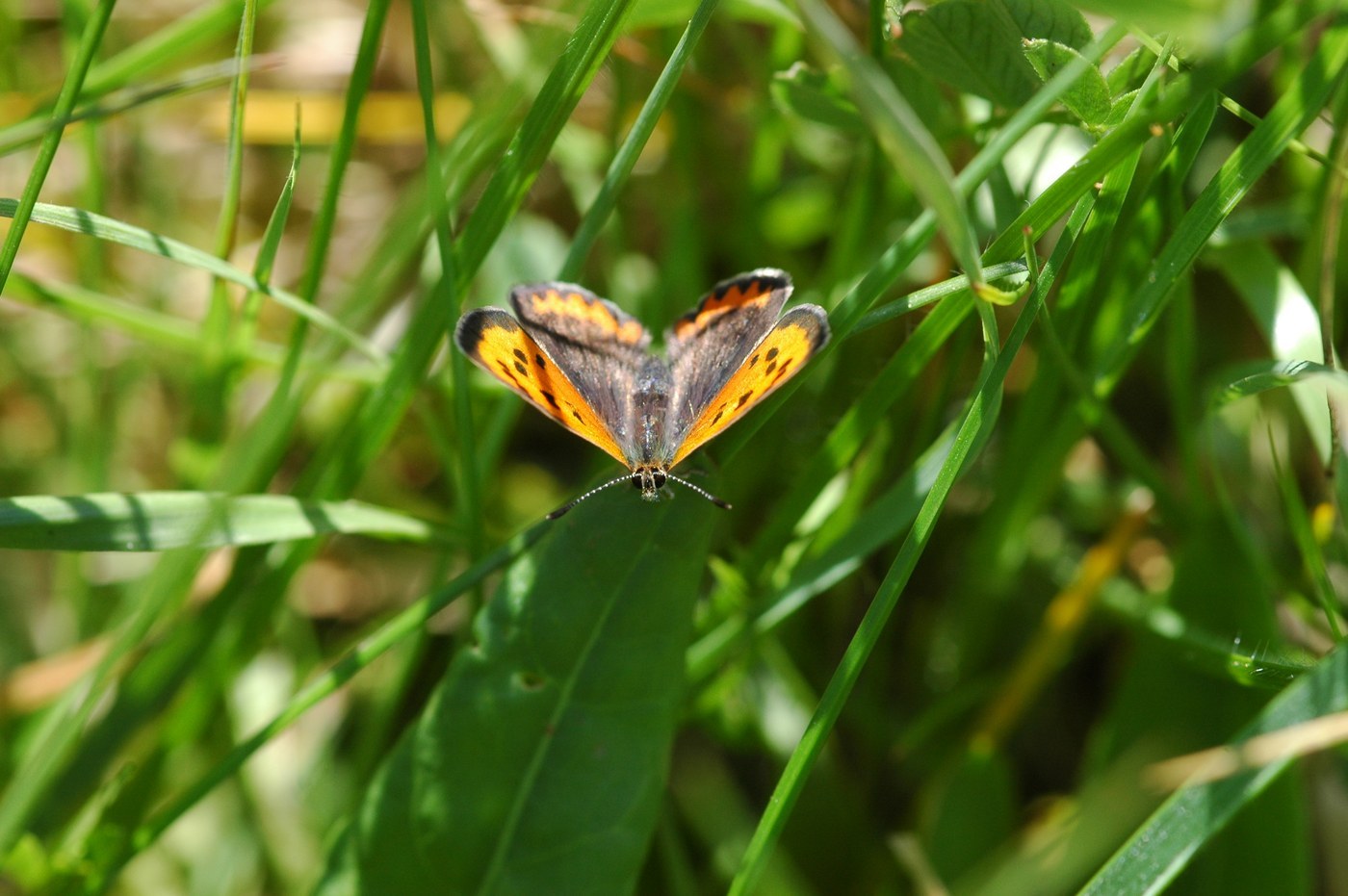
American Copper
Old fields, roadsides, and disturbed open ground with sorrel or dock
West Virginia White
Rich deciduous forest floors, especially near seeps and streams
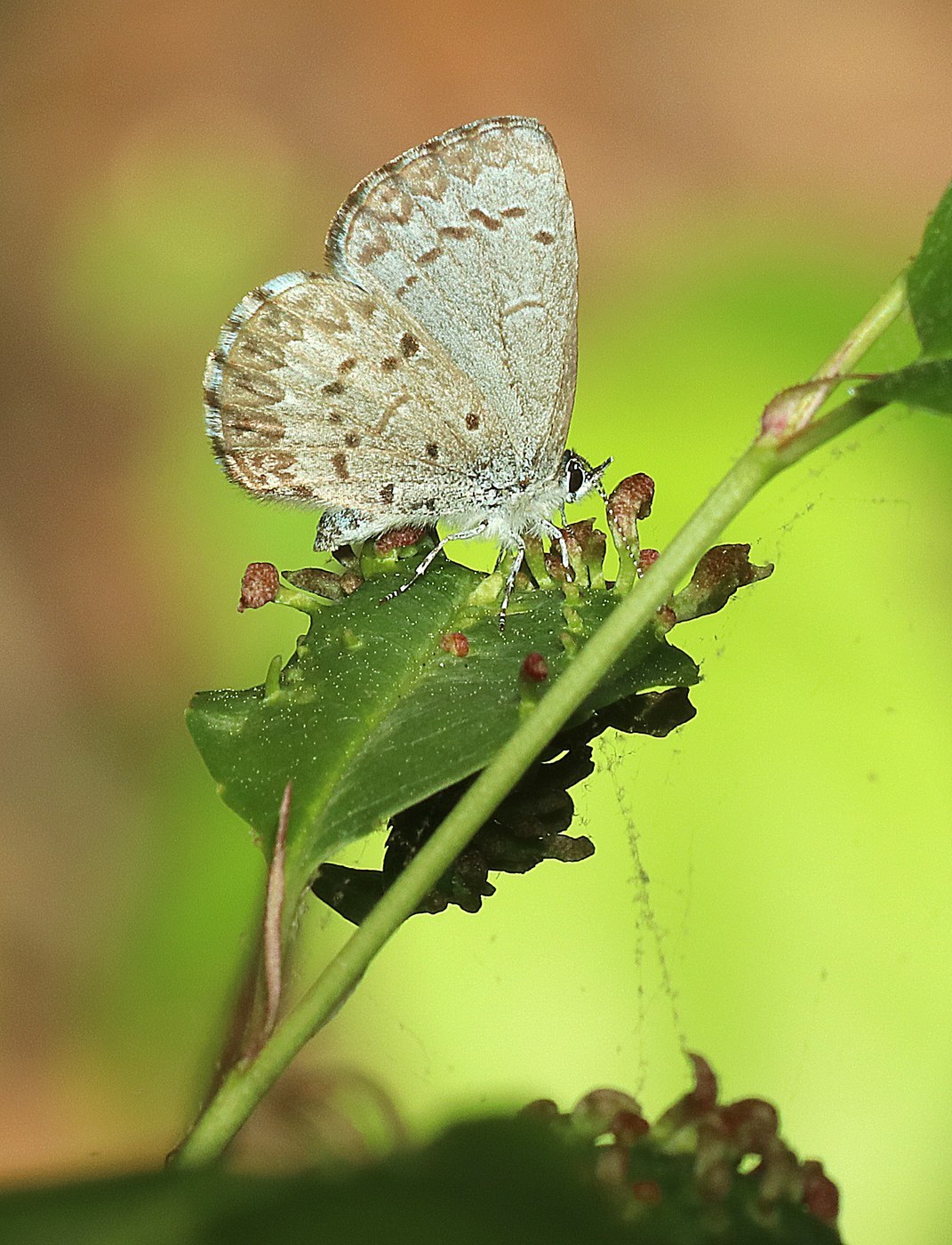
Spring Azure
Woodland edges, gardens, shrubby clearings
Red Admiral
Gardens, woodland edges, parks, meadows
Sleepy Orange
Open woodland, fields, roadsides, and disturbed ground