
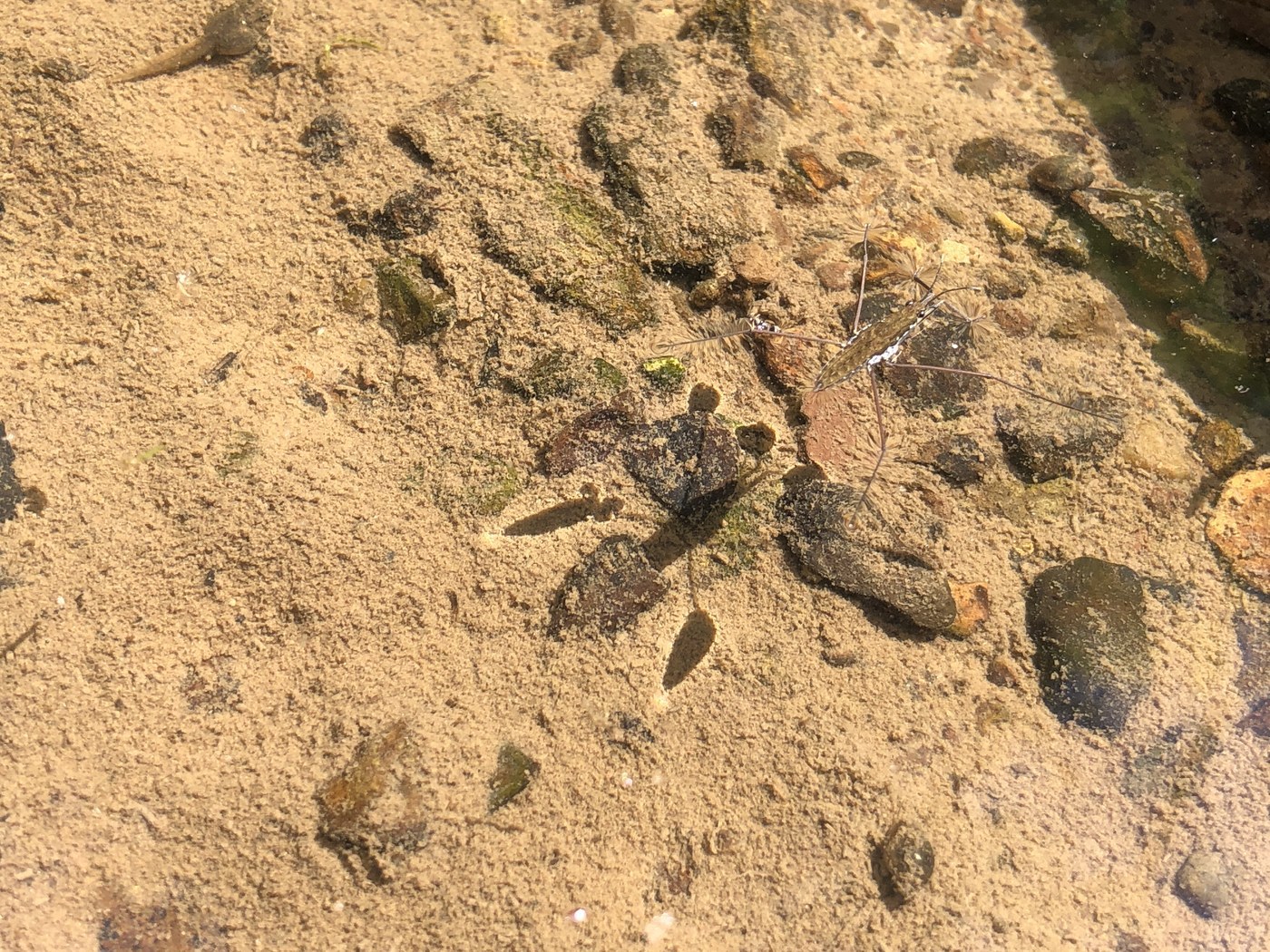
Common Water Strider
Aquarius remigis
Skating effortlessly across the surface film of ponds and slow streams, the common water strider rows itself along on hair-fringed legs to ambush insects trapped in the surface tension.
- Size
- Body 10-16 mm; legs span several times body length
- Habitat
- Surface of still or slow-moving fresh water
- Danger
- Harmless
Spotted a bug like this?
Identify any bug or insect from a photo, free.
Overview
The common water strider is a slender, long-legged true bug specialized for life on top of the water rather than in it. Dense mats of waxy, water-repellent hairs on its legs and body trap a thin cushion of air, letting it stand and glide on the surface film without breaking through. It is one of the most familiar sights on quiet ponds, lake margins, and slow backwaters across North America.
Striders are opportunistic predators and scavengers, sensing the faint ripples of struggling insects on the water's surface and darting over to feed. Their middle and hind legs act like oars for rapid, jerky propulsion, while the short front legs are used to grasp prey. Because they rely entirely on surface tension, they are almost never found far from calm, unpolluted water.
As true bugs (Hemiptera), water striders have piercing-sucking mouthparts rather than chewing jaws, and they undergo incomplete metamorphosis with no pupal stage. They play a minor but steady role in freshwater food webs, helping recycle insects that fall onto the water and themselves serving as prey for fish, birds, and larger aquatic predators.
How to Identify
- Slender, elongated body, typically dark brown to blackish-gray, 10-16 mm long
- Extremely long, thread-like legs held out from the body, far longer than the torso
- Middle and hind legs used for rowing; short front legs used to grip prey
- Legs and underside covered in fine, water-repellent hairs that create visible dimples in the water's surface film
- Some individuals fully winged, others short-winged or wingless depending on population and season
- Moves in quick, gliding bursts across the surface rather than swimming beneath it
- Distinguished from water measurers by its rowing gait (versus slow walking) and from whirligig beetles by its lack of a hard shell and surface-only lifestyle
Habitat & Range
Common water striders live on the surface of calm or gently flowing fresh water throughout most of North America, including ponds, lake edges, slow streams, marshes, and even puddles and rain barrels. They favor water with overhanging vegetation or debris that shelters them from wind and provides places to rest, and they are absent from turbulent or heavily wave-washed water where the surface film is too disrupted. Adults are active from spring through fall and shelter under leaf litter or debris near the water during colder months.
Behavior & Diet
Water striders detect prey by sensing vibrations transmitted through the water's surface film, much like a spider senses vibrations in its web. When an insect falls in and struggles, the strider races over on its oar-like middle and hind legs and pins the prey with its front legs before piercing it with its needle-like mouthparts and withdrawing the body fluids. They feed on a wide variety of small insects, including mosquitoes, gnats, and other insects that land on or fall into the water, making them useful natural predators within pond ecosystems. Striders are also territorial to a degree, often clustering in favorable spots along a shoreline while defending immediate personal space from rivals.
Life Cycle
Females lay rows of small, elongated eggs on submerged plants, floating debris, or directly on the water's surface film. Nymphs hatch resembling miniature, wingless versions of the adults and pass through five nymphal instars, growing larger and developing wing pads with each molt, in the gradual incomplete metamorphosis typical of true bugs. There is no pupal stage. Depending on climate, several generations may be produced each summer, and the last generation of the season typically overwinters as adults hidden among shoreline debris, emerging again when the water warms in spring.
Frequently asked questions
How does a water strider walk on water?
Dense, water-repellent hairs on its legs trap air and spread its weight across the surface, so surface tension supports the insect without it breaking through.
What do water striders eat?
They are predators and scavengers that feed on small insects trapped on the water's surface, piercing them with needle-like mouthparts to feed.
Are water striders true insects or something else?
They are true bugs in the order Hemiptera, related to other piercing-sucking insects, not a type of spider despite the nickname 'Jesus bug.'
Do water striders have wings?
Some individuals are fully winged and can fly to new water bodies, while others in the same population are short-winged or wingless, an adaptation to local habitat stability.
Common Water Strider guides
In-depth guides for identifying, understanding, and living alongside Common Water Strider.
Other bugs you may enjoy
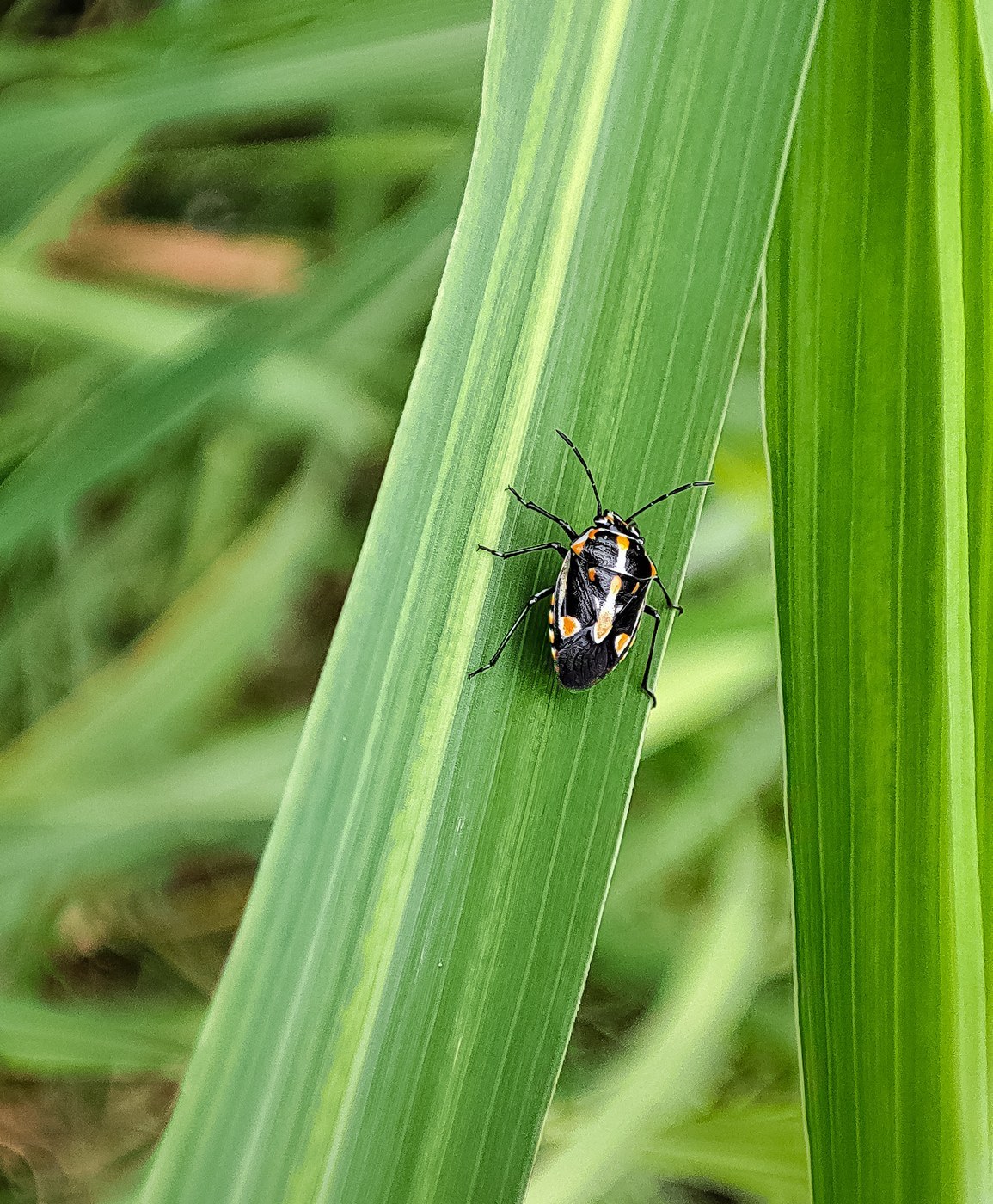
Bagrada Bug
Arid gardens, crucifer fields, desert-adjacent croplands
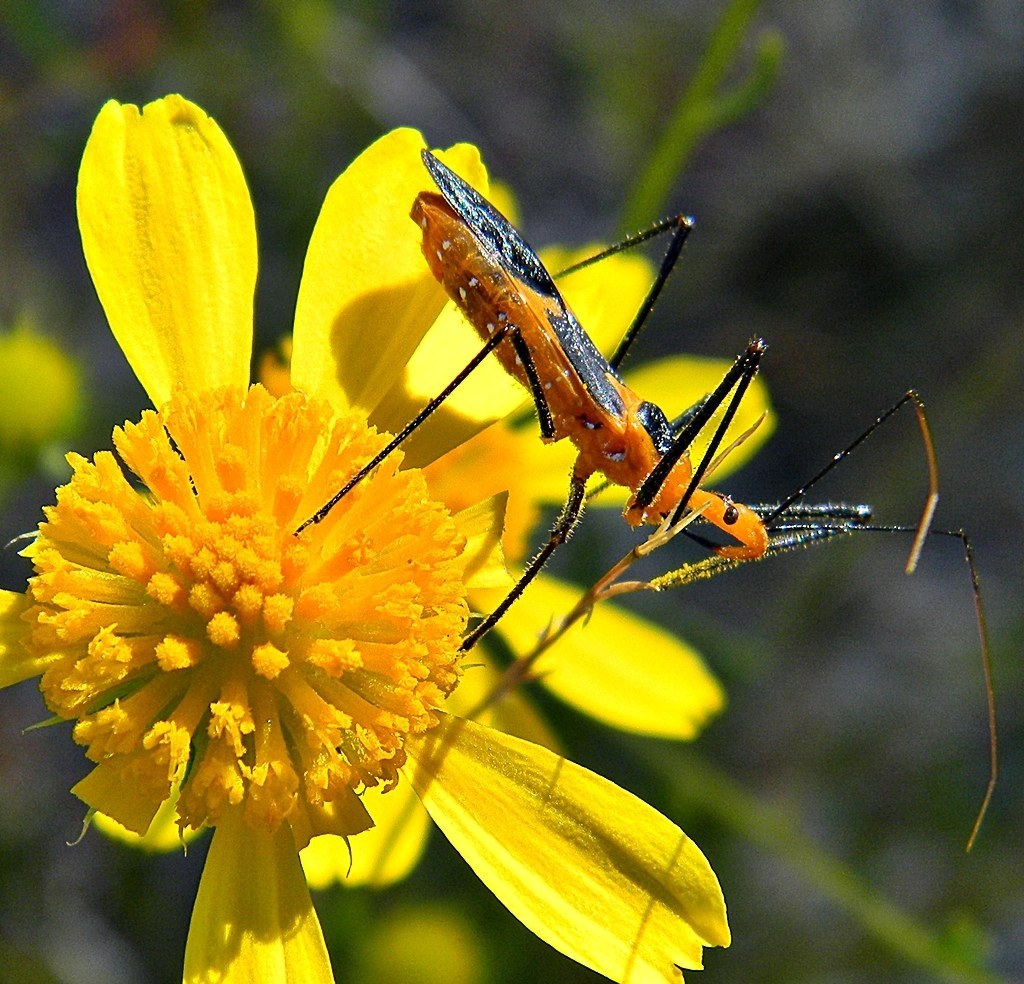
Assassin Bug
Gardens, meadows, and vegetation worldwide
Water Boatman Bug
Ponds, lakes, and slow-moving freshwater
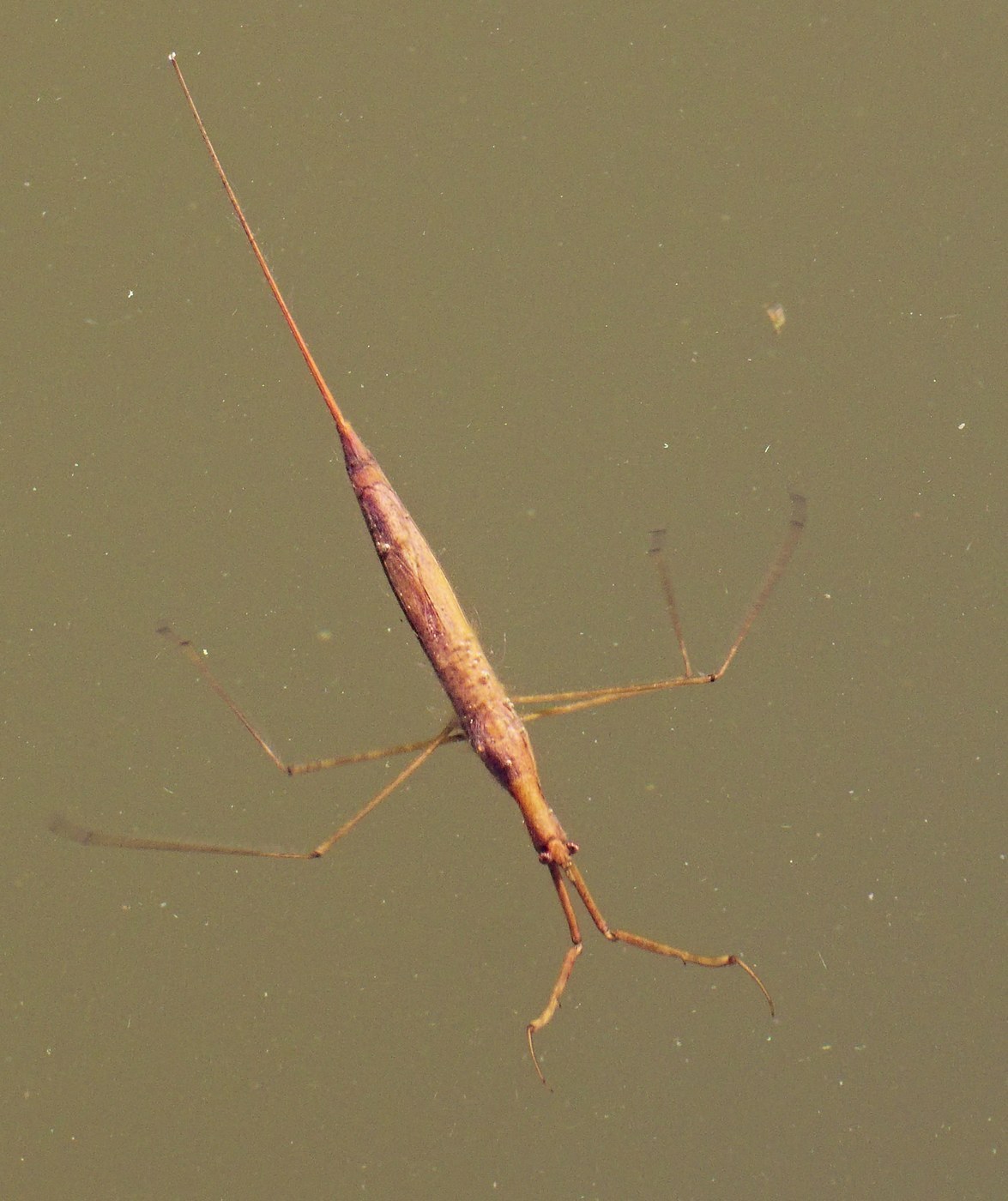
Water Stick Insect
Still and slow-moving water with dense submerged vegetation
Rough Stink Bug
Tree bark, woodlands, orchards, and shrubby vegetation
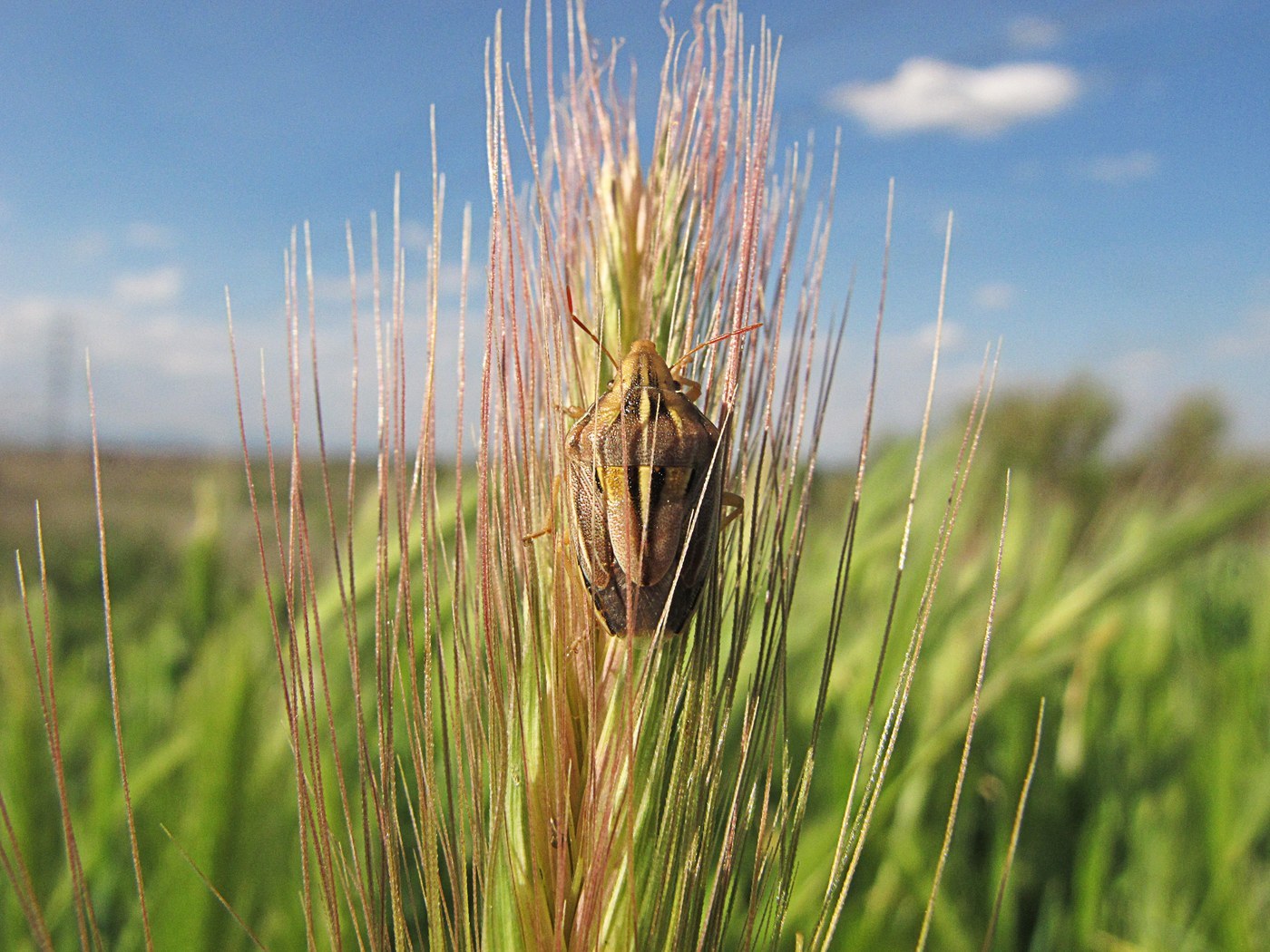
Stink Bug
Gardens, crop fields, and woodlands across temperate and subtropical regions
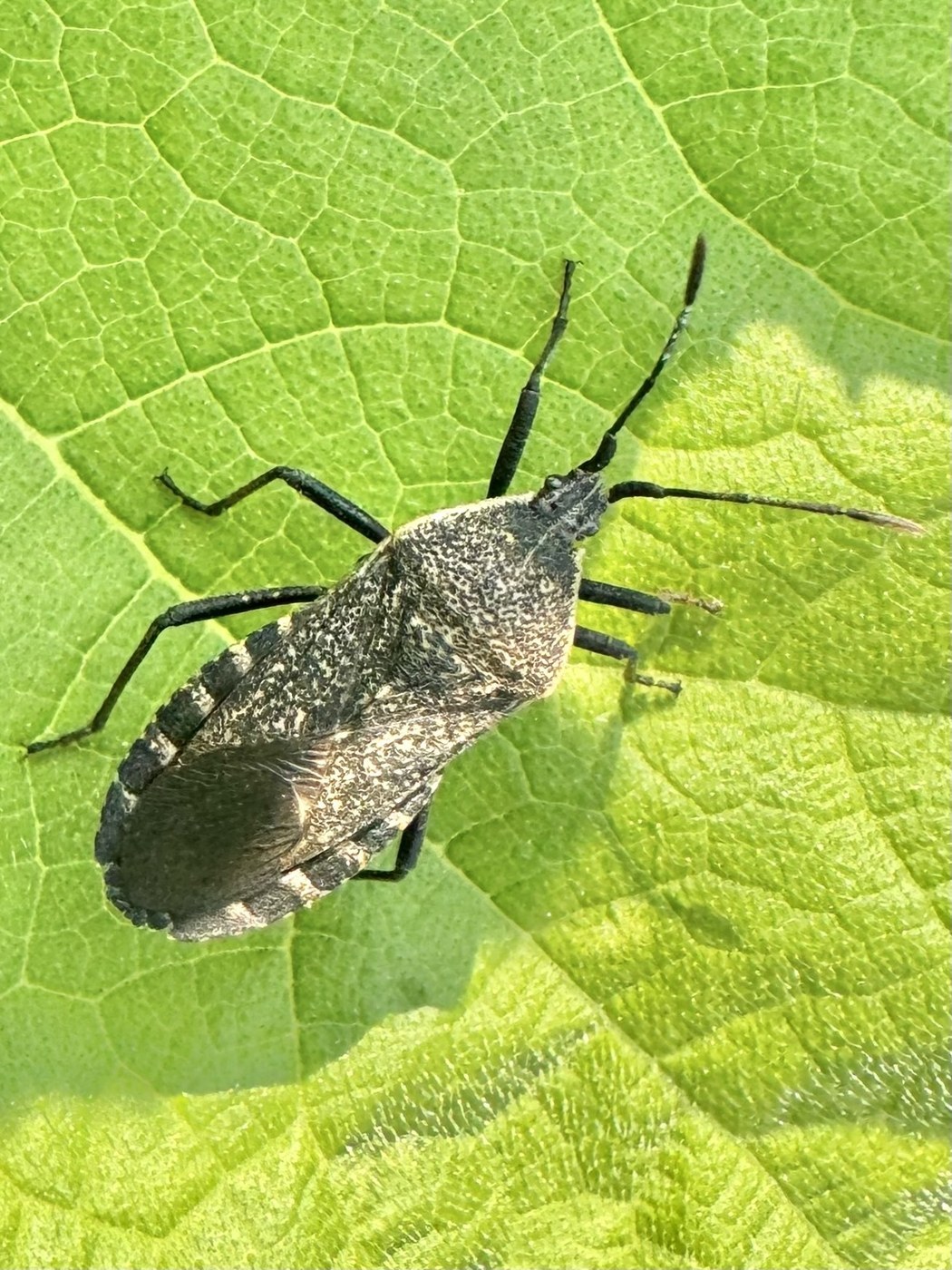
Squash Bug
Vegetable gardens and farm fields growing squash, pumpkin, and other cucurbits
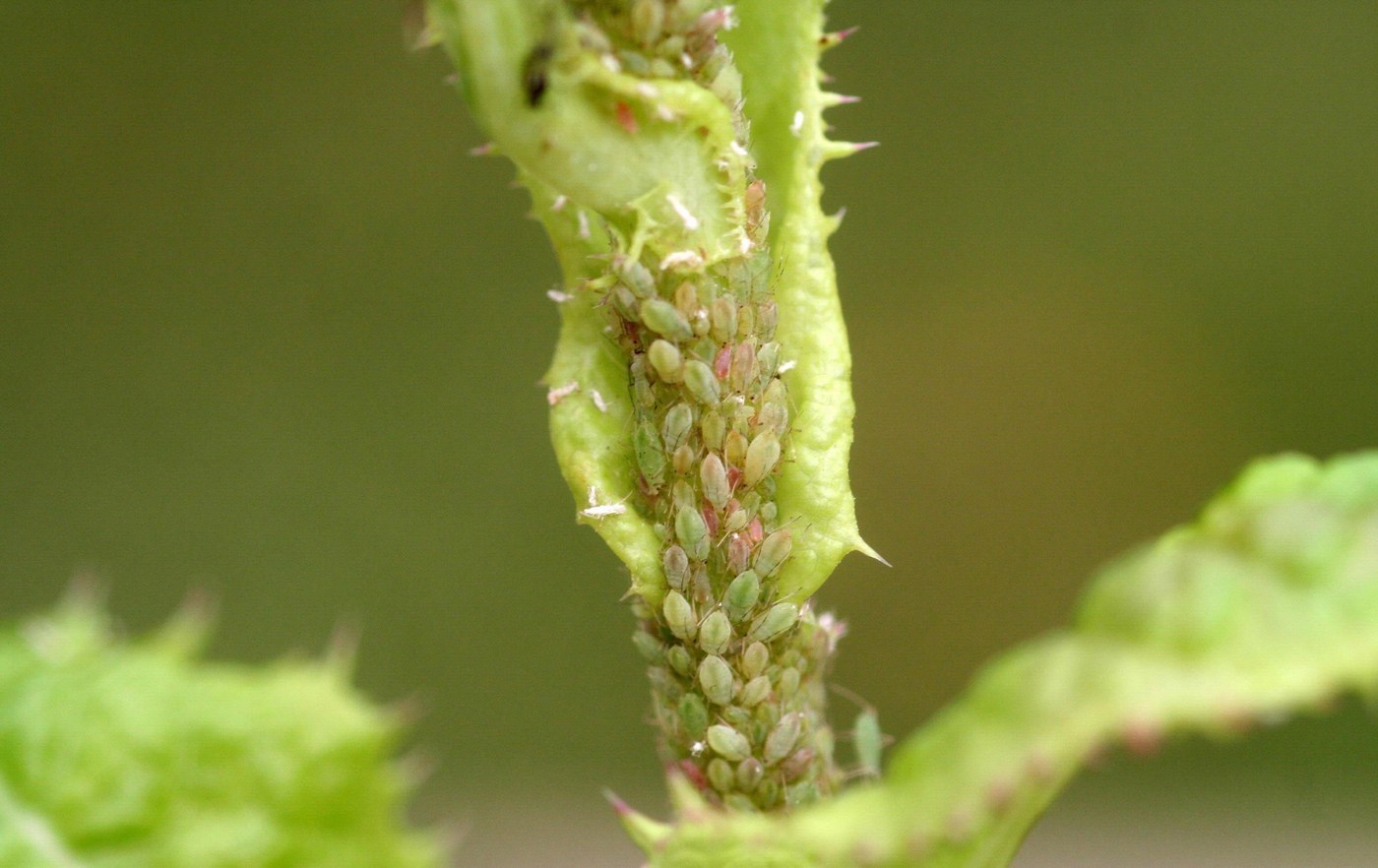
Aphid
On stems, leaves, and buds of a very wide range of host plants
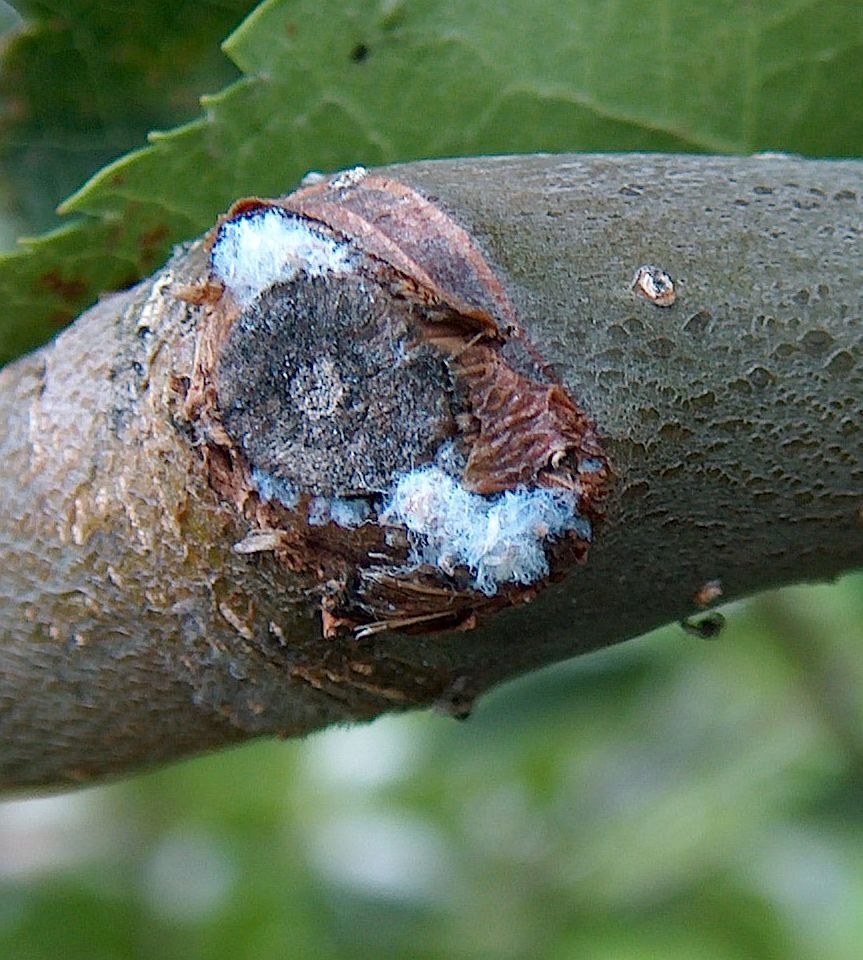
Woolly Aphid
Bark crevices, root collars, and twigs of apple, elm, and alder trees
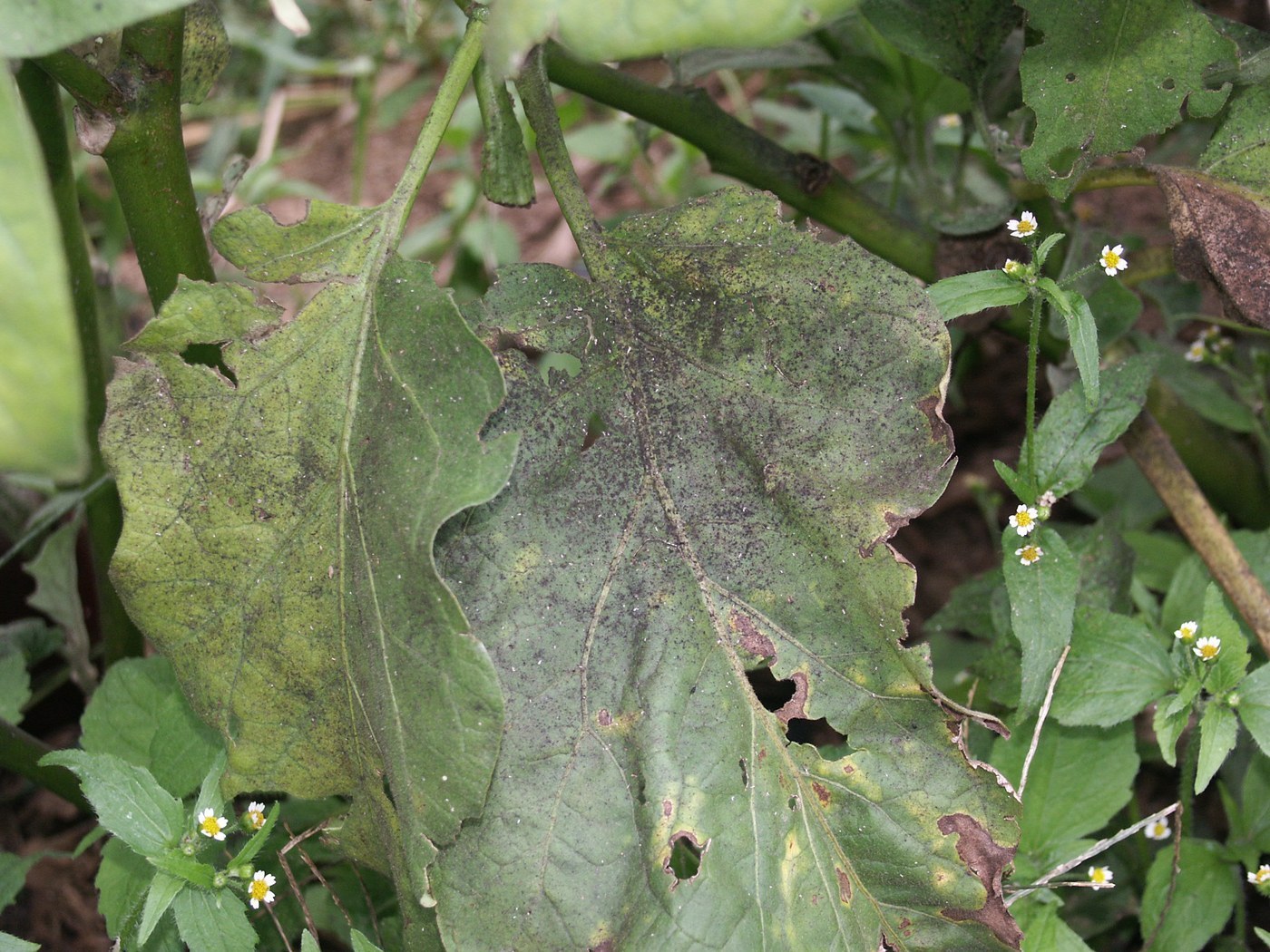
Whitefly
Greenhouses, gardens, and undersides of leaves on host plants
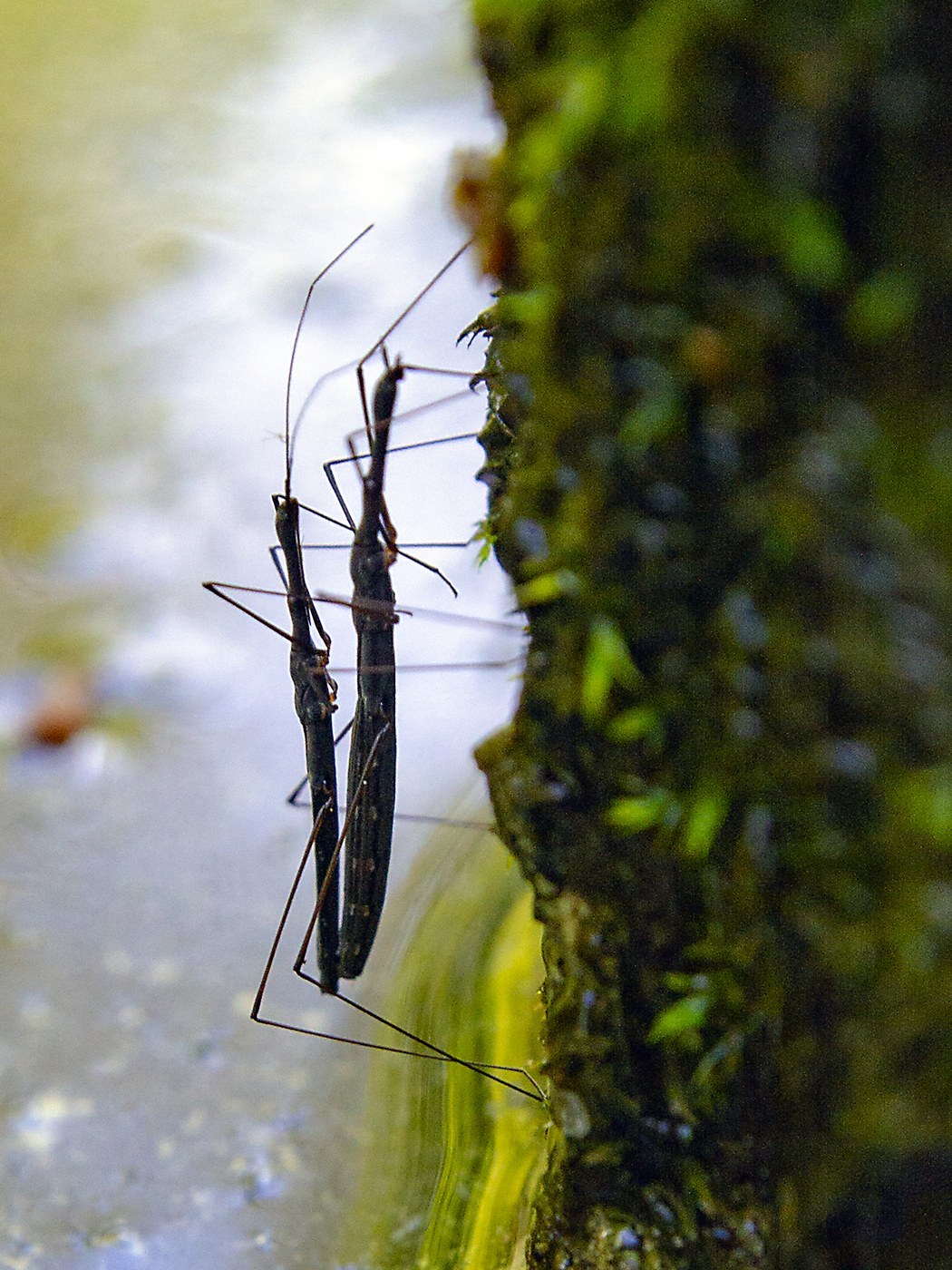
Water Measurer
Quiet edges of ponds, marshes, and slow streams
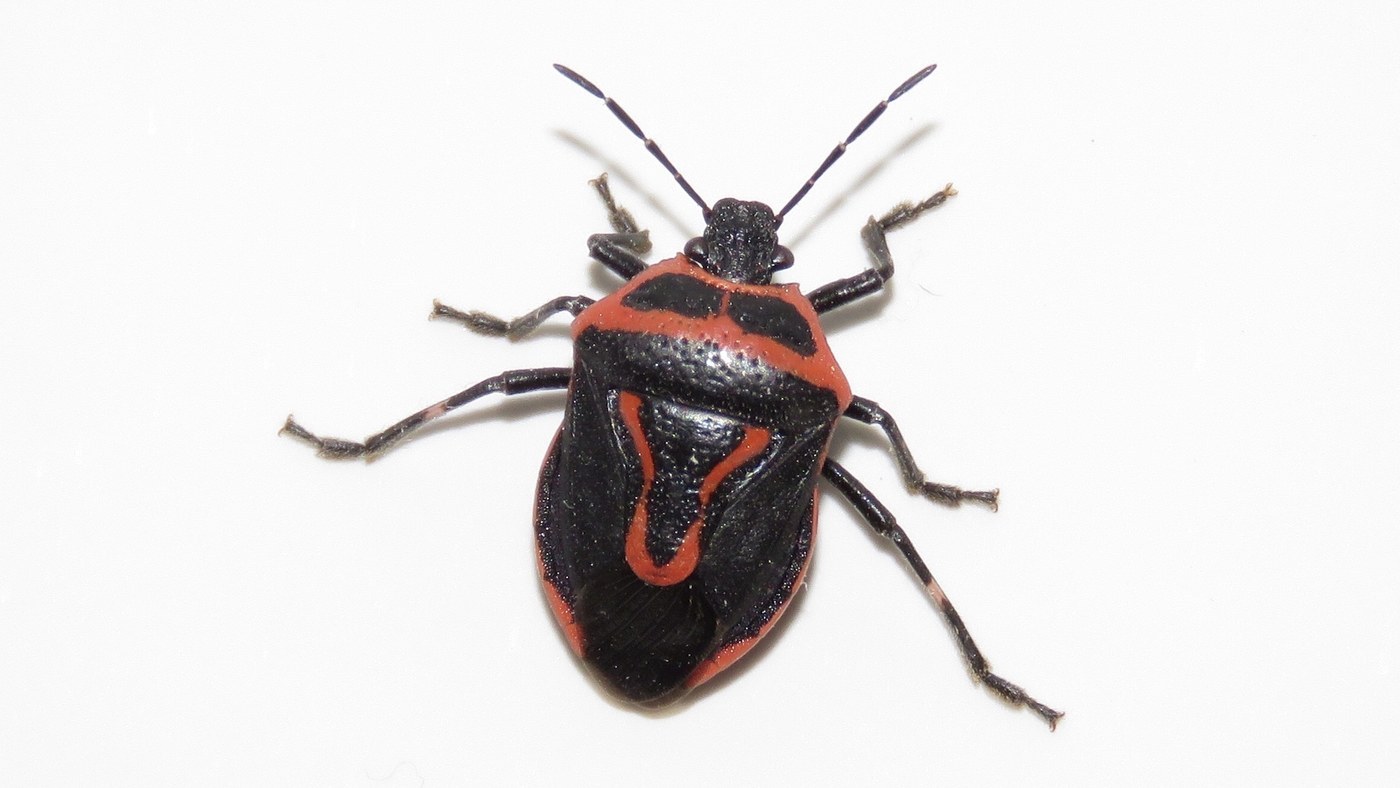
Two-Spotted Stink Bug
Gardens and fields with potato and nightshade-family plants