
Coral Hairstreak
Satyrium titus
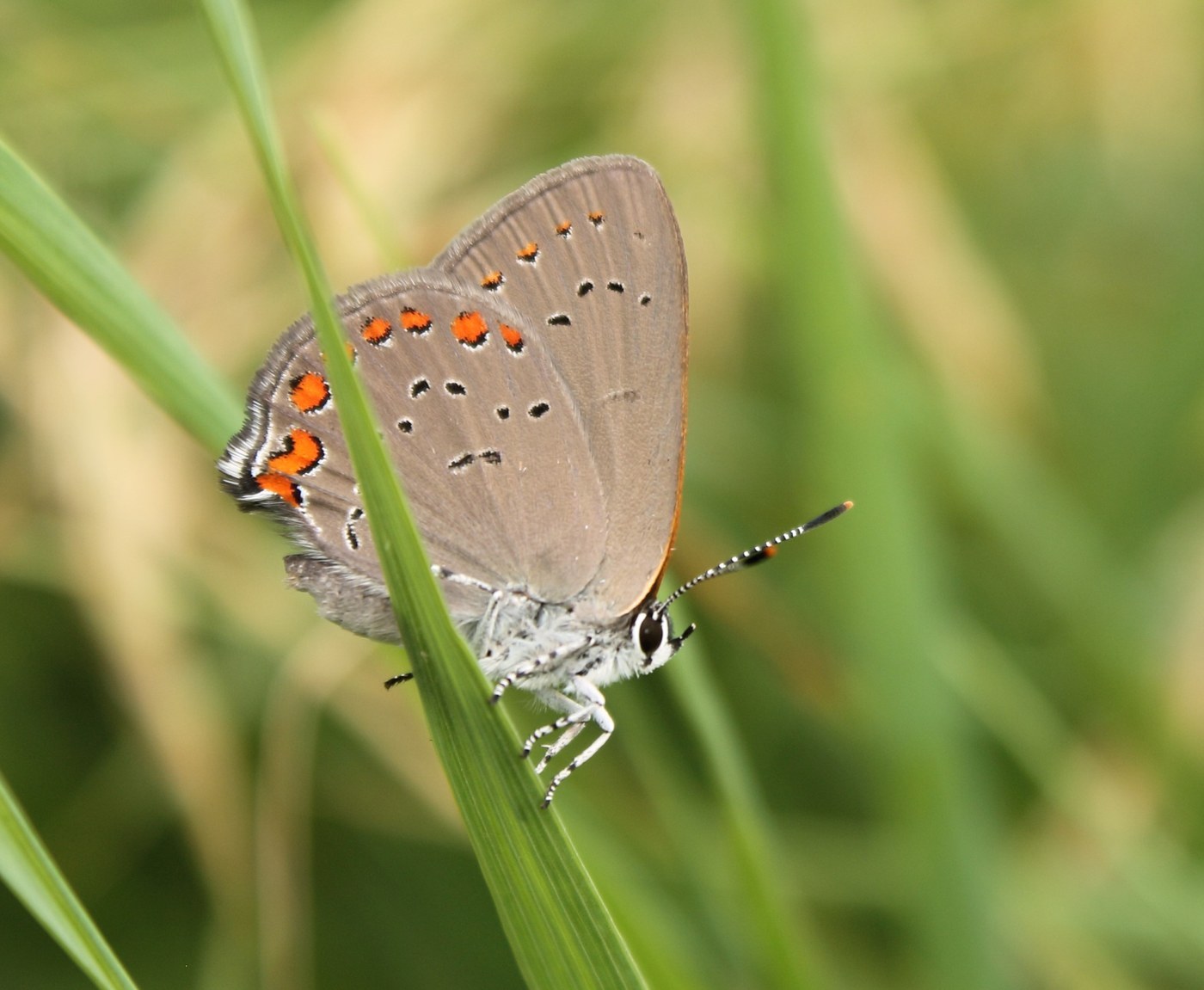
A tailless hairstreak identified by a bright row of coral-red spots lining the outer margin of the hindwing underside, often seen nectaring in numbers on milkweed and butterfly weed in midsummer meadows.
- Size
- 1.0–1.4 in wingspan
- Habitat
- Old fields, brushy meadows, and edges near wild cherry or plum thickets
- Danger
- Harmless
Spotted a bug like this?
Identify any bug or insect from a photo, free.
Overview
The Coral Hairstreak is a member of the gossamer-wing family (Lycaenidae) and, unusually for its genus, lacks the thin tail filaments found on most other hairstreaks. It ranges across much of the northern and eastern United States and southern Canada, favoring open, brushy habitats where its wild-plum and cherry host shrubs grow alongside nectar-rich wildflowers.
The species is a mid-summer specialty, with a relatively brief flight period that coincides with the blooming of butterfly weed and common milkweed, plants it visits heavily for nectar. Its striking row of coral-orange spots makes it one of the more easily recognized hairstreaks despite the group's general reputation for being difficult to tell apart.
As a caterpillar it depends on woody Prunus shrubs, linking its presence to hedgerows, thickets, and forest-edge habitat maintained by natural or agricultural disturbance.
How to Identify
- Upperside is plain grayish-brown with little pattern, lacking the tails typical of most hairstreaks.
- Underside of the hindwing is gray-brown with a prominent row of bright coral-orange or coral-red spots along the outer margin, the species' key field mark.
- Small dark spots scattered across the underside forewing and hindwing.
- Rounded hindwing margin without tail projections, distinguishing it from most other Satyrium hairstreaks.
- Lookalikes: the Banded Hairstreak and other Satyrium species have tails and a different spot arrangement; the absence of tails combined with the bold coral spot row is diagnostic for this species.
Habitat & Range
Found across much of the northern and eastern United States and southern Canada, from the Great Plains eastward, with populations also in parts of the West. It occupies old fields, power-line cuts, brushy meadow edges, and open woodland margins where wild cherry, plum, or chokecherry shrubs grow. Adults fly for a relatively short period in mid to late summer, generally June through August depending on latitude.
Behavior & Diet
Adults are strongly attracted to nectar sources such as butterfly weed, common milkweed, and dogbane, often gathering in small aggregations on blooming patches. They are somewhat sedentary compared to more mobile butterflies, tending to stay close to host shrub thickets. Caterpillars feed on the leaves of wild cherry, plum, and related Prunus shrubs, and like many hairstreak larvae, are sometimes tended or protected by ants that collect their secretions in exchange for defense, a mutualistic relationship common in the family. The species contributes to pollination of the wildflowers it visits.
Life Cycle
Eggs are laid singly on twigs of Prunus host shrubs and overwinter in this stage through fall and winter. Caterpillars hatch in spring and feed on young leaves and buds, often in association with tending ants. Pupation occurs near the base of the host plant or in leaf litter. There is a single generation per year (univoltine) in most of the range, with the species overwintering as an egg on host twigs.
Frequently asked questions
How is the Coral Hairstreak different from other hairstreaks?
It lacks the thin tail filaments most hairstreaks have and instead shows a bold row of coral-red spots along the hindwing margin, which is unusual and distinctive within the group.
What flowers attract it most?
It is strongly drawn to butterfly weed, common milkweed, and dogbane, often gathering in small groups on these blooms during its midsummer flight.
What do the caterpillars eat?
They feed on the leaves of wild cherry, plum, and related shrubs in the genus Prunus.
When is it active?
It has a single flight period in mid to late summer, generally June through August, and overwinters as an egg rather than as an adult or caterpillar.
Coral Hairstreak guides
In-depth guides for identifying, understanding, and living alongside Coral Hairstreak.
Other bugs you may enjoy
Banded Hairstreak
Deciduous woodlands and edges with oaks and hickories
American Lady
Open fields, meadows, gardens, roadsides
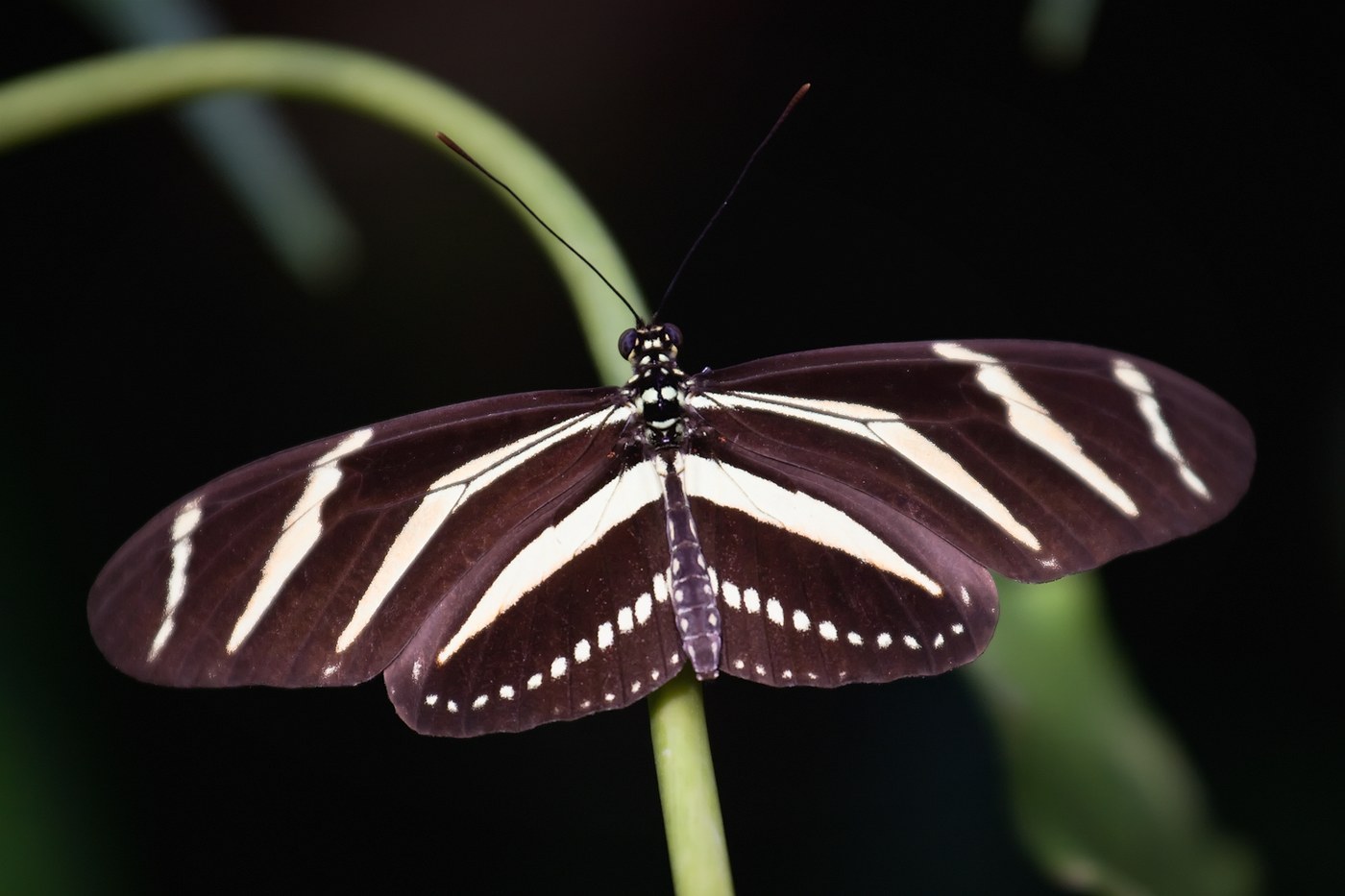
Zebra Longwing
Tropical hammocks, gardens, forest edges
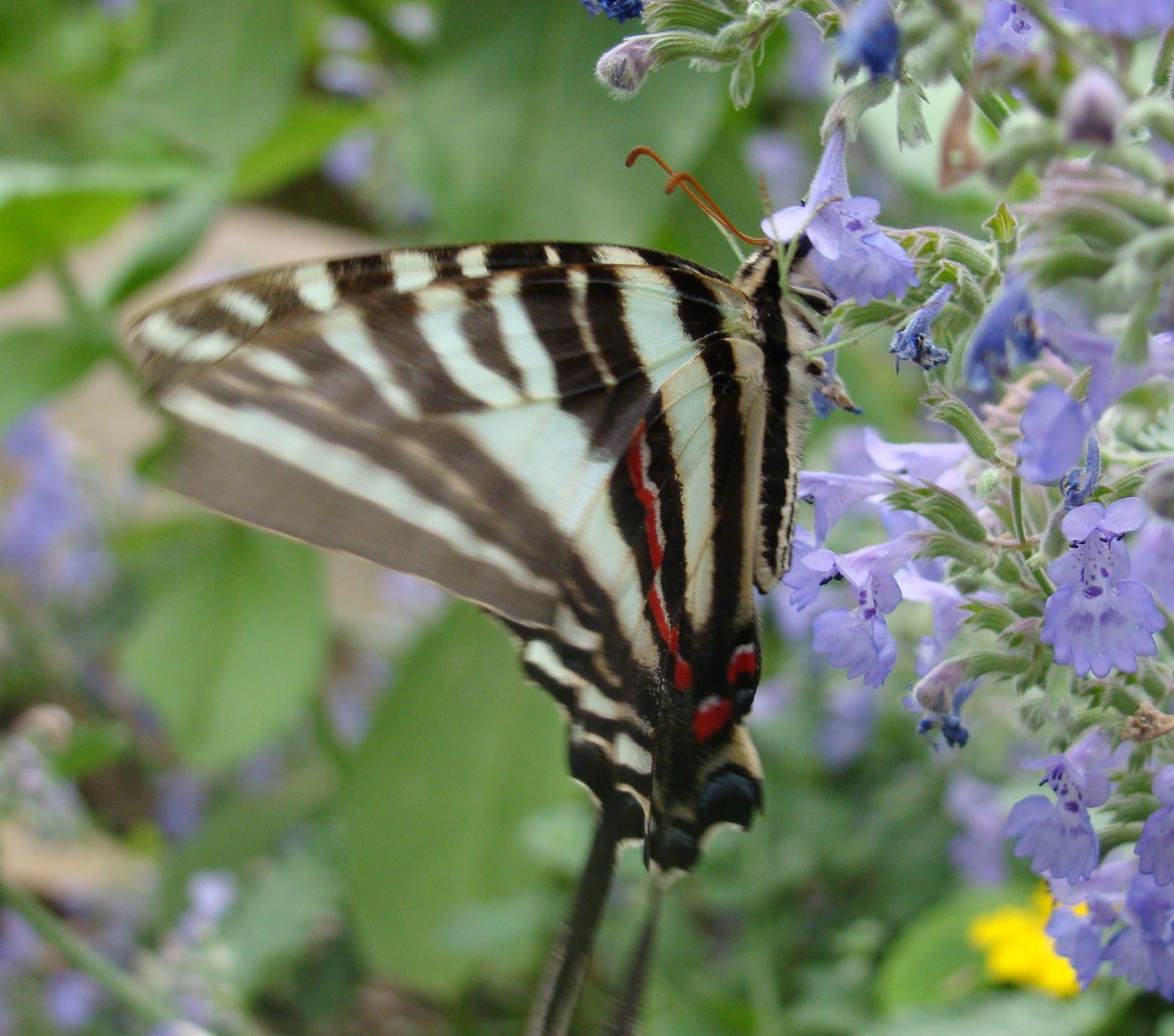
Zebra Swallowtail
Woodlands, floodplains, forest edges near pawpaw
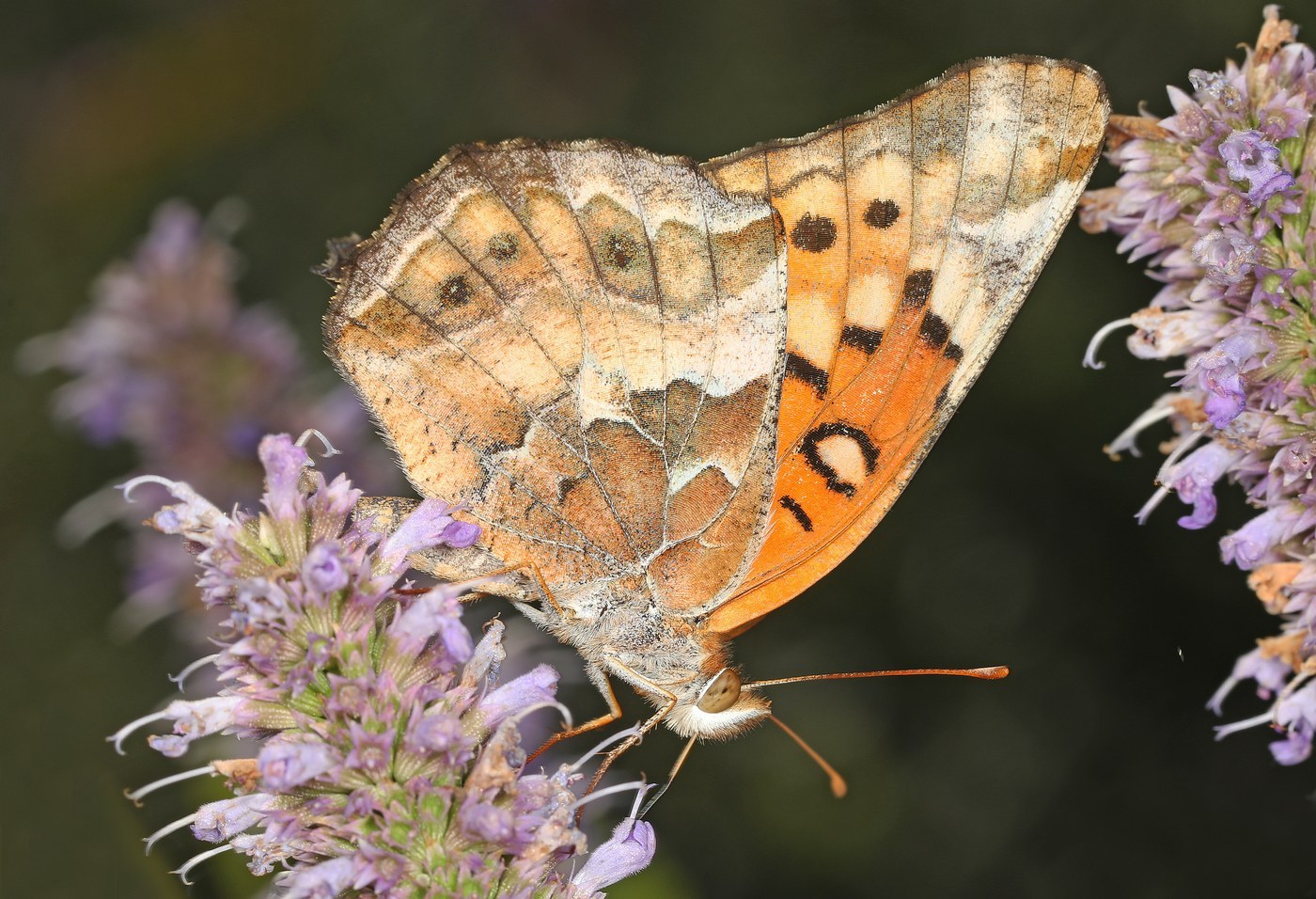
Variegated Fritillary
Open fields, prairies, roadsides, and disturbed ground across most of the United States
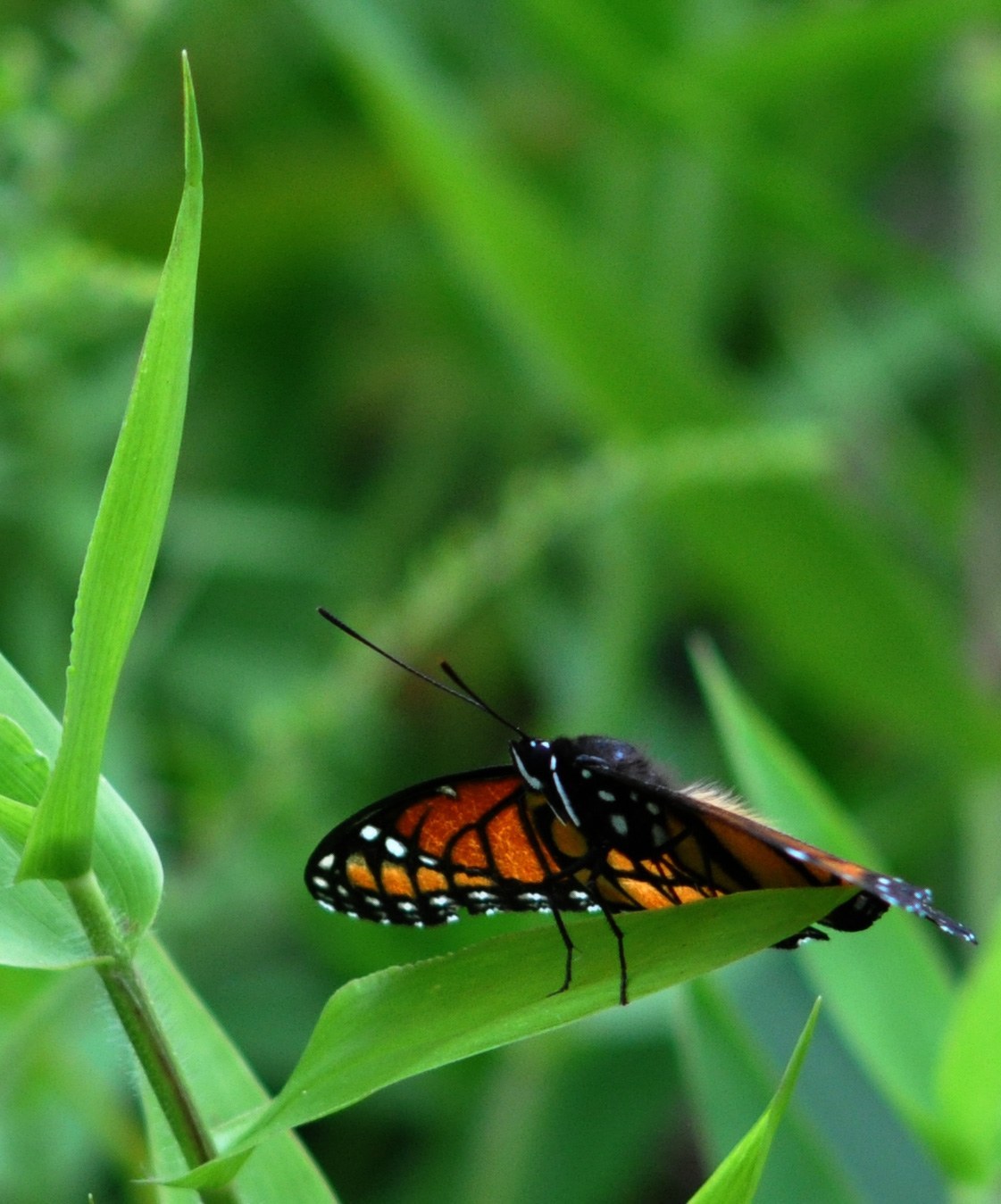
Viceroy Butterfly
Wetlands, meadows, riverbanks, willow thickets (North America)
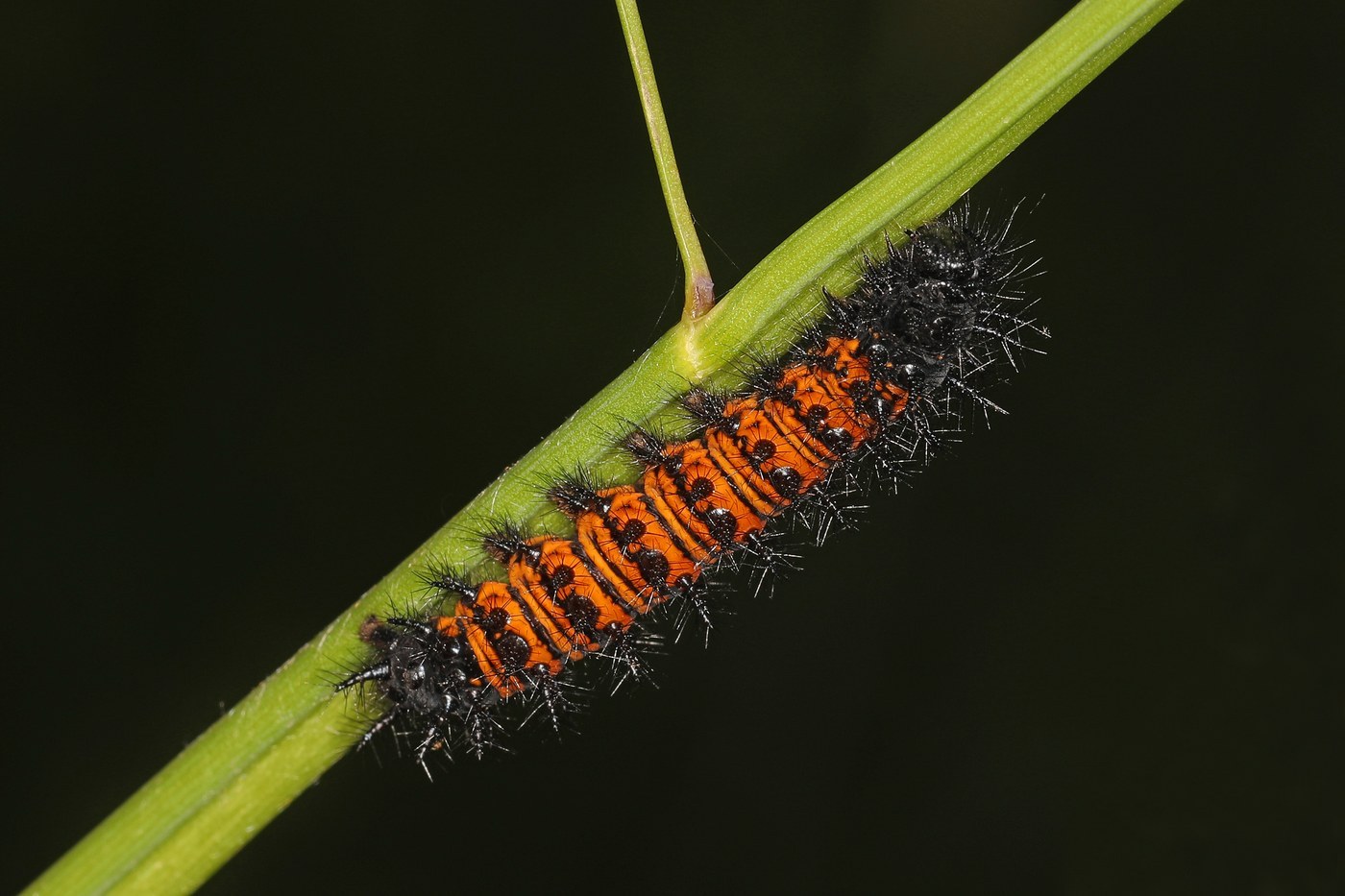
Baltimore Checkerspot
Wet meadows, bogs, and marshy fields in the northeastern and Appalachian US
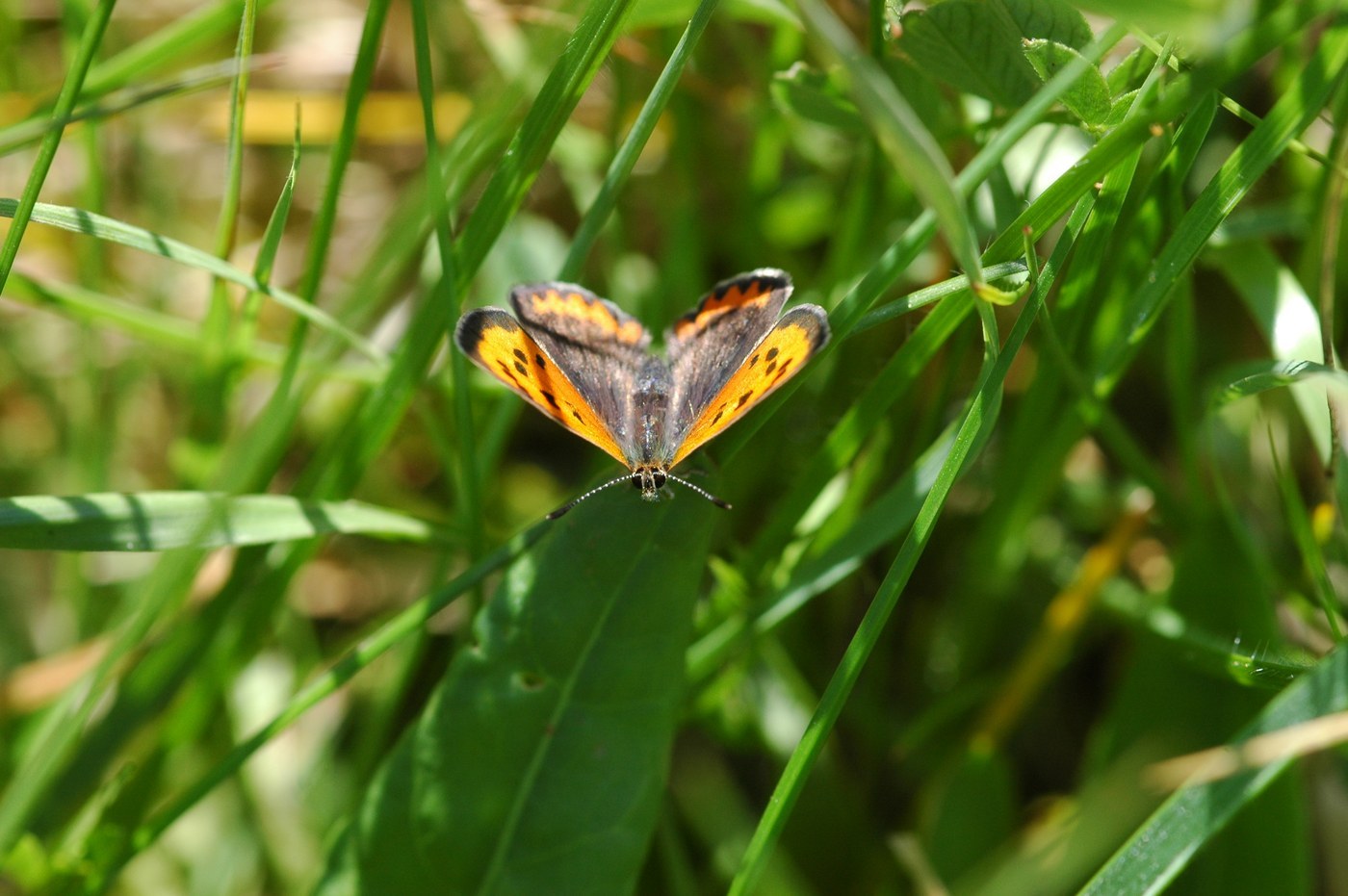
American Copper
Old fields, roadsides, and disturbed open ground with sorrel or dock
West Virginia White
Rich deciduous forest floors, especially near seeps and streams
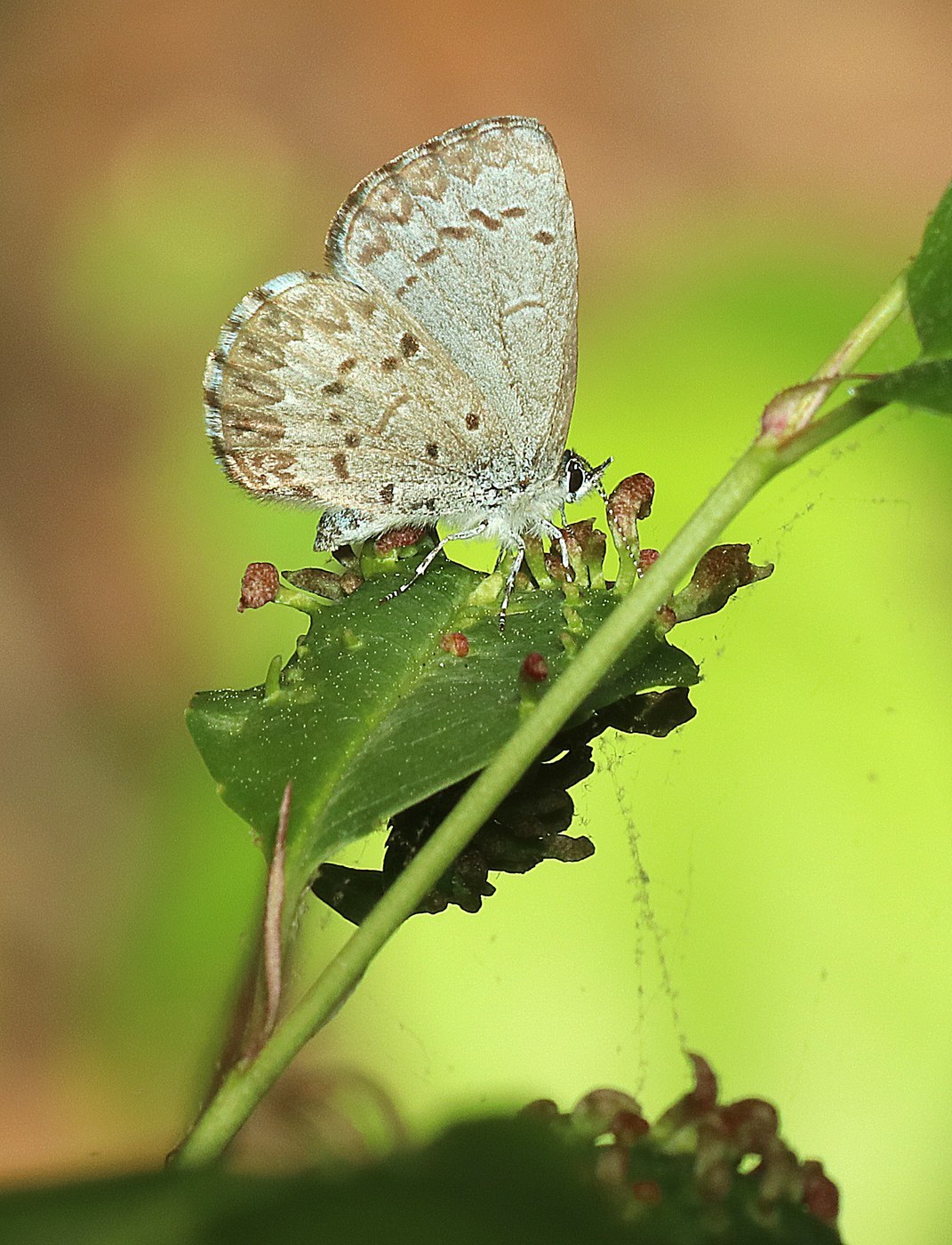
Spring Azure
Woodland edges, gardens, shrubby clearings
Red Admiral
Gardens, woodland edges, parks, meadows
Sleepy Orange
Open woodland, fields, roadsides, and disturbed ground