
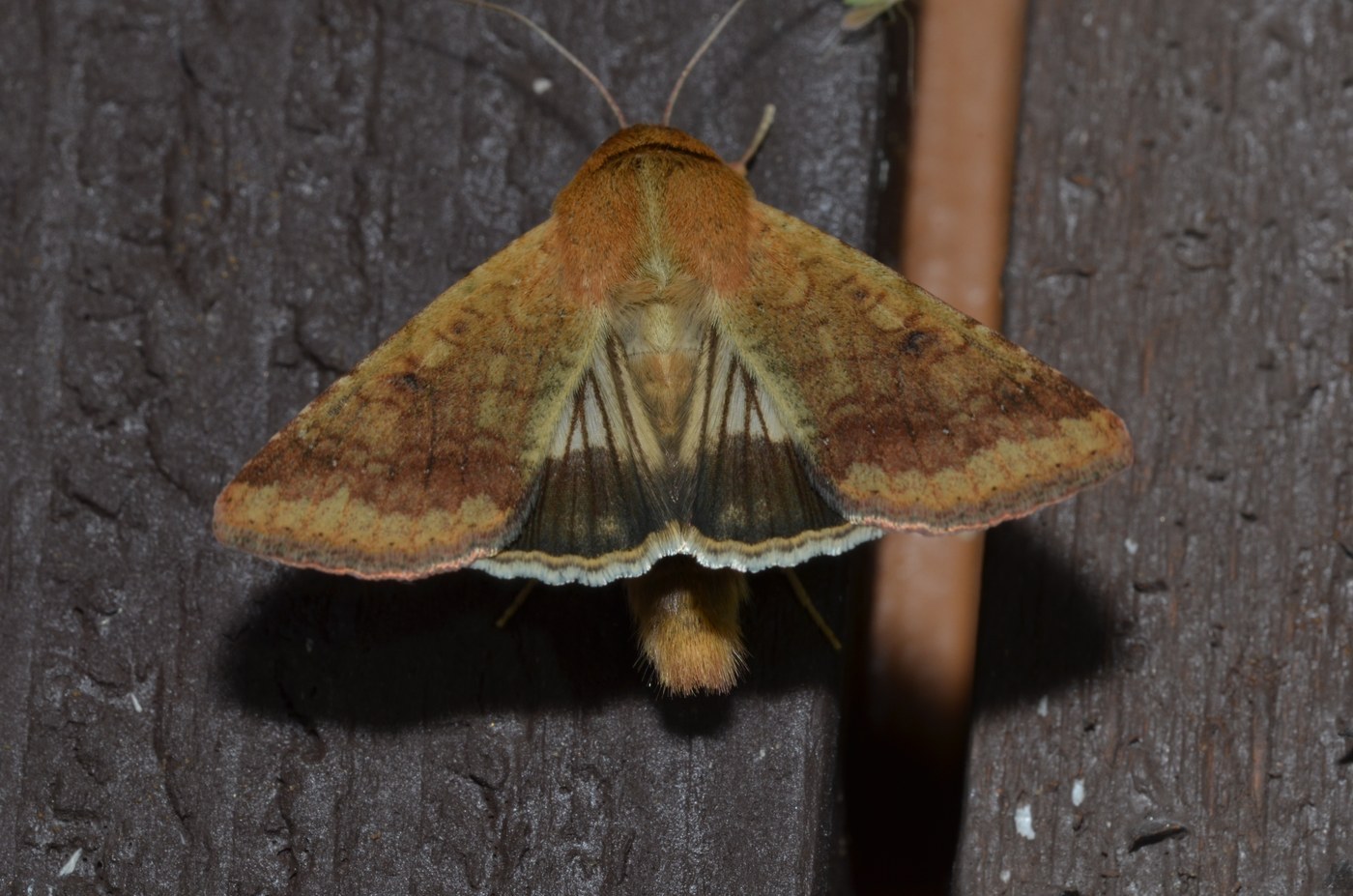
Corn Earworm
Helicoverpa zea
A color-variable caterpillar, ranging from pale green to reddish-brown, that burrows headfirst into corn ears and is one of the most economically significant crop pests in North America.
- Size
- 3-4 cm long
- Habitat
- corn fields, cotton, tomato, and other crop plants
- Danger
- Nuisance pest
Spotted a bug like this?
Identify any bug or insect from a photo, free.
Overview
The corn earworm (Helicoverpa zea) is the larval stage of a widespread moth found throughout North and South America, known by different common names depending on which crop it infests, including cotton bollworm and tomato fruitworm. It is considered one of the most economically damaging insect pests of agriculture on the continent due to its extremely broad diet and ability to attack the harvestable parts of many major crops.
Corn earworm caterpillars are highly variable in color, ranging from pale green or yellow to pink, brown, or nearly black, often with alternating light and dark longitudinal stripes. This variability can make visual identification tricky, but their behavior of boring directly into the tips of corn ears, cotton bolls, or tomato fruit is a telltale sign of their presence.
As both pest and prey, corn earworms support populations of parasitic wasps and flies, as well as predatory insects and birds, which serve as natural checks on their numbers, though the species remains a persistent challenge in commercial agriculture across its range.
How to Identify
- Body color highly variable: pale green, yellow, pink, tan, reddish-brown, or nearly black
- Alternating light and dark stripes running the length of the body
- Small, sturdy spines scattered over the body giving a slightly rough texture
- Head is usually orange-brown with darker mottling
- Grows to about 3-4 cm at full size
- Typically found feeding headfirst inside corn ear tips, cotton bolls, or tomato fruit
- Lookalikes: fall armyworm and other noctuid larvae, though the earworm's habit of tunneling into fruiting structures is distinctive
Habitat & Range
Corn earworms are found throughout most of the United States, southern Canada, Mexico, and into South America, wherever suitable host crops are grown. They are especially common in corn, cotton, tomato, and sorghum fields, as well as gardens growing peppers, beans, and other vegetables. Active from spring through fall in most regions, the species overwinters as a pupa in the soil in temperate areas and breeds year-round in frost-free climates.
Behavior & Diet
Corn earworm caterpillars feed on a very wide range of plants but are best known for tunneling directly into the developing kernels at the tip of corn ears, as well as boring into cotton bolls, tomato fruit, and other crop structures. This behavior gives them significant protection from predators and weather once inside the plant tissue, though they remain vulnerable to parasitic wasps that can locate and lay eggs in them. Adults are strong migratory fliers capable of traveling long distances on seasonal winds, which helps the species recolonize northern areas each year. As larvae and pupae, they are an important food resource within agricultural ecosystems for birds, predatory insects, and parasitoids.
Life Cycle
Adult female moths lay single, ribbed eggs on corn silk, leaves, or other plant surfaces, often laying hundreds over their lifetime. Eggs hatch within a few days into tiny caterpillars that pass through six instars over roughly two to four weeks, with older larvae typically tunneling into fruiting structures such as corn ears. Mature larvae drop to the ground and pupate in the soil, emerging as adult moths after one to several weeks depending on temperature, or after overwintering through cold months in temperate regions. Adults are stout, tan to grayish-brown moths with a wingspan of about 3-4 cm. In warm southern regions, corn earworms can produce four or more generations per year.
Frequently asked questions
Why does the corn earworm have so many different common names?
It is called the corn earworm, cotton bollworm, or tomato fruitworm depending on which crop it is infesting, though all refer to the same species, Helicoverpa zea.
Why is corn earworm coloring so variable?
Its coloration ranges widely from green to pink to brown or black, likely influenced by diet, temperature, and genetics rather than age or sex alone.
How does the corn earworm damage corn?
It typically enters the tip of the ear through the silk and feeds headfirst on developing kernels, protected within the husk.
How many generations can occur in a year?
In warm southern climates, corn earworms can complete four or more generations annually, while northern populations produce fewer.
Corn Earworm guides
In-depth guides for identifying, understanding, and living alongside Corn Earworm.
Other bugs you may enjoy
Bagworm
Trees and shrubs, especially conifers and ornamental landscaping
Armyworm
grasslands, pastures, and cereal crop fields
Zebra Longwing Caterpillar
Tropical and subtropical hammocks with passionflower vines
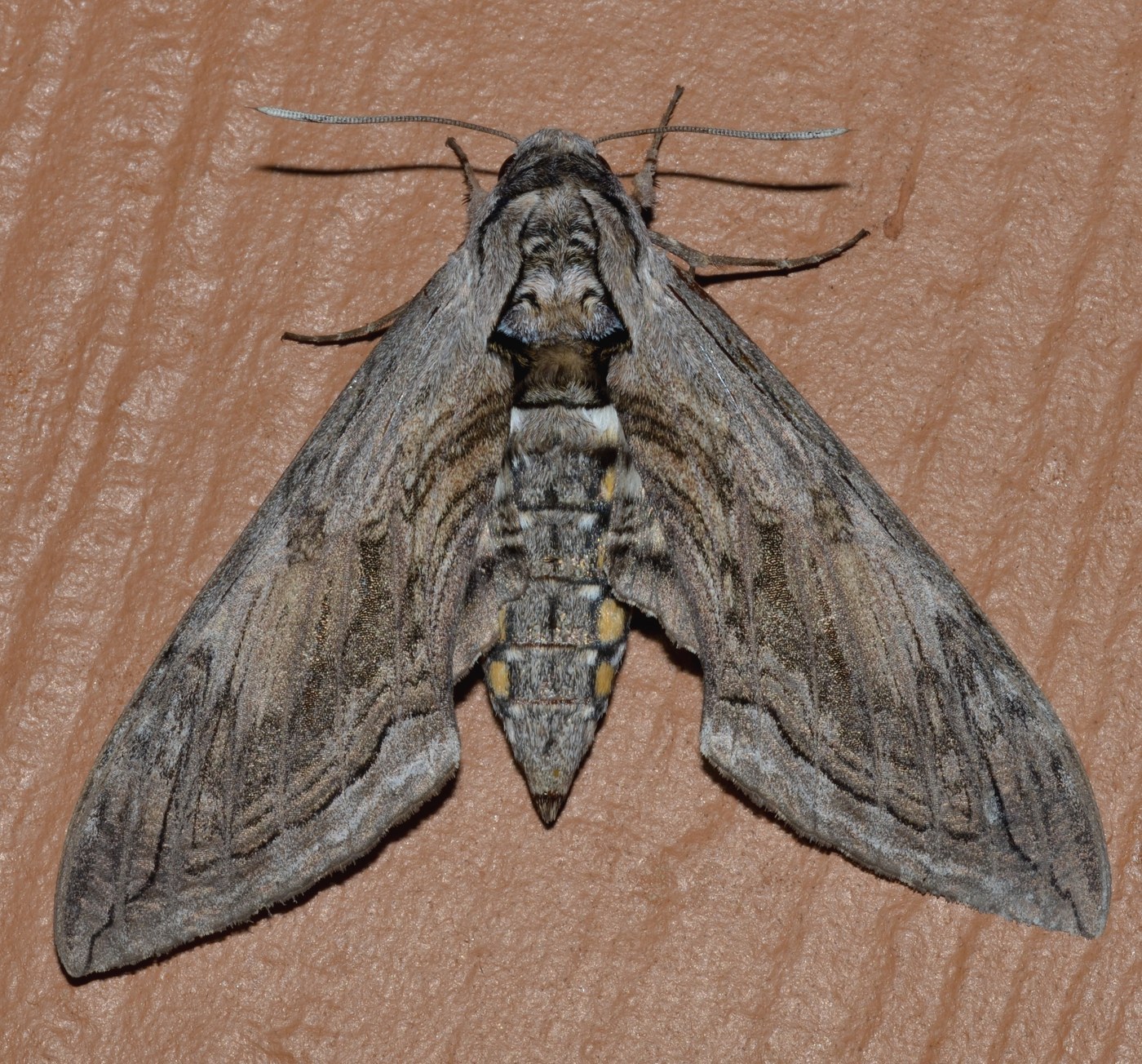
Tomato Hornworm
Gardens and fields with tomato, pepper, and other nightshade plants
Tent Caterpillar
Deciduous trees such as cherry, apple, and other rosaceous species
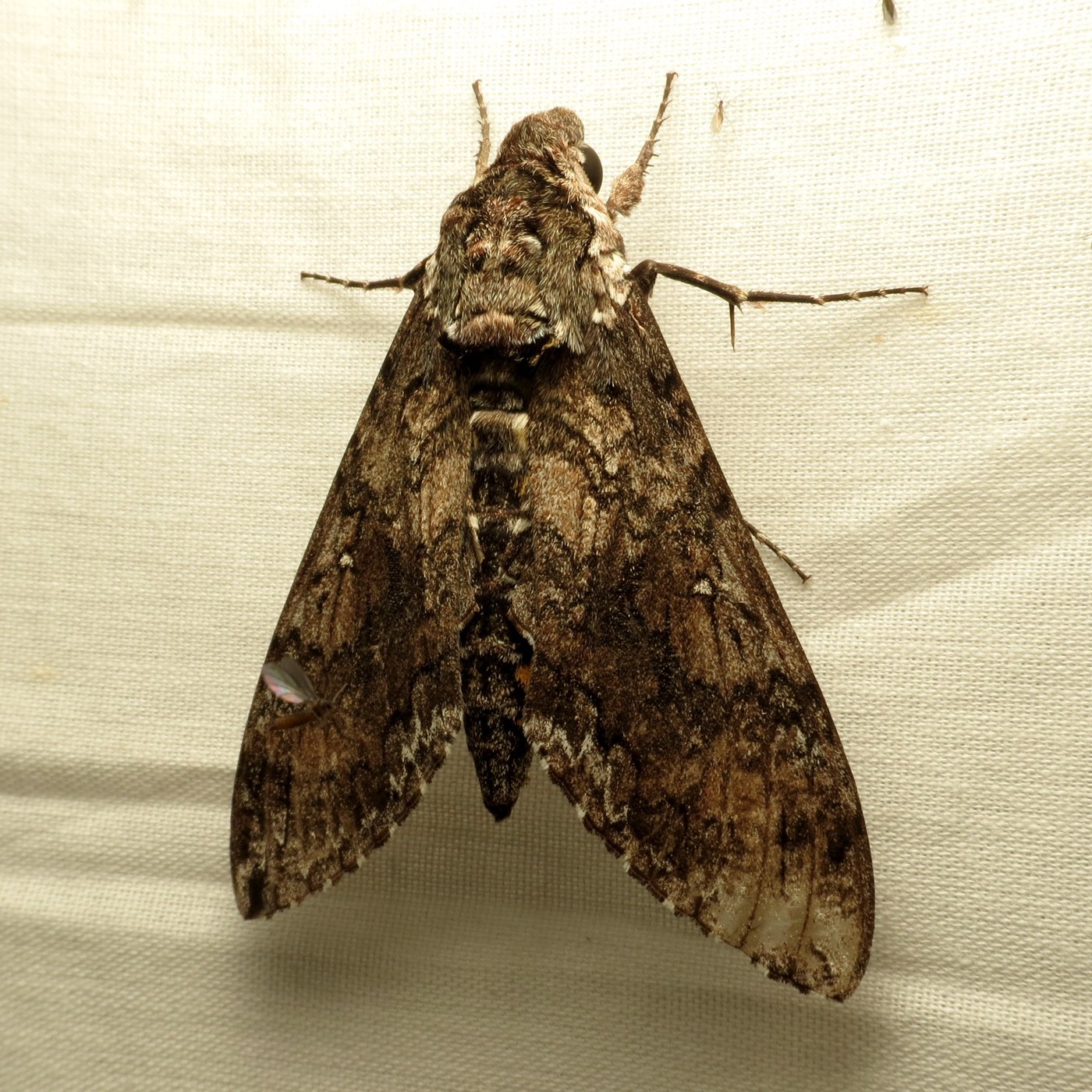
Tobacco Hornworm
tobacco, tomato, and pepper plants in gardens and fields
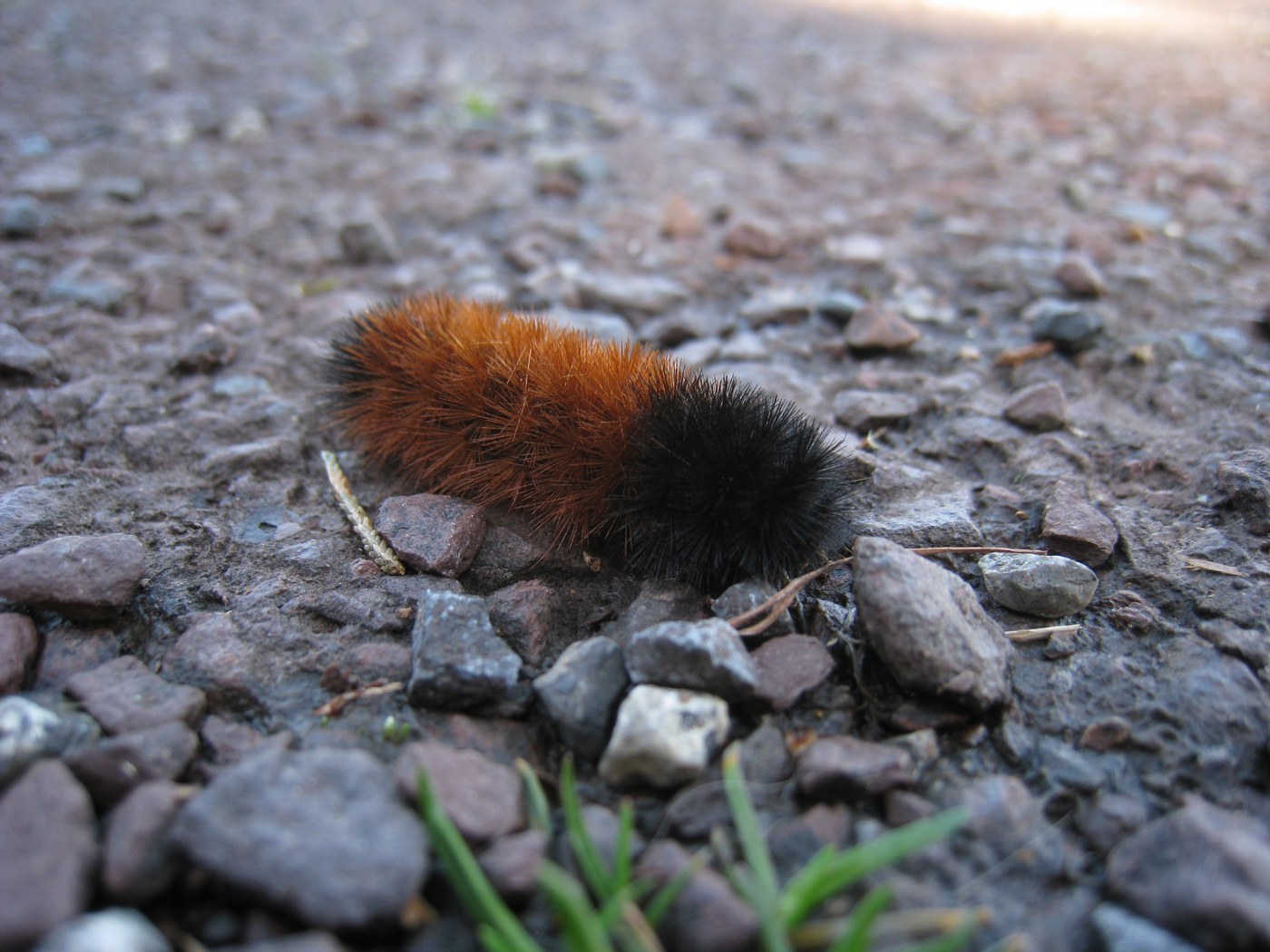
Woolly Bear Caterpillar
Gardens, meadows, roadsides, and woodland edges across North America
Sod Webworm
Turfgrass lawns, golf courses, pastures
Spiny Oak-slug Caterpillar
Deciduous forests and woodland edges with oak and other hardwoods
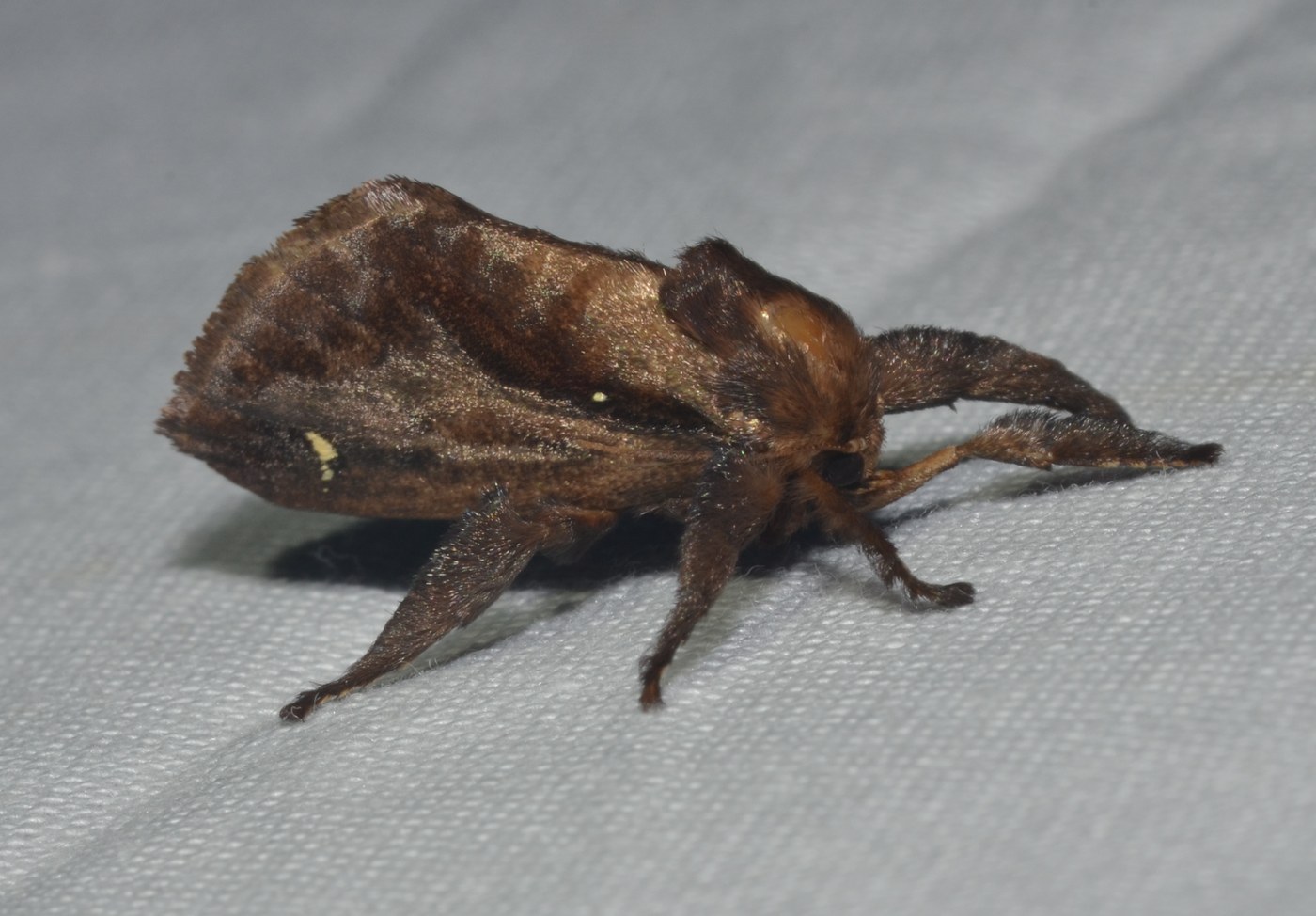
Saddleback Caterpillar
Deciduous trees and shrubs in eastern and southern North America
Stinging Rose Caterpillar
Gardens and woodlands with rose, dogwood, or oak
Silkworm
Reared exclusively in captivity on mulberry leaves; no independent wild population